Contents:
Many years ago, people used whatever they had as a medium of exchange—metal, shells, grain, anything that worked at the time. Later, the idea of assigning a standard value appeared, and that step became the foundation for the history of coins in America and in other monetary systems.
If you need to check a rare piece quickly, a coin checker free can help you sort it out and decide whether the issue is worth looking into further.
The Origins of Coins
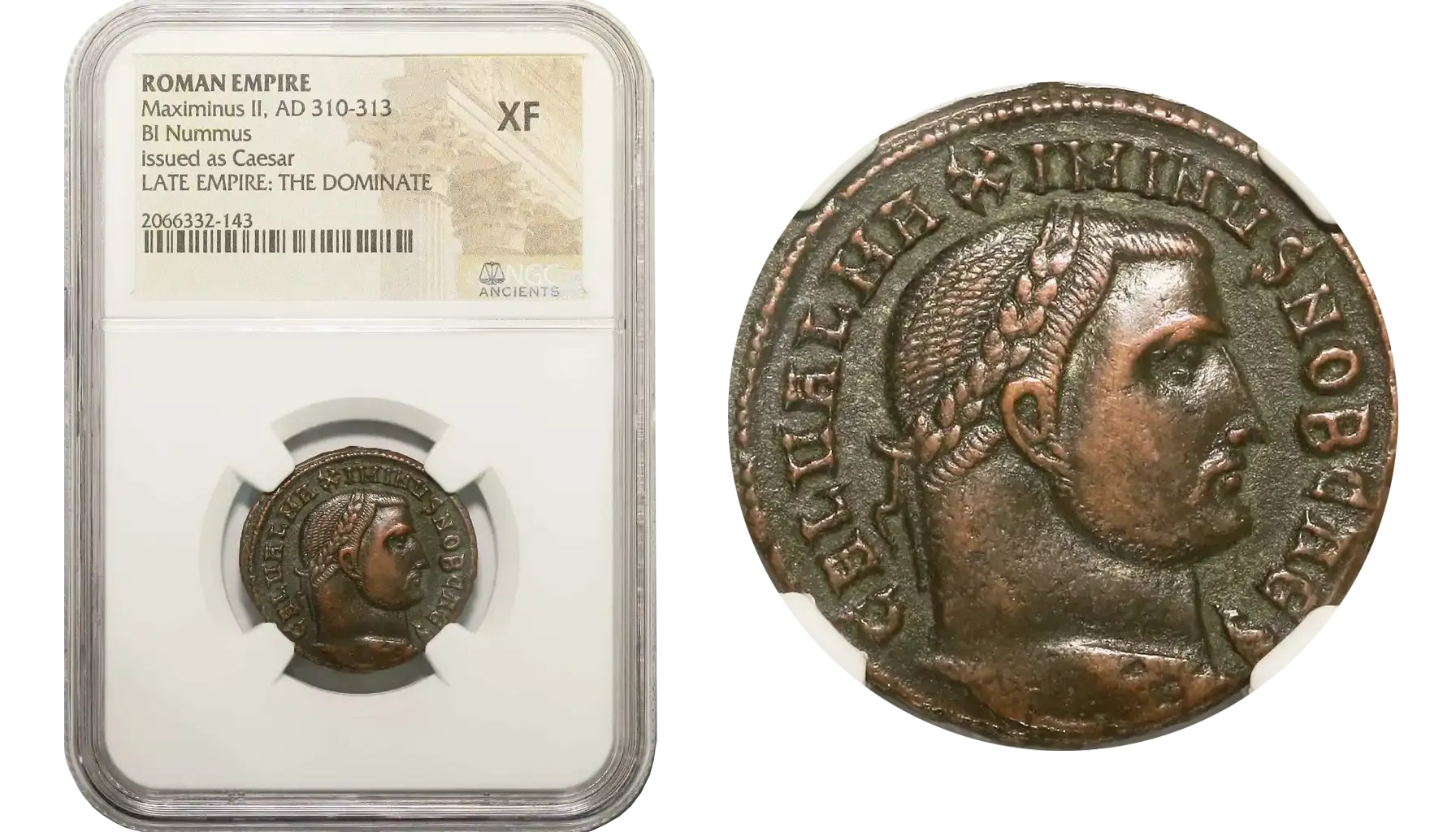
The first specimens appeared in the 7th–6th centuries B.C. in the kingdom of Lydia. They were impressed by metal disks and marked a step from a barter economy to standardized currency—the foundation for the later history of coins.
In ancient societies, minting was often local. City-states issued their own versions, regulating the economy and setting standards for metal weight. These early issues became the coins of history.
What distinguished the earliest coins:
Each piece matched a fixed weight, so people no longer argued about how much it was worth.
Electrum was used—a natural mix of gold and silver that made authenticity easier to check.
The imprint on the piece worked as a guarantee of both weight and metal content, which raised trust in the exchange.
Specimens could be stored and transported without having to weigh the metal each time they were traded.
Different denominations emerged, making exchange more flexible.
Ancient and Medieval Coinage

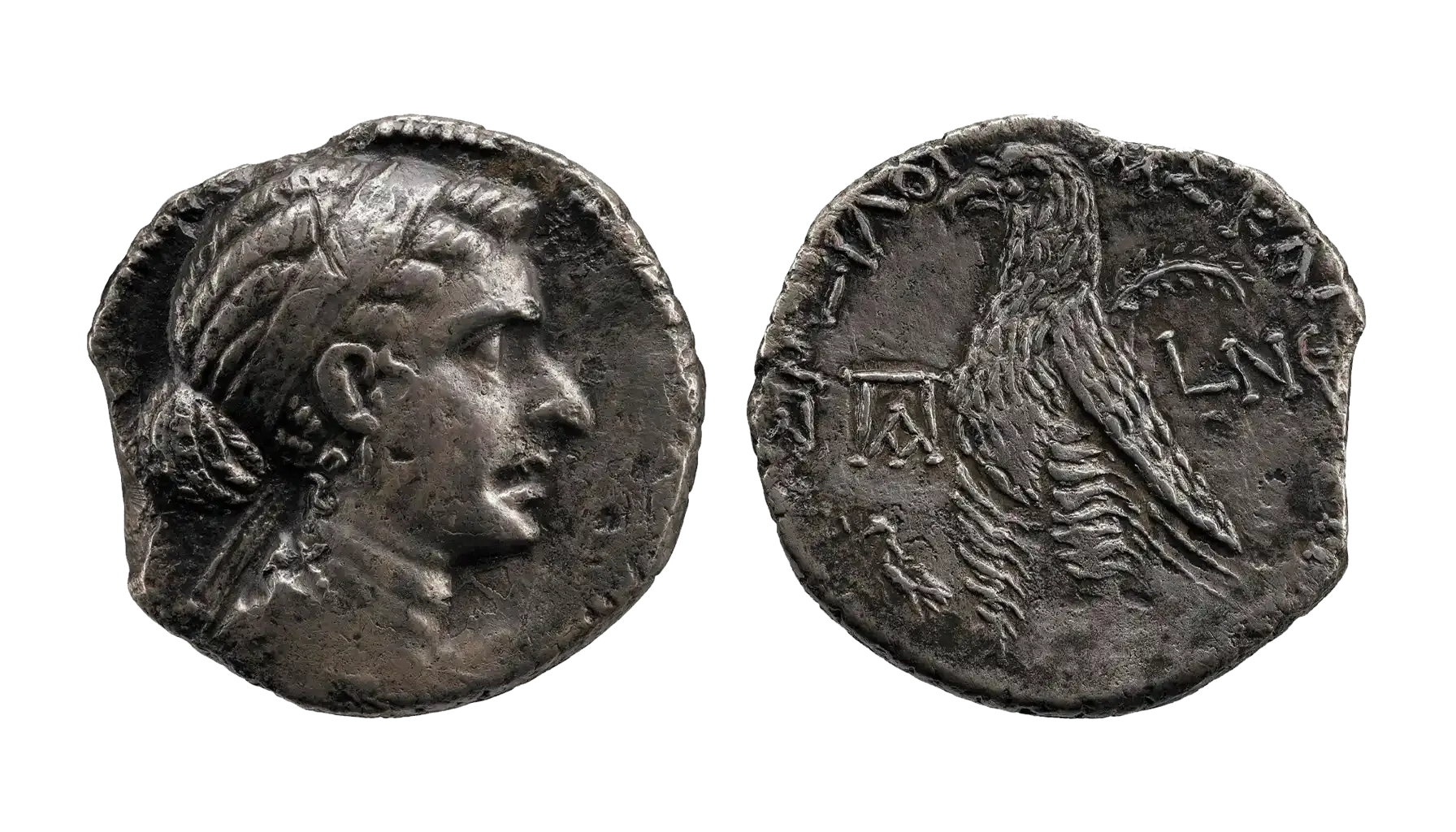
In Greek city-states and the Roman Empire, coins became a common means of payment. Drachmas, denarii, and tetradrachms acquired artistic symbolism and functions of state authority. Growing trade required uniform standards, and medieval states used coinage to reinforce their authority.
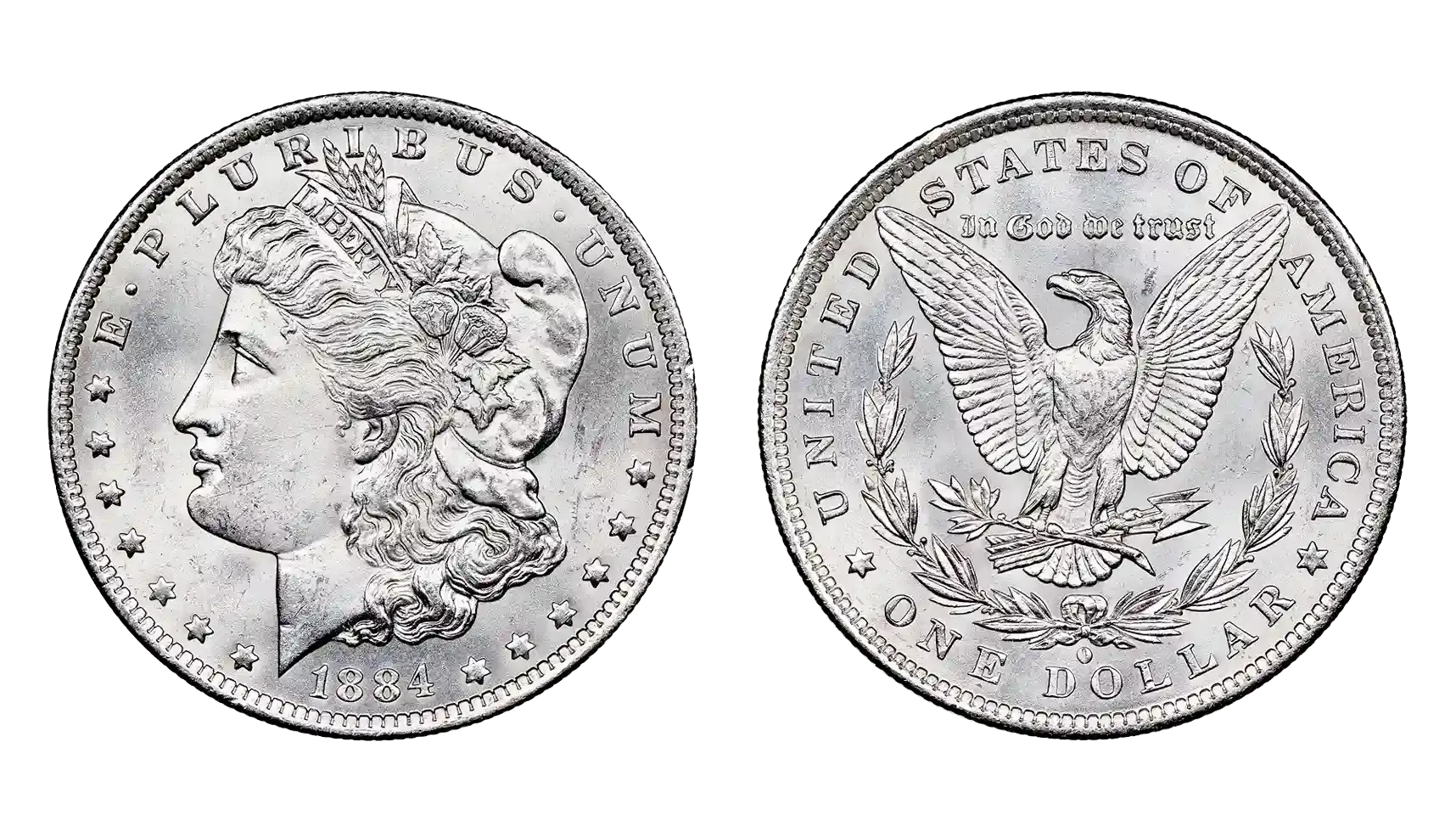
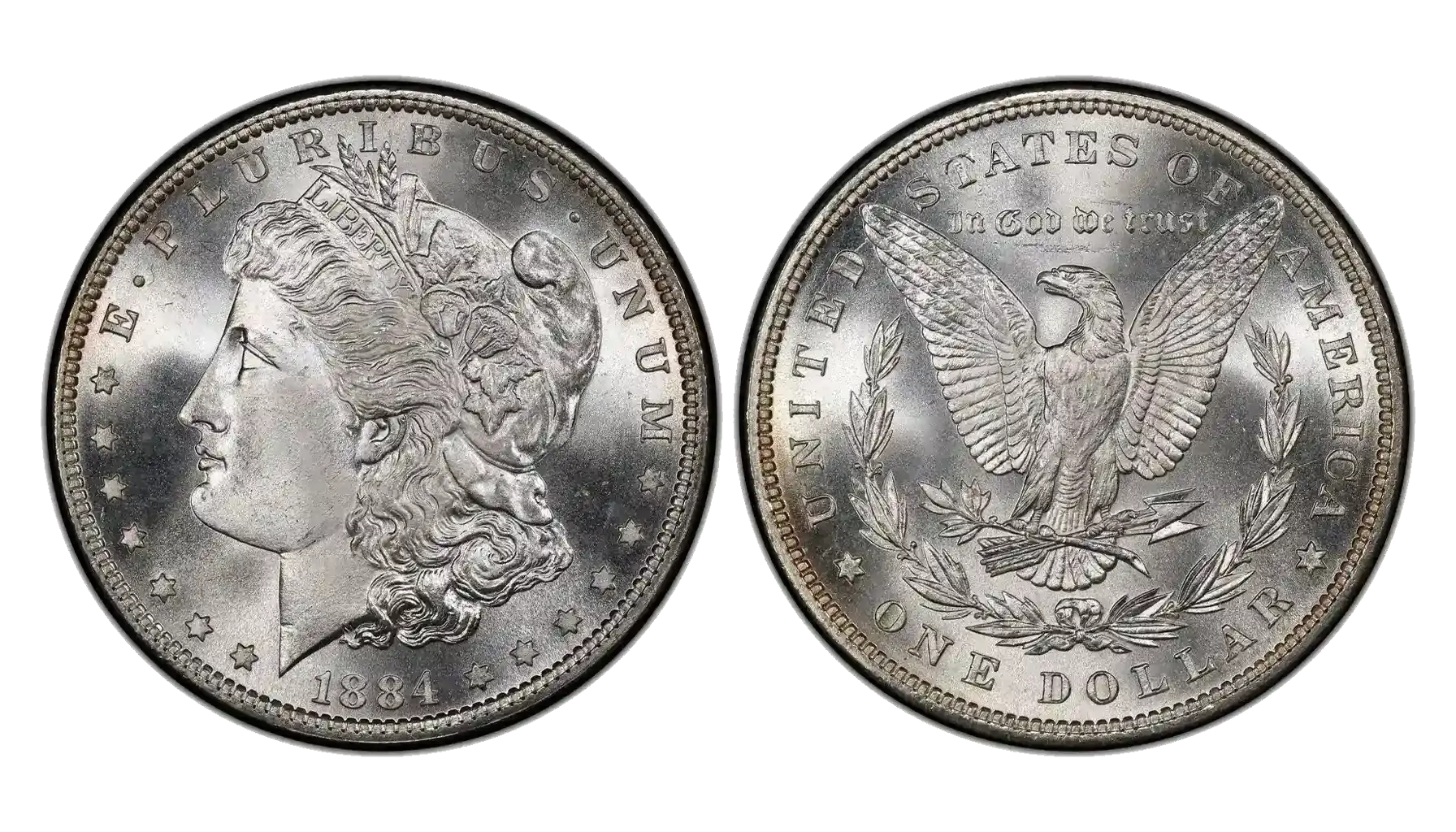
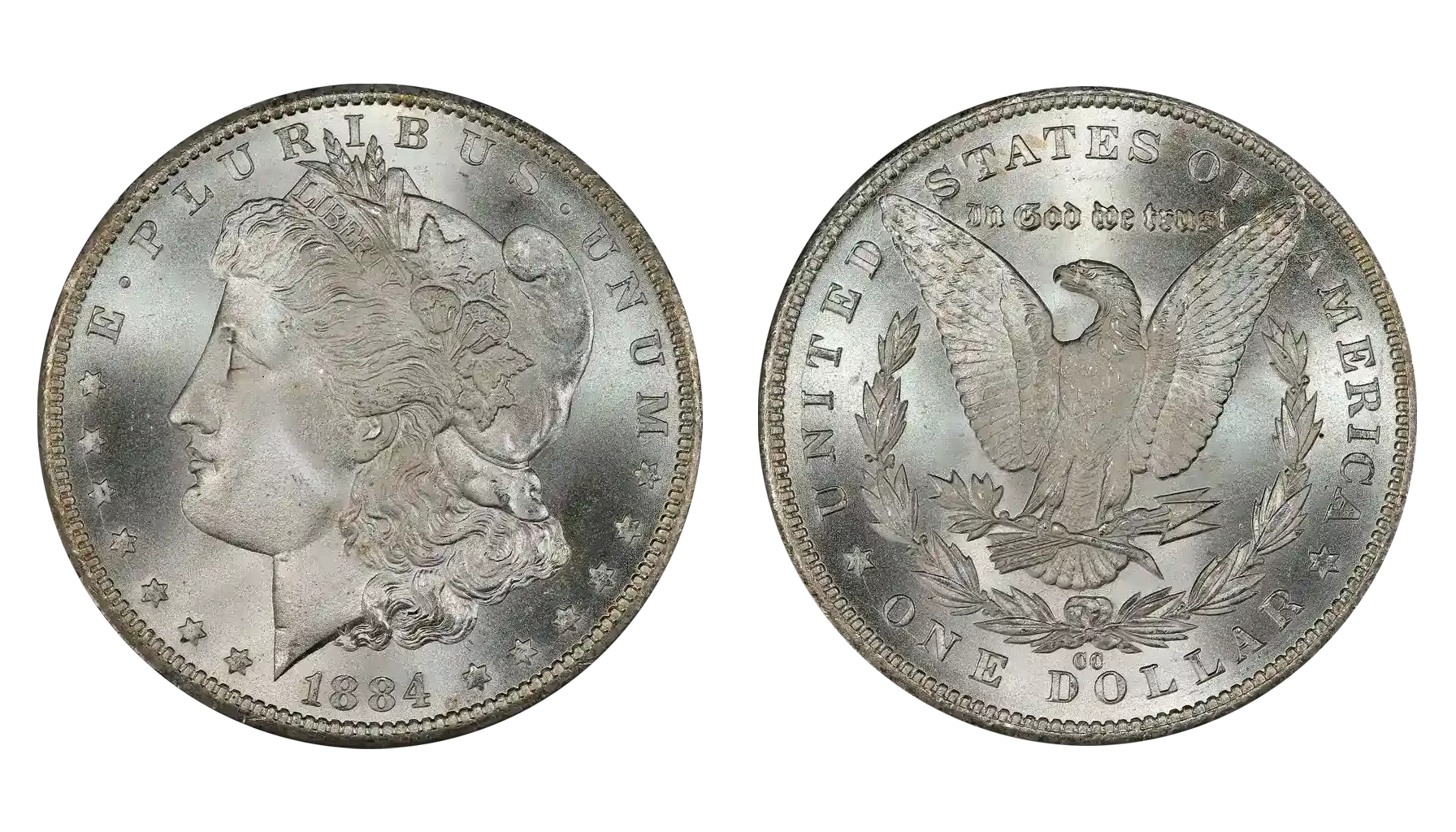
At this level, it is natural to compare ancient issues with later American series, including collectible Morgan and Peace Silver Dollars, which reflect a new era of standardization and large-scale minting.
The main practices of ancient and medieval coinage:
Standardized silver weights—for example, the Attic standard made the Athenian tetradrachm stable enough to circulate in international trade.
Expanding coin functions—struck also recorded political declarations through images of rulers and gods.
Development of coinage unions—unions such as the Hanseatic cities used agreed-upon standards to facilitate trade.
The technological complexity of minting increased, with new methods of preparing blanks emerging, improving quality, and reducing the number of defects.
The Rise of Gold Coins
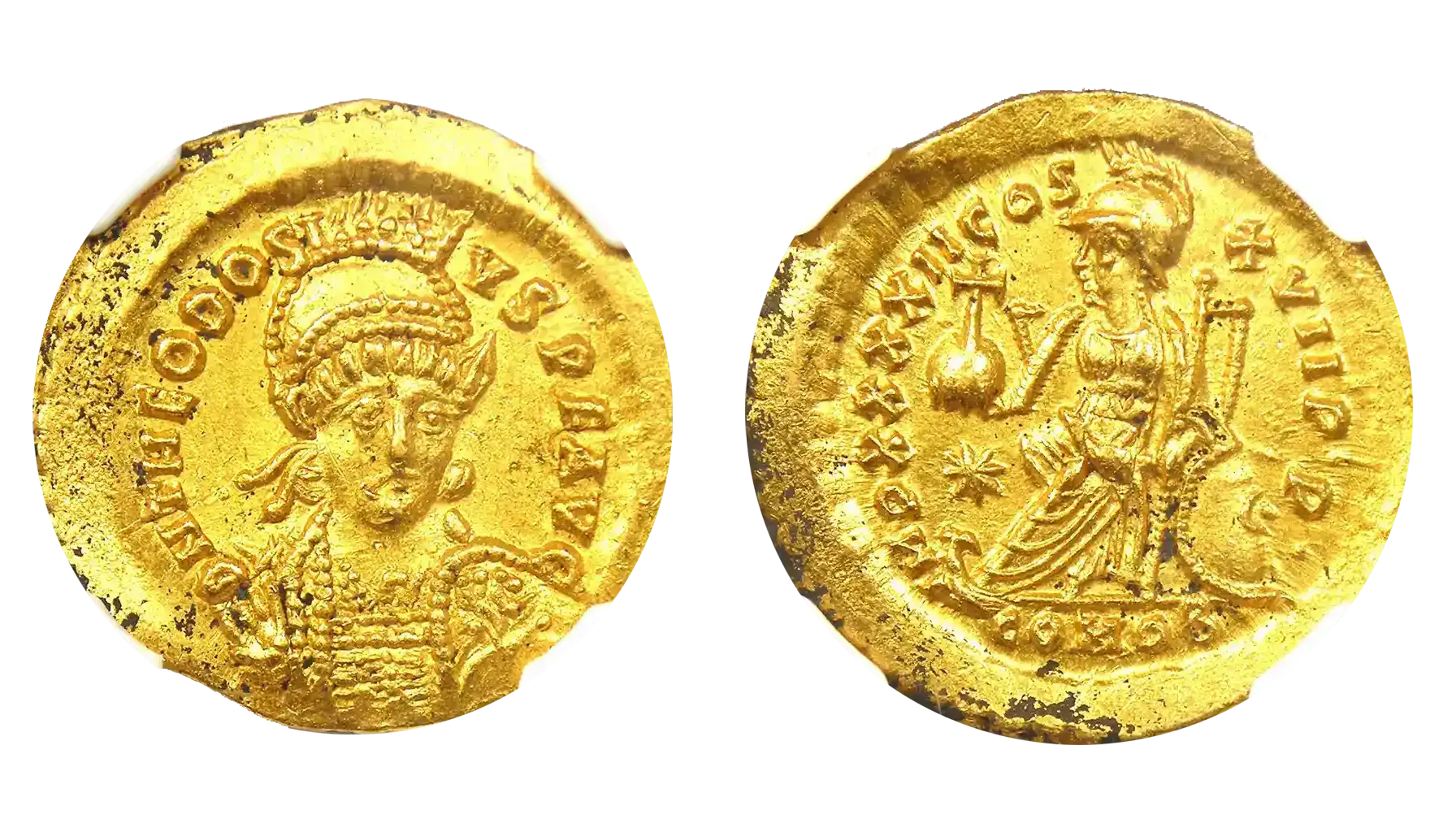
Among early coinage, gold served as a symbol of stability. Because the metal retains its value better than other metals do, states used it for large transactions. This trajectory illustrates the early history of gold coins, where gold became an international currency long before the advent of banking systems.
Standardized alloys, dies, and weight standards reinforced trust in gold. Minted units became a state's hallmark and an integral part of international trade.
In the 11th and 12th centuries, European states brought gold coinage back into use. The florin and the ducat became the main examples of this revival and stayed in international trade well into the modern period.
Early American Coinage
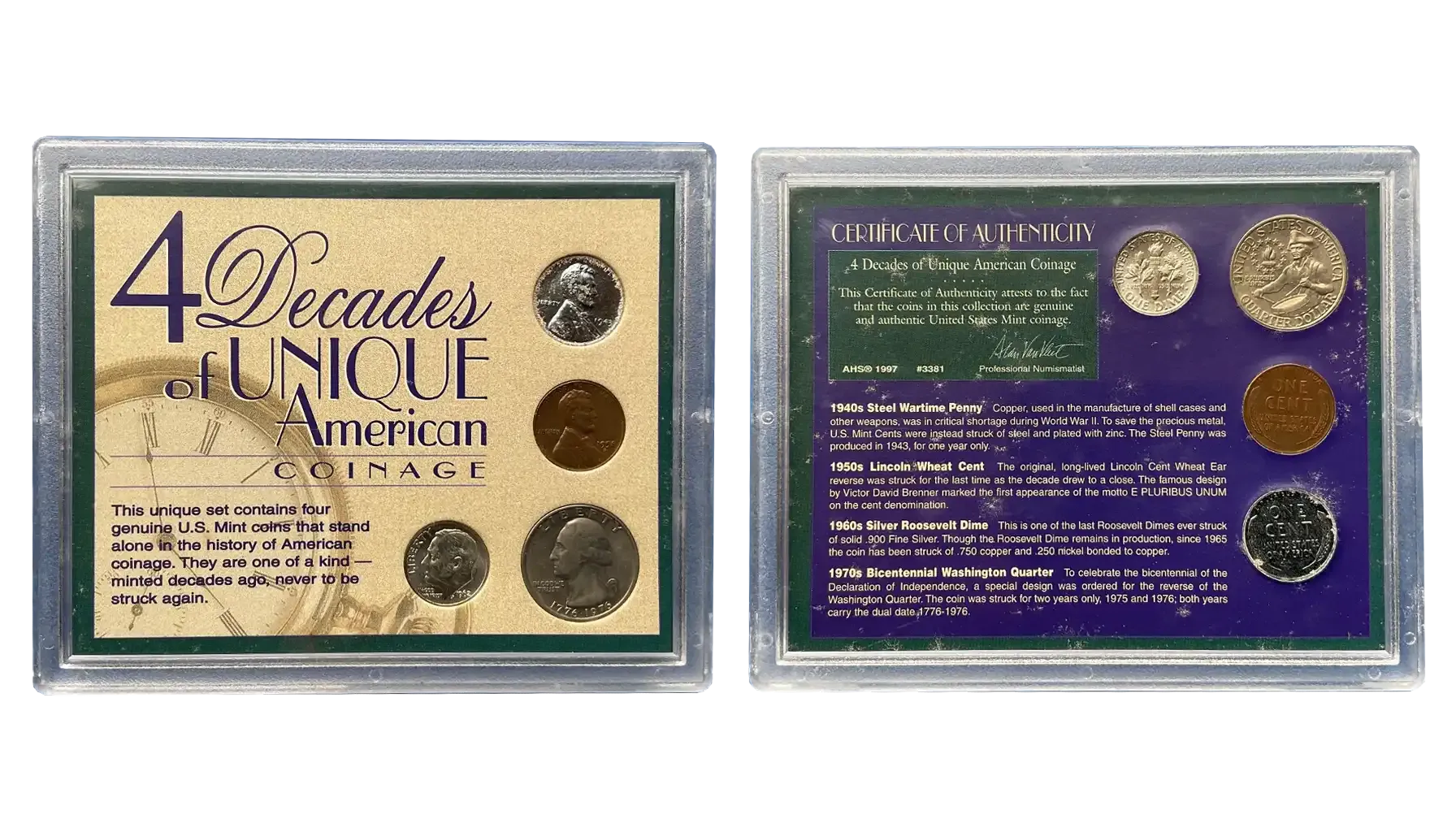
Before the introduction of its own coinage, the United States used foreign currencies—Spanish reales, British coins, and tokens. As the nation grew stronger, a national currency was needed, and a law in 1792 established a mint, marking the beginning of the history of American coins.
From 1793 onward, copper coins, then silver and gold denominations, began to appear. Early coins depicted Lady Liberty—a symbol of the young nation and its ideals.
“If the American people ever allow private banks to control the issue of their currency … the banks … will deprive the people of all property…”
— Thomas Jefferson, the 3rd President
Whitlock website
Development of U.S. Coins
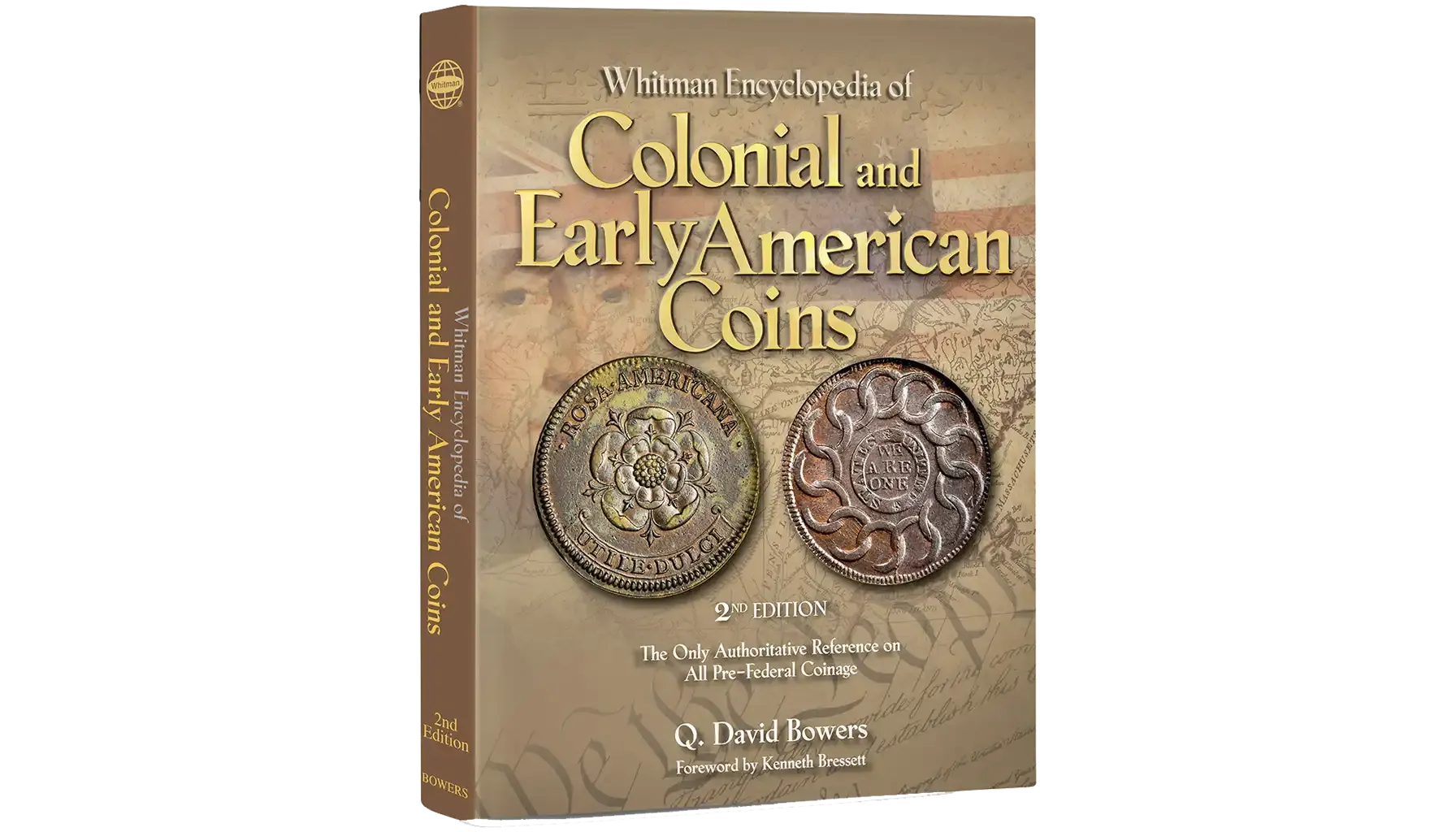
The 19th century was a period of constant change. Alloys, designs, and standards evolved. Silver and gold content was regulated, and denominations were adjusted. All of this laid the foundation for the rich history of US coins, where each period reflected the state of the economy.
For example, in 1965, Congress passed the Coinage Act of 1965, effectively abolishing silver in extensive minting. This was driven by the political and economic consequences of post-war inflation and rising metal prices.
The act changed the metal used for dimes and quarters, moving both to a copper-nickel alloy. After the switch, production costs stopped reacting to raw metal prices, and the minting process became far more steadier. That, in turn, made it easier to keep the money supply under control.
When people talk about modernization, redesigned issues often come up—the Roosevelt Dimes released in memory of President Roosevelt are a common example.
With time, some denominations were dropped, others appeared, and the metal mix changed to fit the market. This formed the circulation structure familiar to modern collectors.
Era / Period | Key Features |
7th–6th century B.C. | first metal coins, early standardization |
Antiquity | unified weight standards, and the expansion of trade |
Medieval | coins as an instrument of power |
19th-century United States | dollar system, development of minting |
20th-century | removal of silver, alloy standardization |
Modern era | collectible issues, high technological precision |
History of U.S. Gold Coins
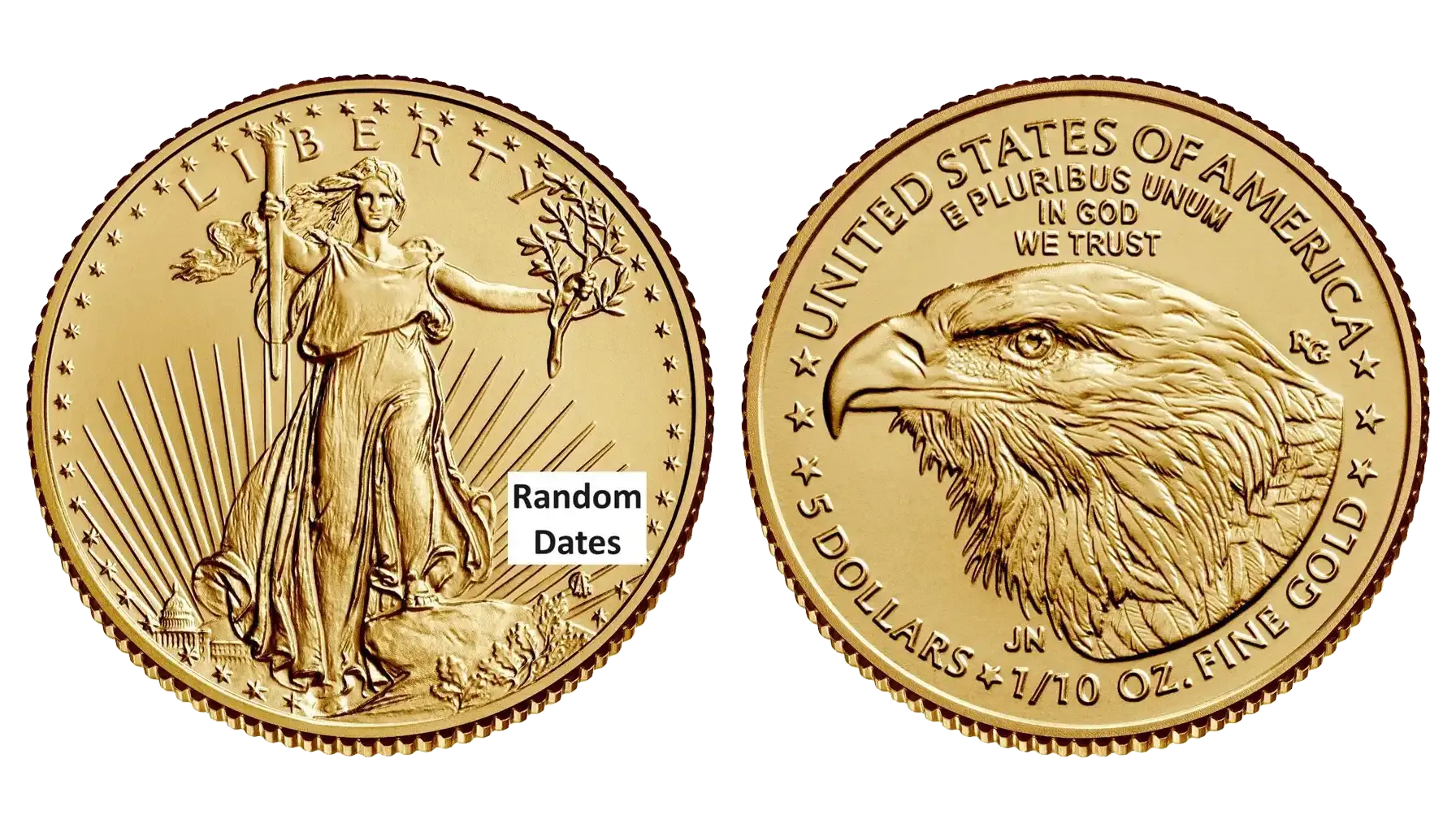
Since the Mint's early years, the United States has minted gold coins, but a significant portion was sent to international transactions and melted down, making early issues rare. This period forms the foundation of the history of US gold coins, which is important for collectors and economists.
Significant gold denominations:
$2.50 Quarter Eagle;
$5 Half Eagle;
$10 Eagle;
$20 Double Eagle.
The 1933 Double Eagle stands as one of the most controversial U.S. coins. One example brought over $18 million at Sotheby’s, showing how closely this issue is linked to major political and economic events in the country’s past.
Modern Coins and Their Legacy
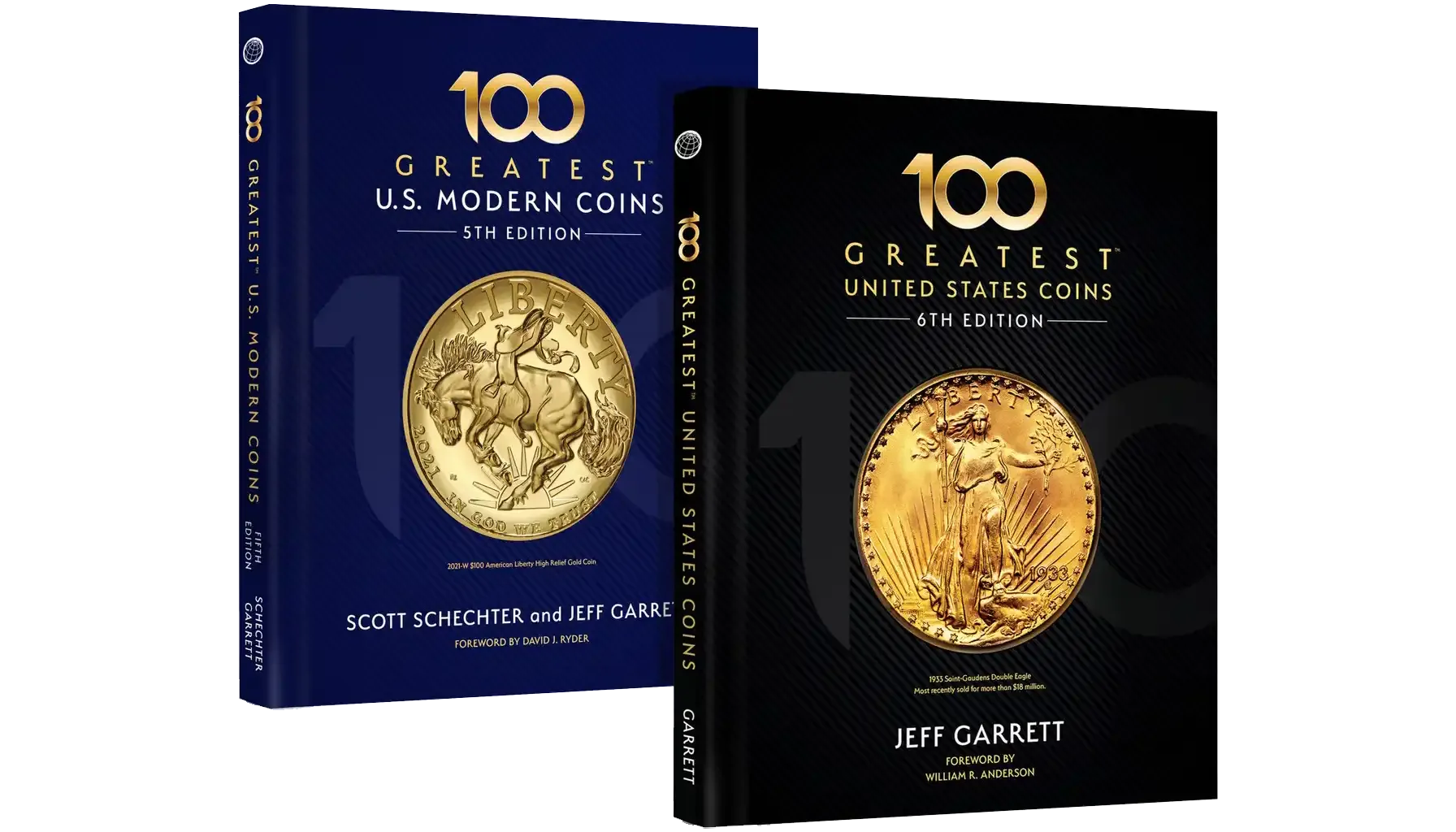
Modern coinage has replaced silver with a copper-nickel alloy. Coins have become part of the collecting world. This trend is closely linked to the overall history of US coins.
Today, interest is driven by rare finds, errors, commemorative issues, and reissues. Among collectors' favorite topics is the discussion of the design and history of various issues, such as the Buffalo Nickel, which became a bridge from the classical to the modern style.
What determines the quality of modern coins:
New die-making technologies;
Laser engraving;
Improved metal alloys;
Tool wear and lifespan monitoring.
Why Old Coins Matter
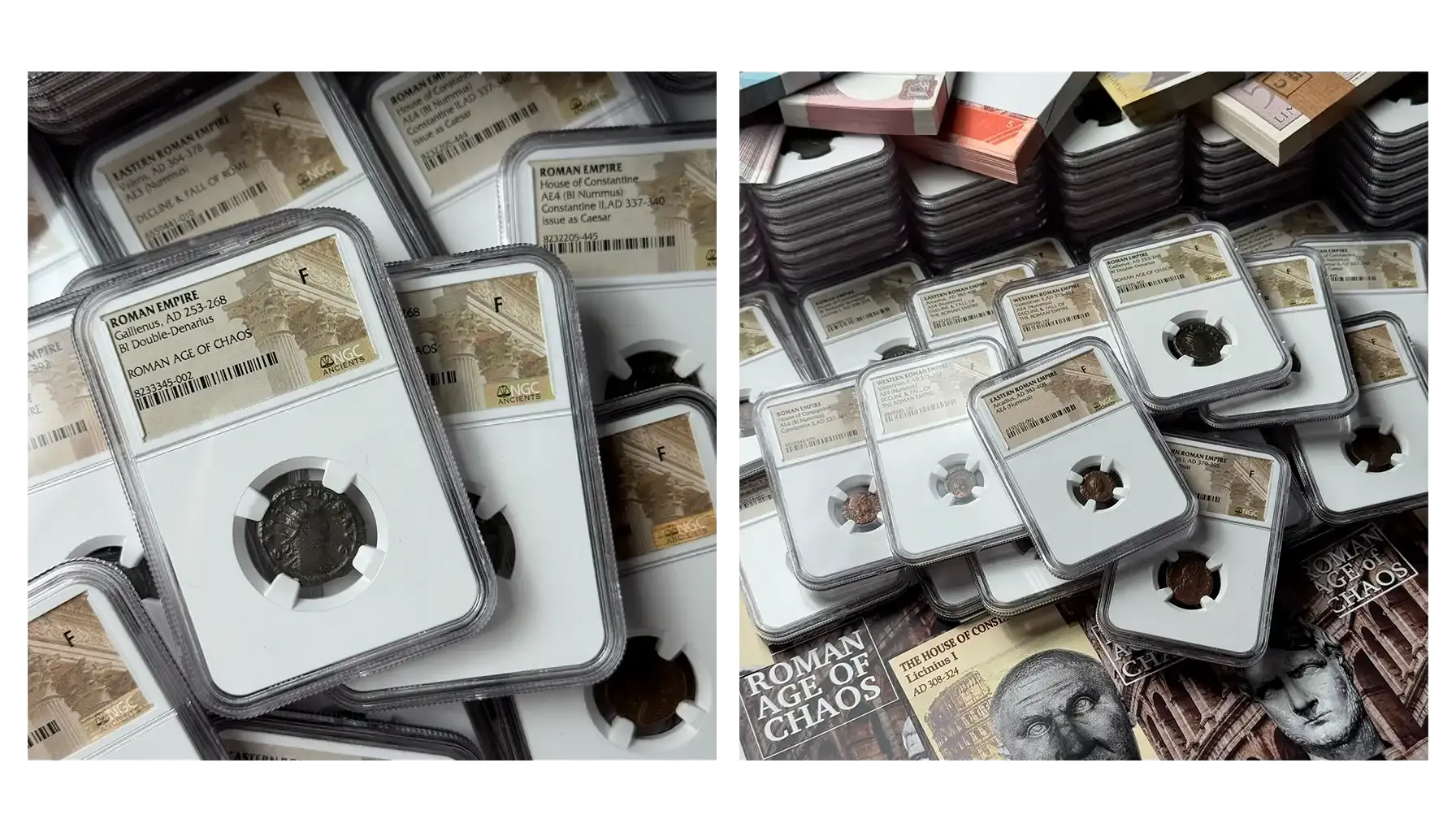
Many collectors believe that old issues preserve historical context: economics, minting technology, and cultural characteristics. Such issues allow us to reconstruct history, understand how standards changed, and why certain series became rare.
If you want a quick read on an old coin’s condition or need to see something similar, the Coin ID Scanner can handle that. You take a photo, and the app matches it with real sale records, making it easier to decide whether the piece deserves a closer look.
Old issues are valued for:
Rarity;
Condition;
Original relief;
Surface preservation.

 Facebook
  X (Twitter)
  Pinterest
  LinkedIn