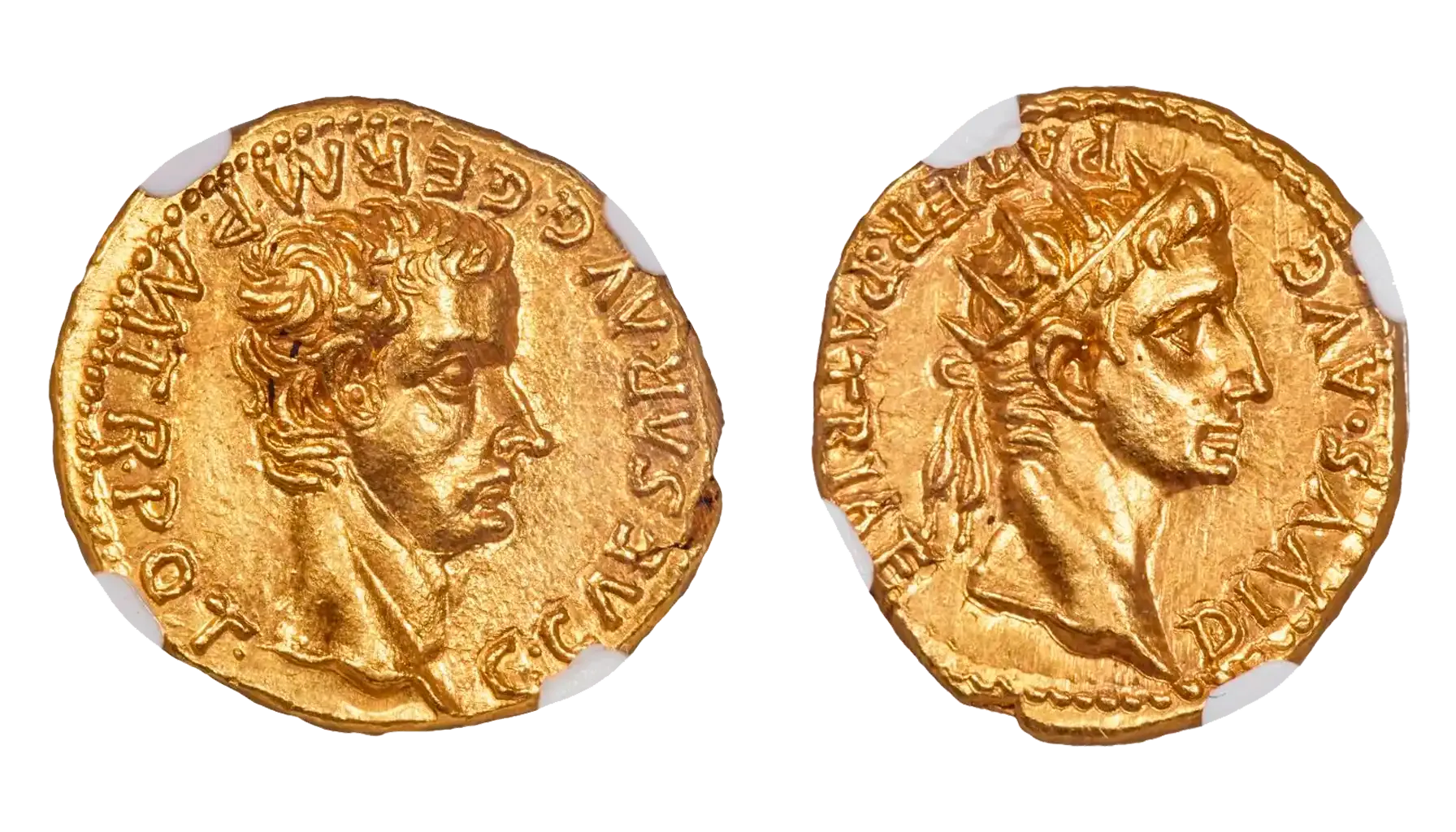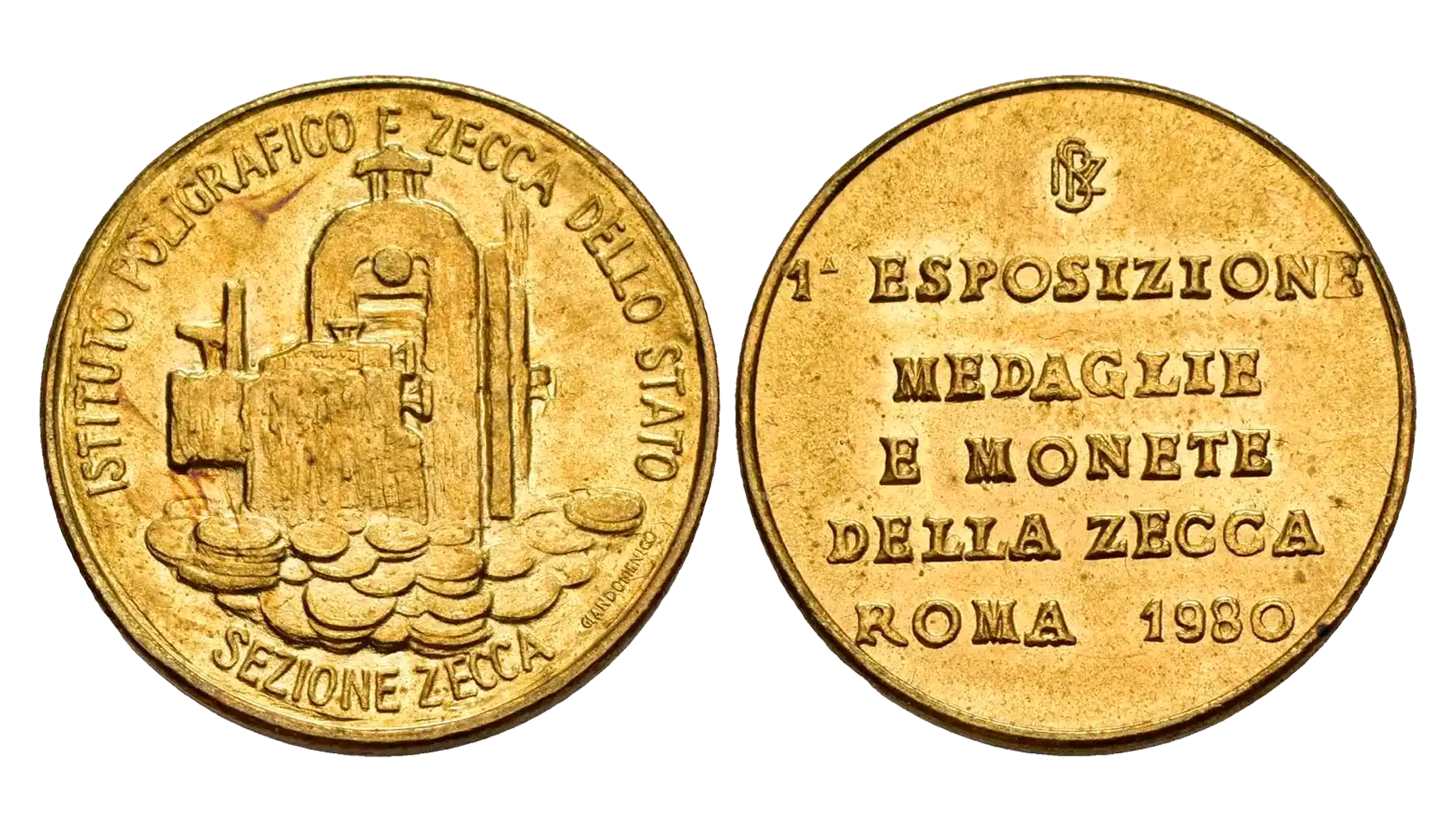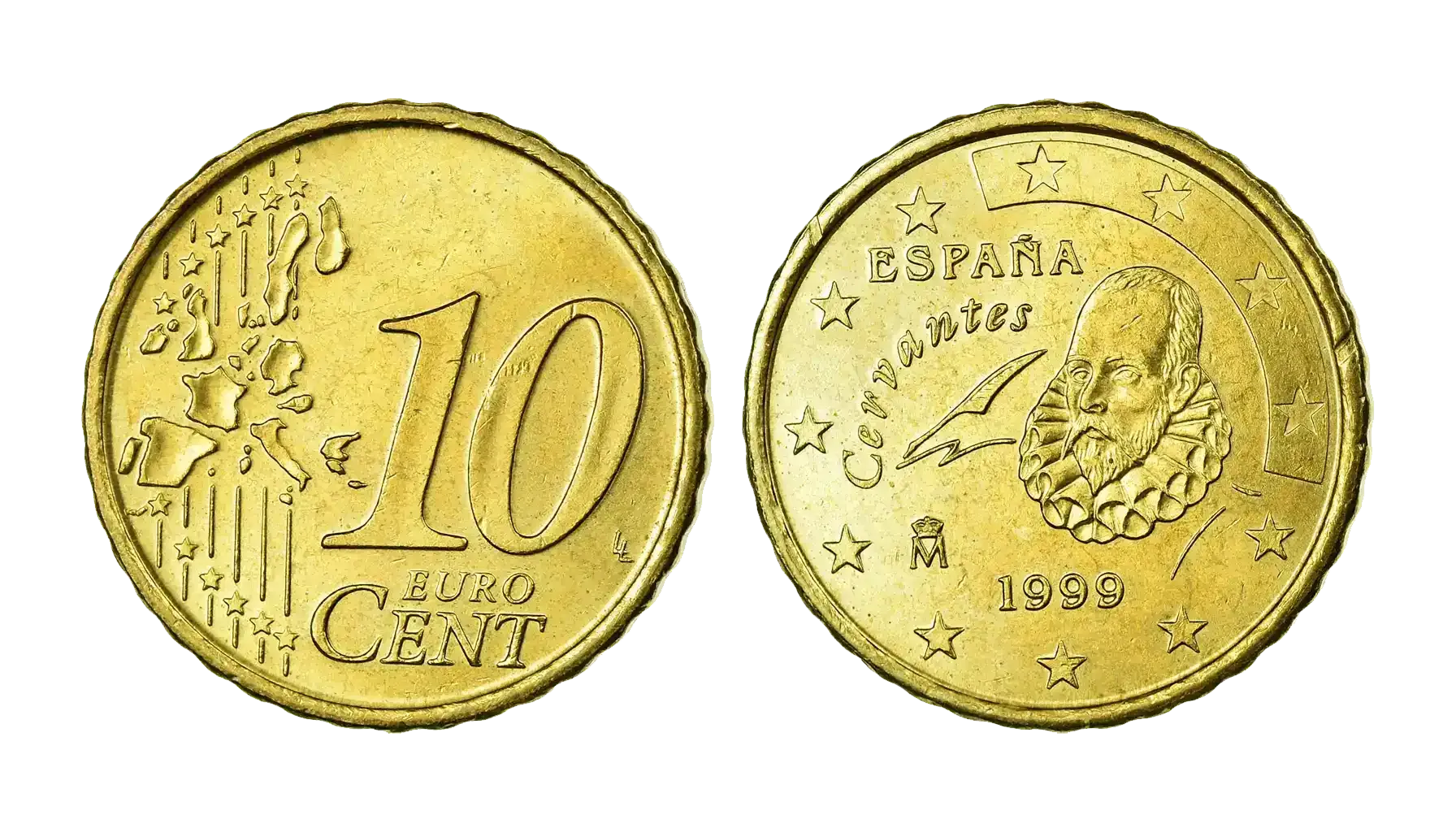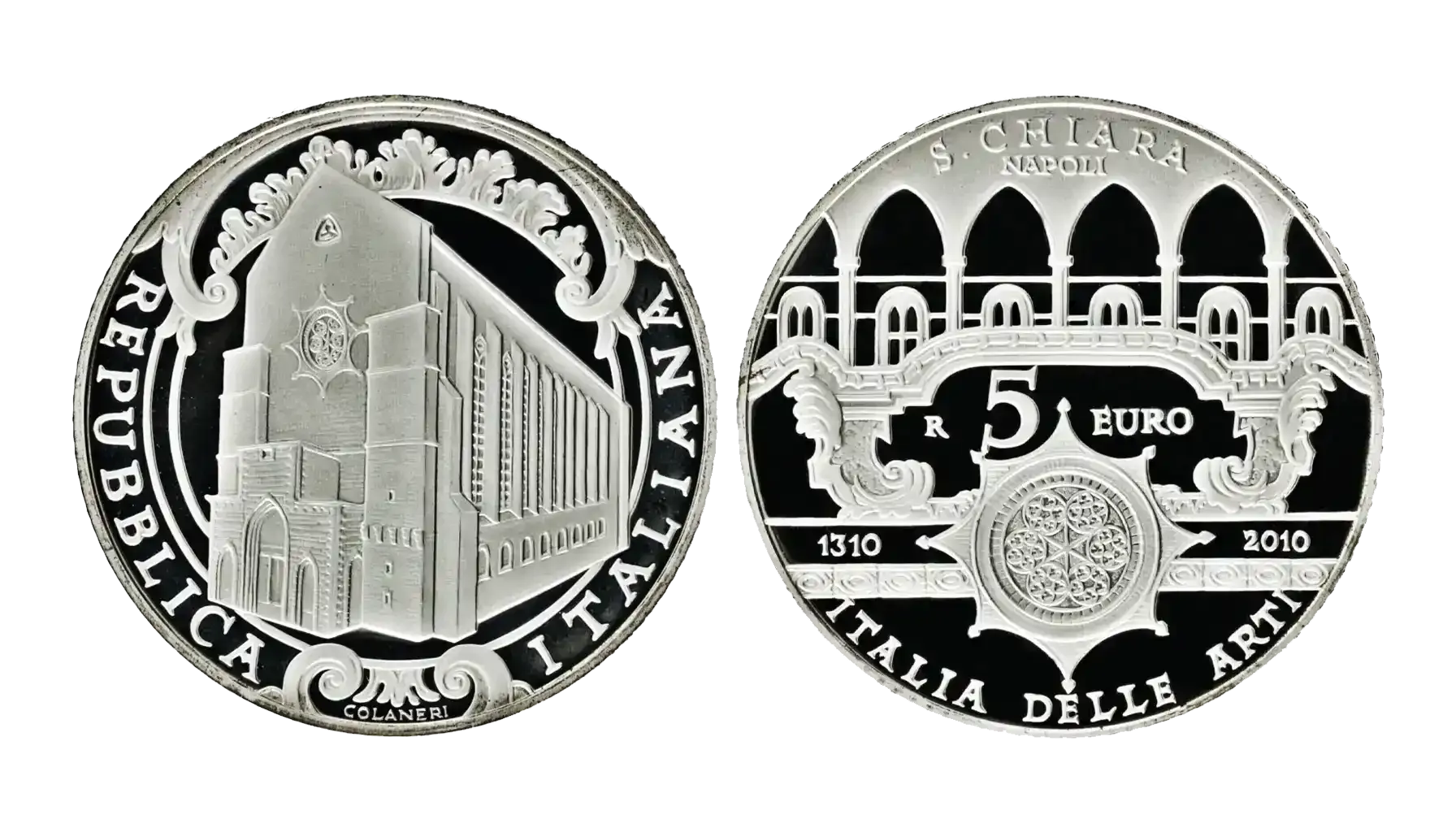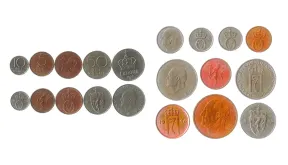
Norway always keeps up with monetary trends. Their bits never stay old. Functional, precise, and clean.
We will observe coins from Norway, their varieties, and values.
What is the best way to do a coin lookup? With apps, likely. You need only a phone and a photo to get instant coin identification.
Overview of Norwegian Coinage
Norway has a rich history, and Norway currency coins have gone through a few changes. Similar to their European neighbors (e.g., Italian Lira), the coins were heavy, featured silver and gold, but with time became smaller and switched to cupronickel.
While compositions changed, the currency itself is quite old. The current Norwegian coin is based on the krone (NOK). The krone was first introduced in 1875 when Norway joined the Scandinavian Monetary Union.
Today, Norwegian krone banknotes and coins come in these denominations:
Denomination | Type | Material | Introduction Year |
1 Krone | Coin | Nickel-plated steel | 1997 |
5 Kroner | 1998 | ||
10 Kroner | Cupronickel center, brass outer ring (bimetallic) | 1995 | |
20 Kroner | 1994 | ||
50 Kroner | Banknote | Paper/polymer blend | 2018 |
100 Kroner | 2017 | ||
200 Kroner | 2017 | ||
500 Kroner | 2018 (Series VIII) | ||
1000 Kroner | 2019 |
Fun fact: At the time of writing, krone celebrates its 150th anniversary.
“Historically, the krone is a prudent investment as Norway stakes claim to one of Europe’s most stable economies.”
— James Chen
Investopedia
Valuable Norway Coins
In most cases, the modern Norwegian coins' value is low, close to face value. Hardly a surprise, since the same thing goes for any other modern currency, from U.S. currency to Chinese.
However, a few krones from the past broke the barrier, and today these examples could be worth a few dozen (and even hundreds) dollars:
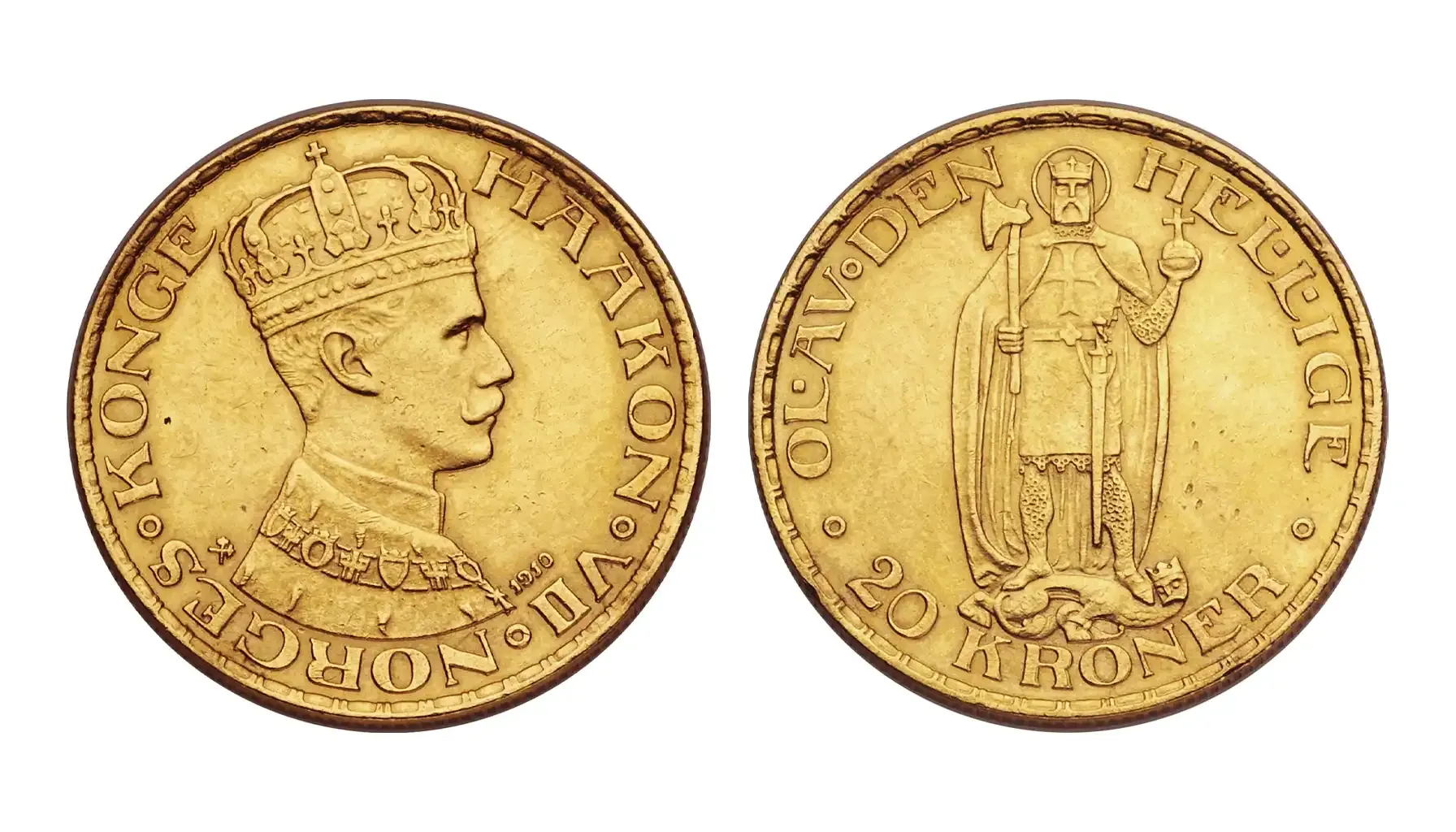
Gold 20-Kroner (1874–1910): While these bits retain a relatively low amount of gold, a bout 0.2592 oz, gold is precious. Today, Norwegian gold coins could be worth at least $1000.
Silver Speciedaler (Pre-1875): These Norwegian silver coins were used before the krone. While silver is less valuable than gold, the ripe old age makes speciedaler valuable, especially in pristine condition.
WWII-Era Issues (1940–1945): Norway couldn't take the wartime strain and had to limit its mintages. These bits, being scarce by nature, are valuable. Most are worth $15+.
How to Identify Norway Coin Value
How do you recognise these valuable bits we spoke of? It’s easy:
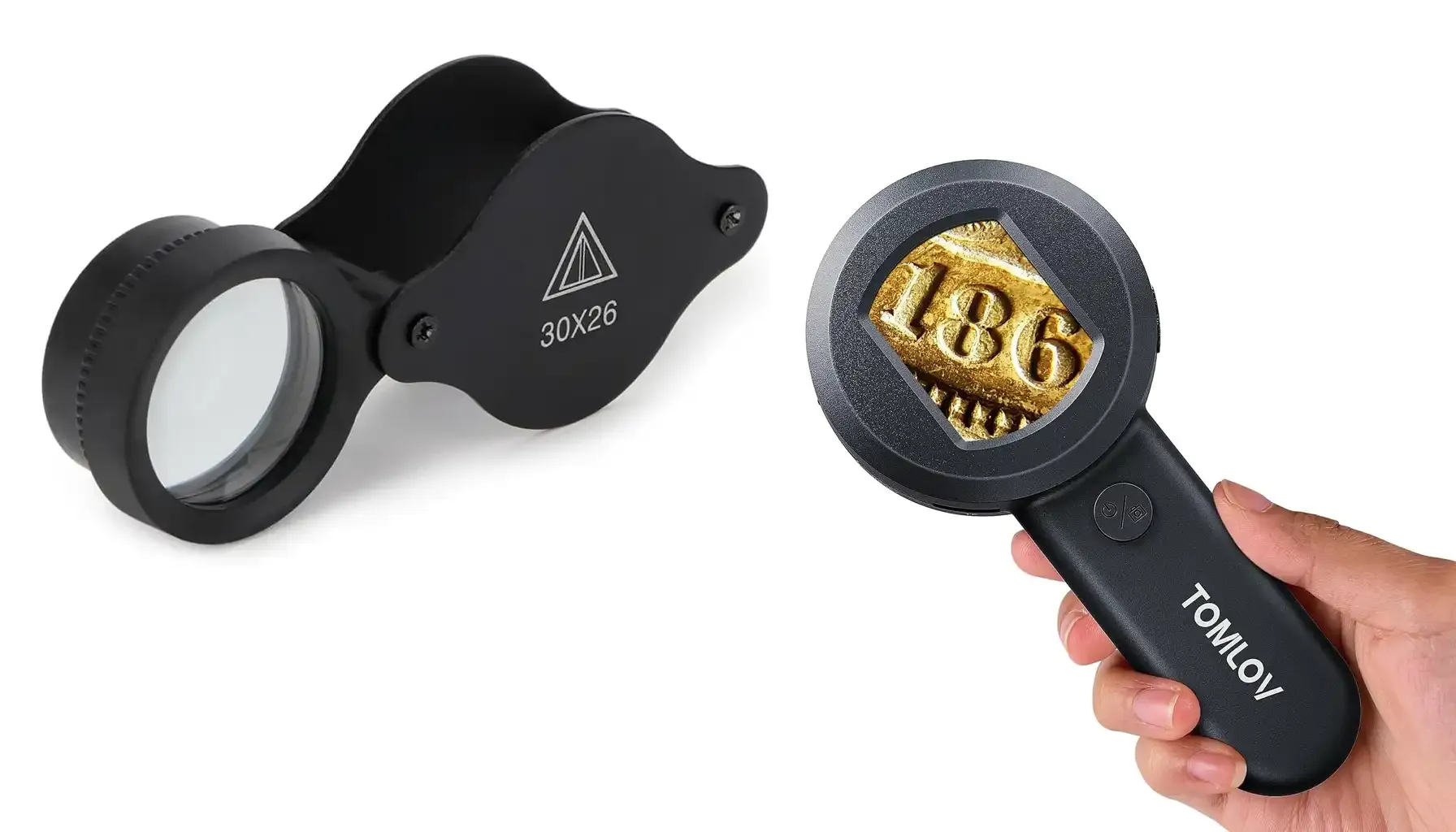
1. Check the date and Mintmark
Some years have significantly lower mintages, making them scarce in today’s market (1940–1945).
If you see dates older than 1920, this bit is definitely worth your time. It’s likely made with precious metals or has historical value.
2. Check Metal Composition
Bits made of gold or silver hold intrinsic bullion value.
You can recognize a metal by colour or by a “bling” sound as you lightly strike the surface.
3. Mind the Condition (Grading)
Even a common bit could be worth more if it has a Mint State condition.
If a piece has luster and sharp details, it likely has excellent condition.
Conclusion
Norway is one of the few European countries that doesn’t use euros. This diversity is a treat to any collector. Perhaps, Krone will stay with us for many years to come.
How can you identify coins in a flash? You cannot, unfortunately, but apps can. The Coin ID Scanner app scans coins in seconds. You only need to wait, and the overview, with values and descriptions, is yours.

 Facebook
  X (Twitter)
  Pinterest
  LinkedIn