Contents:
Sometimes, coins may come and go; however long their history can be. The world of Canadian currency presents a fine example of a numismatic creation, i.e., the Canadian penny, that managed to turn into a rare cultural artifact from different epochs that the country could reflect on.
What was once a simple means of daily transactions has now become a peculiar symbol of the past, when it was still exploited and relevant. With more than 150 years of circulation, certain instances of pennies attract numismatists from all over the world. But what makes these one-cent units so special? How to identify these coins, and how much is a Canadian penny worth?
The History of the Canadian Pennies
The legislative system (as well as all those monetary affairs) has always been peculiar and distant (except for now, when the boundaries are blurred, and the location no longer matters). The Canadian cent, for example, was something exceptional. As a symbol of Canada's longstanding ties to the British monarchy, coins featured a portrait of a ruling leader (i.e., the King or Queen from the British Isles).
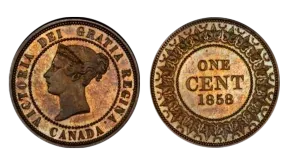
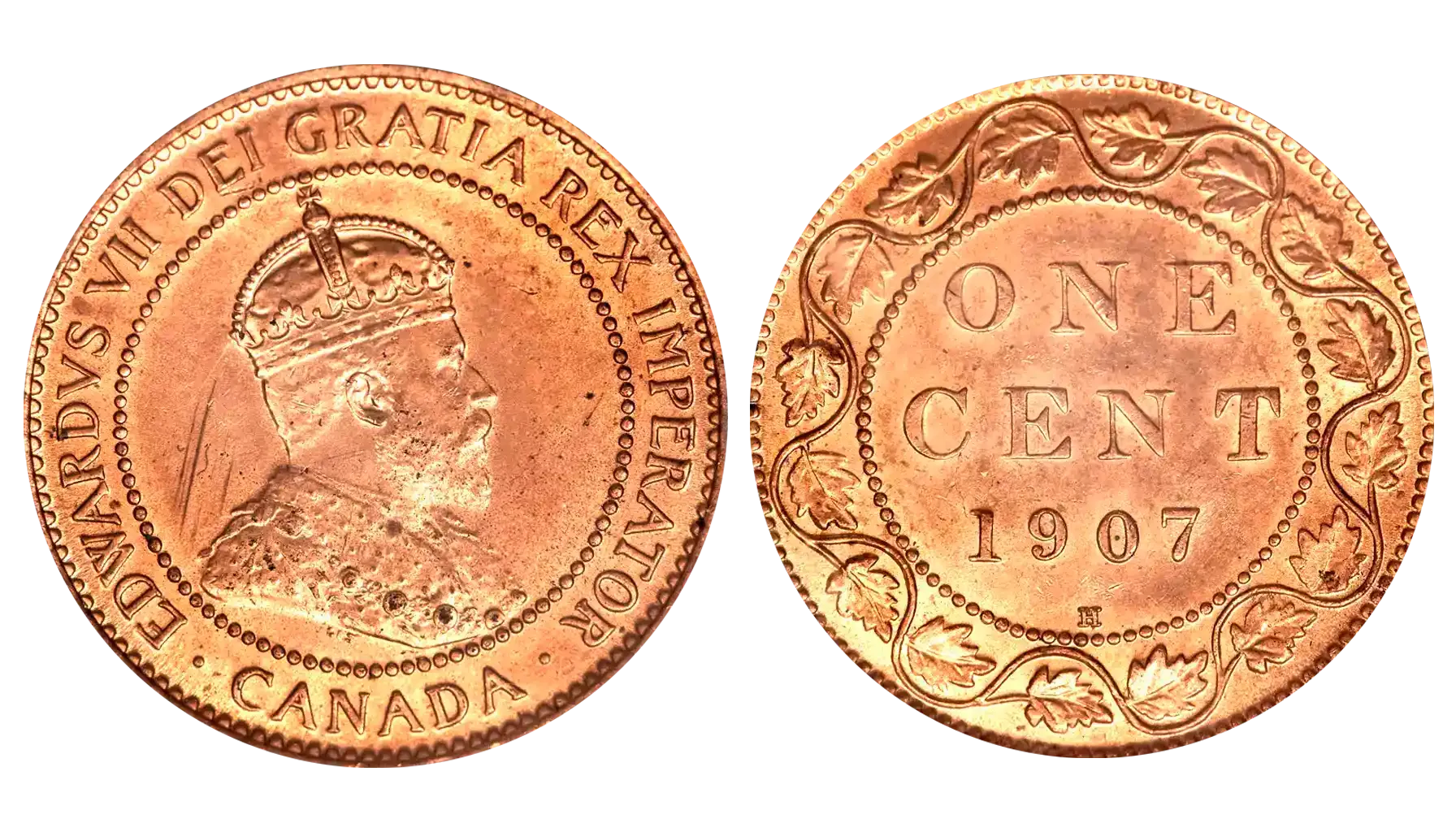
With each new monarch, the design of the coin changed subtly but significantly, with the earliest pieces introducing Queen Victoria's portrait (in 1858) and covering the reigns of King Edward VII, King George V, King George VI, Elizabeth II, etc.
The earliest Canada pennies, known as large cents, were introduced in 1858 and were bigger than their modern iterations. The circulation period was rather extensive (until 1920, when a small cent, i.e., a more useful and smaller option, managed to align with evolving economic needs). In 1937, a distinctive, indicative coin of the maple leaf twig was introduced. For many years, this pattern, accompanied by an image of the reigning monarch, was standard.
Despite the changes, the coin’s future was uncertain as inflation reduced its purchasing power in the end. The end was coming when copper was replaced by less expensive materials like steel and zinc in the late 20th century.
In 2012, the government declared the penny obsolete, and on February 4, 2013, it was officially withdrawn from circulation.
“The Royal Canadian Mint makes 816 million pennies per annum. Desjardins Group, in 2007, estimated 20 billion pennies were in existence — translating to roughly 600 pennies for each Canadian.”
— Andrew Lovesey, film and television producer
Canadian Geographic
Are Canadian pennies worth anything now? Even though these are no longer in use, these units of currency represent Canadian history, and rare versions are now overly collectible by those who appreciate unique forms and Canadian pennies worth money that cannot be released evermore.
Rare Canadian Pennies That Should Not Be Missed
Though the stack of Canadian penny worth money dazzles with numerous numismatic creations, some of which are more or less outstanding (in a way that makes them even more valuable and captivating). You may find such specimens in different Canadian penny value chart pieces and tables.
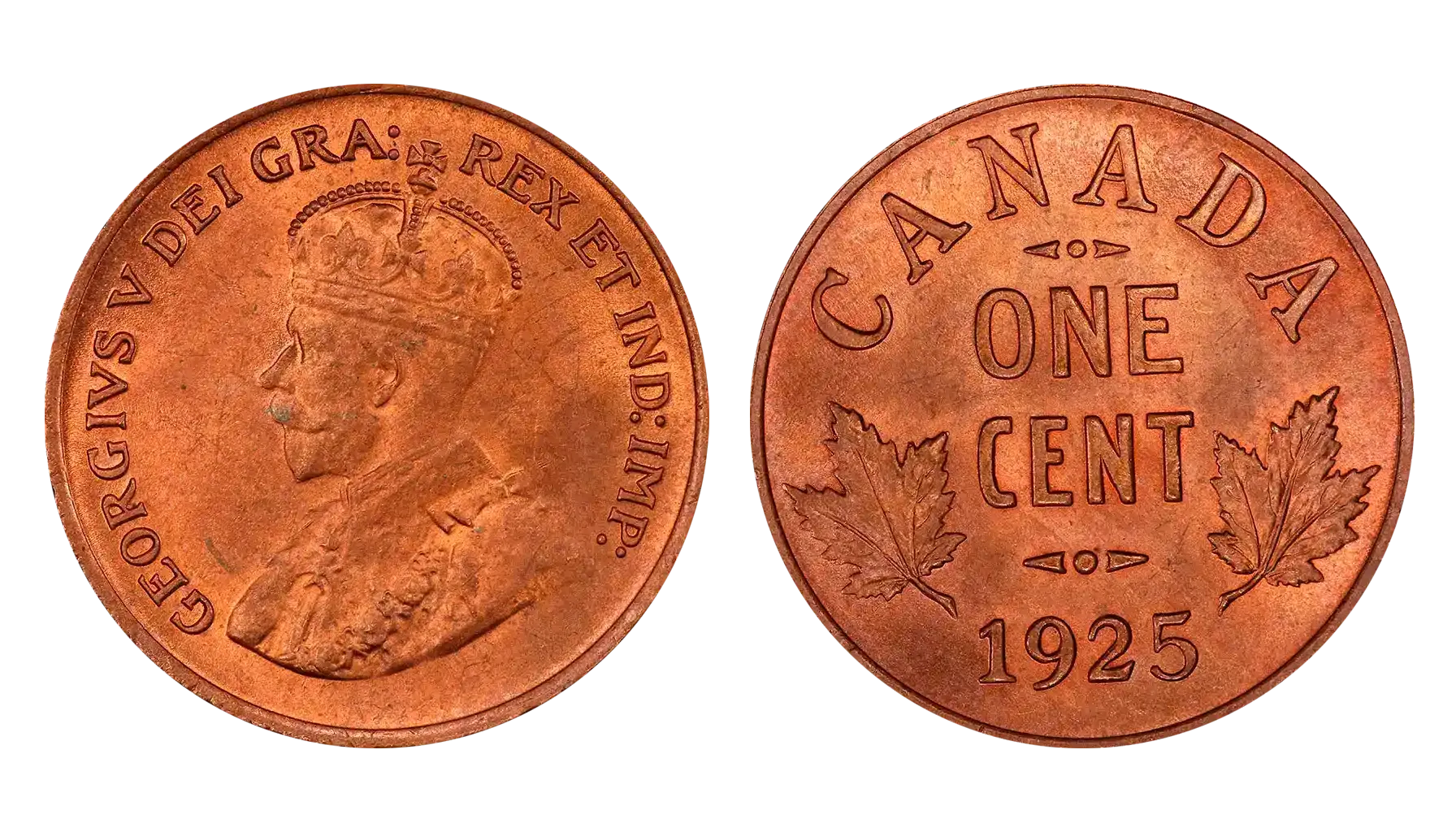
1925 Canada Cent
Approximate Value (in Mint State): $1,500–$6,000+
One of the rarest, smallest, and most valuable Canadian pennies ever minted is the 1925 Canadian specimen. That year, the Royal Canadian Mint struck only 1,000,622 pennies. During that period, pennies were often used for daily operations, and many of them got lost or eroded over time. Because it is so hard to find one in perfect condition, collectors find this coin to be exceptionally valuable. At auctions, well-preserved antiques in immaculate condition can fetch thousands of dollars.
Canadian 1936 Dot Cent
Approximate Canadian Penny Values (in Mint State): $250,000–$400,000+
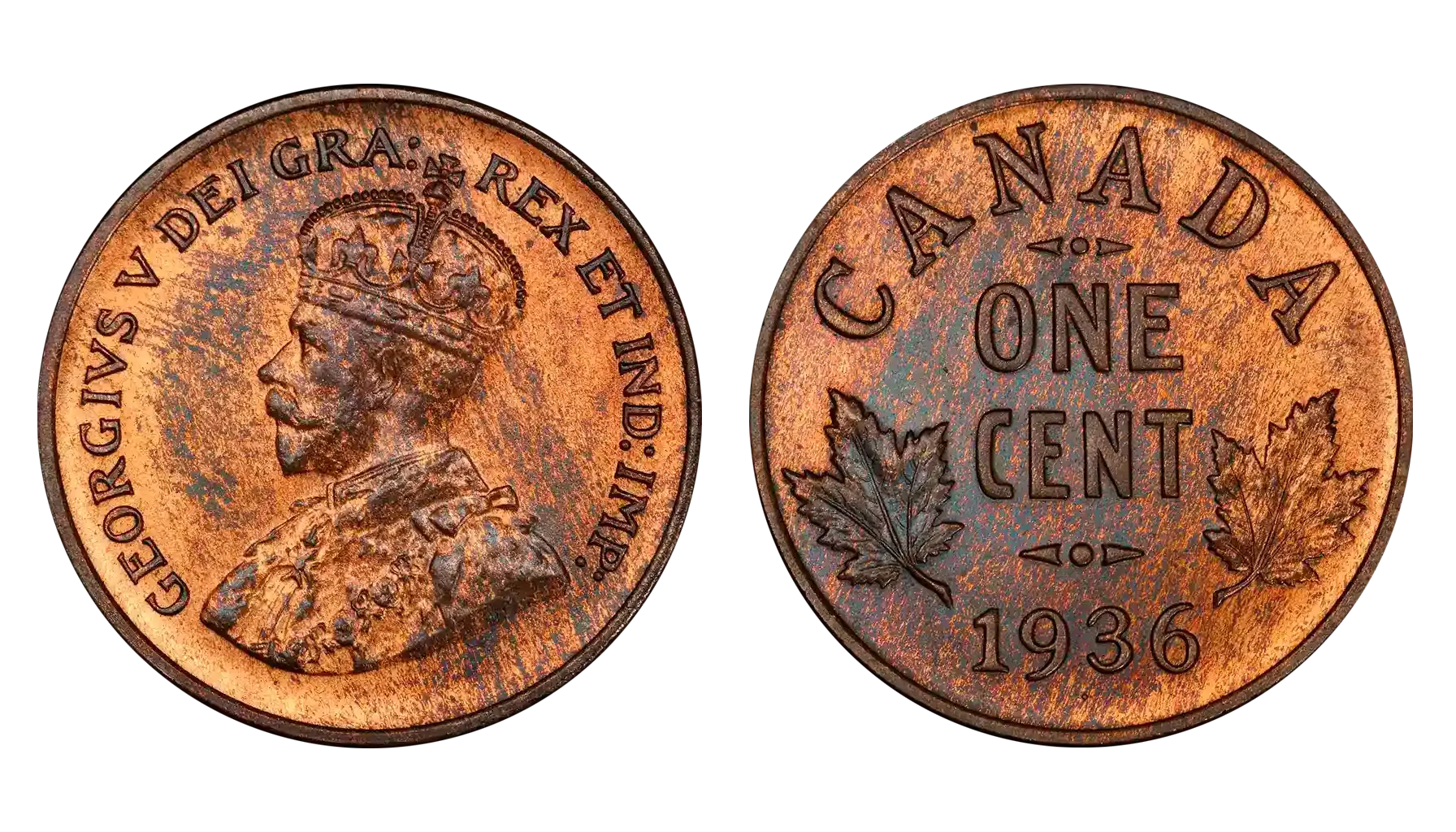
Here is the most famous and valuable cent produced in Canada!
The 1936 Dot Cent is rare because of its distinctive and significant minting detail. Preparations for King Edward VIII's coinage started when King George V died in early 1936. However, when Edward abdicated the throne, Canada had no approved design for a King George VI coin on time. In order to address this issue, the Royal Canadian Mint reused dies dated 1936 (yet with a little dot beneath the date to set them apart from the regular 1936 issue).
Canada 1967 Doubled Die Obverse Cent
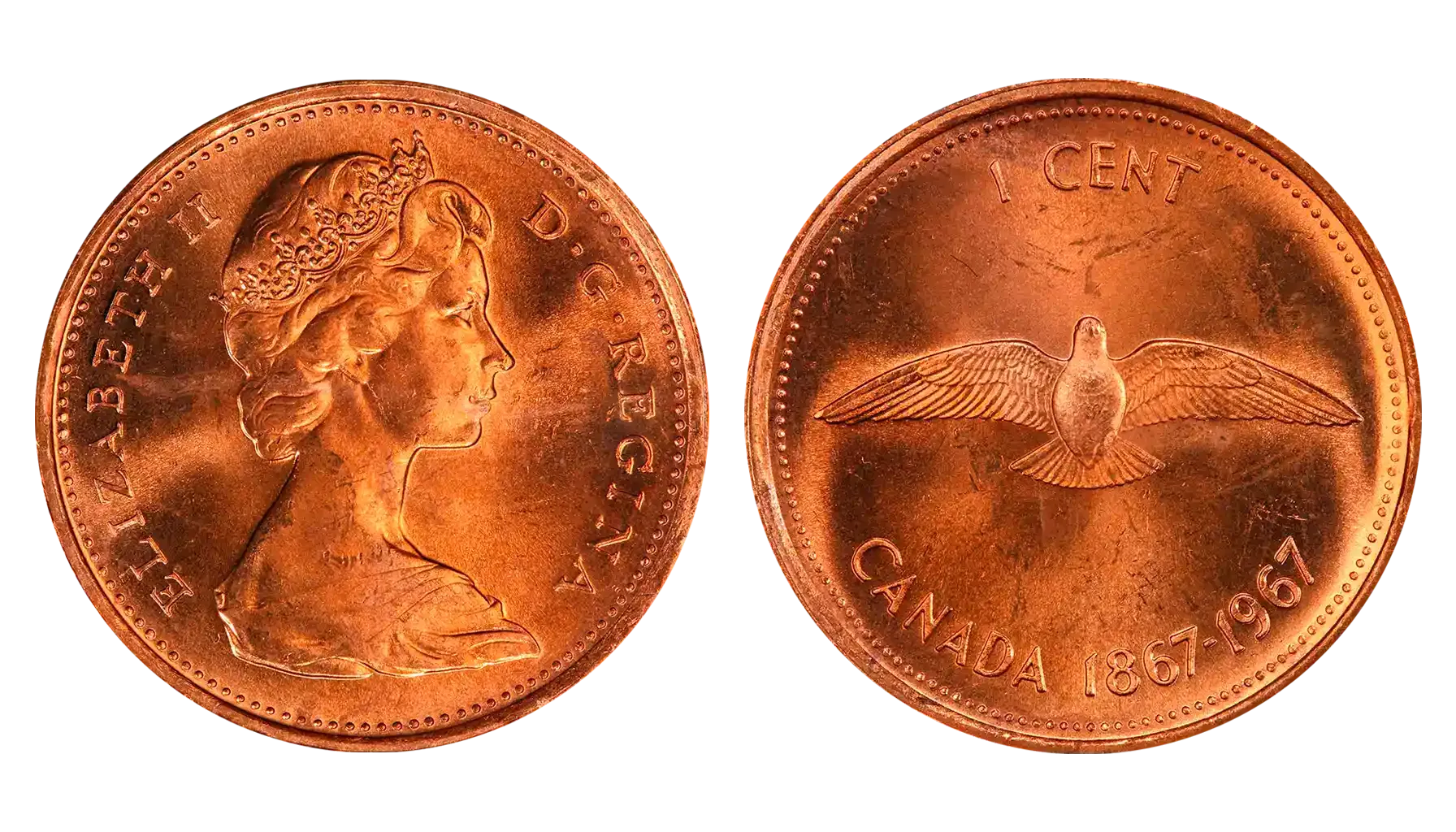
Approximate Canadian Pennies Value (in Mint State): $500–$3,000+
To commemorate the country’s centennial, a new iteration of the Canadian centennial penny with an image of a rock dove replacing the conventional maple leaf in 1967 was released. However, if we refer to a more distinctive option, this should be a rare doubled die obverse version, in which Queen Elizabeth II's portrait doubles because the design was struck incorrectly.
Even though standard 1967 cents are widely available, the value of those with doubling Canadian penny errors can refer to higher prices (especially when in higher grades).
Canada 2006 Cent – No P, No RCM Logo
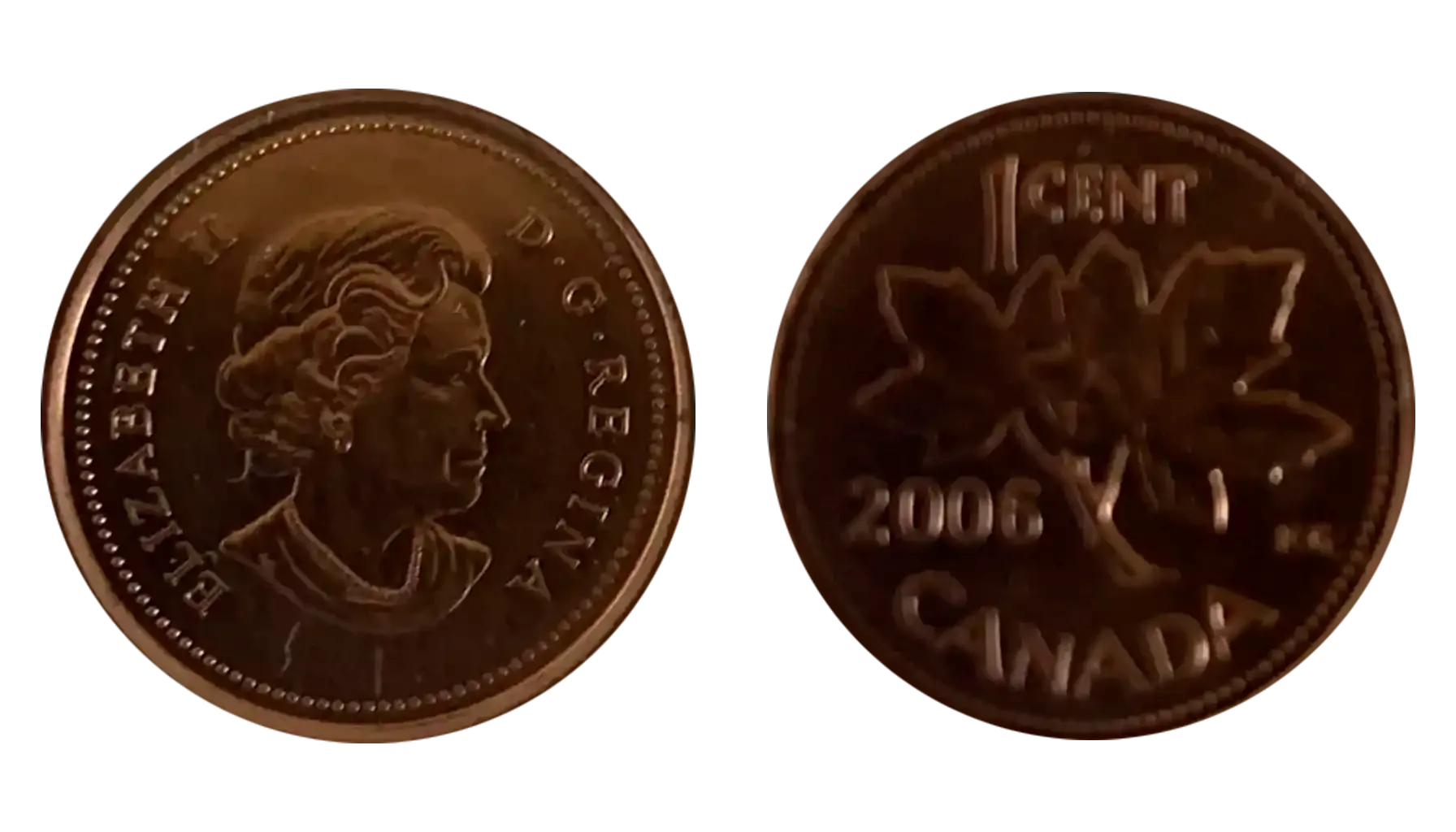
Approximate Value of Canadian Pennies (in Mint State): $300–$1,000+
Let us get closer to the present time. The majority of 2006 Canadian pennies were struck bearing the Royal Canadian Mint's (RCM) emblem or a "P" mint mark, indicating that they were composed of plated steel. However, a small number of these pennies were accidentally struck without either of these marks, making the Canada penny value higher.
Why Might a Canadian Penny Be Worth a Fortune?
Barely do numismatists think of Canadian pennies as valuable assets to preserve (in fact, they do, yet it is not a popular perspective in the end). At first glance, a Canadian cent may seem like a forgotten artifact of past deals. Nevertheless, the truth is different. At auctions, some of these seemingly insignificant coins have become significant collectibles, selling for thousands or even hundreds of thousands of dollars. But what Canadian pennies are worth money, and why?
Rarity
First of all, the price is defined by the rarity. All collectors value rare Canadian penny pieces. The market usually works as follows: the rarer the coin, the more valuable it can be. Because of production faults, wartime shortages, or shifts in political tactics, some instances were produced in small quantities. As a rule, these attract collectors by this mystique aura and history that makes them scarce.
By the way! There is no bicentennial Canadian penny design. The country’s bicentennial of Confederation will be 2067, but the one-cent coin was discontinued in 2012, so a commemorative cent is unlikely.
Errors
Ironically, some of the rarest and most valuable Canadian penny pieces were never intended to exist. An ordinary specimen might become an outstanding option thanks to imperfections like double strikes, missing features, misplaced mint marks, and more. One of the most sought-after Canadian coins is the 1936 Dot Penny, which got its legendary status from an accidental dot beneath the date. More detailed information will be presented later.
Condition
Not all rare pennies are valuable; condition is the key. How much are Canadian pennies worth if being graded? Compared to coins that have been in circulation for decades, those that are classified as "uncirculated" or "mint state" (which means that they have little to no wear) are generally more expensive. Collectors look for pennies that are well-detailed, have their original luster, and bear few scratches at maximum. Preserve your coins for the future! This is what we say.
American pennies here: How Much Is a 1909 VDB Cent Worth?
If you happen to have an old jar of pennies or make a visit to a coin store, take a closer look at the coins presented. Fortunately, modern technologies make it easier than ever to identify rare coins on the spot. Try using apps like Coin ID Scanner to quickly analyze coins from all over the world, including 1955 Wheat pennies, look for minting errors, detect Canadian penny key dates, and keep track of the whole collection at once.
FAQ
Is a Canadian penny worth anything?
Most Canadian pennies have only modest collector value because they were struck in very large numbers. Common coins from the mid-20th century usually sell for a small premium over face value. Older pieces from the late 1800s or early 1900s can bring higher prices.
Why did Canada get rid of the penny?
Canada ended cent production in 2012. The main reason was cost. Producing the coin cost more than one cent, and the denomination had little practical use in everyday payments. Removing it also simplified cash transactions because totals could be rounded to the nearest five cents.
Are Canadian pennies still accepted?
Pennies remain legal tender in Canada, but they are no longer used in regular cash payments. Stores round the final cash total up or down to the nearest five cents. Digital payments still use exact prices without rounding.
Is a Canadian penny 100% copper?
They were never made from pure copper. Early coins were bronze, a mixture mostly made of copper with small amounts of tin and zinc. Later issues used copper-plated zinc and copper-plated steel before the coin was discontinued.
What coin is worth over $1,000,000?
One of the most famous examples is the 1936 Dot cent. Only a few pieces are known. These coins were produced during a transition between monarchs when new dies had not yet arrived. Because so few exist, collectors have paid more than one million dollars for confirmed examples.
What is the rarest penny in Canada?
The rarest Canadian cent is considered the 1936 Dot. It was struck when the Royal Canadian Mint continued producing coins dated 1936 while preparing designs for the next ruler.
Which pennies are valuable?
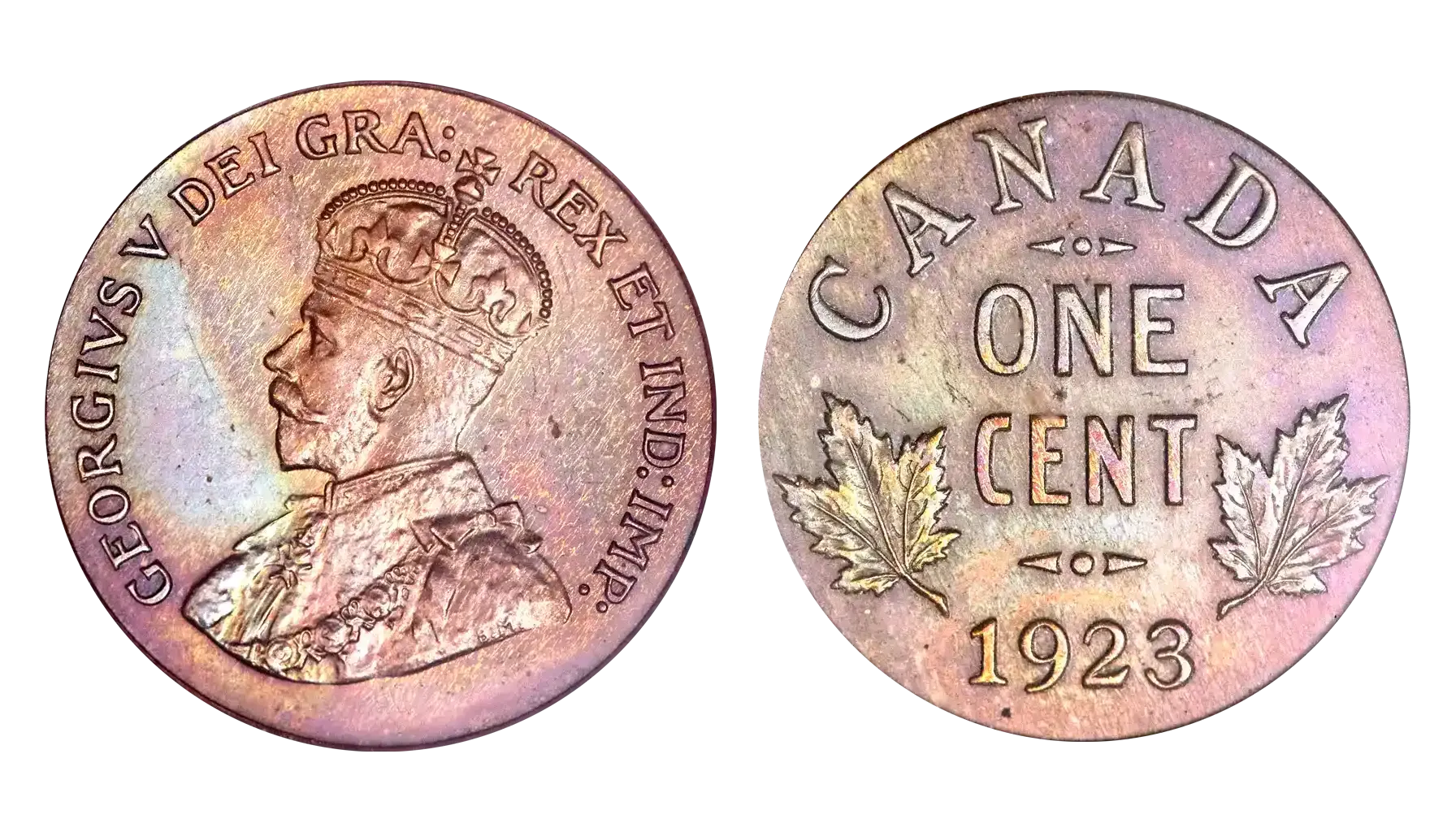
Dates such as 1923 and 1925 often draw collector attention. Early Victorian issues from the late nineteenth century can also carry strong premiums, especially when the coin shows clear detail.
Which Canadian coins are most valuable?
The 1936 Dot cent is one example. The 1911 silver dollar pattern is another famous rarity. Certain early gold coins and scarce varieties of silver dollars also appear in major auctions and can reach very high prices when the condition is strong.

 Facebook
  X (Twitter)
  Pinterest
  LinkedIn