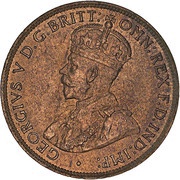
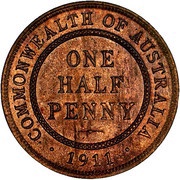
½ Penny - George V, 1911-1936
Australia
Bronze,5.67 g,25.5 mm
Value: $3.00-80.49
Results: 4311
Results: 4311
Australia
Bronze,5.67 g,25.5 mm
Value: $3.00-80.49
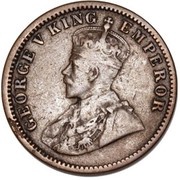
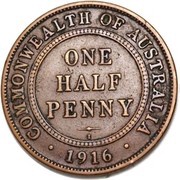
Australia
Bronze,5.67 g,25.5 mm
Value: n/a
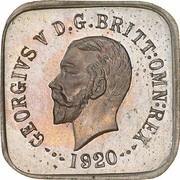
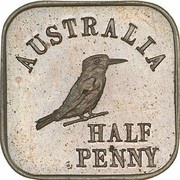
Australia
Copper-nickel,1.97 g
Value: n/a
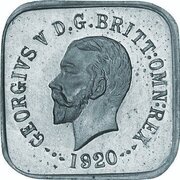
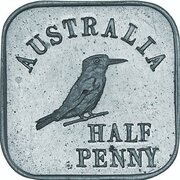
Australia
Silver (.917)
Value: n/a
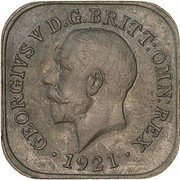
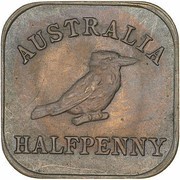
Australia
Copper-nickel,1.91 g
Value: n/a
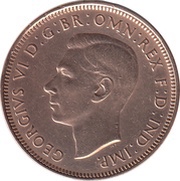
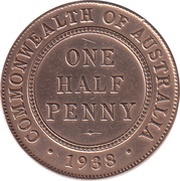
Australia
Bronze,5.67 g,25.5 mm
Value: $1.75-76.70
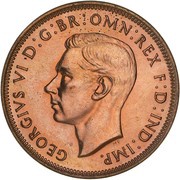
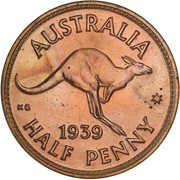
Australia
Bronze ((97% Copper, 2.5% Zinc, 0.5% Tin)),5.67 g,25.5 mm
Value: $1.99-49.00
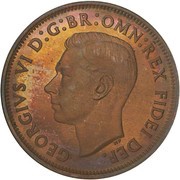
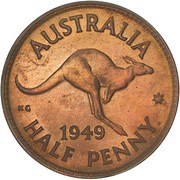
Australia
Bronze,5.67 g,25.5 mm
Value: $0.99-20.00
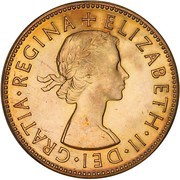
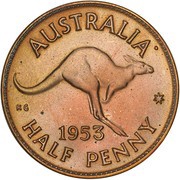
Australia
Bronze,5.67 g,25.5 mm
Value: n/a
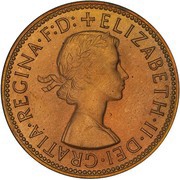
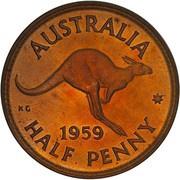
Australia
Bronze (97% Copper, 2.5% Zinc, 0.5% Tin),5.67 g,25.5 mm
Value: n/a
Loading more...
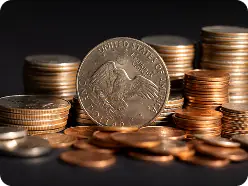
The pieces started their history from hacked-up Spanish dollars, gold rush tokens, and ended with clean modern issues that end up in collections instead of pockets.
You may meet both practical and almost playful pieces. Of course, not every piece has the same price. Some have serious weight, metal, and other issues. So, you may notice that the pieces changed, and which ones still make collectors stop and stare.
Australian piece history didn’t have a neat system. Early colonies used whatever showed up on ships: Spanish dollars, Dutch guilders, Indian rupees, British pennies.
Sometimes pieces ran out completely, and people paid with wheat, notes, or straight-up rum. That phase didn’t last forever, but the famous holey dollar experiment in 1813 says a lot: punch a hole in foreign silver so it won’t leave the colony.
By the mid-1800s, the gold rush chaos had changed a lot. Unofficial gold pieces circulated, and these tokens filled gaps. But the government wanted the real structure
So the Sydney Mint opened in 1855 and started striking sovereigns, tying local metal to imperial standards
After federation in 1901, Australia moved away from British control. In 1966, decimalisation finally began. Clean break, after nearly two centuries of improvisation
Australian pieces usually have animals, national symbols, and blunt typography. Early designs had British portraits, but that changed fast. What took over are kangaroos, emus, and platypus.
Modern Australian currency coins have copper-nickel alloys, reeded edges, and practical sizes. You should always notice small details, mint marks, edge styles, and portrait changes. Even everyday Australian money coins have design intent. Nothing feels accidental, even when the artwork is simple.
Australian gold coins of sovereign-style and modern Perth Mint issues are the most valuable ones. Australian silver coins too, are often minted in high purity and limited runs.
But you may also get something precious even with no precious metal attached. For example, like Australian Bluey coins. Yes, it is a kids' cartoon, but people who never cared about numismatics before started looking for them.
Value is different. Some Australian pieces sell for face value forever. But if you are lucky enough to have rare errors, low mintages, and historic pieces, you would get a big Australian coins value far beyond their metal content.
You can start cheaply, but to get rare Australian coins, the ones that went through experiments, shortages, and political shifts, you need to be in the perfect time and place. There are valuable Australian coins still hiding in collections and drawers.
People chase Australian coins worth money for different reasons: investment, nostalgia, design, and history. Even casual collectors end up learning more than they planned. Australian pieces aren’t quiet.