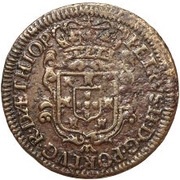
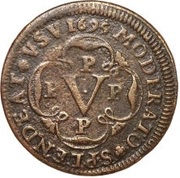
V Reis - Pedro II Porto mint, 1695-1696
Angola
Copper,3.58 g,25 mm
Value: $2.99-80.00
Results: 136
Results: 136
Angola
Copper,3.58 g,25 mm
Value: $2.99-80.00
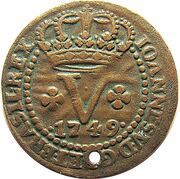
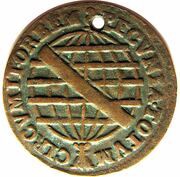
Angola
Copper,3.58 g,25 mm
Value: $3.59-380.00
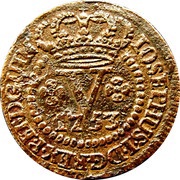
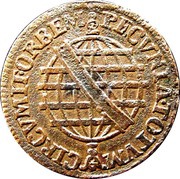
Angola
Copper,3.58 g,25 mm
Value: $2.99-299.00
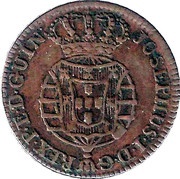
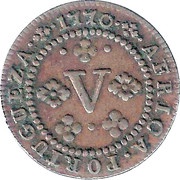
Angola
Copper,3.7 g,25 mm
Value: $2.99-178.65
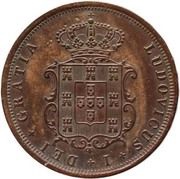
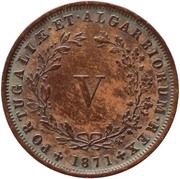
Angola
Copper,6.3 g,27 mm
Value: $2.94-550.00
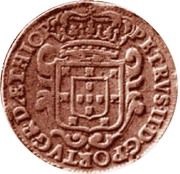
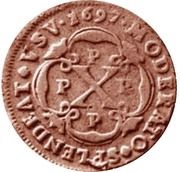
Angola
Copper,7.17 g,31 mm
Value: $3.79-299.00
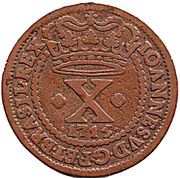
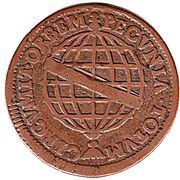
Angola
Copper,7.64 g,31 mm
Value: $2.50-174.95
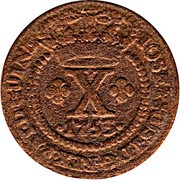
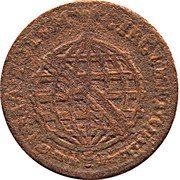
Angola
Copper,7.17 g,31 mm
Value: $2.69-380.00
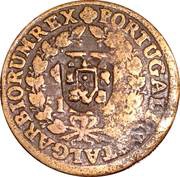
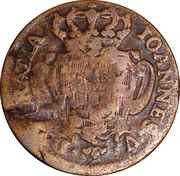
Angola
Copper,4.2 g,25 mm
Value: n/a
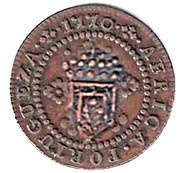
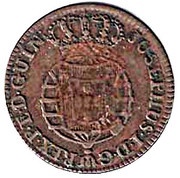
Angola
Copper,3.9 g,25 mm
Value: n/a
Loading more...
For a long time, Angolan circulation included coins that were formally valid but were rarely used. This is why many of these issues are now more common in archives and private collections than in actual circulation.
Up to 1975, Angola paid with the Angolan escudo, a currency run by Portugal, not by the country itself. Portuguese money handled everyday payments, and minting decisions came entirely from the colonial administration. Once the political status changed, the country had to build a monetary system almost from scratch.
That first real step came in 1977 with the introduction of the kwanza. It wasn’t launched in calm conditions. Civil war shaped the economy, and the new currency functioned as a basic means of payment under constant pressure.
The 1990s brought repeated adjustments. Older denominations were pulled, new versions of the kwanza appeared, and pieces slowly lost ground to banknotes. In Angola, coin circulation never followed a straight line. It stopped, restarted, and shifted along with the broader economic reality.
Angolan coins almost never relied on complex designs. Their appearance was subordinated to the goal of quick identification and minimal production costs. Even during periods of relative stability, the design remained simple and functional.
Images most often used included the national coat of arms, agricultural motifs, or abstract emblems not associated with specific individuals.
The mintage was based on aluminum and steel alloys, reflecting economic realities (earlier issues were struck in copper-nickel). The weight and diameter of the coins varied from reform to reform, so the parameters of a single denomination can vary significantly from year to year.
Angola's modern monetary system is built around the updated kwanza, introduced after the 1999 redenomination. Specimens in this system play a supporting role and are used primarily for small transactions. Banknotes still bear the brunt of circulation.
Current issues include a limited number of denominations and simplifying circulation.
Of interest to collectors are:
Early coins from the independence period;
Transitional issues during hyperinflation;
Denominations withdrawn from circulation after the reforms;
Experimental series with modified parameters.
The primary interest here lies in history. Each issue is directly linked to a specific stage in the country's development, be it a change of government, an economic crisis, or an attempt at stabilization.
For numismatists, these specimens are valuable for other reasons:
Clearly linked to historical events;
Limited preservation due to difficult handling conditions;
Limited presence on the international market;
Diversity of types in a small number of series.
It's also important that Angolan coins are difficult to counterfeit commercially. This reduces the risks for collectors and keeps the market relatively clean. Most pieces enter collections directly from circulation or old stockpiles, rather than through speculative trade.