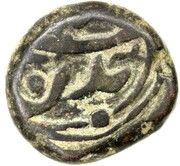
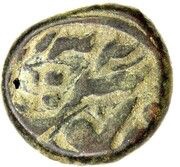
1 Falus, 1883-1885
Afghanistan
Copper,3.3 g,14.7 mm
Value: $2.25-109.13
Results: 363
Results: 363
Afghanistan
Copper,3.3 g,14.7 mm
Value: $2.25-109.13
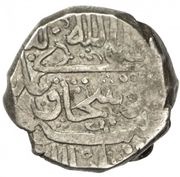
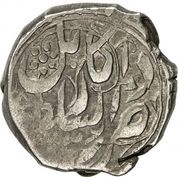
Afghanistan
Silver,9.24 g
Value: $2.25-75.00
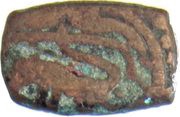
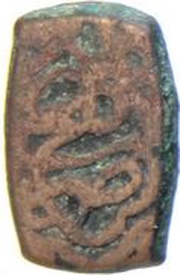
Afghanistan
Copper,2.88 g
Value: $19.99-135.00
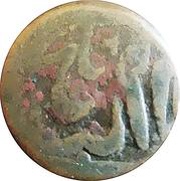
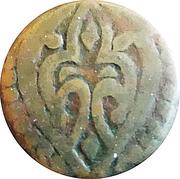
Afghanistan
Copper,23 mm
Value: $19.99-120.00
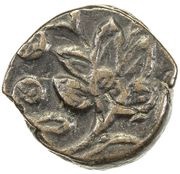
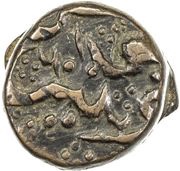
Afghanistan
Copper,5.07 g
Value: $5.00-19.95
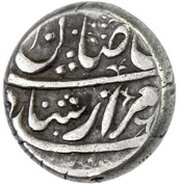
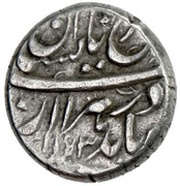
Afghanistan
Silver,11.50 g
Value: $36.00-90.00
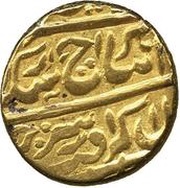
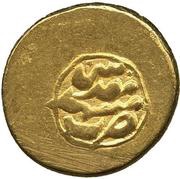
Afghanistan
Gold,10.75 g,20.1 mm
Value: n/a
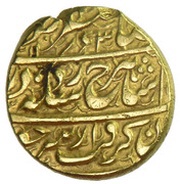
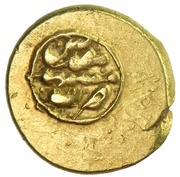
Afghanistan
Gold,11.05 g,20.1 mm
Value: n/a
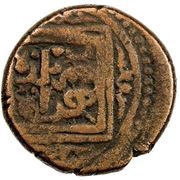
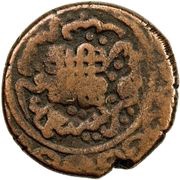
Afghanistan
Copper,8.99 g
Value: n/a
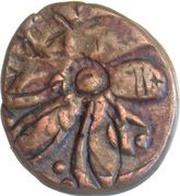
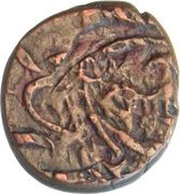
Afghanistan
Copper,7.6 g,22 mm
Value: $75.00
Loading more...
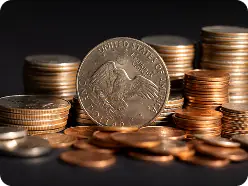
The Afghan monetary system is rarely considered a complete history, although it is through pieces that one can clearly see how the country has passed through periods of reform, instability, and attempts at financial equalization.
Early Afghanistan coins developed in the absence of a unified standard. Until the 20th century, foreign silver rupees, local issues, and barter equivalents circulated simultaneously within the country.
The situation changed in the early 20th century with the introduction of the afghani as the national monetary unit. The first Afghani coins reflected a move toward centralization. Fixed denominations appeared, along with state control over minting. Metal composition and weight were not always consistent, and that left the system exposed to outside pressure and economic shocks.
In the second half of the 20th century, shifts in power, political crises, and armed conflicts began showing up directly in everyday monetary circulation. Many issues disappeared from use quickly, and a specific Afghanistan coin name today can often be found only in catalogs and private collections.
Visually, the piece differs noticeably from European and American issues. For a long time, the design remained strict and functional, without portraits of rulers. The emphasis was placed on inscriptions, years of issue, and religious formulas.
Arabic script appears on most pieces, and that alone can slow beginners down. With coin Afghanistan, the details matter first: the shape of the symbols, the reading direction, and how the text is placed on the flan.
Silver Afghani coin issues from the early period are hard to come by, and wear is almost always part of the picture. Later releases switched to base metals. Minting became easier, but the surfaces didn’t hold up nearly as well.
The modern system began to take shape after 2002, when a monetary reform was carried out, and a new afghani was introduced. During this period, the coin of Afghanistan acquired a fixed denomination structure and more stable specifications.
Circulating pieces are used on a limited basis. In everyday transactions, the population relies more on banknotes, so coin Afghanistan currency plays a secondary role.
From a market perspective, collectors focus on:
Early issues of the new afghani;
Rare transitional types;
Well-preserved examples from short production runs.
A separate category includes unofficial items such as an Afghanistan challenge coin. They are not part of monetary circulation but are used as commemorative or military tokens, which makes them popular in related collecting communities.
Observing the market, collectors note that Afghanistan stability coin dynamics are directly linked to historical events rather than to metal content or design.
Collecting Afghan specimens is built around rarity and context. An Afgan coin often reaches collectors by chance—through markets, private deals, or old collections.
Reasons for interest include:
A limited number of surviving examples;
Short minting periods;
A lack of repeated designs;
A strong connection to the region’s history.
Unlike more developed markets, there are no stable price catalogs in this field. As a result, coin Afghanistan is evaluated individually, taking into account condition, legibility of inscriptions, and provenance.