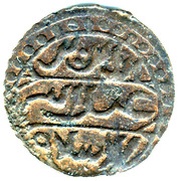
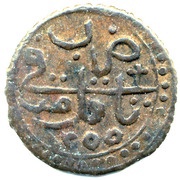
5 Asper - Abdel Kader, 1835-1841
Algeria
Billon,1.28 g,16.70 mm
Value: n/a
Results: 134
Results: 134
Algeria
Billon,1.28 g,16.70 mm
Value: n/a
Algeria
Billon,0.4 g,8 mm
Value: $18.00
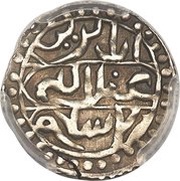
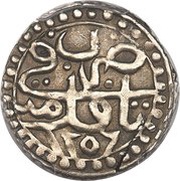
Algeria
Billon,1 g
Value: n/a
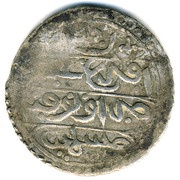
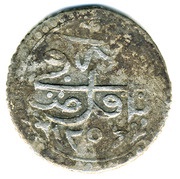
Algeria
Silver,5.7 g,23.7 mm
Value: n/a
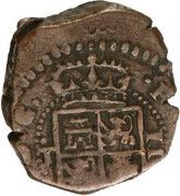
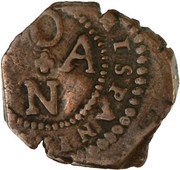
Algeria
Copper,4.73 g,20 mm
Value: $15.00-50.00
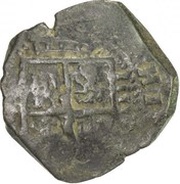
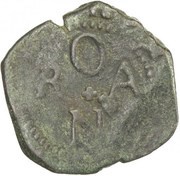
Algeria
Copper,3.29 g,18 mm
Value: n/a
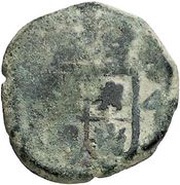
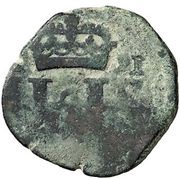
Algeria
Copper,3.3 g,18 mm
Value: $89.00
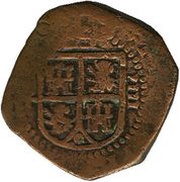
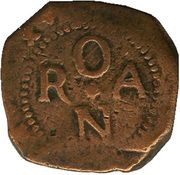
Algeria
Copper
Value: n/a
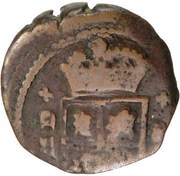
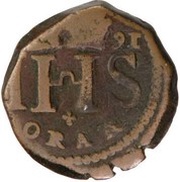
Algeria
Copper,12.58 g
Value: $49.99-160.50
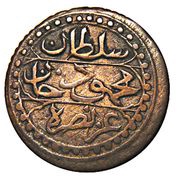
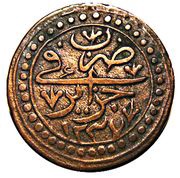
Algeria
Copper,2.12 g,17 mm
Value: n/a
Loading more...

Algerian coins are rarely viewed as an independent collecting segment, but behind their restrained appearance lies a complex history of the state and its economy, where money has always served as a tool of adaptation.
Up to the mid-20th century, Algeria relied on currency from the colonial system. A clearly defined national coin tradition had yet to take shape. The situation changed after independence in 1962. In 1964, the dinar was introduced, becoming the foundation of the national monetary system.
The first issues were minted with practical goals in mind. The task was to support circulation, replace foreign denominations, and build trust in the new currency. The state deliberately avoided complex alloys and experimental shapes. Algerian coins quickly took their place in everyday transactions, but were hardly aimed at the international market.
In the following decades, the system was adjusted to inflation and changes in commodity prices. Coins gradually lost lower denominations, while the role of banknotes increased.
Visually, Algerian coinage follows a strict approach. Decorative elements are secondary, and composition is driven by function. Most series remain easy to read even with heavy wear, which was important for circulation in a hot climate and a cash-based economy.
Key design features of Algerian dinar coins:
Inscriptions primarily in Arabic, sometimes supplemented by Latin characters on earlier issues;
Restrained use of national symbols;
Clear denomination display without overloaded backgrounds;
Simple geometric shapes of the field and rim.
The modern system is built around a set of cash denominations in which the coin plays a supporting role. In official documents, circulation is described through Algerian dinar coins and banknotes, emphasizing the dominance of paper money in larger transactions.
In practice, circulation most often includes:
Mid-denomination coins for everyday purchases;
Banknotes for primary payments;
Limited use of small fractional units.
At the same time, the state periodically updates issue parameters while preserving a consistent visual language. In Central Bank reports, the system is referenced as Algerian dinar banknotes and coins, reflecting a balance between practicality and control over the money supply.
Interest in Algerian coinage is rarely driven by the search for high market prices. The main value lies in context. Algerian dinar banknotes coins make it possible to trace how the state responded to economic pressure, inflation, and changes in trade structure.
For collectors, this offers several practical advantages:
The ability to build a compact collection without major expense;
A clear connection between each issue and a specific historical stage;
A low level of counterfeiting due to limited speculative demand;
A transparent logic in the evolution of denominations and metals.
Algerian pieces work especially well for themed collections tied to post-colonial history or North Africa. There aren’t dozens of confusing varieties here, so organizing a set is simpler, and misattributions happen far less often.