Contents:
The story of the Canadian nickel coin goes back to 1858. Over the decades, it has seen new designs, shifts in metal content, and changes in weight. Each update marks another stage in Canada’s numismatic history.
Today, interest in nickel issues has grown significantly. Collectors seek out rare varieties, compare dies, and carefully examine even the slightest differences, as these often determine the price. In the rare coin market, even one detail—the shape of the year numeral, the shade of the metal, or the texture of the relief—can significantly alter the value.
To see which pieces hold real value, it helps to know the main traits of the nickel coin Canada—its diameter, metal, and the marks of rare dies.
And if you want to spot unusual coins on your own, the practical guide to identifying rare coins will show how to find rare and interesting pieces right in your collection.
Introduction – The Canadian Nickel
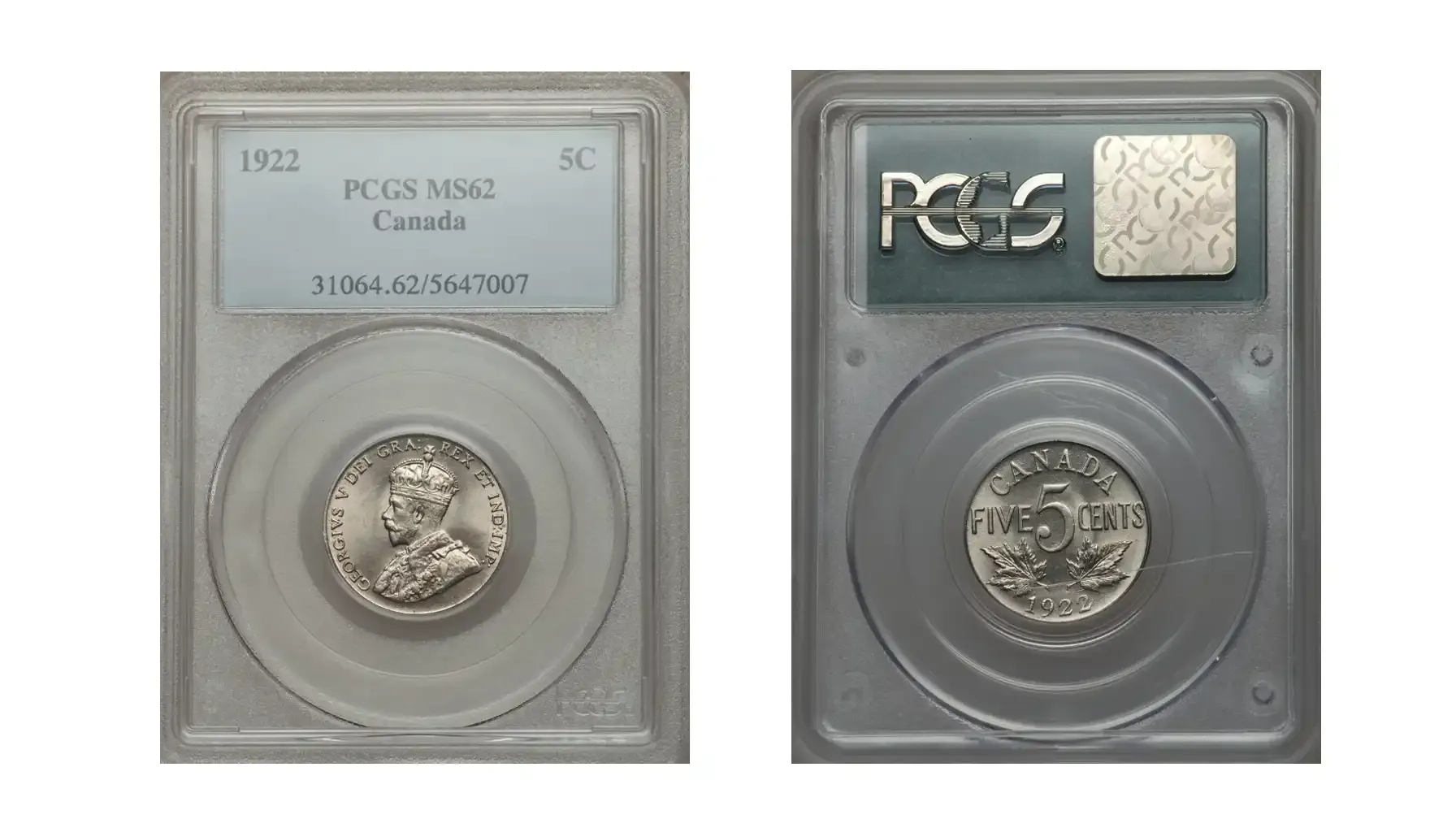
The Canadian nickel coin reflects Canada's economic and cultural history. Over more than a century and a half of its existence, its appearance and composition have changed repeatedly:
The first issues of 1858 bore a portrait of Queen Victoria and were minted from pure nickel, a rarity at the time;
Since 1937, the famous "Beaver Reverse" has appeared on the reverse—a beaver on a stone, becoming a national symbol of industriousness and nature;
During the wars, the coin's composition changed—brass and silver were used instead of nickel to conserve strategic resources.
There is the transition of power from Victoria to George VI, then to Elizabeth II, the development of industry, and the rising cost of metals.
Modern issues are made of nickel-plated steel. Previously, pure nickel and copper alloys were used. Even small details are important in a coin: the thickness of the rim, the shape of the numerals, or the color of the metal.
Despite their low face value, rare varieties and minting errors often sell for prices many times their face value. Canadian nickels worth money include both late 19th-century and more modern examples. They are distinguished by a rare die or unique surface finish.
A good example is the 1980 nickel, which is often mentioned in collecting guides. Its varieties clearly demonstrate how mintage, condition, and minting characteristics influence the final price.
How Many Nickels Are in a Roll?
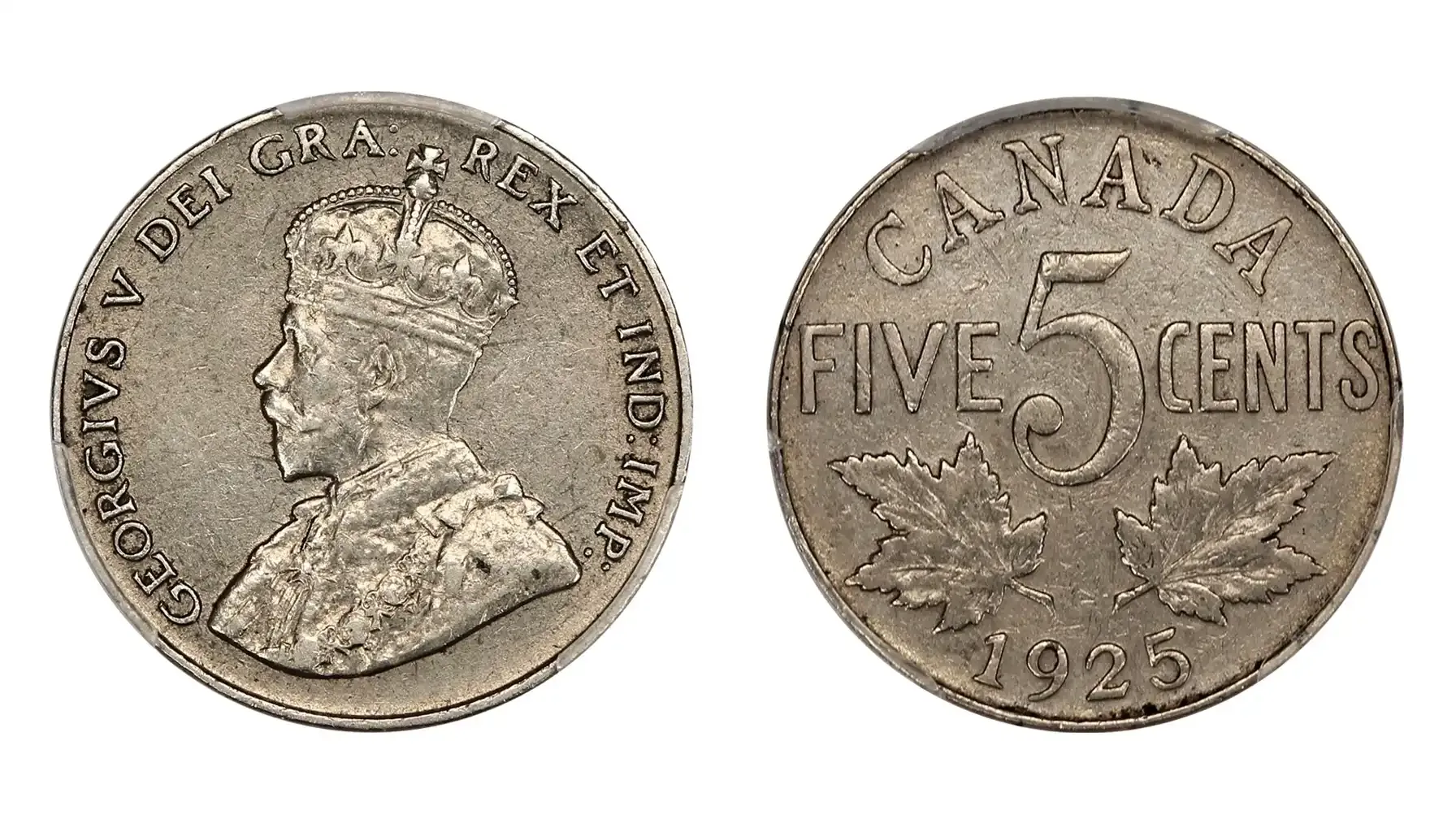
One roll contains 40 nickels,
Each worth 2 Canadian dollars in total.
How many nickels are in a roll in Canada? This is a common question among beginning collectors. The answer helps quickly navigate when buying or sorting coins. Banks use a single standard, so the number in a roll is always the same, regardless of the year of issue.
Knowing this figure is important for those searching for rare coins in circulation, known as roll hunting.
It's useful to remember:
roll weight varies depending on the metal composition;
differences in weight can be a clue when searching for rare specimens without opening the roll;
Canadian banks (RBC, TD, and others) adhere to the same packaging standard, making it easier to inspect and store;
collectors often keep track of how many rolls they've reviewed and what coins they've found inside.
All of this helps you find rare Canadian nickels in regular bank circulation. Interestingly, in the US and Canada the roll size is the same, but the weight differs due to the alloy composition—a detail that also influences 1977 nickel value.
Technical Specifications – Weight, Size, and Composition
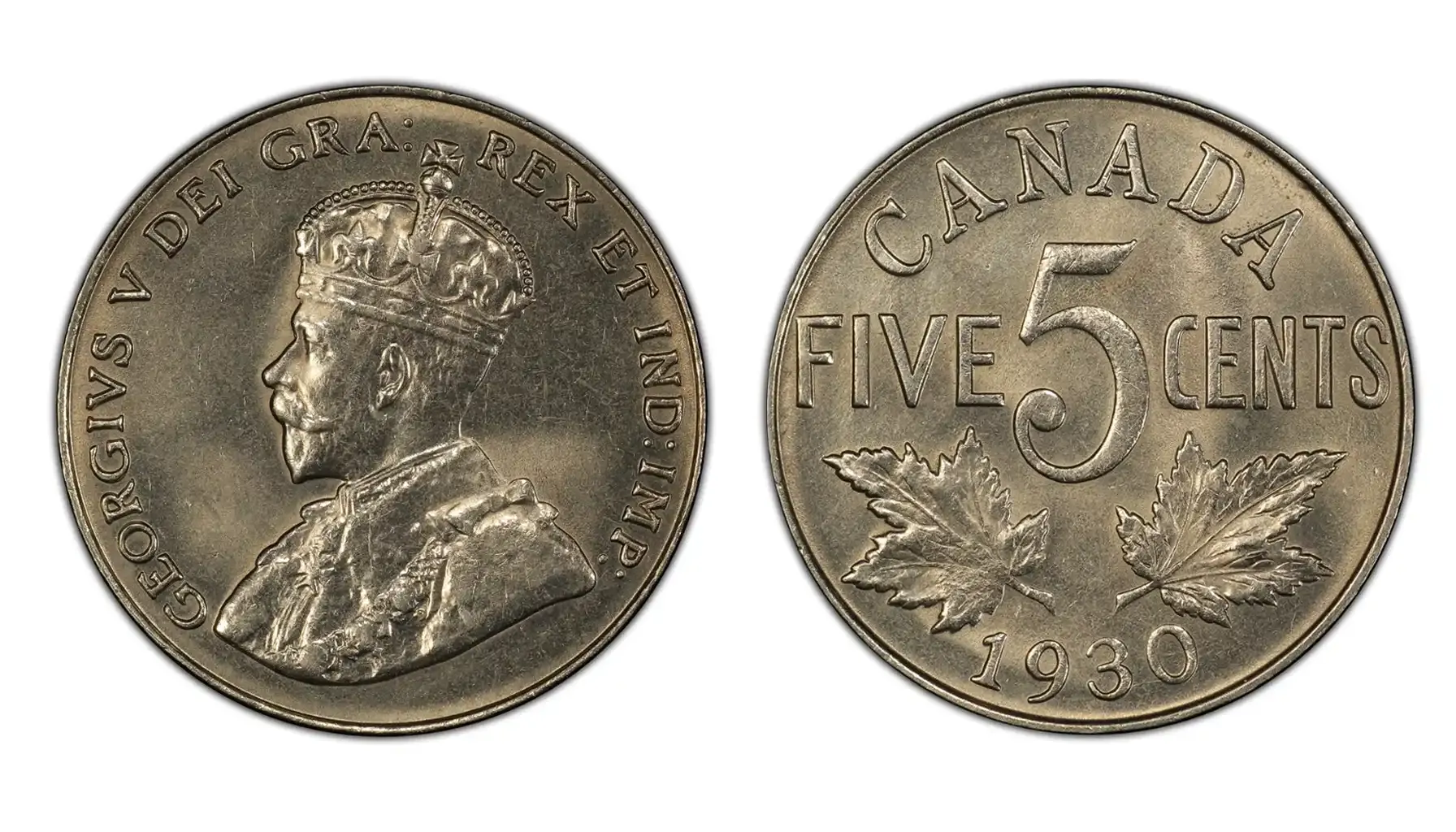
Many newcomers ask: what is a nickel coin in the Canadian context? It's a coin made primarily of nickel that served as the standard five-cent denomination for decades.
The dimensions of the Canadian five-cent coin have changed several times. Until the 1950s, issues weighed 4.54 grams; later, the weight was reduced.
Specification | Value |
Diameter | 21.2 mm |
Thickness | 1.76 mm |
Weight | 3.95 g |
Metal | Steel with nickel plating |
Edge | Smooth |
Year Alloy Introduced | 2000 |
How much does a Canadian nickel weigh?
As a guide:
early issues (pre-1982), made of pure nickel weigh about 4.54 g;
modern nickel-plated steel alloy versions weigh approximately 3.95 g;
a discrepancy of even a few tenths of a gram may indicate a minting error or a special variety.
Collectors use weight in conjunction with visual cues to more accurately determine composition and authenticity.
It's useful to consider:
older nickel coins are indeed 0.5–0.6 g heavier;
when searching for rare specimens, weighing is one of the simple and reliable ways to distinguish rarities from standard circulation;
the metallic luster and the characteristic ringing sound when dropped indicate the alloy you're dealing with.
These parameters allow for a quicker and more accurate assessment of a nickel coin value—after all, the older the material, the purer its composition, and the better the surface condition, the higher the collector's interest and the higher the market price.
Canadian Nickel Value – Common and Rare Coins
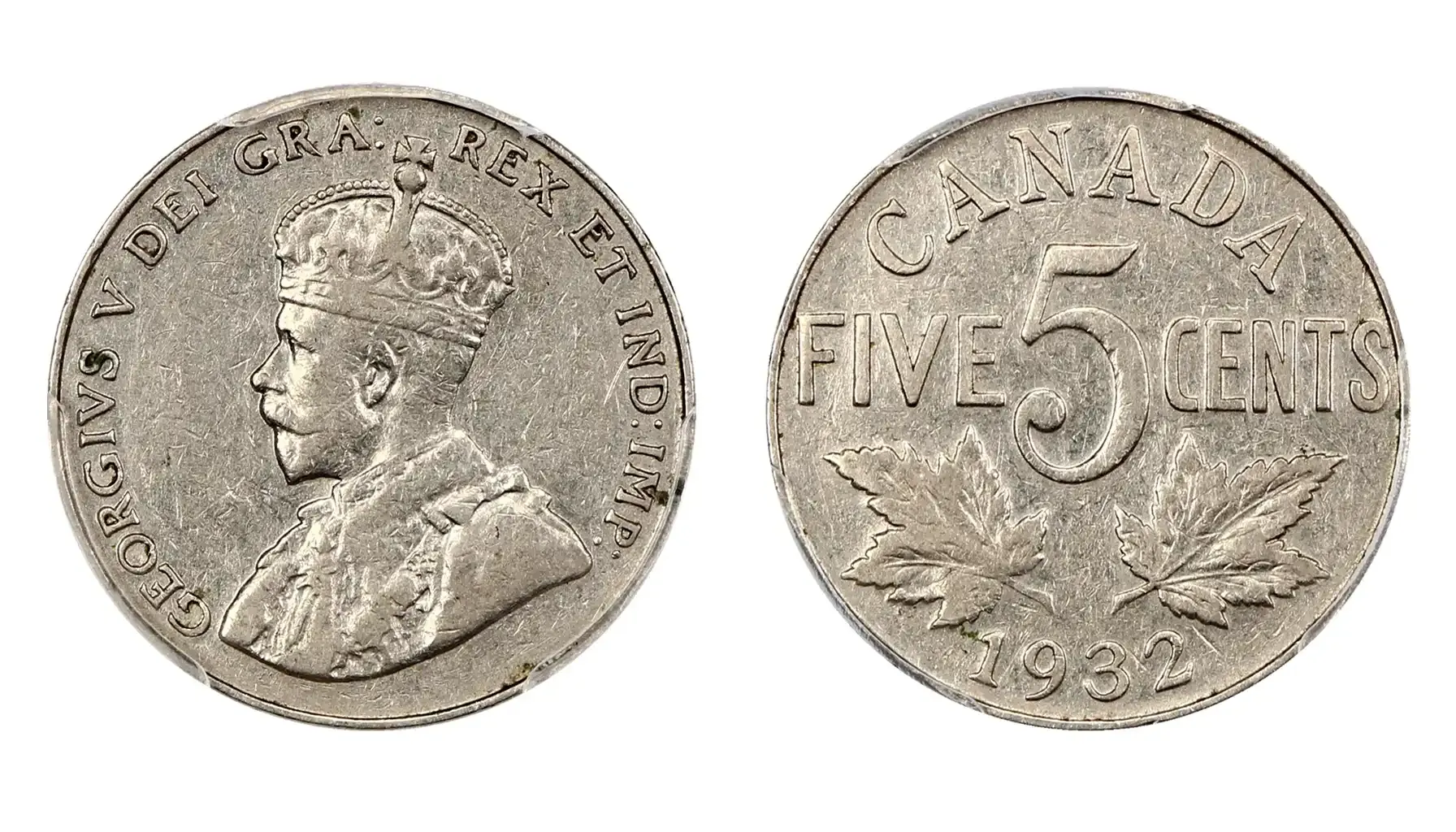
The value of Canadian nickels depends on year, rarity and condition.
Year | Approximate Price (XF–MS) | Note |
1922–1925 | $5 – $80 | Rare issues of King George V |
1942–1943 | $2 – $15 | Brass wartime issues |
1951 | $1 – $40 | Commemorative “Big Nickel” issue |
1975 | $0.10 – $5 | Good starting point for beginners |
2000–2020 | Face value | Modern circulation issues |
Prices are current as of the date of publication.
Factors affecting value:
Rarity of year and die type—rare issues are always valued higher than common ones.
Surface condition (MS65+ valued higher)—the condition directly impacts the market value.
Metal composition—pure nickel or steel; the difference in composition is important for valuation.
Minting errors—increase collector interest.
The most common errors on Canadian nickels are:
Off-center strike—when part of the design extends beyond the edge of the coin.
Doubled die—doubled elements of the image or inscription, visible to the naked eye.
Die crack—cracks in the die, leaving raised lines on the coin.
Filled die—a partially filled die, causing individual letters or numbers to become blurred.
Planchet flaw—a defect in the blank, manifested as surface irregularities or metal stains.
To determine the price, it's convenient to use the Canadian nickel value chart, which allows you to quickly evaluate a coin's condition. Many collectors keep a printout of this chart next to their albums.
Some vintage examples, like the 1936 "dot variety" nickel (Canadian coin), can fetch thousands of dollars at auction. Fans of classic series are also interested in issues from the 1970s—like the 1975 nickel.
Value is determined by mintage and condition. A coin without scratches or tarnish can be worth 10 times its circulation value.
“The opportunity to buy a rare coin is often rarer than the coin itself.”
— Lester Merkin, American coin dealer
Coin Rarities website
Conclusion – The Appeal of Canadian Nickels
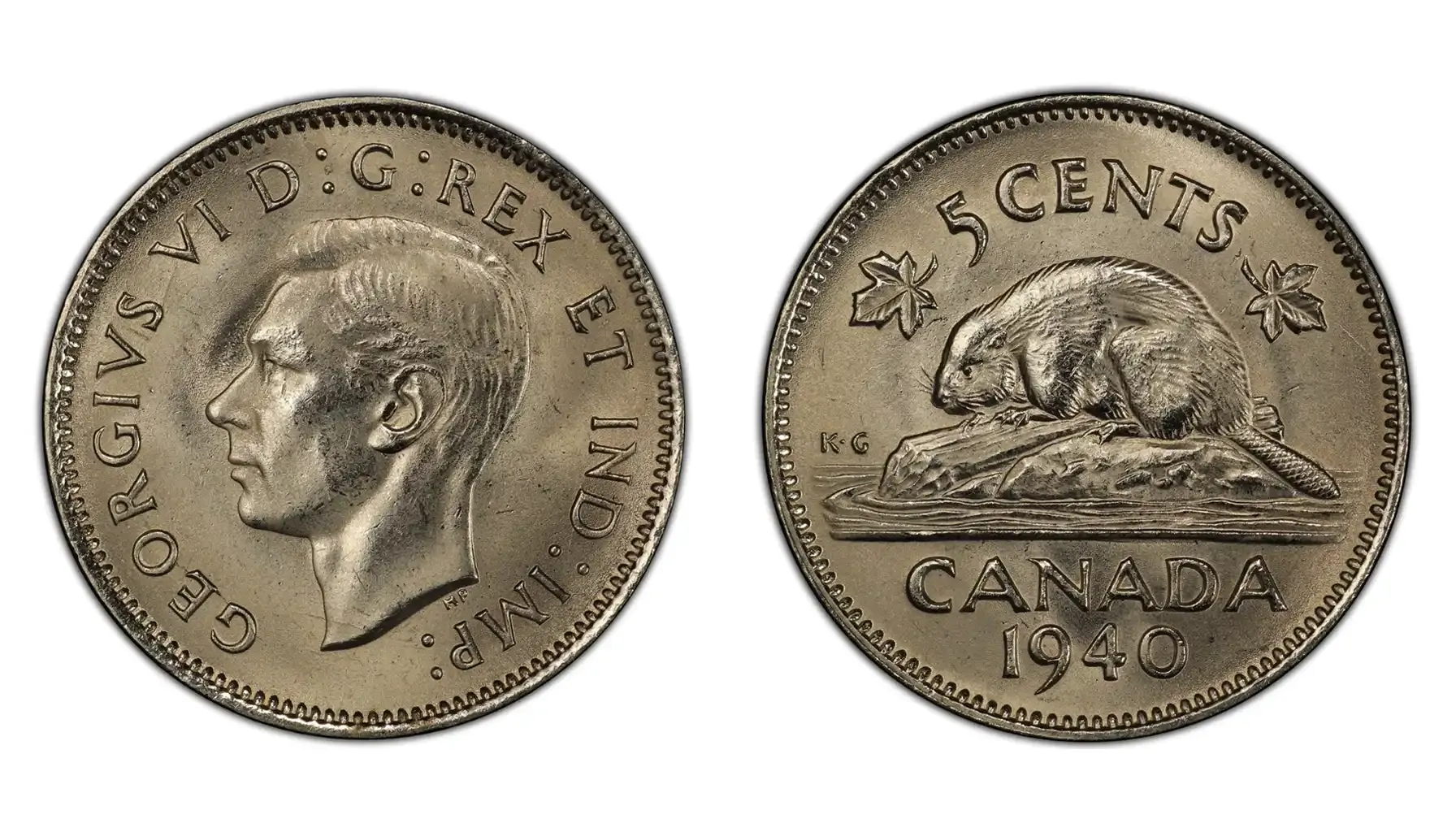
The Nickel Canadian coin remains an important part of the country's coin history. From the first nickel issues to modern steel ones, each series carries a piece of the era.
Why collecting remains popular:
Affordable entry cost. Collecting nickels doesn't require a large investment—you can begin with just a few coins found in circulation.
Visible differences by decade. Each minting period reflects the style of its era: fonts, monarch portraits, metal shades, and even surface sheen change.
Easy to store and study. Coins are compact, don't require complicated storage conditions, and basic knowledge can be gained in just an evening by comparing coins from different years.
Chance to find a rare specimen directly from circulation. Even today, collectors often find interesting varieties and errors among ordinary change received as change or from bank rolls.
For beginning collectors, this is a way to "get into numismatics" with minimal investment. Experienced collectors seek out unique coins, where a rare specimen can be worth hundreds of times its face value.
Want to quickly identify a rare coin? Install the Coin ID Scanner app—it analyzes the surface and provides an approximate value, including nickels coin with minting errors.
Canadian nickel stock remains popular with collectors and investors: the metal is stable, the design is recognizable, and the coin's history is tied to the country's economy and culture.

 Facebook
  X (Twitter)
  Pinterest
  LinkedIn