Contents:
The euro works more simply than many people expect. Coin and banknote denominations follow a shared structure, which is why the system holds together across countries with very different economies and payment habits.
When the origin of a currency isn’t obvious, starting with a foreign coin identifier makes sense. It helps pin down the type, denomination, and basic parameters before you dig deeper into details.
What Are Euro Denominations?
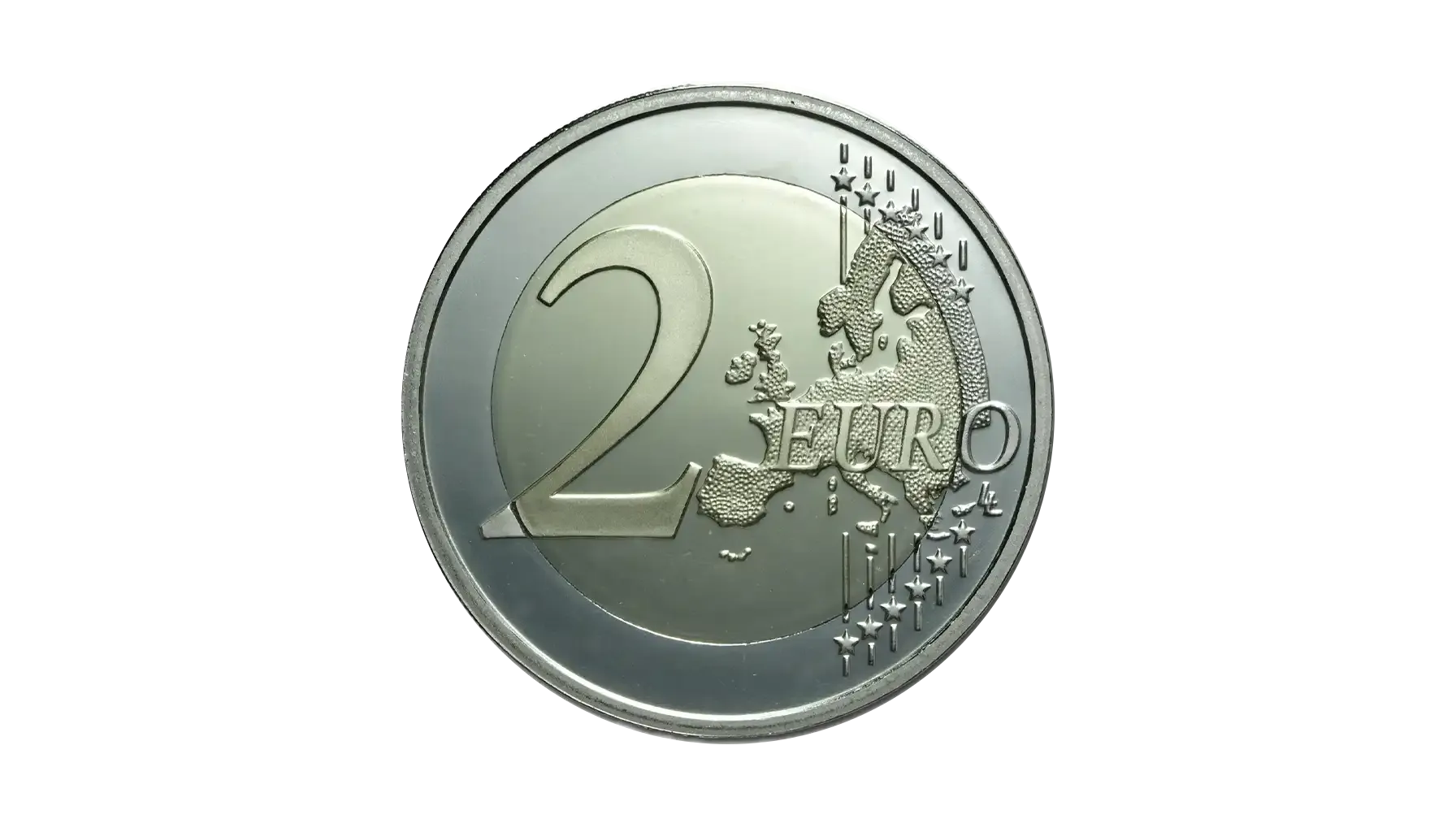
Talking about the euro’s structure means looking at the full range of monetary units that actually circulate. This includes coins and banknotes, each of which has its place in payments.
Euro coin denominations follow a decimal system. One euro breaks down into 100 cents, which keeps calculations simple and limits mistakes. In total, the structure includes eight coin denominations and seven banknotes, although only six of them are currently issued.
Furthermore, the denomination system was calculated taking into account the velocity of cash circulation. Frequently used amounts are concentrated in the middle of the scale, reducing the burden of change and speeding up retail settlements. Larger units serve as value transfer instruments and are less frequently used in daily exchange.
Another principle is compatibility with automated systems. The sizes, weights, and materials of the denominations are standardized so that cash acceptance machines operate uniformly across all eurozone countries.
Euro Coin Denominations List
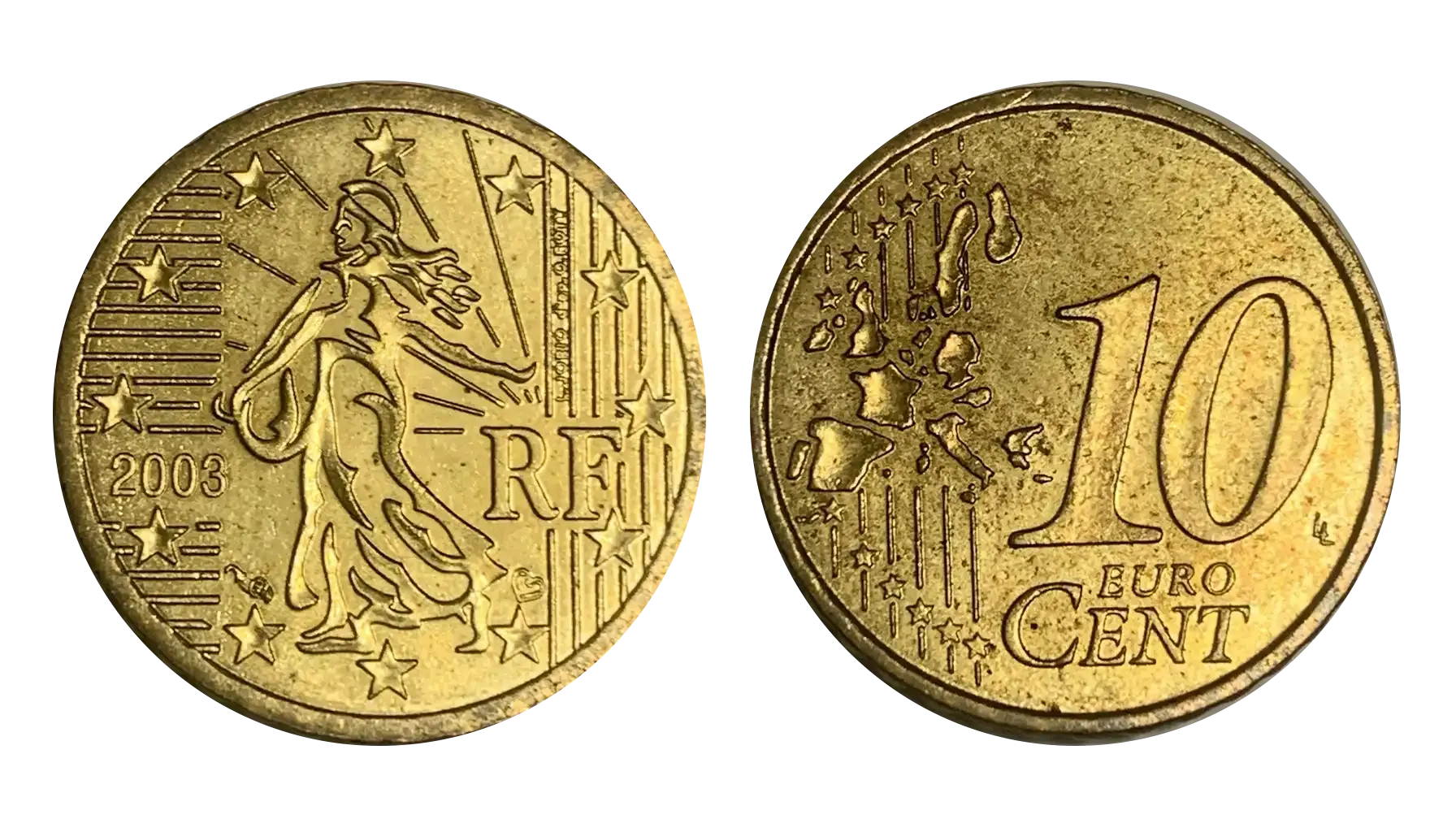
Coins are often in constant circulation, so their design was subject to strict requirements for durability and recognizability.
The full list is as follows:
Coins are divided into three groups by material and size:
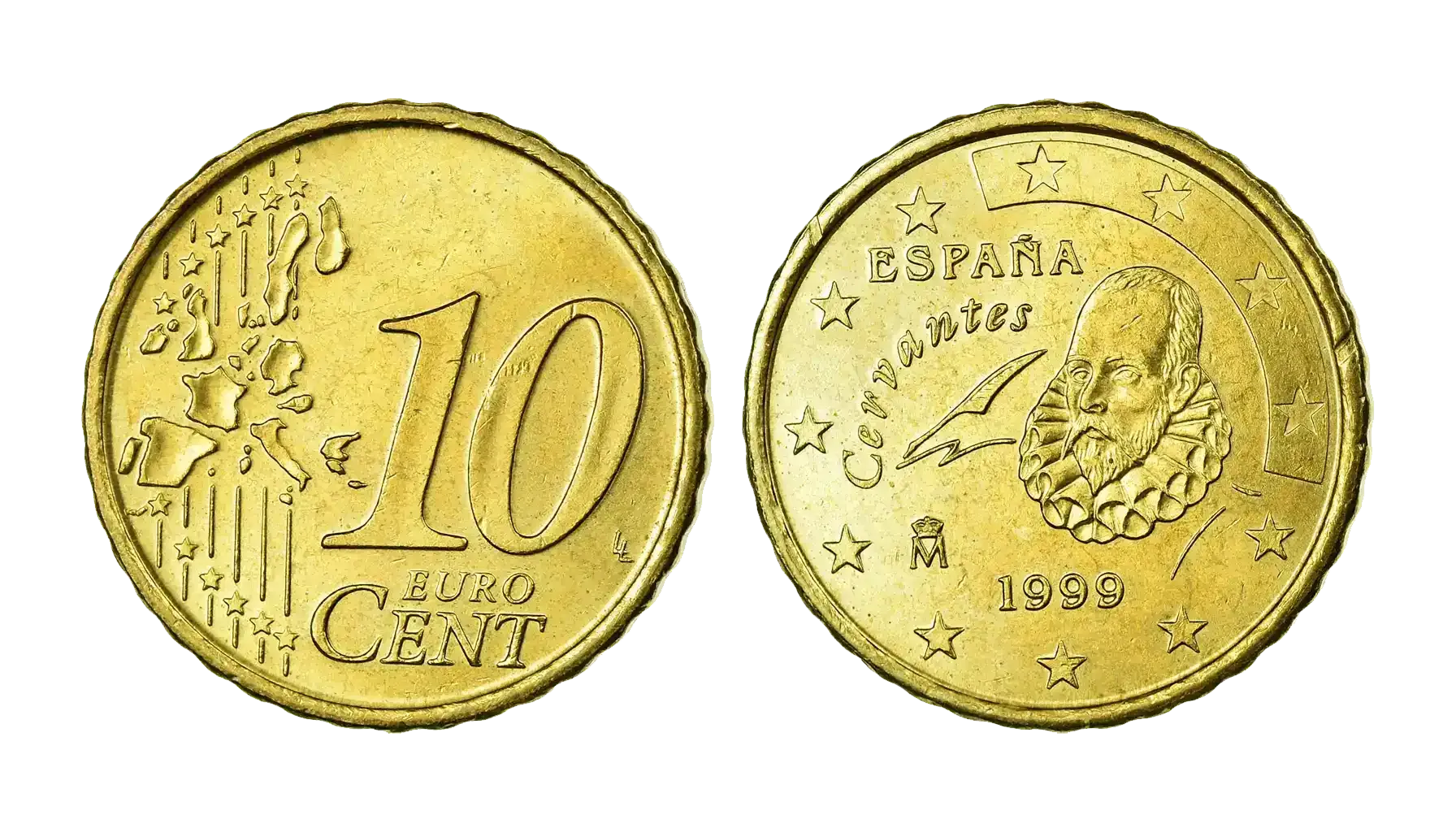
Small denominations (1, 2, 5 cents).
Copper-plated steel sits at the base here. The pieces are magnetic and carry a noticeable reddish tone.Medium denominations (10, 20, 50 cents).
A Nordic Gold alloy is used instead. It isn’t magnetic and keeps its appearance over time. Size and color do most of the work when it comes to quick recognition.Large denominations (1 and 2 euros).
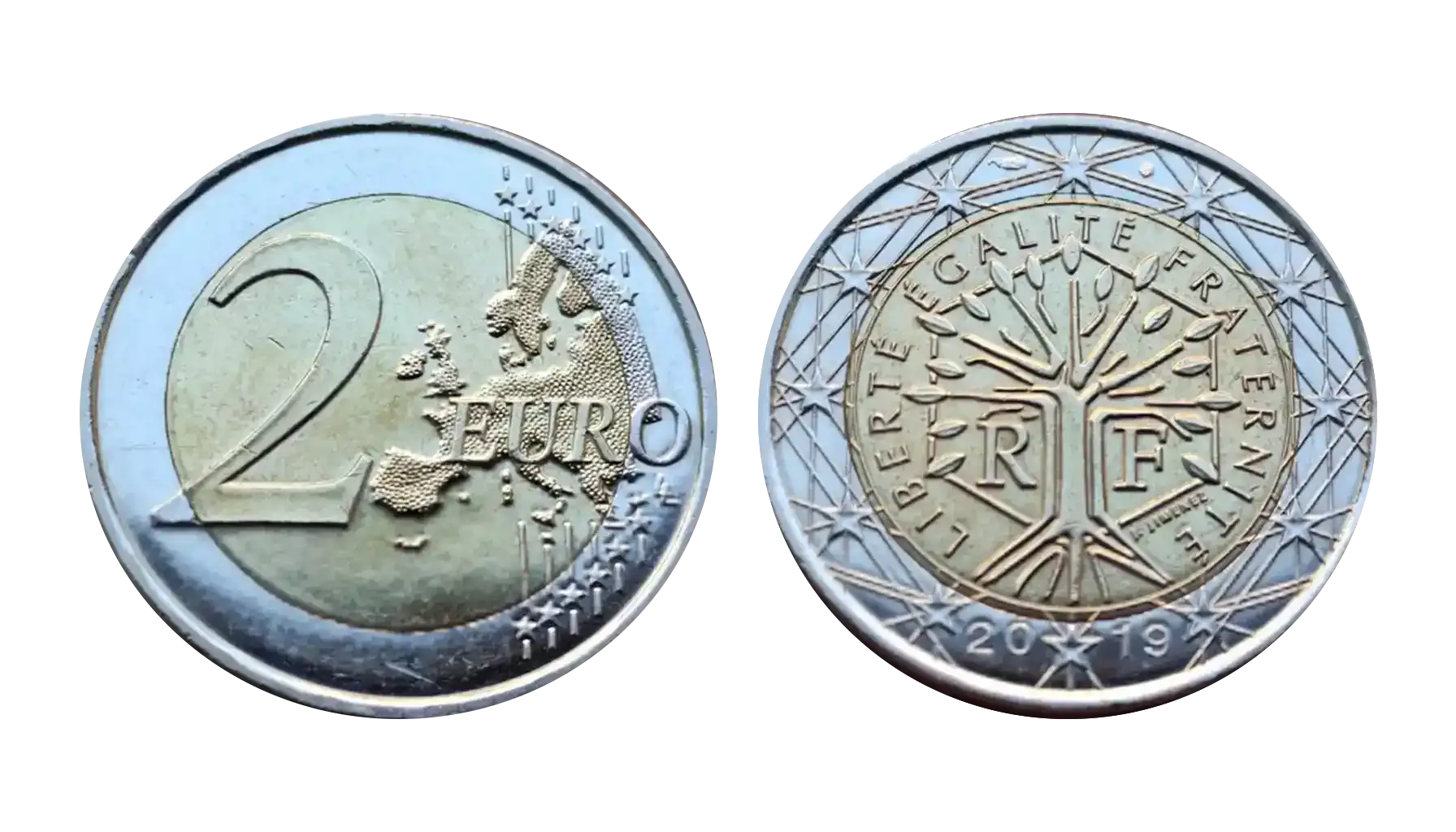
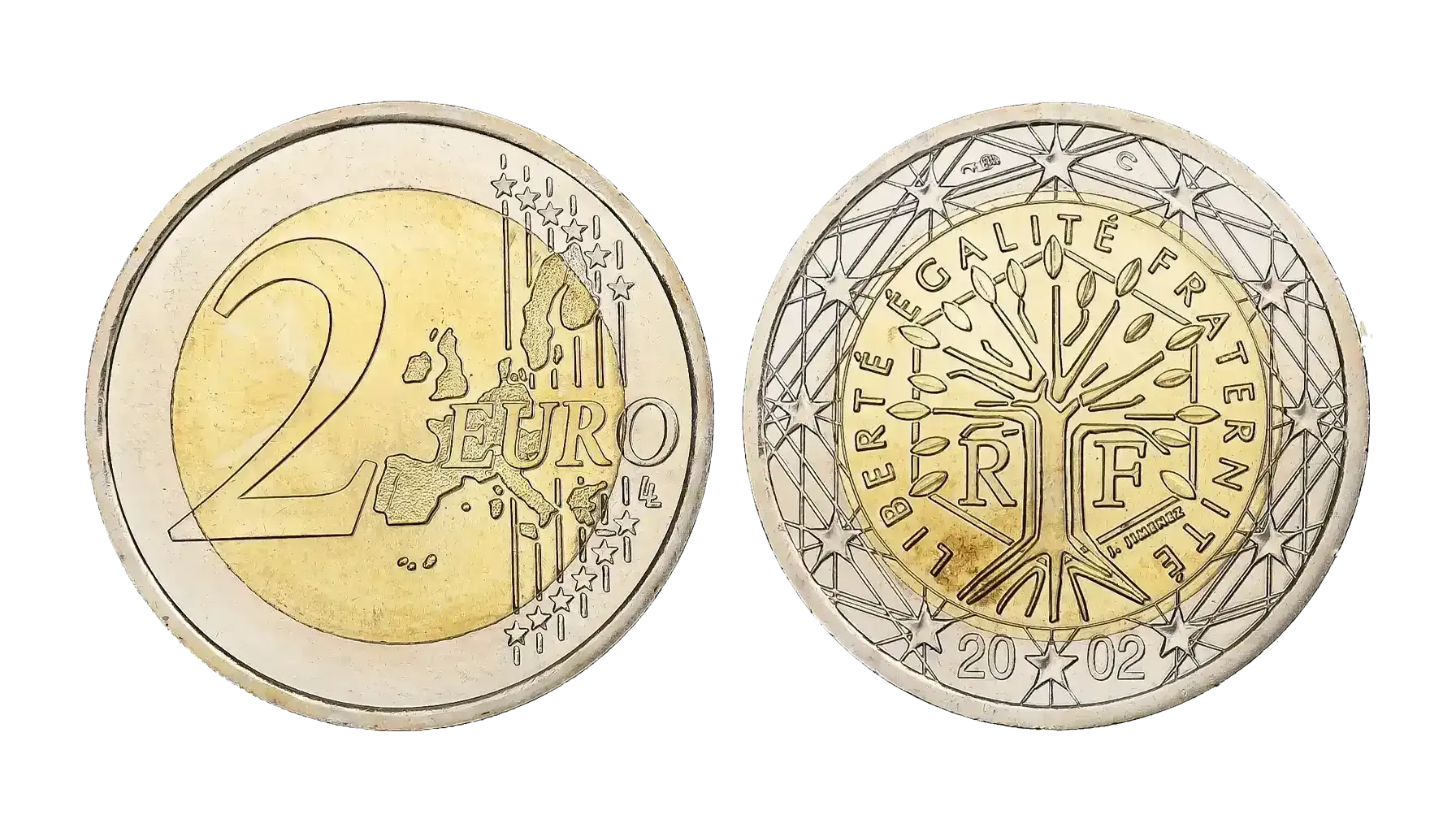
These are bimetallic by design. The center and outer ring come from different alloys, which lowers counterfeiting risks.
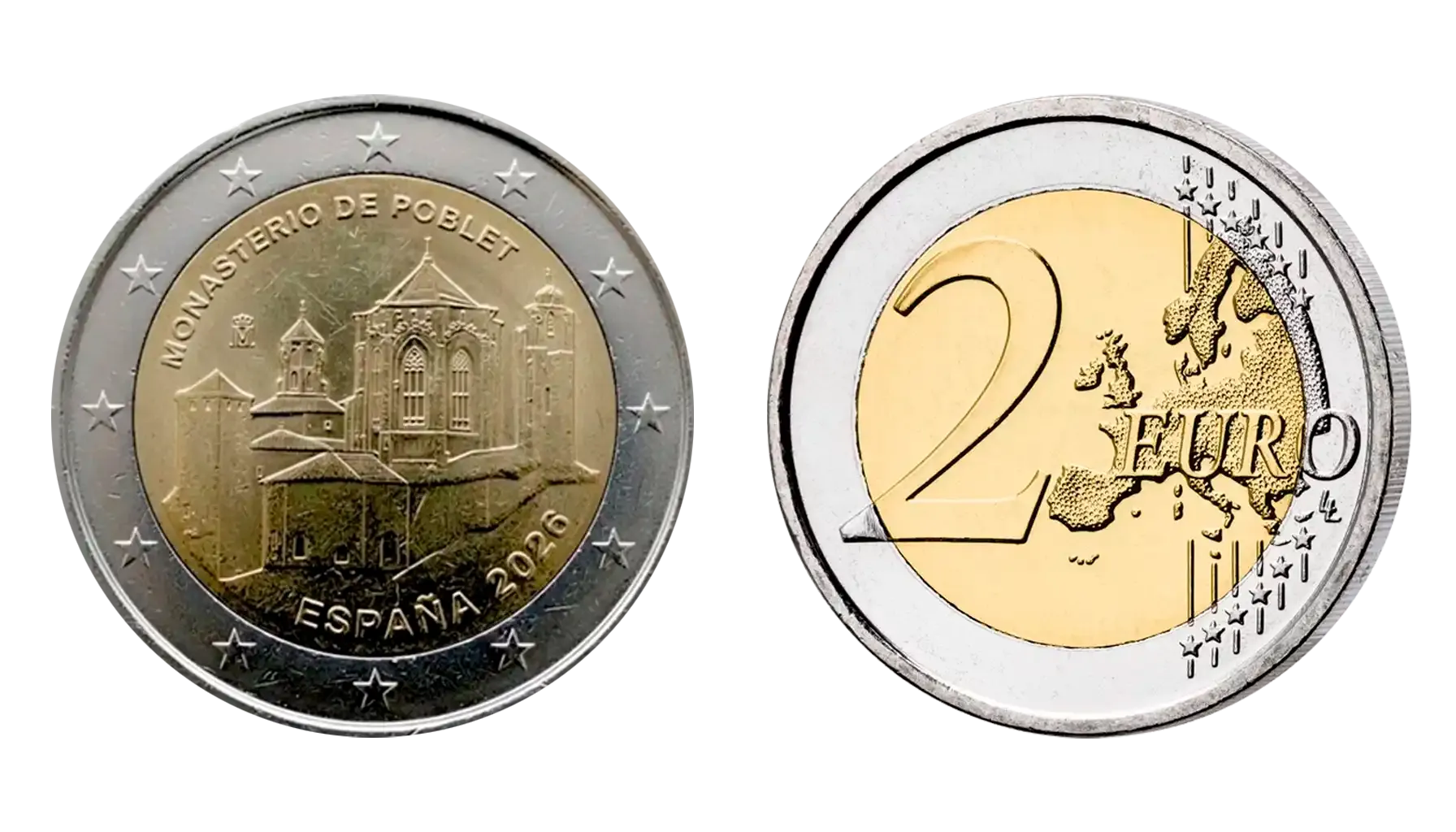
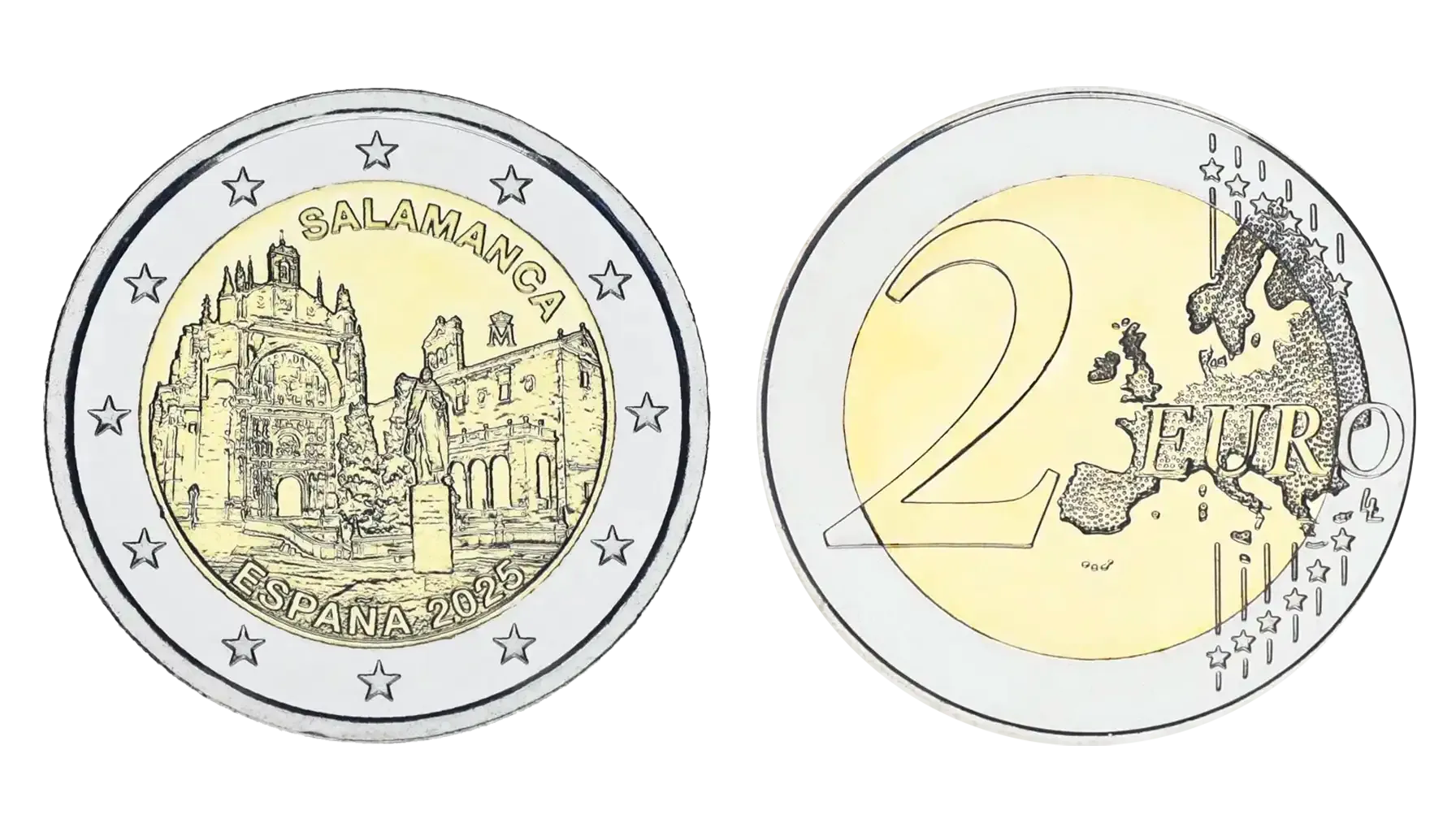
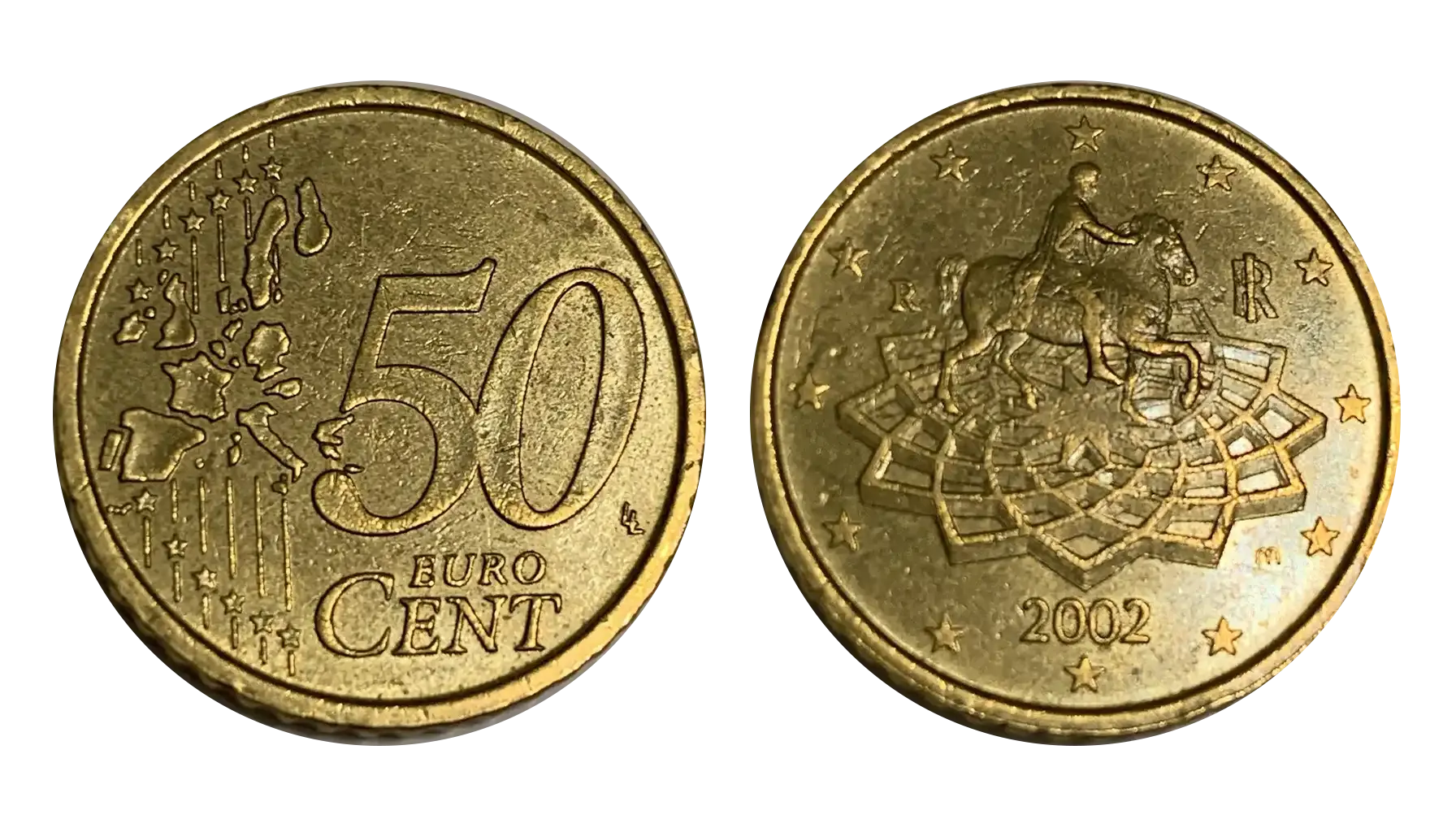
The set of euro denomination coins is complemented by national designs. Each participating country places its own design on the obverse, while maintaining a common reverse. This creates collector interest without compromising the currency's unity.
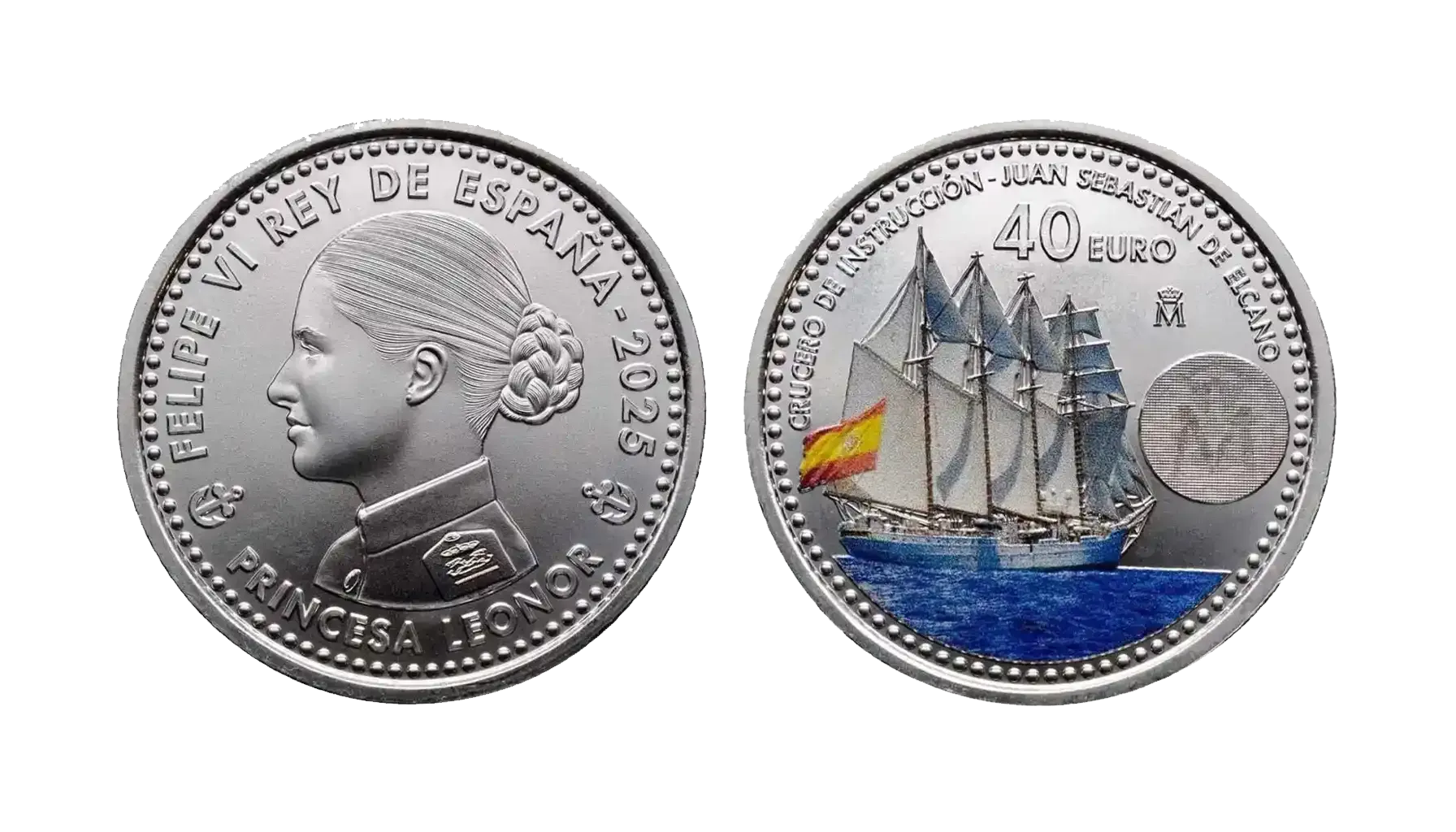
Among commemorative releases, rare 2 euro coins draw the most attention. They come in limited mintages, follow specific themes, and still remain legal tender.
Coin specifications:
Denomination | Diameter | Weight | Material |
1 cent | 16.25 mm | 2.30 g | Copper-plated steel |
5 cent | 21.25 mm | 3.92 g | Copper-plated steel |
20 cent | 22.25 mm | 5.74 g | Nordic Gold |
1 euro | 23.25 mm | 7.50 g | Bimetallic |
2 euro | 25.75 mm | 8.50 g | Bimetallic |
Visual changes to the surface occur over time with handling. For example, a patina can form on alloys with prolonged use. Such toned coins are not considered defective and typically reflect storage and handling conditions.
Euro Banknote Denominations
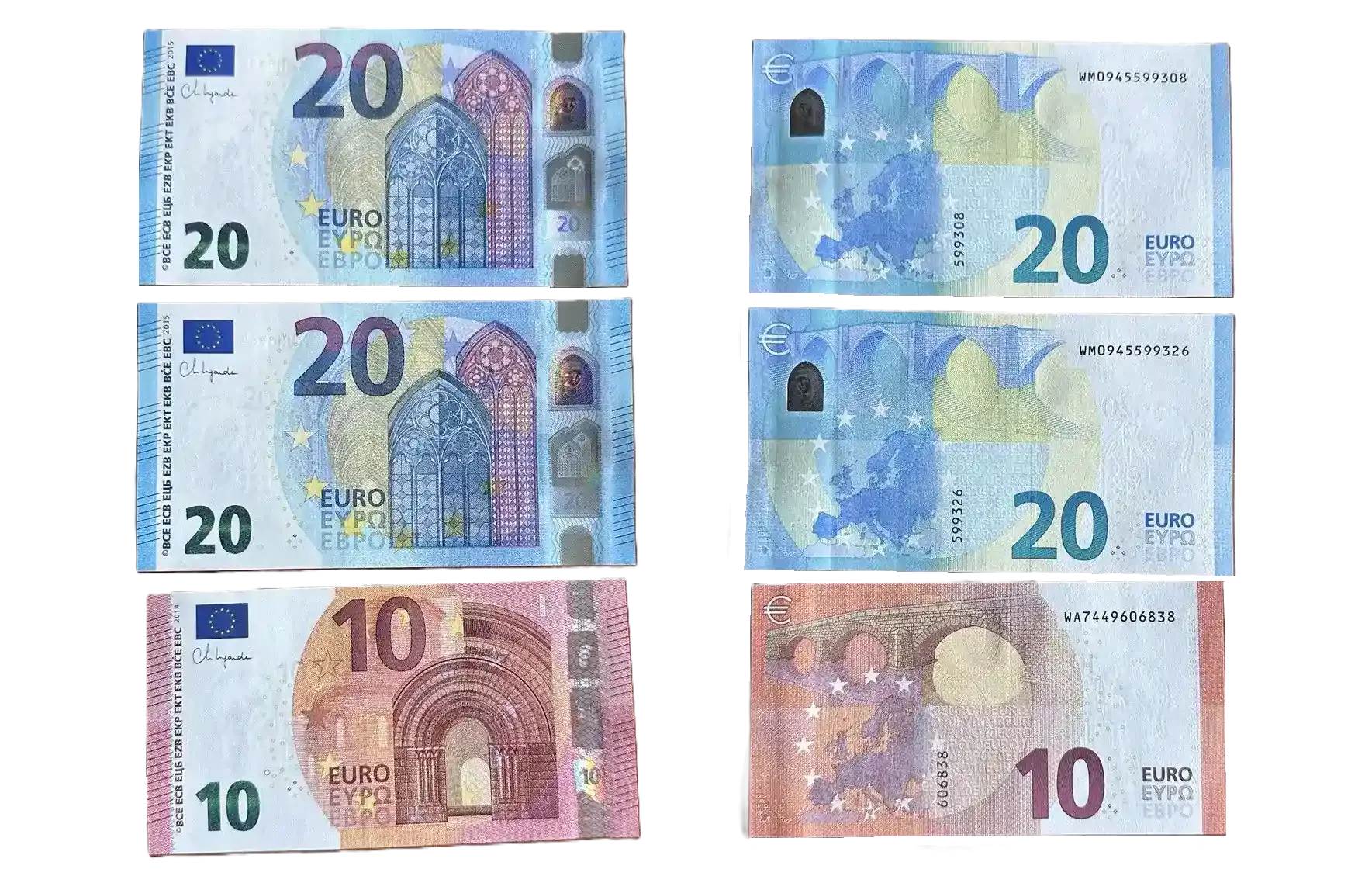
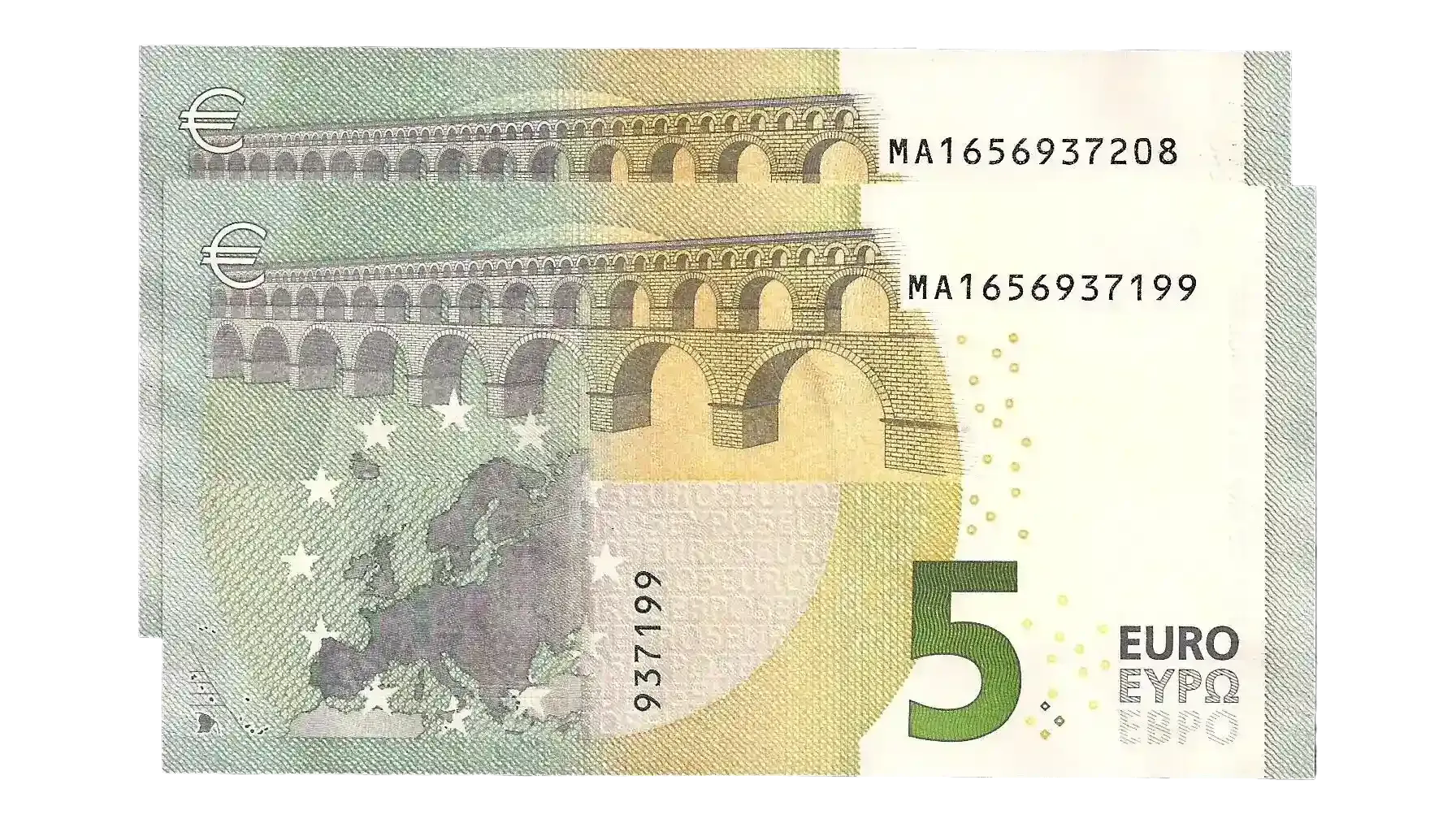
Euro banknotes are used mainly for medium and larger payments. Their design is uniform across the eurozone, with differences limited to serial numbers and the letters that identify the issuing authority.
The list of euro money denominations includes:
€50 — ~49% of all banknotes; ~47% of total value;
€20 — ~16% of banknotes; ~6% of total value;
€100 — ~14% of banknotes; ~26% of total value;
€10 — ~10% of banknotes; ~2% of total value;
€5 — ~7% of banknotes; <1% of total value;
€200 — ~3% of banknotes; ~11% of total value;
€500 — <1% of banknotes; ~7% of total value (new notes are no longer issued, but those already in circulation continue to be used and held).
Each denomination comes with its own size. Higher values are physically larger, making banknotes easier to tell apart by touch. The color scheme also shifts.
Banknote denominations and sizes:
Denomination | Size (mm) | Primary color |
€5 | 120 × 62 | Gray |
€20 | 133 × 72 | Blue |
€50 | 140 × 77 | Orange |
€100 | 147 × 82 | Green |
€200 | 153 × 82 | Yellow-brown |
The banknotes’ security features were updated in stages. The "Europa" series added portrait watermarks, holograms, and improved security threads. These changes are aimed at reducing counterfeiting without complicating visual perception.
“The euro is much, much stronger, the euro area is much, much stronger than people acknowledge.”
— Mario Draghi, President of the European Central Bank
European Central Bank press release
How Euro Currency Is Used Across Europe
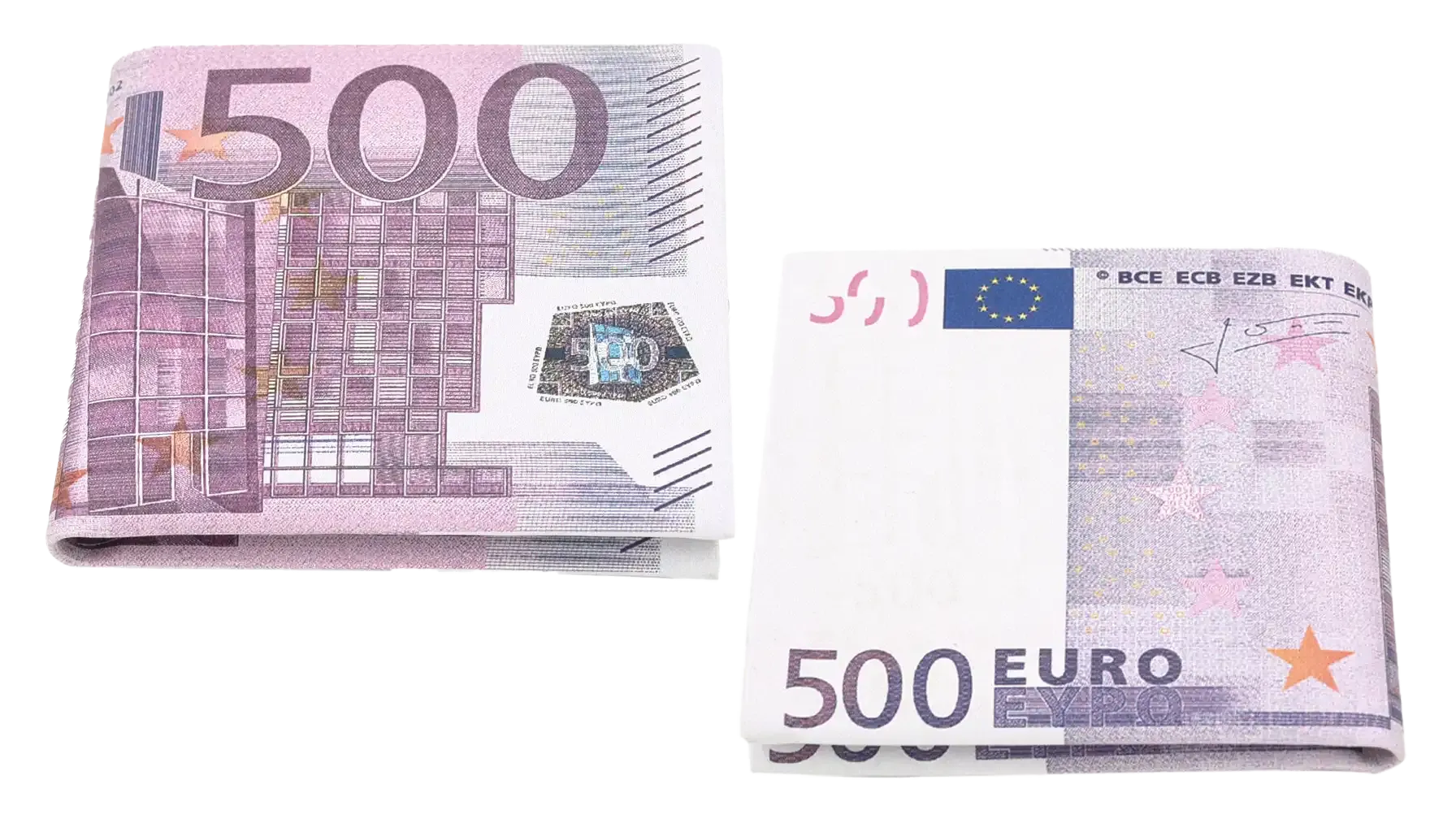
The use of the euro follows common rules across countries, but there are differences. In tourist regions, large denominations are more common. In everyday retail, coins and banknotes up to 50 euros predominate. The system works smoothly for small payments, vending machines, and public transport.
From the outset, euro currency denominations were designed with universality in mind. They are not tied to a specific country and are recognized equally throughout the eurozone. This distinguishes the euro from currencies where national characteristics have a greater impact on the range of cash denominations.
Retailers may refuse to accept certain denominations if this is justified by operational reasons—for example, lack of change, risk of counterfeiting, or internal cash acceptance rules.
A separate issue is the role of cash in the digital age. Despite the growth of non-cash payments, the euro remains an important instrument for backup and offline payments. This is one of the reasons why the denomination structure is not being reduced, but rather adapted through updated design and security features.
Legal Сonsequences of Using Counterfeit Euro Cash
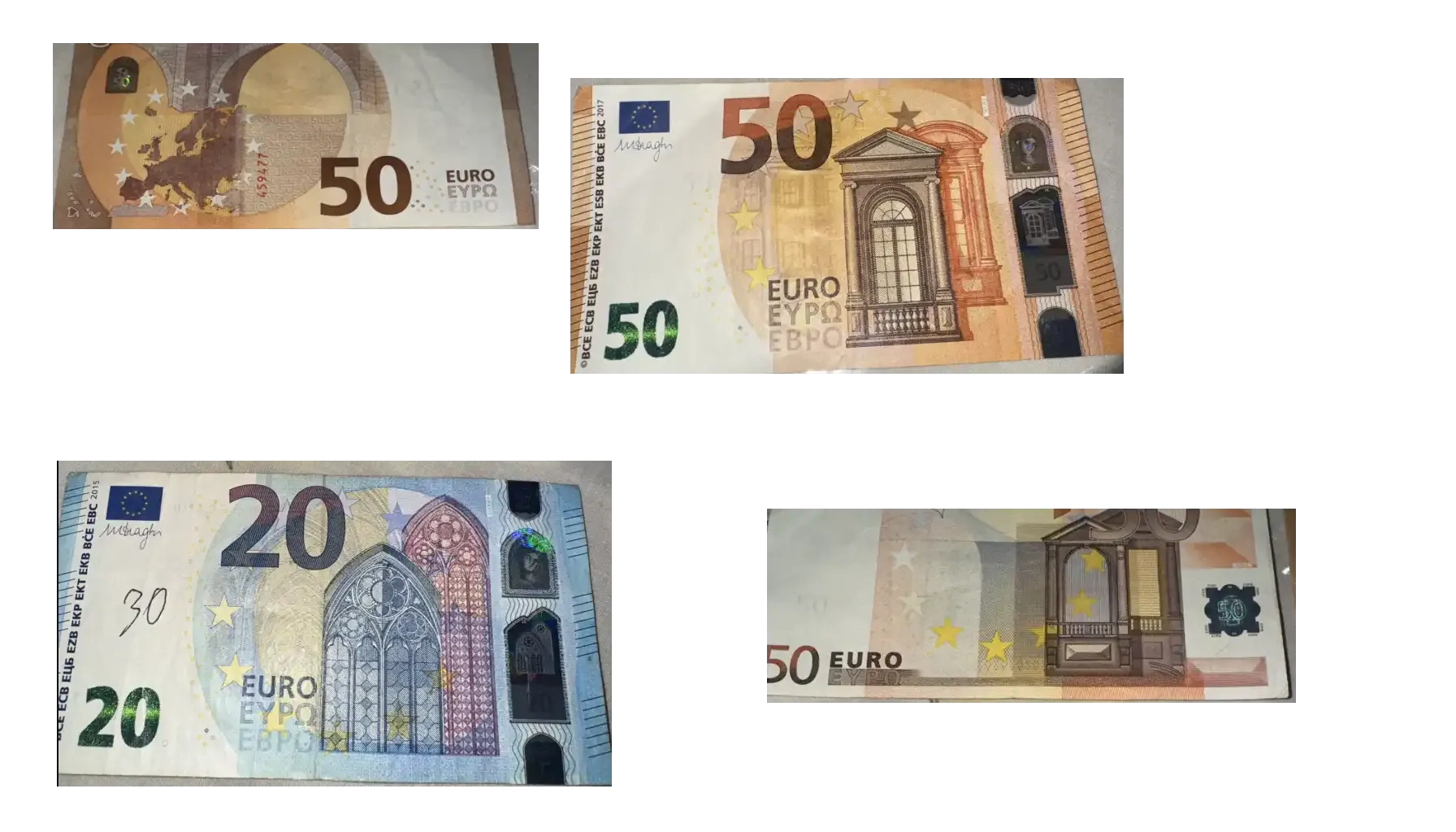
Counterfeit euros entail criminal liability. In all eurozone countries, criminal responsibility applies to producing counterfeit banknotes and coins, distributing them, or knowingly using them in transactions.
If a suspicious banknote or coin is discovered during payment, it is immediately confiscated without compensation. Such banknotes and coins are not returned to the owner and are transferred through the banking system to agencies operating under procedures agreed upon with the European Central Bank.
Anyone who receives a counterfeit banknote in good faith—for example, as change—is not automatically considered an offender. However, attempting to recirculate such a banknote after detection may be considered intentional.
Differences Between Euro Coins and Banknotes
Within the same currency system, coins and banknotes are used for different purposes. Their distinctions lie in their material, service life, frequency of use, and security features.
Practical Use and Durability
Coins are resistant to the circulation environment. They are resistant to moisture, temperature fluctuations, and rough handling. This reduces losses during storage and transportation and allows them to be used in places where banknotes quickly become unusable.
Banknotes are ideal for reducing the physical volume of cash. For the same amount, they take up less space and mass, simplifying collection, safekeeping, and transportation between retail outlets.
Coins require virtually no quality control in circulation. Central banks rarely withdraw them due to their external condition. Even heavily worn banknotes continue to perform their payment function without further inspection.
Banknotes are constantly sorted. They are regularly inspected for wear, contamination, and the integrity of their security features. Banknotes that do not meet the standard are withdrawn and replaced, increasing the circulation of printed cash.
Coin ID Scanner helps with the quick identification of denomination, country of issue, and approximate value. A photo is enough—the image is checked against the database, and the key details come back in a structured form, without long catalog searches.
Conclusion
In general, what are the euro denominations? This structure simplifies calculations and reduces errors. The euro combines a limited number of denominations with a clear division of roles between coins and banknotes. This makes the currency easy to handle and understand for everyday users and those studying it for practical or collectible purposes.

 Facebook
  X (Twitter)
  Pinterest
  LinkedIn