Contents:
The modern Turkish currency is inspired by the Ottoman (from the mid-1800s). The Republican Turkish coin series was released back in 1922-1923; they had aluminium-bronze pieces marked in kuruş, and these were the last coins to use Arabic-script inscriptions.
Overview of Turkish Coins and Currency
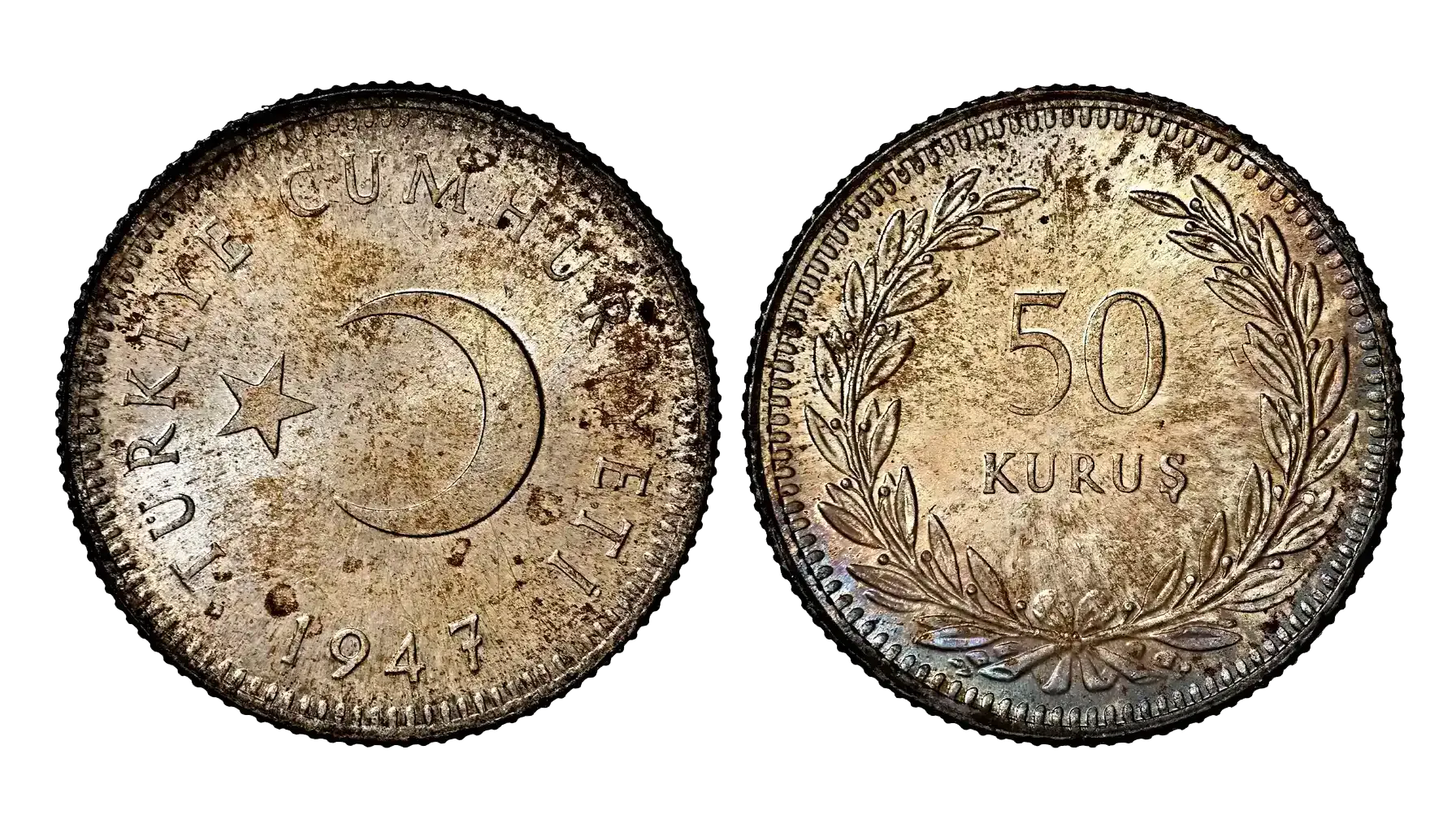
As years went by, coin composition changed because of economic factors like inflation, from bronze to nickel to steel to aluminium, and finally to bimetallic structures. By 2005, Turkey redenominated the currency; they replaced 1,000,000 old lira with 1 new lira.
The modern lira is divided into 100 kuruş, and both banknotes and coins have the image of Mustafa Kemal Atatürk. Do you have some Turkish money, but you have no idea how to identify foreign coins? There is an app for that to help you see what kind of money you have instantly.
Some of the Turkish currency also included fully precious-metal issues, like gold lira pieces used for trade and wealth storage, such as the earlier Turkish kurush gold coin used during the Ottoman period.
Turkish Lira Coins (Modern Circulation)
Modern Turkish lira coins circulate in values of 1, 5, 10, 25, and 50 kuruş. You may also find ₺1 and the new ₺5 introduced in 2023.
Currency name | Türk lirası (Turkish) |
Abbreviation | TL |
Unit | Lira |
Symbol | TL, ₺ |
Subunit | 1 kuruş (kr) = 1/100 of a lira |
Since 2009, the “Yeni” (new) prefix has been dropped, and the lira returned to its standard name. All circulating coinage have Atatürk on the obverse; the ₺1 and 50 kuruş are bimetallic. Also, reverse imagery had the Bosphorus Bridge, Snowdrop flowers, Seljuk star motifs, and geometric Islamic patterns.
“The lira was originally symbolised as TL, inverting the characters of the Ottoman lira's sign, LT, which stood for ‘Livre Turque’ in French. Historically English language sources used ‘£T’ or ‘T£’ for the currency, but it is unknown whether this notation was ever used within Turkey.”
— Unknown author
from Wikipidea’s Turkish Lira page
What about Turkish gold coins? There are premium bullion versions, Turkey mints official Turkish lira gold coin strikes, and they are more investment and ceremonial pieces.
Turkish Lira Banknotes and Coins Explained
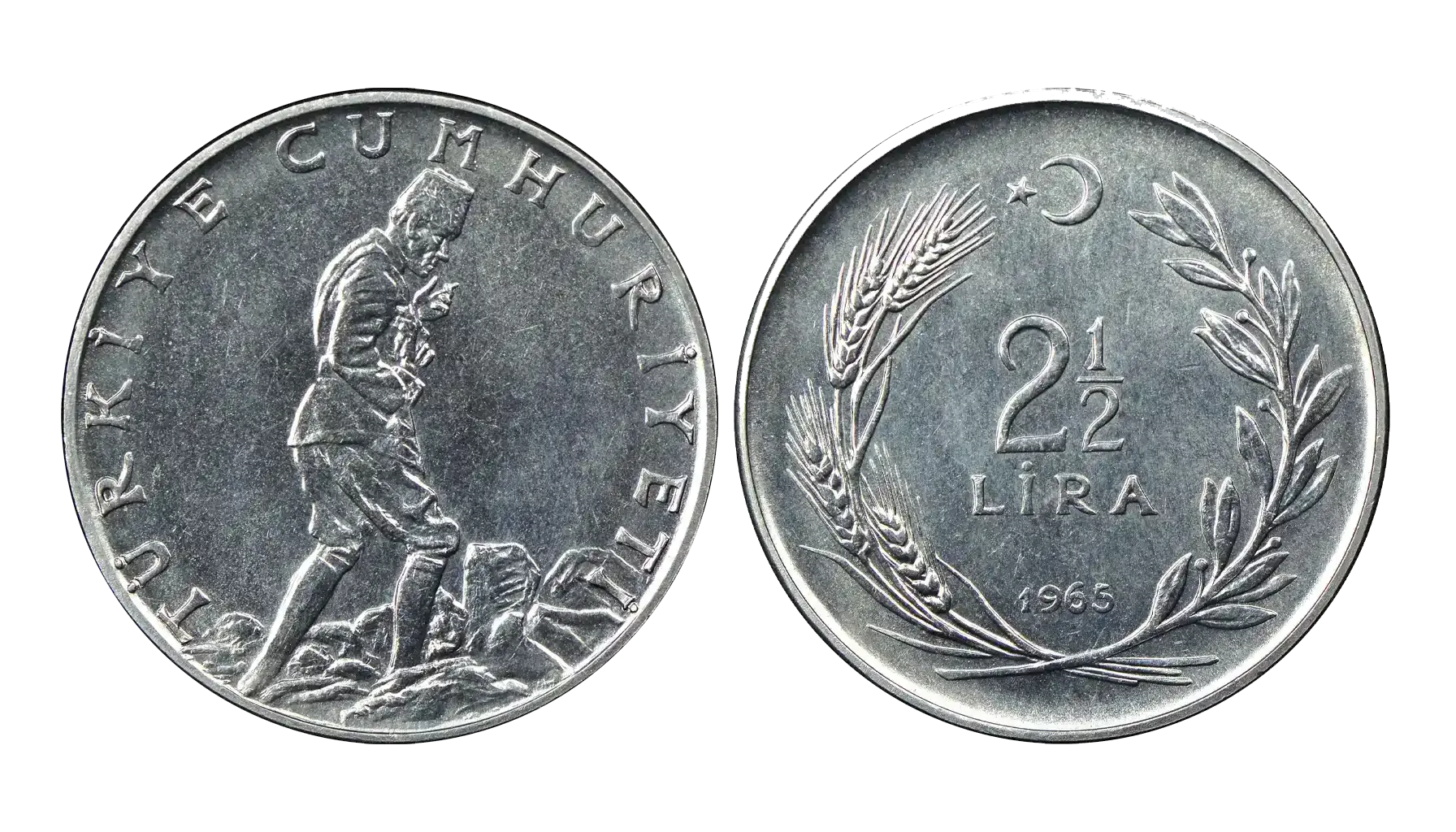
Turkish lira banknotes and coins appear in ₺5, ₺10, ₺20, ₺50, ₺100, and ₺200 denominations. The E-9 series has important Turkish intellectuals, artists, and scientists. For example:
₺5 — Aydın Sayılı (history of science)
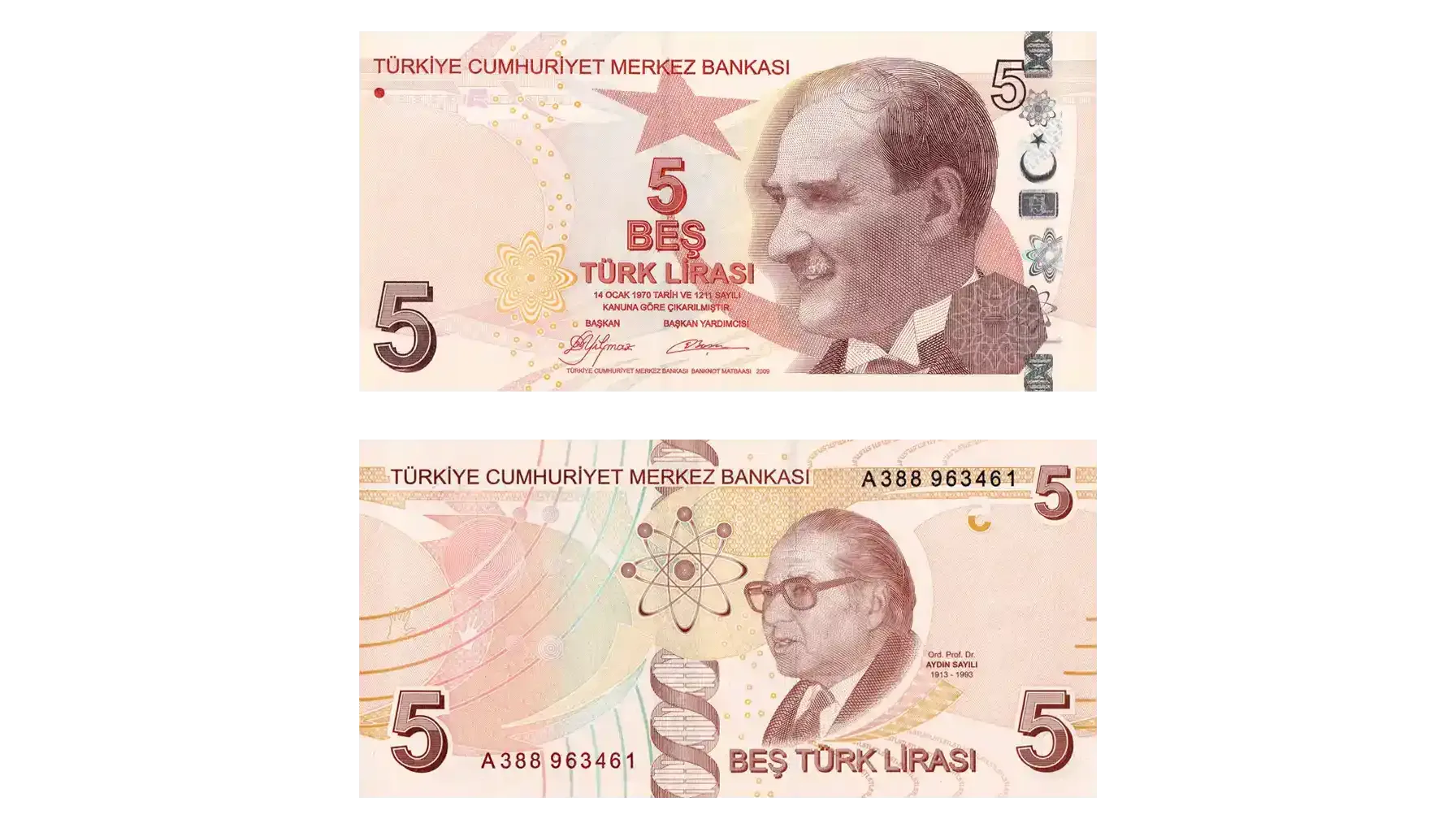
Aydın Sayılı (1913–1993) was one of the world’s leading historians of science. He received his PhD at Harvard and was the founder of the modern history of science, the first person in the world to earn a doctorate in this field.
Sayılı was studying the achievements of Islamic civilization, Central Asia, and the Middle East. He helped to understand how mathematics, astronomy, and medicine moved between cultures.
On the ₺5 note, you’ll see:
Scientific diagrams (solar system, atomic models)
Mathematical sequences
Symbols referencing early scientific research
₺10 — Cahit Arf (mathematics)
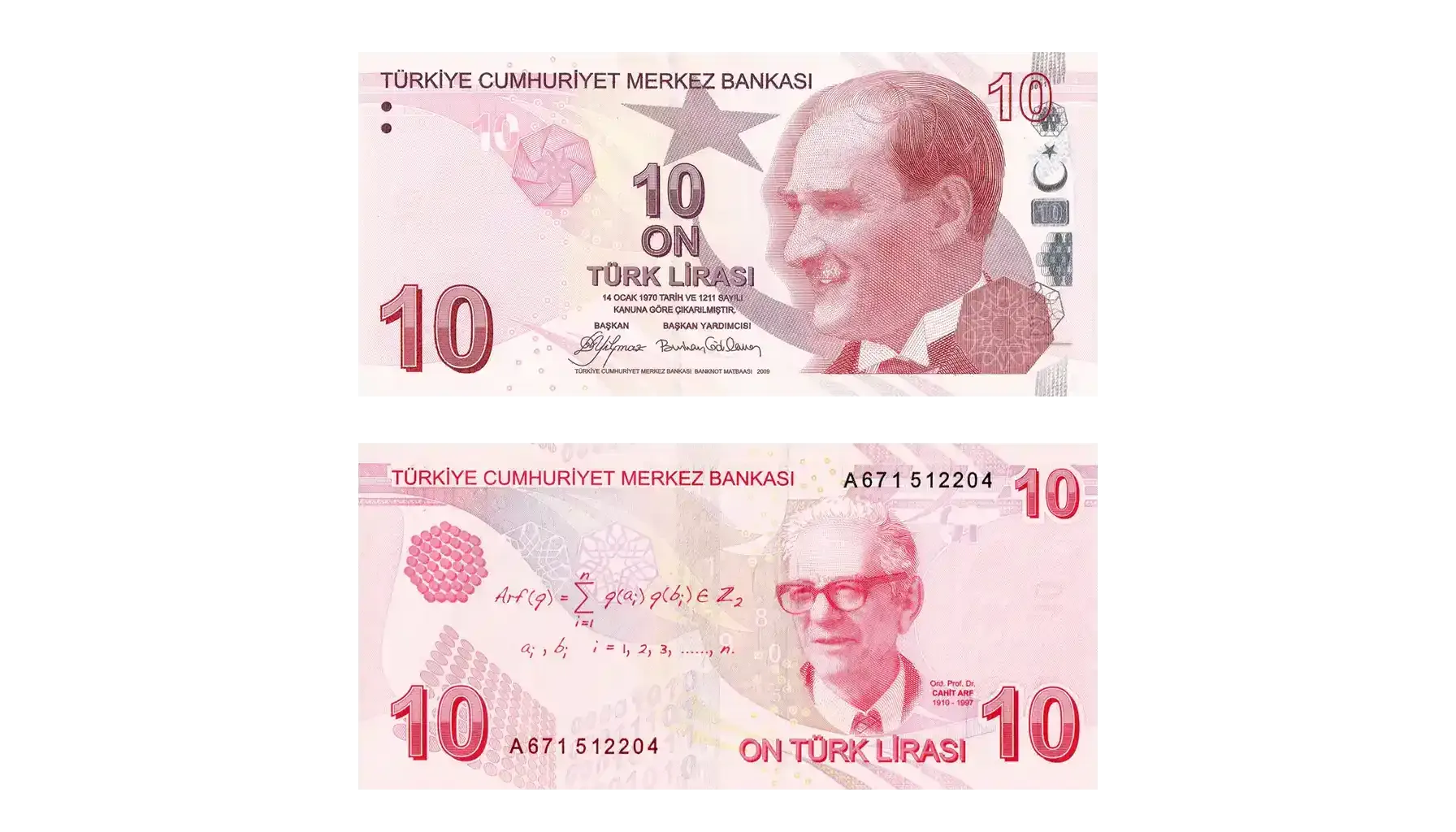
Cahit Arf (1910–1997) is Turkey’s most celebrated mathematician. His name is immortalized in the Arf invariant. It is an influential concept in algebra and number theory, and the Arf ring, which appears in coding theory and algebraic geometry.
On the ₺10 note, you’ll see:
The Arf invariant formula
Diagrams representing pure mathematics
Symbolic imagery of mathematical reasoning
₺20 — Mimar Kemaleddin (architecture)
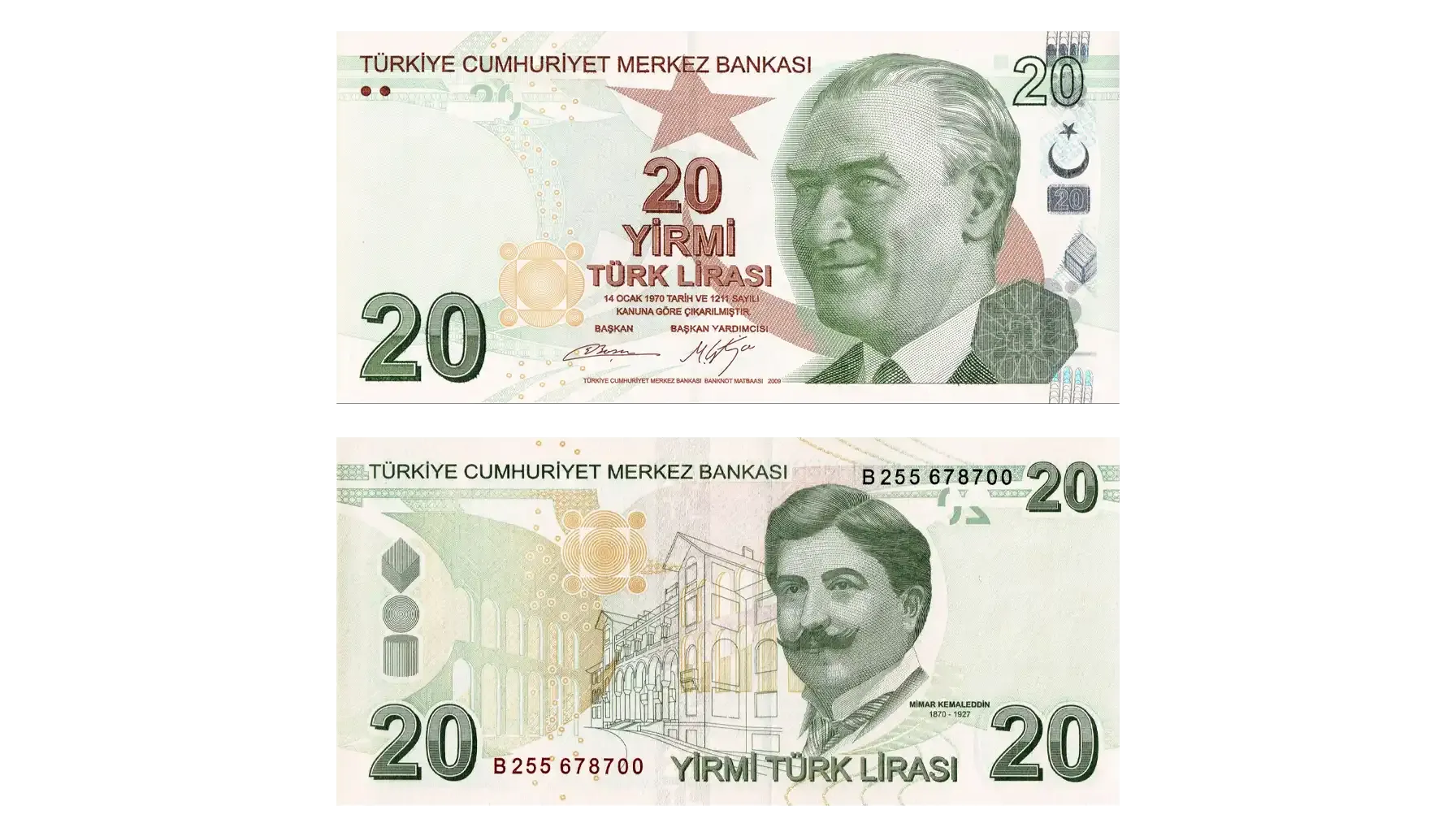
Mimar Kemaleddin (1870–1927) was an architect and one of the leaders of the First National Architectural Movement. He helped to restore historical buildings. With Kemaleddin's designs, they made railway stations, schools, and many landmark civic structures.
On the ₺20 note, you’ll see:
Architectural motifs (arches, geometric balance)
Gazi University’s main building
Structural forms representing cultural continuity
₺50 — Fatma Aliye (literature)
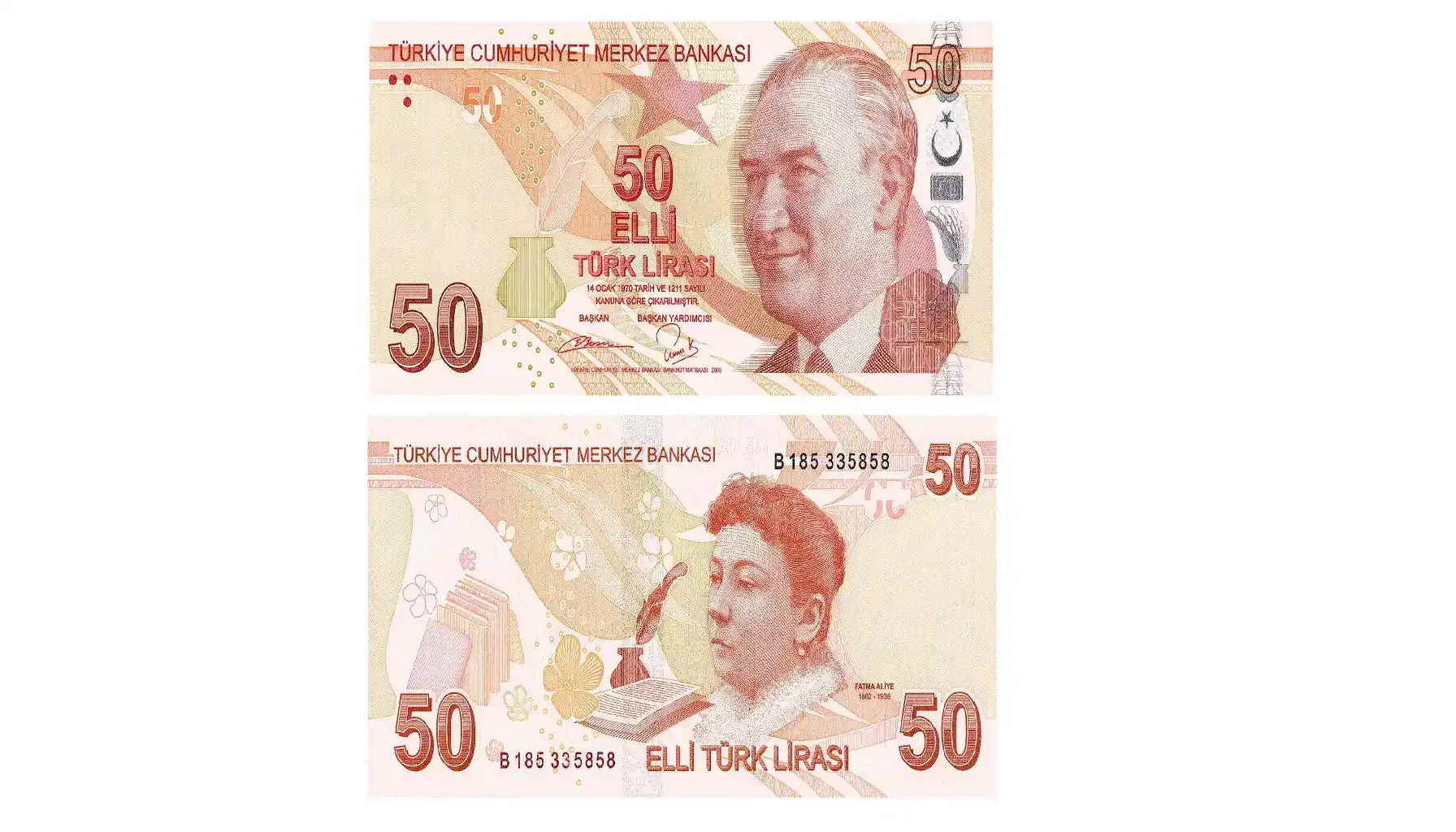
Fatma Aliye Topuz (1862–1936) was the first recognized female novelist in Turkish literature. She wrote novels, essays, and translations. Topuz tried to promote women’s education, social dignity, and intellectual participation.
On the ₺50 note, you’ll see:
Floral motifs, which are supposed to show renewal and femininity
Literary symbols
References to her early publications and cultural influence
₺100 — Itri (music)
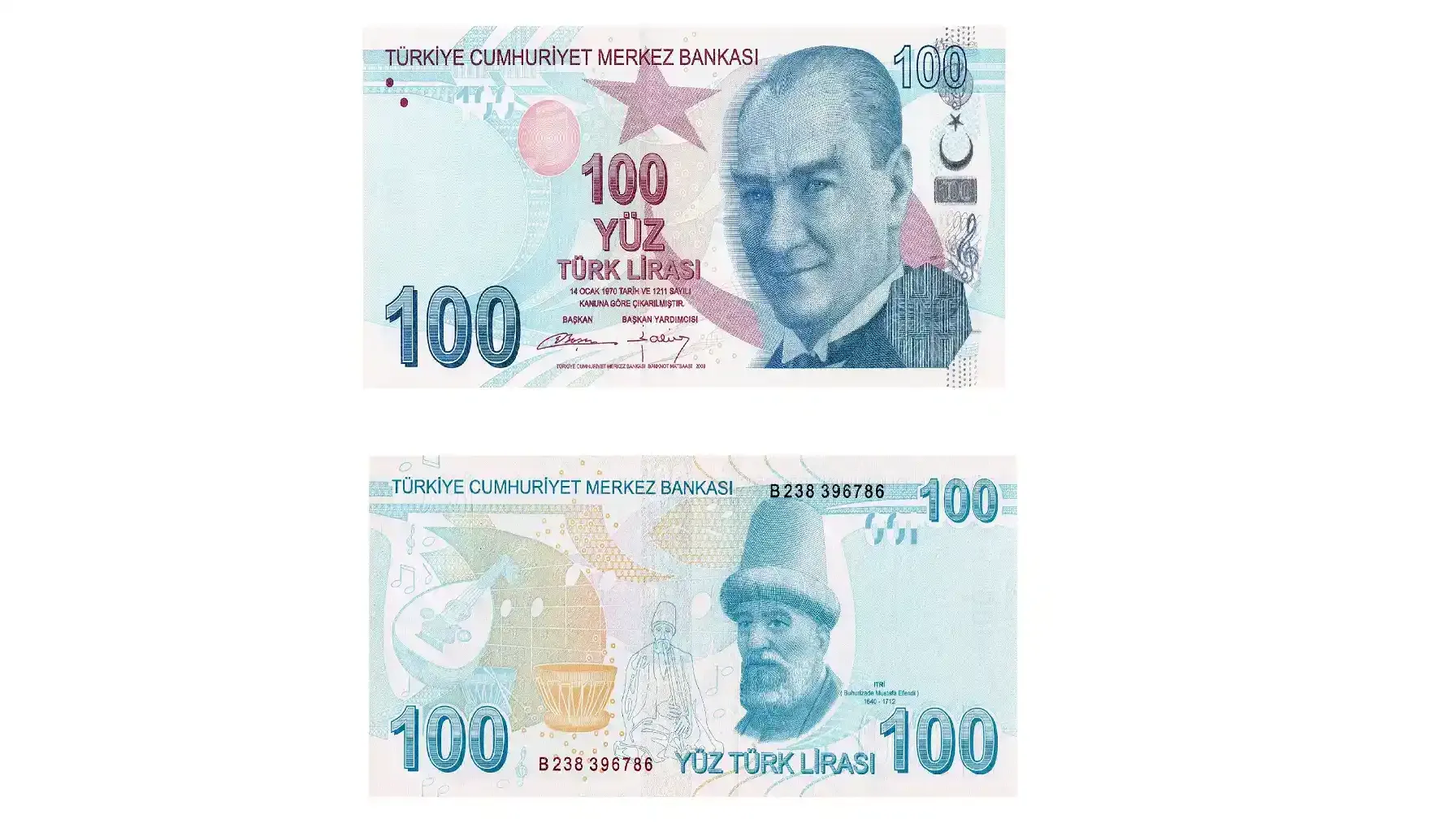
Buhurizade Mustafa Itri (1640–1712) is one of the greatest composers of classical Turkish music. Over 40 works of his only survive, like the religious compositions linked to Mevlevi (Whirling Dervish) ceremonies.
On the ₺100 note, you’ll see:
Musical notation
Mevlevi whirling dervish figure
Instruments used in classical Ottoman music
₺200 — Yunus Emre (poetry)
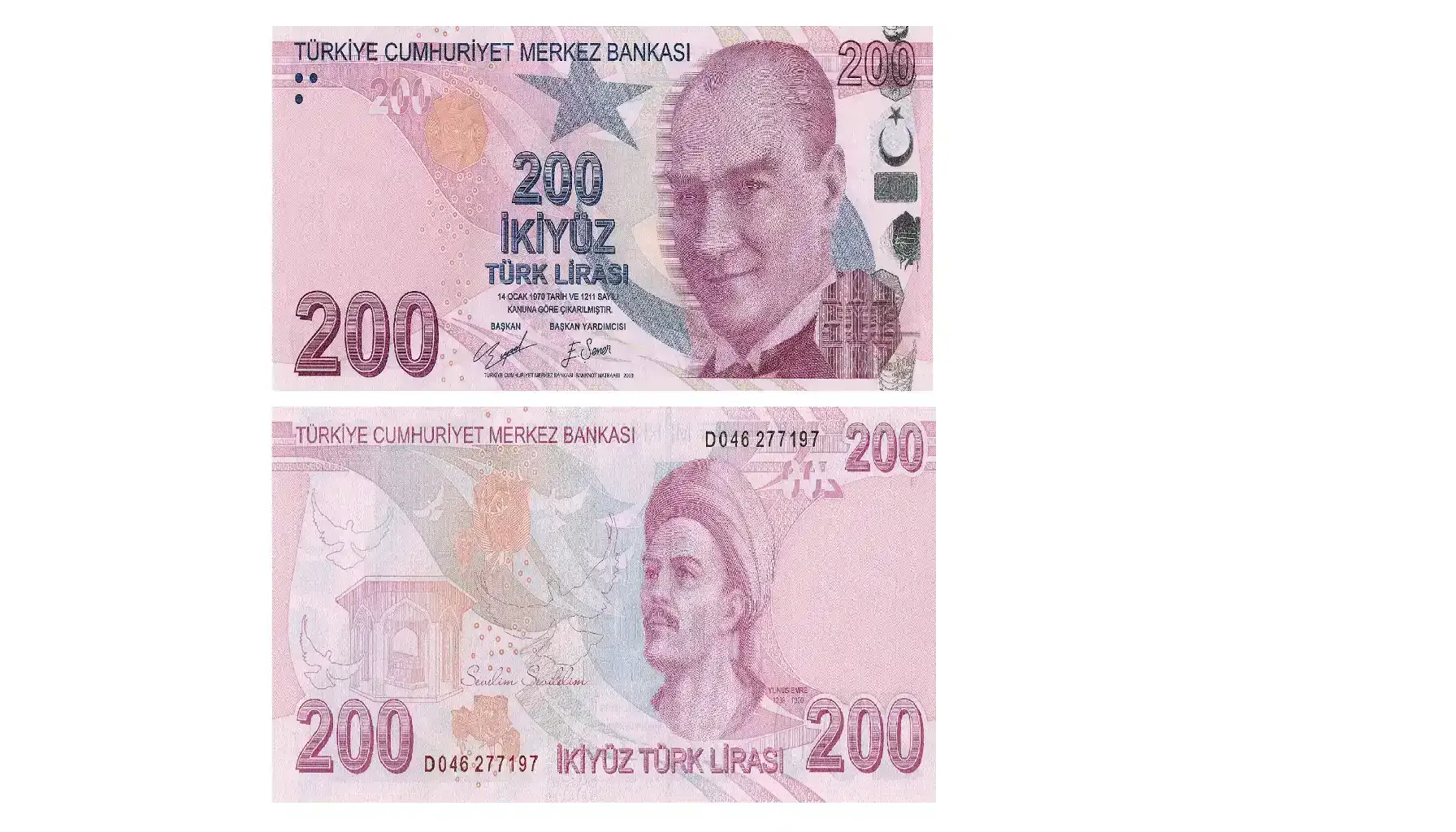
Yunus Emre's (1238–1320) poetry was written in simple Turkish (most famous poets wrote in scholarly Arabic or Persian). This is why he is different and considered as more close to people poet.
On the ₺200 note, you’ll see:
Doves and roses (which means peace)
Imagery related to his tomb
Poetic calligraphy expressing spiritual harmony
Rare and Valuable Turkish Coins
As a collector, you should focus on specific mintings of Turkish lira banknotes coins:
Early Republic coins with Arabic script (1923–1928)
When Republic of Turkey was founded, the earliest coinage still used Ottoman-Arabic script. So the old coins have inscriptions in Arabic-based Ottoman lettering. It was the transitional phase between empire and republic, so they are culturally important and rare in higher grades.
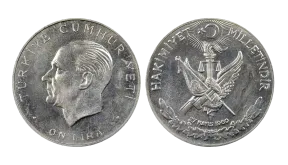
Silver 1 lira pieces from 1934–1938
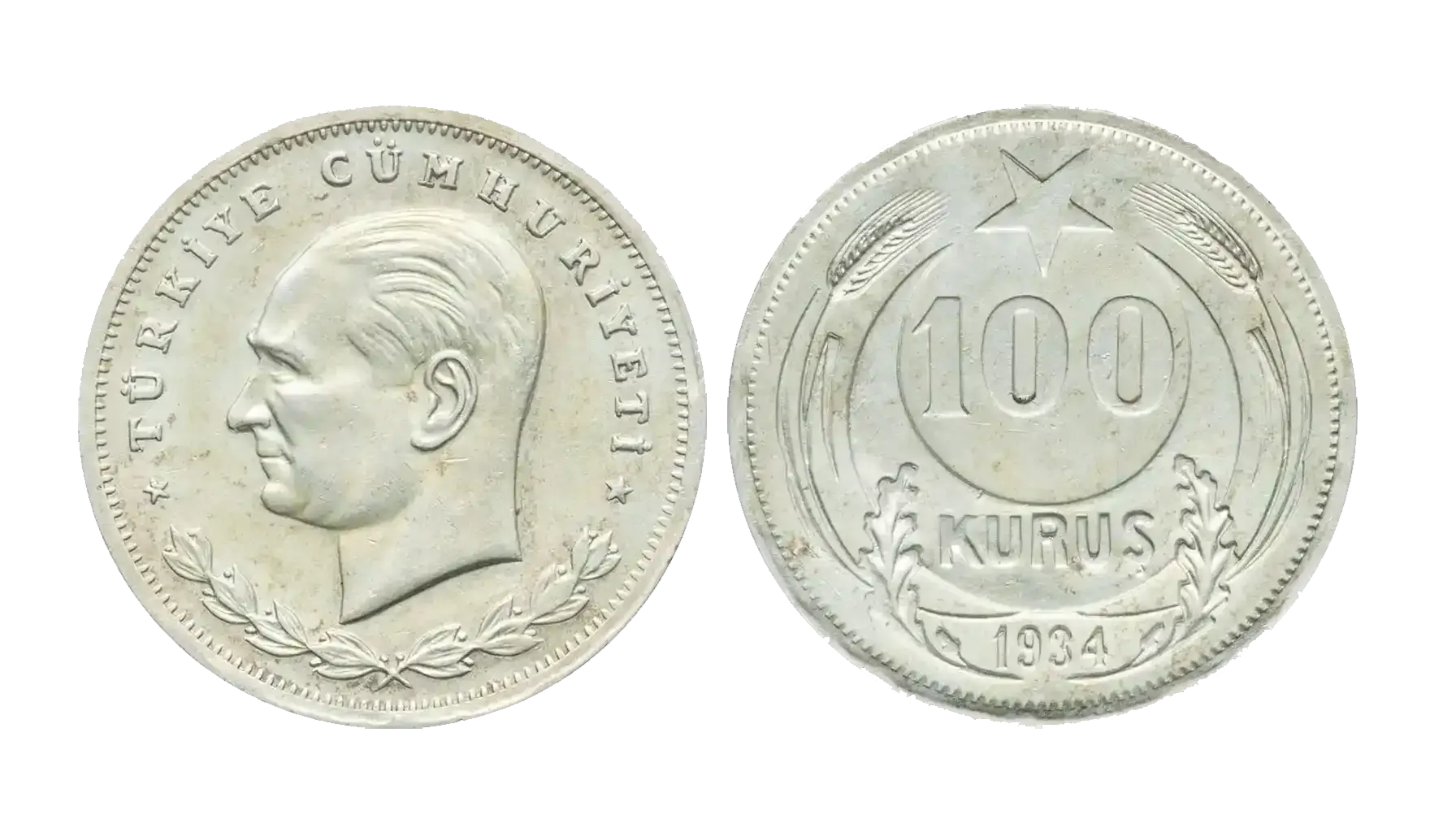
In the 1930s, Turkey briefly issued circulating silver 1-lira coins. These were struck in .835 fine silver and have the portrait of Atatürk. Their silver content gives them melt value, but they also come from the era when the Republic was strengthening its identity, modernizing institutions, and setting a Western-aligned economic direction. Well-preserved examples are scarce.
Its melt value would not be like that of a silver bar, but collectors like to have precious metal coins because you never know how much they would rise in price.
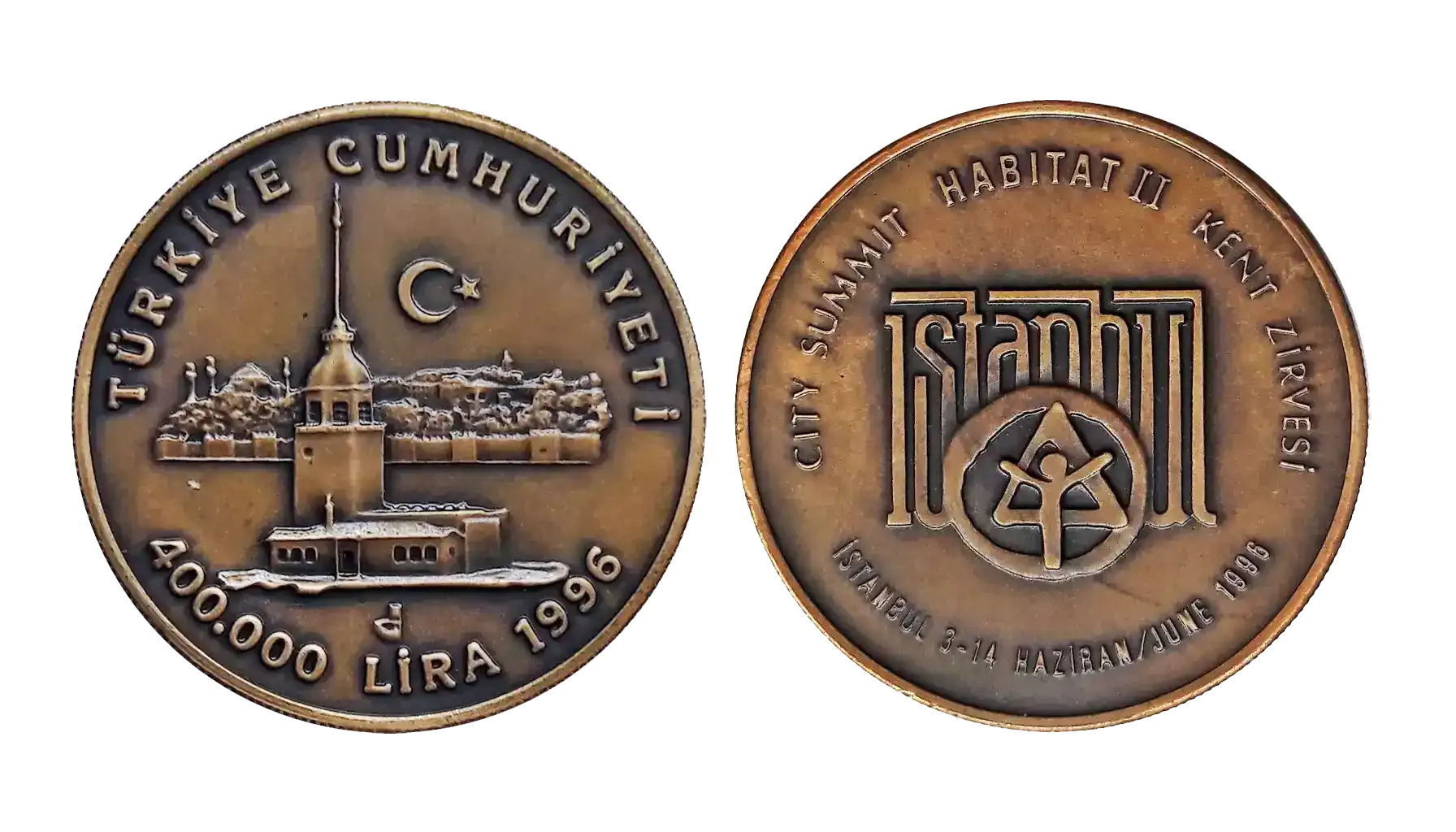
High-denomination inflation coins from the 1980s–1990s (e.g., TL 10,000 – TL 250,000)
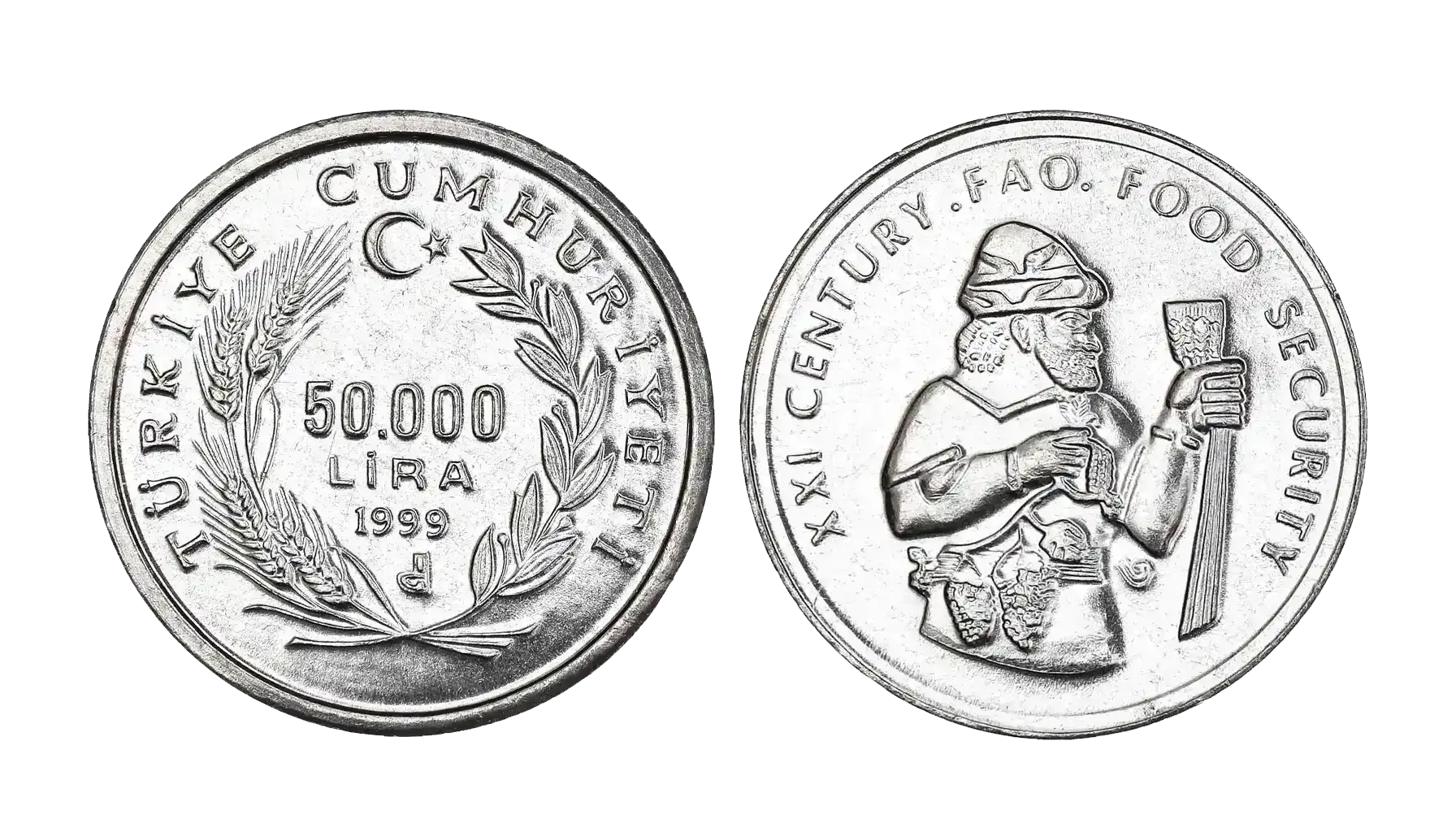
There was a huge inflation in Turkey. Some of the circulating coins reached surreal values by the early 2000s. They typically have minimal value unless in UNC/BU condition or sealed original mint packaging.
The original Ottoman gold lira — the most recognized Turkish gold lira coin
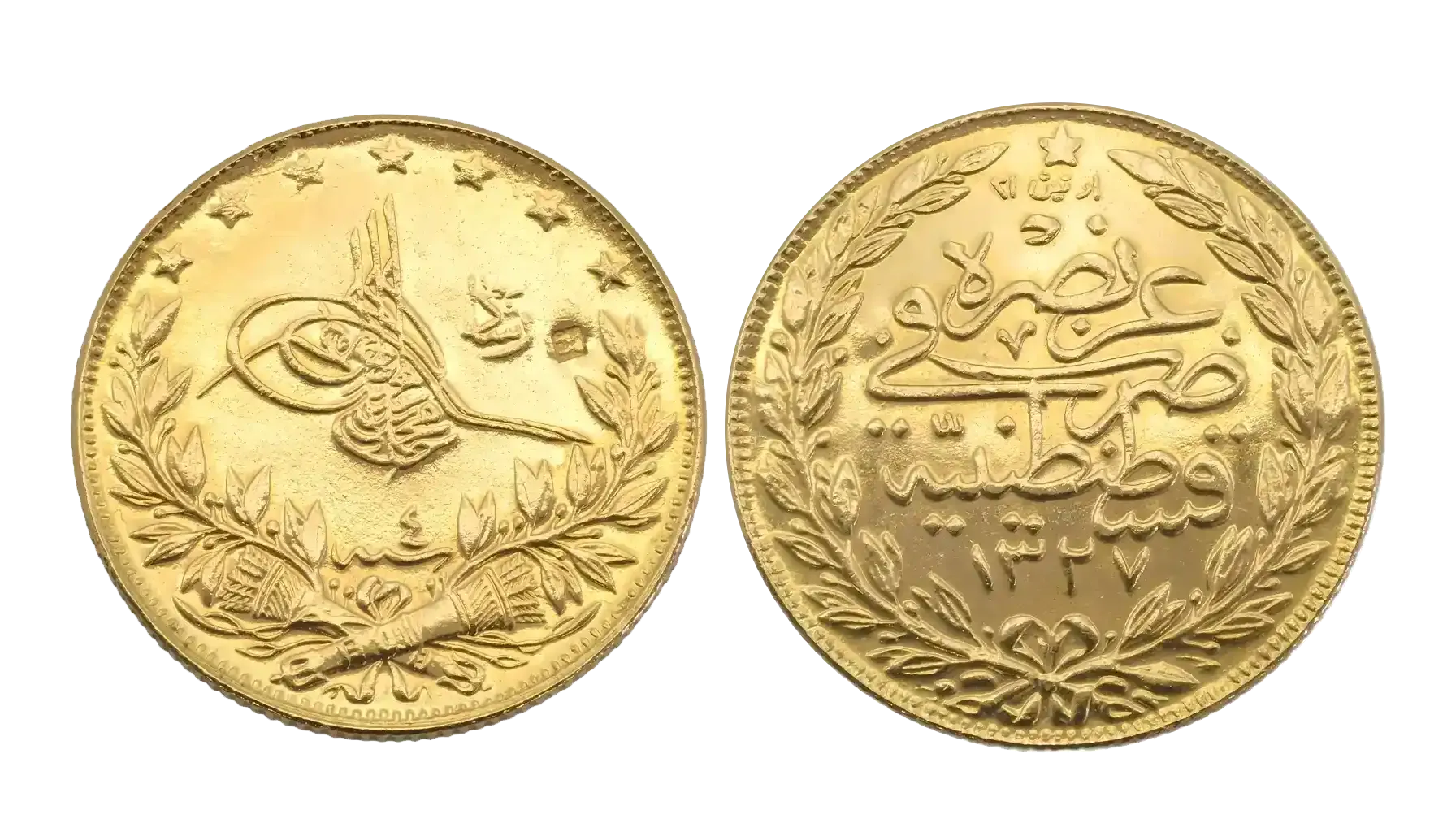
They are minted in 22-karat gold. So even today, they are widely used in Turkish gold markets, often favored over bullion bars. These are also commonly traded in Istanbul’s Grand Bazaar and beyond.
Commemorative ₺1 designs released since 2012
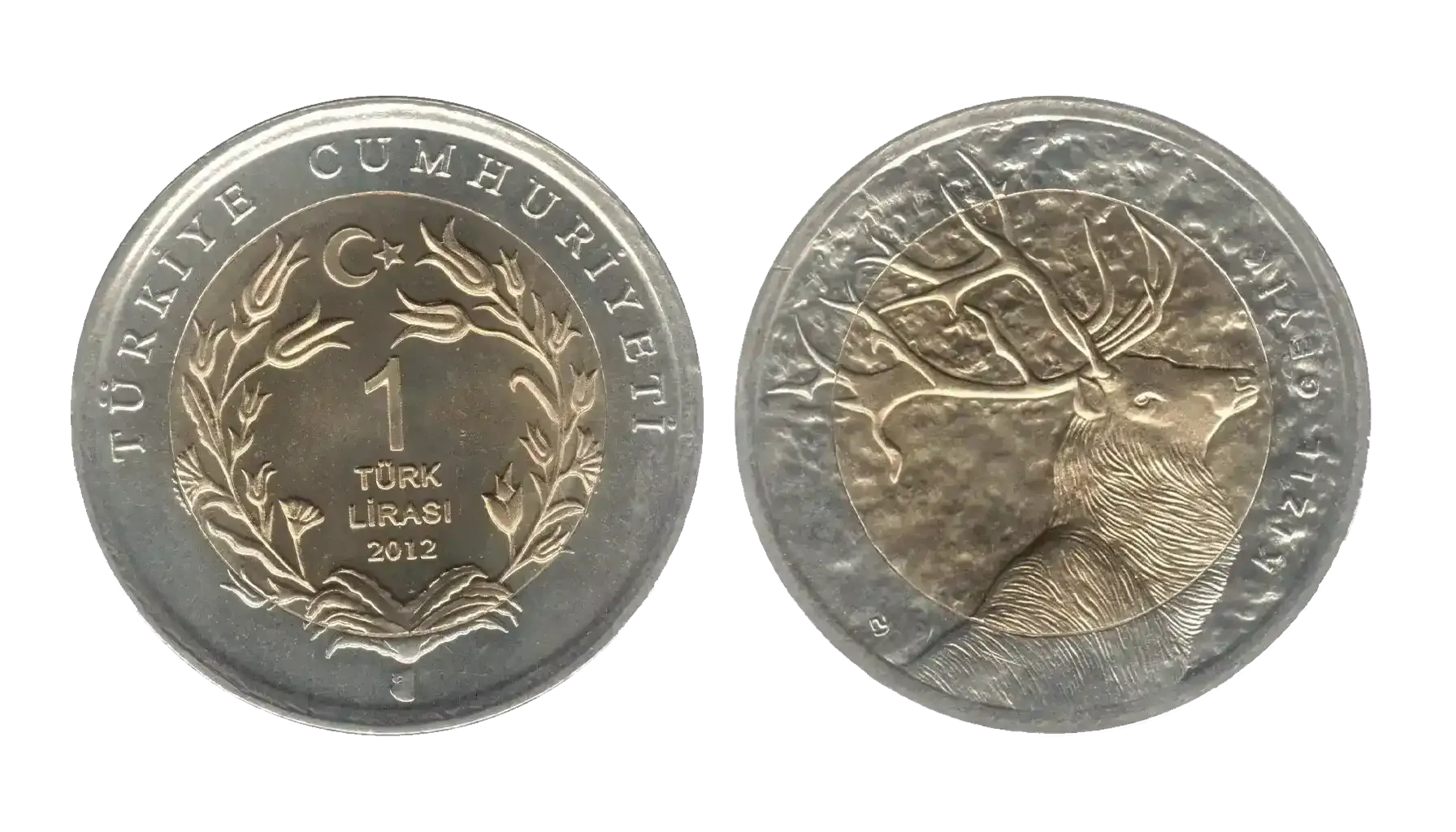
Since 2012, Turkey has issued circulating commemorative ₺1 coins for:
Presidential inaugurations
National anniversaries
Historic institutions
100th year national events
Cultural and architectural achievements
Their metal value is low, but specific designs may become future collector pieces depending on low mintage volume and public interest.
Some of the most valuable numismatic specimens are Ottoman gold issues, rare proof strikes, mis-struck coins, and exceptionally preserved early-Republic circulation pieces.
Aurum Inside
Gold coins in Turkey are embedded in social tradition. Families gift gold coins at:
Weddings
Circumcisions
Engagements
Births
Sizes vary: 1/4, 1/2, 1 full lira equivalent, and they often have a small loop so they can be pinned on clothing during ceremonies. In Turkish culture, these are more stable and trusted than fiat currency.

 Facebook
  X (Twitter)
  Pinterest
  LinkedIn