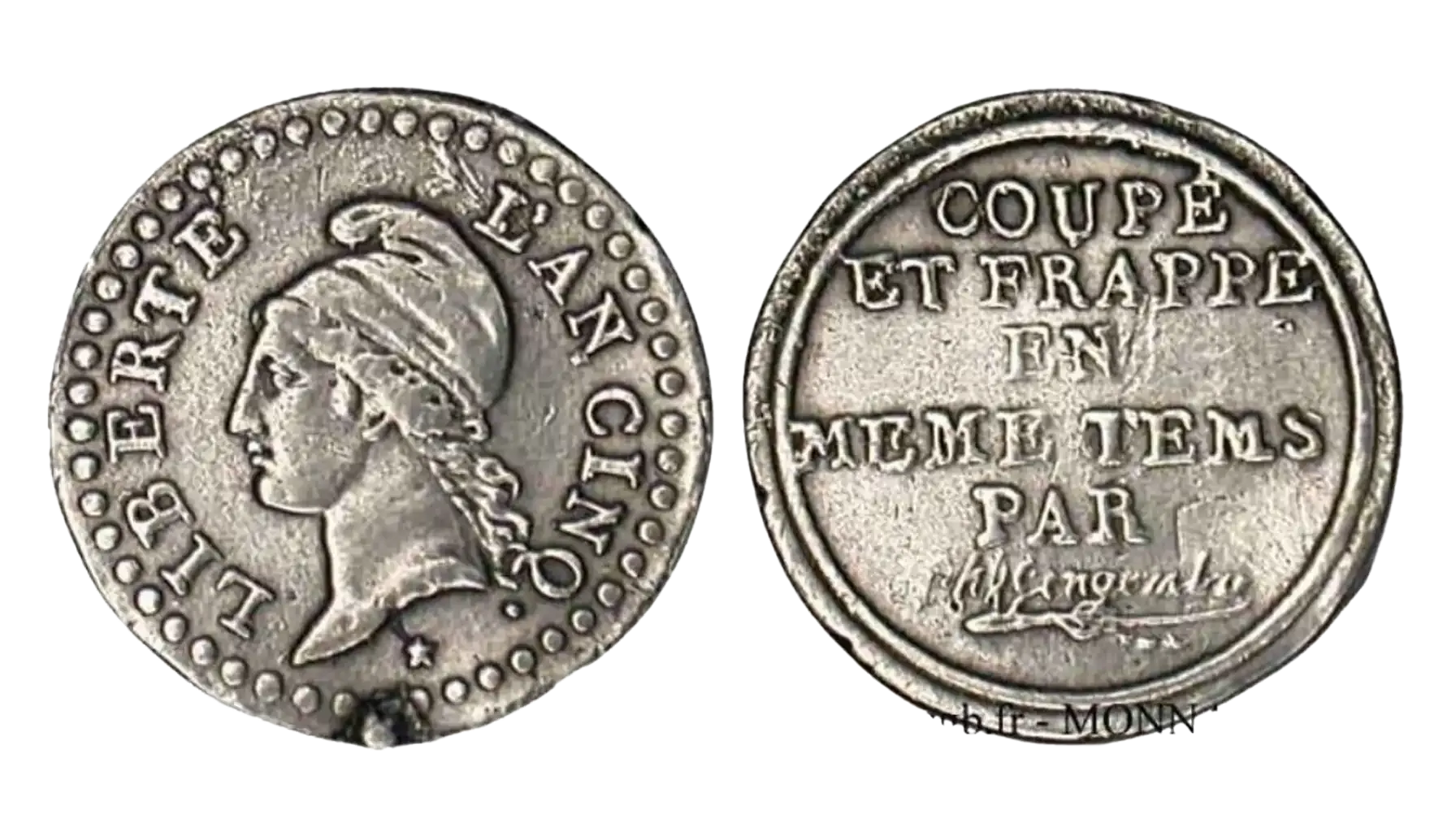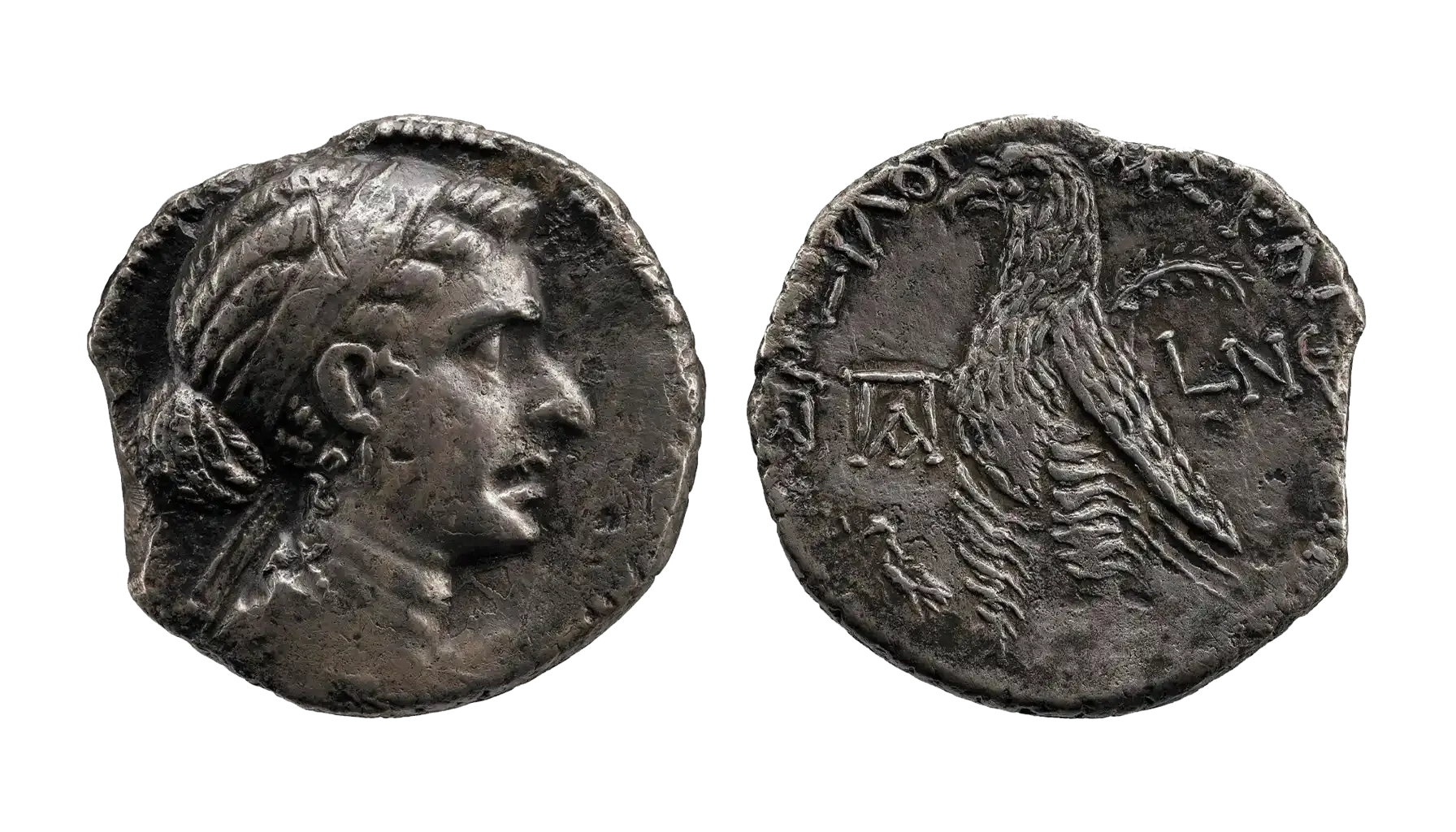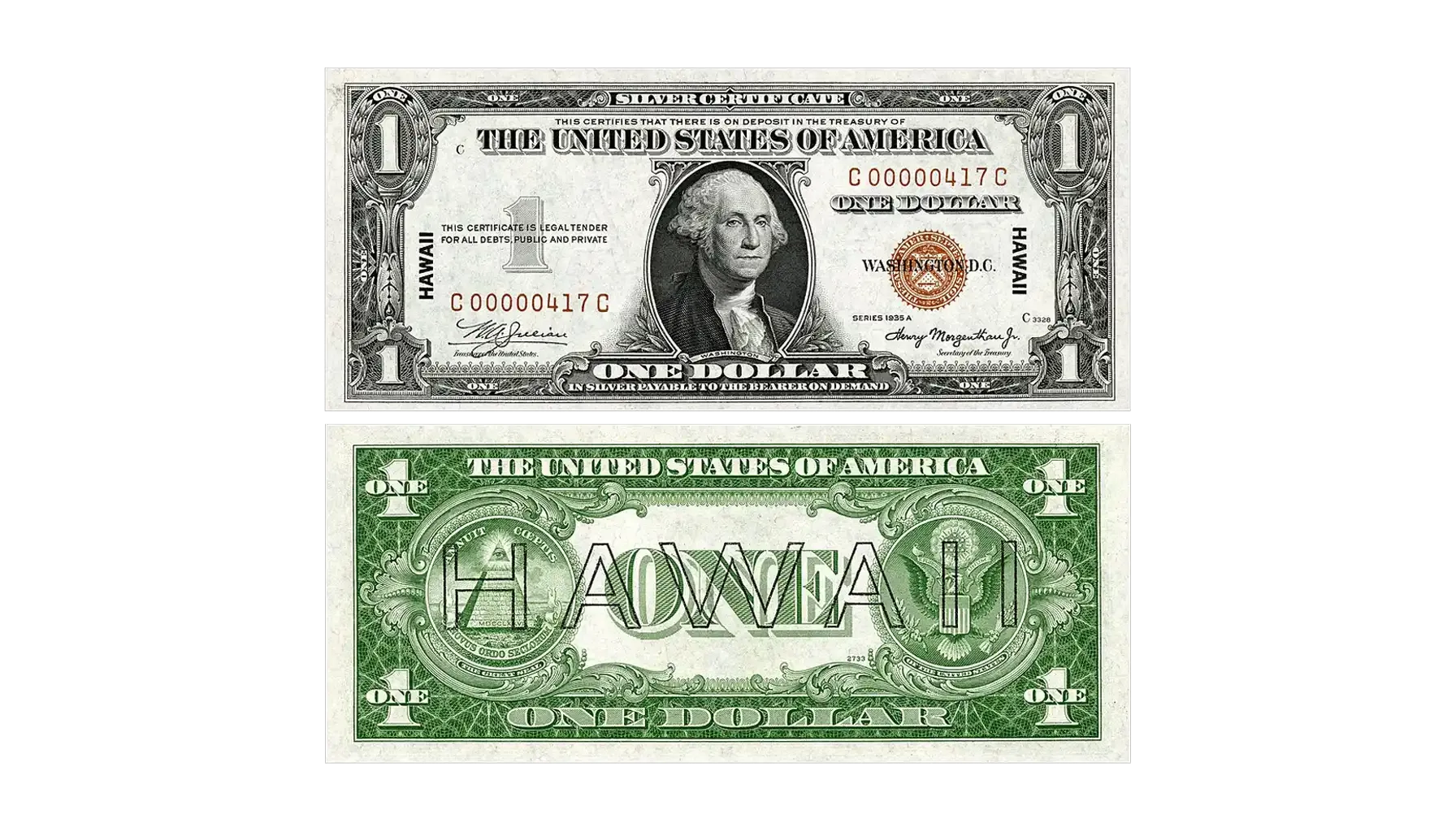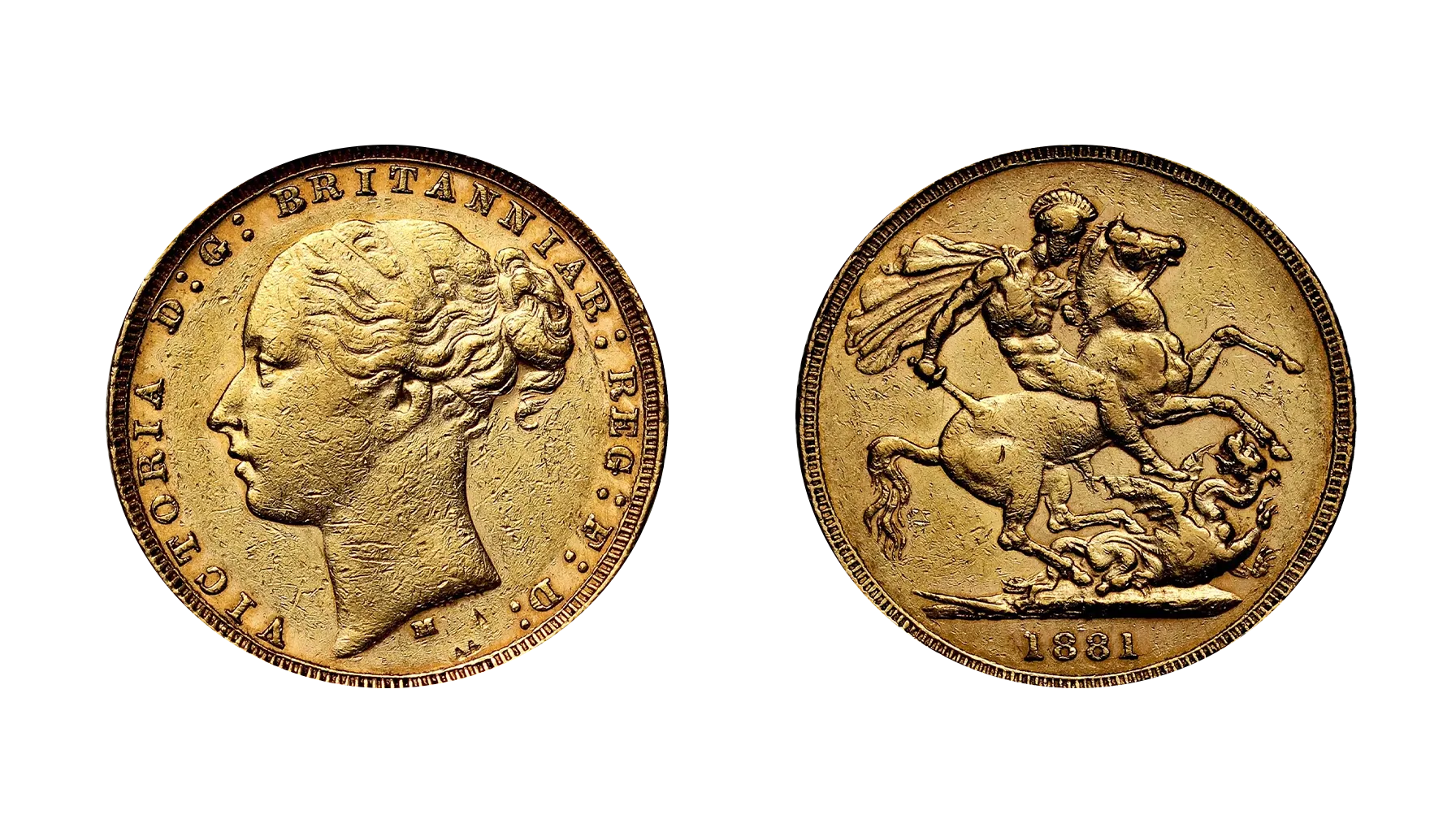
Numismatic creations were and still are the building blocks of civilizations that are witnessing wars, conquests, and the rise of great nations.
Below you’ll find some rare ancient coins that you may try your luck to find at the numismatic show in Rochester, NY, or at other auctions like one in Austin.
History of Ancient Coins
Origin and Timeline
The idea of coinage began as a way to replace barter and simplify trade.
“Coins served two major functions for pre-modern societies: they improved the efficacy of commerce and they provided a vehicle to visually promote the state and its ruler.”
— Tyler Rossi, numismatic author and researcher
“Ancient and Medieval Coins as Royal Propaganda,” CoinWeek (Aug. 11, 2020)
In Mesopotamia, Egypt, and China of that times, traders used metal pieces as payment, but the pieces had no markings or guaranteed value. They were simply weighed to confirm worth.
The first true ones appeared in Lydia, in what is now western Turkey. Made from electrum (gold + silver), they carried a small stamped image, often a lion’s head, to confirm authenticity.
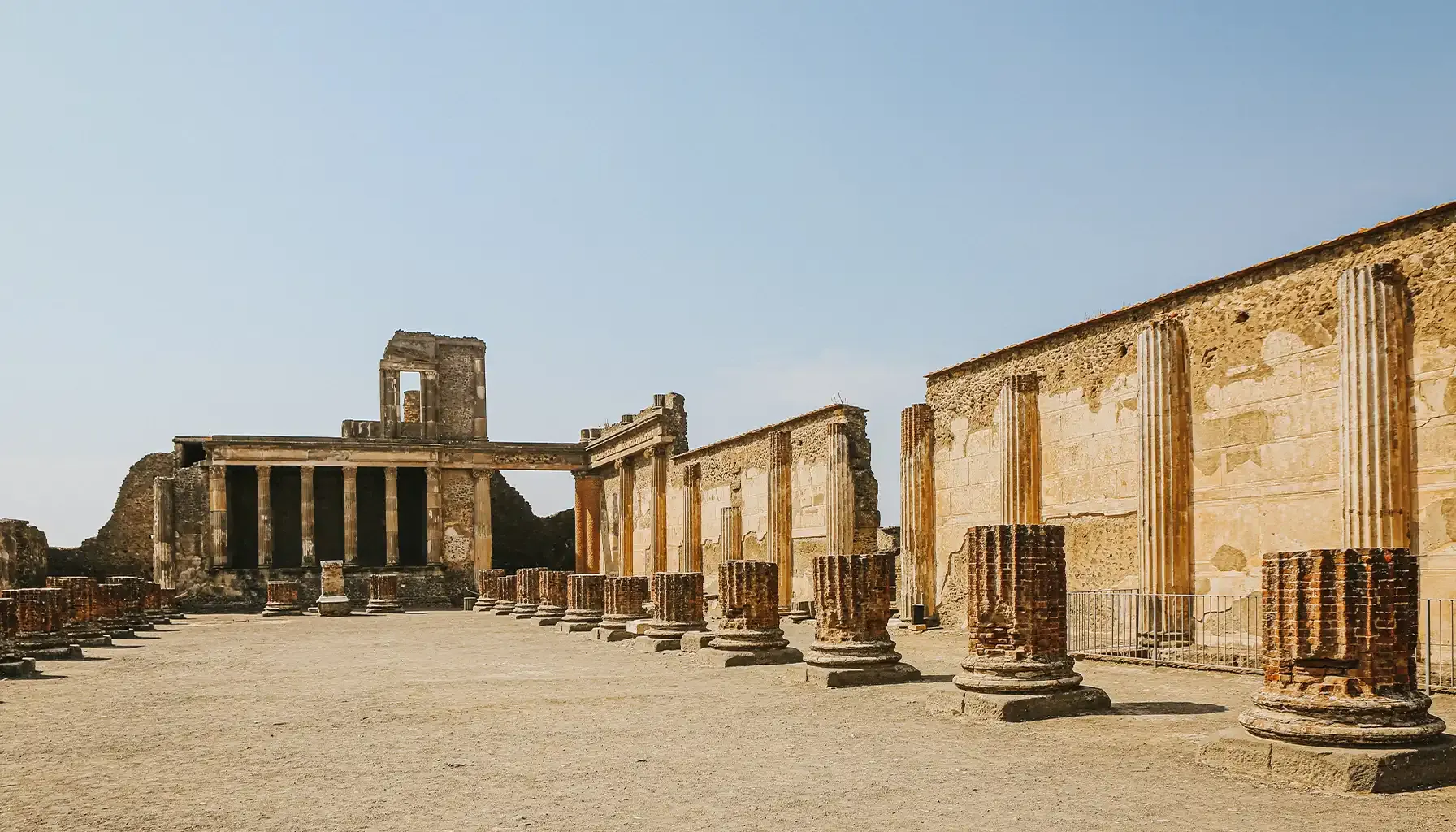
Croesus Ruler later introduced separate precious metals money. It was the earliest organized monetary system.
Greek city-states quickly adopted the idea. Athens issued the famous drachma, and Persia minted the Daric, an Aurum creature with the king’s image that became one of the earliest international currencies.
Rome advanced production through precise minting methods. The denarius became the backbone of its economy.
After Rome, the Byzantine solidus continued coinage in the East.
Period | Region | Type | Metal |
Before 650 BC | Mesopotamia, Egypt | Ingots, rings | Cu, Ag |
~650 BC | Lydia | Lion-head Electrum | Electrum |
~550 BC | Greece | Drachma | Ag |
~520 BC | Persia | Daric | Au |
~300 BC | Rome | Denarius | Ag |
~700 AD | Byzantium | Solidus | AU |
~1200 AD | Europe | Florin, Penny | Ag, Au |
~1600 AD+ | Global | National issues | Mixed |
Classification
They may be grouped by region, metal, and other features that can be measured.
By Region
Greek (Issues like Athens and Corinth);
Roman (Mass-produced ones with emperors’ portraits);
Byzantine (Christian imagery instead of pagan gods);
Eastern (Persian, Indian, Chinese types for trade);
Lydian and Phoenician (The earliest monetary systems).
By Metal
Metal | Example |
Gold | Daric, Solidus |
Silver | Drachma, Denarius |
Bronze/Copper | As, Follis |
Electrum | Early Lydian issues |
10 Most Valuable Ancient Coins
1. Lydian Stater
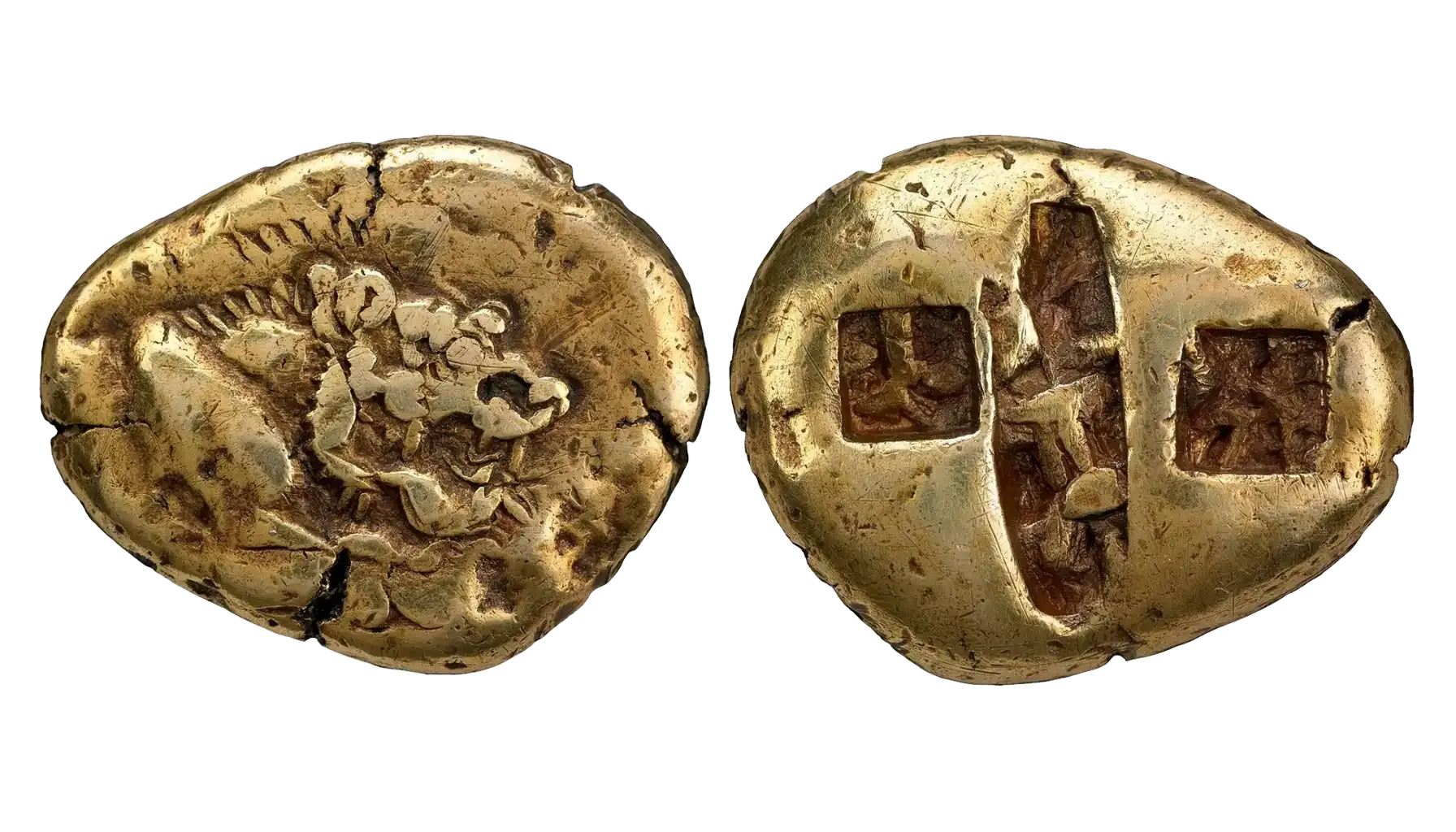
Year Minted: 600-610 BCE
Composition: Electrum
Region: Lydia, present-day Turkey
This instance is considered the first coin ever made, officially marking the beginning of coinage as we know it today. It was used primarily in the market of Sardis, the capital of Lydia, and the value of ancient coins of this type depends on the metals ratio of the electrum.
Imagine that you hold the world’s oldest coin. It’s a small metal that represents the earliest organized economic system. This literally changed the world, as it made trade more efficient and standardized. Today, ancient coin values are influenced by their status as symbols of civilization's dawn.
You could be looking at upwards of $100,000, though its historical worth is beyond measure.
2. Aegina’s Turtle
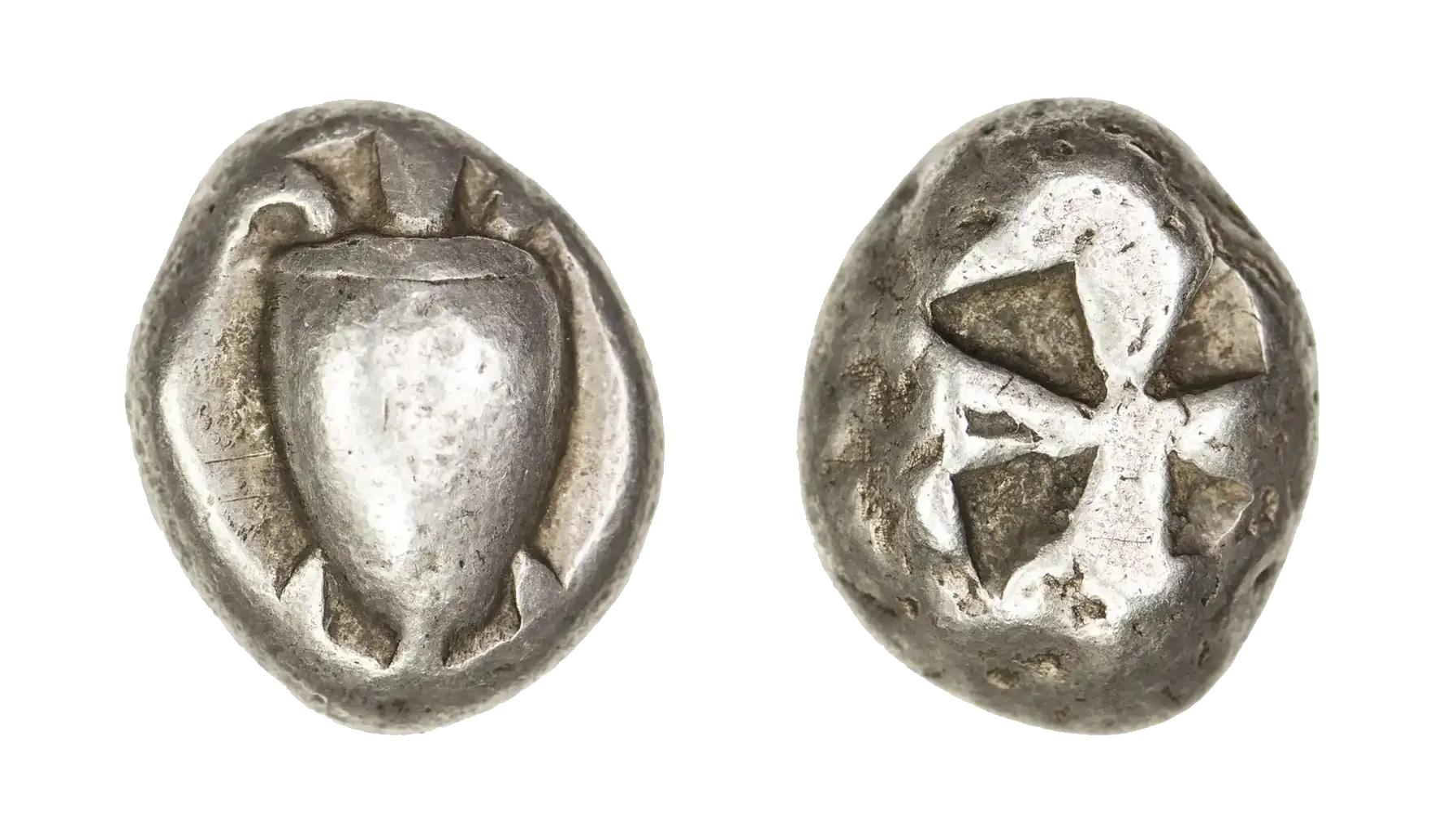
Year Minted: 600-550 BCE
Composition: Silver
Region: Aegina Island, Greece
The Aegina Turtle is famous for being one of the earliest to circulate widely. It was the dominant one in the Mediterranean Sea trade and was used by sailors and merchants who traversed the waters between Greece, Egypt, and Persia.
It has an image of a turtle (a symbol of the island’s power over the sea). Could there be a more appropriate mascot for a naval powerhouse? The Aegina Turtle has surfaced in archeological digs across Europe and the Middle East.
A well-preserved example of these ancient silver coins could easily cost around $50,000 at auction.
3. Persian Daric
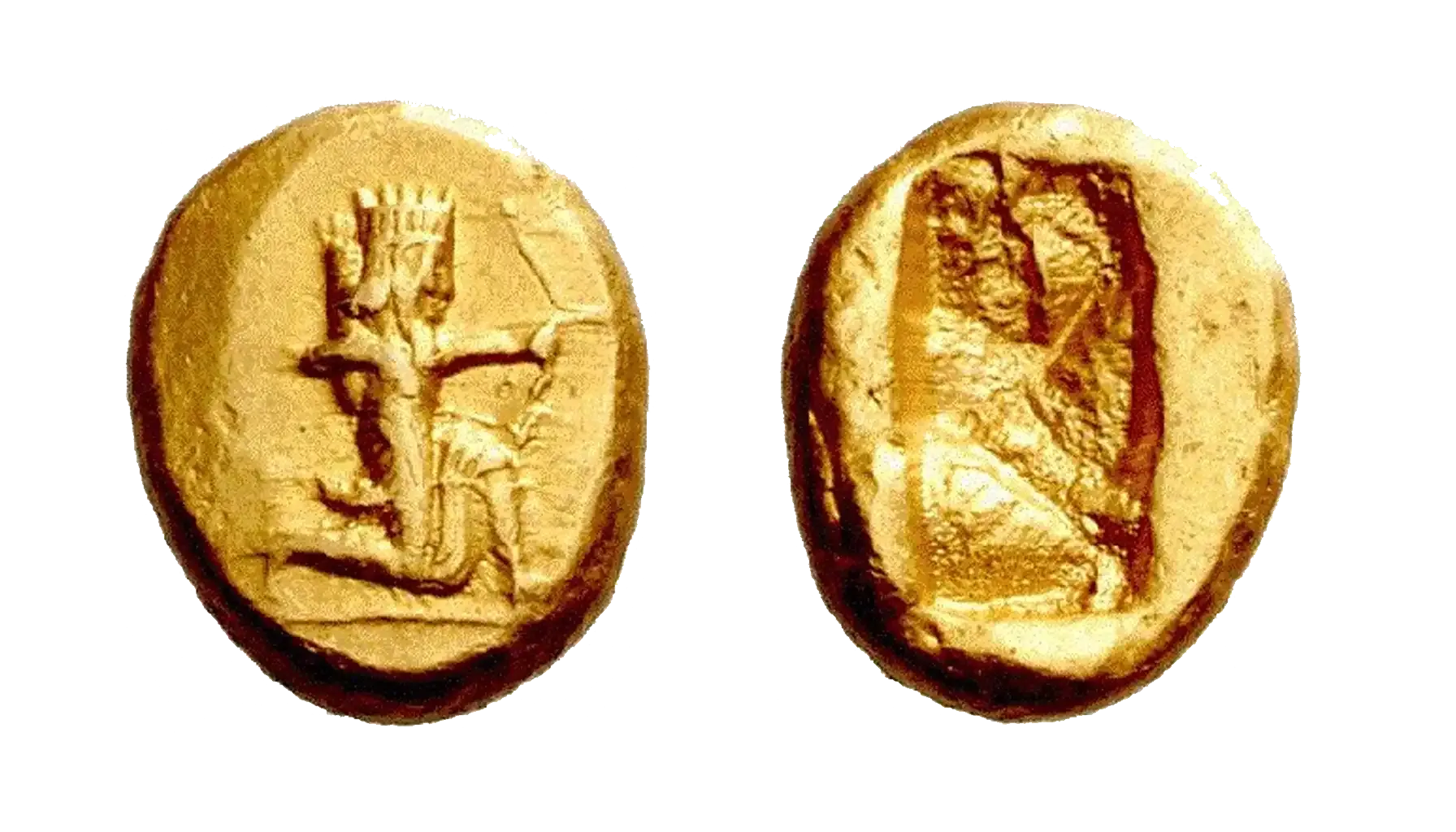
Year Minted: Around 500 BCE
Composition: Gold
Region: Persian Empire
It was named after King Darius I. The Daric was the first widely recognized piece from ancient gold coins, which was used to pay soldiers and fund the Persian’s wars. So, it was the one tied directly to military campaigns.
Besides, it was highly sought after because of its content, and it helped make Persia an economic superpower. Used across the empire, from Egypt to India, the Daric was a medium of exchange and a tool of imperial expansion.
If you want to get your hands on a Persian Daric today, expect to pay anywhere between $10,000 and $30,000.
4. Roman Denarius
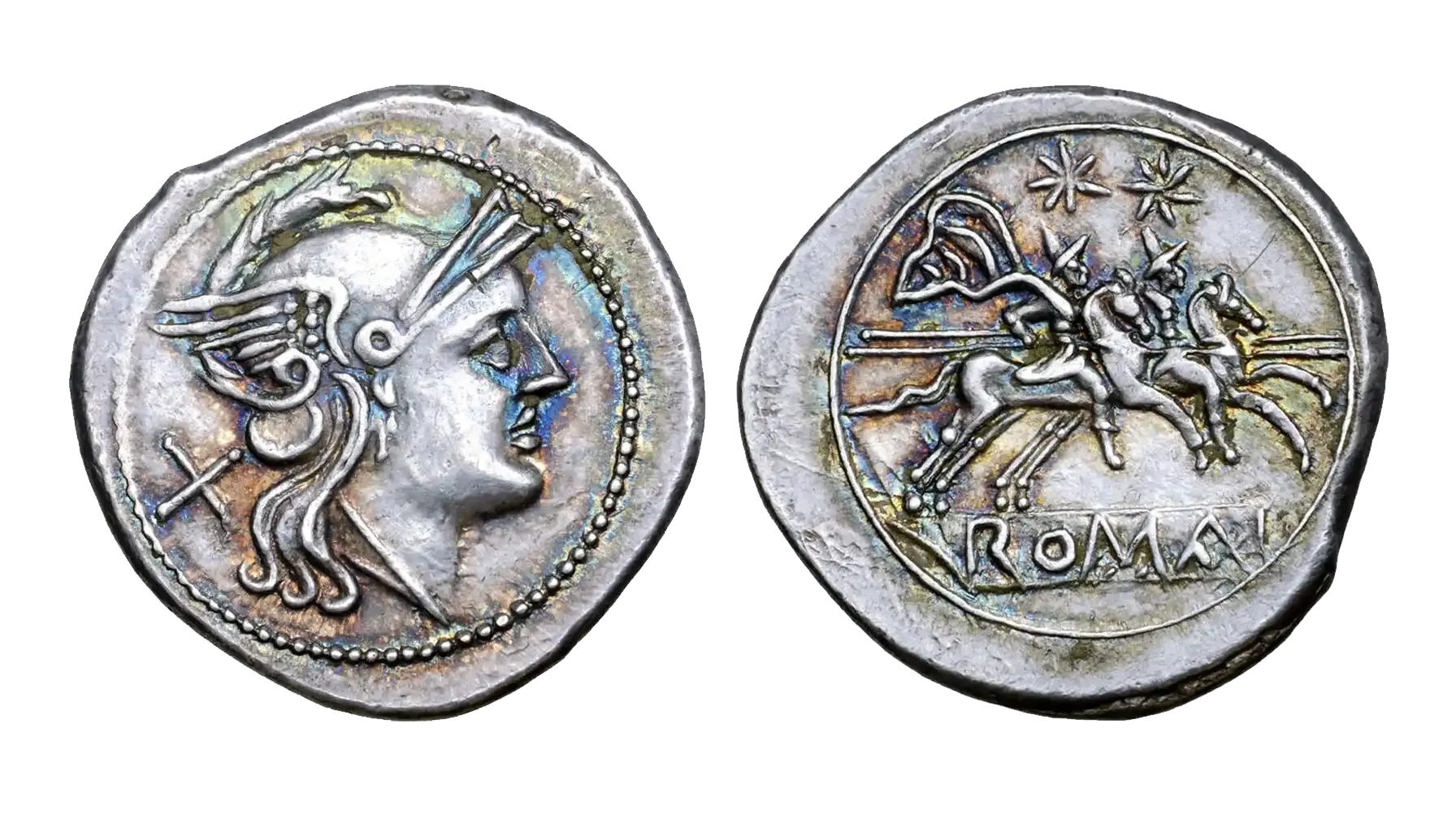
Year Minted: 211 BCE
Composition: Silver
Region: Roman Republic Coin
The Denarius was the standard Roman ancient silver coin for nearly 500 years. It was used to pay soldiers, buy land, and fund public works. Julius Caesar himself was immortalized in some versions of this instance. So it was both a political and economic tool.
Over the centuries, the Denarius became synonymous with Roman culture. Did you know that the word "denier" and even "dinar" in modern currencies derive from the Denarius?
There are many Denarii still in circulation among collectors, a rare or well-preserved one with a famous emperor could go for $2,000 to $15,000.
5. Chinese Ban Liang
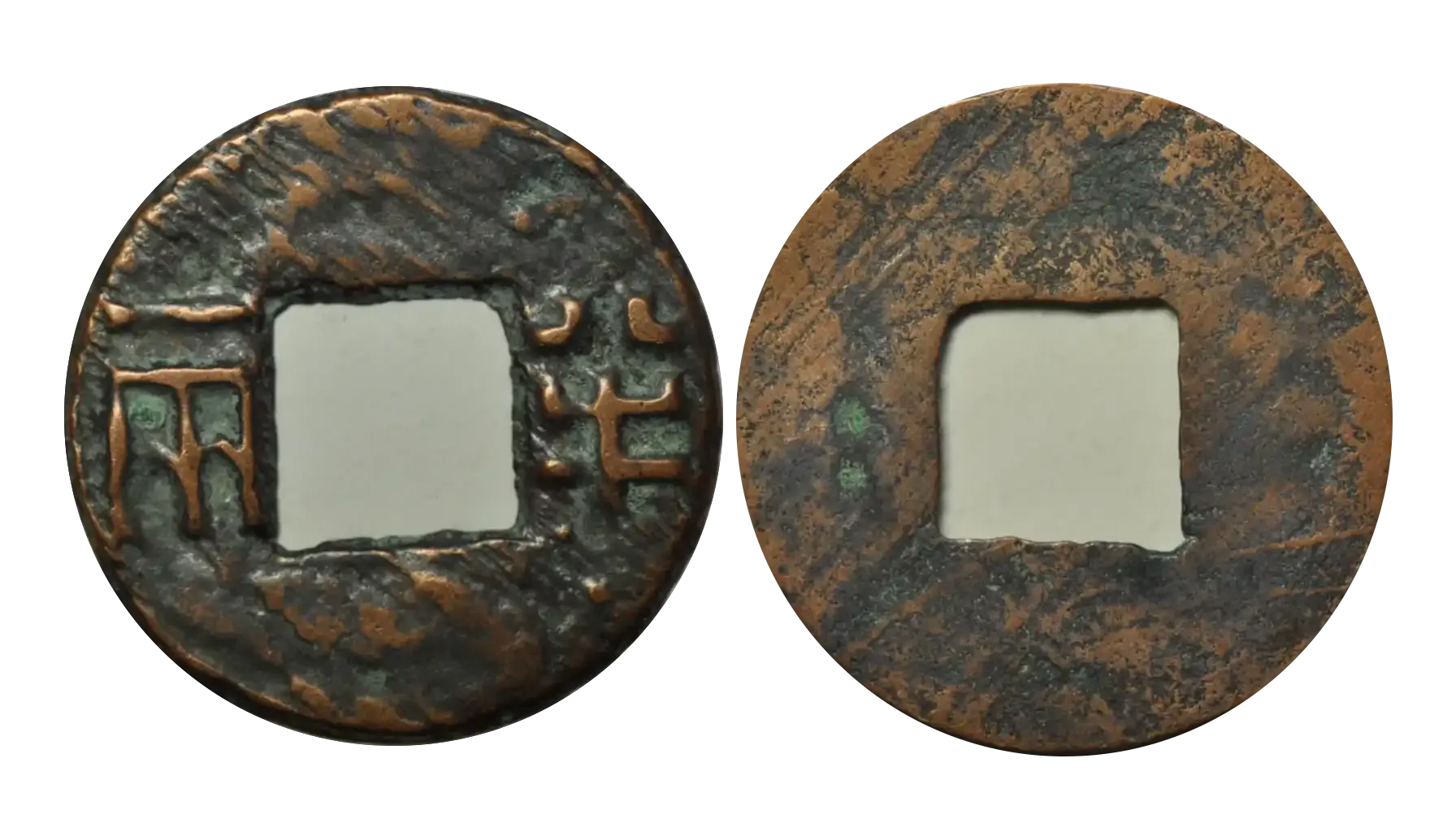
Year Minted: 221-207 BCE
Composition: Bronze
Region: Qin Dynasty, China
The Ban Liang is among the world’s oldest coins from the Eastern world. Its distinct square hole was used to string multiple metal plates together. It was a common practice in historical China.
It represented the unification of China under Emperor Qin Shi Huang. He was the same emperor who built the Great Wall and the Terracotta Army.
Costs for a Ban Liang vary, but well-preserved examples can be anywhere from $500 to $5,000.
6. Drachma
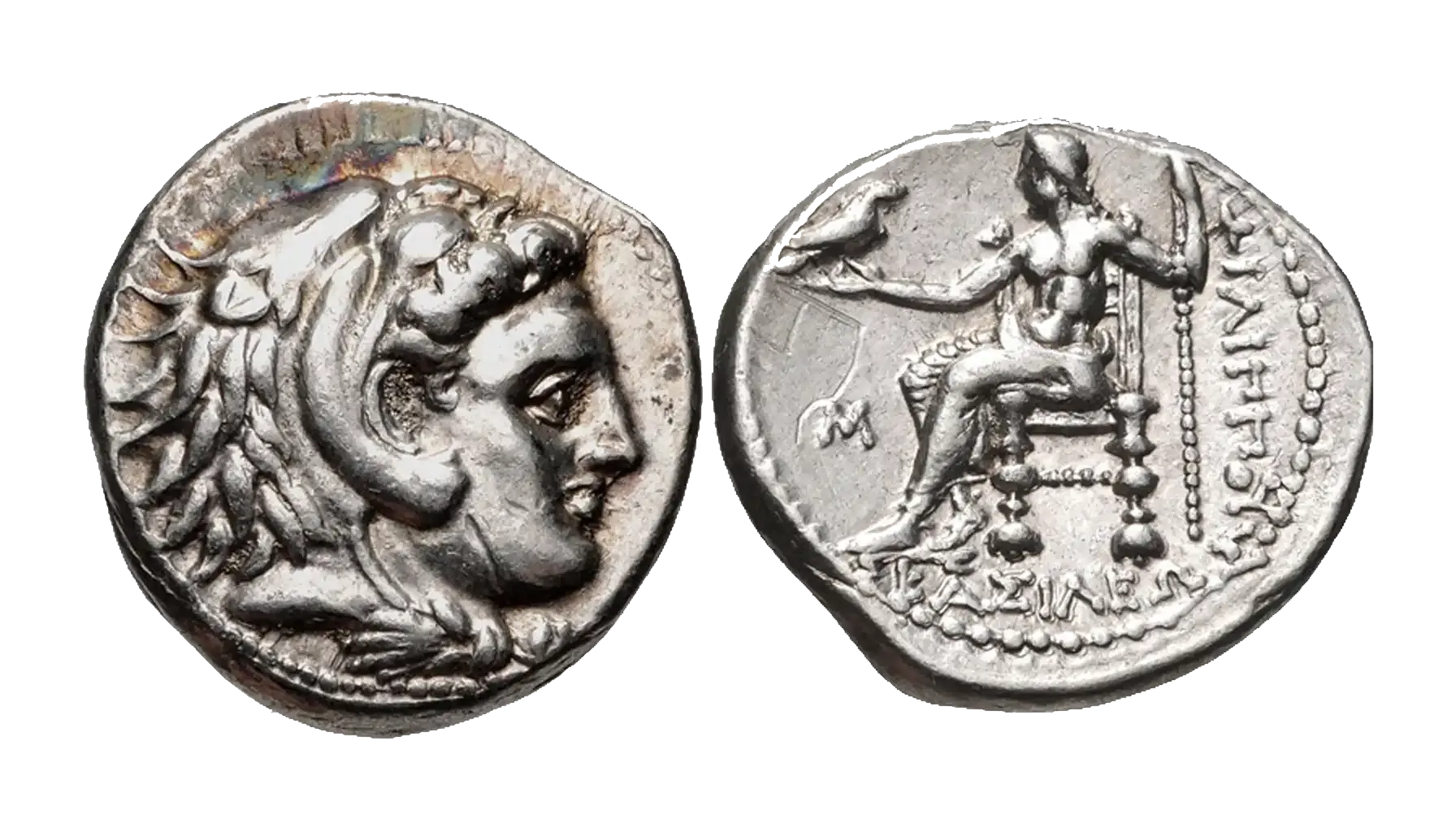
Year Minted: 600 BCE
Composition: Silver
Region: Athens, Greece
The Drachma was used in Greece and later adopted by various other city-states. Athens made this unit of currency a symbol of freedom and progress. The Drachma was in use for centuries, even into modern times.
The name "Drachma" comes from the verb "drassomai," (meaning "to grasp") as in how much you could hold in your hand.
You could pay up to $10,000 for a fine specimen from Athens of historical times.
7. Shekel

Year Minted: 3000-1500 BCE (Weight unit)
Composition: Silver and Gold
Region: Mesopotamia and Israel
The Shekel is both a unit of weight and a money specimen that has been mentioned throughout history, e.g., in the Bible. Early Shekels were used in trade across Mesopotamia and the Hebrew kingdoms. The Shekel was a currency and a weight system used in trade.
Historical significance gives them a value far beyond money, for example, rare specimens can cost up to $20,000.
8. Celtic Stater
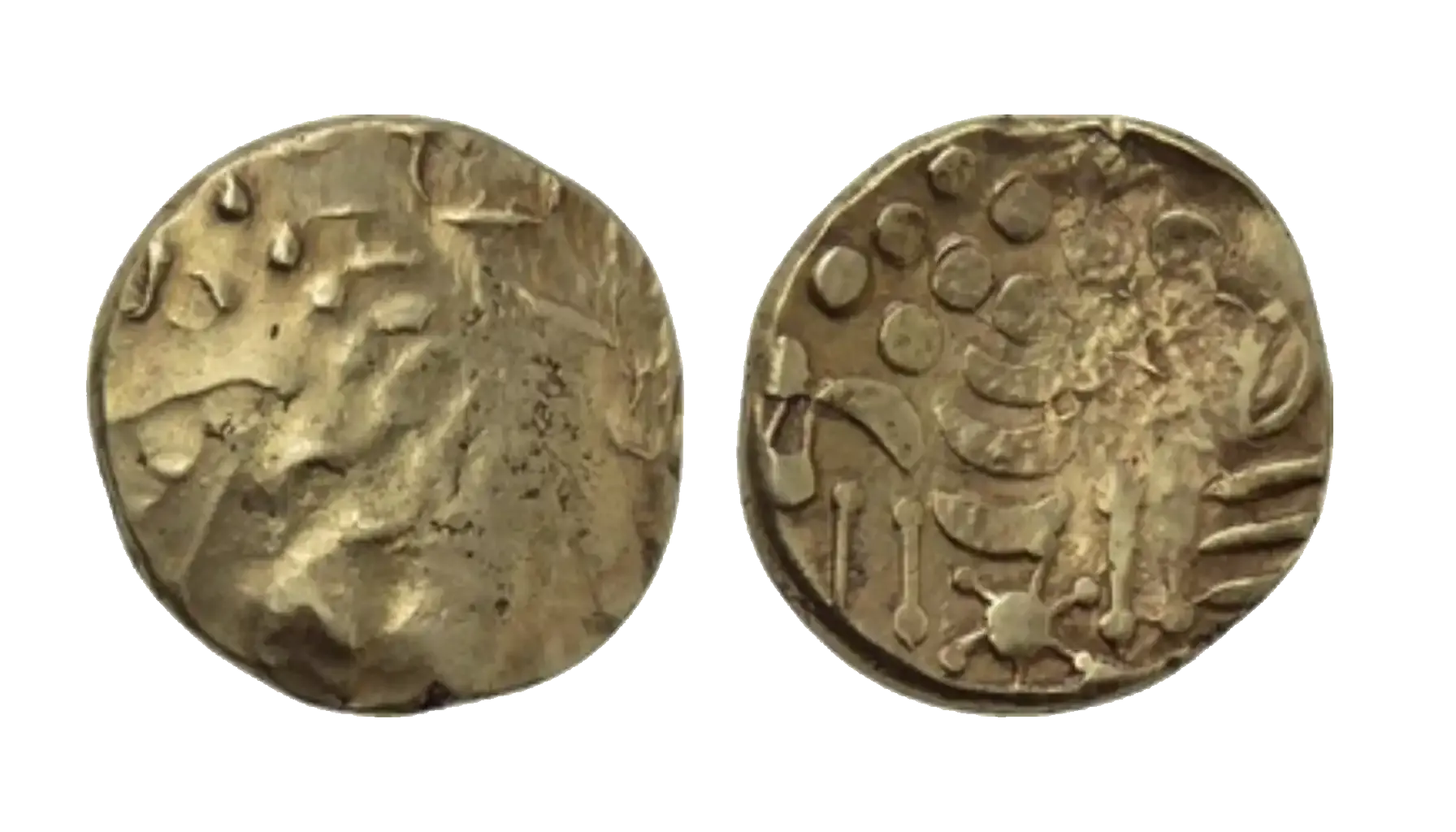
Year Minted: 100 BCE
Composition: Gold
Region: Western Europe
The Celtic Stater is the world's oldest coin from the tribes of Western Europe that features abstract and often mysterious designs. These were inspired by Roman creations but took on unique characteristics reflective of Celtic culture.
The designs on Celtic specimens are thought to hold mystical meanings, possibly tied to religious practices or tribal traditions.
A Celtic Stater could sell for $5,000 to $30,000.
9. Indian Punched Mark Coins
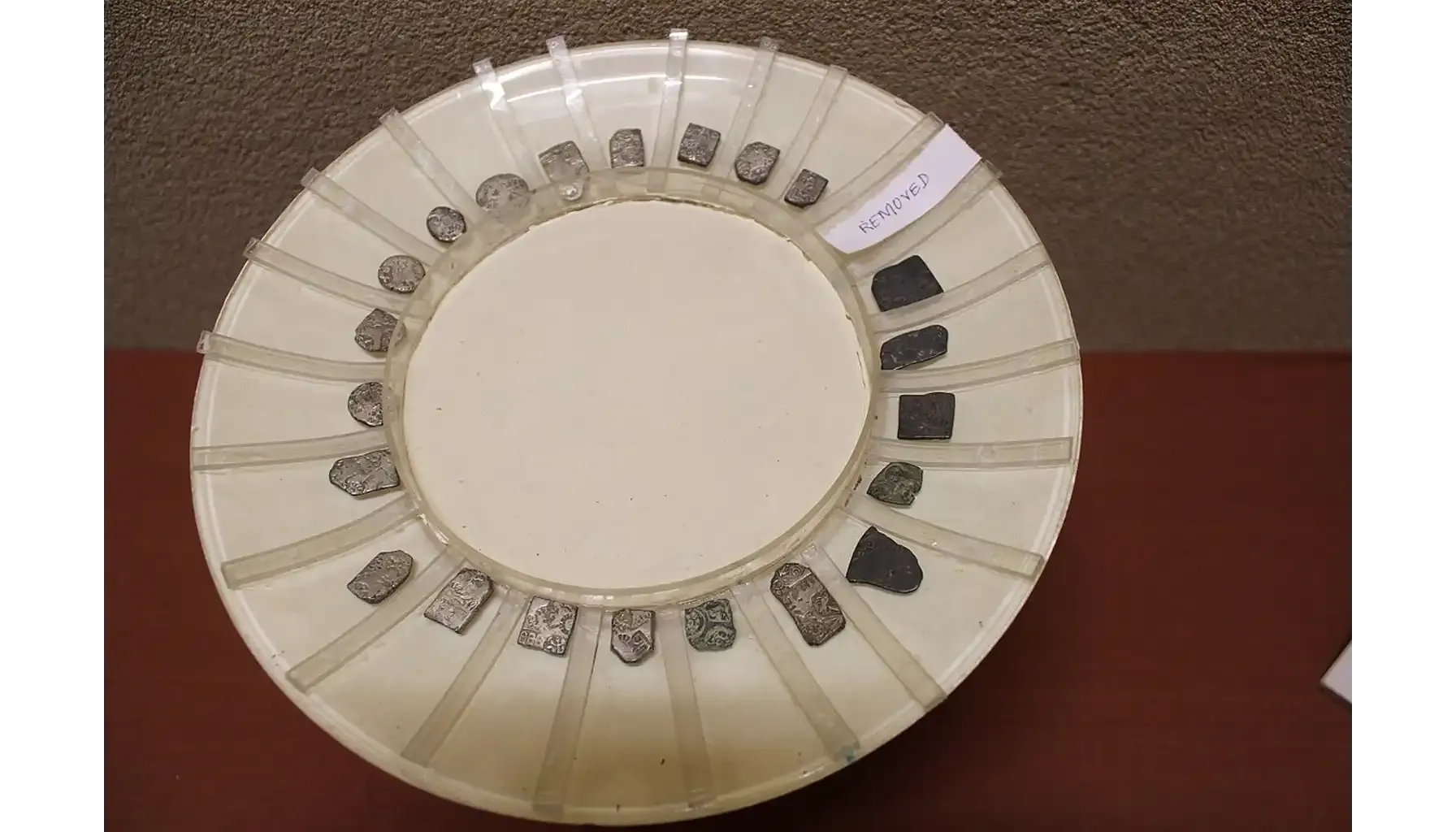
Year Minted: 600 BCE
Composition: Silver
Region: India
These early Indian coins are some of the most wanted ancient currencies. Symbols were punched directly into the metal rather than stamped with a die. Each one has its own combination of punches that make it a literal "mark" of historical commerce.
They were used across the Indian subcontinent and facilitated trade in one of the world's oldest and most complex civilizations.
Such pieces can sell for around $2,000 to $10,000.
10. Florin
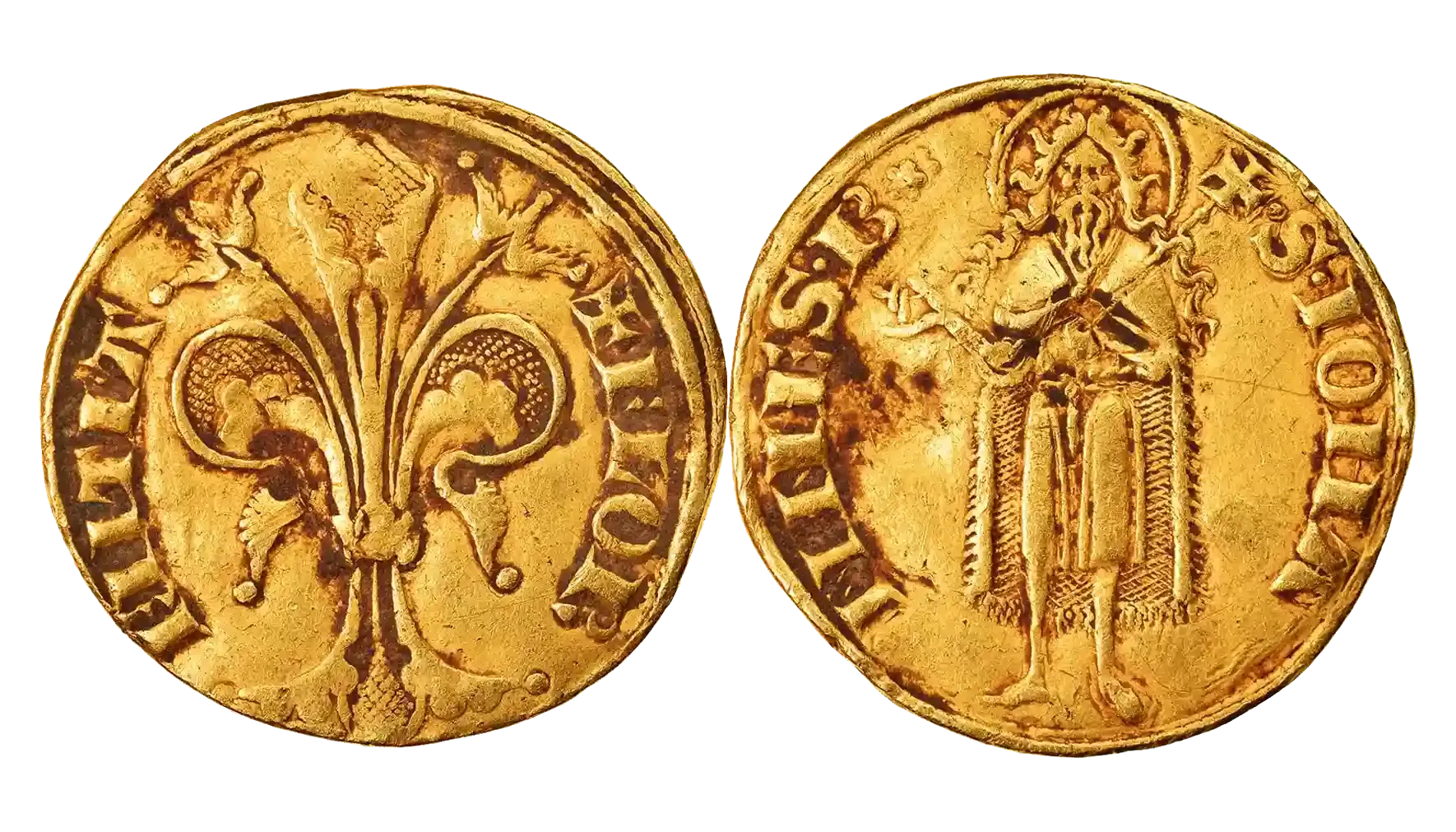
Year Minted: 1252 CE
Composition: Gold
Region: Florence, Italy
The Florin was the earliest widely minted Aurum money in medieval Europe. It was introduced by the city-state of Florence. Its popularity quickly spread across the continent. The Florin played a big role in Florence’s rise as a banking and financial center. Its beautiful design shows the city’s lily symbol that remains a favorite in many ancient coin collection sets.
Depending on its rarity and condition, a Florin can have a price between $5,000 and $50,000.
History of the Past
Each of these specimens describes human progress, just like a 1938 Jefferson Nickel in some cases if taken as a US specimen. For example, the Lydian Stater marked the dawn of coinage, the Florin revolutionized European trade.
Anyway, these are the first world's oldest coins ever found that shaped economies, influenced trade routes, and even built nations. What is the world's oldest coin? There’s no single answer – each one is.
Would you hold one in your hand if you could? How much would you pay for a piece like that? These aren't just relics – they're links to our past, and the ancient coins value is incalculable.
Are you ready to dive into ancient coin collecting and start your own path right now? Then go ahead and try the coin-identifier.com app that will help you organize your numismatic collection. Everything will be simple and understandable!
Are you ready to dive into ancient coin collecting and start your own path right now? Then go ahead and try the coin-identifier.com app that will help you organize your numismatic collection. Everything will be simple and understandable!
FAQ
Are ancient coins worth anything?
Yes. Common ones bring a few dollars; rare precious metals issues can reach thousands.
Which coin is worth $8.5 million?
The 1794 Flowing Hair Dollar, sold in 2021 for $8.5 million. Not so old one.
How to know the value of ancient coins?
Check metal, rarity, and condition. Compare prices or use our app for quick ID and estimates.
Are ancient coins worth collecting?
Yes. They mix art, history, and investment growth.
How do I find the value of my ancient coins?
Identify the coin, inspect condition, compare auctions, or grade it through NGC or PCGS.
Which ancient coin has the highest value?
The Eid Mar Aureus of Brutus, sold for about $4.2 million. To know more, read our German ancient coin values guide.
The Eid Mar Aureus of Brutus, sold for about $4.2 million. To know more, read our German ancient coin values guide.

 Facebook
  X (Twitter)
  Pinterest
  LinkedIn