Contents:
Modern New Zealand numismatics combines a practical structure of official denominations with a strong collecting industry associated with the issuance of commemorative series and investment issues.
There are plenty of affordable pieces on the market, and there are also New Zealand coins worth money, especially when it comes to metallic premiums.
If you need a quick sense of how rare a specimen is or what shape it’s in, an online coin identifier can help by matching your item with verified market examples.
New Zealand Currency Coins
Modern denominations form the basis of the coin New Zealand currency. This segment most often appears in beginner collections.
After the 2006 currency reform, the country updated the designs and made circulating coins smaller. The goal was simple—cut weight and lower minting costs without changing the look too much.
The distinguishing features of the official denominations:
A unified style based on national symbols;
Use of durable alloys with minimal wear;
Stable circulation, allowing quick authentication.
To see why the system ended up in its current form, it helps to look at a few things that happened earlier:
After the switch from the pound to the New Zealand dollar in 1967, the government changed course. Instead of continuing the old British patterns, the new coin designs began leaning toward local culture.
Later on, in the 1990s and early 2000s, metal costs kept climbing, and the mint had to rethink materials. That is when steel bases and lighter blanks gradually replaced the older compositions.
The obverse traditionally featured:
A portrait of the current monarch, which confirmed the currency's status and reflected the era’s national symbols;
Various versions of Elizabeth II's image, as the New Zealand Elizabeth II coin remained the standard for over five decades;
Later updated portraits, introduced in recent years, mark the change in historical periods.
Denomination | Metal | Diameter | Features |
10c | Plated steel | 20.5 mm | Māori carved head (koruru) |
20c | Plated steel | 21.75 mm | Māori carving Pūkaki |
50c | Plated steel | 24.75 mm | The Endeavour ship with Mount Taranaki |
$1 | Aluminum bronze | 23 mm | Kiwi and silver fern branches |
$2 | Aluminum bronze | 26 mm | White heron |
Silver and Gold Coins

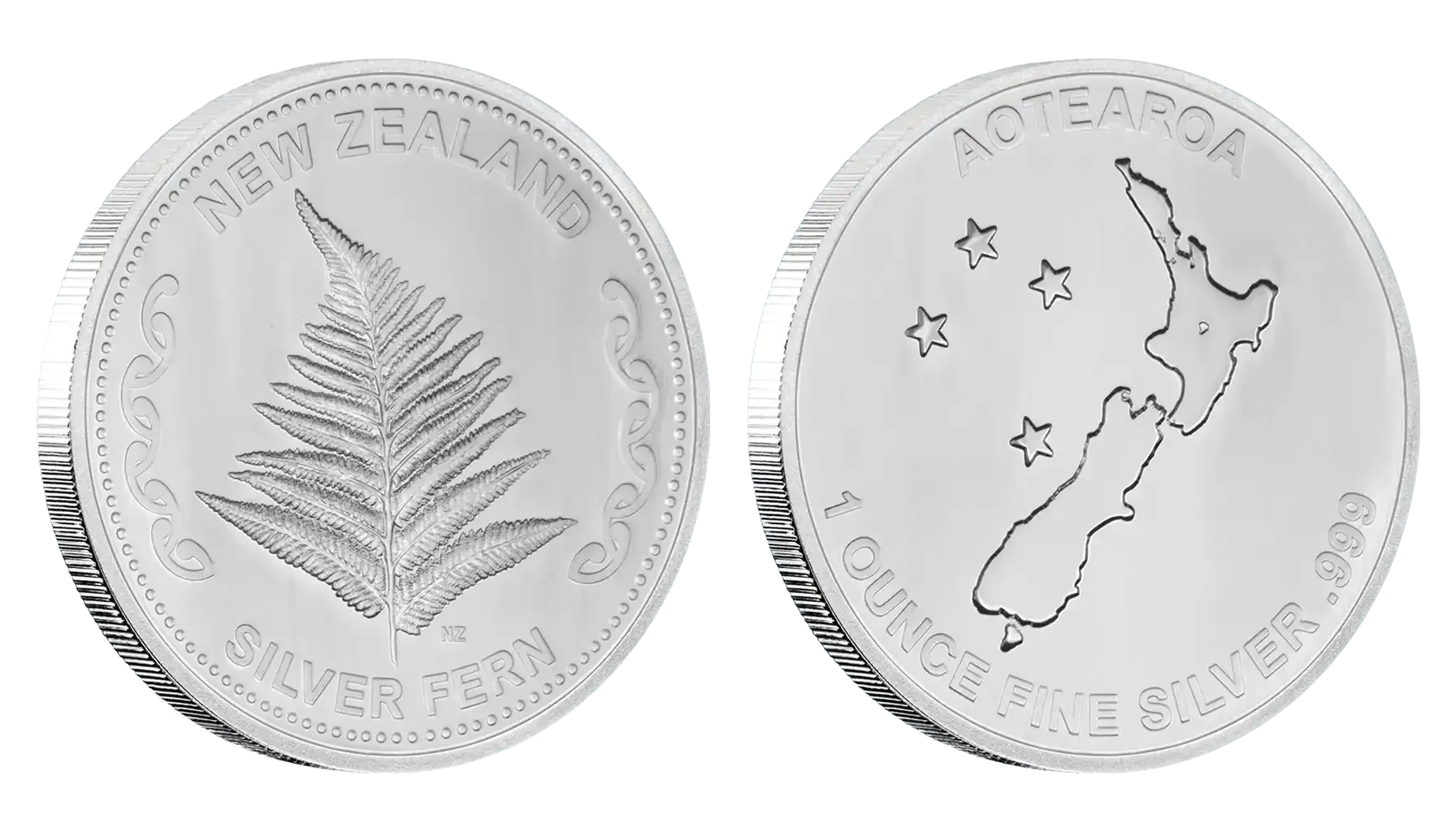
Investment and collector series include New Zealand silver coins, which occupy a significant market share thanks to their consistently high minting quality and controlled metal content.
The New Zealand silver coin segment occupies a special place, featuring thematic motifs of fauna, cultural symbols, and commemorative anniversaries.
Gold issues are developed on different principles, and this is where the interest in New Zealand gold coins lies. They are struck in small batches, often in premium Proof quality, and are also aimed at investors who prefer physical metal with stable liquidity.
The key reasons for interest in New Zealand silver and gold are:
Limited editions with annually updated themes;
Diverse series with a focus on cultural motifs;
Highly marketable among collectors in Australia and Oceania.
The New Zealand coins value has increased due to small production runs and narrow regional distribution. Public collections also include coins New Zealand obtained from circulation but valued for their condition or original design.
“The New Zealand dollar is one of the most traded currencies in investment markets because it is freely tradable and its level is not regulated or set by authorities.”
— RNZ Business Report
RNZ website
For professional evaluation of rare issues, owners turn to services that provide coin certification, especially when a specimen potentially reaches MS67 grade, which significantly influences the price at auction.
New Zealand Mint Issues
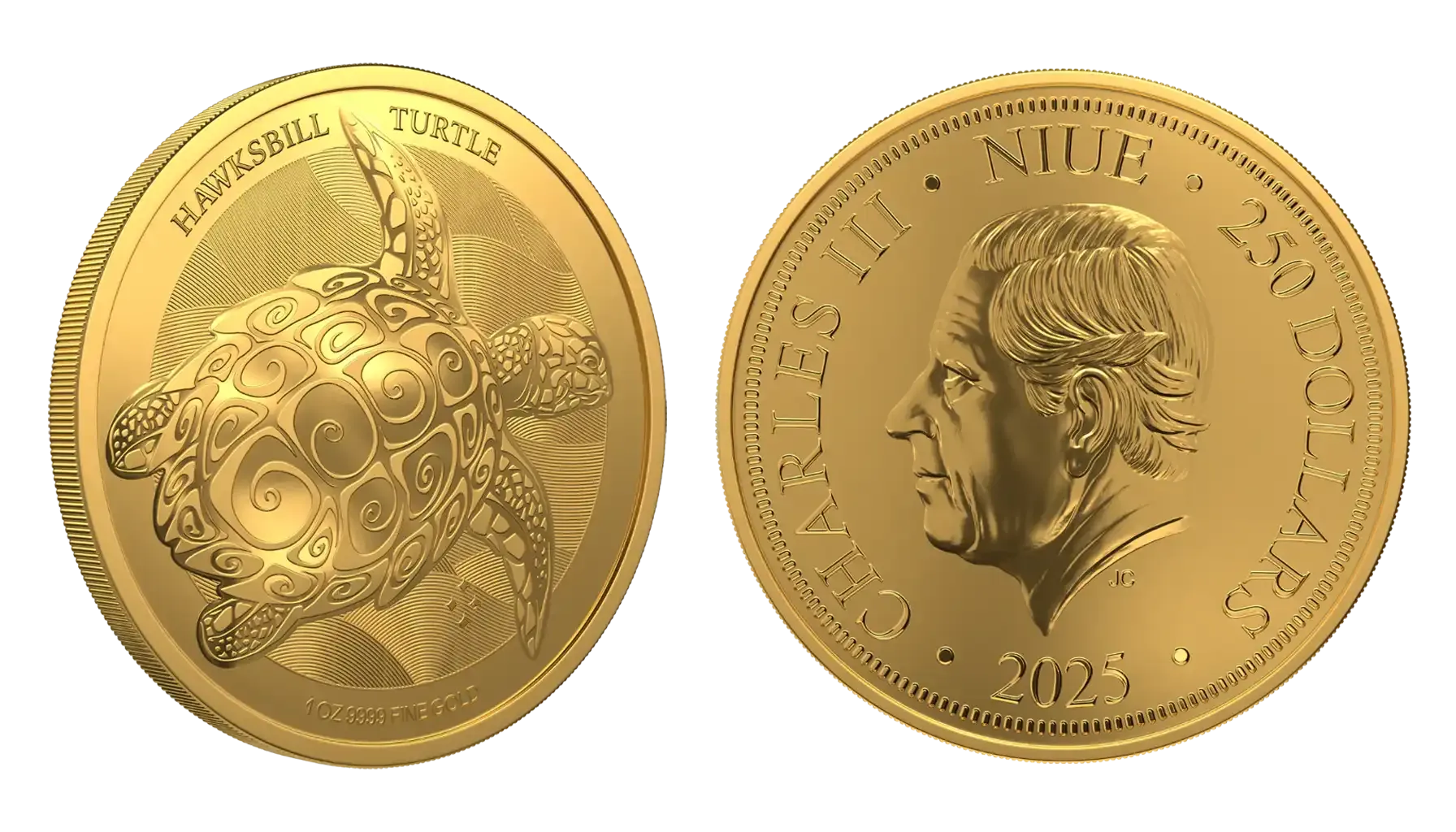
The collector's edition series known as New Zealand mint coins is popular for its exceptional striking quality and unique designs.
The mint actively uses licensed franchises to create New Zealand Mint silver coins, which quickly disappear from the market. Some owners seek PCGS certification for potentially valuable pieces.
What makes New Zealand Mint products stand out:
The artistic detail is higher than that of many pieces in regular circulation;
Stylish thematic sets;
Packaging and certificates make the specimen a ready-made collector's item.
Collectible and Bullion Coins
Among the most famous examples are the mule coins, accidentally created by pairing dies from different countries.
Several such specimens entered circulation: in 1967, a two-cent coin was minted with the obverse of the Bahamian denomination; in 1981, a New Zealand 5c coin was struck with the reverse of a Canadian 10c coin; and in 1985, an extremely rare combination of a 50c coin struck with a Canadian dollar reverse.
The other worthwhile options in this segment:
• Premium bullion types with fixed weights and fineness levels.
Investors use them as a means of accumulating metal, as the alloys are standardized according to international standards.
• Series released for collectors in special packaging.
They do not enter circulation, which is why they retain their condition much better than regular issues do.
Examples:
1967 — Decimalisation of New Zealand's currency;
1969 — Captain Cook 200th Anniversary;
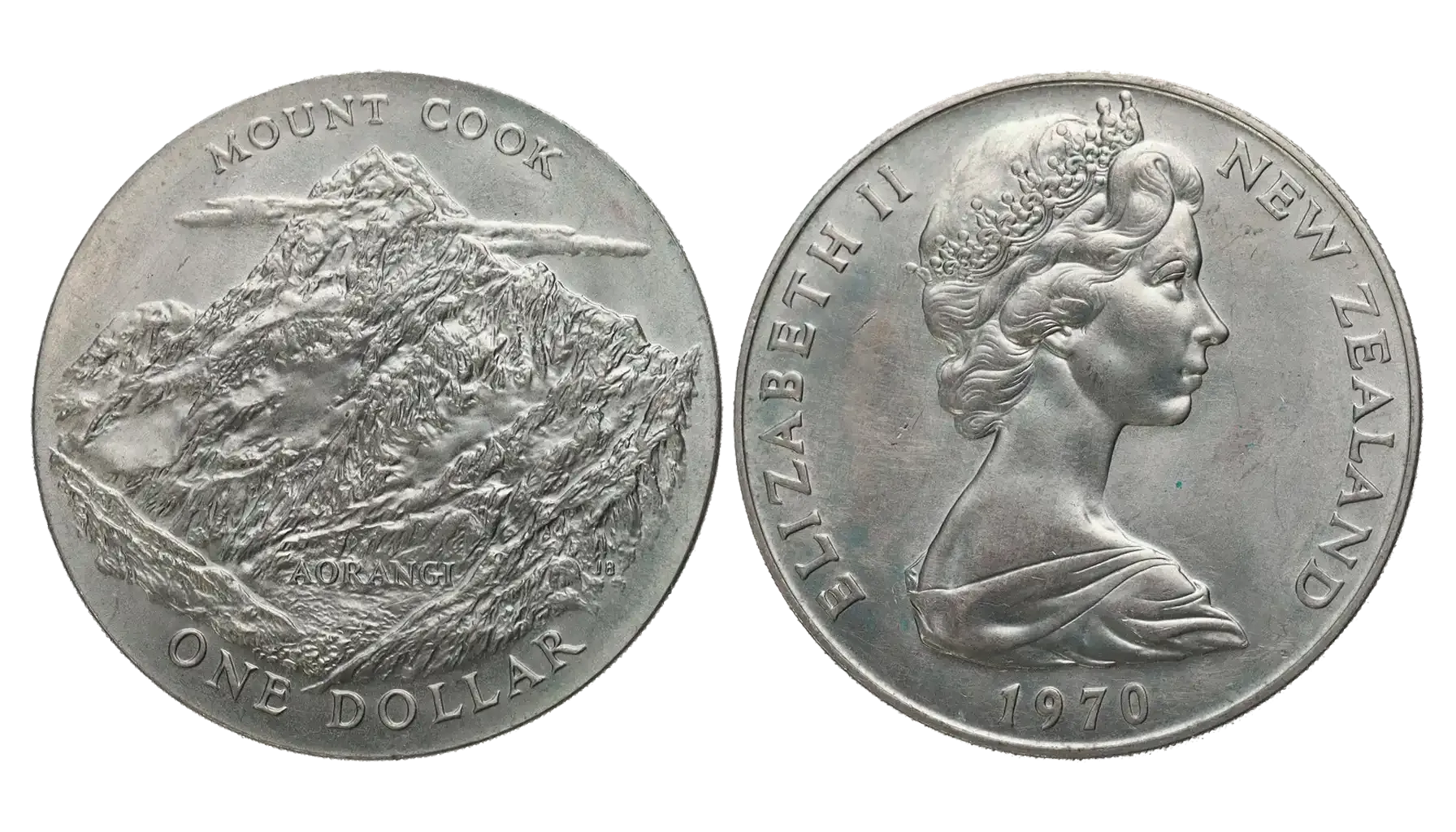
1970 — Mount Cook.
• Thematic editions aimed at the international market.
The most popular series are those dedicated to New Zealand symbols, ocean animals, and national historical events.
Examples:
1978 — Coronation Anniversary;
1980 — Fantail;
1982 — Takahē;
1984 — Chatham Island Black Robin.
• Issues created jointly with foreign mints.
Such collaborations enhance the country's recognition among numismatists and generate additional demand from the US and Europe.
If you want a quick check on a coin, the Coin ID Scanner app is usually the easiest way to start. You take a photo, and the app matches it with real sale records so you can see how uncommon the piece is and decide if it’s worth sending for certification.
What Influences Collectible Value
Rarity of issue;
Quality of the strike and visual elements;
Historical or cultural significance;
Confirmed grading by reputable services;
Demand for the theme among Oceanian collectors.
For many series, availability on the secondary market is crucial. Some mintages sold out completely within the year of issue, making such pieces harder to find over time.
For example, with early coins featuring the profile of Elizabeth II, an accurate portrait is essential. Design changes in the 1980s and 1999 created distinct collector lines, and the market clearly differentiates them based on demand.
Another practical consideration is the limited mintages of silver and gold issues. Unlike mass-circulated coins, premium series were struck in batches of 5,000–10,000 pieces, and this figure directly determines how quickly they disappear from the market.
Coin | Year | Reason for Growth | Example Price Range |
Silver Kiwi coin | Various years | National symbol | $40–$130 |
“Pacific Wildlife” series | Limited issues | Commemorative format | $60–$200 |
New Zealand gold bullion coin | Limited batches | Gold content | Market price + premium |

 Facebook
  X (Twitter)
  Pinterest
  LinkedIn