Contents:
Do you know the 10 cent Euro coin value? Its characteristics, design, and features? If not, you can carefully read our guide or use a coin finder for effective identification.
Overview of the 10 Euro Cent Coin
Nominal | €0.10 |
Weight | 4.10 g |
Diameter | 19.75 mm |
Edge | regular, fine indentations |
Compositon | Nordic gold |
Years of minting | 2002–present |
Nordic Gold is a special golden-colored copper alloy used mainly for coinage. Despite the name, it contains no gold; it is a variety of aluminium bronze made from copper, aluminium, zinc, and tin. It has a relatively extensive and complex composition. It was originally developed in Finland for Swedish coinage to give coins a golden colour and resistance to tarnishing. Over time, it has spread throughout Europe.

This Euro 10 cent coin first appeared in 2002 with the introduction of the single European currency on 1 January. It is a mid-denomination among the small European coins and is used in regular commerce. It is issued by all Eurozone member countries, again with national design variations, as in the case of the 2-Euro coin.
Design and Symbolism Explained
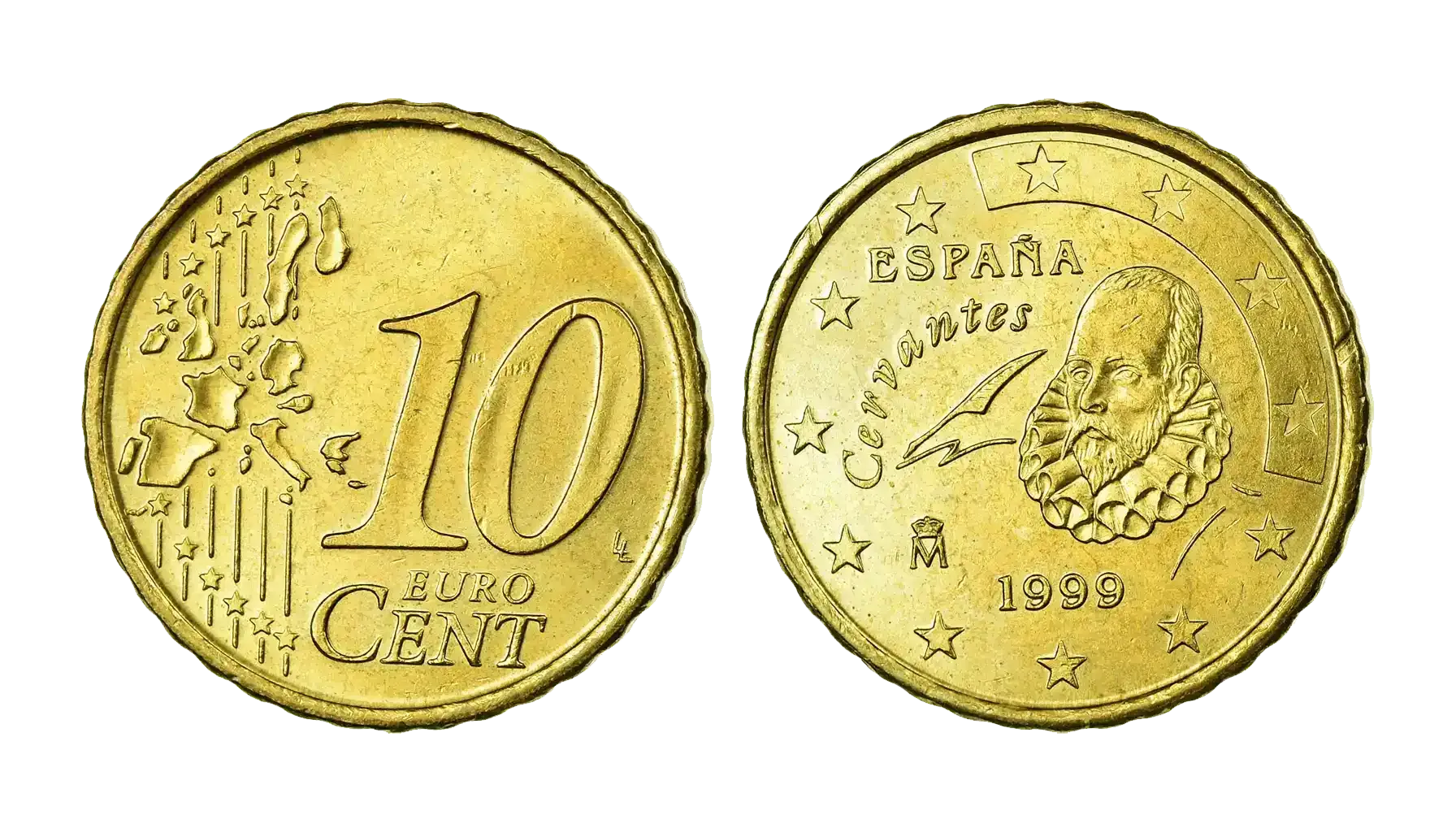
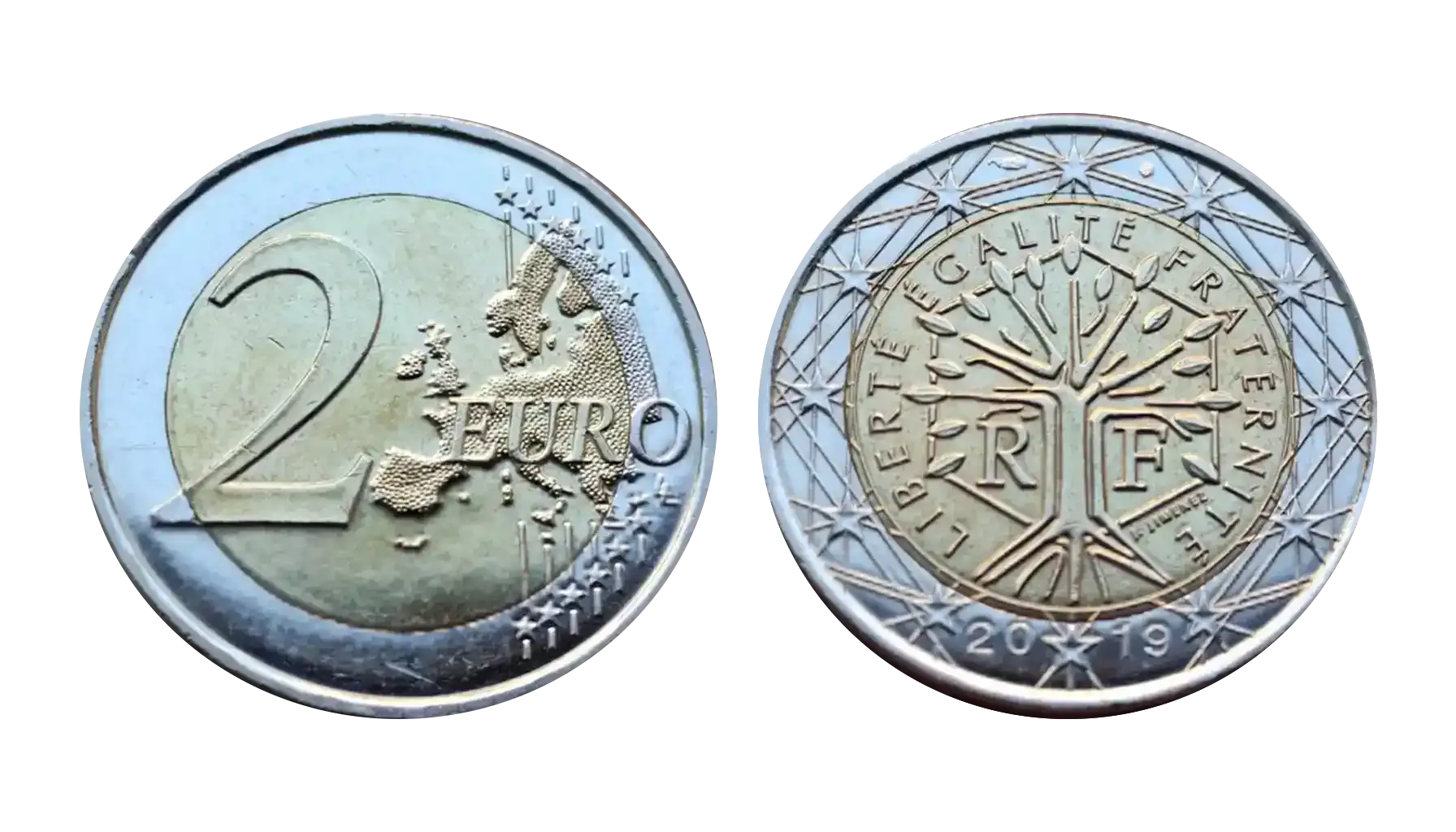
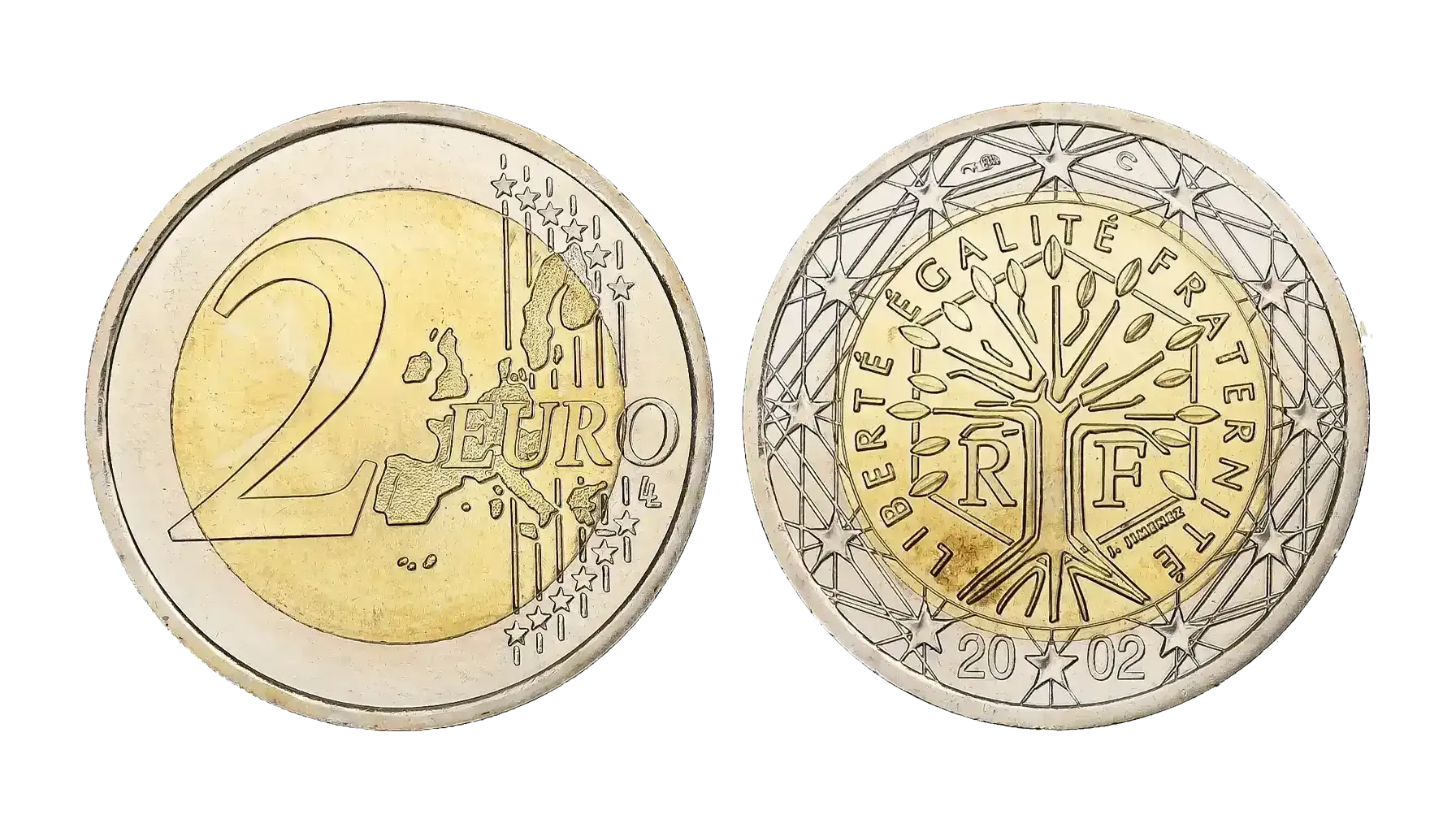
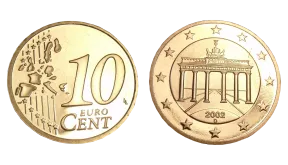
The obverse of every Euro coin is the same. It features a map of Europe with six horizontal lines. They symbolise the connection and expansion of the European Union. Around it are the 12 stars of the European Union. This is an emblem of unity and solidarity.
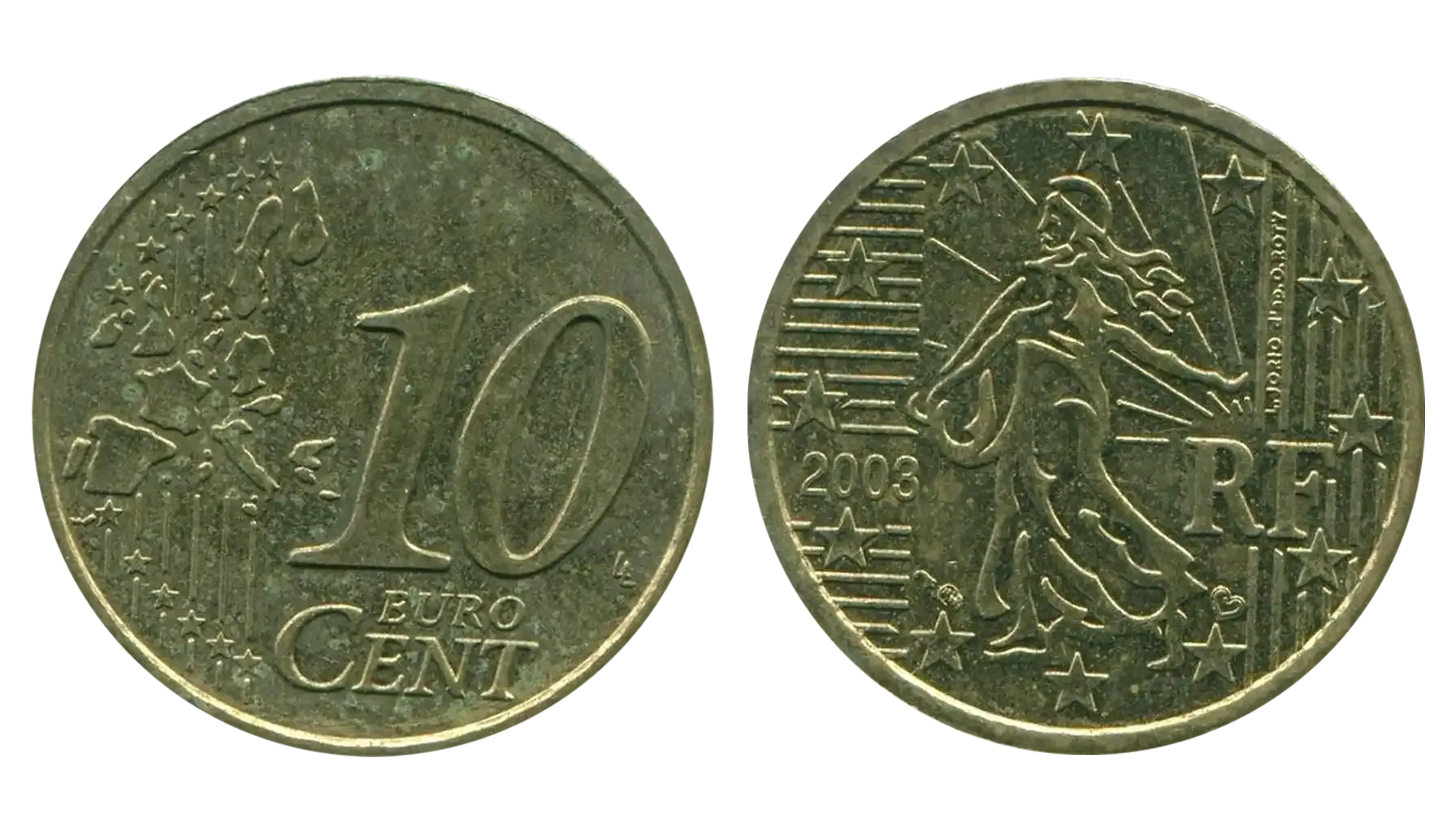
On the obverse, however, each country has its own original design. These can be coats of arms, national symbols, cultural or historical motifs.
For example, German coins had a Cologne-style bridge design until 2007; in the modern version introduced after 2007, it is an abstract arch.
In France, it is the portrait of Marianne, which is a symbol of the Republic.
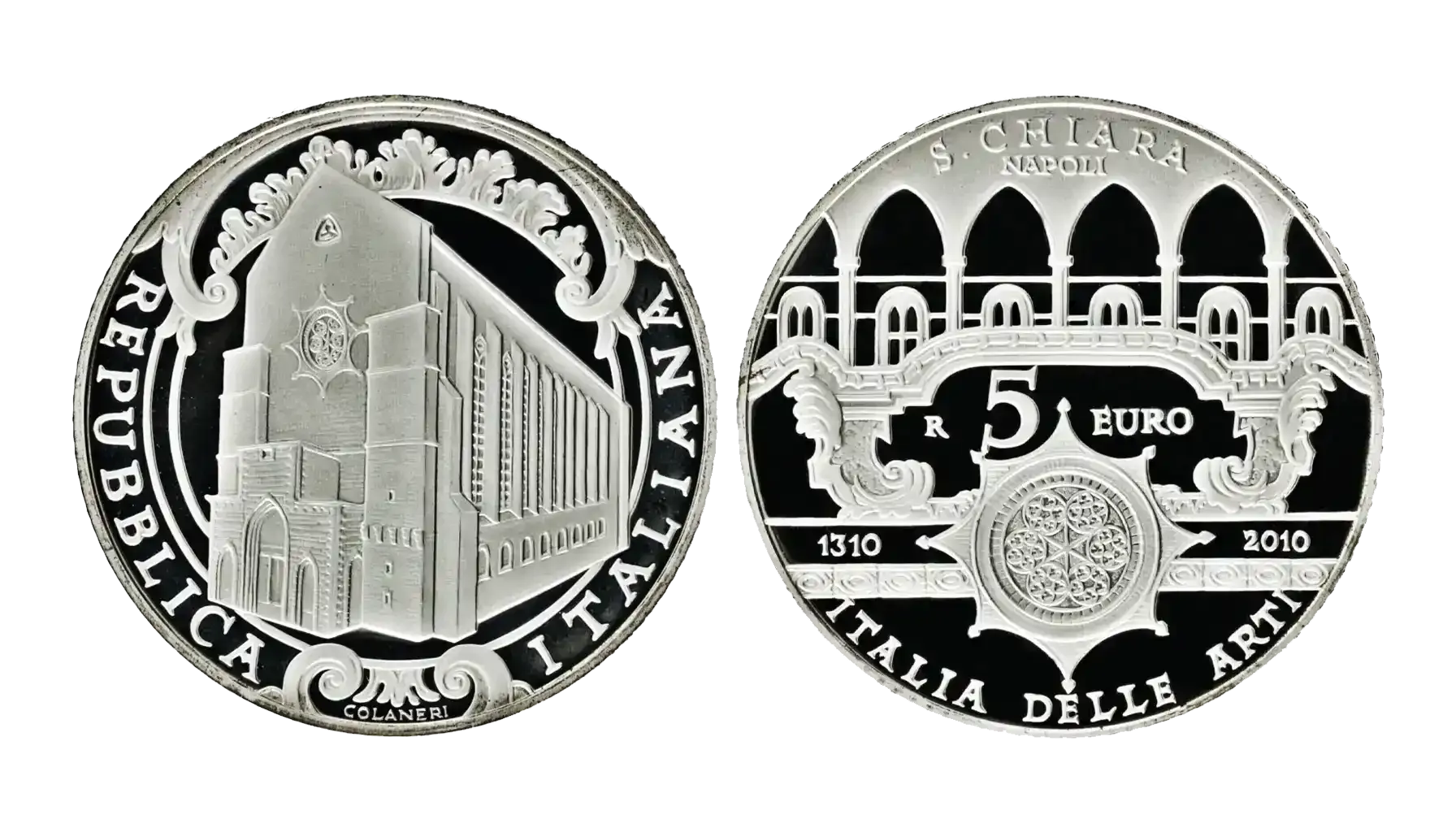
In Italy, portraits of Renaissance figures or architectural monuments.
All these designs emphasise the cultural diversity and distinctiveness of each country within one unified system, the currency system.
Rare 10 Cent Euro Coins and Varieties
Type | Mintage | Reason for rarity |
Monaco, 2001 | 597,000 | The very first 10-cent issue, low mintage and popularity of princely themes |
Monaco, 2007 | 390,000 | Limited "transitional" mintage due to design change |
Monaco, 2014 (High Relief Proof) | 28,000 | Struck in "high relief" + Proof quality |
Vatican, 2002 | 726,000 | First year of Euro coin issues of the Holy See, relatively low mintage |
Vatican, 2009 | 230,000 | Change of pontiff, small mintage |
Vatican, 2016 (High Relief Proof) | 18,000 | Anniversary issue with high relief and Proof finish |
San Marino, 2002 | 432,000 | First year of the Euro, small mintages for the Republic |
San Marino, 2004 | 643,000 | Commemorative design "700 years of the Parliament", annual mintage below usual |
San Marino, 2015 (anniversary series) | 170,000 | Issued for the 750th anniversary of the "Karkerigo", collectable quality |
Finland, 1999 (Double Die Error) | Unknown | Double die strike, easily noticeable to the naked eye |
How to Identify Valuable 10 Cent Coins
First of all, you need to determine the coin's condition. It is determined in grades according to the Sheldon scale. It is best to acquire specimens in Mint State condition.
Year of Minting
The year of minting is also very important, because some can be quite rare, for example, when a certain series is just beginning or, conversely, ending production. Also, pay attention to the country of production. Coins from Monaco, Vatican, and San Marino have more than 10 Euro cent coin value due to their low mintages.
Look for various errors in specimens, such as Double Die, Off-Centre Strikes, and others.

 Facebook
  X (Twitter)
  Pinterest
  LinkedIn