Contents:
Once the greatest civilization on our planet, Egypt has always been a storehouse of relics that may tell the stories of the past. Under the sands of this magnificent country, there lie thousands of tiny artifacts that reveal the context of their origin, complete the image of the region and the cultural landscape, and describe the living order of a fallen empire. These are coins for sure.
What do the coins of Egypt mean? What do they look like, and when were they minted in reality? What was the ancient Egyptian currency? Let us briefly explore the origins of these numismatic creations and identify coins right away.
Vocabulary to Acquire Before You Start
Drachma: A common unit of currency in ancient Egypt, particularly during the Ptolemaic period. At first, it was a Greek coin that became the standard currency for trade in Egypt, too.
Stater: A larger denomination of coin used all along the ancient world.
Ptolemaic Dynasty: The ruling Greek family in Egypt following Alexander the Great's conquest (from 332 BCE to 30 BCE).
Nemes Headdress: A traditional Egyptian headdress worn by pharaohs, seen on coin designs.
Scarabs: Symbolic beetle designs featured on coins.
Hellenistic Influence: The cultural and artistic impact of Greek traditions on Egyptian coin designs during the Ptolemaic period.
Obol: A small denomination coin in Egypt for everyday purchases.
Dichalkon: A low-value bronze coin common in local markets.
Chalkous: One of the smallest bronze units in the Ptolemaic system.
Tetartemorion: A tiny fractional unit found mainly in early Greek-influenced areas of Egypt.
Tetradrachm: The main high-value coin under the Ptolemies; used in administration and long-distance commerce.
Octadrachm: A large gold coin issued in limited periods for high-level payments.
Pentadrachm: A less common denomination, occasionally produced in gold.
Hemidrachm: A half-drachm piece that circulated in smaller quantities.
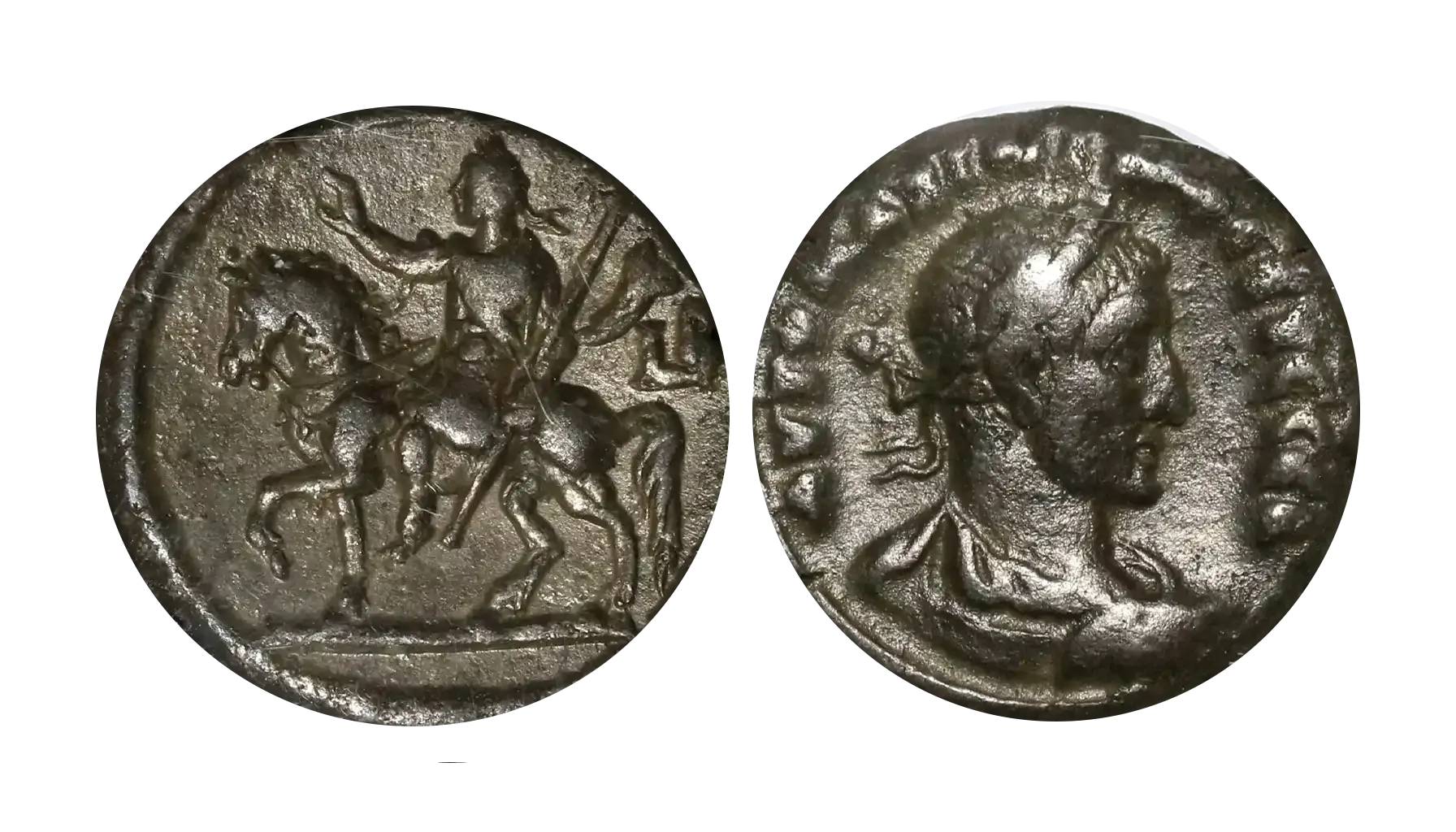
Alexandrian Billon Tetradrachm: The standard Roman provincial coin of Egypt, dated by the regnal year of the emperor.
Diobol: A two-obol coin used for medium-value transactions.
Triobol: A three-obol denomination found in the broader Ptolemaic system.
Historical Context of Ancient Egypt
Around 3100 BCE, the rich banks of the Nile River became home to one of the oldest and most resilient civilizations in history, i.e., Ancient Egypt. Its past is replete with notable achievements in construction, science, art, and governance, for the nation was focused on trade, agriculture, and faith. The appearance of coinage was just a matter of time.
Prior to the invention of coinage, they employed different Egypt items such as gold, silver, and copper ingots as a means of standardizing economic transactions. However, as time passed, coinage proper became widely used as a result of the Persian conquest in the sixth century BCE and the Ptolemaic dynasty, which was founded after Alexander the Great's victory in 332 BCE.
Role of Coinage in Egypt’s Economy and Trade
Coins appeared in Egypt later than in many neighboring regions. When they were adopted, they became important. They helped structure taxation, streamline payments, and connect Egypt to commercial networks around the Mediterranean.
Main economic roles of coinage:
Coins made it easier for officials to record and gather revenue.
Soldiers, craftsmen, and suppliers were paid more efficiently.
Markets in larger towns moved faster with standardized values.
Egypt’s coinage aligned with systems used in Greece, the Levant, and later Rome.
Why coinage boosted trade:
Fixed denominations reduced arguments over value.
Small coins supported daily purchases and local trade.
Higher denominations suited long-distance shipments and bulk goods.
How Much Wealth Did Ancient Egypt Control?
Egypt’s wealth came from fertile farmland along the Nile, organized agriculture, and access to gold deposits in Nubia. The state managed fields, storage centers, workshops, and trade routes. They could gather large reserves of food, textiles, papyrus, and precious metals.
During periods of prosperity, especially the New Kingdom and the Ptolemaic era, Egypt was among the richest regions of the ancient world.
Did Ancient Egypt Use Money in Daily Life?
For most of its history, Egypt did not rely on coinage for everyday transactions. People were paid in grain, beer, oil, and other essentials. Values were tracked through standard weights rather than stamped ancient Egypt currency.
Coins arrived gradually through contact with foreign powers, then spread more under the Ptolemies. Even then, many workers continued receiving commodity payments.
What Metals Were Used in Egyptian Coinage?
Early transactions relied on raw metal measured by weight; later periods introduced standardized bronze, silver, billon, and limited gold coins.
So, what was the currency in ancient Egypt? Here’s a brief overview:
Period / Ruling Power | Metal Used | Form |
Pharaonic Period (before coinage) | Copper | Weighed ingots, pieces |
Pharaonic Period (before coinage) | Gold | Rings, bars, measured units |
Ptolemaic Egypt | Bronze | Standardized coins |
Ptolemaic Egypt | Silver | Tetradrachms and larger units |
Ptolemaic Egypt | Gold | Limited coin issues |
Roman Egypt | Billon (silver–copper alloy) | Alexandrian coinage |
Roman Egypt | Bronze | Lower denominations |
This is how the Egypt currency coins were born. Now, what is their appearance?
Related article: Rare Gold Dollar Coins.
Designs and Symbols on Ancient Egyptian Coins
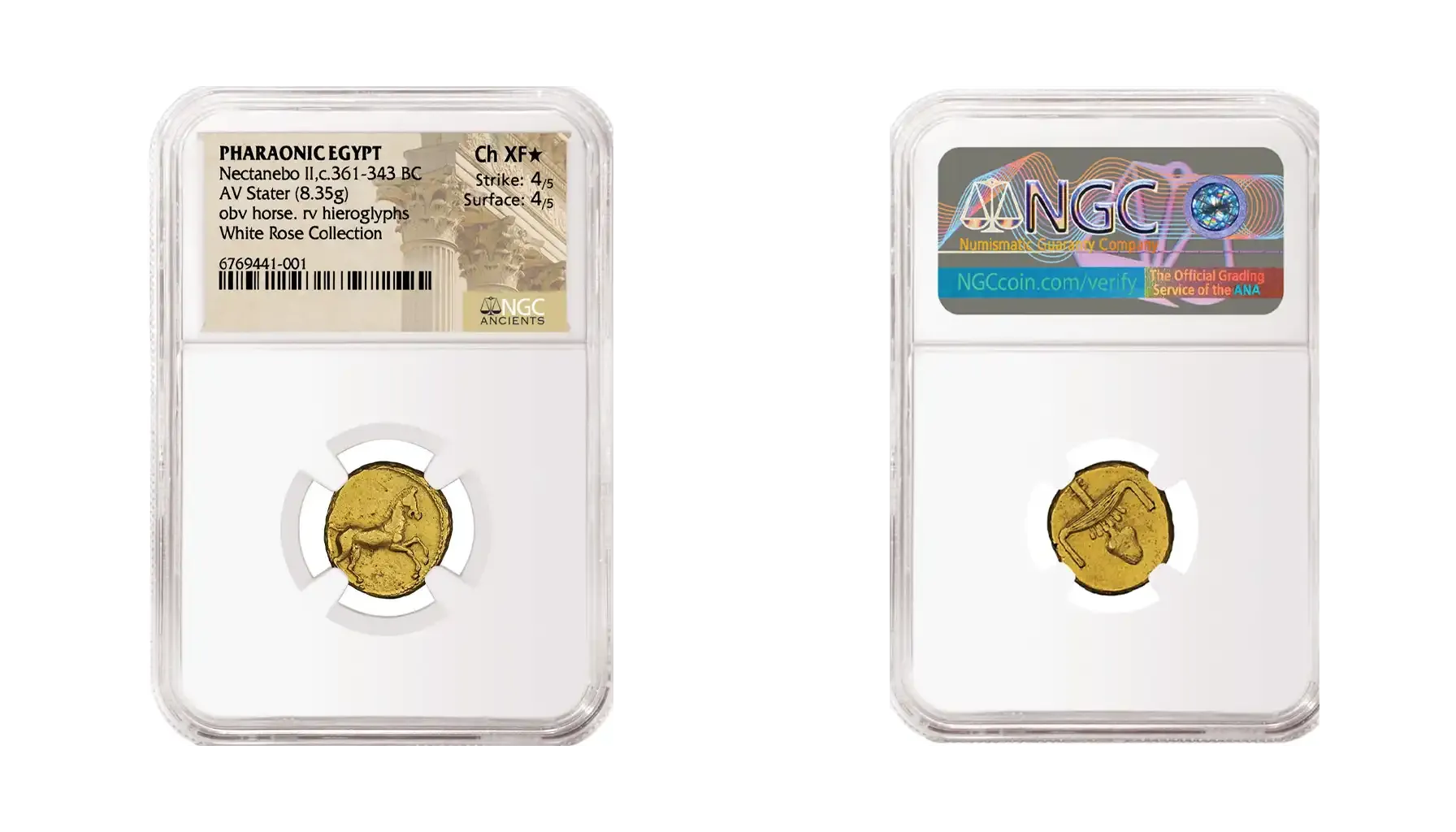
The numismatic landscape in Ancient Egypt was rather diverse because of its own legacy, cultural significance, and foreign influence, especially during the Ptolemaic period. The monetary systems were no longer only practical; they turned into real works of art.
Depictions of Pharaohs and Rulers
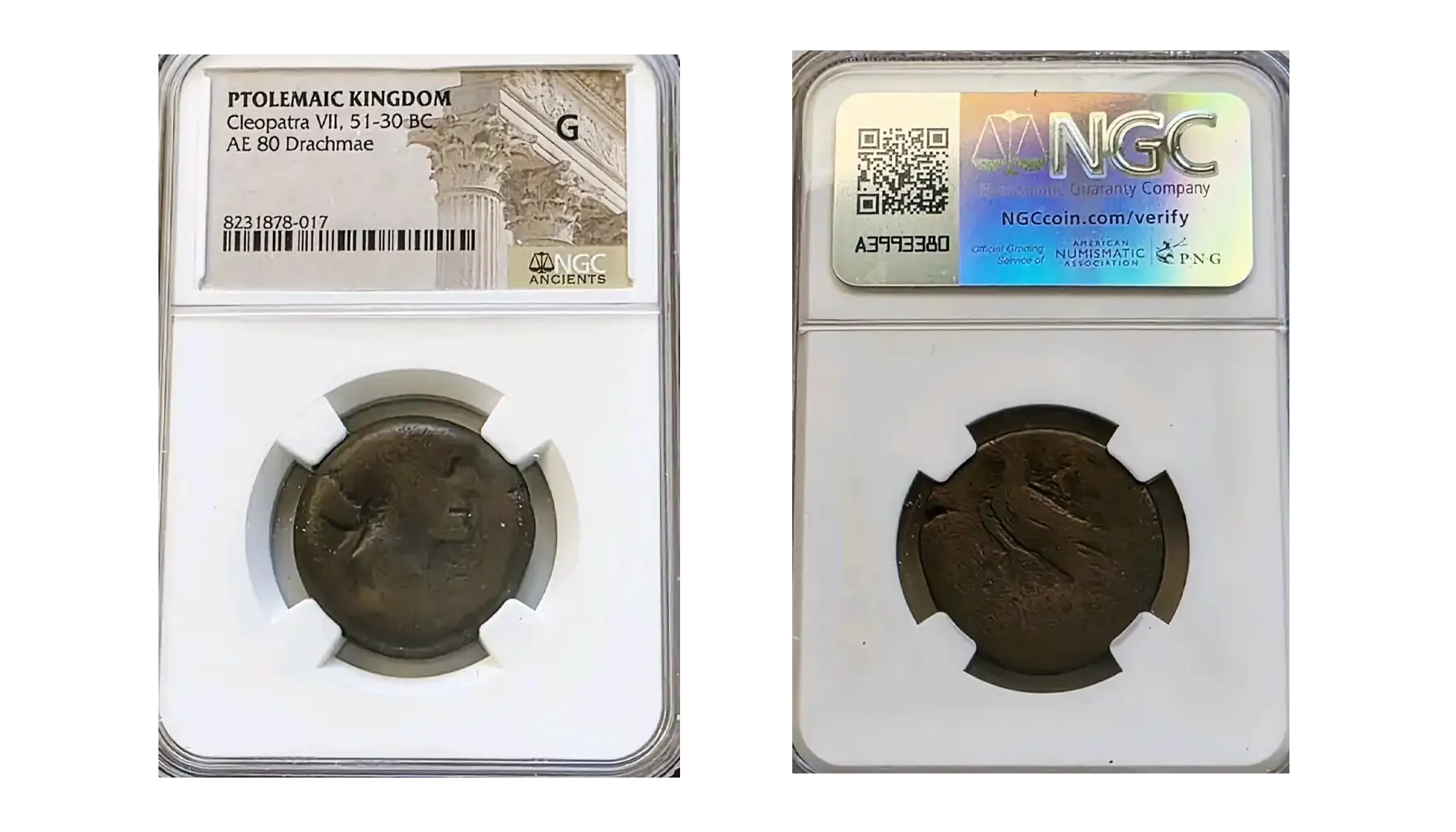
The representation of rulers is among the most notable aspects of ancient Egyptian coinage. Usually depicted in profile, pharaohs like Ptolemy I and Cleopatra VII wore conventional royal trappings like the nemes headdress or a diadem. This was the tool to promote the influence of a ruler and their ideas not to mention.
Deities and Religious Imagery
Egypt coins often included images of gods and goddesses that were important to the country's religious beliefs. Common themes were, for example, the goddess of magic and motherhood, Isis, and her son, Horus. These patterns may tell us more about the state's religious unity and the heavenly favor accorded to its rulers.
Iconic Symbols of Egyptian Culture
Besides, such instances usually bore traditional symbols of the country, e.g., the scarab beetle (i.e., a symbol of metamorphosis ), the Lotus Flower (i.e., a symbol of purity, the Eye of Horus (i.e., a symbol of health and protection), etc.
Greek and Egyptian Art
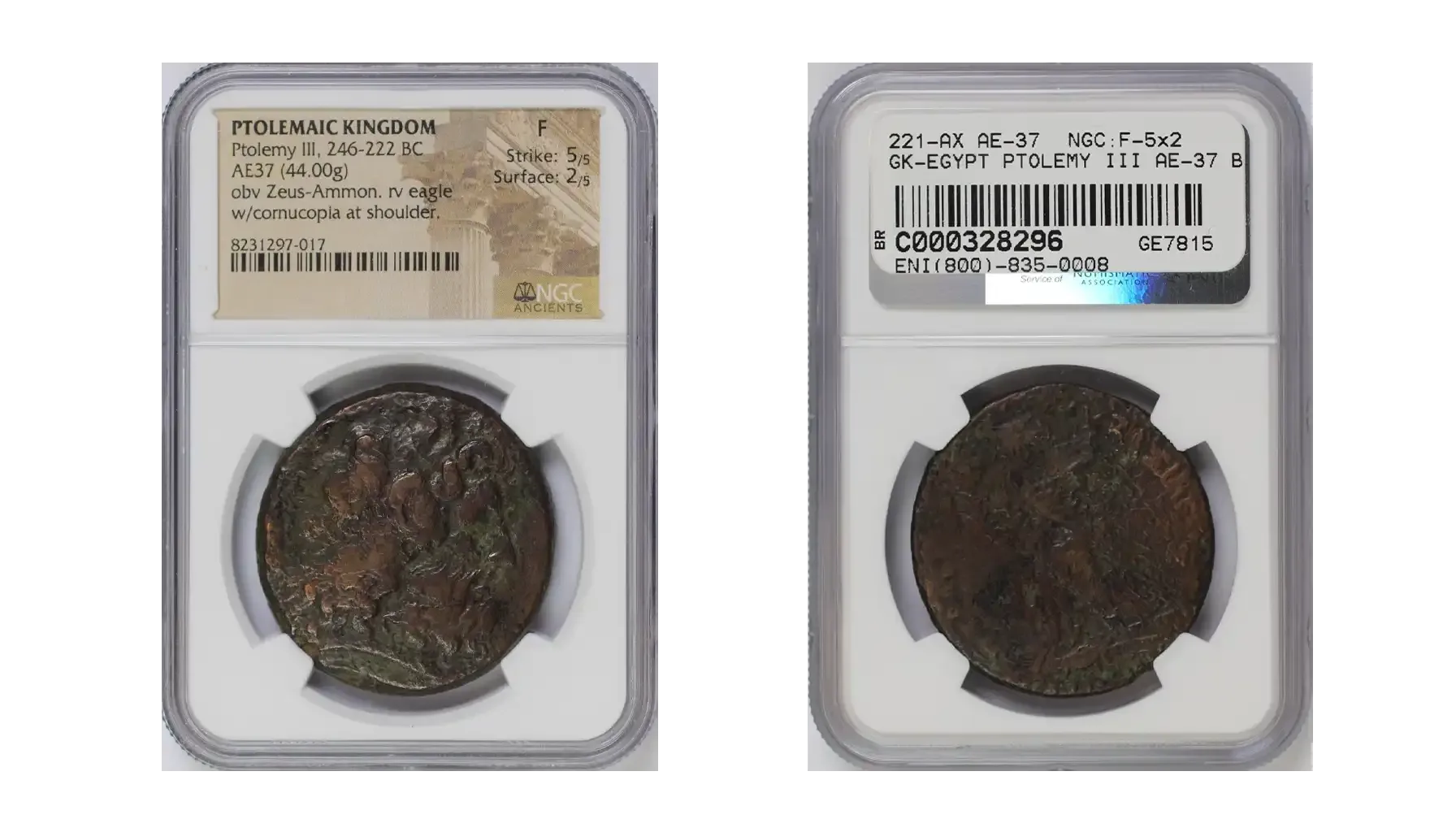
Greek artistic expressions had a significant impact on Egyptian coinage throughout the Ptolemaic period. Traditional Egyptian artwork was combined with Greek stylistic features to generate a distinctive fusion of the two cultures. As such, units of currency often included Zeus-Ammon, a hybrid figure that combined the Greek god Zeus with the Egyptian Amun simultaneously.
Ancient Egyptian Coin Mints
Egypt’s coin production centered on a few clear locations once minting became established. The main activity was concentrated in administrative and commercial hubs, with limited support from smaller workshops.
Alexandria was the central mint. It produced nearly all official issues in both the Ptolemaic and Roman periods.
Small regional workshops operated at certain times and supplied nearby towns with limited batches.
Foreign coins circulated before local minting.
Under Roman rule, the country used a closed ancient Egyptians currency system, so Alexandrian issues were intended for use inside the province only.
“For over three centuries, Roman Egypt maintained a separate, closed currency system, based on the denominations of the previous Ptolemaic kingdom.”
—Mike Markowitz, numismatic journalist
The Coins of Roman Egypt, CoinWeek, 28 Feb 2025
Alexandria was the dominant mint throughout these periods; other sites contributed only when specific local needs arose.
Famous Coins from Ancient Egypt
Coins from Egypt are captivating, and to spark the interest of our readers, we have prepared a list of notable instances, which includes descriptions of the appearance and estimated values of some of the most well-known and sought-after coins from this era.
Nummulite Shell
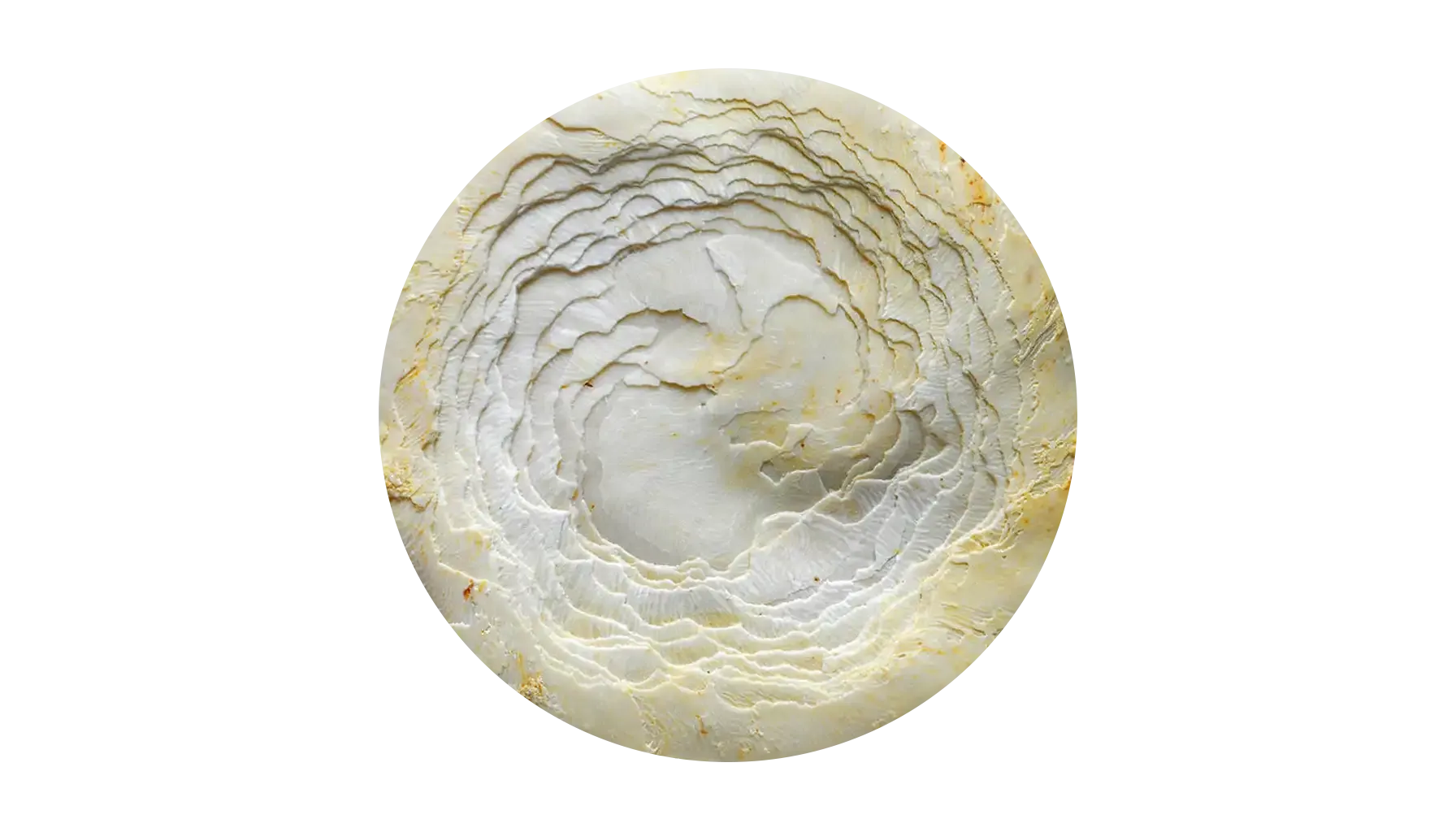
Approximate ancient Egyptian coins value: $10 to $200+
Period: 3100 BC - 500 BC
Let us start not with a traditional metallic coin but a fascinating form of coinage used in ancient Egypt. During the pre-Ptolemaic period, particularly in the Nile Delta, the shells were used as coin Egypt currency due to their spiral, smooth surface and circular, coin-like shape, which made them ideal for use as money. They often bore marks that indicated their use in trade, though these were usually less elaborate than those seen on later Egyptian coins.
Tetradrachm of Ptolemy I Soter
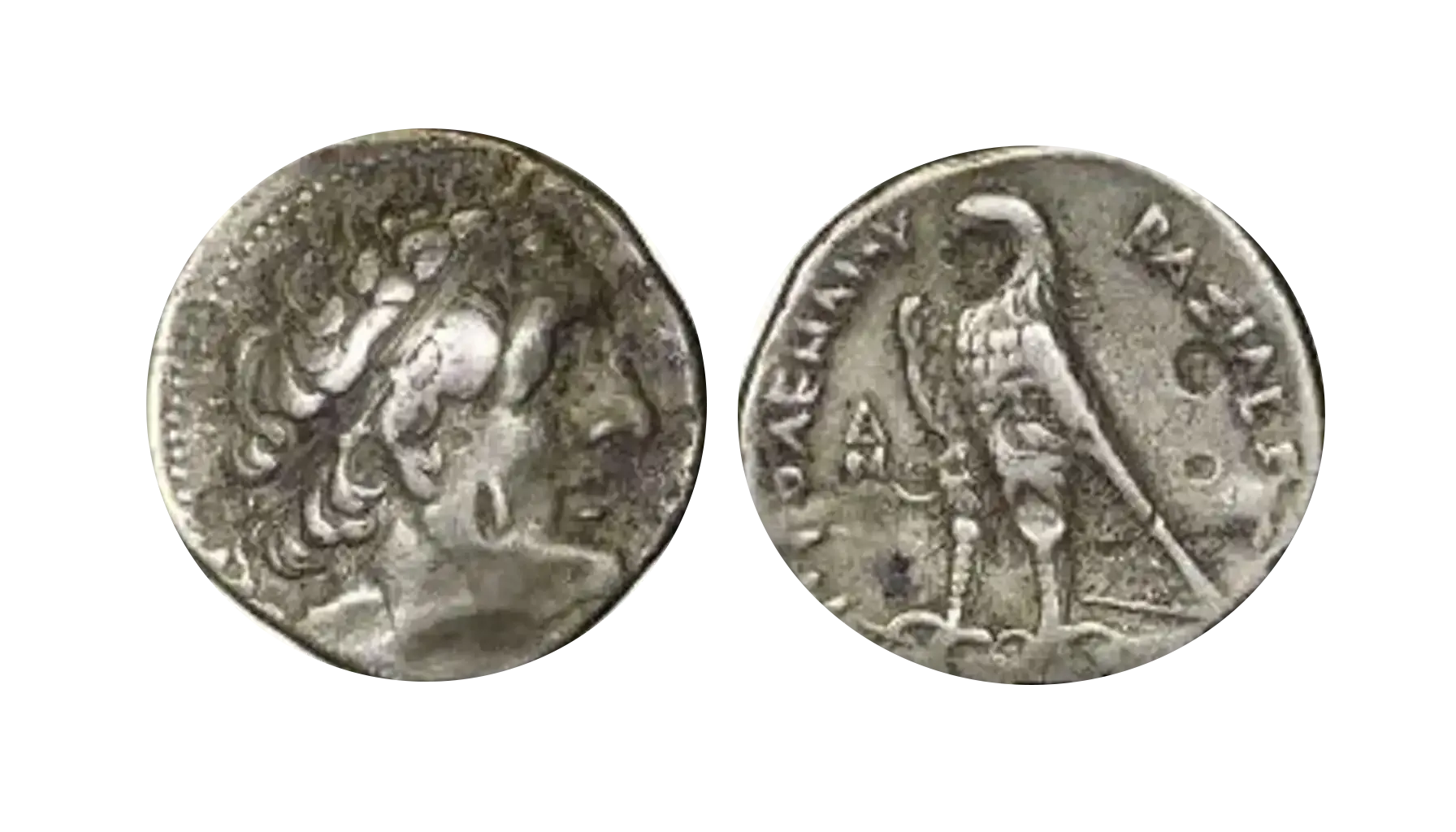
Approximate value: $100 to $500
Period: 294 BC - 282 BC
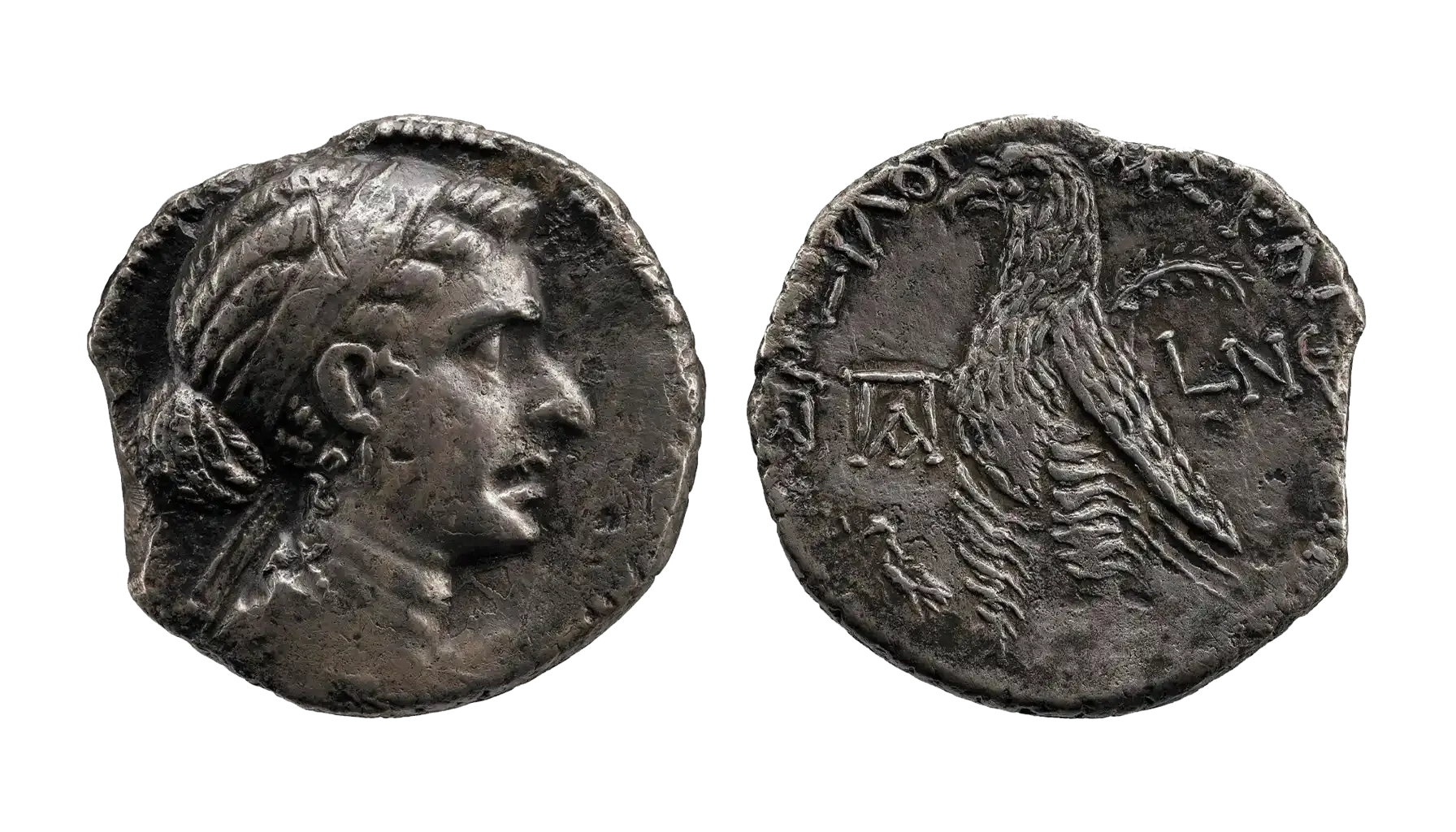
The obverse of this Egyptian silver coin shows a portrait of Ptolemy I Soter, the founder of the Ptolemaic dynasty, wearing a crown or diadem. The reverse, though, features an eagle along with the Greek inscriptions to represent the fusion of cultures and their influence on one another.
Cleopatra VII Tetradrachm
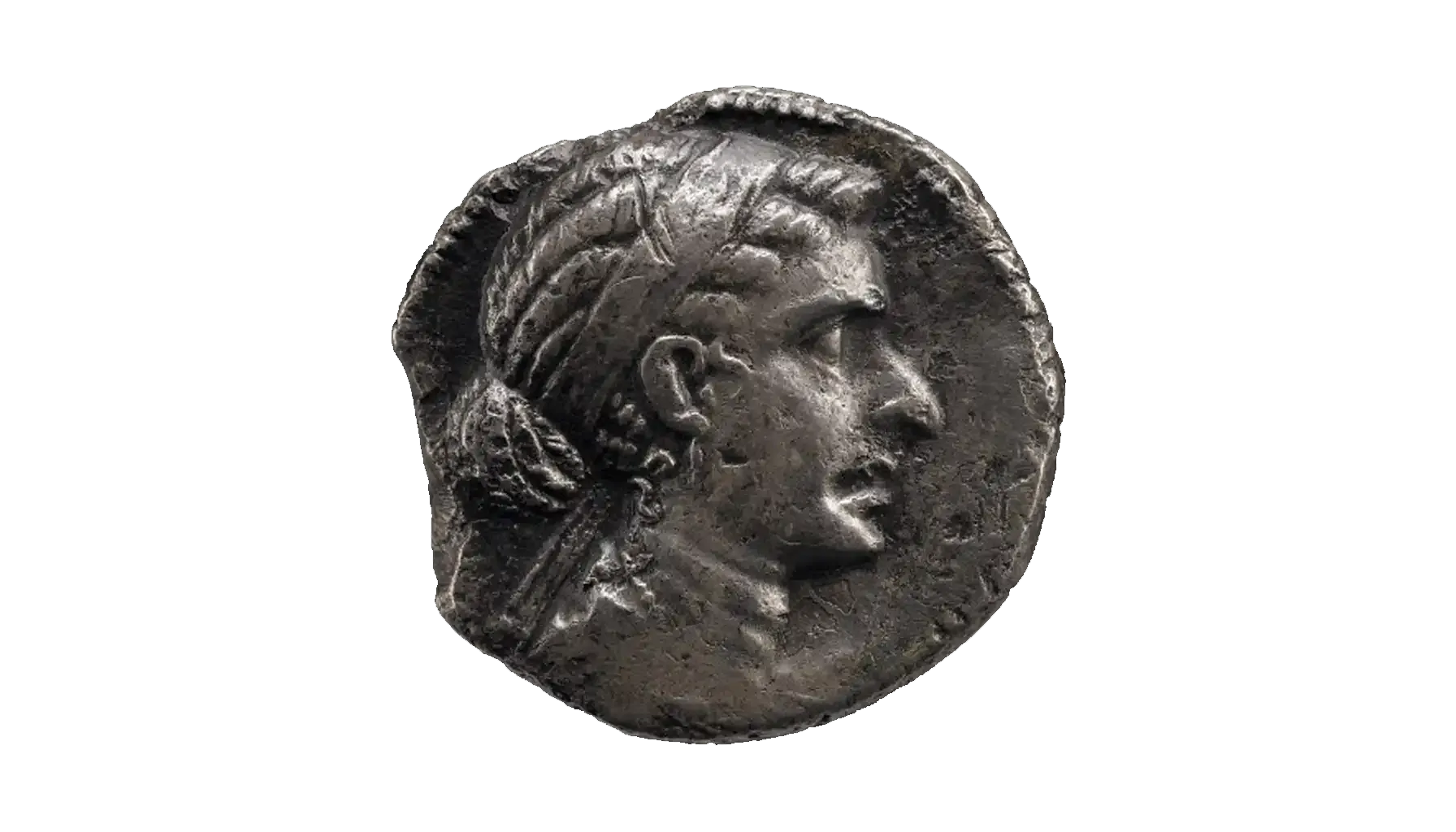
Approximate value: $2,000 to $8,000
Period: 50 BC - 49 BC
The final monarch of the Ptolemaic dynasty, Cleopatra VII, was not forgotten. She was depicted on the rare gold tetradrachm with a diadem and a sophisticated headpiece. The coin's reverse features an image of the goddess Isis or a representation of heavenly might with inscriptions in both Greek and Egyptian. Such a powerful piece to look at.
Diobol of Ptolemy II Philadelphus
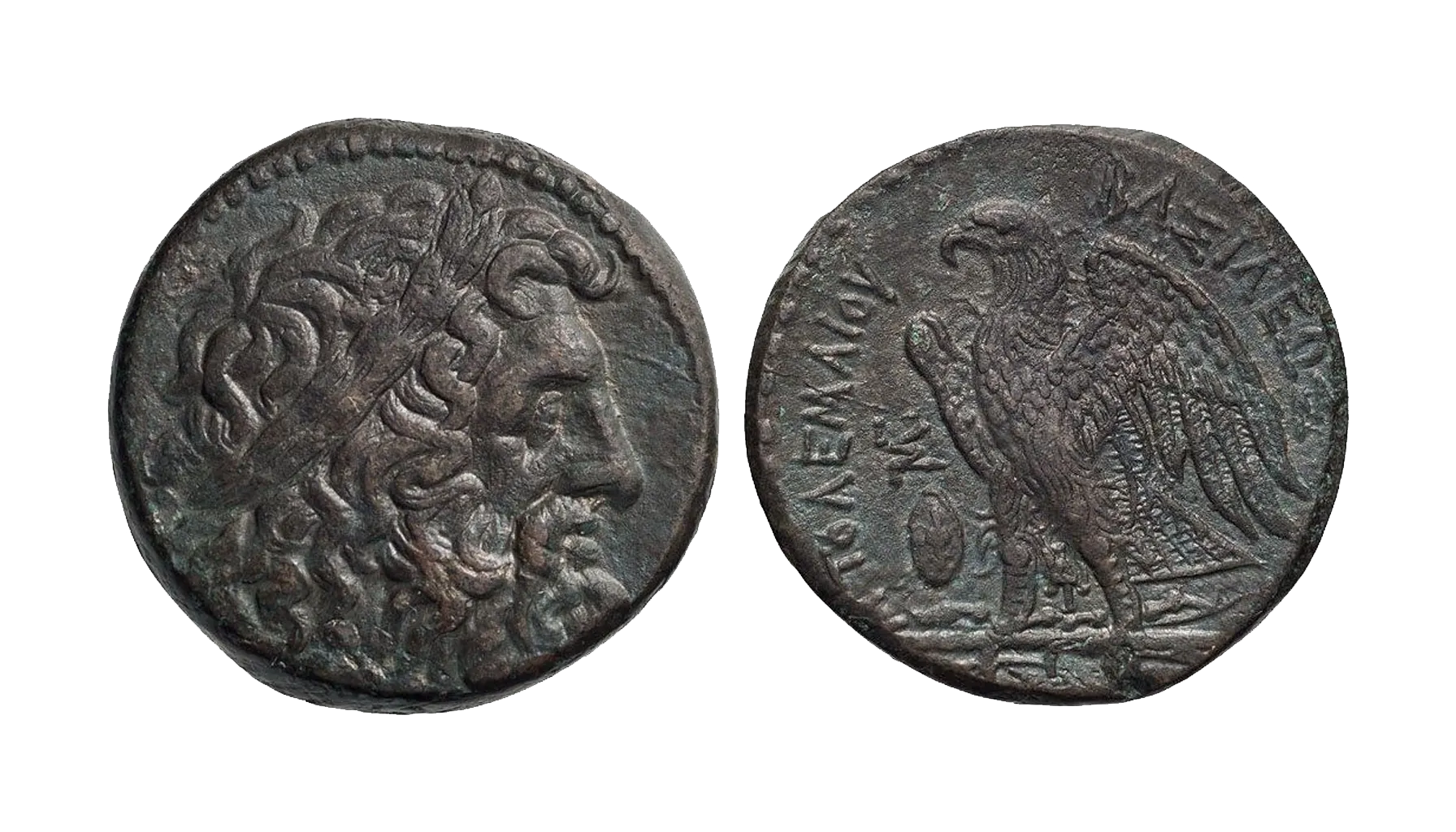
Approximate value: $50 to $250+
Period: 275 BC - 274 BC
On the obverse of this little Egypt silver coin from Ptolemy II Philadelphus's (283-246 BCE) reign, there is usually depicted the god Zeus-Ammon. Greek inscriptions identify the coin's validity and worth, and the reverse features an eagle standing left on a thunderbolt of Egyptian significance.
Legacy of Ancient Egyptian Coins in Your Hands
Once used as tools of commerce, authority, and cross-cultural interaction, these old Egyptian coins have now been turned into priceless artifacts that perfectly capture the rich past and creative genius of the ancient world.
These days, collectors are particularly interested in the coinage of the Ptolemaic dynasty (with coins bearing images of Cleopatra VII, Ptolemy I Soter, and other monarchs). The most attractive part of this numismatic landscape is this elegant amalgamation of Greek and Egyptian cultures that formed the Hellenistic world altogether.
Anyway, so as to explore coins in Egypt successfully, we recommend that you employ modern tools like Coin ID Scanner that may help you manage your own collection, scan and identify coins, e.g., 1984 Washington quarter, in an instant, detect anomalies, keep a record of your coins' details, seek assistance from more experienced colleagues, collaborate, and more!
Own a digital archive of your collection. Closer than ever.
Today, coin enthusiasts value ancient Egypt money for both aesthetic value and the narratives it conveys. Preserve numismatic creations, study this sphere, and let your experience be the best.

 Facebook
  X (Twitter)
  Pinterest
  LinkedIn