Contents:
The Euro is one of the most popular and prosperous currencies nowadays. Investors, coin collectors, and everyone in general should learn more about euros.
What do euro coins look like? What denominations exist? What examples are worth money? About that and much more, we will learn in this article.
Have you ever thought about your total coin collection value? Many apps today can scan your individual coins, their values, so you can pull under the value of your collection better.
What Are Euro Coins?
Euro coins are the official circulating coinage of the Eurozone, used by the 20 EU countries that have adopted the euro as their common currency:
Austria,
Belgium,
Croatia,
Cyprus,
Estonia,
Finland,
France,
Germany,
And many other countries.
Euro banknotes and coins were introduced in 2002. The new currency was designed to simplify cross-border trade, travel, and financial transactions across all of Europe.
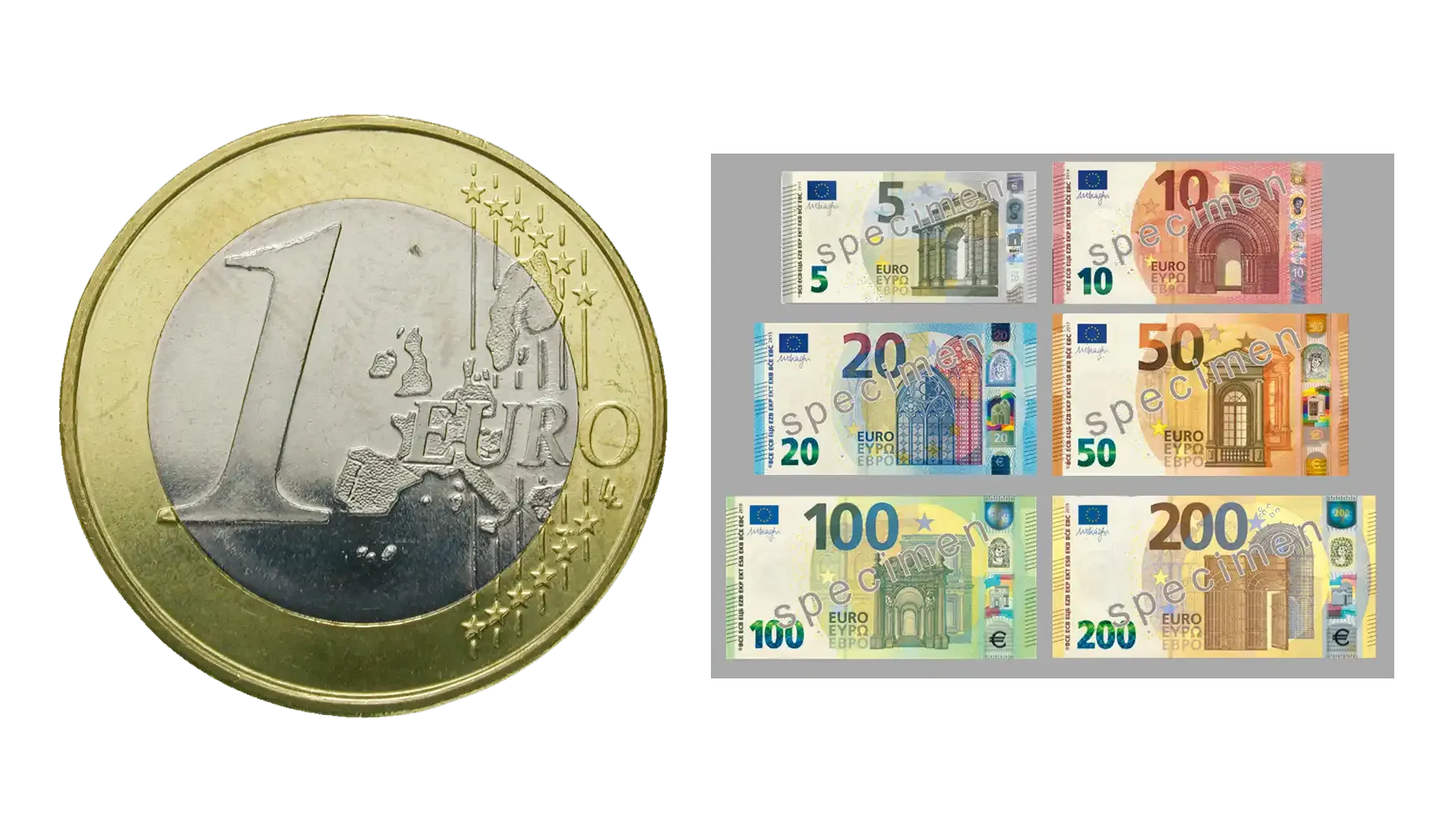
While the Euro is clearly not an old coin, in just a few years, this currency has become a staple of world trade. You would have a hard time finding someone who hasn't heard of it. If you live in Europe, this is your go-to currency.
Of course, there are many kinds of “Euro” coming from many countries and denominations, but most of us think of the standard €1 that appeared in every Eurozone country:
€1 Coin Overview | |
Year of Minting | Varies by country (from 2002 to present) |
Type | Circulating |
Shape | Round |
Edge | Scallops with smooth parts |
Diameter | 23.25 mm |
Thickness | 2.33 mm |
Weight | 7.50 g |
Metal Composition | Bi-metallic (nickel-brass core and cupronickel outer ring) |
Structurally, euro coins are sound and impressive. They are made from various metal alloys, but all are durable. Utility and integrity go hand in hand with this currency.
Euro Coin Denominations
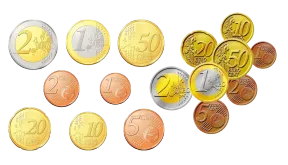
Euros come in eight standard denominations. We could divide euro denominations coins into three groups based on value and composition:
Group | Denominations | Metal Composition | Key Characteristics |
Low-value | 1c, 2c, 5c | Copper-plated steel | Smallest denominations in circulation. Common for minor purchases. |
Mid-value | 10c, 20c, 50c | Nordic gold (copper, aluminum, zinc, tin alloy) | Have a golden appearance, but not actually gold coins |
High-value | €1, €2 | Bi-metallic (two metal rings) | The largest and most valuable denominations |
Euro Coins by Country
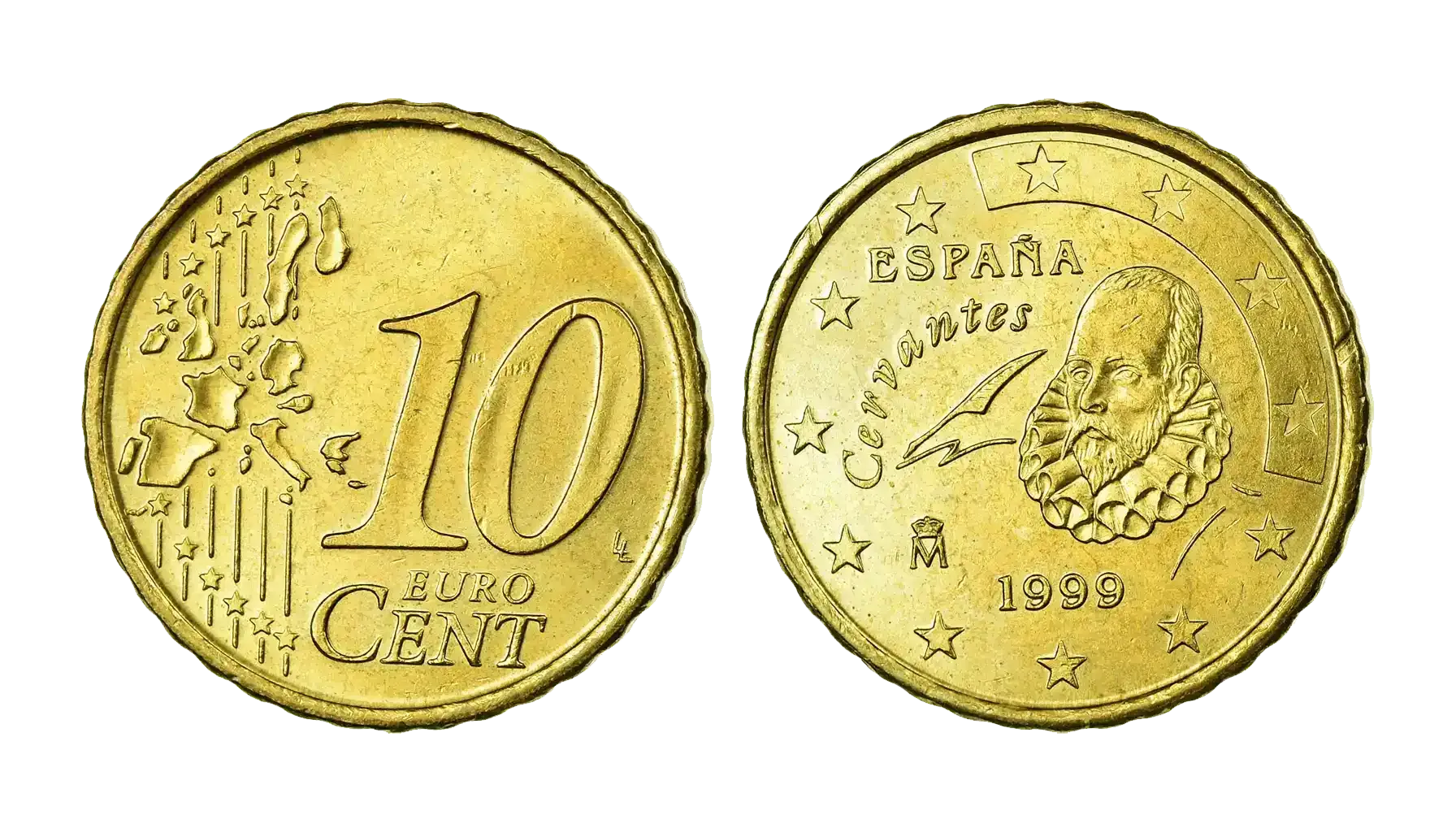
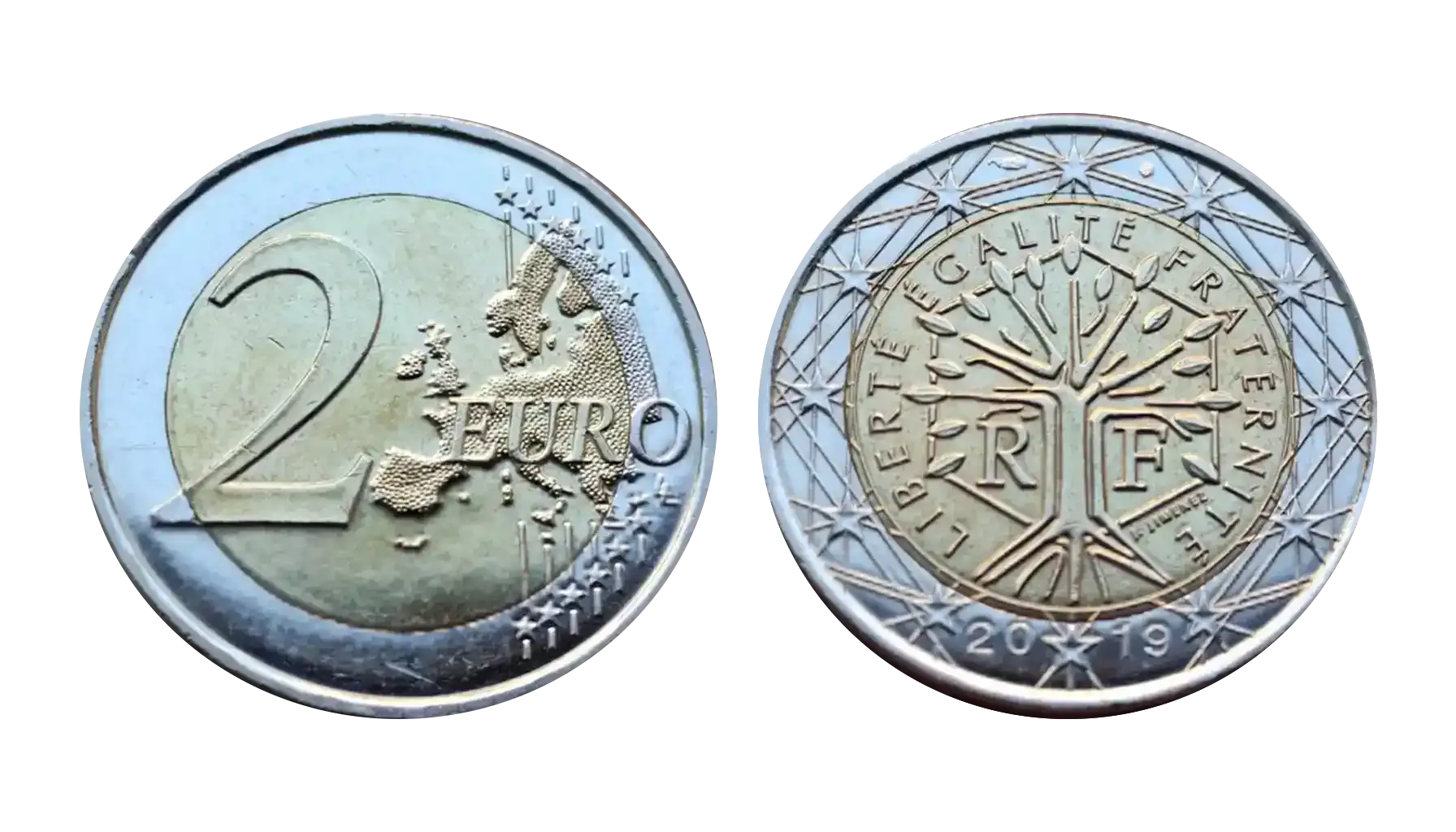
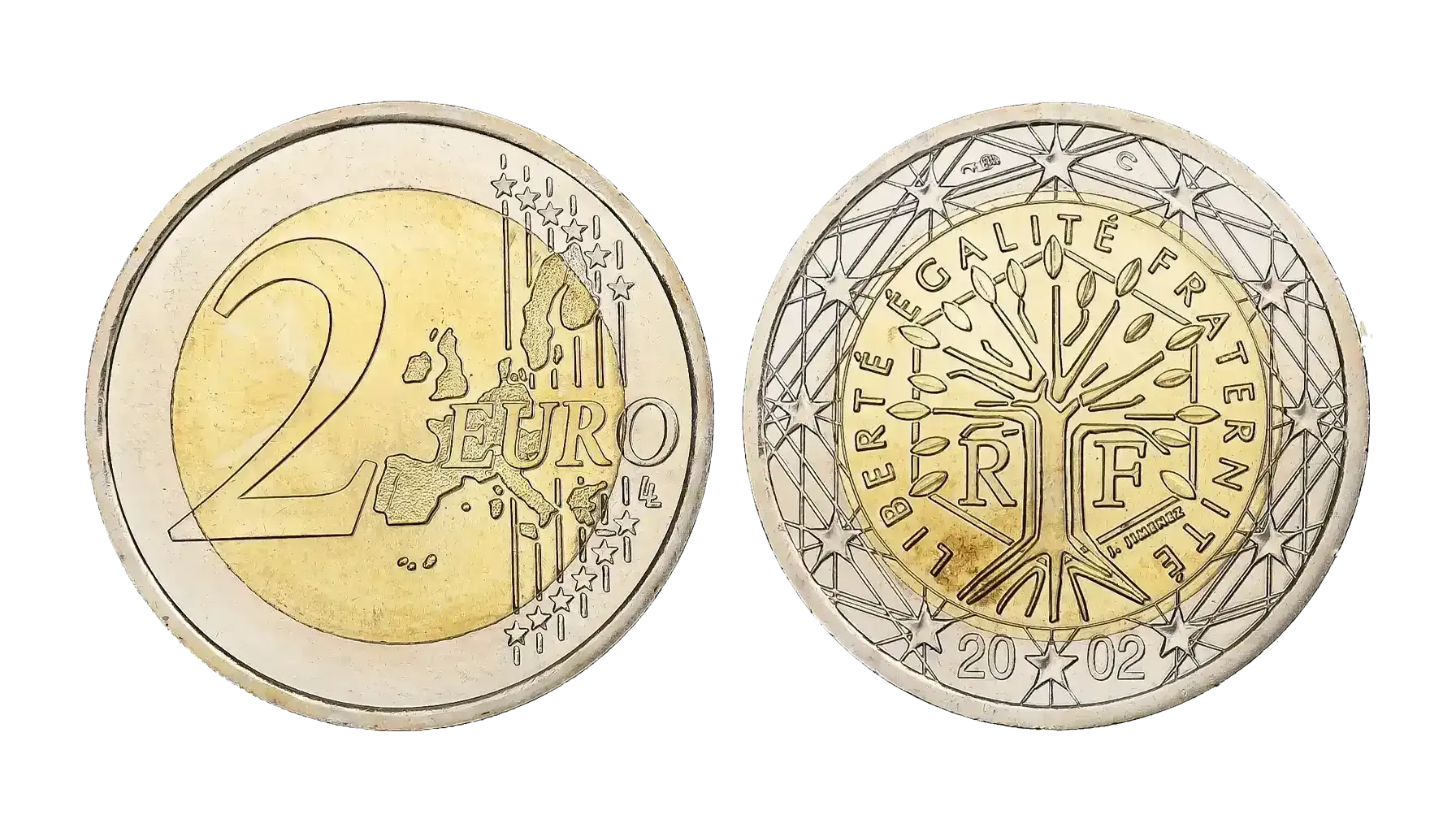
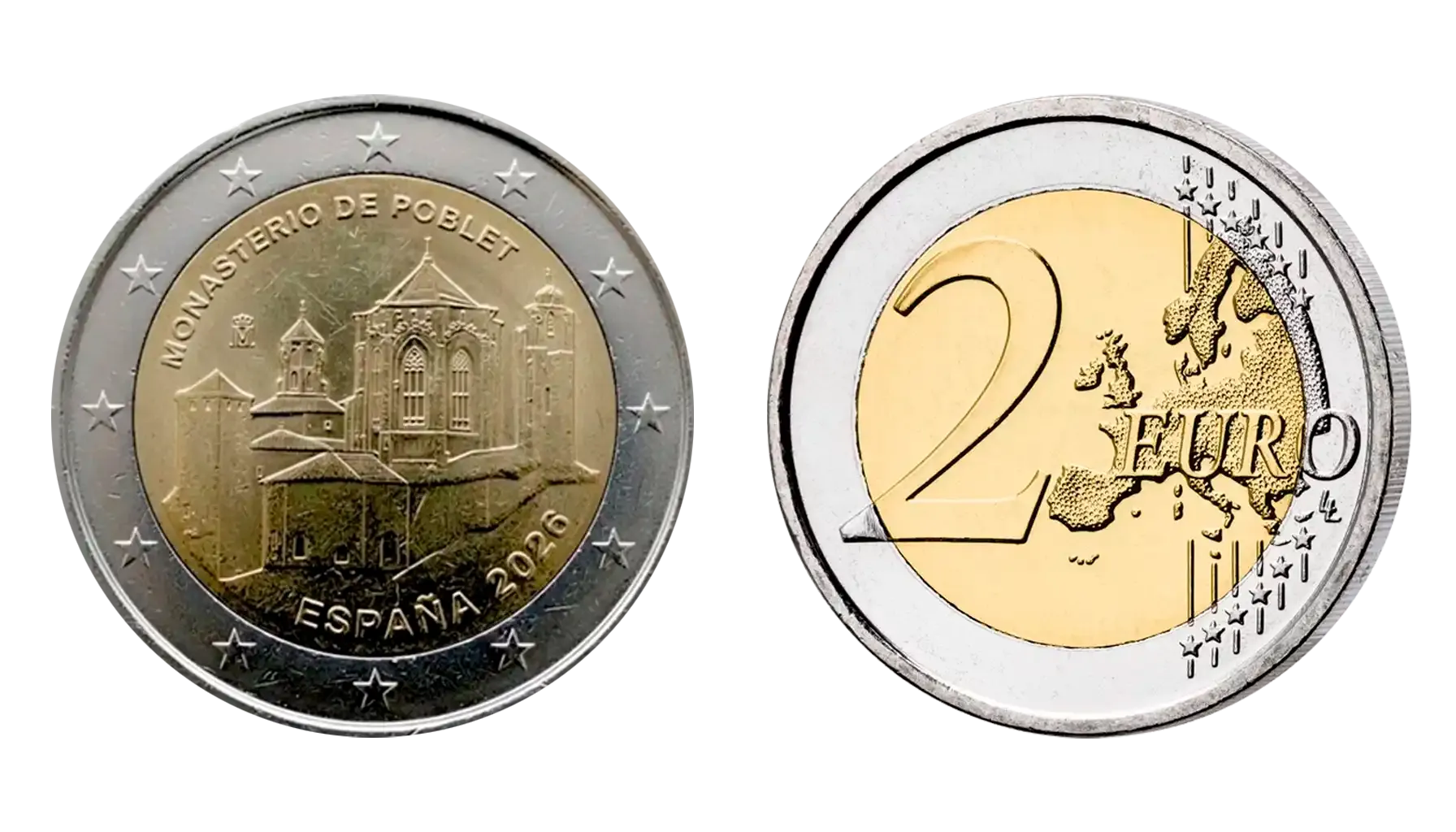
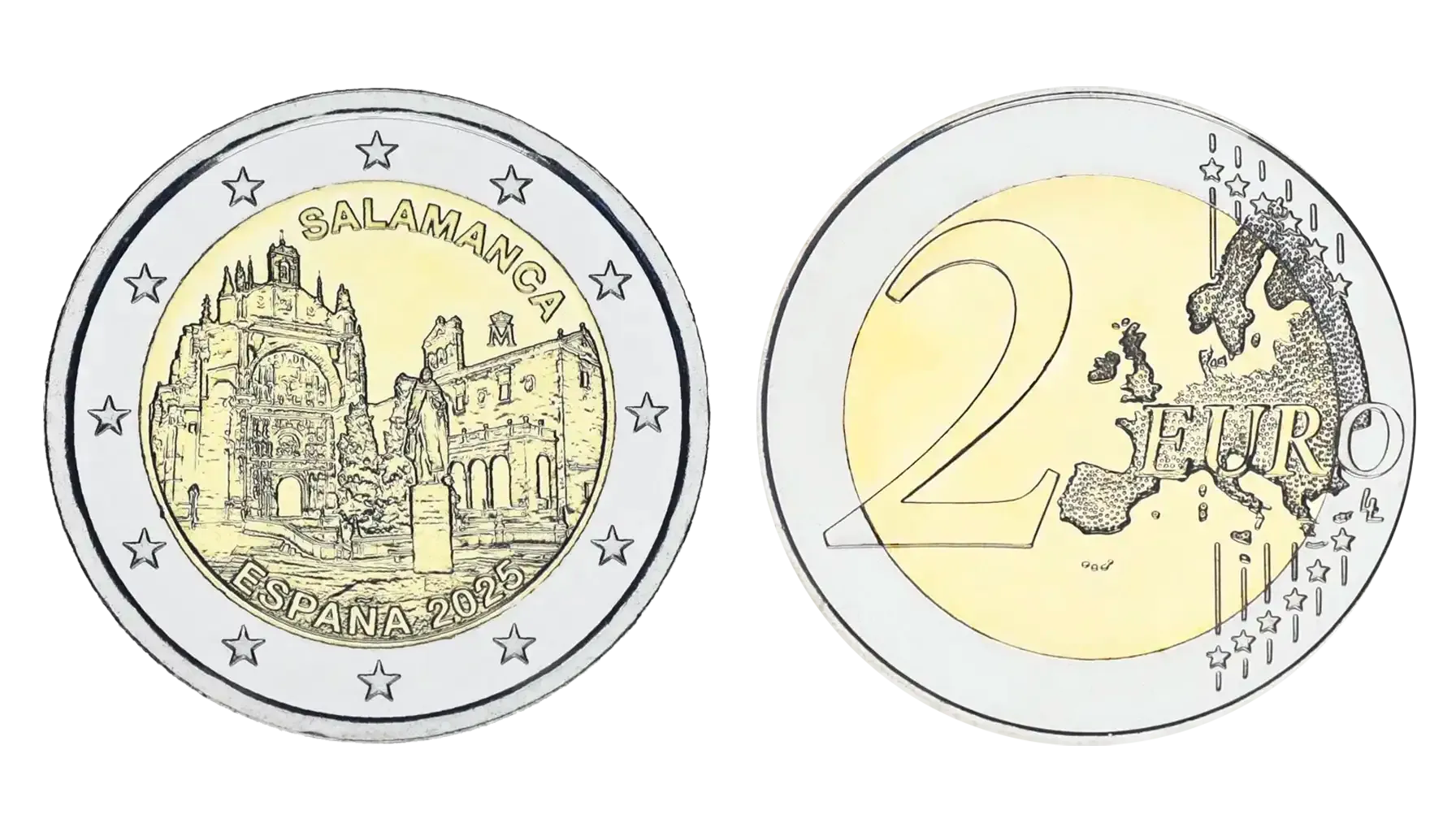
Euro coins are unique because they share a standard reverse side, showing the map of Europe. The obverse side, however, is designed individually by each issuing country.
Each Eurozone country issues its own set of coins with unique designs that reflect national identity. The way each country goes about reflecting its identity is different. Some, like Greece, like to show historical figures. Germany often shows its architecture and wildlife.
Country | Design Themes (Most Common) |
Germany | Brandenburg Gate, oak twig, federal eagle |
France | Marianne (symbol of liberty), stylized trees, national mottos |
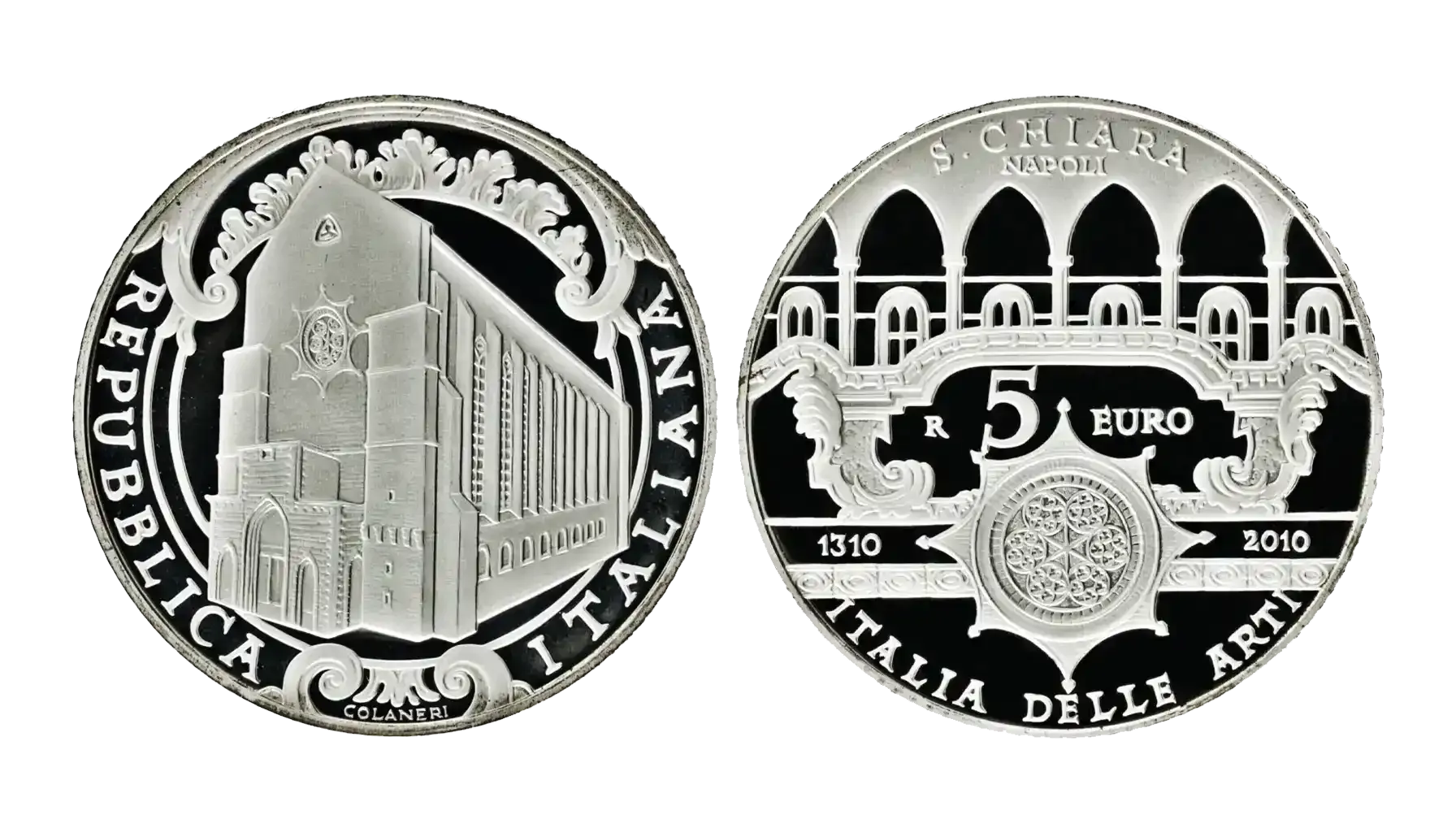
Italy | Vitruvian Man, Colosseum, various famous artworks, and architecture |
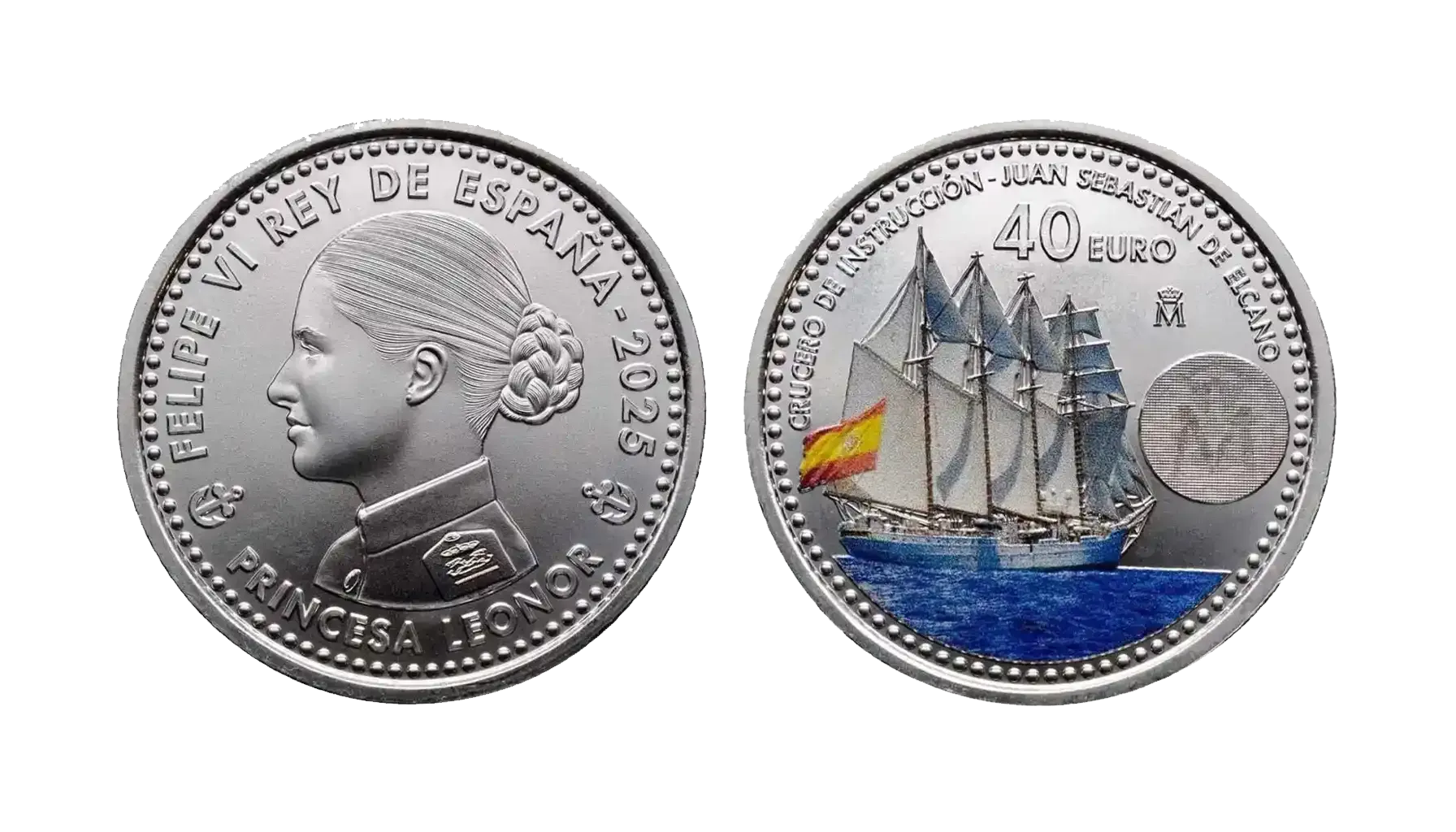
Spain | King Felipe VI (formerly King Juan Carlos I), Miguel de Cervantes, Santiago de Compostela Cathedral |
Greece | Ancient Greek mythology, the owl of Athena, and historic ships |
In addition, microstates such as Monaco, San Marino, Vatican City, and Andorra issue euro coins under monetary agreements with the EU. Vatican euro coins are just as legit as those from the bigger cities, and their low mintages make these coins especially popular among collectors.

Despite all the unique designs and differences, all euro coins are valid in every euro-using nation. Thai creates a unified yet culturally diverse currency.
“The euro is now the second currency in the world. The coins and banknotes in our pockets are worth far more than the numbers written on them. They are the tangible symbol of a united Europe that promises peace, protection, and prosperity.”
— Jean-Claude Juncker
European Commission Website
Rare and Valuable Euro Coins
In most cases, euro coins' value is low. Nothing surprising for highly available modern bits. Therefore, most are worth their face value.
However, some issues have become highly collectible due to low mintage or errors. Some issues were special commemorative and were purposefully limited, too.
Low-mintage circulating bits:
Certain bits from microstates (e.g., Monaco’s early €2 coins) were minted in small quantities. Such cases can fetch hundreds or even thousands of euros.
Limited-mintage issues from countries like Finland or Luxembourg can also attract collectors.
Minting errors. Collector demand rises for bits with:
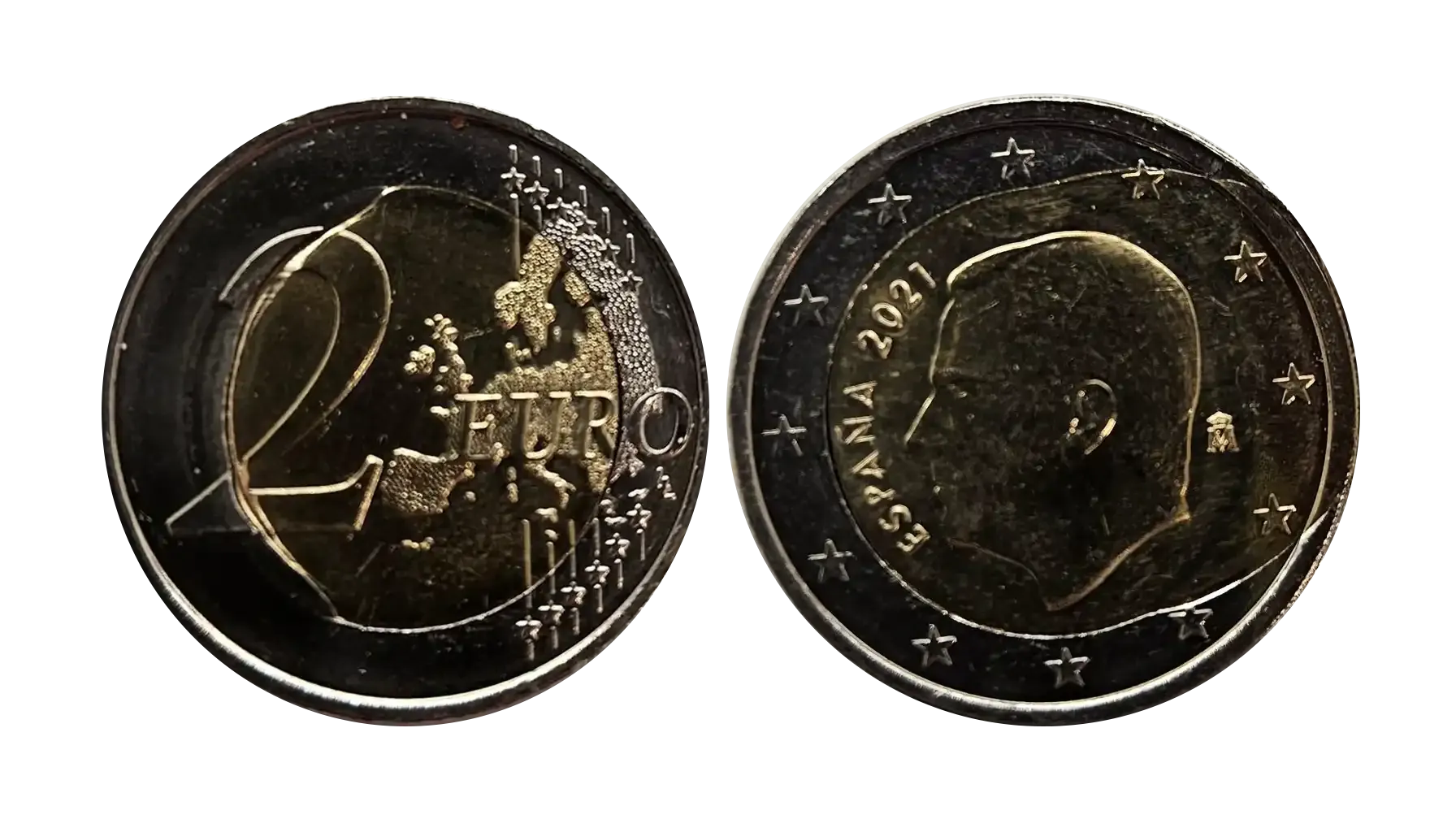
Off-center strikes: Occur when the coin blank is not aligned correctly within the minting press. As a result, part of the design is missing, shifted. The degree of the misalignment determines its value.
Wrong planchet errors: Happen when a bit is mistakenly struck on a planchet meant for another denomination. For example, a €1 design accidentally struck on a 50-cent planchet. These errors are exceedingly rare and valuable.
Rotated dies: Happens when the reverse and reverse dies are not aligned properly. When you try to flip the piece, you'll notice how its two sides do not line up correctly.
€2 Commemorative Coins. The €2 denomination is the only one regularly used for commemorative coins. Some issues were relatively common, but some were sparse:
Monaco 2007 Grace Kelly €2: Commemorated the princess Grace.Very rare due to an extremely low mintage of 20001 bits.
Finland 2004 Enlargement €2: This piece commemorates the EU’s formation and development. Only about 995,000 pieces were made.
The rare euro coins are always worth more than face value. Even the humble issues in the list are worth at least €10.
Euro Coins for Collectors
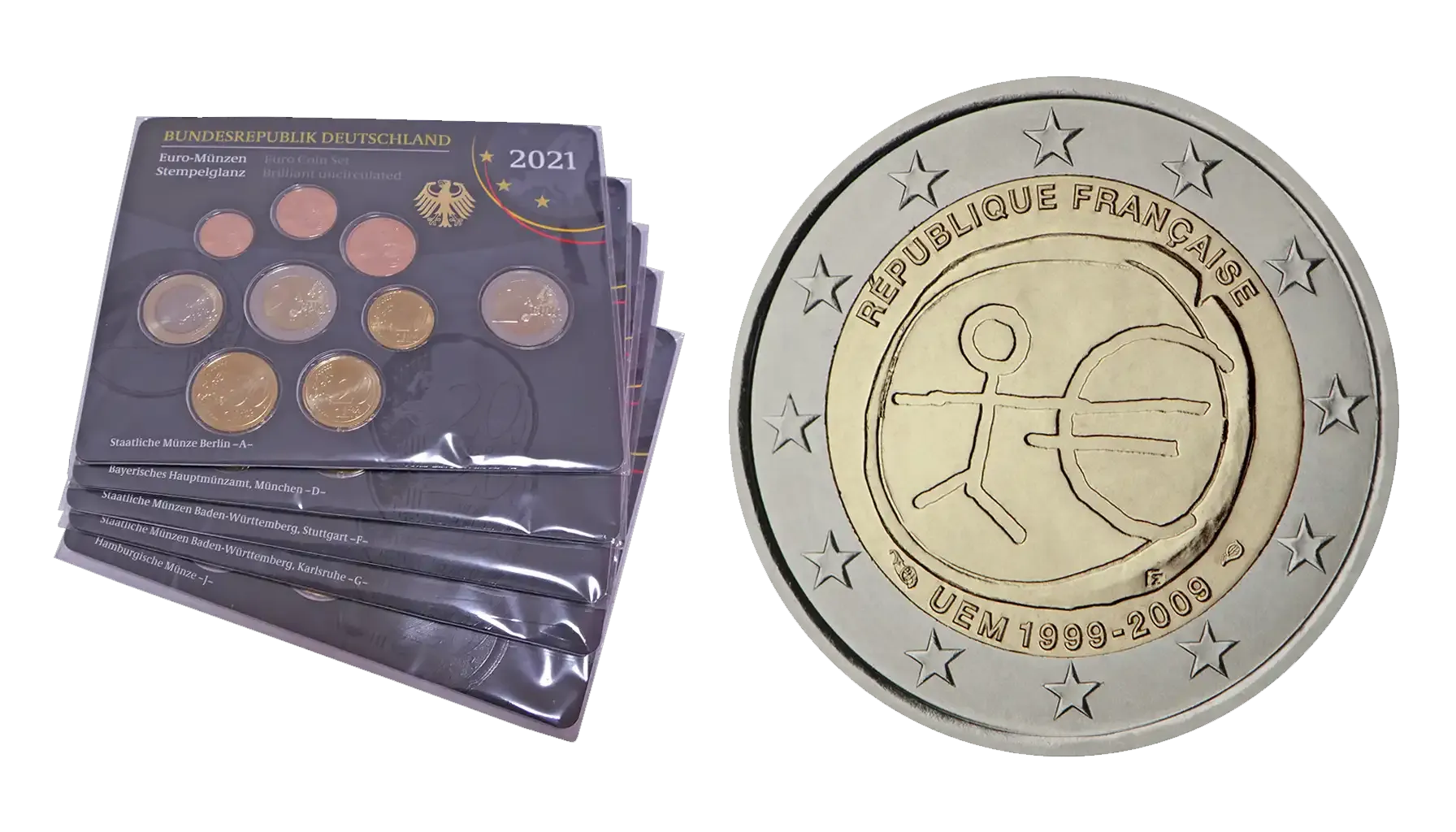
It’s no wonder collectors would be interested in the coin euro currency, with so many designs and exclusives. Most collectors focus on:
Complete country sets. Some collectors are set on gathering full sets from each Eurozone nation. It’s a challenge, but a rewarding one. You don’t have to travel across the whole world. Many countries' exclusive designs could be bought from their Mints and delivered to your house.
Commemorative €2 issues. Commemorative pieces are issued every year and celebrate European events, anniversaries, or national moments. Collectors have always had a soft spot for commemorative issues. Commemorative sets are especially popular.
Proof and BU (Brilliant Uncirculated) sets. These sets are higher-quality than most other bits. They are made specifically for collectors, directly from national mints. Often, they come with packaging and certificates. As they are targeting collectors, it’s no wonder they are popular.
Collectors also pay a lot of attention to the way they store their valuables. Even the rarest piece can become a dud if eroded and ruined.
Here is how the collectors keep their coins:
They use capsules or holders. Hard plastic capsules provide the best protection from scratches and environmental damage (e.g., moisture or sunlight). Some commemorative issues even have exclusively designed capsules and holders.
When the collections turn big, collectors switch to album holders. They can store multiple bits in one package. PVC-free album sheets with slots are the most popular and safe choice nowadays.
Finally, collectors never touch coins with their bare hands. Our skin is naturally oily, and oils easily discolour the items that the bits are made from. If you need to handle bits, use cotton gloves.
Conclusion
Coin euro coins appeared recently, but judging by the collectors' reaction, many people want this currency to stay with us for a long time. Do you live in the Eurozone? Perhaps you should check your Mint's website. Perhaps a new special issue is coming for your country.
Coin ID Scanner is an app for any collector. The app can identify and evaluate coins in your collection. Moreover, the app comes with an AI assistant and many guides to help any beginning collectors grow.

 Facebook
  X (Twitter)
  Pinterest
  LinkedIn