Contents:
Hundreds of years ago, the world was different, and so were its coins. Today, we will give Medieval coinage a short overview and see what pieces remain valuable even after many centuries.
For this task, you might also need a way to check the value of old coins. Apps can do the job, and they identify coins very well.
What Are Medieval Coins
The currency that was used in Europe throughout the period from the 5th to the 15th century is considered “Medieval”. Of course, the criteria change from specialist to special. Some limit the time range up to the 13th century, and some even include Asian bits, e.g., Medieval Indian coins.
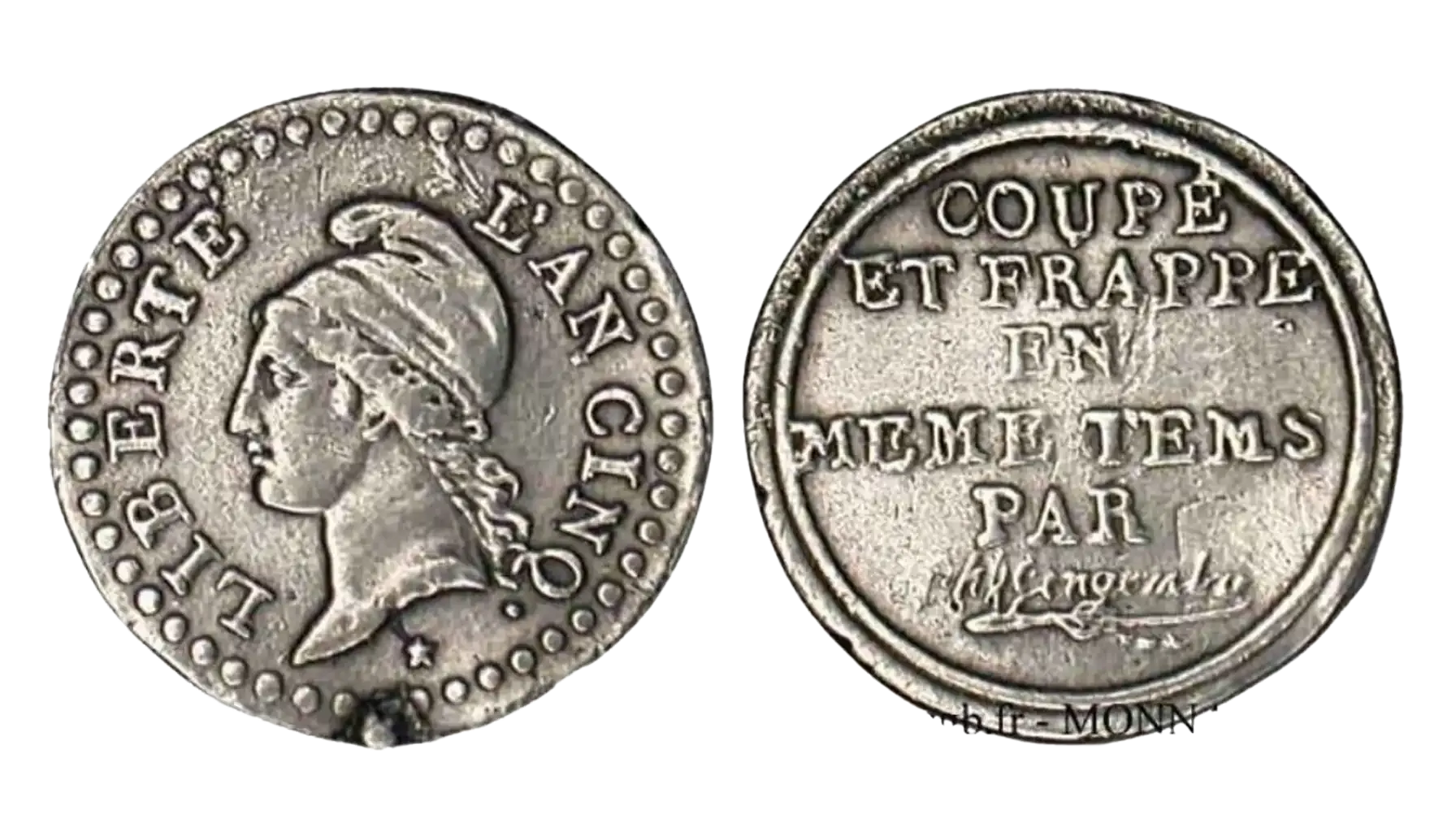
Most Medieval bits were struck by hand, rough, and heavy, as they were made from precious metals. During these times, coins communicated the power of religion and the king via a portrait. Literacy was a rare thing back then, so imagery was most important.
“Medieval coins show us that communication through both text and image was not restricted to books in the Middle Ages.”
— Paloma Pucci
Europeana Official Website
Perhaps, to help us understand the nature of Medieval coins and why people want them. We can compare these old bits with modern coins:
Feature | Average Medieval Coin | Average Modern Coin |
Production Method | Hand-hammered | Machine-struck with precision presses |
Shape & Uniformity | Often irregular | Highly uniform in size and weight |
Metal Content | Primarily gold and silver. High melt value | Mostly base metals |
Imagery & Design | Rulers, religious symbols, coats of arms, and Latin inscriptions | National symbols, portraits, standardized text |
Survival Rate | Most were lost and melted. Silver bits are tarnished | Extremely high (mass production) |
Medieval Gold and Silver Coins
Gold and silver coins formed the backbone of Medieval monetary systems.
Gold bits were most respected. They gained renewed importance from the 12th century onward. As European countries were expanding trade and access to Africa and the East, they found new gold sources to make money with. Florentine florin, Venetian ducat, and French écu were famous examples of medieval gold coins.
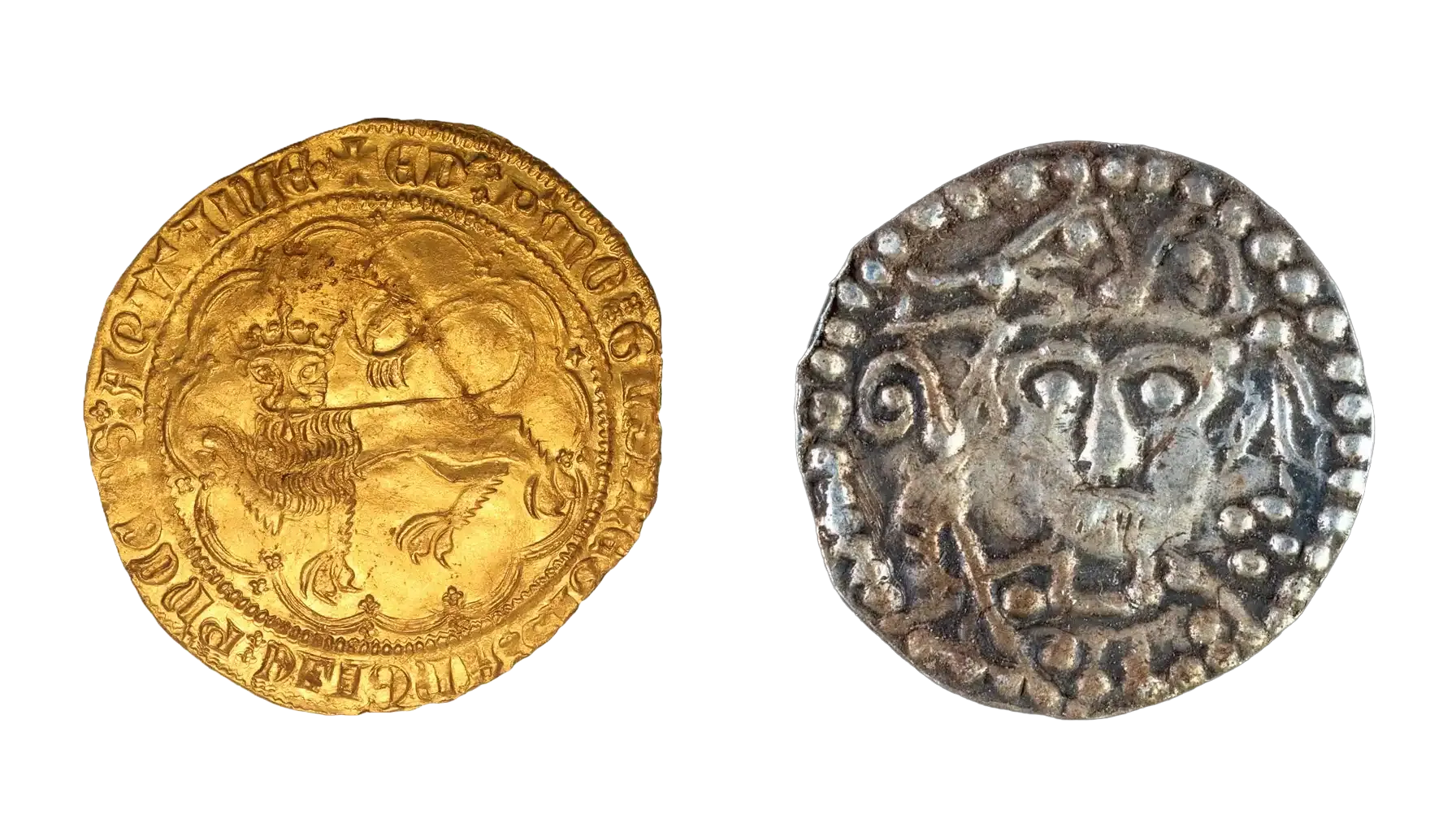
Silver was far more common than gold. The silver penny (denier, denaro, or pfennig) became the standard unit across much of Europe. They were used for all kinds of transactions, from daily shopping to bigger transactions.
Interestingly, silver and gold were common among Medieval European coins, but their Asian “siblings” went for bronze, copper, and iron.
How Much Are Medieval Coins Worth Today
Rarity, condition, metal content, historical significance, and demand. Those are the factors that make up the value of Medieval bits. So, how much is a Medieval coin worth today?
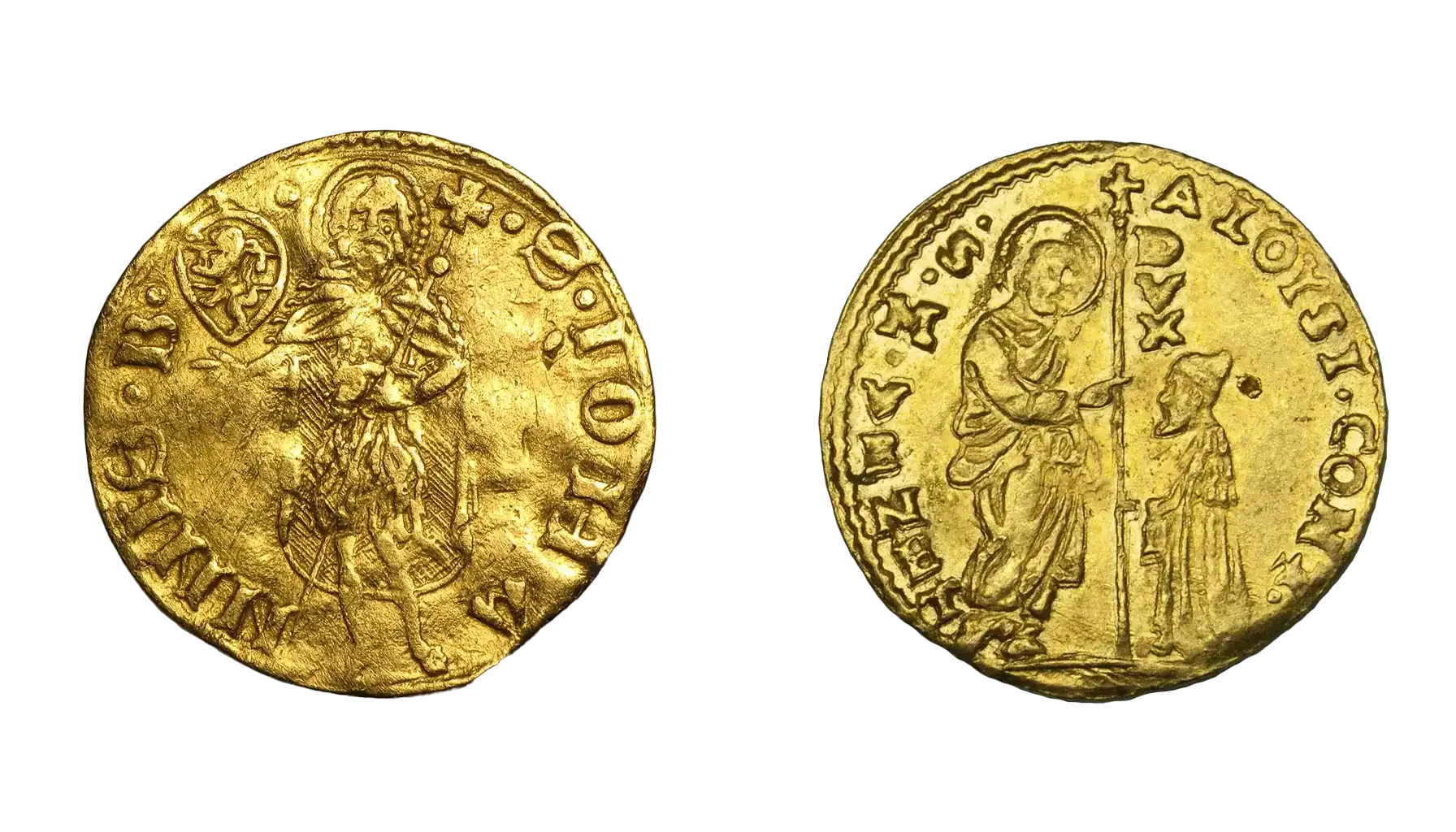
Medieval silver coins or low-grade examples may be worth relatively modest sums. Most examples are worth $150+.
Gold bits and rare silver issues are designed to attract higher-end bidders. Most issues are worth at least $1500.
Bits in well-preserved condition with clear inscriptions and minimal wear are especially desirable. This goes for both silver and gold bits.
Provenance always plays an important role for old coins. If people in power, like kings, dukes, generals, used to own them, they could be worth more.
What legendary Medieval bits are worth the most money? With so many countries and centuries, that chart could go for miles, but here are some of the most notable examples:
Name | Region | Date (Approx.) | Metal | Estimated Values |
Florentine Florin | Florence, Italy | From 1252 | Gold | $2,000+ |
Venetian Ducat | Venice, Italy | From 1284 | Gold | $1,500+ |
Edward III Double Leopard | England | 1344 | Gold | $6,000+ |
Byzantine Solidus | Byzantine Empire | 6th–11th century | Gold | $1,500+ |
Umayyad Gold Dinar | Islamic Caliphate | 7th–8th century | Gold | $4,000+ |
Saxon Penny (Pfennig) of Otto I | Holy Roman Empire | 10th century | Silver | $1,000+ |
Crusader Gold Bezant | Crusader States | 12th–13th century | Gold | $5,000+ |
Buying and Collecting Medieval Coins
It takes some numismatic expertise and historical study to start collecting Medieval coins.
Common silver bits are a good start for beginners. They are more affordable and widely available.
After you've gathered a few silver bits, you can move on to expensive gold issues.
Often, gold issues are counterfeited. You will need to research your target coin, understand its history and details.
Where can you find medieval coins for sale? Reputable dealers and established auction houses are the most trustworthy traders you can find. They also often offer certificates of authenticity that prove that the piece is not a fake.
Authentication services from third parties help reduce risks. For example, you acquire a sustainable coin in your collection. You then could use PGC’s professional grading service and test the piece (NGC offers similar services).
Many collectors focus on specific themes, such as a particular ruler, region, or currency. They do the right thing, as if you focus on something, you will have a more understandable scope for your collection. Then, if you ever want to sell it, the theming will help raise value.
Old bits are easily eroded with time. Therefore, you should be careful about their storage. Coins should rather stay away from the sun and moisture, in containers and cases.
Conclusion
Many Medieval bits are so valuable today because they are old. Who knows? Perhaps in a thousand years, our modern coins will also be considered rare and precious.
Coin ID Scanner can recognize coins from many eras, including modern and Medieval bits. The app can even help you collect and trade these bits via guides and an AI assistant.

 Facebook
  X (Twitter)
  Pinterest
  LinkedIn