Contents:
- Understanding the 1920 Buffalo Nickel Series
- The Three Factors That Determine Your Nickel's Value
- 1920 Buffalo Nickel Value Chart by Grade and Mint
- How to Accurately Grade Your 1920 Nickel
- Common Problems That Reduce Value
- Beyond Basic Grading: Recognizing Premium Quality
- Modern Tools for Buffalo Nickel Collectors
- FAQ
You hold a 1920 Buffalo Nickel, and you wonder — is it a common coin worth a few dollars or a hidden treasure? The price range from $1 to over $4,000 depends on three major factors, which this guide will dissect in detail. If you want to check your item immediately – download the best coin value checker app.
Understanding the 1920 Buffalo Nickel Series
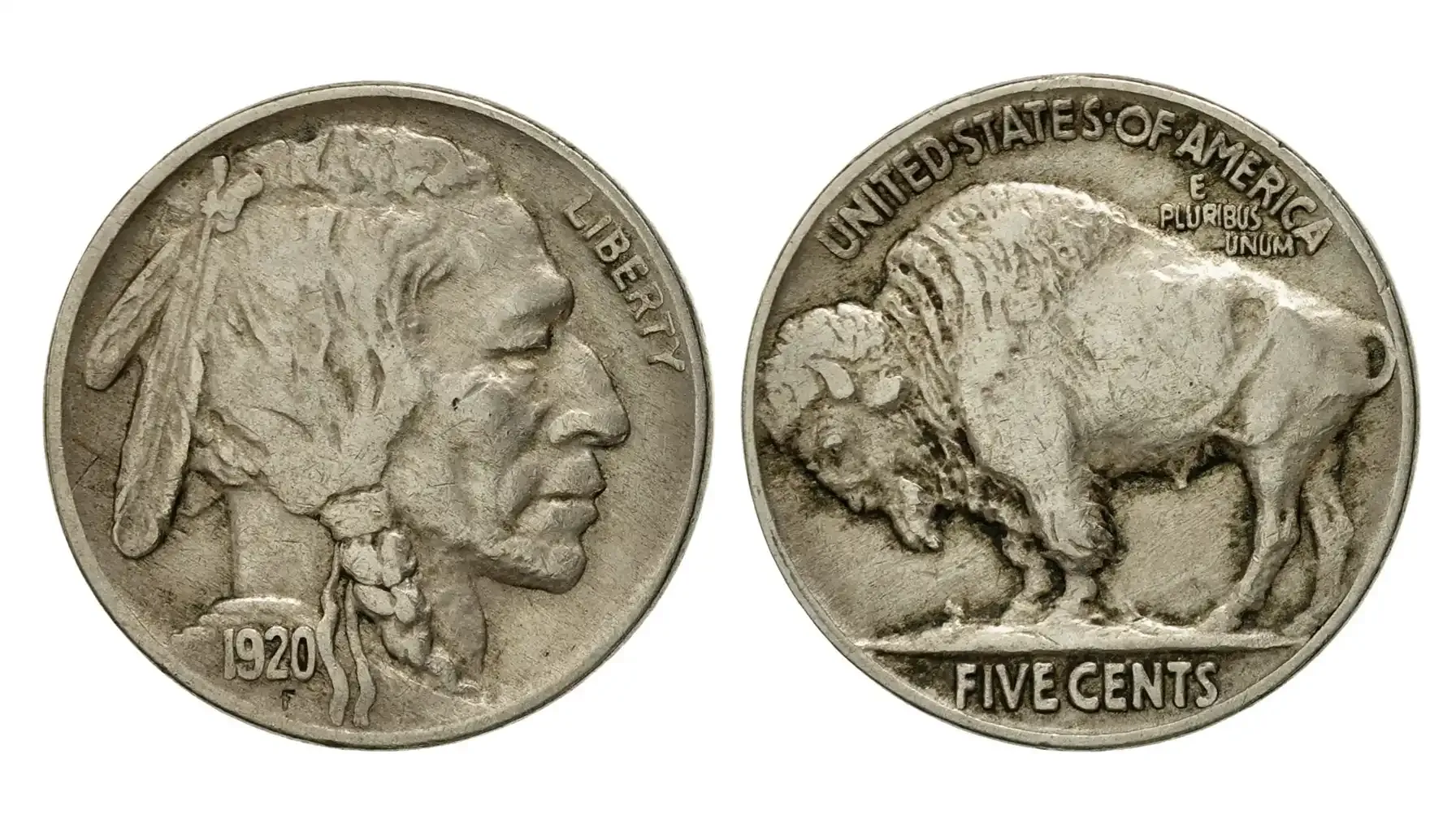
Weight | 5 g |
Composition | Copper-Nickel |
Diameter | 21.2 mm |
Edge | Plain |
Designer | James Earle Fraser |
Production Numbers by Mint: Philadelphia, Denver, San Francisco
The Philadelphia Mint 1920 Nickel value today struck about 63,093,000.
The Denver Mint produced roughly 9,418,000 that year.
The San Francisco Mint output stood near 9,689,000 coins.
The “No Mint Mark” Philadelphia issue dominates surviving numbers, while 1920-D and 1920-S remain scarcer in many grades.
Why 1920 is Considered a "Semi-Key" Date
How much was a Nickel worth in 1920? Collectors refer to 1920 as a “semi-key” because it challenges collectors in higher grades. The S issue ranks among the scarcest in gem condition in the series. The Denver mint coin often commands a premium in high states – limited preservation count.
The Three Factors That Determine Your Nickel's Value
Philadelphia produced the largest number, so its coins appear most often and hold lower average value. The Denver issue remains scarcer in higher grades, and the San Francisco coin shows the lowest survival rate in mint condition. These differences make mint marks one of the most decisive factors in market pricing.
“The Buffalo Nickel captures the rugged beauty of early America better than any other U.S. coin.”
— Q. David Bowers, American numismatic historian and author
A Guide Book of Buffalo and Jefferson Nickels
Mint Mark Location and Rarity: No Mint Mark vs D vs S
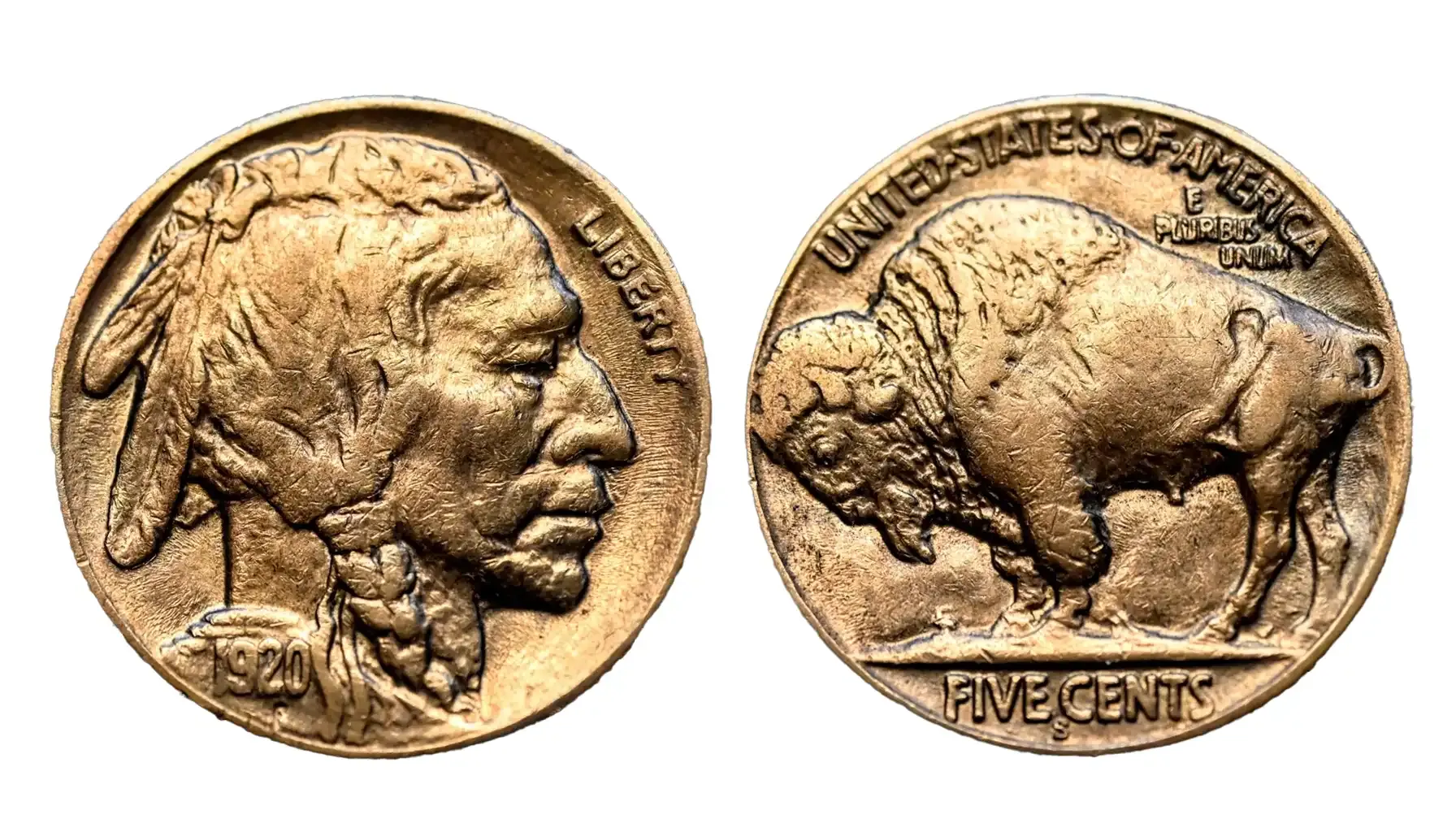
Where is the mint mark on a 1920 Buffalo Nickel? The mint mark on a Buffalo Nickel 1920 value indicates where it was struck. It appears below the words “five cents” on the reverse side. A coin without a mint mark came from Philadelphia, while those marked “D” came from Denver. The coins with “S” came from San Francisco.
Condition is Everything: From Worn to Mint State
A heavily worn 1920 Buffalo Nickel value today in “Good” condition may bring only low dollars. A high grade uncirculated example may fetch thousands. Surface preservation causes steep value escalation between grades.
Surface Quality: Original vs Cleaned vs Damaged
Characteristics that affect the coin value:
Original untouched surfaces
Cleaning scratches reduces grade and market trust
Damage like gouges, rim dings, or bends drags value heavily
Market buyers prefer coins with untouched patina and minimal contact marks
1920 Buffalo Nickel Value Chart by Grade and Mint
Coin | Good | Fine | Extremely Fine | Uncirculated |
1920 Buffalo Nickel No mint Mark value | $1.50 | $3 | $14 | $30 |
1920-D | $8 | $32 | $275 | $325 |
1920-S | $4.50 | $28 | $200 | $300 |
Philadelphia (No Mint Mark): Good to Mint State Values
What is a 1920 Buffalo Nickel worth? The value ranges from $0.60 to $8,000.
Denver (D Mint Mark): Premium for Better Preservation
Value ranges from $4.10 to $129,500.
San Francisco (S Mint Mark): Scarcer in High Grades
Value ranges from $2.20 to $72,000.
Special Note: The 1920-D D Over D Variety
The 1920 D Buffalo Nickel value “D over D” repunched mint mark variety (error) shows up at premium rates. Greysheet lists that variant MS range at $1,250 to $2,250 in typical condition.
How to Accurately Grade Your 1920 Nickel
The process of 1920 Nickel worth involves close inspection of detail, texture, and wear across both sides of the coin. Each observation helps determine whether a coin belongs to a circulated or uncirculated category and how it compares within the official grading scale.
Step 1: Check the Date and Mint Mark Legibility
A clear and readable date suggests less circulation wear. On worn pieces, the final digits may fade or blend into the rim. Use magnification and angled light to confirm visibility.
The mint mark must appear sharp and intact. Faint marks often result from heavy wear or die weakness. A fully visible “D” or 1920 S Buffalo Nickel value adds significant value because branch mint issues remain scarcer.
Step 2: Examine the Buffalo's Horn Detail
Inspect the 1920 Buffalo head Nickel value on the reverse side. The horn provides a reliable indicator of condition. In lower grades, it disappears almost completely. In middle grades, part of the horn remains visible but lacks texture.
In high grades, the horn stands out sharply, showing distinct curvature and raised edges. A full horn indicates minimal wear and supports a higher grade classification.
Step 3: Assess the Indian's Feather Details
Move to the obverse and look at the Native American portrait. The feathers in the headdress and the braid behind the neck show how much wear the coin endured. In a heavily circulated piece, the feathers merge into the hairline and lose definition.
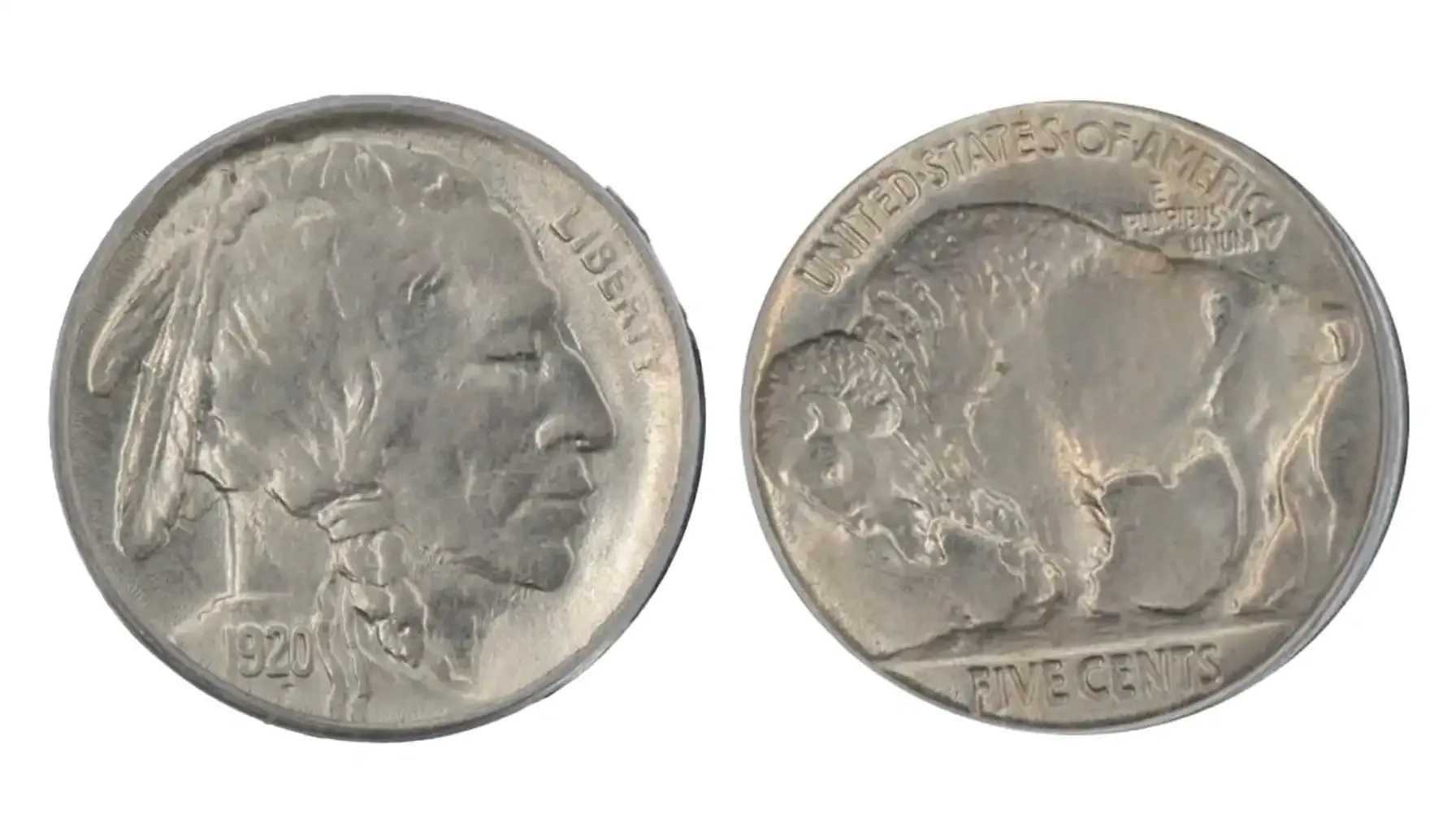
In an extremely fine or mint state coin, each feather appears separate with crisp lines. Pay attention to the cheekbone and jaw areas as well; flat surfaces there indicate wear from long use.
Common Problems That Reduce Value
How much is a 1920 Buffalo Nickel worth? The value of coins errors cannot be fixed, for it relies on several factors simultaneously, such as the coin’s conditions, supply and demand, its rarity, authentication, and more.
Wear on high points, especially Indian’s cheek or buffalo’s hip, causes grade drop
Corrosion
Rim nicks, contact marks, or cleaning damage
Unnatural brightness often lost microscopic layers through cleaning
Weak strike or planchet flaws
Green or dark stains indicate exposure to moisture or chemicals
- Mechanical damage such as gouges or filing marks
Beyond Basic Grading: Recognizing Premium Quality
A value of 1920 Buffalo Nickel can hold hidden when its strike, surface originality, and visual appeal exceed normal standards for its assigned grade. Recognizing these qualities requires trained observation and comparison with certified reference coins.
Original Surfaces vs Artificial Shine
An original surface displays soft, even luster that flows smoothly under light. The texture appears fine and consistent without abrupt color breaks. Artificial shine looks harsh and reflective. It often shows thin hairlines that cross the fields and devices.
Such marks appear when a coin has been rubbed or polished. Under magnification, natural luster shows a microscopic “cartwheel effect", while cleaned surfaces remain flat. Coins that retain full mint bloom always attract stronger market demand.
When Professional Grading Makes Sense
Third-party certification from PCGS, NGC, or ANACS protects both authenticity and market recognition. A professional grade supports accurate pricing, insurance, and resale confidence.
A coin that might appear ordinary to an untrained eye can receive a high grade once experts verify surface originality and strong strike. For rare mint marks such as the 1920-S or 1920-D, professional grading often transforms a raw coin into an investment piece.
Modern Tools for Buffalo Nickel Collectors
Digital platforms, imaging tools, and data-driven applications now allow collectors to authenticate, evaluate, and monitor their coins value with precision that was impossible a few decades ago. These innovations help users save time, reduce errors, and protect their investments.
Coin Tracking Apps: From Inventory to Market Values
Popular applications such as PCGS CoinFacts, NGC Registry and Coin ID Scanner app provide access to verified price histories and certified images. Users can compare their gem to graded examples and follow price fluctuations in real time. These tools generate reports that summarize total collection value and highlight coins with the highest growth potential.
The Coin ID Scanner app gets access to a huge growing database, over 150,000 coins. Manage your collection and find out more numismatic news and tips.
Digital Magnification for Variety Identification
High-resolution microscopes and macro lenses help detect varieties, surface flaws, or mint errors. Collectors can spot overdates, repunched mint marks, or signs of cleaning with accuracy. A 1920-D over D Buffalo Nickel, for example, becomes easier to identify when observed under consistent lighting and magnification.
Now you can confidently evaluate the 1920 Buffalo Nickel because you understand the subtle differences between an ordinary copy and a valuable collector’s item.
Install the Coin ID Scanner app to keep your knowledge up-to-date and manage your collection conveniently. It will become your digital assistant in the world of numismatics.
FAQ
Which 1920 mint mark is most valuable?
In high Mint State grades, the 1920-D and 1920-S often carry premiums over the 1920 P Buffalo Nickel value issue.
How much is a worn 1920 Buffalo Nickel worth?
Look on the reverse side of the coin, underneath the buffalo. If there is a small 1920-D Buffalo Nickel or "S", your coin is from the Denver or San Francisco Mint and is more valuable. The value ranges from $0.60 to $72,000.
What makes the 1920-D D over D variety special?
That 1920 Buffalo Nickel error value shows a repunched “D” mint mark. It appears rare and commands extra value because collectors prize such deviation.
Should I clean my 1920 Buffalo Nickel?
No. Cleaning often leaves micro-scratches or altered surfaces. That damage lowers grade and trust.
Where's the best place to sell my 1920 Nickel?
Reputable coin auctions, certified dealers, and specialized numismatic marketplaces provide good channels.

 Facebook
  X (Twitter)
  Pinterest
  LinkedIn