Contents:
Have you ever dreamed to own the rarest item in the world? Most collectors have—right up until the first counterfeit teaches a hard lesson. Rarity is not a vibe. It is diagnostics, numbers, and paper trails. Let us go through how to identify valuable coins the way professionals do—starting with what can be measured and verified.
What Is the 1849 Double Eagle Gold Coin
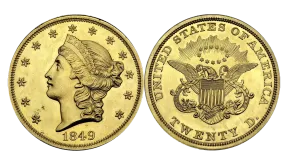
The 1849 Double Eagle is the first $20 gold coin made by the United States Mint—a pattern/proof-era issue struck right after Congress authorized the new denomination during the California Gold Rush gold influx.
What makes it special:
It is unique. Only one confirmed specimen is publicly known today, and it is held in the Smithsonian’s National Numismatic Collection.
It represents the “birth” of the Double Eagle series. Before 1849, the largest U.S. gold coin was $10; the $20 piece was created to move large values more efficiently in trade and banking.
Can You Buy One?
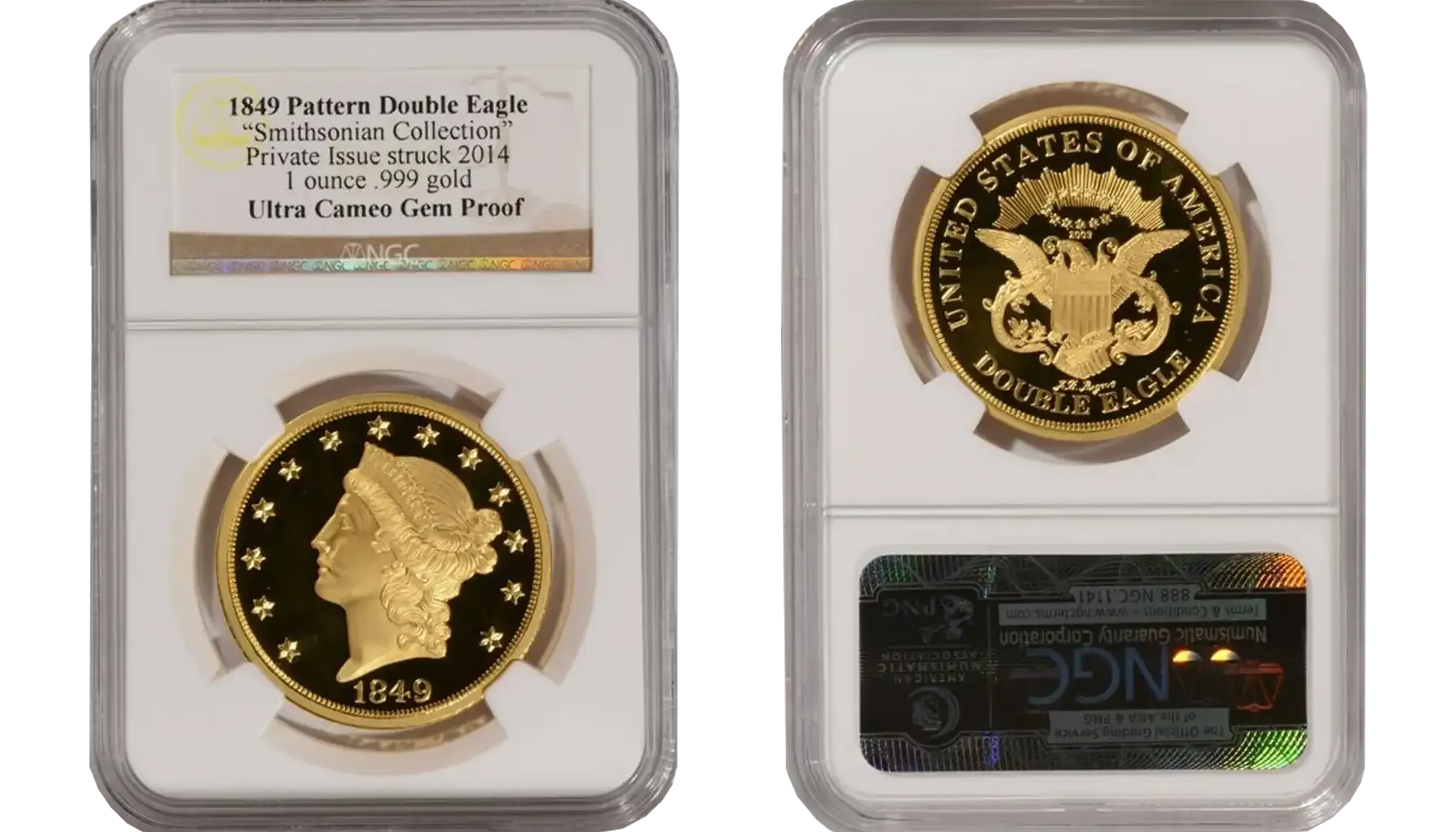
No. The Smithsonian specimen is not for sale, which is why its 1849 Double Eagle gold coin price is mostly discussed as a hypothetical trophy-coin figure rather than a market price.
Any “1849 Double Eagle” offered for sale should be treated as a replica or fantasy piece unless proven otherwise by top-tier authentication—because the genuine coin is accounted for in the Smithsonian collection.
How Many 1849 Double Eagle Gold Coin Were Made?
The exact mintage was never recorded as a normal “issue,” so there is no single official number.
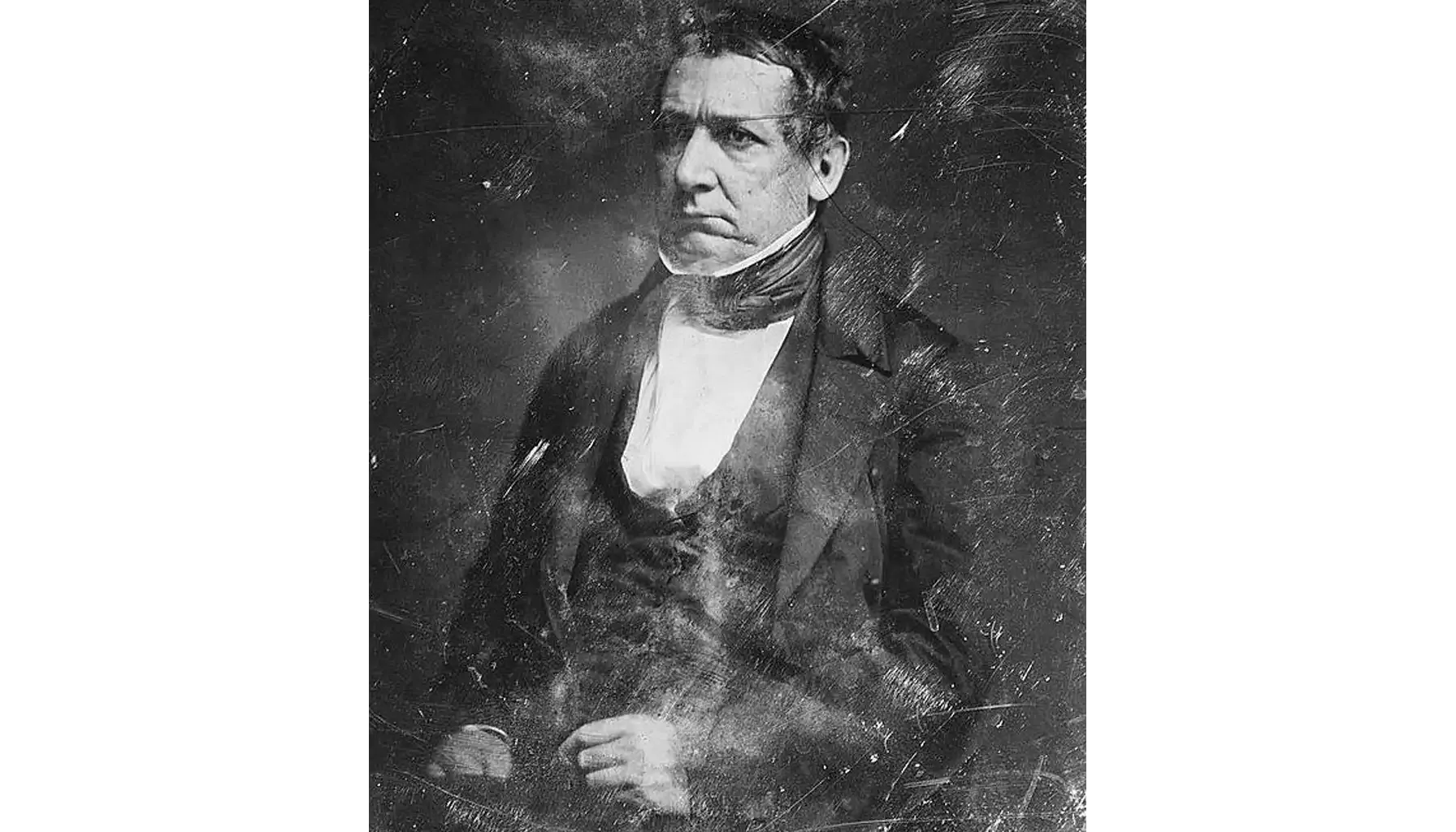
PCGS summarizes the traditional account that “at least two proofs” were coined on December 22, 1849—one in the Smithsonian, one sent to Treasury Secretary William M. Meredith (its later whereabouts are unconfirmed).
Why the 1849 Double Eagle Is So Rare
The 1849 Double Eagle was struck as an early pattern/experimental coin right after the $20 denomination became law on March 3, 1849. Patterns are made in tiny numbers, mainly to evaluate dies and design before mass production.
The Mint didn’t go into full production in 1849. Contemporary accounts describe problems with the early dies and relief, which slowed approval and pushed real production into 1850—the first year the Double Eagle became a regular-issue coin.
Moreover, the survivors are essentially “accounted for”. Only one confirmed gold example is traceable today: the coin in the Smithsonian’s National Numismatic Collection.
1849 Double Eagle Gold Coin Value Today
The only confirmed specimen is the Smithsonian coin, so it has no “today” market price. It cannot be bought.
What people mean by “value today” is a credible estimate of what it might bring if it were legally available.
Auction-style estimate often cited: up to ~$20 million (and potentially higher in a headline sale).
Why estimates get that high: it is the first Double Eagle, essentially unique, and treated as a “trophy coin” on the level of the most famous U.S. rarities. NGC’s market commentary puts it in that top tier and notes historical interest in a second (untraced) example.
Do not get tricked by 1849 Double Eagle gold coin for sale listings!
If you see one trading for a few thousand (or less), it is a tribute/replica/fantasy item—not the Smithsonian pattern. PCGS auction listings even show sales for modern “private issue/tribute” pieces that use the 1849 Double Eagle name.
How Much Is a 1849 Double Eagle Gold Coin Worth?
1) Metal Melt Value
Specs used by standard references:
Weight: 33.436 g
Fineness: 90% gold (0.900)
Actual gold weight (AGW): 0.9675 troy oz
So melt value is: Melt = 0.9675 × (spot gold price per troy oz)
Example snapshots (just to show scale):
If gold = $2,000/oz → melt ≈ $1,935
If gold = $2,500/oz → melt ≈ $2,419
If gold = $3,000/oz → melt ≈ $2,903
2) Historical Premium
Only one confirmed 1849 Double Eagle is traceable today, in the Smithsonian’s National Numismatic Collection. If it were ever legally sellable, the price would be set by trophy-coin comps, not metal.
The cleanest modern comp for “a legally ownable, globally famous U.S. gold trophy coin” is the 1933 Double Eagle, which sold for $18.9 million in June 2021.
Collectors expect the 1849 to be a record contender because it is the first-year origin coin for the denomination and effectively off-market (so demand cannot be satisfied with another example).
“... a tray of approximately 30 of the greatest rarities, including both 1933 Double Eagles, all three classes of the 1804 Silver Dollars, the 1974 Aluminum Cent, the Brasher Doubloon and Half Doubloon, both thick planchet $10 diameter Ultra High Relief $20 patterns, the 1913 Liberty Head Nickel, the 1794 Silver Dollar in Copper, and, of course, the 1849 Double Eagle, plus others. The total value of the grouping was estimated to be in the range of $100 million, making it one of the most valuable collections ever assembled”
— Ron Guth, numismatic specialist
PCGS
Identification Fake or Real 1849 Double Eagle Gold Coin
Start with the reality check: the only confirmed genuine 1849 Double Eagle is the Smithsonian specimen, so any “for sale” example is almost certainly a replica, fantasy piece, or altered item unless proven otherwise by top-tier authentication.
Fast Triage in 60 Seconds
Ask for third-party grading. Only PCGS/NGC authentication with matching cert lookup is meaningful here.
Check the story. “Found in Grandpa’s box” + no paperwork + too-good price = stop = fake 1849 Double Eagle gold coin.
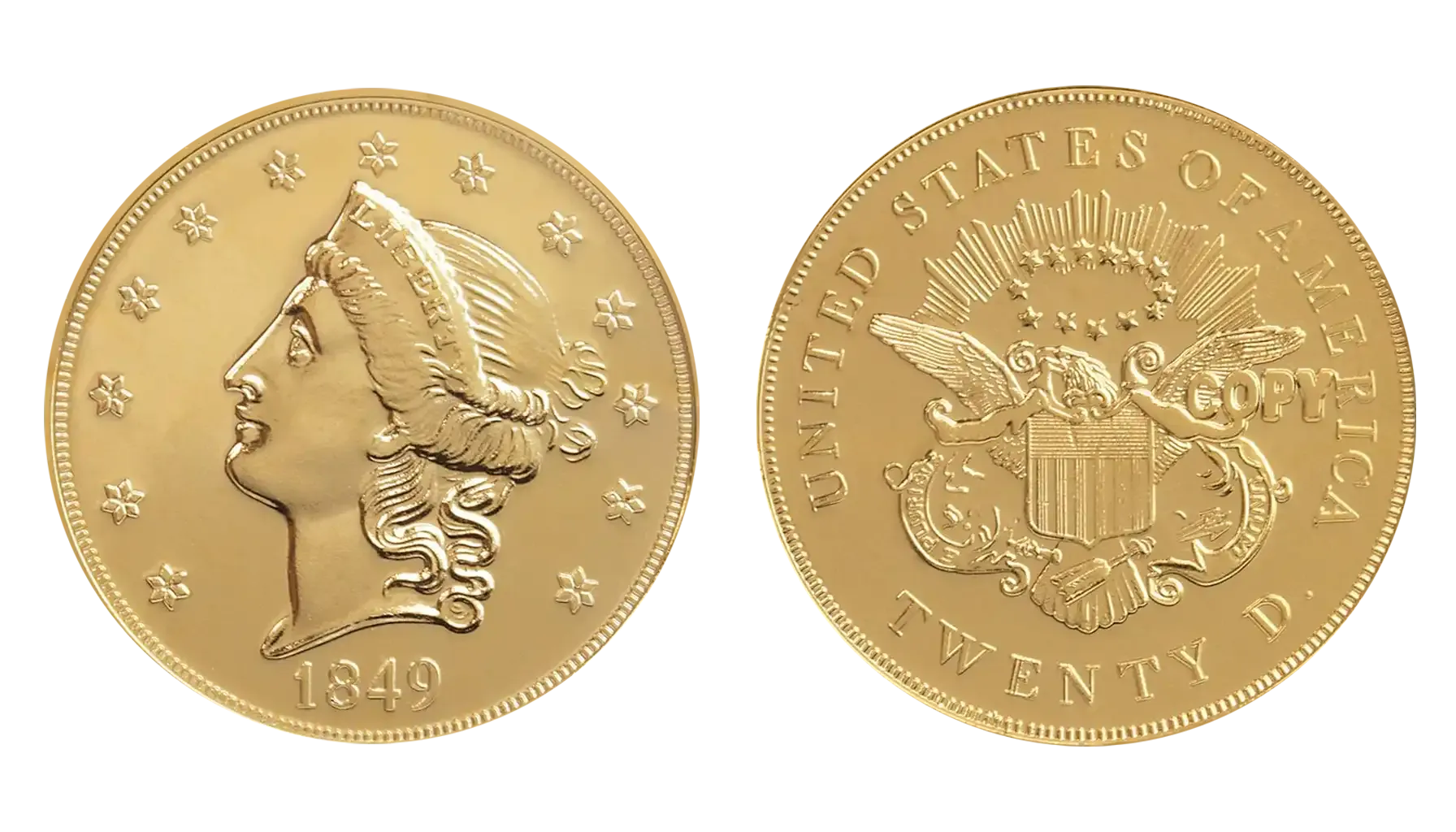
Look at the surfaces. Many replicas show mushy stars, flat curls in Liberty’s hair, and “dead” fields that do not match struck gold.
Physical Specs That Must Match
(If a seller will not provide these, treat that as your answer.)
Weight: 33.436 g (tolerance should be tight on a claimed original)
Diameter: 34.0 mm
Gold fineness: .900 (so it should pass specific gravity for .900 gold)
Edge: reeded, with correct profile and sharpness
Non-Destructive Tests That Separate Fantasy from Real
Specific gravity / density test. Best first filter for gold fakes and gold-plated base metal.
XRF scan. Confirms alloy composition; catches gold-plated cores and wrong blends.
Microscope pass. Look for casting bubbles, seam lines, grainy fields, or tool marks.
Die diagnostics. Compare to high-resolution reference photos; counterfeit dies repeat the same “tells.”
One practical shortcut for non-rare coins in the same lot: Coin ID Scanner can quickly identify U.S. gold types and dates by photo and help you separate ordinary pieces from “too famous to be true” claims.

 Facebook
  X (Twitter)
  Pinterest
  LinkedIn