Contents:
Almost everyone starts collecting something. We collect all kinds of things. Some collect cards, others look for rocks, but one of the biggest collecting groups has always been the coin collectors.
Collectors have their tools, and many use a coin value checker app. An app like that can evaluate coins in mere seconds, which allows collectors to spend time on more enjoyable things than analyzing, like trading or finding new coins.
What Is the Name for a Coin Collector
The most widely used name for a coin collector is numismatist. A bit later, we will shine the light on the differences between a collector and a numismatist, but both terms are similar.
Who else collects bits? After all, the word "collector" is very general and could mean all kinds of people and professions:
Investors: Investors collect coins primarily for their financial value. They often focus on rare, high-grade, or bullion coins. They buy the most precious bits and sell them.
Historians: Historians collect bits to better understand past civilizations, economies, and political systems. Money often reflected the regime in which it was made.
Archaeologists: Archaeologists also collect and study bits to better understand history, but they focus on the ancient periods.
Economists: They already deal with money every day, so many take to collecting bits, combining their work life and private life.
Antique сollectors: This big group focuses on times of the past, and coins happen to be one of the artefacts antique collectors can assemble.
Numismatist Definition
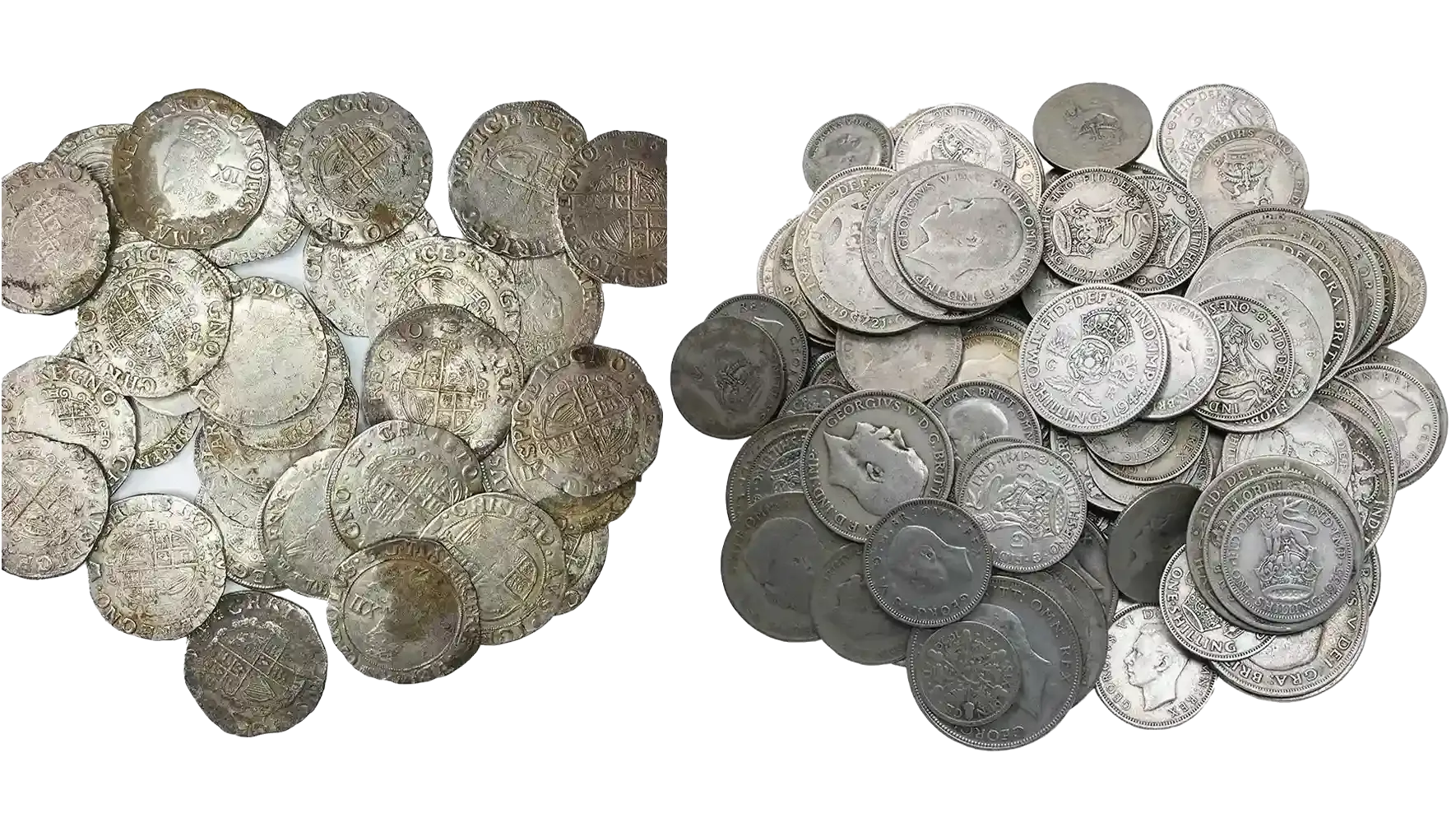
A numismatist is someone who studies or collects coins, paper money, and other forms of currency. Numismatics goes beyond simply collecting. Numismatics is about studying the coinage history, design, and production. This field analyzes the significance of money in general.
Numismatists often analyze bits to understand the world. After all, bits are deeply ingrained in the society of past civilizations and historical events. Some numismatists focus on rare or ancient bits, while others exclusively study modern currency.
“Collecting and studying coins has been a popular pastime, amongst those wealthy enough to have one, for many centuries. Even royalty, such as Queen Christina of Sweden (1626-1689), was known to have numismatic collections.”
— Barber Institute of Fine Arts
Official Website
Definition of Numismatist
Now you know about both these terms, so similar yet with differences. Do you consider yourself a collector or a numismatist? This table will help you find the differences between the two coin collector names:
Aspect | Coin Collector | Numismatist |
Primary Focus | Enjoyment of collecting | Study and analysis of money and currency |
Level of Expertise | Most are beginners and focus only on the design features and rare varieties | Usually has deeper knowledge and research skills. They know the technical and historical sides |
Purpose | Personal interest, hobby, or investment | Historical, academic, or professional study |
Scope of Collection | Usually focuses on specific themes or coin sets | Focus on historical periods or countries, but not on a single collectible set |
Value Consideration | May focus on face value, rarity, or metal content | Evaluates authenticity, provenance, and cultural value |
Typical Activities | Buying, trading, and storage | Studying, authenticating, and publishing new findings |
Training | Not required | Often academically trained |
Another Name for Coin Collector
Now that we've dealt with the two most influential terms, here are some other names you can use for someone who assembles coin sets:
Coin enthusiast: A somewhat fancy name to describe someone passionate about collecting money.
Hobbyist: A general term for someone who has a hobby, and collecting bits happens to be a hobby.
Currency collector: In this case, we talk about someone who prefers to focus on one currency, e.g., Japanese Yen.
Coin dealer: This group collects bits but doesn’t keep them. Instead. They sell them to other enthusiasts.
Conclusion
What invites you into the collecting game? Perhaps you want to feel like you own something valuable. Perhaps you love history engraved in the ancient bits. Or maybe you were seeking a community? Whatever path you choose, make sure you’re having fun. That is what matters.
Coin ID Scanner can scan bits from all over the world and evaluate them. A tool for collectors and traders.

 Facebook
  X (Twitter)
  Pinterest
  LinkedIn