Contents:
Everyone knows that the Vatican is the smallest state in the world. But do you know its history, culture, and, of course, the Old Vatican Coins? If not, then we will tell you everything now, and you don't even need to use a coin scanner.
Coins of the Vatican and Vatican City Coins
Papal State
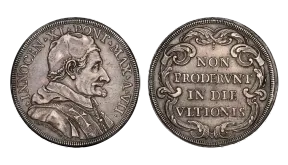
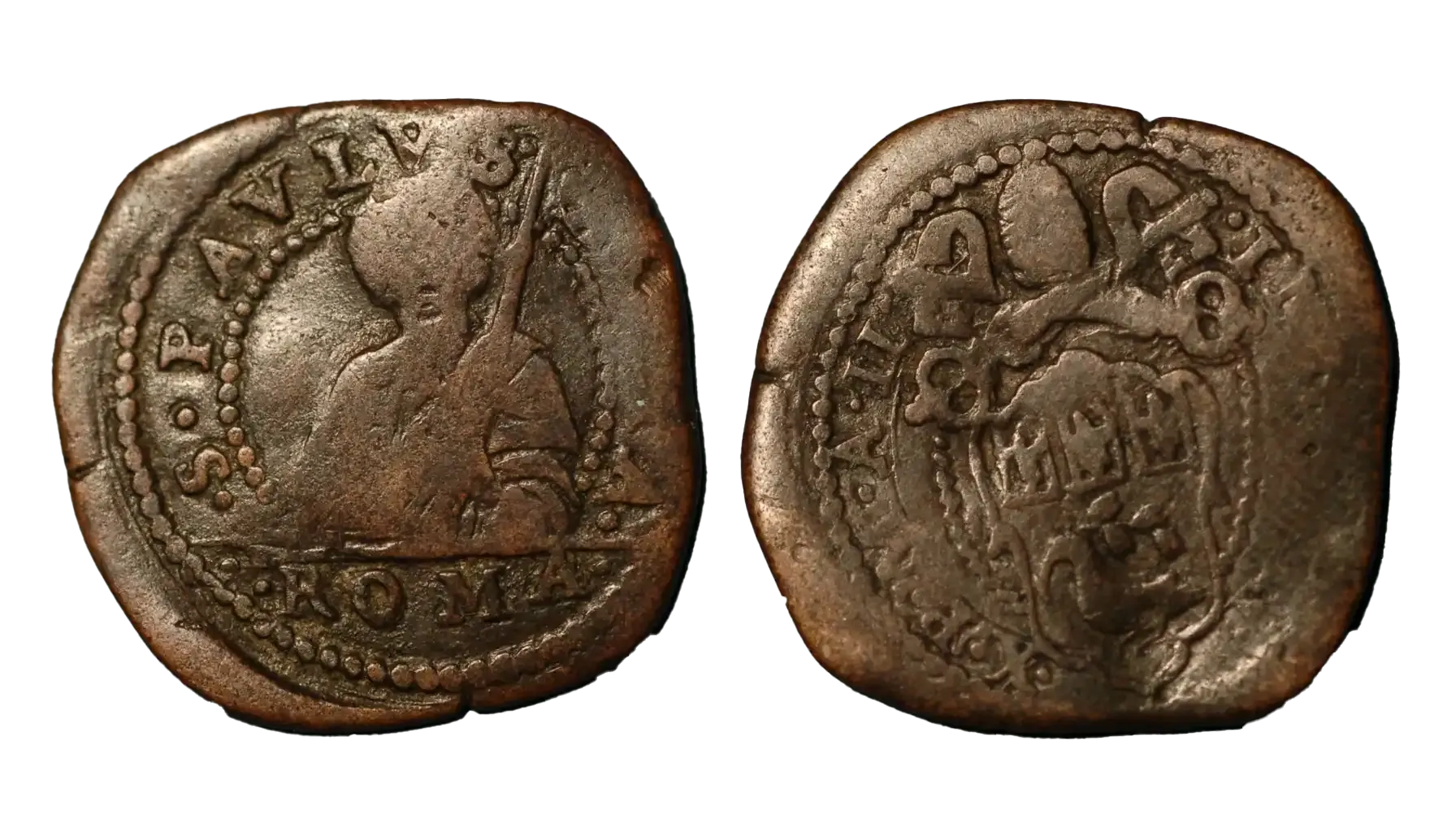
There are actually two types of it. Papal State specimens are all the most historical specimens, issued before the Lateran Treaties of 1929. This is a long history, spanning over a thousand years of the papacy.
They were minted from the Middle Ages to the 19th century for the Papal State. At various times, it covered territories in Central Italy. They depicted portraits of various popes or symbols of the Holy See.
Different currencies were used, for example, Scudo, Grosso, or Italian Lira coins, and many others, depending on the era and region.
Vatican City
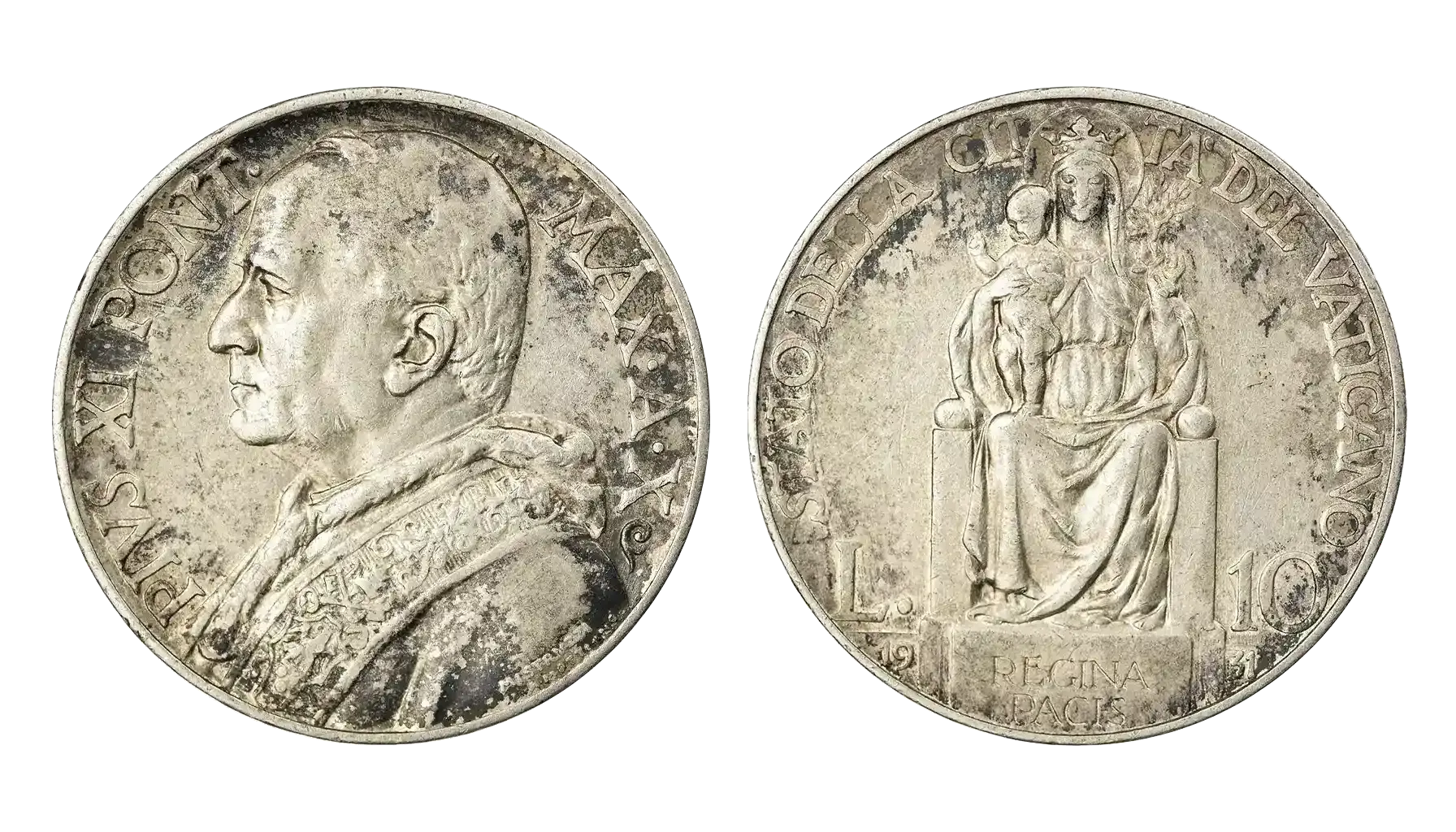
This category includes specimens minted after 1929, which is when the Vatican City State, as we know it today, was formed. Initially, these specimens were issued in Italian lire, which were essentially pegged to Italy's currency.
However, since 2002, the Vatican has transitioned to the Euro coins. Their specimens are legal tender within the territory of the Vatican and in Italy, and as for the Euro, throughout the entire Eurozone.
These specimens are more accessible, but their value is also quite high due to the small state's low mintage numbers.
Vatican Euro Coins and Modern Issues
Since 2002
The Vatican began issuing Euros, like other Eurozone participant countries. These specimens can be used for payment in any country that participates in the Eurozone.
Design
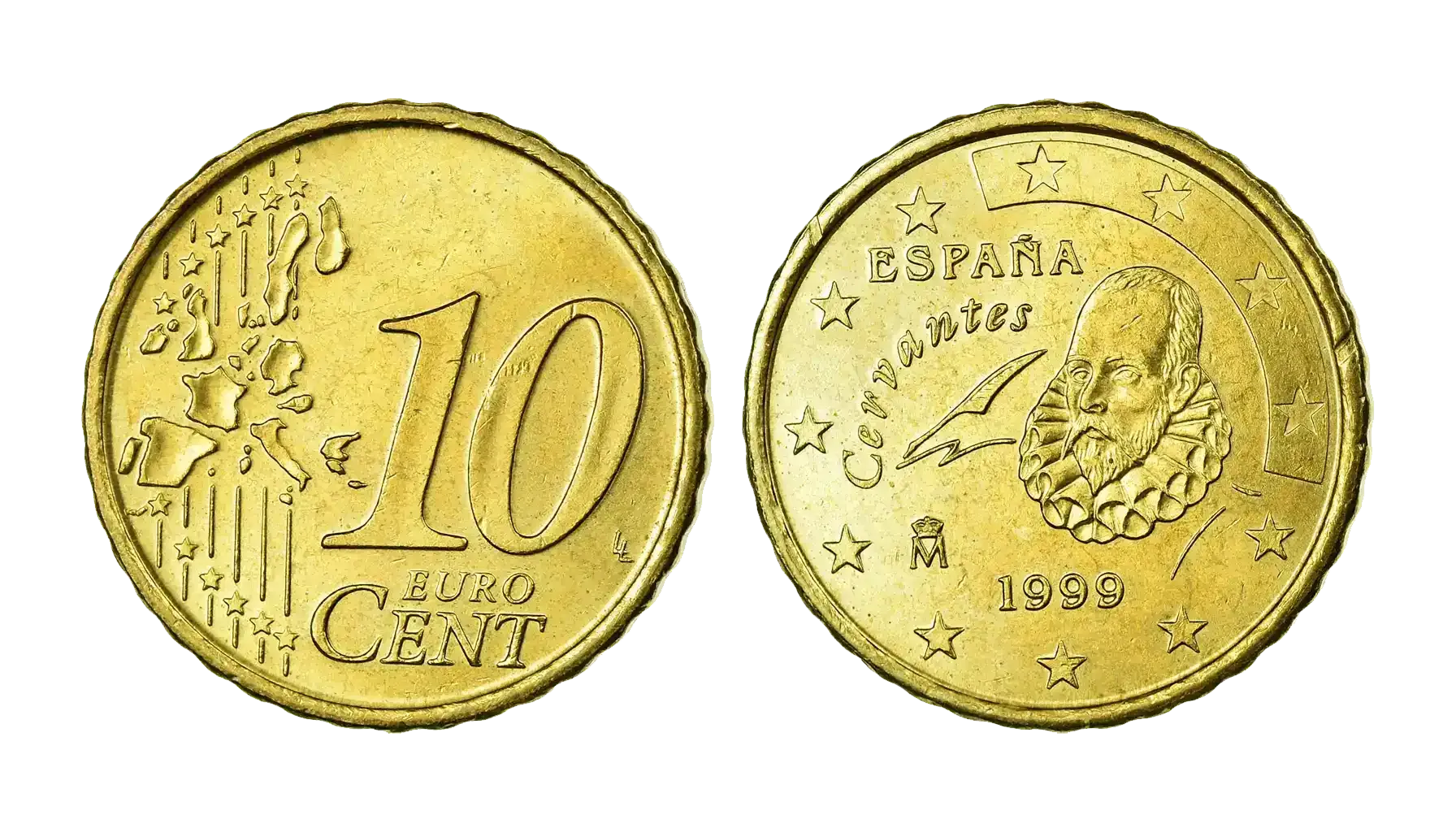
In general, all specimens feature one design. This is a map with the Eurozone participants; however, the second side of the coins always features a national design. Each country has its own.
2002-2005
All specimens depict a portrait of Pope John Paul II.
2005
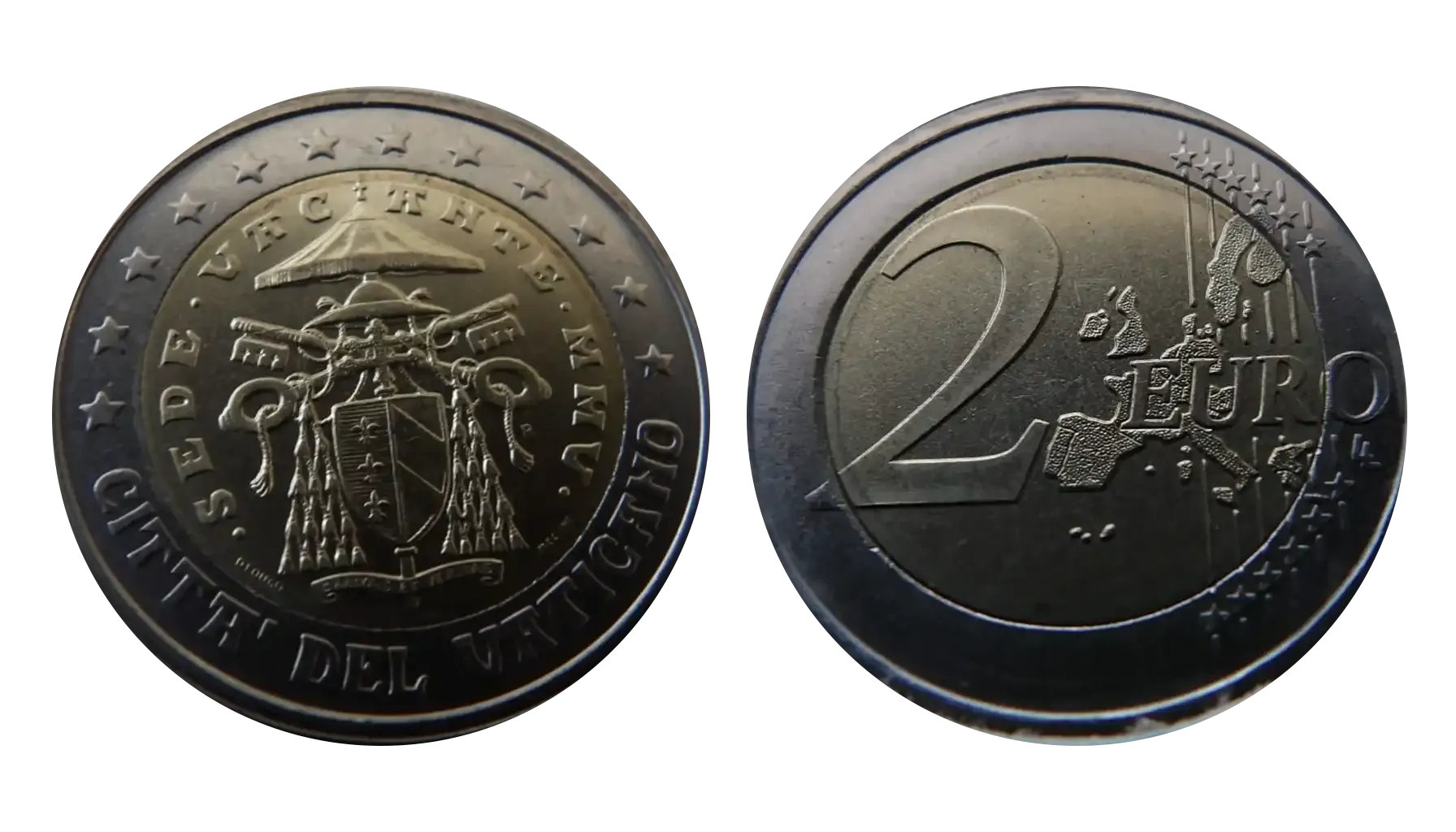
After the ruler's death and before the election of a new Pope, a unique 'Sede Vacante' issue was released, from Latin, this translates to 'vacant see'. This design features the coat of arms of Cardinal Camerlengo and symbols of the Papal Chancery. It is these specimens that are among the rarest and most valuable among Vatican Euro coins.
2006-2016
2006-2013: A portrait of Pope Benedict XVI.
2014-2016: A Portrait of Pope Francis.
From 2017 to the Present
The Vatican decided not to depict the Pope's portrait on all specimens, instead using the papal coat of arms.
This decision was made to emphasize the status of the Holy See, rather than a specific pontiff. However, Vatican commemorative coins depict portraits of popes.
Vatican Gold Coins and Silver Coins
Besides regular specimens, the Vatican also issues collector Vatican silver coins and gold coins made of precious metals. This includes metals of 5, 10, 20, 50, 100, and 200 Euro denominations. They are not intended for circulation. These specimens feature high-quality minting and also have low mintage numbers.
Vatican Coin Set Options
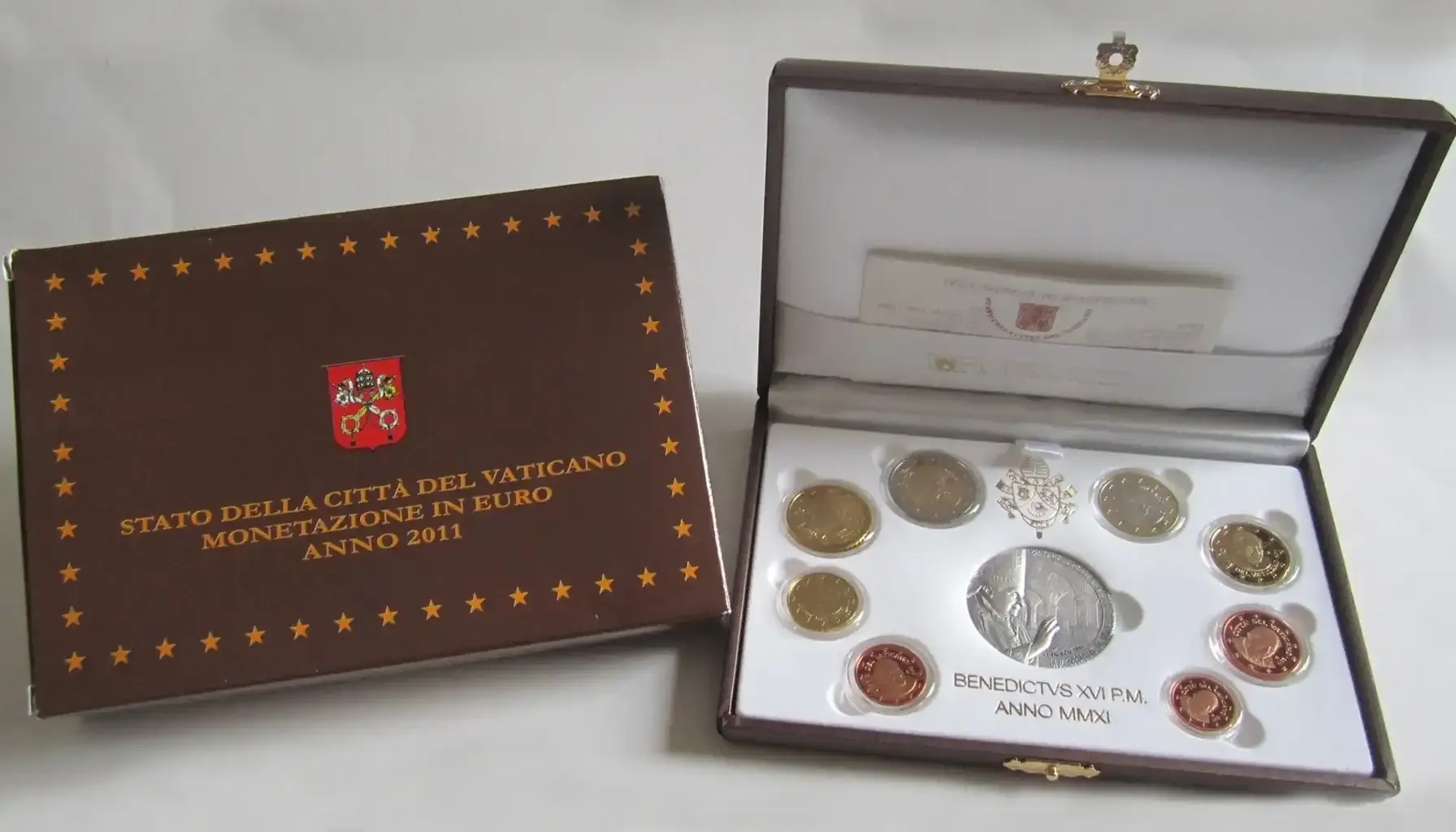
Annual Official Sets
It is the easiest and most popular way to get a complete set for a year. For example, the Vatican coins 2025 set includes all six Euro denominations, from one Euro cent to two Euros.
All these specimens are minted in Brilliant Uncirculated quality, which is also abbreviated to BU. This is an improved minting quality that has not been in circulation.
Often, such sets also include a commemorative two-Euro issue or a commemorative silver medal.
Proof Sets
These sets include specimens of the highest minting quality. They have mirrored fields and a frosted relief. However, such sets have a small mintage, and they cost more. These are intended for the most demanding collectors.
Vatican Coins Value Chart and 2025 Prices
Type | Years of Issue | Value Range |
10 Centesimi | 1929 - 1938 | $8.65 - $10.70 |
20 Centesimi | 1929 - 1938 | $10.90 - $14.80 |
20 Centesimi (Jubilee) | 1933 | $13.95 |
50 Centesimi | 1929 - 1937 | $8.55 - $9.60 |
1 Lira | 1929 - 1958 | $1.70 - $18.00 |
1 Lira (Jubilee) | 1933 | $14.80 |
2 Lire | 1929 - 1958 | $1.00 - $17.90 |
10 Lire | 1929 - 1962 | $$0.72 - $38.40 |
5 Lire | 1939 - 1959 | $0.21 - $24.27 |
5 Lire (Jubilee) | 1933 | $17.50 |
50 Lire | 1955 - 1962 | $2.29 - $11.19 |
100 Lire | 1955 - 1959 | $1.00 - $3.00 |
20 Lire | 1959 - 1962 | $6.50 - $9.65 |
Chart Summary
For the most part, these are quite accessible, so if you want to start collecting something not entirely typical, you can start with Vatican money. Most specimens can be bought for up to 20 dollars, so this is perfectly suitable for beginner numismatists.
Among the most expensive specimens are the 10 Lire coins from early issues, and also among the most valuable are specimens marked "Jubilee".

 Facebook
  X (Twitter)
  Pinterest
  LinkedIn