Belgium is a country with a rich history and many attractions. This includes Belgian coins, which many numismatists often identify in the coin appraisal app.
History of Belgian Coinage
Ancient Rome and the Middle Ages
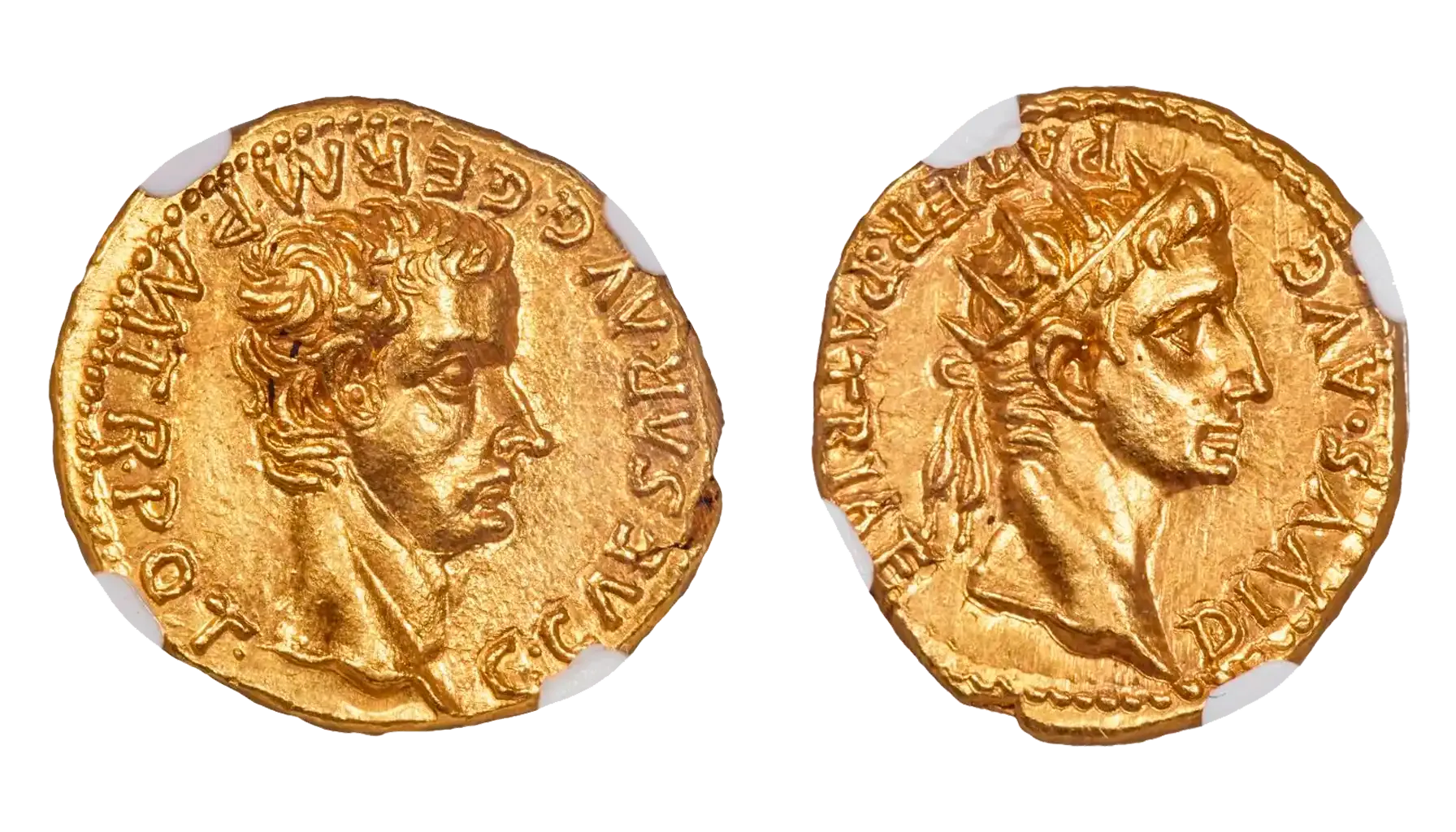
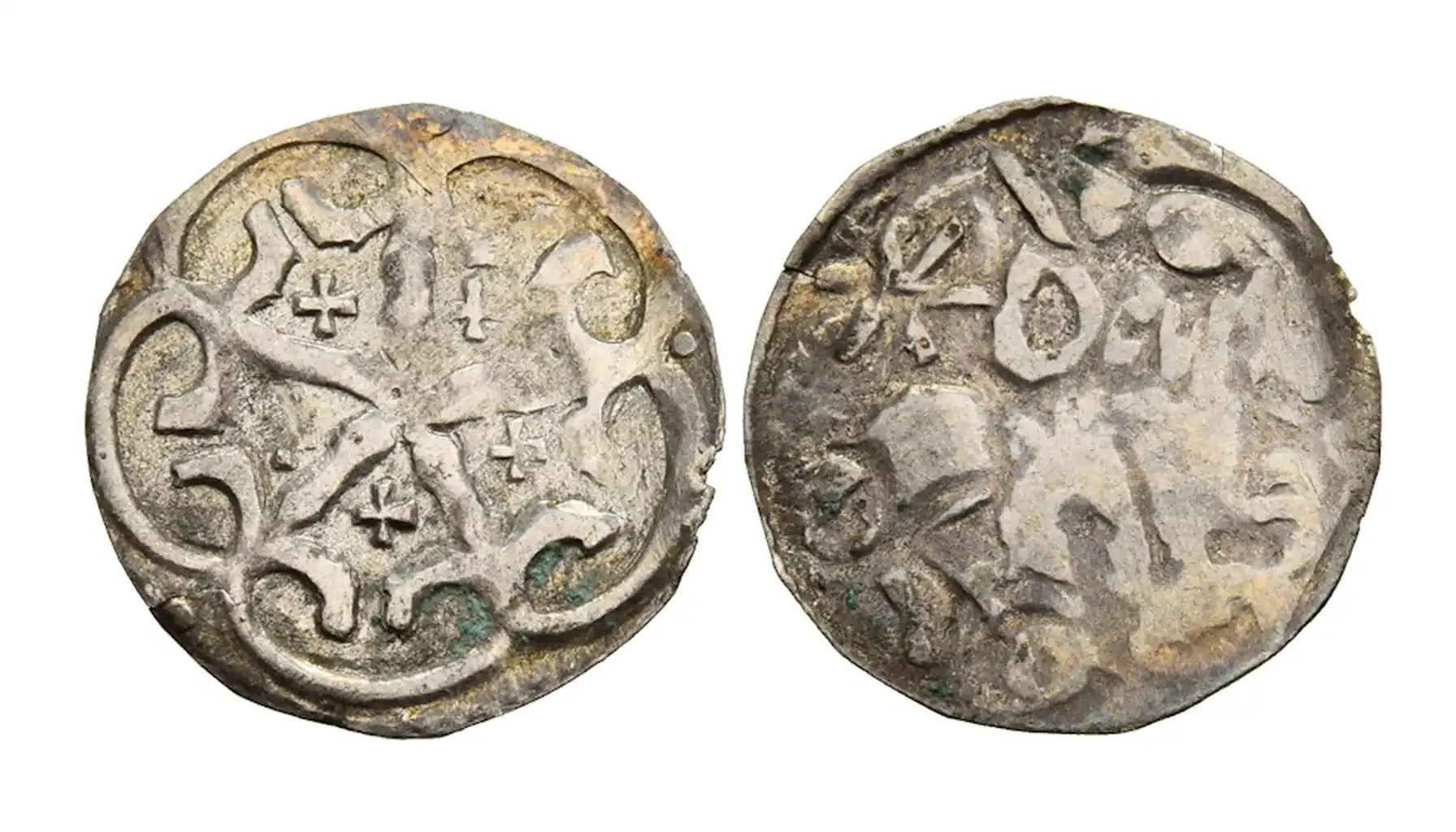
The first Belgian gold coins were ancient Roman coins. In the Middle Ages, the territory of Belgium was divided into a large number of feudal domains, duchies, and counties — for example, Brabant, Flanders, and Hainaut. Each of them minted its own issues.
These were Belgium silver coins, as well as ones made of gold and copper. Often the designs featured images of local rulers, coats of arms, and religious symbols.
Burgundian, Spanish, and Austrian Rule
During Burgundian, and later Spanish and Austrian rule, coinage became centralised. However, it continued to reflect the influence of local rulers. Coins such as daalders, "Swedish Krona", and others tied to different monetary systems circulated.
French Influence and the Napoleonic Era
At the end of the 18th century, after the French Revolution, the territory of Belgium was annexed by France. It was then that the franc was introduced, as it was throughout France. This was the first period when the franc became the official currency.
United Kingdom of the Netherlands
After Napoleon's fall, the country for a short time became part of the United Kingdom of the Netherlands, and the Dutch guilder became the currency.
Independent Kingdom of Belgium
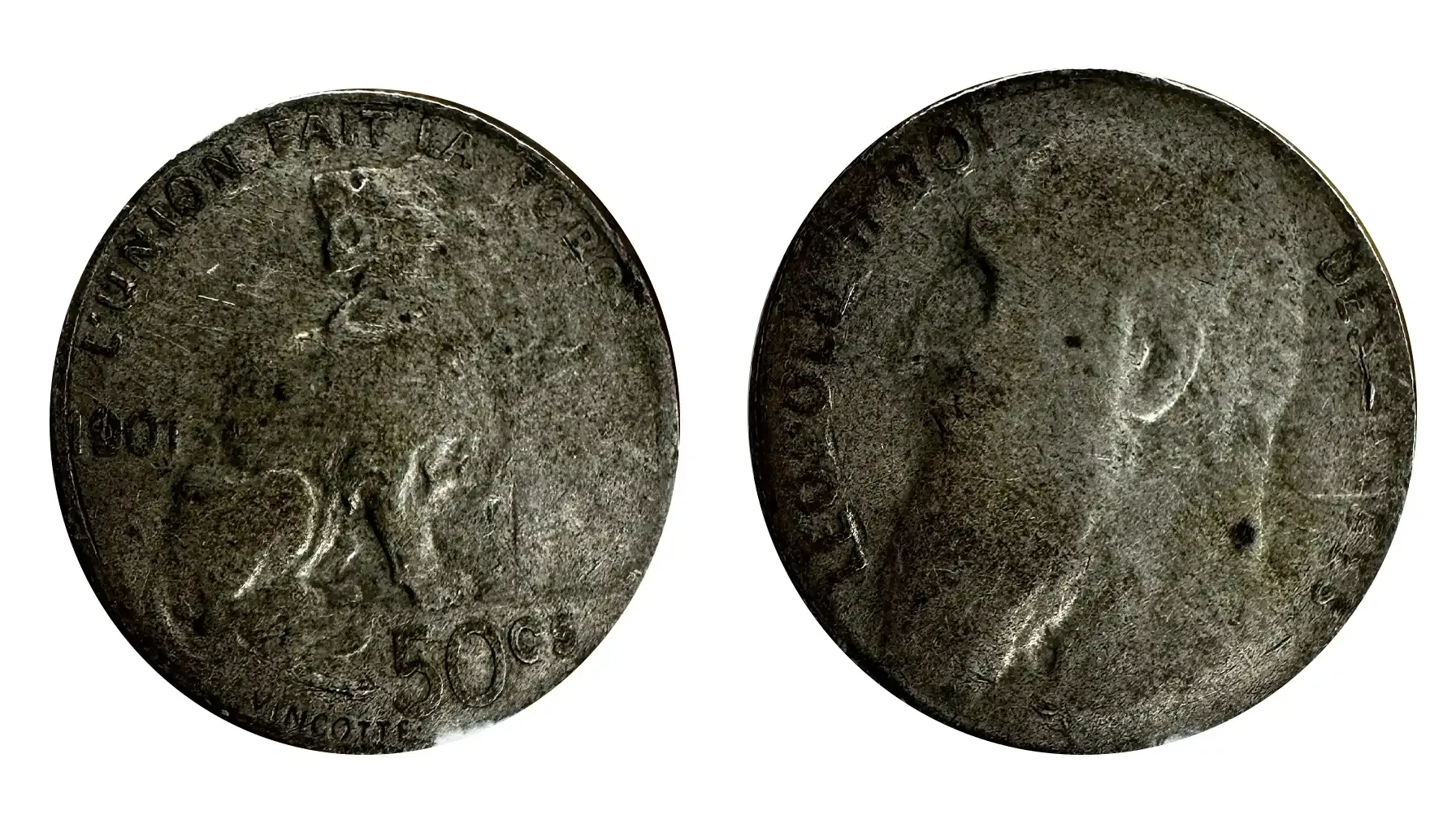
With Belgium's recognition as independent in 1830, the country once again adopted the Belgian franc as its national currency. This decision was driven by both historical ties to old French coins and practicality.
Latin Monetary Union
The country became one of the founding members of the Latin Monetary Union, which established parity between the gold and silver coins of member countries. This provided stability and mutual circulation of their currencies and simplified trade. Coins were standardised in weight and fineness with other issues of the union.
Postwar Period and the Transition to the Euro
After World War II quarter gold coin price Belgium was pegged to the US dollar, and later to the German mark within the European Monetary System. With the creation of the European Union and the introduction of the euro, Belgium became one of the founding members of the eurozone. On 1 January 2002, the euro officially replaced the Belgian franc in cash circulation.
Modern Belgian Euro Coins
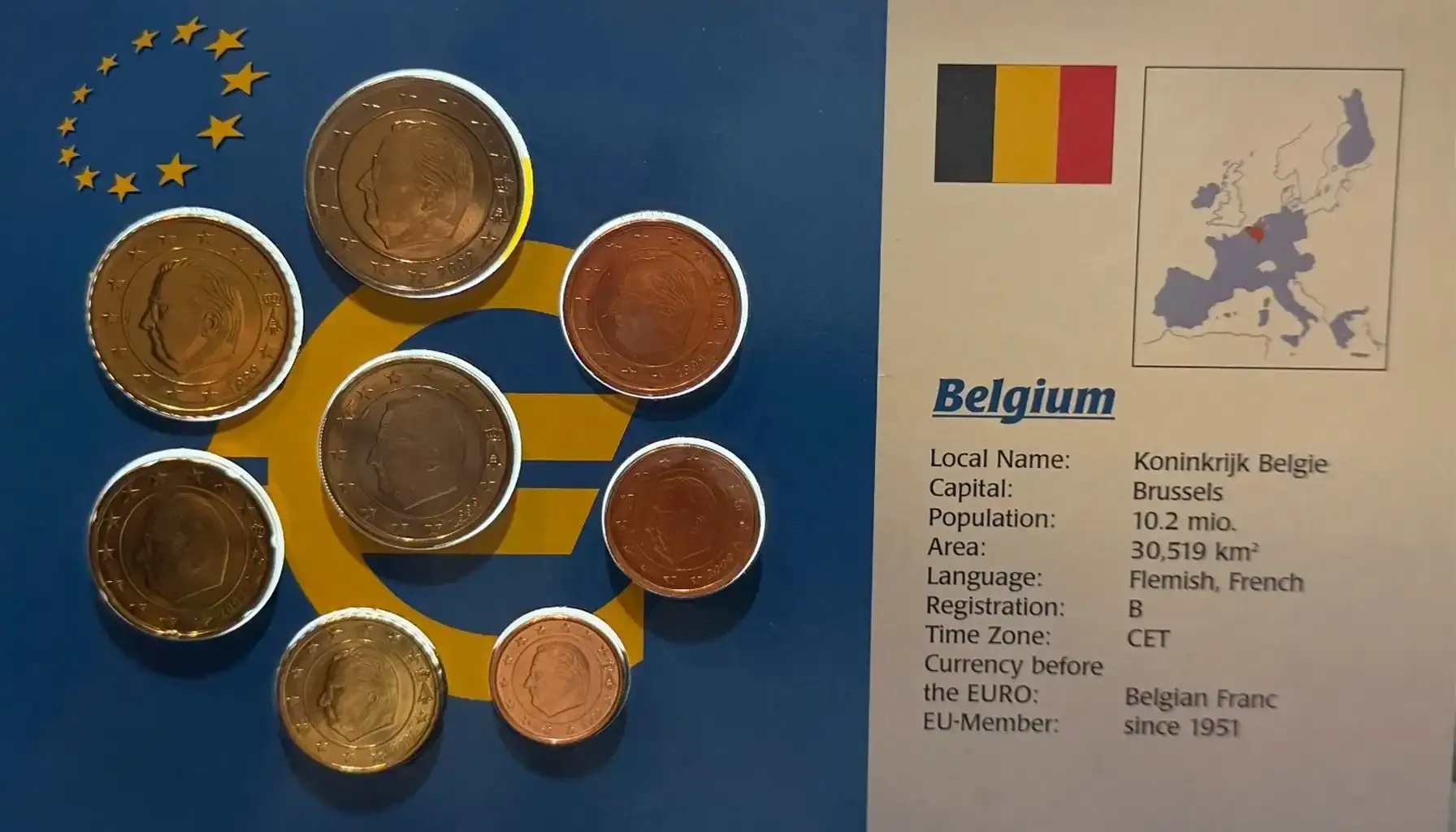
On 1 January 2002, the euro became the official currency. Euro speciments are available in eight denominations: 1, 2, 5, 10, 20, 50 cents, as well as 1 and 2 euros.
Obverse
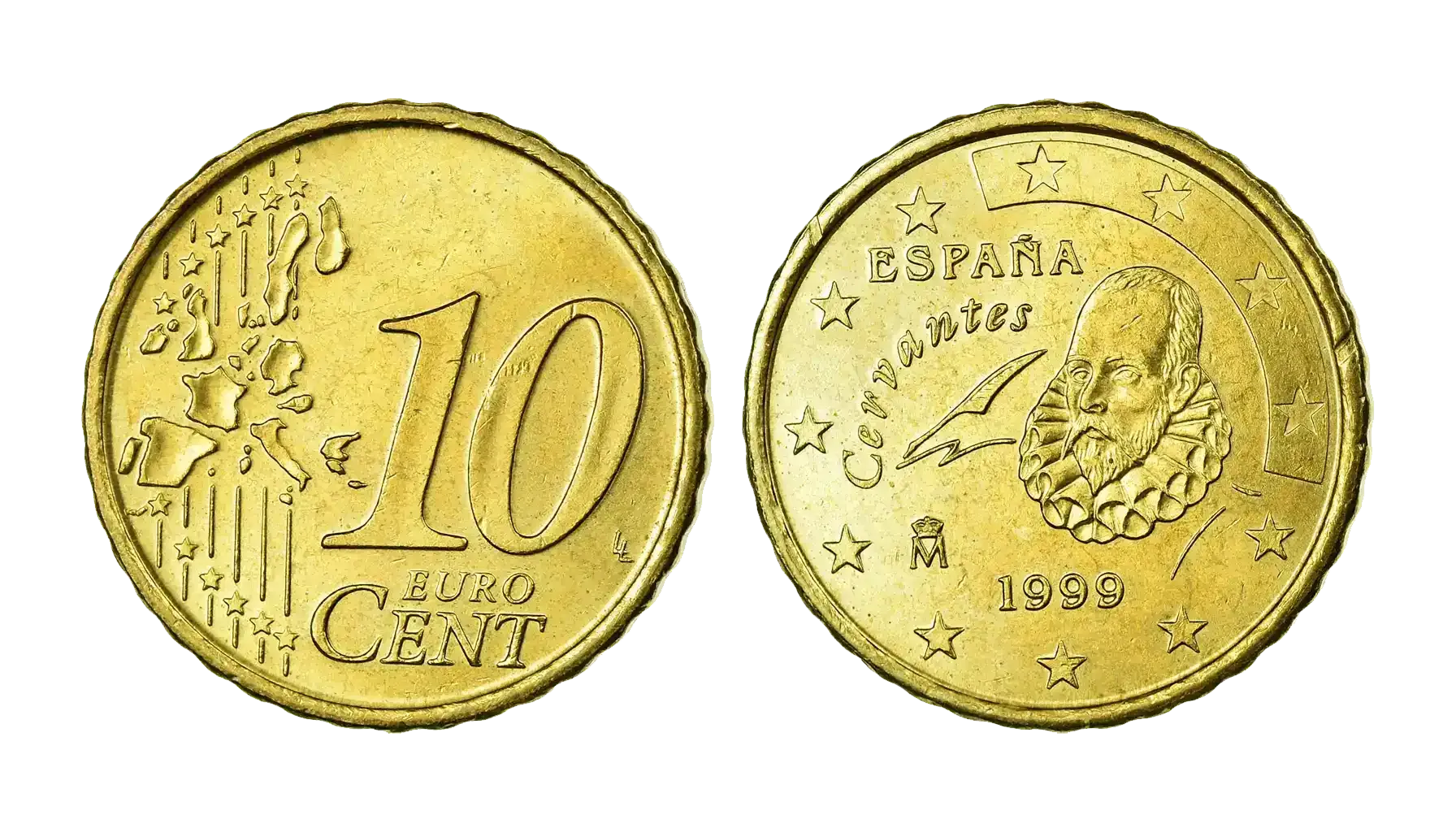
All Euro examples share a common side, designed by Luc Luycx of Belgium. It depicts a map of Europe against the backdrop of the twelve stars of the European Union. The design has changed twice.
1999/2002-2007: A map of the EU, showing countries individually.
Since 2007 - present: A map of the whole of Europe, without highlighting the borders of individual countries, to reflect the expansion of the EU.
Reverse
Belgium coins value is high precisely because of the reverse side. Belgian euros have their unique design on the national side, which has changed three times:
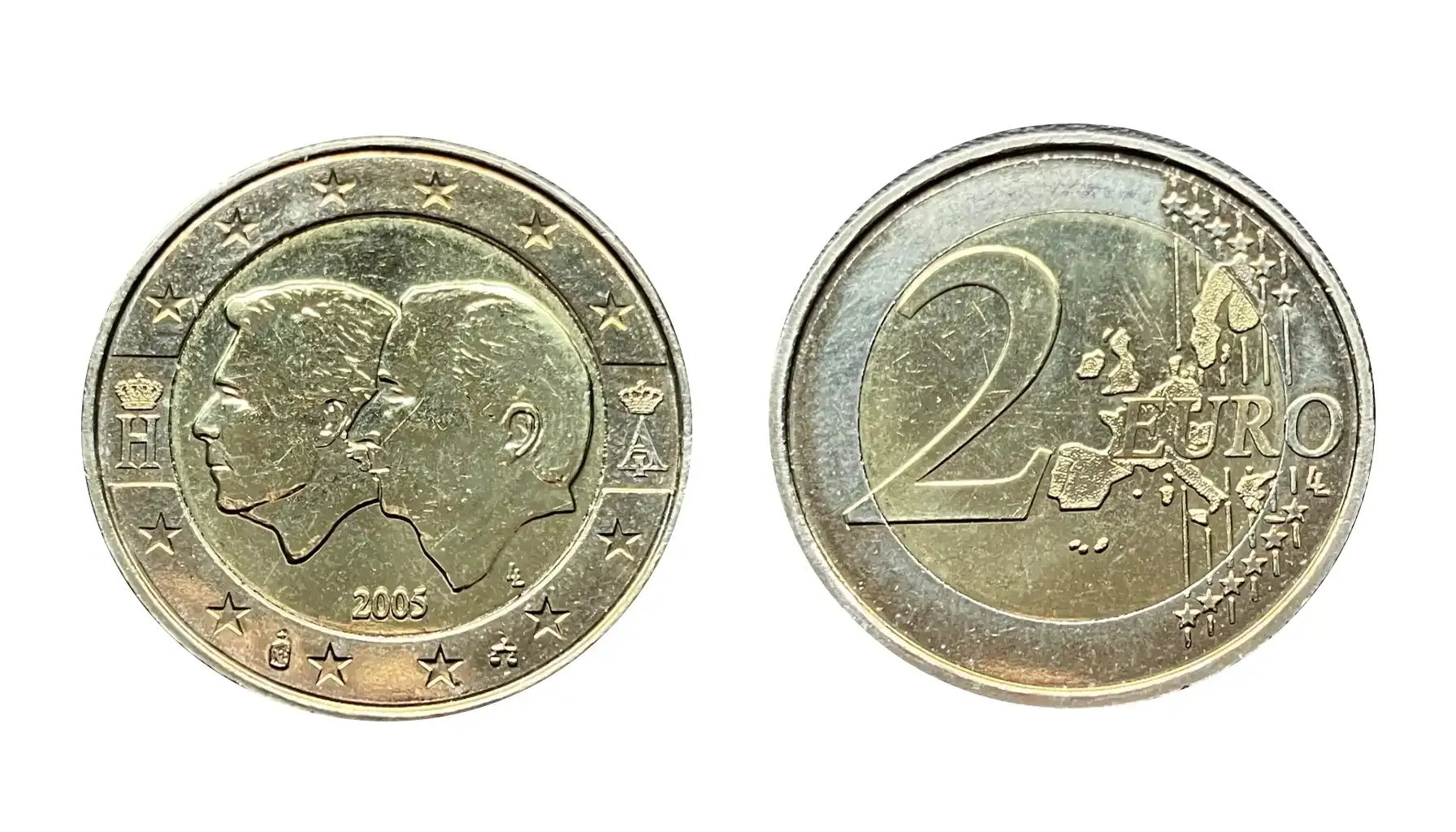
2002-2007: An image of the then-reigning King Albert II, his monogram, the 12 EU stars, and the year of mintage.
2008-2013: The design was almost identical but was modified to comply with new EU recommendations. These required that the national side include the country's designation. Therefore, the letters "BE" appeared between the stars on it. The image of King Albert II, his monogram, the 12 stars, and the year of mintage remained.
Since 2014: After Albert II's abdication, his son Philippe ascended to the throne. The design was updated. Now, they feature the profile of King Philippe, his monogram "FP", the 12 EU stars, the country designation "BE", and the year of mintage.
Commemorative 2 Euro Coins
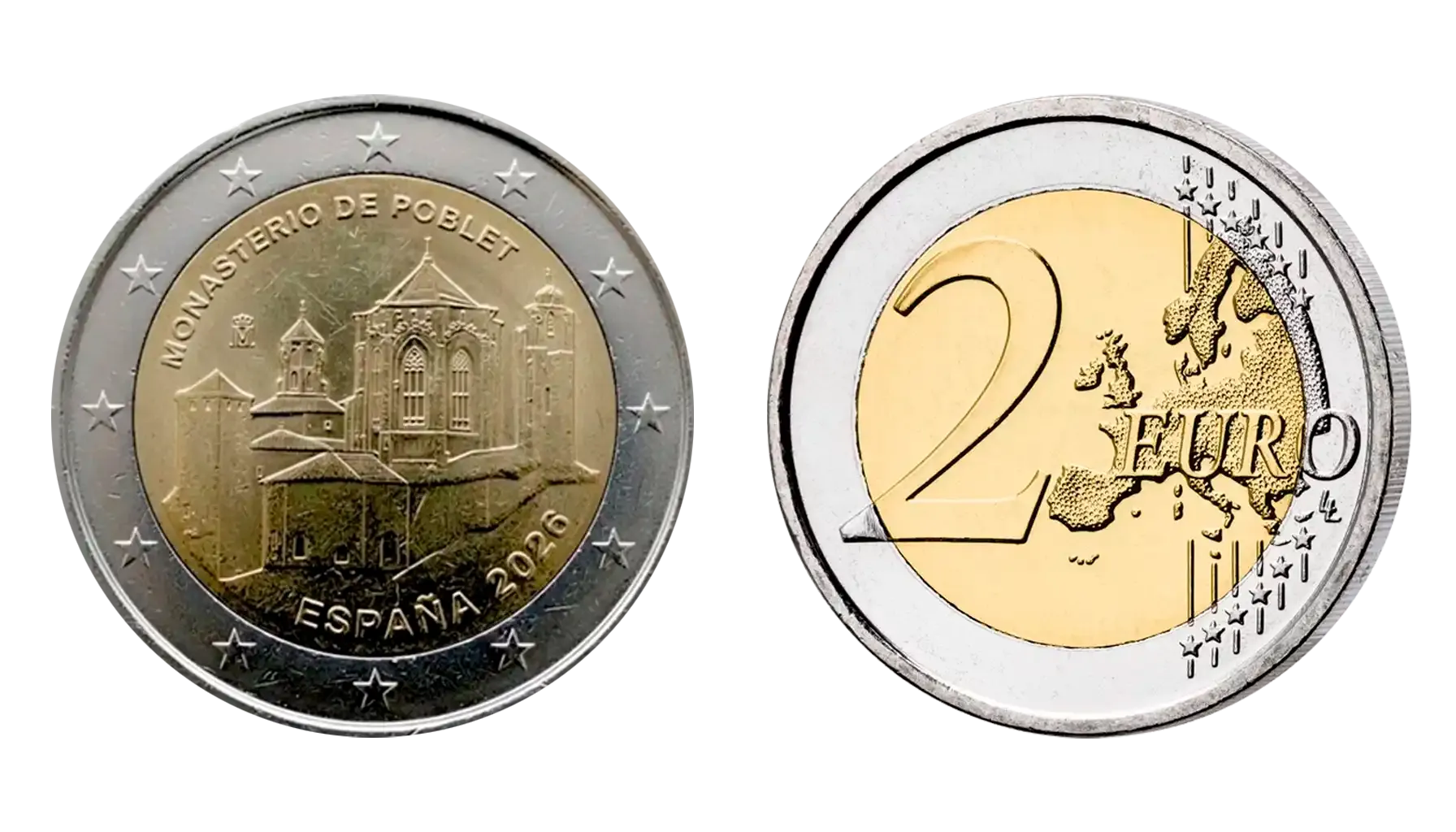
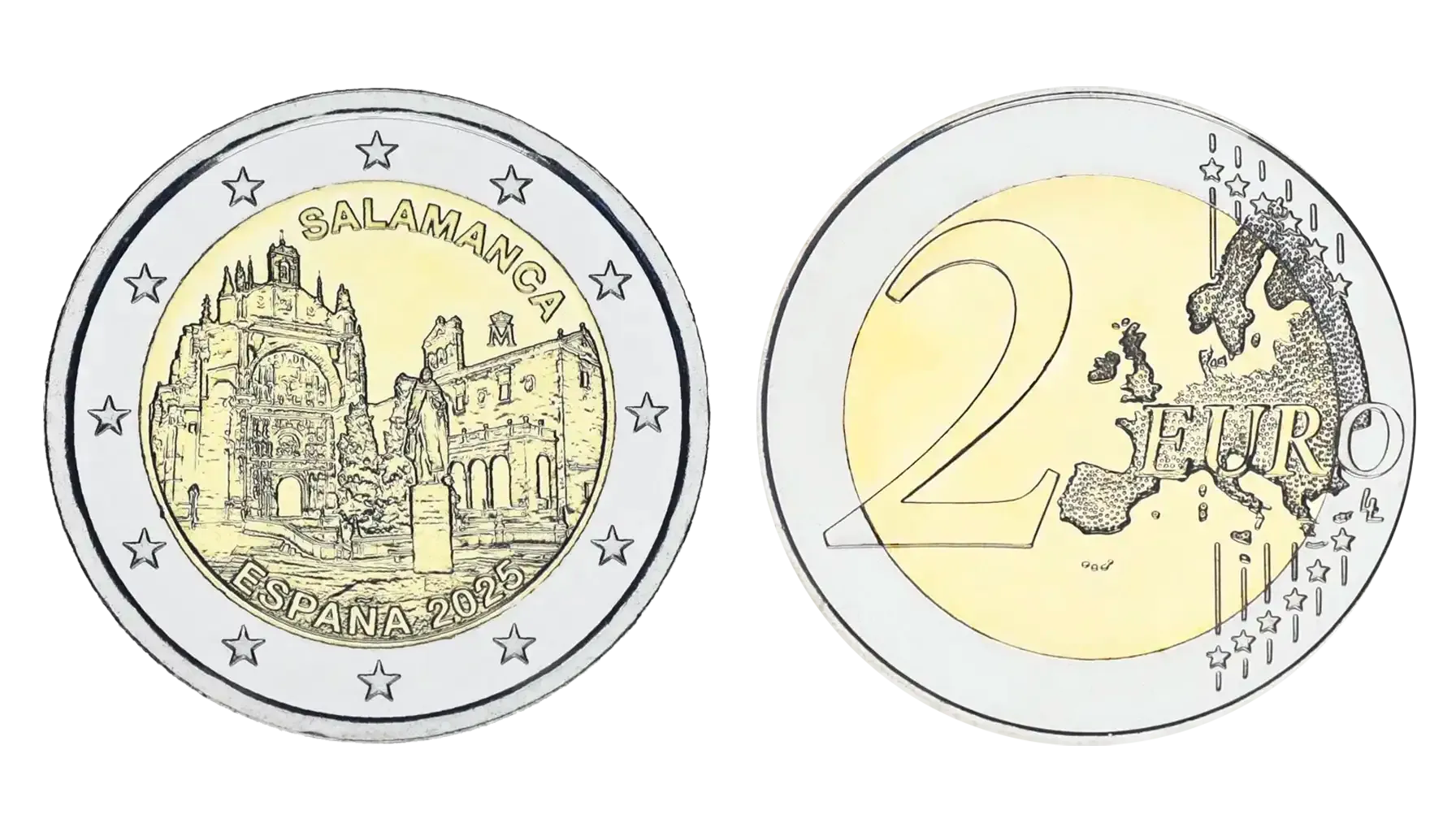
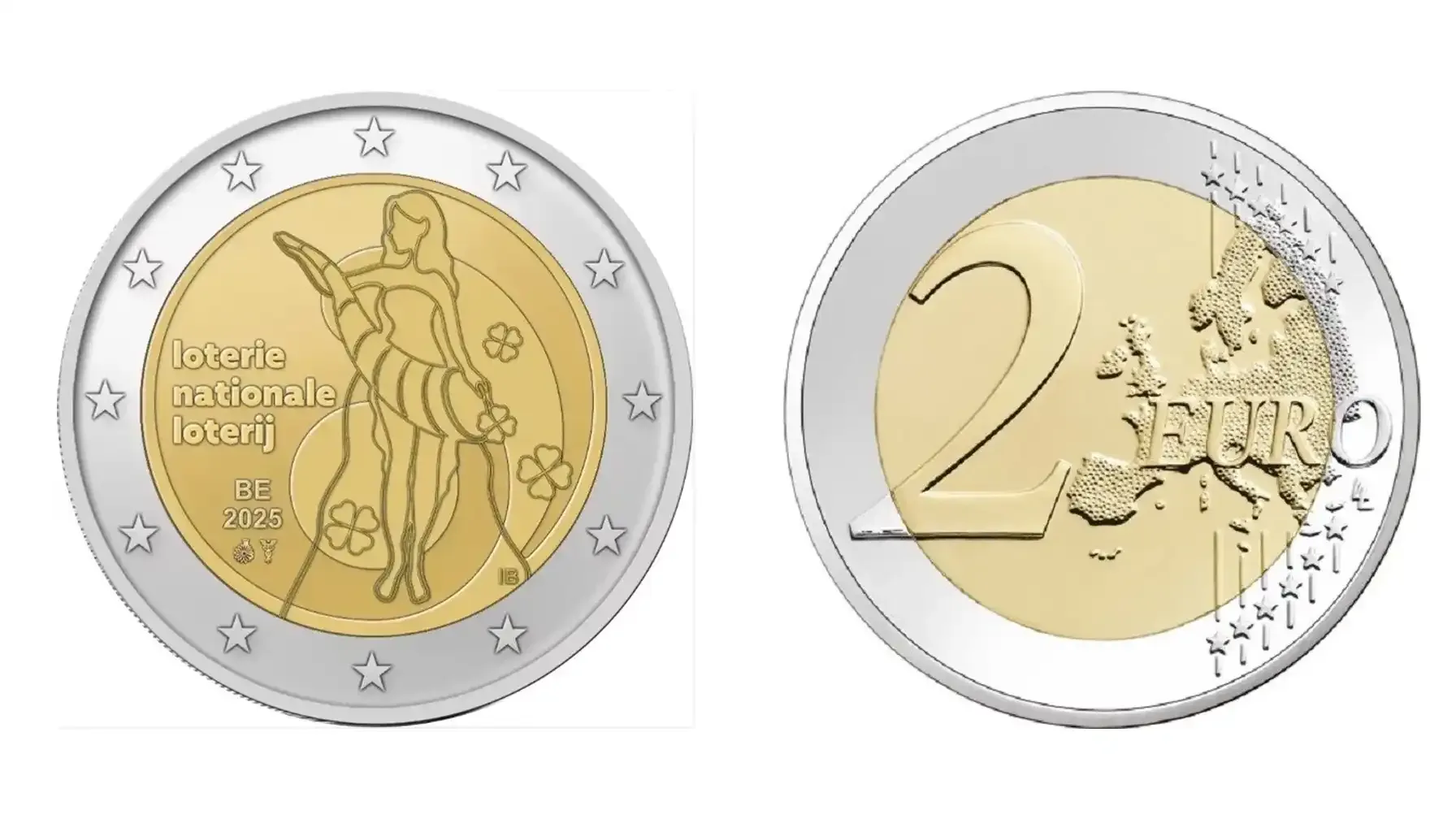
Belgium, like other eurozone countries, regularly issues commemorative 2 euro coins. They have the standard common side but a unique design on the national side. This design is dedicated to important historical events, cultural dates, or personalities.
Belgium issues up to two national commemorative specimens per year, and also participates in common European issues.
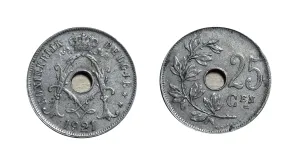
Older Belgian Franc Coins
Denominations | |
Centimes | 1, 2, 5, 10, 20, 25, 50 centimes |
Francs | 1, 2, 5, 10, 20, 50, 100, 200, 500 francs |
Materials | |
Copper and Bronze | For small centimes |
Nickel and Copper-nickel | For most specimens ranging from 50 centimes to several francs |
Silver | used for specimens before World War I |
Gold | for very rare and expensive collector specimens |
Design
Obverse
Leopold I
Leopold II
Leopold III
Baudouin I
Albert II
Reverse
The Coat of Arms of Belgium
The Lion of Belgium
The specimen's denomination and year of mintage.
Two Language Versions
One of the most unusual and important features of this country’s coins is the existence of two language versions on the specimens.
This includes the fact that sometimes the French inscription "BELGIQUE" and the Dutch "BELGIË" appear on the same specimen, and sometimes on different coins of the same denomination. On some coins, the inscriptions were bilingual; on others, they were separated.

 Facebook
  X (Twitter)
  Pinterest
  LinkedIn