Contents:
Croatia is steeped in its own special folklore, culture, and traditions. Not to mention Croatia coins. Many numismatists want them for their collections. Very often, these issues are found in searches on the coin value list.
History of Croatian Coinage
Early Stages
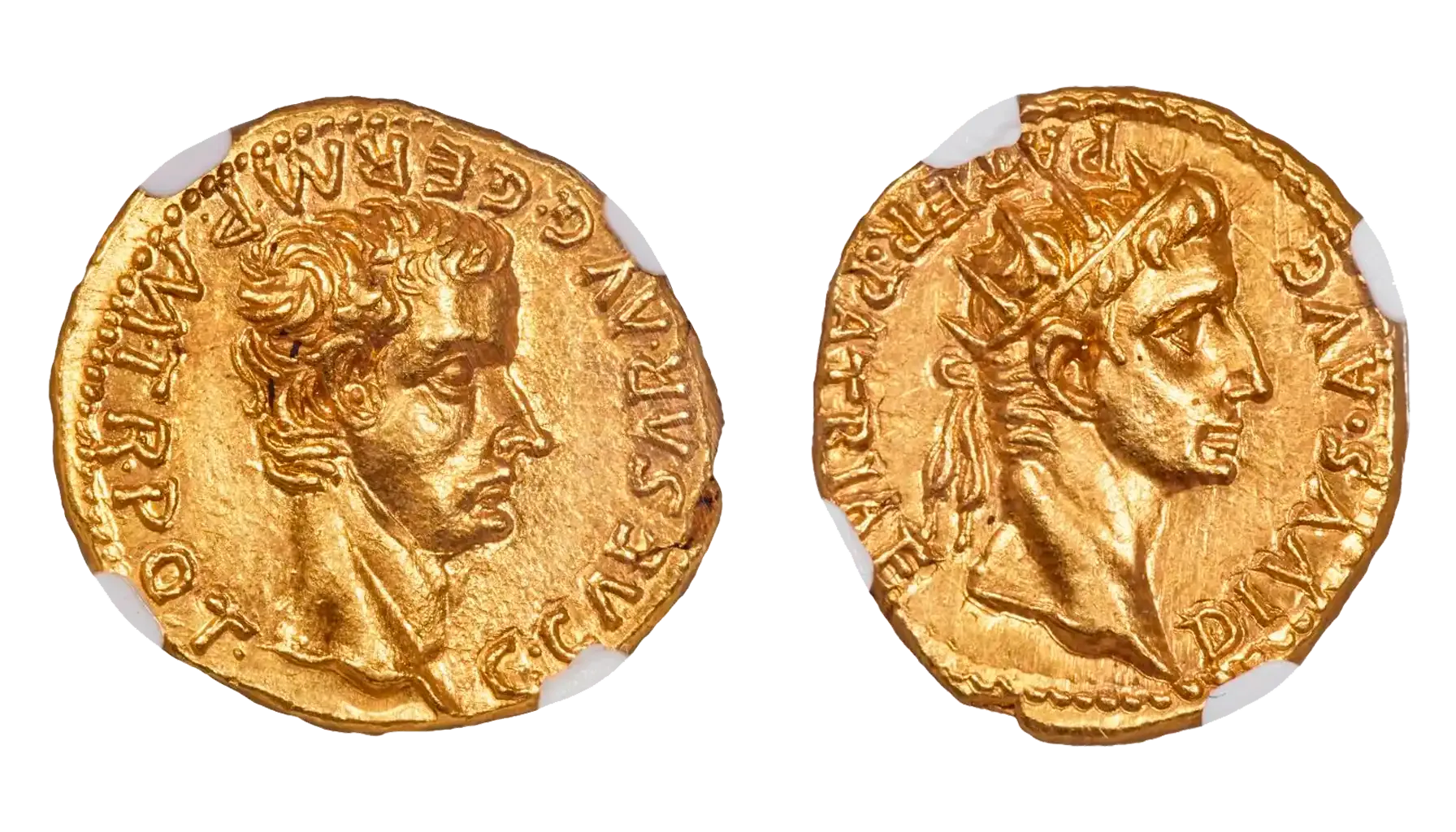
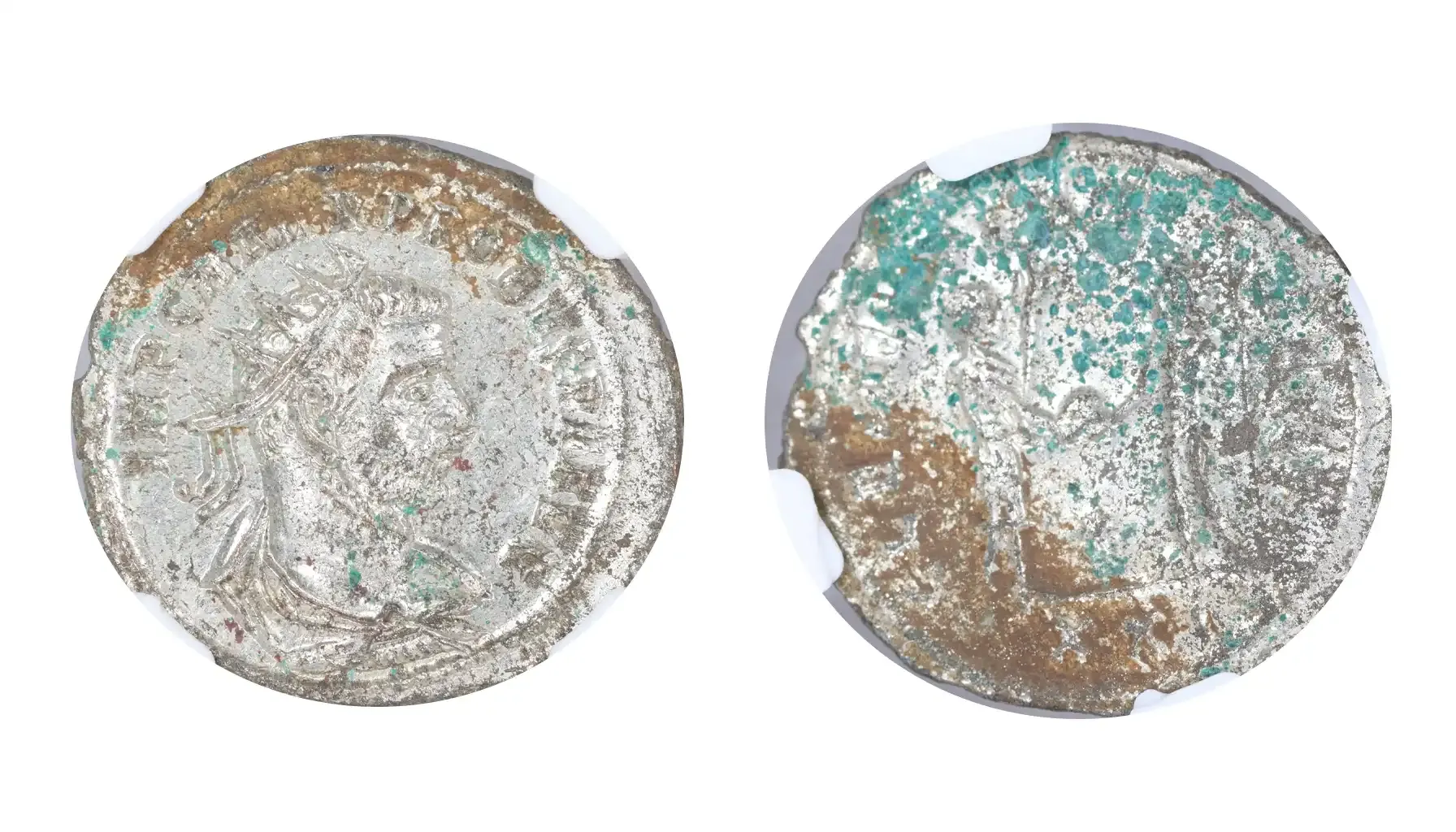
Before the Middle Ages, the territory of present-day Croatia used the monetary system of the Roman Empire coins. After its fall, trade and the economy were largely based on barter.
When money was used, it was usually examples from neighboring medieval states and the Kingdom of Croatia. When Croatia became a kingdom under the two dynasties, a need for a domestic currency arose.
The first local issues appeared relatively soon, though they resembled Byzantine and Hungarian types. One of the most popular items from the reign of King Stephen in the 10th century, these are considered among the first Croatian coins with inscriptions.
Middle Ages
As in other European countries, gold dinars were introduced in Croatia. They came in several varieties and were made of silver. When Croatia was in a personal union with Hungary, Hungarian items circulated widely in Croatian territory, though they did not completely replace local issues.
The coastal cities of Dalmatia, which were under the influence of the Venetian Republic, used Venetian coinage such as the ducat. This resulted in diverse coin in Croatia circulation across different regions of Croatia, with no centralization.
Modern Croatia
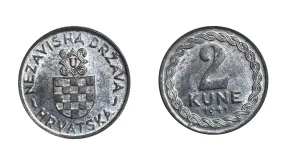
Modern Croatia regained independence in 1991 and introduced its own currency. The first issue was the Croatian dinar, which replaced the Yugoslav dinar.
In 1994, the Croatian kuna was introduced and became the main national currency until the euro was adopted. One kuna equaled 1,000 dinars. These issues depicted animals characteristic of Croatia and also prominent national figures.
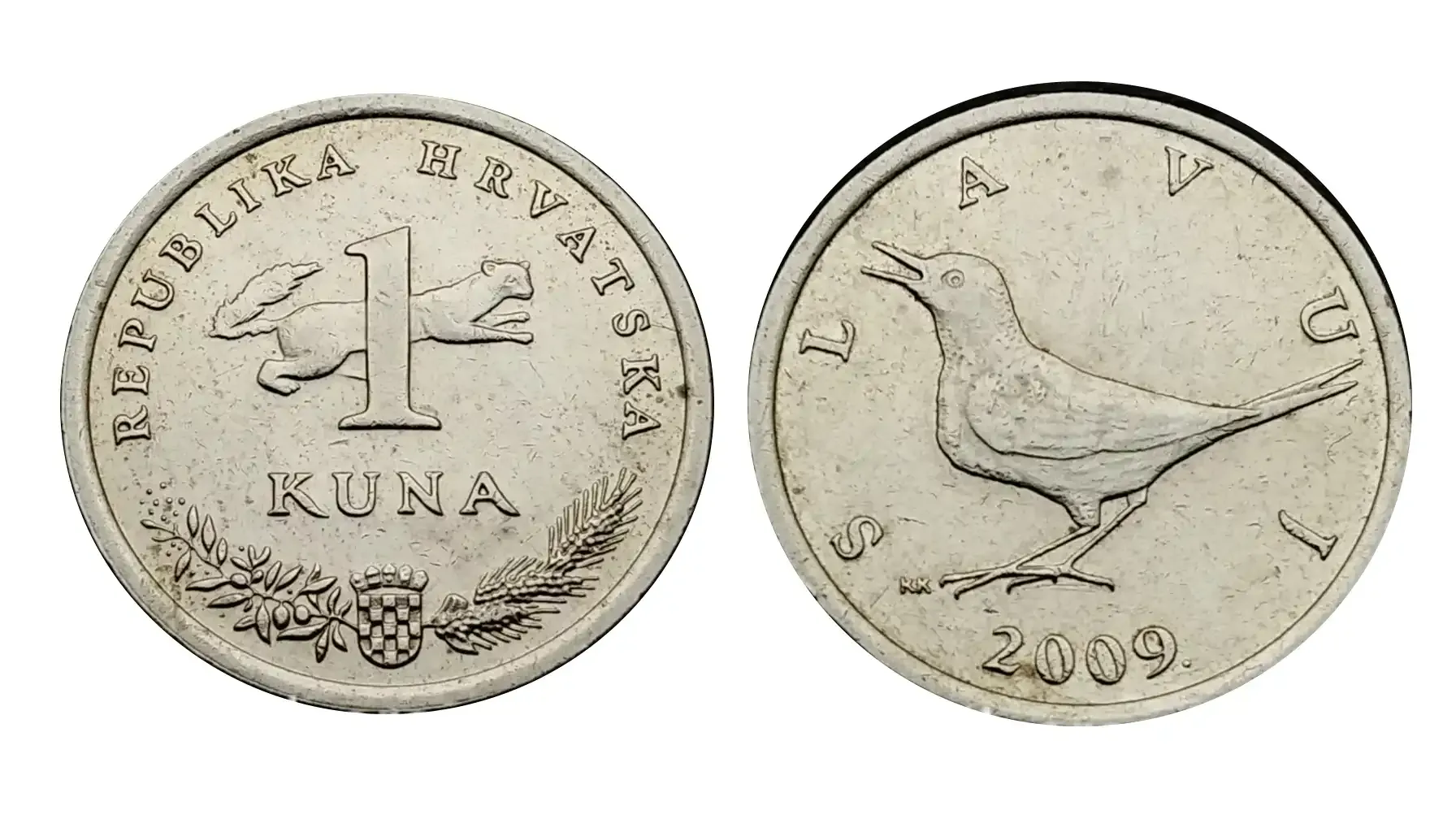
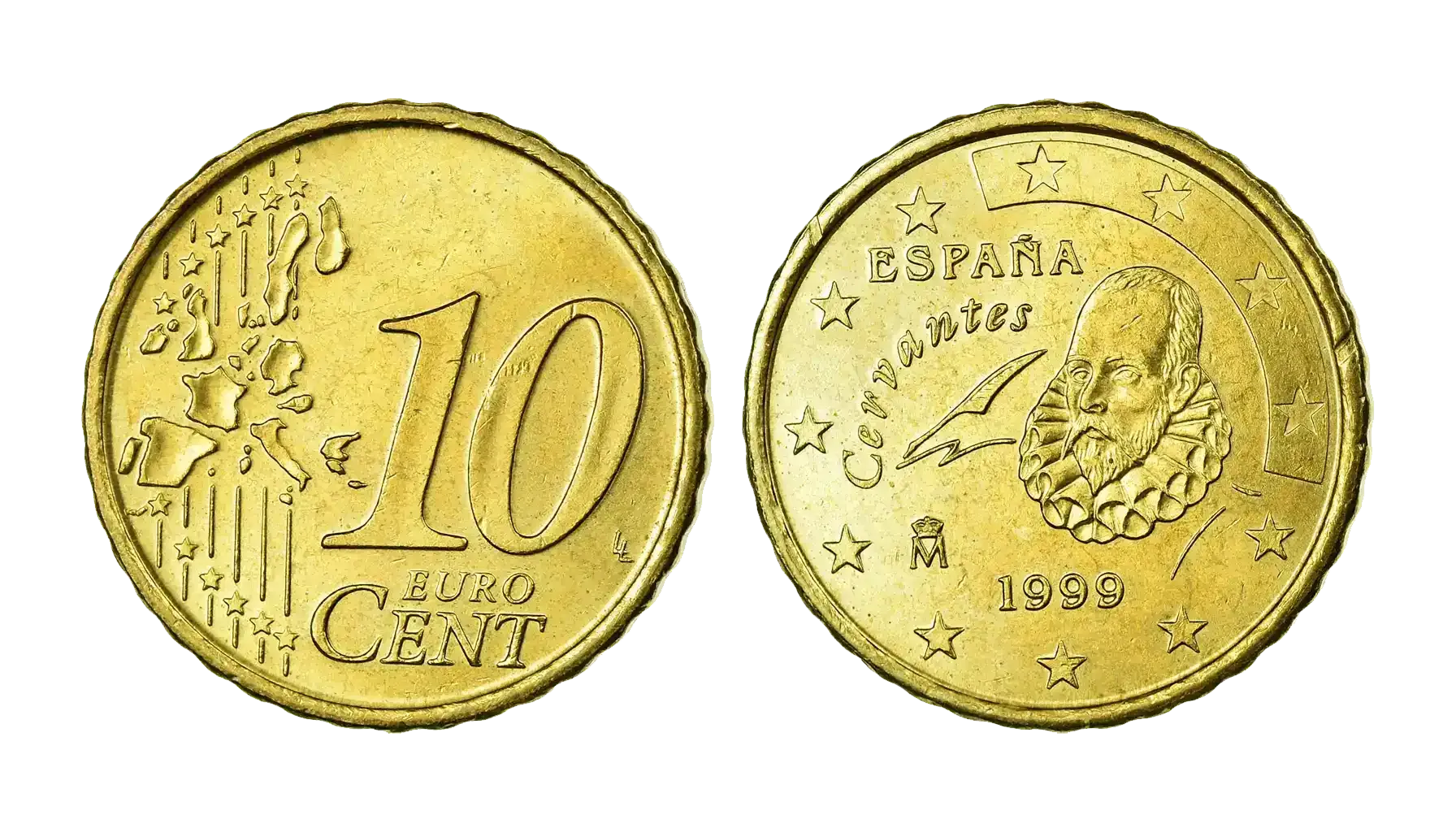
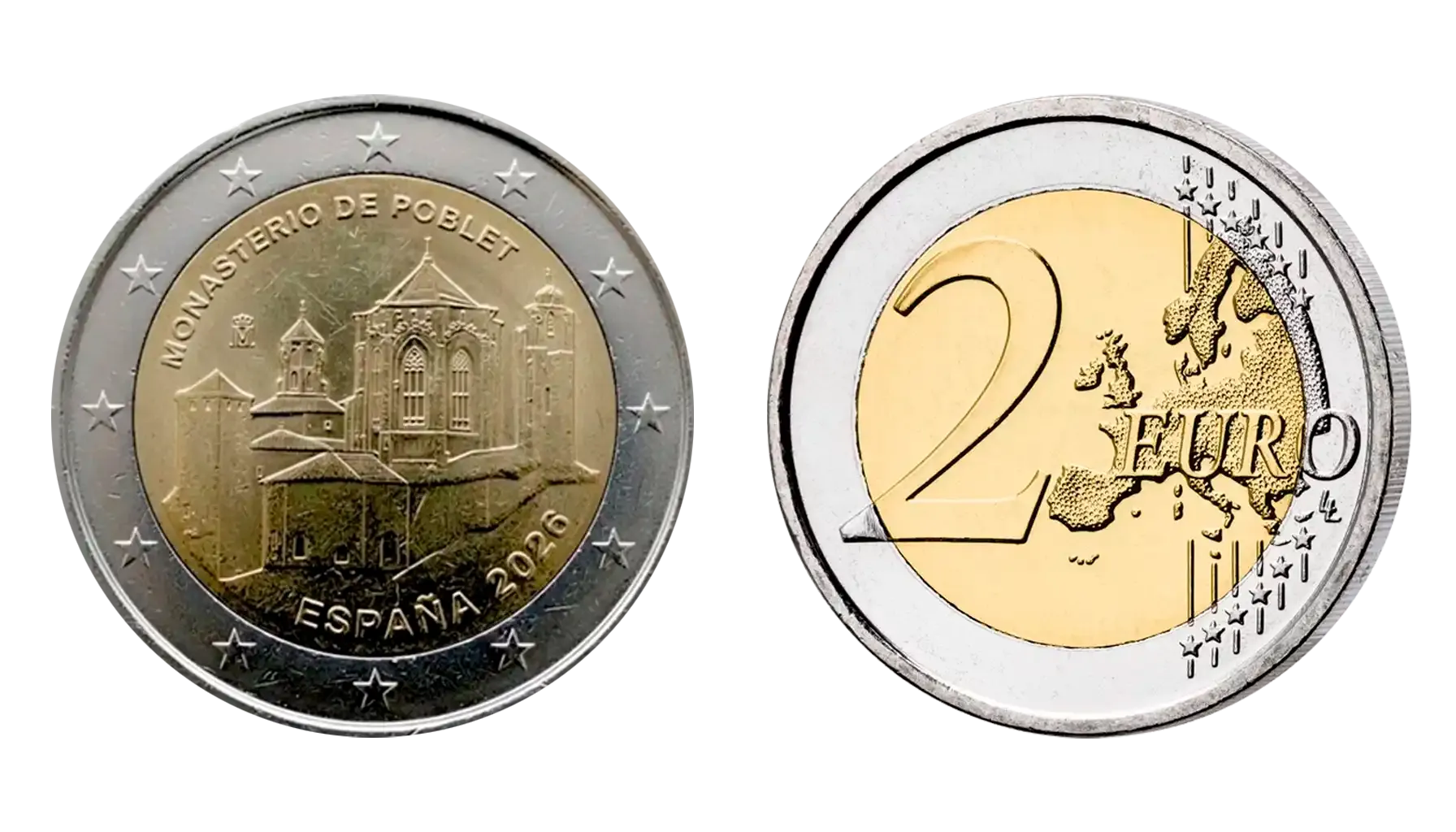
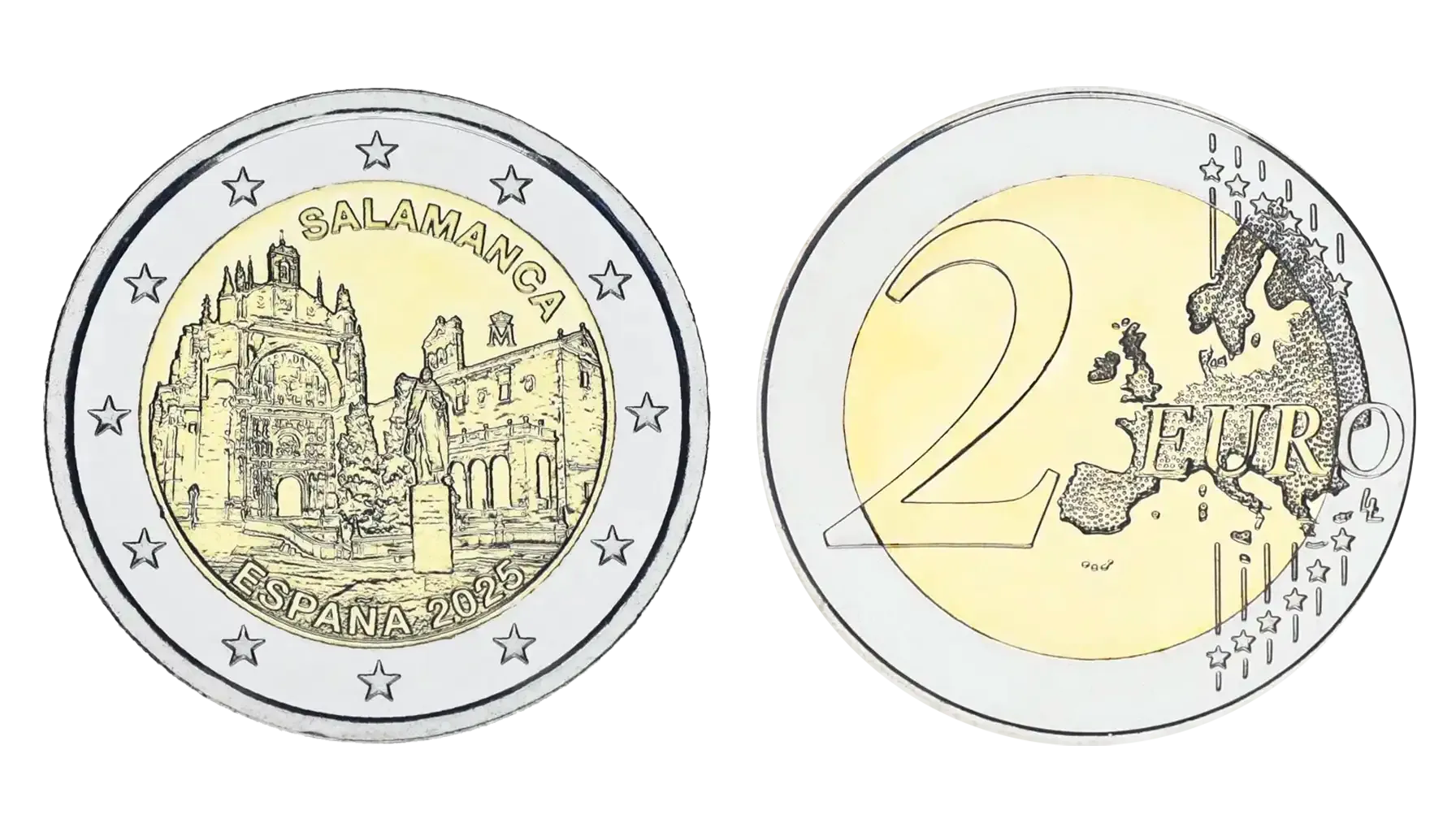
On 1 January 2023, Croatia joined the eurozone, and the euro coins denomination system officially replaced the Croatian kuna as the national currency. Croatian items now have the standard common side and a unique national side.
Croatian Silver & Commemorative Issues
In the Middle Ages, silver issues of Croatia were minted as official money. However, this later changed. They became more of a means for investment, savings, or special collector editions. In the Middle Ages, such issues were highly valued. Their denomination, weight, and silver purity were symbols of the state's economic power and strength.
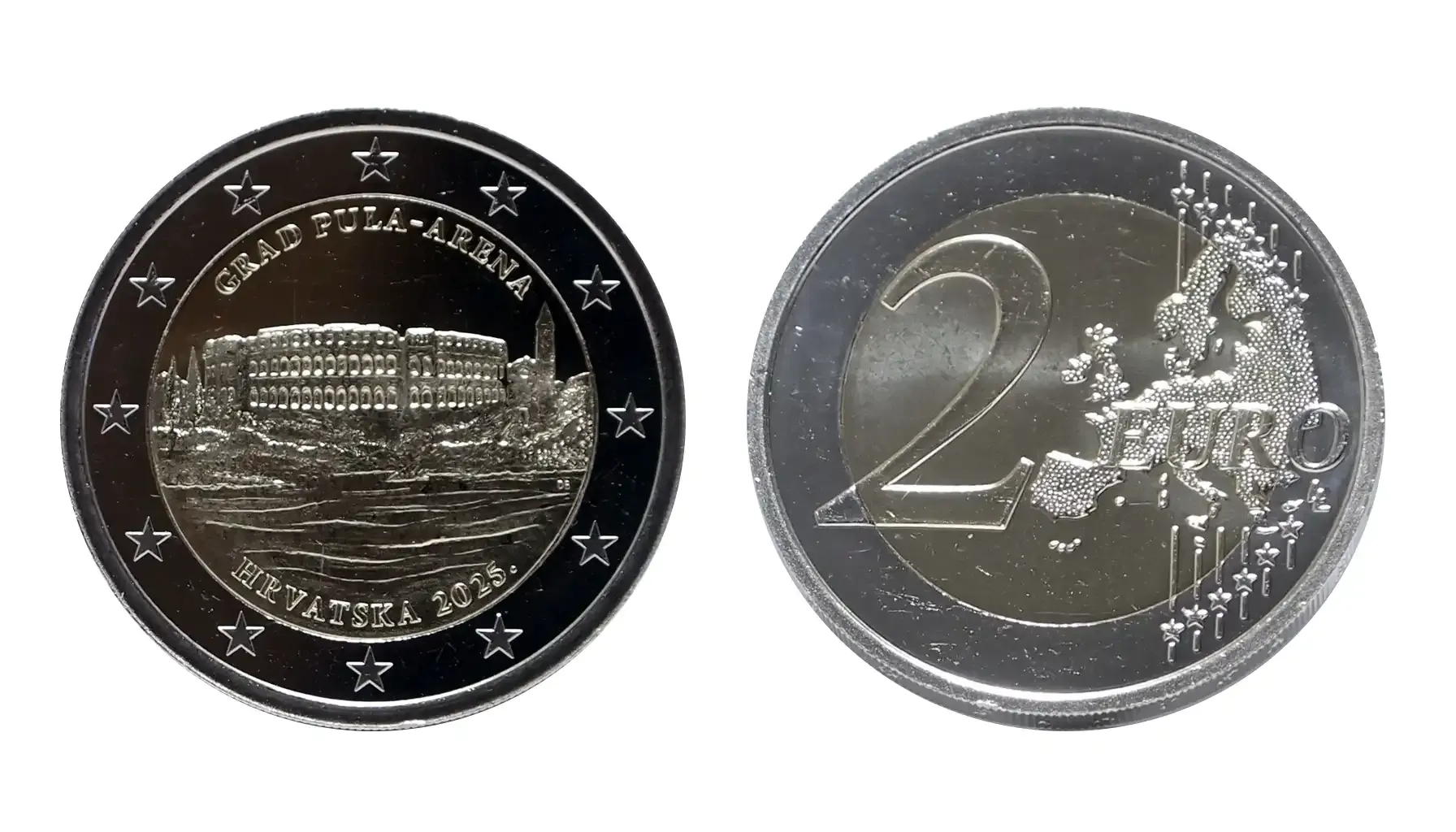
Modern Croatian issues are released by the National Bank of Croatia as part of a commemorative series. These contain a high silver content and are issued in limited editions.
Their themes are quite diverse, mainly covering historical events and figures, culture, nature, fauna, sports, and religious topics. They are issued in various denominations, and their value is much higher than ordinary coins due to their content of gold coin mint Croatia, and collector's value.
Value Guide for Croatian Coins
To determine a coin's value, you need to find out its mintage. If it were quite limited, the value would be greater. The fewer such coins that exist, the higher the collector's demand, as everyone wants a rare item for their collection.
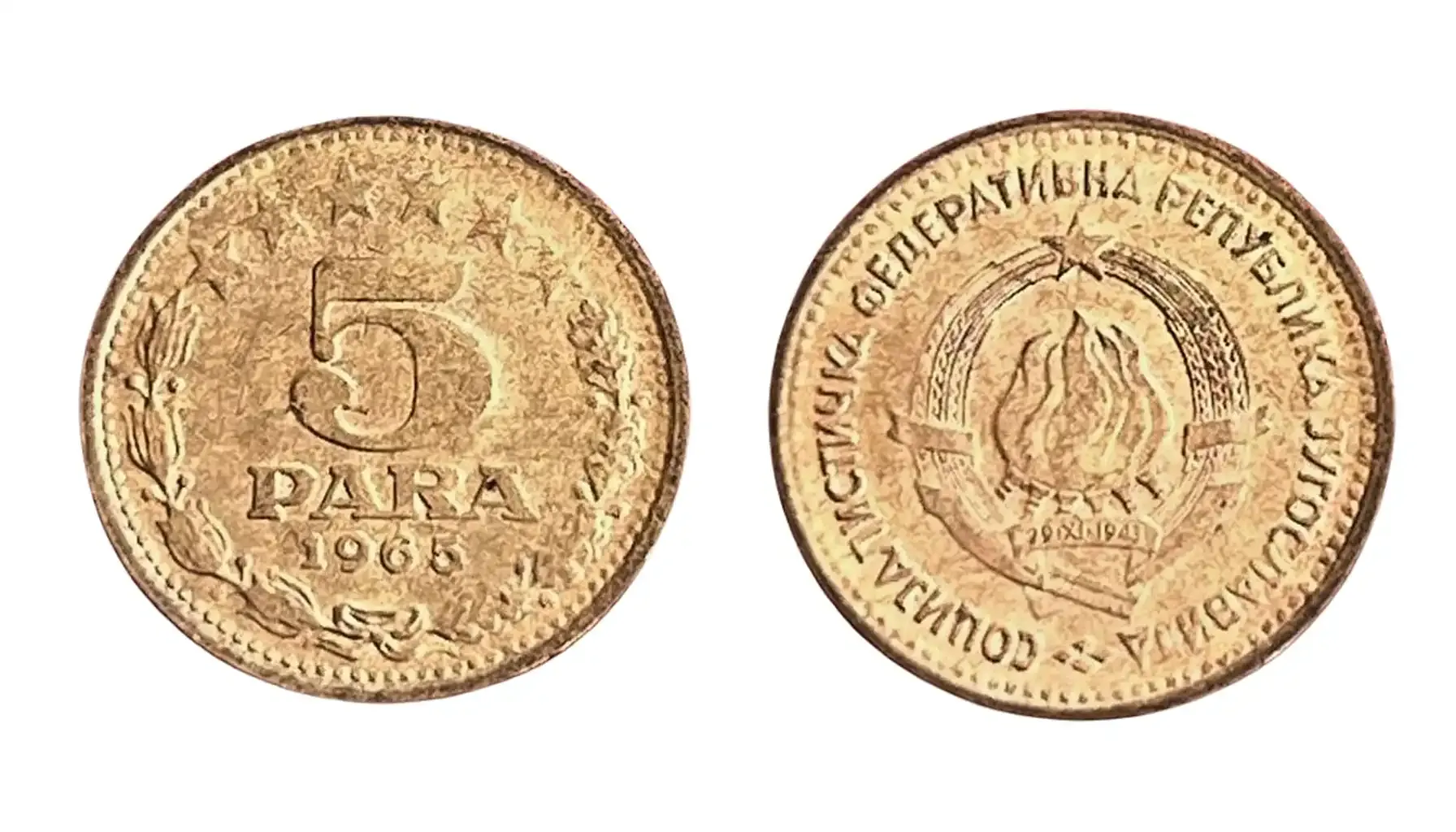
This mainly applies to commemorative coins made of precious metals, as these are mostly minted in small editions.
Condition
The grade is determined by the Sheldon scale according to the coin's condition, and it is quite important. If you can find a coin in a good grade with a low mintage, you will gain significant value for that coin. Also, pay attention to the material. If it is gold or silver, the coin will be more valuable than copper or nickel.

 Facebook
  X (Twitter)
  Pinterest
  LinkedIn