Russian currency has been on people’s radar for a long time—investors watch it, collectors study it, and anyone tracking global trends keeps an eye on it as well. When someone needs to check rate shifts, look up mint history, or understand what sets a coin apart, an online coin scanner is usually the fastest option.
Even as the economy moves unevenly, the ruble keeps a pattern of its own, and the country’s coins stay connected to both its culture and its numismatic history.
What Is the Russian Ruble?
The modern Russian ruble is the national currency of Russia, officially used since 1992 following the denomination and collapse of the USSR. It is among the oldest monetary systems in Europe. The first mentions of the ruble appear in documents dating back to the 14th century.
For a deeper look at the ruble Russian currency, a few points help outline how it works:
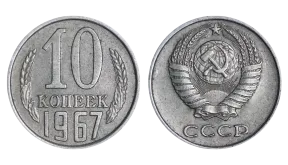
The ruble is split into 100 kopecks;
Cash and non-cash forms are both in everyday use;
It trades as a free-floating currency;
Its rate shifts with export revenues, global energy markets, and geopolitical moves.
Banknotes and coins circulate side by side, and the Bank of Russia updates them when the market begins signaling that changes are due.
Interest in the Russian currency has grown in recent years, particularly among collectors, as well-preserved older coins continue to rise in price at international auctions.
"A man with a ruble is stronger than a man with a gun." (translated from Russian)
— Mikhail Safarbekovich Gutseriev, Russian entrepreneur and philanthropist
Ru Citaty website
Russian Ruble Symbol and Denominations
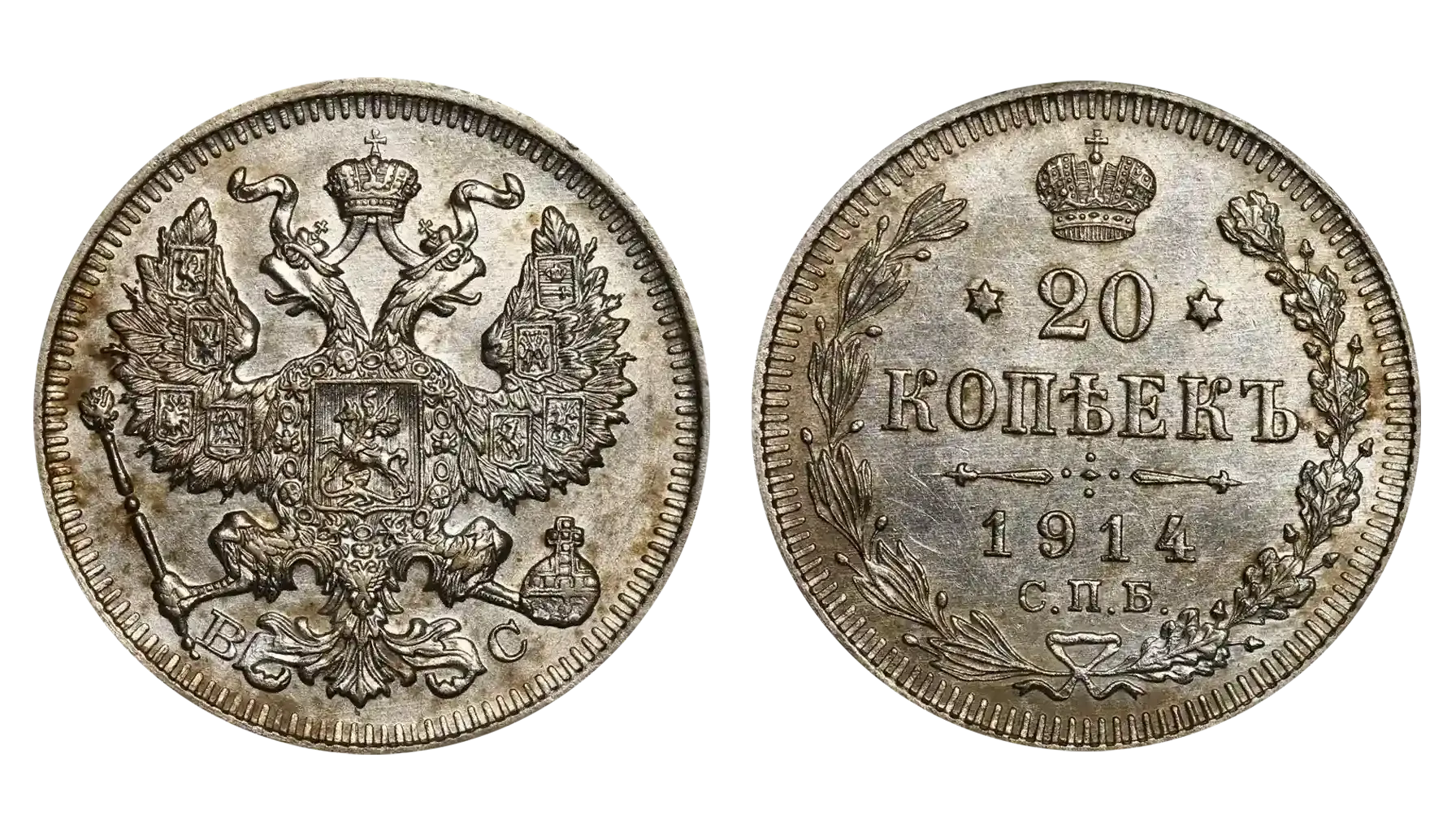
The official Russian ruble symbol, the ₽, appeared relatively recently, in 2013. It became part of bank interfaces, mobile apps, and store price tags, and over time, it appeared on coins, cementing the visual style of the modern currency. The symbol is concise, easy to read, and understandable.
To grasp how the denomination system works, it's enough to look at what is currently in circulation.
The following are currently in use:
50₽;
100₽—one of the most recognizable banknotes;
200₽—a relatively new denomination;
500₽;
1000₽;
2000₽—actively used for large transactions;
5000₽—remains the strongest in purchasing power.
Each denomination carries its own visual history: architecture, city symbols, cultural sites.
In metal circulation, the situation is different. Formally, there are:
1₽;
2₽;
5₽;
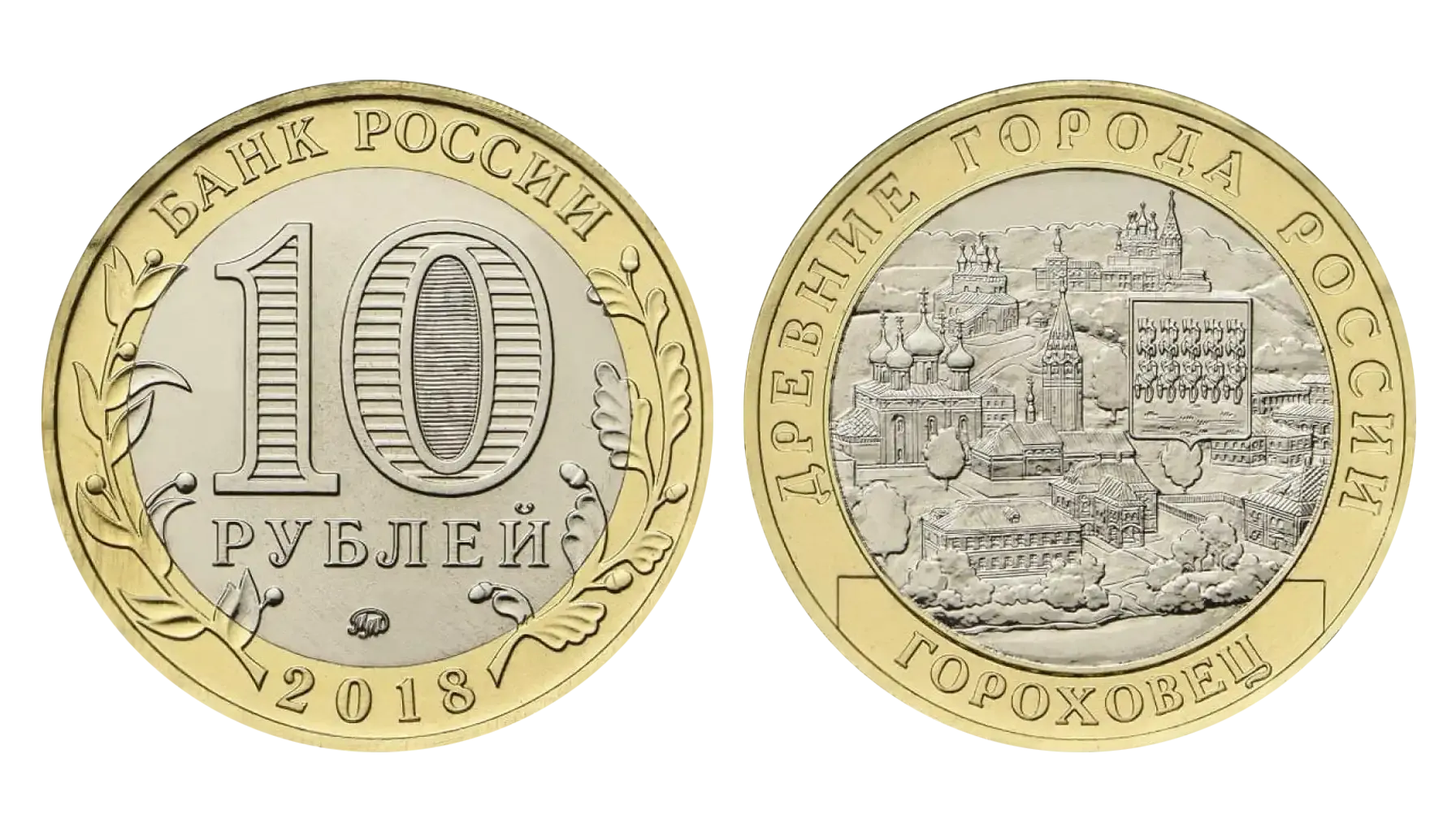
10₽—and commemorative series are often found here.
The Russian ruble coin, the very same 1₽, is a working coin that has undergone several phases of renewal. The design remained recognizable, but the metal has become stronger and the minting more precise. Newer batches are less susceptible to wear, and the lifespan of such coins in circulation has significantly increased.
Collectors often find greater interest in Russian ruble coins from commemorative issues. The themes are varied:
Cities of Labor Valor;
Anniversaries of the Country's History;
Significant Sporting Events;
Architecture and Cultural Heritage.
Russian Ruble Value Today
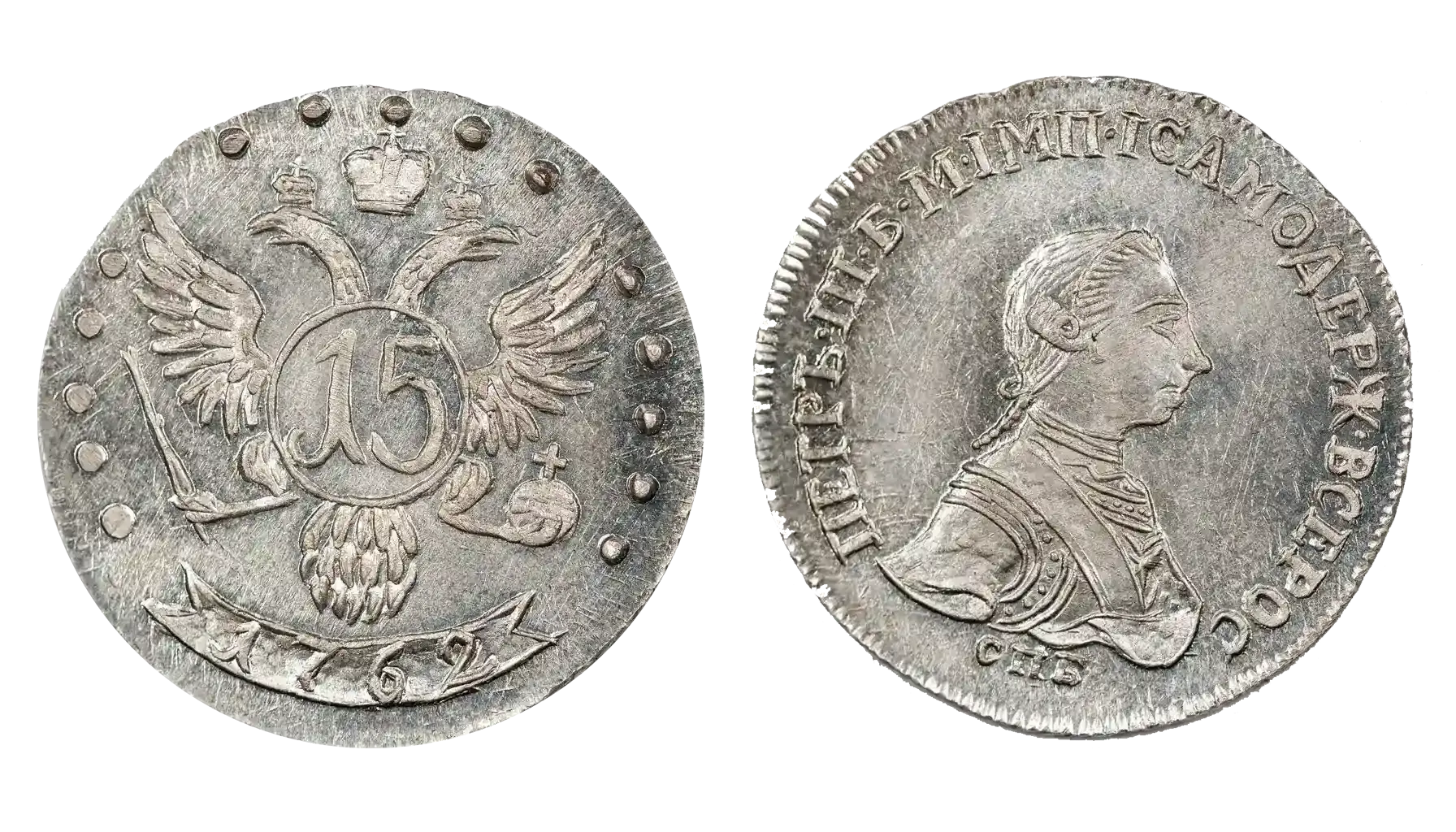
To understand the Russian ruble value objectively, you have to look beyond the exchange rate on a single day and consider the mechanisms that drive it. Several factors influence the ruble at the same time, and a shift in any of them moves the market quickly.
Key drivers include:
Global commodity prices—especially oil and petroleum products, which determine the structure of export revenues;
Central Bank policy on the key rate—an increase in the rate increases demand for ruble assets, while a decrease makes them less attractive;
Sanction and trade infrastructure—affect the availability of currency flows and settlement channels;
Export-import balance—changes in the share of imports quickly alter the demand for foreign currency;
Central Bank market operations—help stabilize conditions, as foreign exchange interventions soften sudden swings.
In 2024–2025, the ruble exchange rate showed irregular movements. Its dynamics were shaped by various factors. The Russian ruble chart typically shows high volatility.
The chart most often shows sharp fluctuations related to foreign policy events, changes in export revenues, and changes in the key rate. The ruble does not exhibit clear and stable seasonal patterns that repeat annually.
Factors influencing the ruble's value:
Factor | Impact | Comment |
Oil prices | Strong | Direct dependence of budget revenues |
Export/Import | Medium | Rising imports weaken the ruble |
Central Bank exchange-rate policy | Strong | Rate changes significantly affect the currency |
Geopolitics | High | The market reacts instantly |
Seasonality | Medium | Tax periods strengthen the ruble |
To make the analysis more accurate, it makes sense to also consider less obvious elements:
The structure of companies' foreign currency revenues—if corporations exchange currencies later than usual, this temporarily reduces supply;
The volume of corporate payments in foreign currency (debt payments, external purchases)—during such periods, pressure on the ruble increases;
Logistical delays and settlement arrangements—can distort the true picture of exports and imports;
Changes in the direction of capital flows—especially when interest rates rise in other countries.
Russian Ruble News and Market Outlook
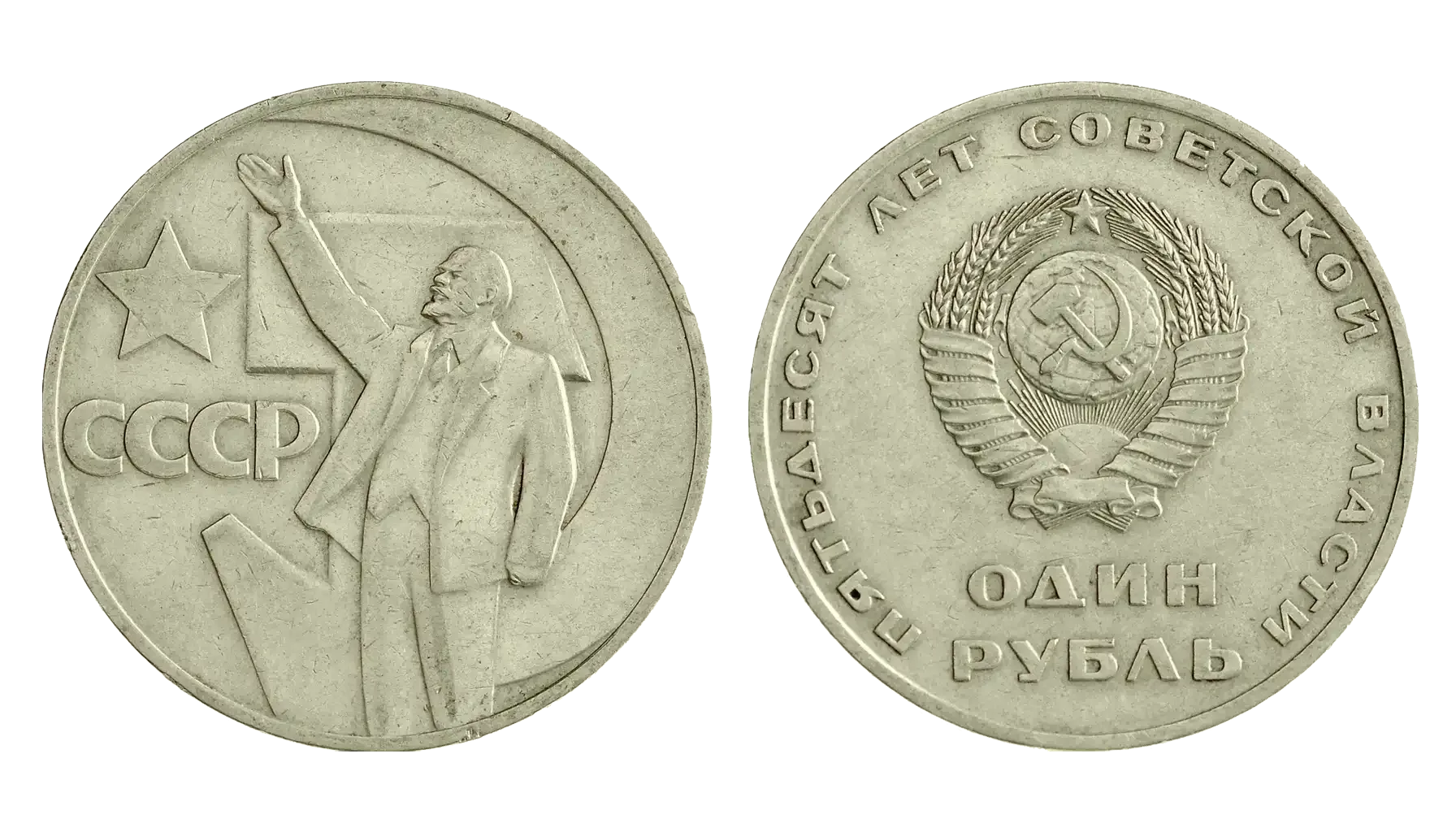
Any investor or collector following Russian ruble news regularly encounters key events that have an immediate impact on the ruble's price. Key topics include:
Review of sanctions;
Changes in energy exports;
De-dollarization policy;
New financial instruments in the domestic market;
Transition of companies to settlements in national currencies.
Economists often look at historical data, shifts in commodity markets, and basic macro models when they try to map out the Russian ruble forecast 2025. Short-term views usually weigh a few scenarios, each tied to the economy’s current tone, exporter actions, and global conditions.
Analysts point to three trends that may set next year’s average rate for the ruble market:
Moderate appreciation amid high oil prices. If oil prices stay at a comfortable mark, the ruble keeps some basic support. Export revenue stays the main source of foreign currency coming in, and any change in that flow usually shows up in the market without delay.
Gradual stabilization of inflation. The Central Bank holds a tight monetary policy, and inflation may edge closer to the target. With that in place, the exchange rate often ends up moving inside a narrower band, even if separate news still pushes it around.
Fluctuations due to international trade flows. Logistics changes, new transaction rules, or political steps from partners can shift the export–import balance fast. Because of that, these factors usually create short-term jumps in the exchange rate.
What does this mean for collectors?
The collecting community reacts more slowly to fundamental changes in the ruble, but long-term trends influence the demand and price of rare coins. Collectors' attention is divided between two major categories:
Investment Russian gold coins—sought after due to their purity and high liquidity;
Commemorative Russian silver coins—popular among beginners and collectors who emphasize relief and design.
Each group comes with its own advantages, especially when the market turns more volatile. They are released in limited runs, and the designs often mark important historical events.
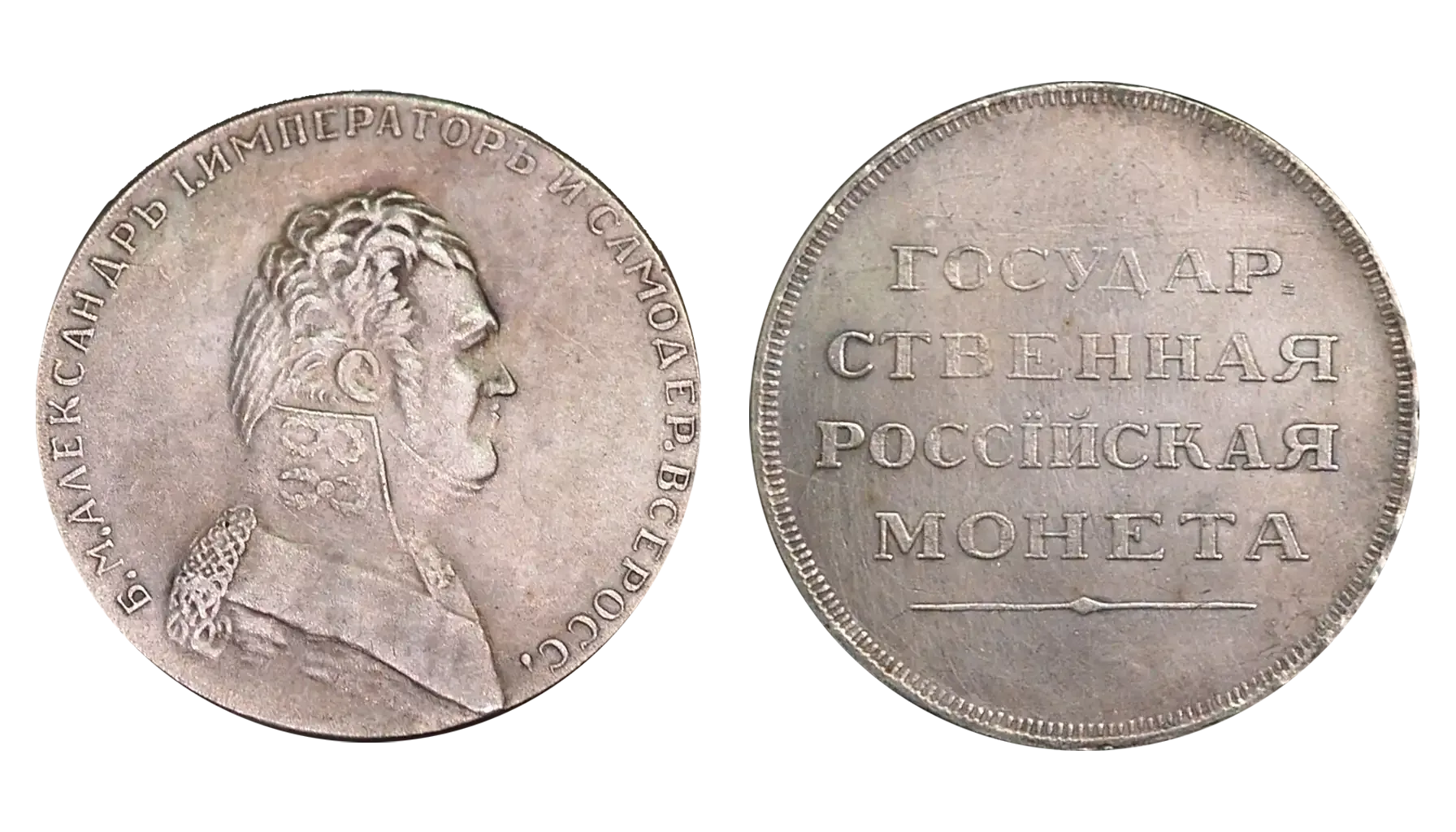
Key characteristics of gold:
Denominations: 50, 100, and 200 rubles;
Weight range: from 7.78 g to 31.1 g;
Fineness: 999, making them suitable for collecting and long-term capital preservation.
During periods of instability, gold is traditionally viewed as a safe haven asset, which increases overall interest in Bank of Russia issues.
In the silver segment, commemorative coins draw the most interest:
Denominations range mainly across 3, 25, and 50 rubles;
They tend to attract beginners as well as collectors with some experience;
Advantages include expressive relief and detailed artistic compositions.
Silver collector's editions often commemorate important historical events, architecture, famous figures, and key cultural themes. Many series quickly become scarce, especially if the design is successful or commemorates a significant date.
Collecting Russian coins is also linked to the fact that many of them help practice recognizing foreign coins, as foreign catalogs often compare the style of Russian mints with those of other countries.
Example prices for investment coins:
Coin | Metal | Weight | Average Value |
Saint George the Victorious (gold) | Au 999 | 7.78 g | 45,000–55,000 ₽ |
Saint George the Victorious (silver) | Ag 999 | 31.1 g | 3,000–4,800 ₽ |
Commemorative 25₽ colored | Cu-Ni | 10 g | 120–1300 ₽ |
Where to buy Russian coins?
Interest in rare coins, especially Russian coins for sale, is growing. Buyers most often contact:
Official Bank of Russia dealerships;
Numismatic stores;
International online auctions;
Specialized forums;
Collecting communities.
If you need to quickly determine the price of a rare or commemorative Russian coin, the Coin ID Scanner app is convenient—it will compare the image with a database of sold pieces and show the current market range.
The history of the ruble spans over 700 years:
In the 17th century, the ruble became the first European currency minted by machine;
In the 19th century, a gold reform was carried out and the silver ruble was introduced;
In the 1990s, a large-scale redenomination took place;
In the 2010s, the ruble became a free-floating currency.

 Facebook
  X (Twitter)
  Pinterest
  LinkedIn