Contents:
- Understanding Platinum Bullion Coins
- US Mint Platinum Coins and Their Role
- Price Formation and Market Trends
- Historical Platinum Coinage
- Modern Platforms and Dealers
- Collectibility and Special Themes
- Selling Platinum Coins and Market Liquidity
- Are Platinum Coins a Good Investment?
- Sizes, Weights and Global Standards
- Symbolism and Future Outlook
- Key Points to Remember About Platinum Coins
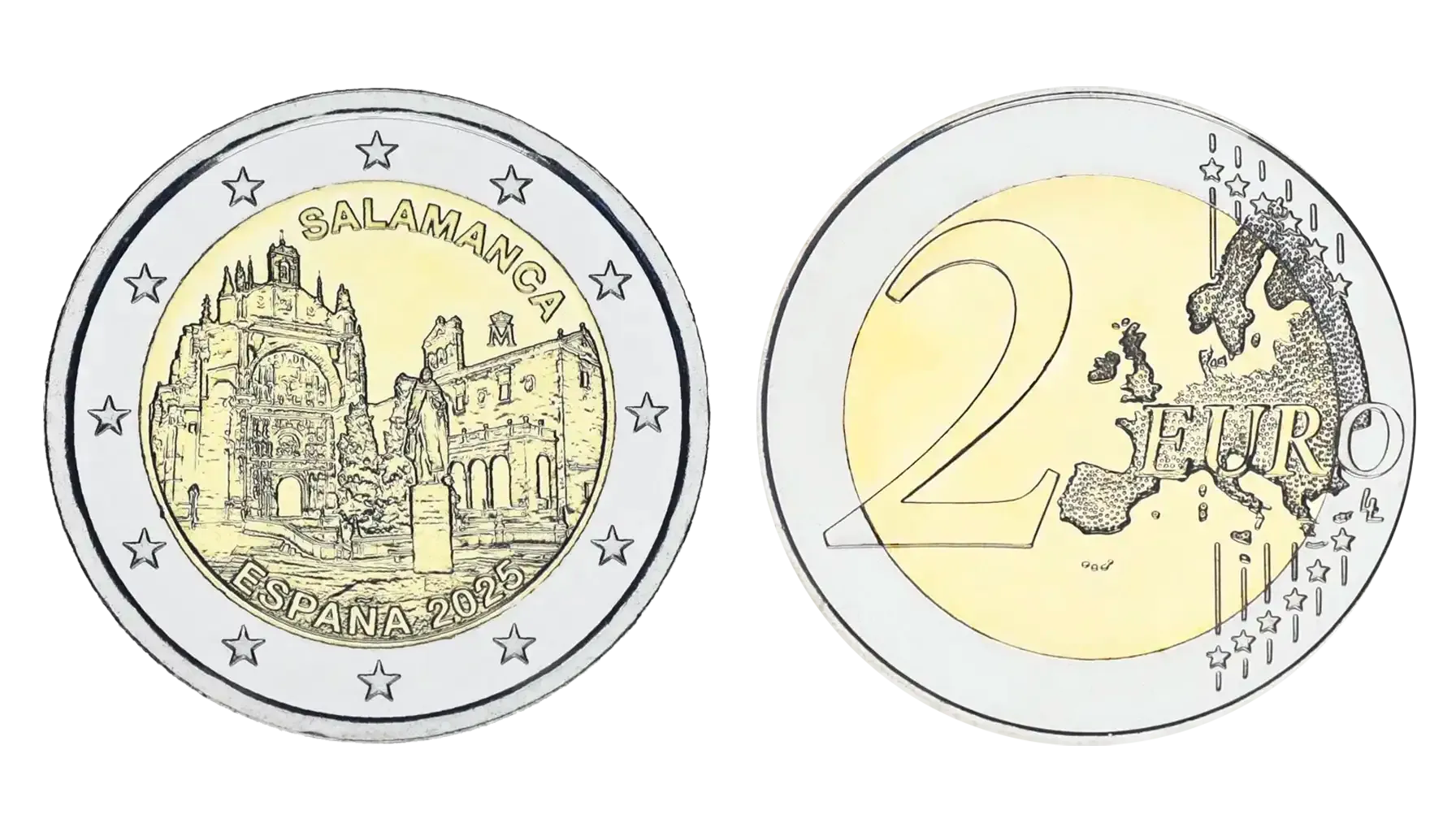
Investment and collectible platinum coins occupy a special place among precious metals. Collectors value them for their rarity, industrial use, and the artistry behind their design.
The selection here is extremely diverse. There are classic US Mint series, easily found on the market, and limited editions or private orders, which today fetch prices many times higher than their face value. If you want to avoid mistakes in value, learn the mintages and the mechanisms behind coin pricing.
Deciding where to buy or sell matters. Some platforms offer a wide selection but require careful verification of authenticity. Others are more transparent but have a more limited selection.
Modern digital tools can help you navigate this, allowing you to quickly identify the coins and get basic information about the issue.
Understanding Platinum Bullion Coins
Platinum bullion coins are the backbone of the market. Their main trait is that their price is directly linked to the current platinum ounce rate. Investors see them as capital kept in physical form, with better liquidity than bullion, making sales simpler.
Main Types and Market Significance
Key variations of standard investment issues include several categories:
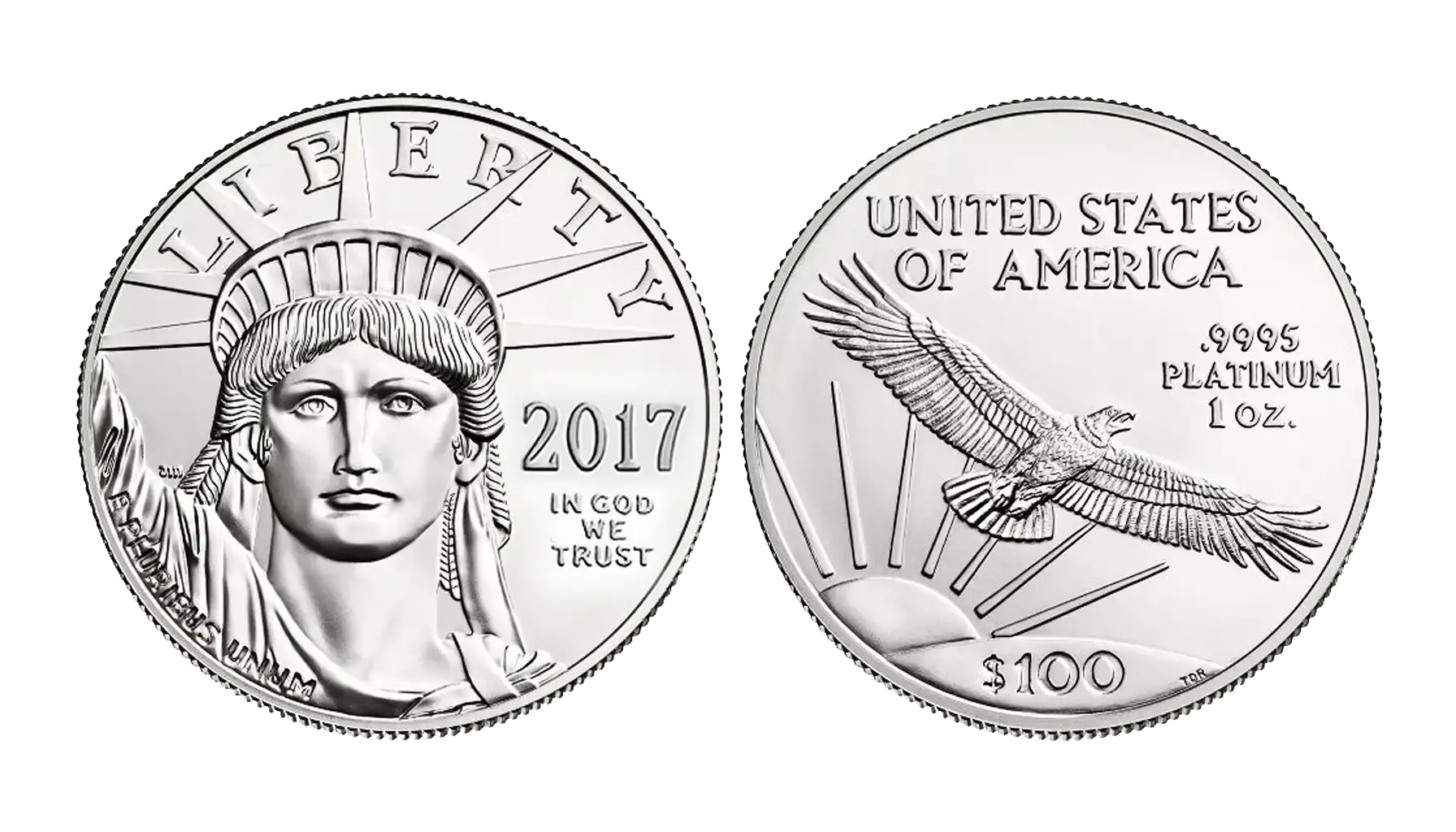
American Eagle platinum coins – an official US Mint issue since early 1997. This is the main standard for the US market.
Canadian, Australian, and British issues: Maple Leaf, Platypus, and Noble. These series are known for their consistent quality and high demand on the global market.
Regional mintages – for example, platinum coins Dallas – have a developing local market and established resale infrastructure.
Investors like this minted format, and collectors seek rare years or limited runs to raise value beyond the metal.
US Mint Platinum Coins and Their Role
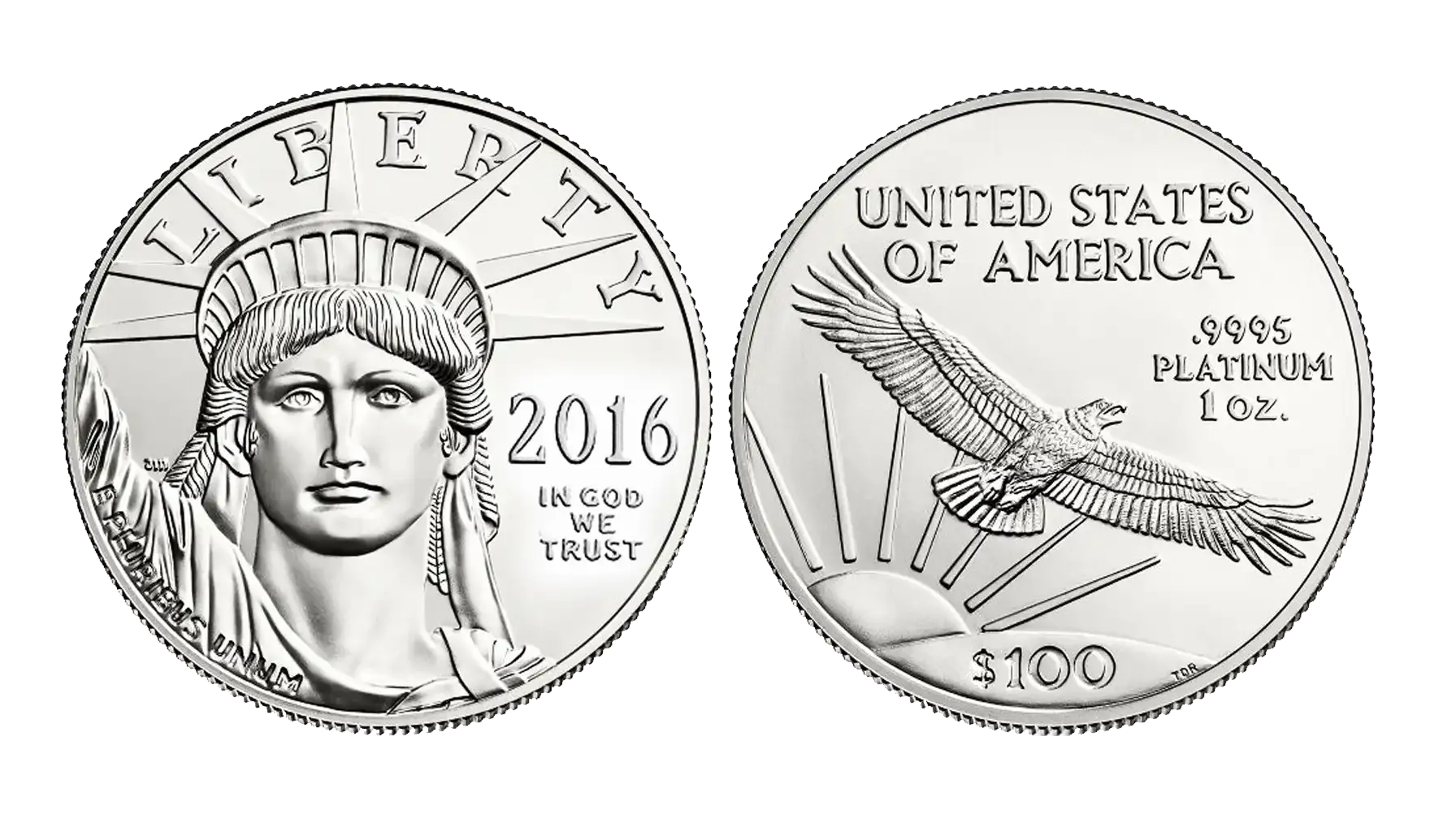
This piece is distinguished by strict quality control and its status as legal tender. The US Mint's portfolio includes both standard bullion issues and collector's editions.
Proof Issues and Commemorative Series
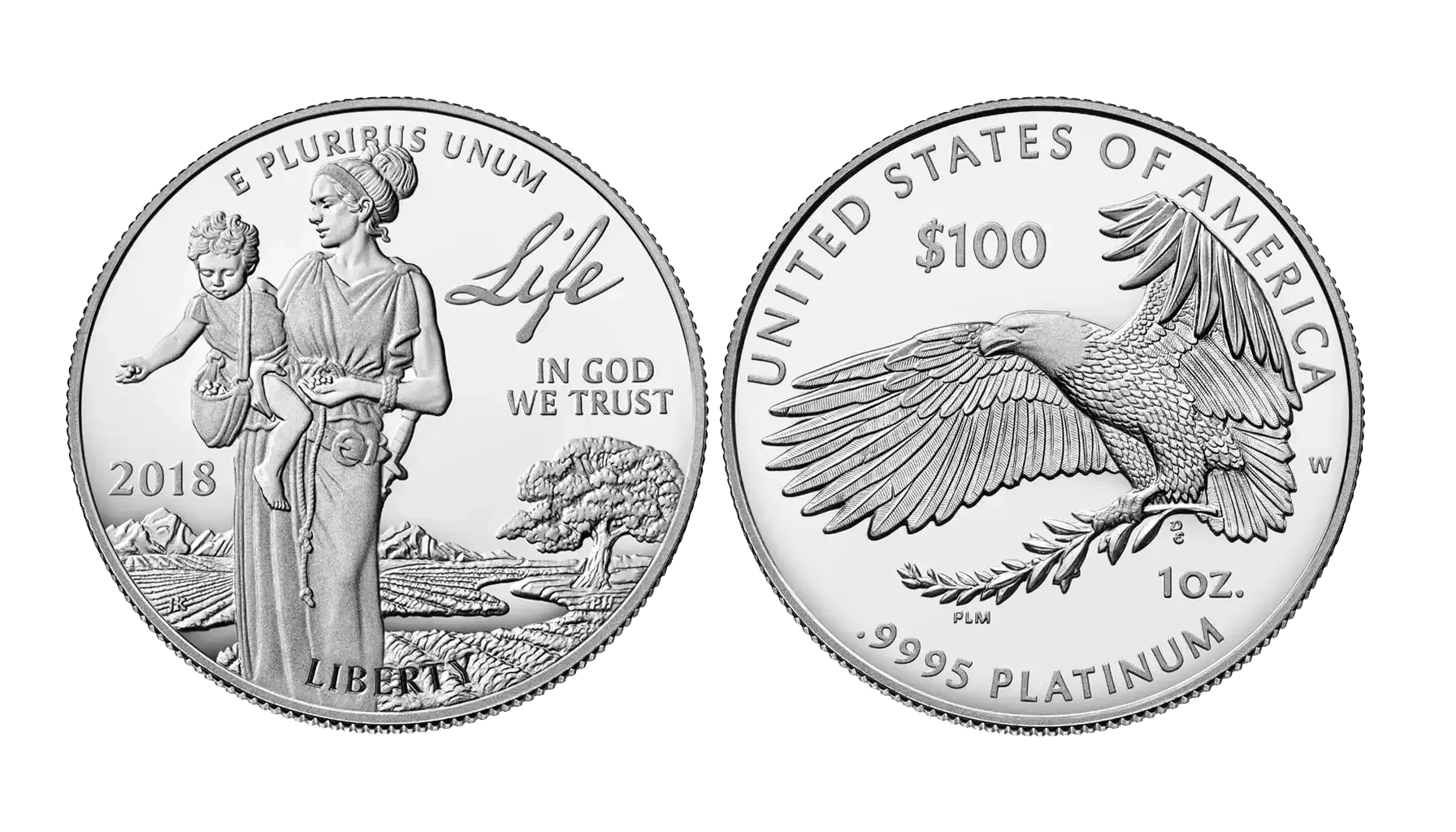
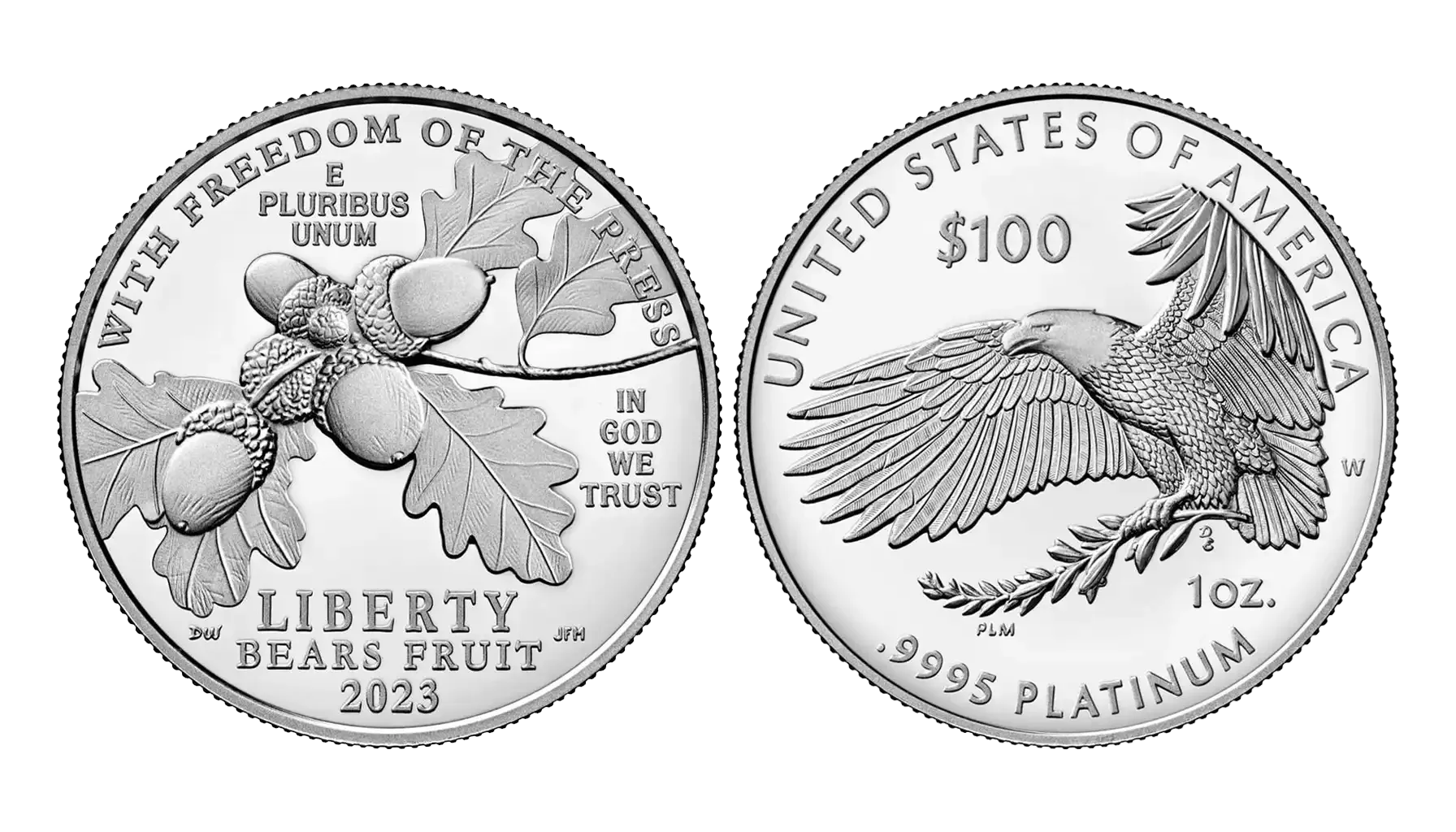
The most notable are the American Eagle platinum proof coins, issued in limited mintages. They are distinguished by a mirror-like luster and a matte relief. For investors they’re pricier than regular coins, yet collectors value them for being hard to find.
New designs appear every year in this series, usually linked to U.S. history or democracy. That mix of investment value and collectible charm makes them a top pick in the U.S. market.
Characteristic | Value |
Denomination | $100 (1 oz) |
Metal | Platinum 0.9995 |
Weight | 31.12 g |
Diameter | 32.7 mm |
Issuer | US Mint |
Price Formation and Market Trends
Any investor in platinum coin prices primarily focuses on the metal's price. However, the final price of a specific piece may vary due to a number of factors.
What Influences Platinum Coin Prices
The platinum exchange rate on the day of the transaction. The metal's price sets the benchmark: if the rate rises, the coin's value automatically increases, even without taking into account its numismatic value.
Rarity of issue. This is especially true for rare platinum coins, which were issued in limited editions. The smaller the mintage and the more difficult it is to find a piece in good condition, the higher its market price.
Surface condition. Here, the international grading scale from MS-60 to PF-70 is used. Each division can increase the value several-fold, as a coin with a perfect PF-70 grade is practically a collector's standard.
Dealer premium and market demand. The price always includes the seller's premium, and if there is a surge in interest in a particular issue, the price rises above the average benchmark.
This is roughly what the dynamics of the US market look like: with the spot metal price at $950 per ounce, bullion coins sell for $1,000–$1,050. Collector's editions can cost from $1,200 to several thousand dollars each.
US сoin trends 2025 offers detailed forecasts and the latest estimates, showing where the market is headed and what that means for rare issues.
Historical Platinum Coinage
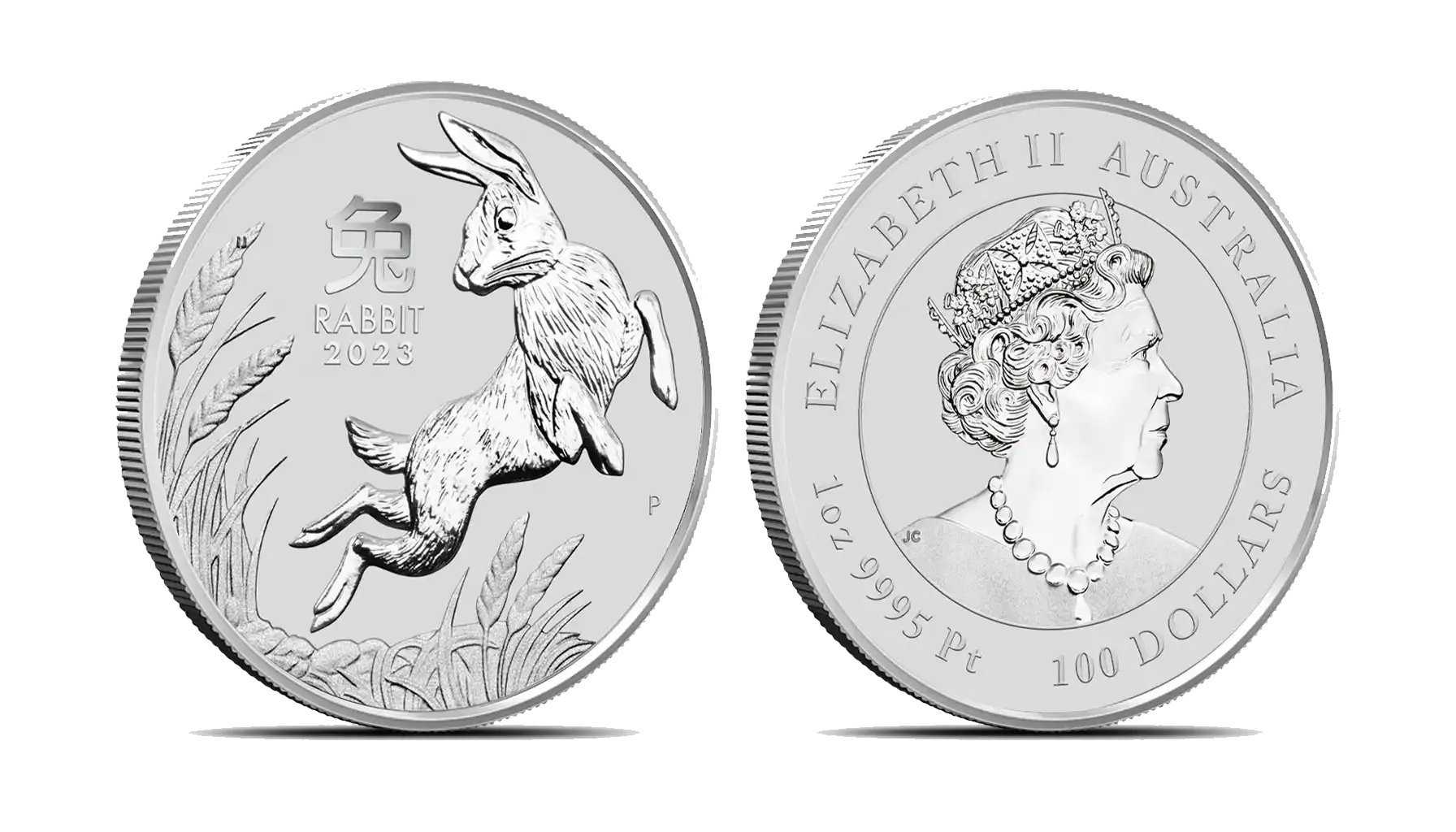
It's not just modern mintages that attract attention. There are also old platinum coins, minted in limited editions in the 19th and 20th centuries.
From Russian Issues to Modern Collectibles
Russia became the first country to issue platinum coins for circulation, back in 1828. These coins are now valued as one-of-a-kind historical artifacts. Later, modern countries such as the United States, Australia, and the Isle of Man returned to minting platinum.
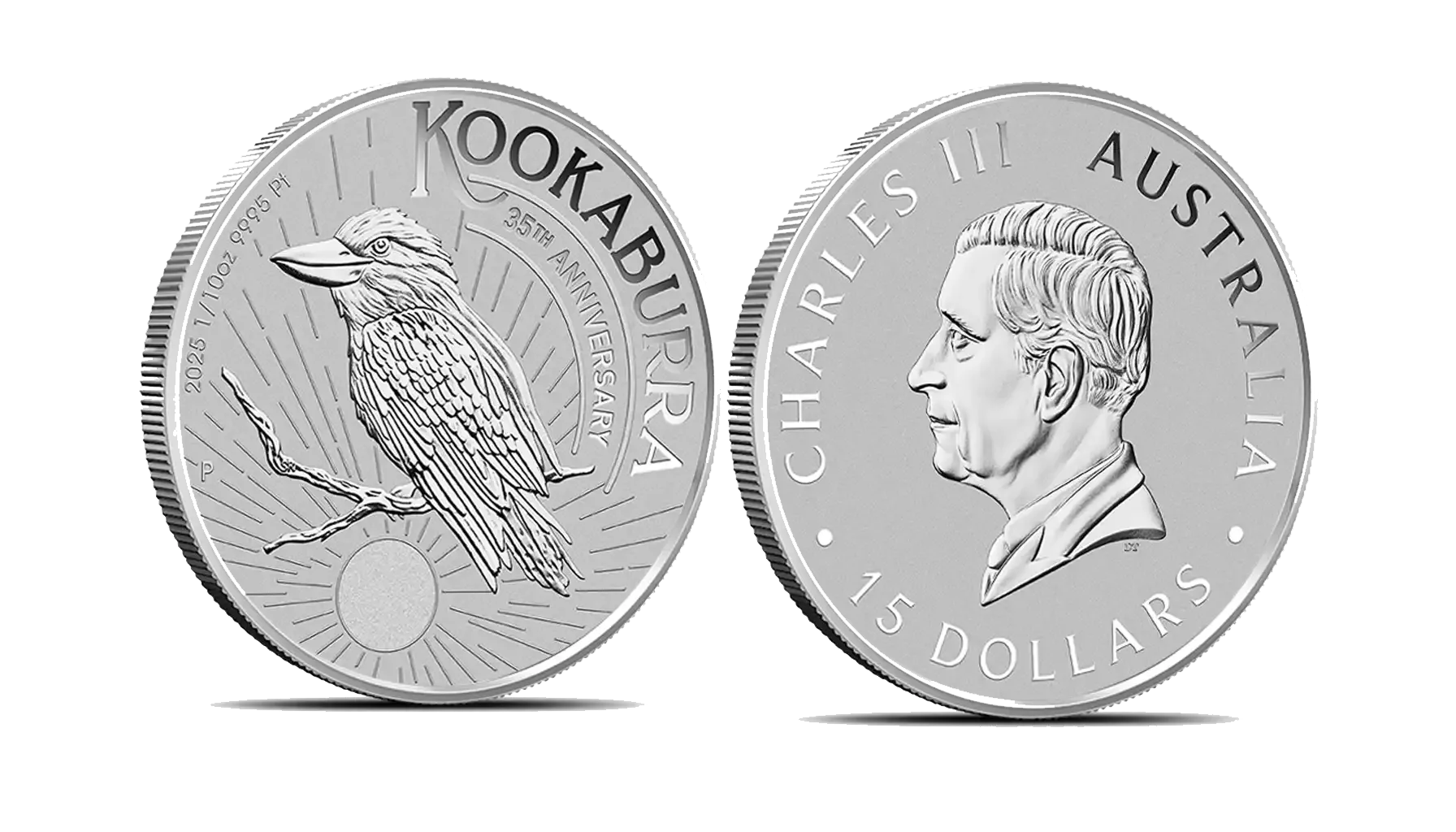
Platinum noble coins (Isle of Man) and Australian platinum platypus coins stand out among collectors, distinguished by their artistic designs and small mintages. Their market price can significantly exceed the value of the metal itself due to their numismatic rarity.
Modern Platforms and Dealers
When searching for platinum coins for sale, it's important to rely on trusted sources. It cuts down the chance of counterfeits and protects your investment.
Buying Channels and Online Options
Official dealers of the US Mint and other government mints;
Platforms like Kitco Platinum Coins, which offer transparent quotes and a wide selection;
Specialized stores focused in rare issues, such as Elin Platinum Coins, which offers collectible versions;
Online purchase: Many investors prefer to buy platinum coins online, as this allows them to compare offers and find the best prices.
Exhibitions and coin shows: Large numismatic events give buyers a chance to see coins in person, verify authenticity, and meet reliable dealers.
Collector communities and forums: Enthusiasts sometimes exchange or sell coins within trusted groups, often finding unique editions.
For a long-term investor, it’s often more convenient to purchase platinum coins and bars simultaneously to diversify assets: coins are more convenient for resale, while bars are more convenient for storing larger amounts of metal.
Collectibility and Special Themes
In addition to standard releases, there are some unusual categories, including cultural and thematic series.
Unconventional and Themed Platinum Issues
Platinum coins Nintendo were issued as collectible souvenirs and are prized for their uniqueness.
Australian series featuring animals, including the Platypus.
Regional rare issues, often with very small mintages.
Such have a high premium over metal value.
Selling Platinum Coins and Market Liquidity
For owners, the question arises: how to sell platinum coins without losing value?
Practical Aspects of Selling
Contacting official dealers and auction houses.
Selling through numismatic platforms.
Local markets—for example, the easiest way to sell platinum coins in the US through specialized stores or dealers in large cities.
It's important to remember that the selling price will almost always be slightly below the market price due to dealer margins.
Are Platinum Coins a Good Investment?
The issue has been discussed for several decades.
Risks and Advantages for Investors
Pros:
High rarity of the metal and limited production;
Demand from industry (automobiles, electronics, medicine);
Liquidity in the precious metals market.
Cons:
Platinum price volatility;
Limited choice for private investors compared to gold and silver.
Higher premiums on some coins, reducing short-term profitability;
Lower market awareness, which can slow resale.
Sizes, Weights and Global Standards
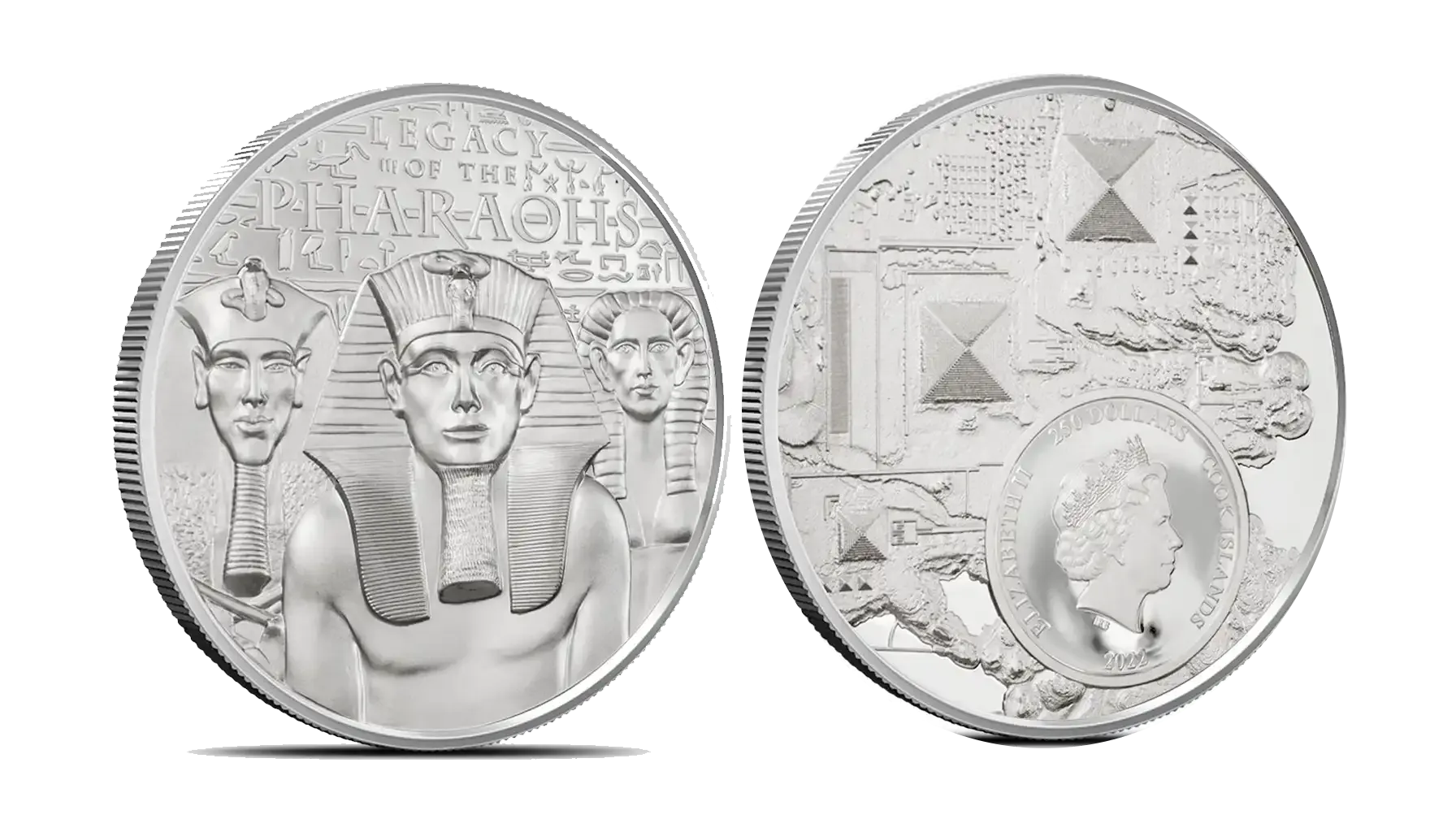
It's important for investors to understand weight standards. The most common option is 1 oz platinum coins, which are the easiest to resell.
Standard Weights and Numismatic Value
In addition to ounce pieces, there are also half-, quarter-, and even tenth-ounce coins, which let investors build a portfolio step by step instead of buying everything at once.
Some countries issue unique series, such as limited sets of US platinum coins, which include different weights within a single design.
Table: Example of Weight Ranges
Denomination | Weight | Diameter |
$100 | 1 oz | 32.7 mm |
$50 | 1/2 oz | 27 mm |
$25 | 1/4 oz | 22 mm |
$10 | 1/10 oz | 16.5 mm |
Symbolism and Future Outlook
Platinum numismatic items are an investment and a part of global financial history.
Rare specimens like platinum platypus coins or commemorative series are valuable as reminders of cultural and historical events. Furthermore, the idea of a trillion-dollar coin is periodically mentioned in modern discussions of the US economy, emphasizing the symbolic significance of platinum issues as a financial instrument.
Key Points to Remember About Platinum Coins
Platinum coins US mint cover the spectrum: investment staples on one end, rare collector’s pieces on the other. For investors, it means spreading risk; for collectors, curating something special.
When judging a numismatic item, you always look at its condition, rarity, and how much demand there is for it. It's also important to know the coin's value using available tools and up-to-date catalogs.
Coin ID Scanner
Modern collectors are increasingly using digital services. Coin ID Scanner helps identify pieces by photo: simply upload an image or take a picture using the app. The system identifies the year of minting, country, denomination, weight, diameter, and approximate value.
Another handy feature, collection management, lets you keep a digital catalog. The database contains over 187,000 coins, and the paid version offers "smart filters" for advanced searching. This tool saves time and makes it easier to organize your collection.

 Facebook
  X (Twitter)
  Pinterest
  LinkedIn