Contents:
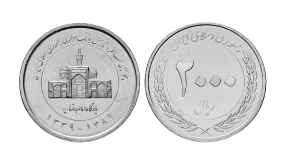
The modern Iranian rial forms the basis of Iran's monetary circulation, and collectors and researchers often use an online coin scanner to quickly check dies, coin parameters, and differences between batches from different years.
What the Iranian Rial Currency Is and How It’s Used
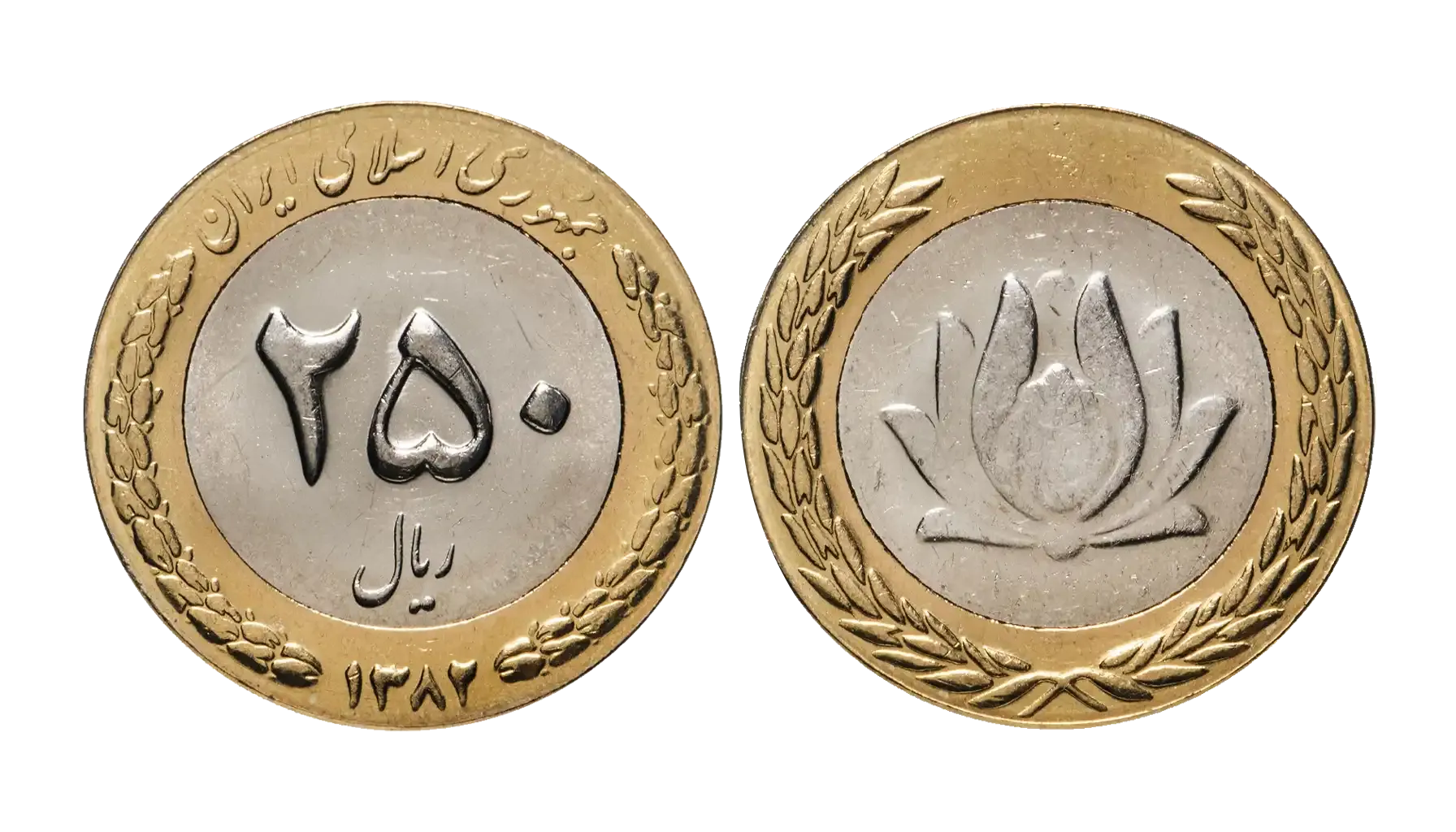
Iran's current monetary system serves as the primary means of payment within the country. The currency has existed since 1932, when it finally replaced the qiran and became the single unit of account.
Where the currency is used:
retail purchases;
transportation and city services;
payments between local businesses.
The use of the "toman" is common in Iran, where one toman is equal to ten rials. However, official payments are still conducted in the national tender, and this is the currency used when describing pieces.
For numismatists, the Iranian rial coin is of interest because it is piece issues that allow us to track changes in the economy.
Denomination | Year of Issue | Material / Notes |
1 rial | 1992–1997 | Brass |
2 rials | 1992–2004 | Brass |
5 rials | 1992–2004 | Brass |
10 rials | 1992–2004 | Copper-nickel |
50 rials | 2004–present | Copper-nickel |
100 rials | 2004–present | Copper-nickel |
Small denominations are rarely used in large cities, but they are important for numismatists because they make it easier to study coin collecting mistakes.
How Rial Coins Have Changed Over Time
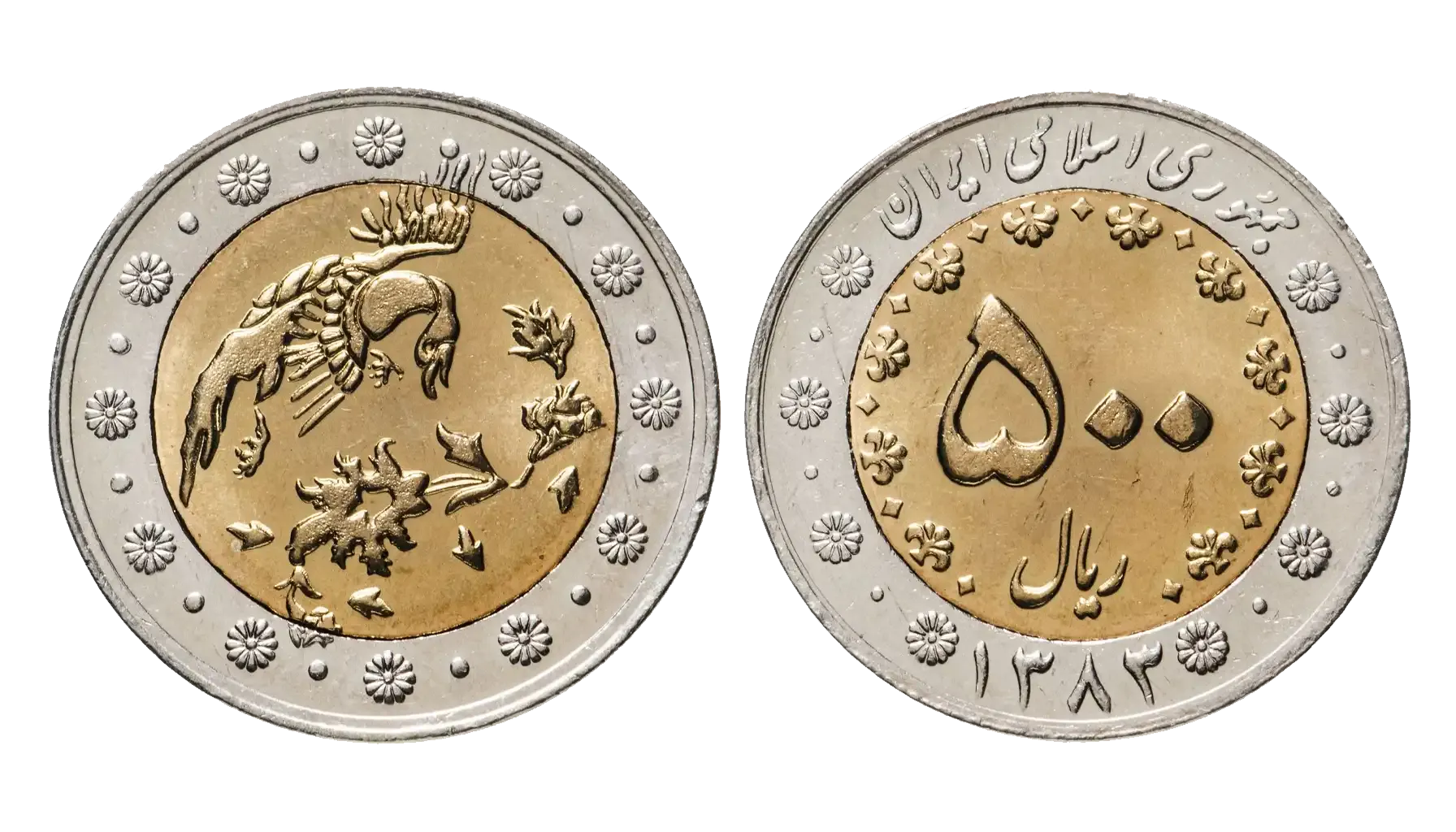
The history of rial coins shows how the country adapted to economic changes. Older specimens had a value tied to their metal, but by the end of the 20th century, the structure had shifted toward inexpensive alloys.
Key stages in the development:
1930s – appearance of the first monetary pieces, made of silver and copper alloys.
1960s–1970s – transition to copper-nickel alloys.
After 1992 – the release of lighter alloys and a simplified design.
2000s – the introduction of larger denominations, but bimetallic specimens are not officially mass-issued in Iran.
In old catalogs, you can find a special item – the Iran 1 rial coin, which was once a full-value monetary denomination. Now, its purchasing power has almost disappeared.
Year | Metal | Weight | Diameter | Feature |
1964 | Cu–Ni (not silver) | ~3.5 g | ~20 mm | Pahlavi coat of arms |
1973 | Cu–Ni | ~3.5 g | ~20 mm | standard series |
1992 | Brass (not aluminum) | ~1.4 g | ~16.1 mm | simplified relief |
Even low-value denominations can have defects:
weak strike,
worn edges,
partial relief shifts.
When examining old specimens, it's important to remember that attempting to clean dirty coins can easily damage an aluminum surface, so experts advise against using aggressive solutions.
“Coins reflect the culture and times in a way no other artifacts can.”
— David M. Sundman, Chairman of Littleton Coin Company
Littleton Coin website
Collecting Iranian Rial Coins Today
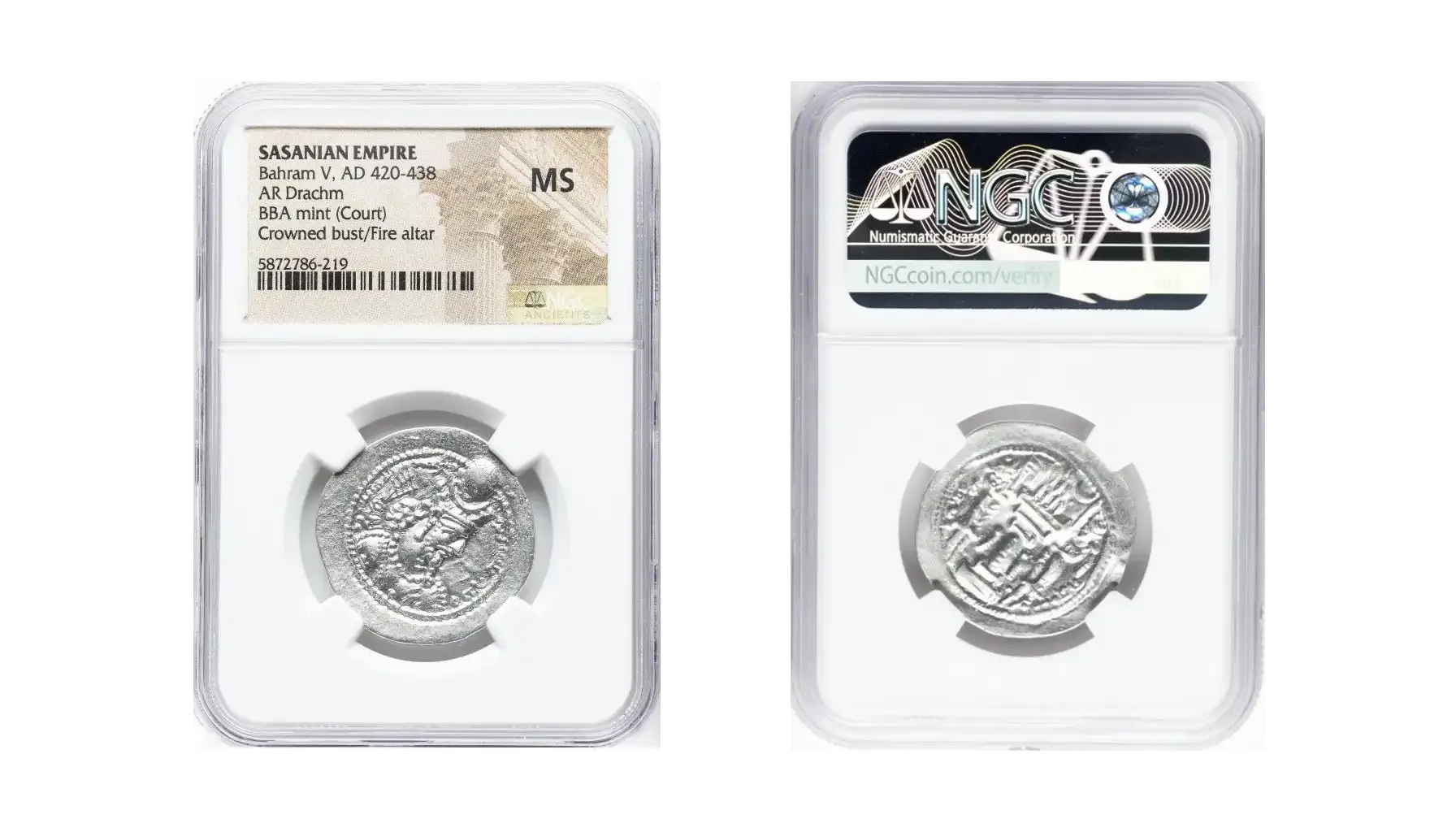
Collecting Iranian coins has long been a distinct industry. For those studying the market, it's important to understand that the rial coin retains its collectible potential due to frequent changes in design and political symbols. This creates many variations even within a single year.
What's currently valued:
early Pahlavi pieces;
bimetallic issues from the 2010s;
low-mintage issues from the Qom region;
pieces with unusual striking.
A numismatist needs to know that when working with the national unit, many batches have only minimal visual differences, and they must be identified by the date font and the pattern of dots along the rim.
Average Market Benchmarks
Rial | XF | UNC |
1 (1960s) | 2–4 USD | 6–10 USD |
1 (1970s Cu–Ni) | 1–2 USD | 4–7 USD |
1 (1990s Al) | 0.50 USD | 1–2 USD |
500 (bimetallic) | 2–3 USD | 4–6 USD |
To quickly identify a coin's variety, check its weight, or get an approximate value, use the Coin ID Scanner app. It analyzes photos of the reverse and obverse and displays data from a large coin database, saving time when sorting through your collection.

 Facebook
  X (Twitter)
  Pinterest
  LinkedIn