Contents:
Obviously, every well-established state has its own currency, and among these copies, real numismatists aim to find as many unusual and valuable tokens and bills as possible.
But before you are ready to buy collectible pieces, study all the coin Mexican peso features in order to roughly navigate the market, but even if the training is difficult, keep the app to identify coins handy to check in less than a minute.
Overview of the Mexican Peso
The UN Peso coin is the official money unit of the Mexican United States, being used as the only legal way to pay for things inside the whole country.
The international code for the money, approved by the ISO 4217 group, is MXN, the Bank of Mexico or Banxico manages the issuing and control of this money.
The Mexican Peso, being one of the most bought and sold monies in Latin America, is divided into 100 smaller parts called centavos.
The symbol for the Mexican currency is $, being placed before the number — comes from the old Spanish dollars, those dollars being very common during the colonial period and serving as the base for many modern monies.
Evolution of Mexican Peso Coins
The history of the Mexican Peso money starts when Mexico became a country, but its modern form and value were fixed by a big money change at the end of the 20th century.
The Change from Real to Peso
Before the 19th century, Mexico used silver and gold pieces based on the Spanish real money system, the silver tokens of eight reales, known as the "Spanish Dollar," being very common around the world.
After getting its independence, Mexico kept it as its main money unit, later moving to a system where one peso was equal to 100 centavos, changing the way people counted their money.
The Money Reform of 1993
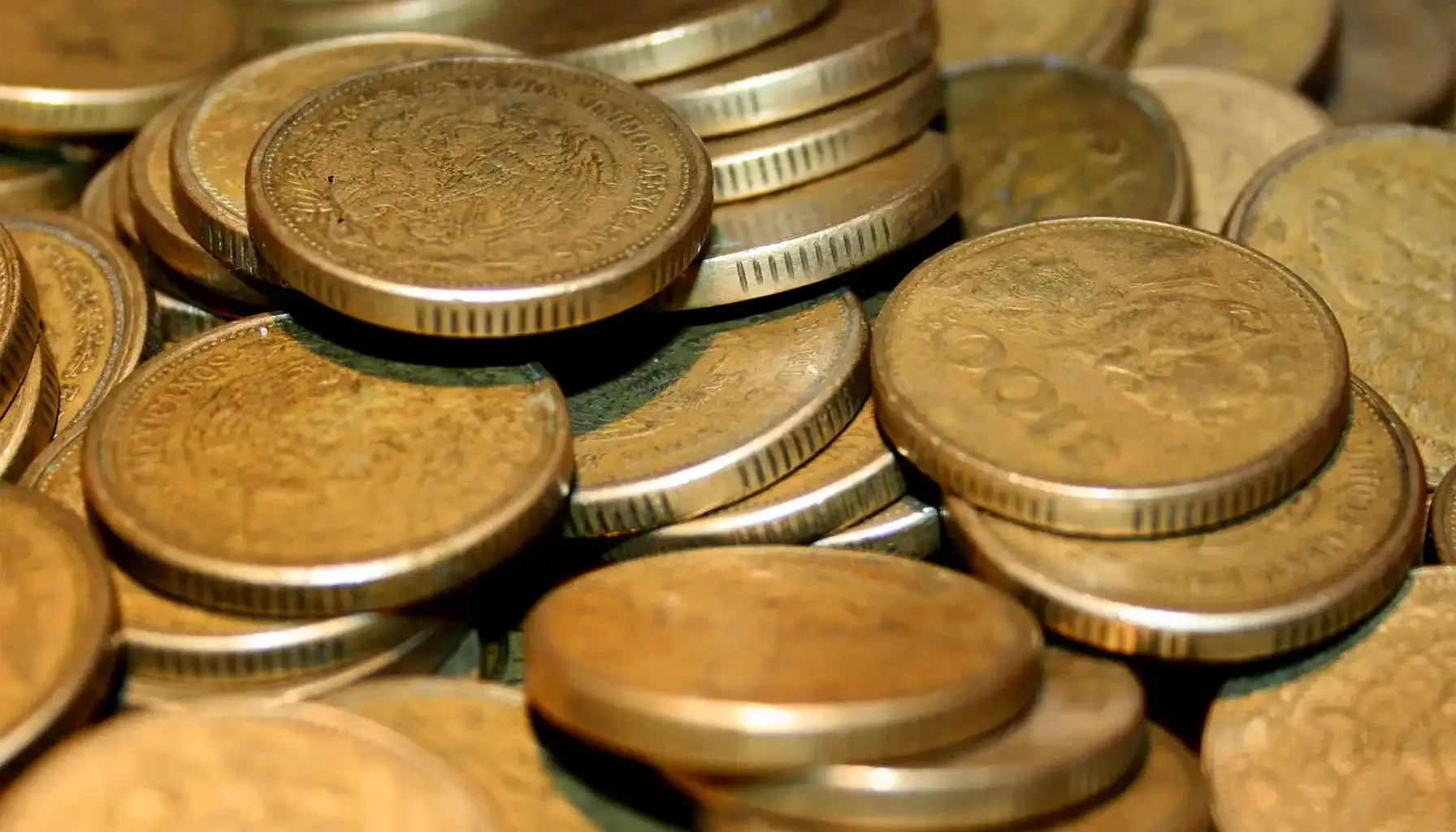
The most important change in the modern history of this currency happened in 1993, the government of Mexico deciding to remove three zeros from all money because of a long time of very high inflation, that inflation making the money almost useless.
As part of this change, all money values had three zeros taken away, meaning one new was equal to 1000 old pesos.
For a short time, the new tokens and paper money were marked with the letters "N$", showing they were different from the old, low-value money.
By 1996, the letter "N" was taken away, the money becoming known simply as the "peso" again, but keeping the international code MXN.
The Start of Bi-Metallic Coins
After the 1993 reform, new ones were introduced into circulation, most of which were bimetallic — made of two different metals.
The bimetallic form uses an outer ring made of one metal and a central part made of another metal.
All the new pieces have the same front side, the National Coat of Arms of Mexico being shown there — an eagle sitting on a cactus and eating a snake — being a very important national picture.
Current Circulating Peso Coins
Currently, face value coins are used daily 50, 20, 10, 5, 2, and 1 peso, as well as smaller ones in denominations of 5, 10, 20, 50 centavos.
50 Centavos
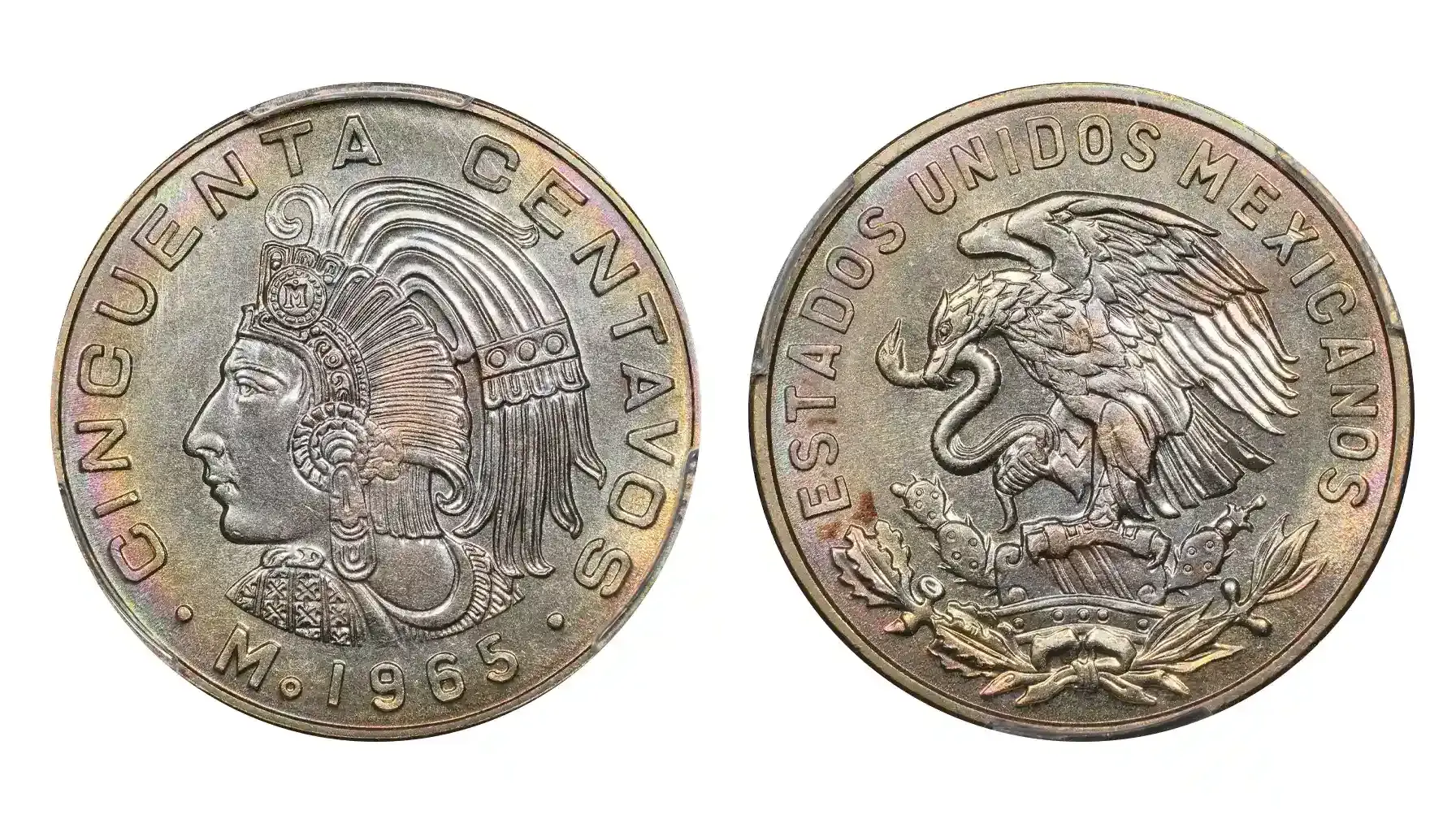
The 50 centavo coin, being the smallest value coin used in buying things, is made only of steel, having a small size making it easy to know it is not a peso.
Made from steel that doesn’t rust
The back side shows a special picture, this picture being a part of the Ring of Acceptance from the old Aztec Sun Stone.
1 Peso
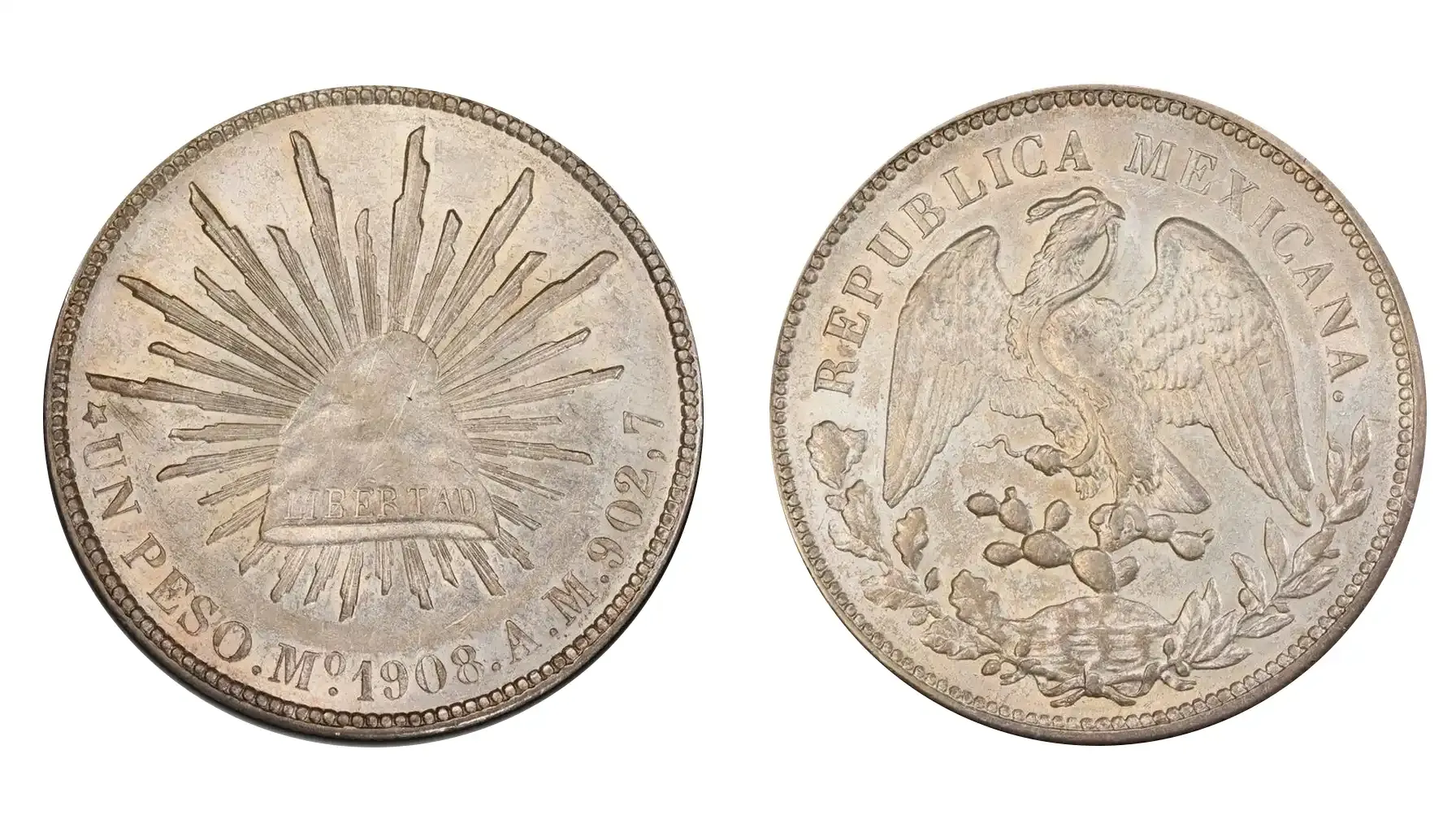
The 1 peso coin, the first in the group of bimetallic tokens, has an outer ring made of a mixture of bronze and aluminum, and a central part made of steel.
The back side shows a part of the Aztec Calendar called the Ring of Rays or Ring of Days.
2 Pesos
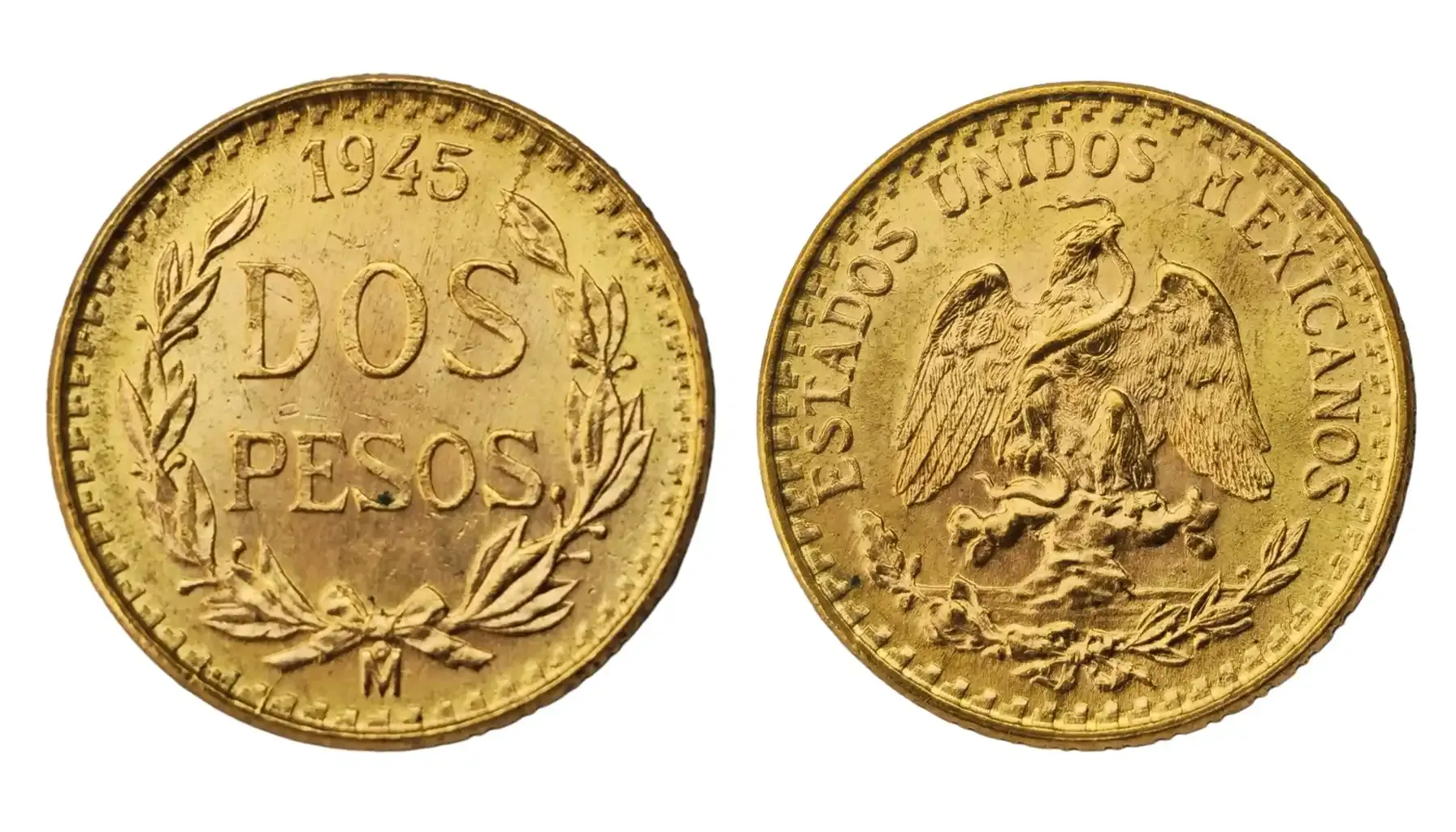
From the same series as the first one, with a similar design on the back, but slightly larger — speaking of composition, the outer ring is made of aluminum and bronze, and the center is steel.
The back side shows a part of the Ring of Days from the Aztec Calendar.
5 Pesos
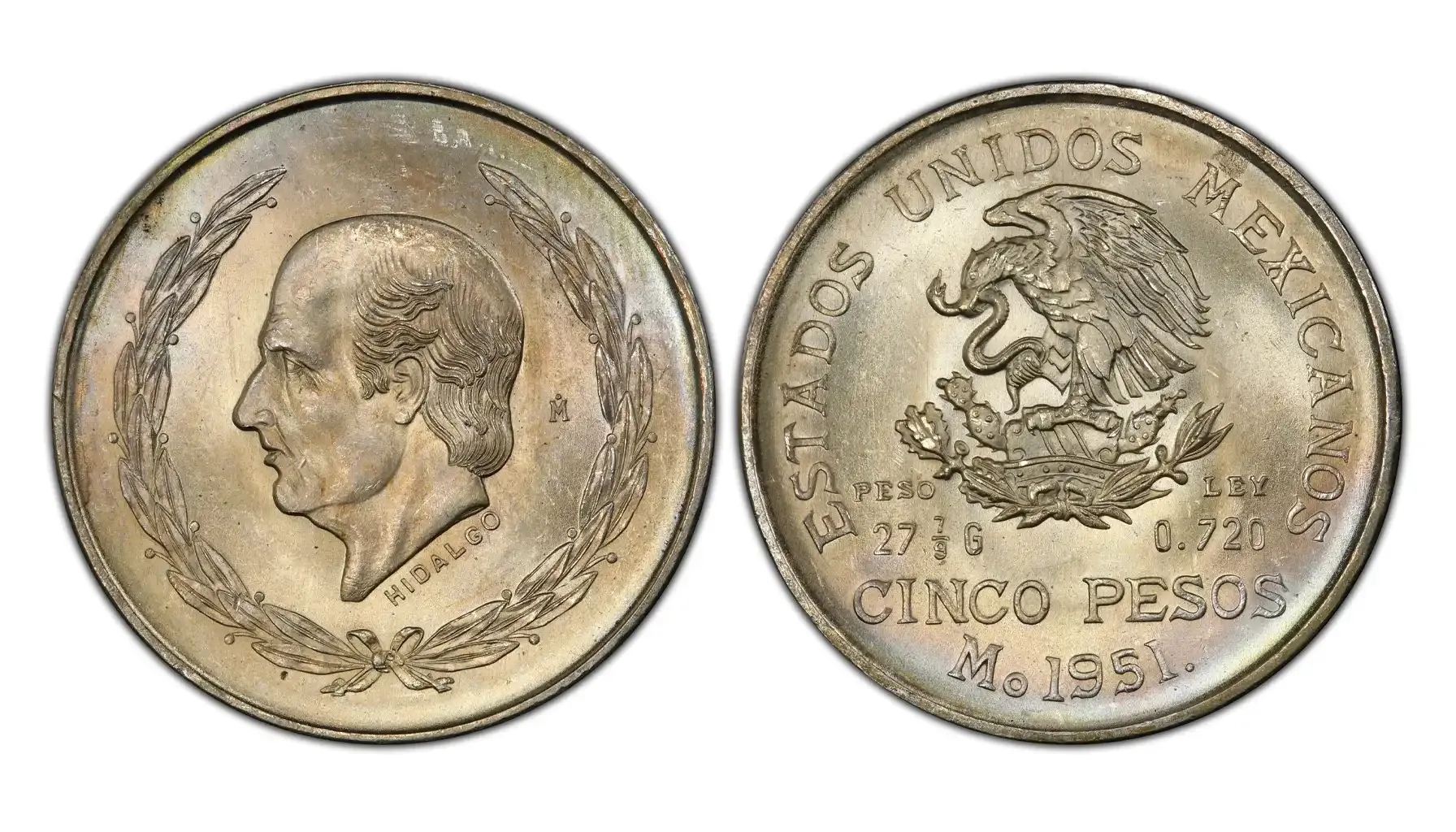
The 5 Pesos, being bigger and heavier than the 1 and 2 peso coins — but has the same as 2 Pesos composition.
The reverse side shows a ring of snakes from the Aztec calendar at the outer edge of the stone.
10 Pesos
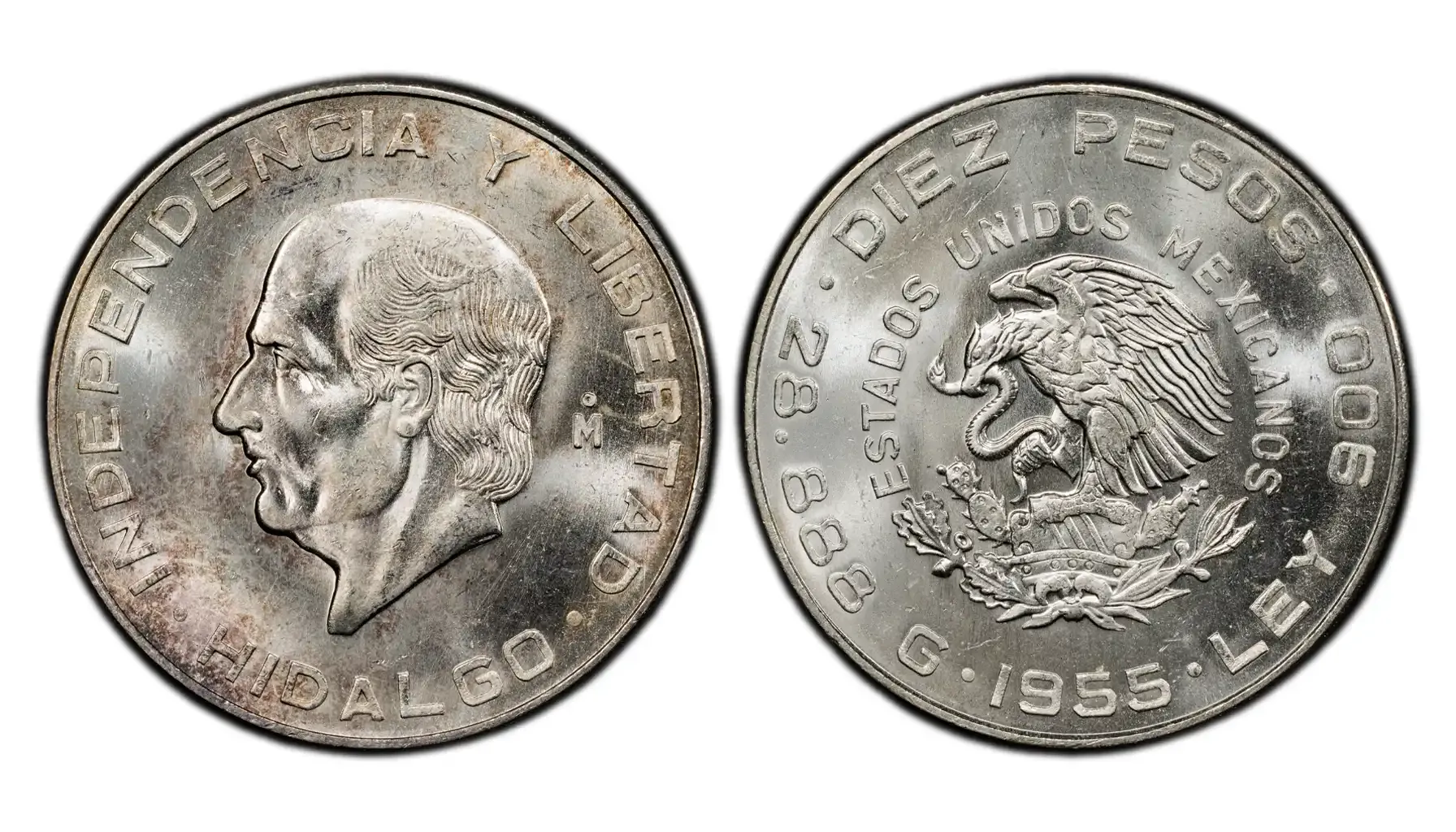
The outer ring of the token is made of aluminum-bronze alloy, and the central part is made of a copper-nickel mixture.
The 10 peso coin reverse reflects the Sun Stone fully in the center part.
20 Pesos
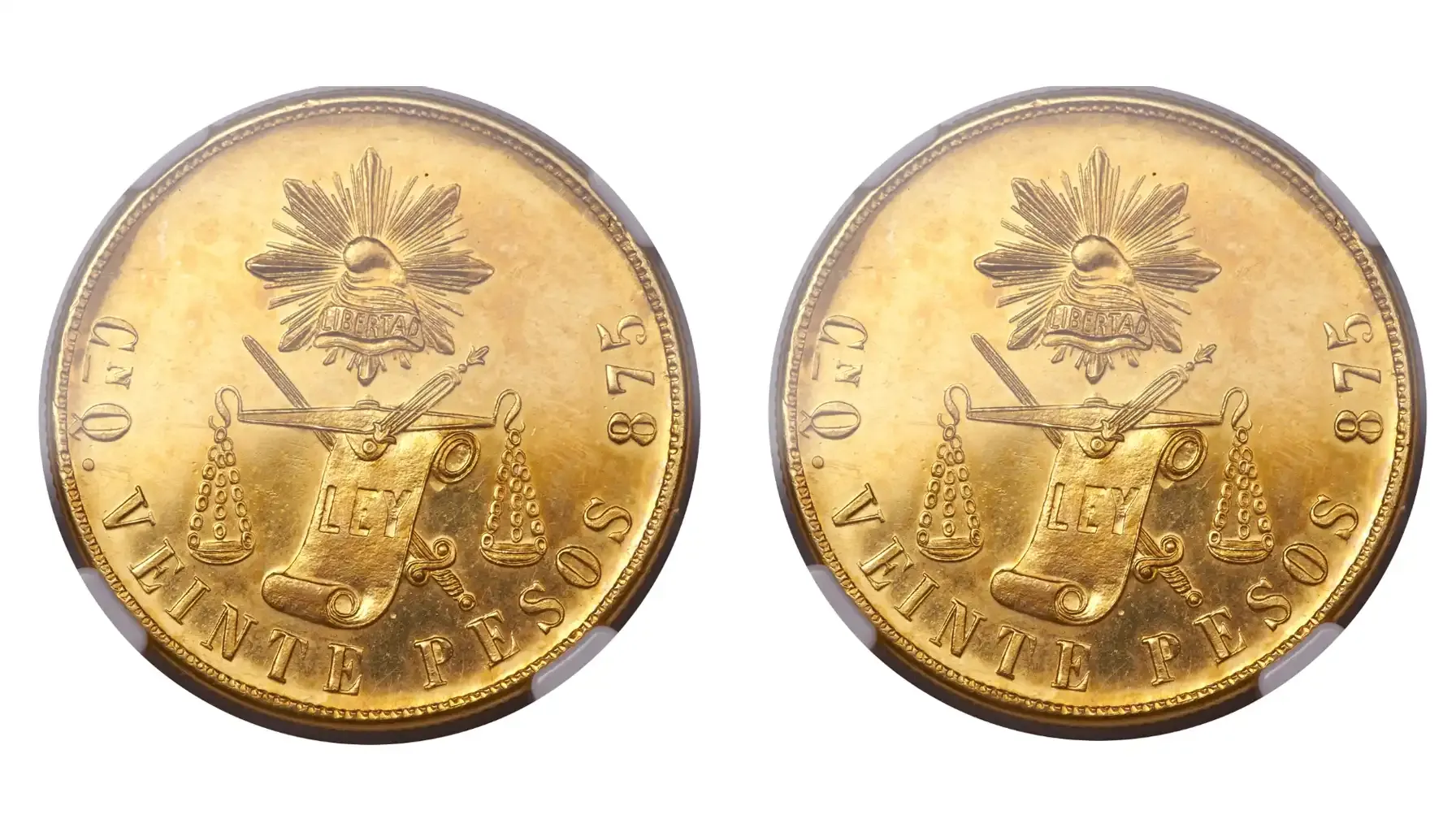
These coins, having been paper money in the past, are now printed by the Central Bank mostly as special memorial pieces — additionally, it has an outer ring made of bronze and aluminum and a center made of a copper-nickel mix.
The back side of the 20 peso coin changes often, the bank issuing these coins to remember important historical events like 200 years of independence or 100 years of the Mexican Revolution.
“Ironically, the current 20-peso bank note, first introduced on Sept. 24, 2021, was awarded as the most beautiful bank note in Latin America in the Best New Commemorative Bill in Latin America by High-Speed Printing the same year. High-Speed Printing Inc. is based in Hacienda Heights, California.”
— Richard Giedroyc, journalist, writer and numismatist
Numismatic New
50 Pesos
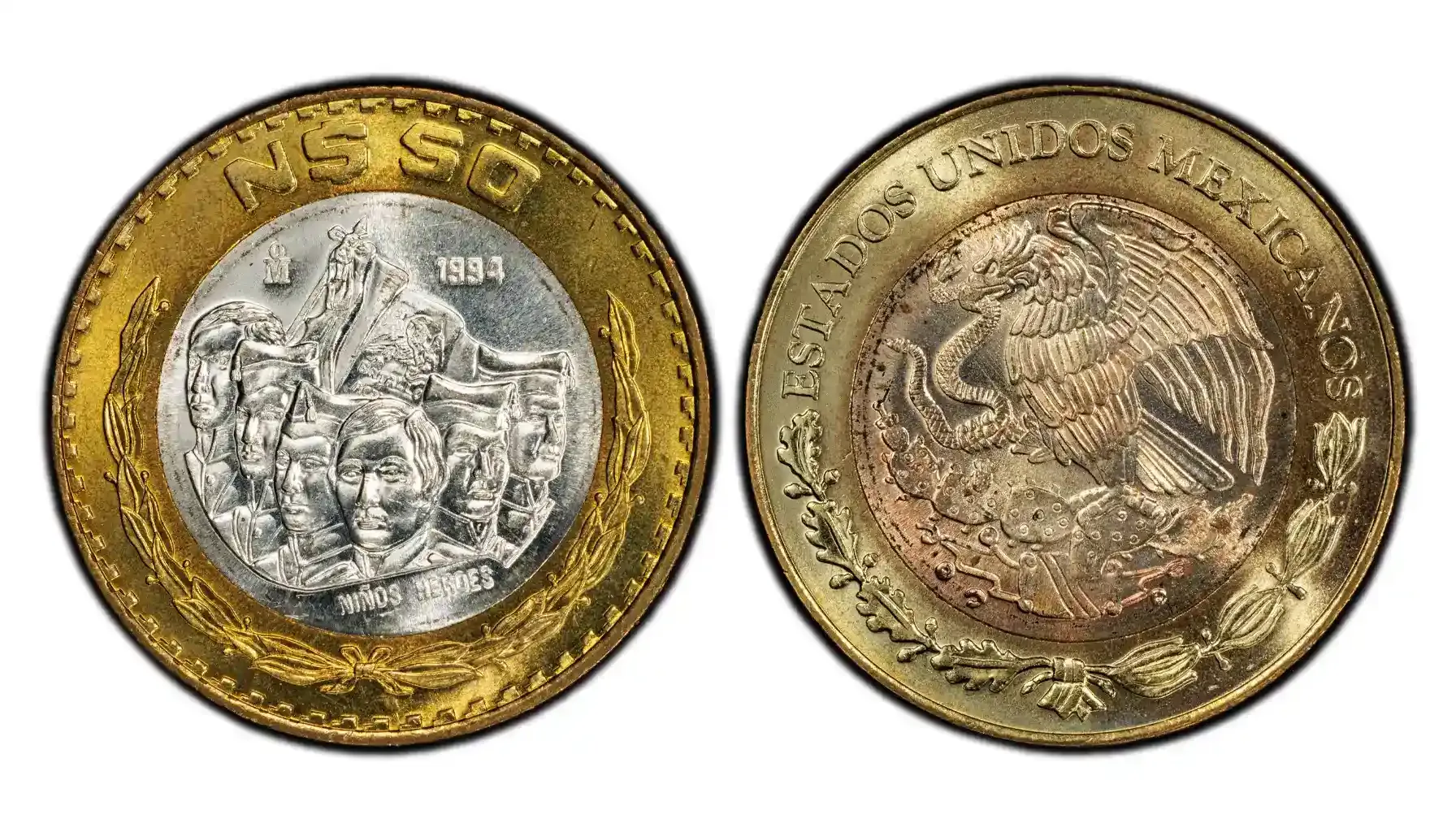
Like the 20 peso coin, the 50 peso coin is mainly used as a special memorial coin — bi-metallic, being larger than the 20 peso gold coin.
The back side of the 50 peso also changes often, they are made in smaller numbers and are usually bigger than the smaller value like 2 peso gold coin value, and there are some more metal updates like Mexican 50 peso gold coin.
The 50 peso gold coin value can change based on market demand, condition, grading, and the specific characteristics of individual tokens.
Historical Peso Coins and Collectible Issues
Pre-Reform Coins
Before 1993, the old MXP coins were used, these ones being much different in design and metal from the tokens now used. Many of them were bigger and had more weight. In those days, coins were made from less valuable metals like copper-nickel mix or brass.
For example, 5 peso coin before 1993 often showed pictures of national heroes like Benito Juárez or Francisco Madero, and smaller value coins also had their own pictures, but all of them lost their value and were taken out of use.
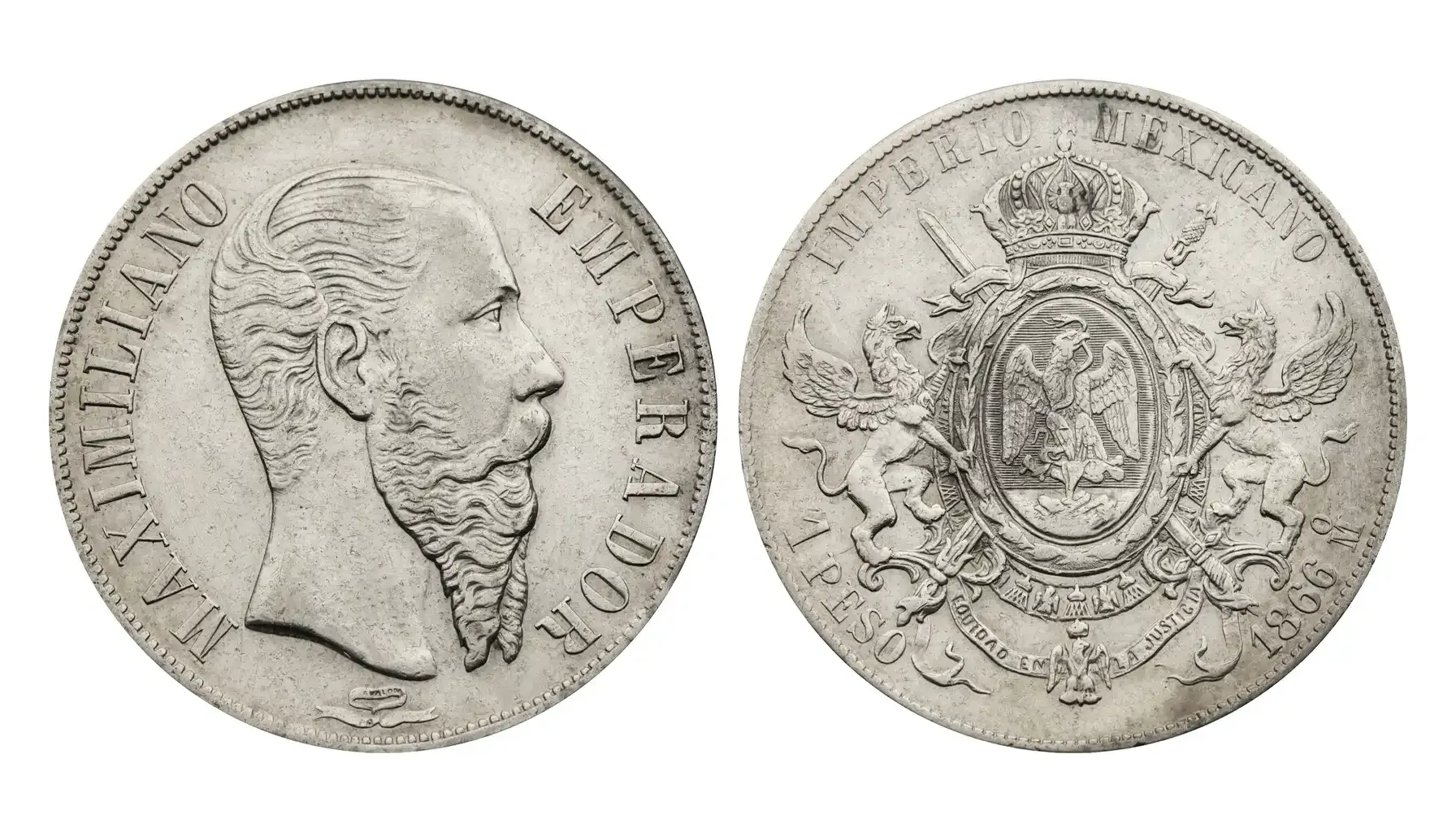
Old coins containing much silver, made until the middle of the 20th century, are now worth more money to collectors.
Modern Collection Coins
Apart from the regular and special-issue coins, the Central Bank of Mexico makes special collection coins, these ones not being meant for people to use every day.
The pieces are printed with high values, such as 100, 200, 500, and even 1000 peso coin
Many collection tokens are made using expensive metals, mostly silver or gold, such as the popular silver 100 peso coin
The pictures on these coins show many different things, including national heroes, historical dates, cultural buildings, and the animals and plants of Mexico
Collection coins, especially those made of gold or silver, have a worth that is usually much higher than the number printed on them, this being because they are rare and made of valuable metal.
People buy them for collecting, not for using them everyday.
Conclusion
So, if you have a goal to diversify your collection, try to replenish it with tokens of different currencies and compositions.
Similar currencies can be bought in your country, and there are probably several options available at online auctions — hardly rare, but nevertheless refreshing for your collection.

 Facebook
  X (Twitter)
  Pinterest
  LinkedIn