Contents:
Most of us only know the American dollar when it comes to dollars, but this is only part of the global currency — there are still a lot of variations of dollars.
And all of them have different colors and sizes to prevent the production of counterfeit money, but nevertheless if you have problems and questions about authenticity, it is better to use the app to identify coins to avoid misunderstandings.
What Is the Brazilian Real?
The Brazilian Real is the official money of the Federal Republic of Brazil — and the only legal method of payment within the country.
The Origin and History of the Brazilian Real
The modern BRL, starting in 1994, is not the first money in Brazil with this name, the name "real" coming from the Portuguese word for "royal" and showing its long history.
The first money called real was used from 1690 until 1942, before Brazil changed its money many times because of money problems.
The Period of High Inflation (1942–1994)
The years from 1942 to 1994 saw very high inflation in Brazil, meaning prices went up too fast, forcing the government to make seven different money reforms to try and fix the economy.
These reforms often involved redenomination, removing many zeros from the old money to create a new money, trying to make the value stable again.
The list of monies before the modern Real included the Cruzeiro, the New Cruzeiro, the Cruzado, the New Cruzado, the third Cruzeiro, and finally the Cruzeiro Real, each one losing its buying power quickly because of inflation, with prices changing every day and making it hard for people to save money.
Plano Real
The modern Brazilian Real started on July 1, 1994, as part of a big government plan called Plano Real, aiming to stop the very high inflation that was hurting the country's economy, this plan being created by a team of smart people including Fernando Henrique Cardoso.
Before physical money came out, the government used a temporary value unit called the Unit of Real Value, this unit being tied to the US dollar and adjusted daily for inflation, helping people get used to steady prices.
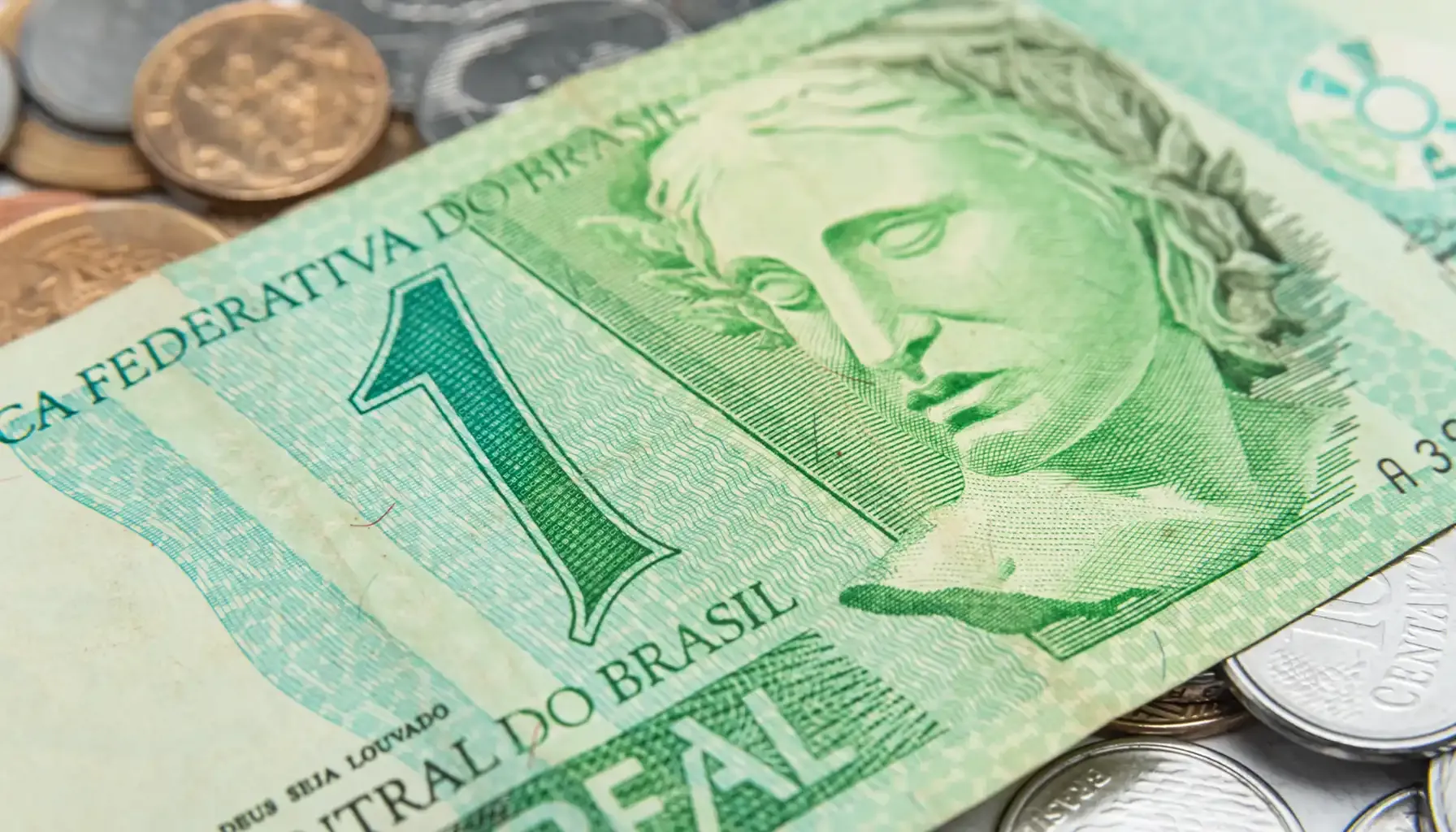
Then, on July 1, 1994, the URV became the Real, replacing the old money, the Cruzeiro Real, at a rate of 1 Real for 2,750 Cruzeiro Reals.
The Floating Exchange Rate System
For the first few years, the Central Bank kept the Real's value strictly controlled, and it was sometimes even worth more than one US dollar, but in January 1999, after money problems in Asia and Russia, the Central Bank stopped controlling the fixed rate.
The Central Bank then started using a floating exchange rate system, meaning the value of the Real is decided only by the market forces, by how much people want to buy or sell it.
The Brazilian Real Symbol Explained
The official mark used to show the Brazilian Real is R$, this mark being made of two parts. The letter R is the first letter of the word Real, and the dollar sign with one vertical line has been traditionally used in Portugal and places like Brazil where Portugal had colonies.
Using the dollar sign in the money symbol does not mean the Real is the same as the US dollar or that its value is fixed to the US dollar, and this mark is always placed before the number when writing amounts.
Design of Banknotes and Coins
The design of the modern Brazilian Real banknotes and coins shows parts of the country's history, culture, and nature, following a clear plan.
The front side of all banknotes shows the Figure of the Republic, this being a picture of a young woman representing the Republic of Brazil.
Also on the front are the signatures of the Central Bank President and the Finance Minister, along with special features to stop people from making fake money.
The back of each banknote shows a different animal from Brazil's nature, helping people remember the country's rich animal life:
2 Reais: Sea Turtle
5 Reais: White Heron
10 Reais: Red Macaw
20 Reais: Golden Lion Tamarin
50 Reais: Jaguar
100 Reais: Grouper Fish
200 Reais: Maned Wolf
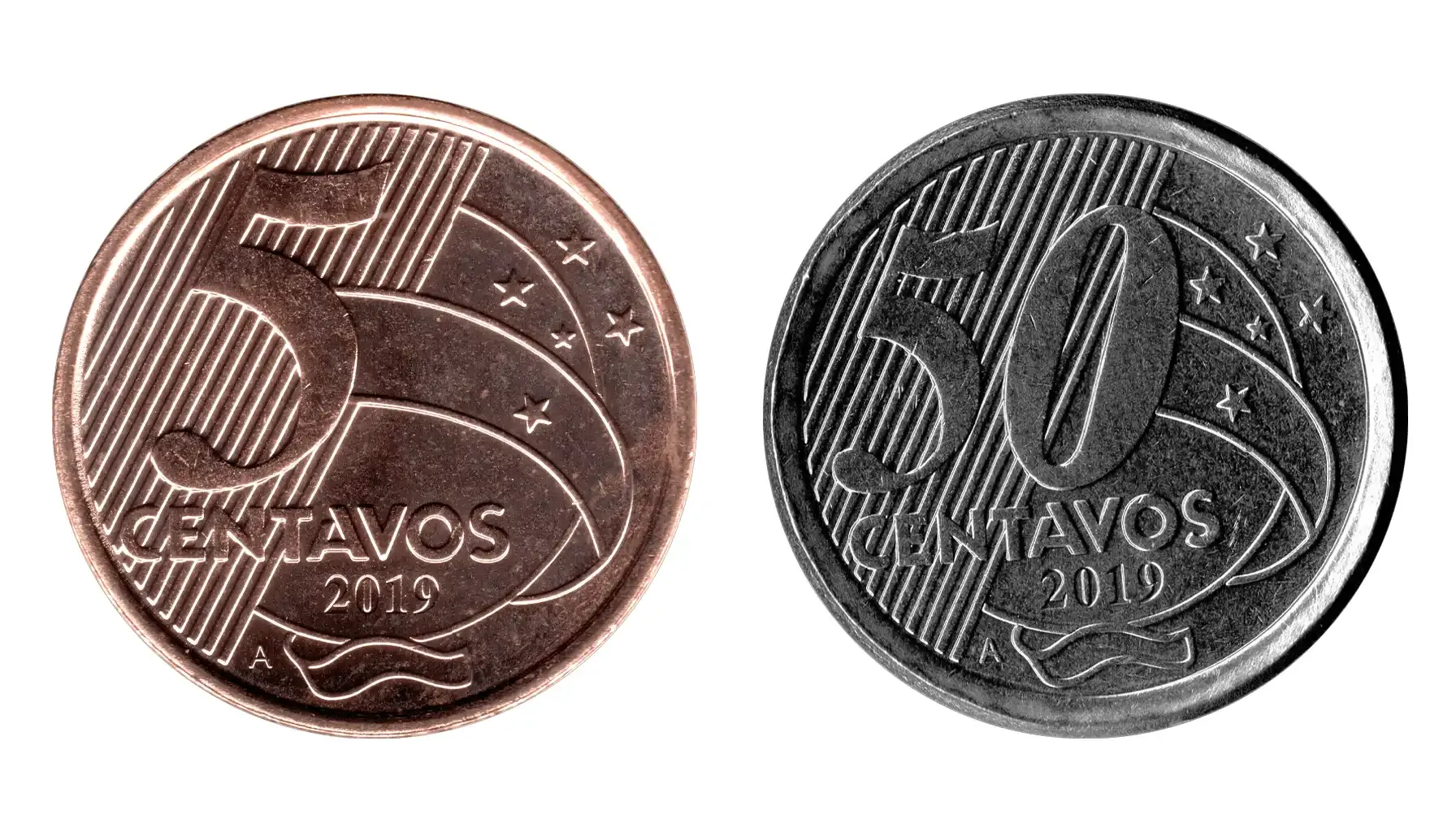
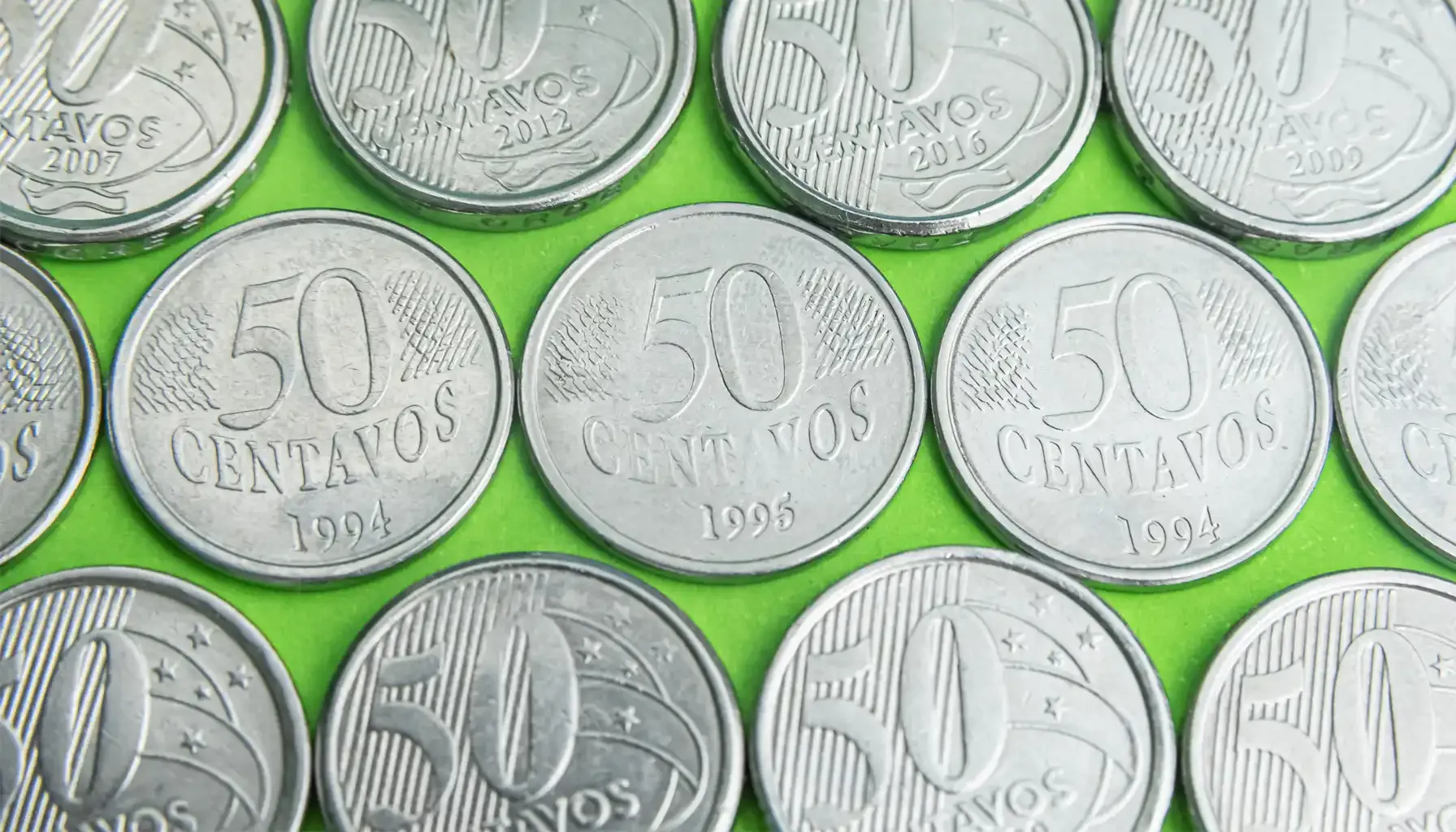
On the reverse side of all coins there is a group of stars of the Southern Cross, as well as the denomination of the coin and the year of its manufacture, and on the obverse there may be images:
5 Centavos: Tiradentes
10 Centavos: Emperor Pedro I
25 Centavos: Manuel Deodoro da Fonseca
50 Centavos: Baron of Rio Branco
1 Real: The Figure of the Republic
Value of the Brazilian Real
The value of the Brazilian Real changes all the time in the world money market, being affected by many important things inside Brazil and by the general situation of money around the world, making the exchange rate unstable.
Money Policy
The Central Bank of Brazil setting the basic interest rate, called the Selic rate, is a main factor, because a higher Selic rate makes Brazilian investments look good to foreign buyers, forcing them to buy Reais, and moreover some of them may be found in the Coin Collecting Books.
A lower Selic rate makes the Real weaker, because it leads to money leaving the country and lowers the demand for the currency.
Inflation
High and uncontrolled inflation makes people lose trust in the Real, usually causing its value to drop, because investors worry about losing their money's buying power, controlling inflation being a main job for the Central Bank.
The Central Bank works to keep the inflation rate within a set range.

Trade Balance and Commodity Prices
Brazil sells large amounts of raw materials to the world, such as soybeans, iron ore, and oil, which means that when global prices for these commodities rise, Brazil receives more foreign money.
When the prices of these goods decrease, the real often becomes weaker, and Brazil's trade surplus — sells more than it buys, helps keep the Real high.
“Updates on November 5: Brazilian real strengthened toward 5.3 per US dollar, hitting a one-month high after the central bank kept the interest rate at 15% and issued a cautious, near-hawkish statement that raised the bar for near-term cuts, preserving Brazil’s carry advantage.”
— Unnamed opinion piece “BRL News”
Trading Economics
Government Spending and Debt
Investors keep a close eye on how much money the government owes — public debt — and if it spends too much, it's called a budget deficit because the rapid growth of debt makes people worry about whether the country will be able to pay its bills.
Good changes in how the government spends money and collects taxes are seen as positive by the market, and stable politics also help keep the Real's value steady.
Global Factors and the US Dollar
Changes in the US Federal Reserve's policy, especially its interest rates, strongly affect the Real, because when the US dollar becomes more attractive, money starts moving from places like Brazil back to the US, causing the Real to get weaker against the dollar.
During times of global worry, investors prefer safe money like the US dollar, causing the money of developing countries, including the Real, to become weaker, while better world economic times encourage people to invest in Brazil, helping the Real stay strong.
Foreign Direct Investment
When foreign companies put money into Brazilian businesses, buildings, and production for the long term, this is called Foreign Direct Investment, and this makes the Real stronger, because these companies need to buy Reais to make their investments, as well as they do with gold.
Conclusion
So, the Brazilian Real, has become a successful way for the government to stop the rapid and uncontrollable price increases that have continued for many years, as the real has replaced many different banknotes that quickly lost their value until 1994.
Therefore, if you are juggling different investment methods, you can help us take a closer look at this currency.

 Facebook
  X (Twitter)
 : Symbol, History, and Value Explained
) Pinterest
Pinterest  LinkedIn