Contents:
In Byzantine monetary history, there is no sharp boundary between the ancient world and the Middle Ages. The monetary system changed gradually, sometimes almost imperceptibly.
That's why those working with such issues find it convenient to first use a foreign coin identifier. It helps quickly verify the type, metal, and approximate period before delving into the details.
What Is the Greek Drachma
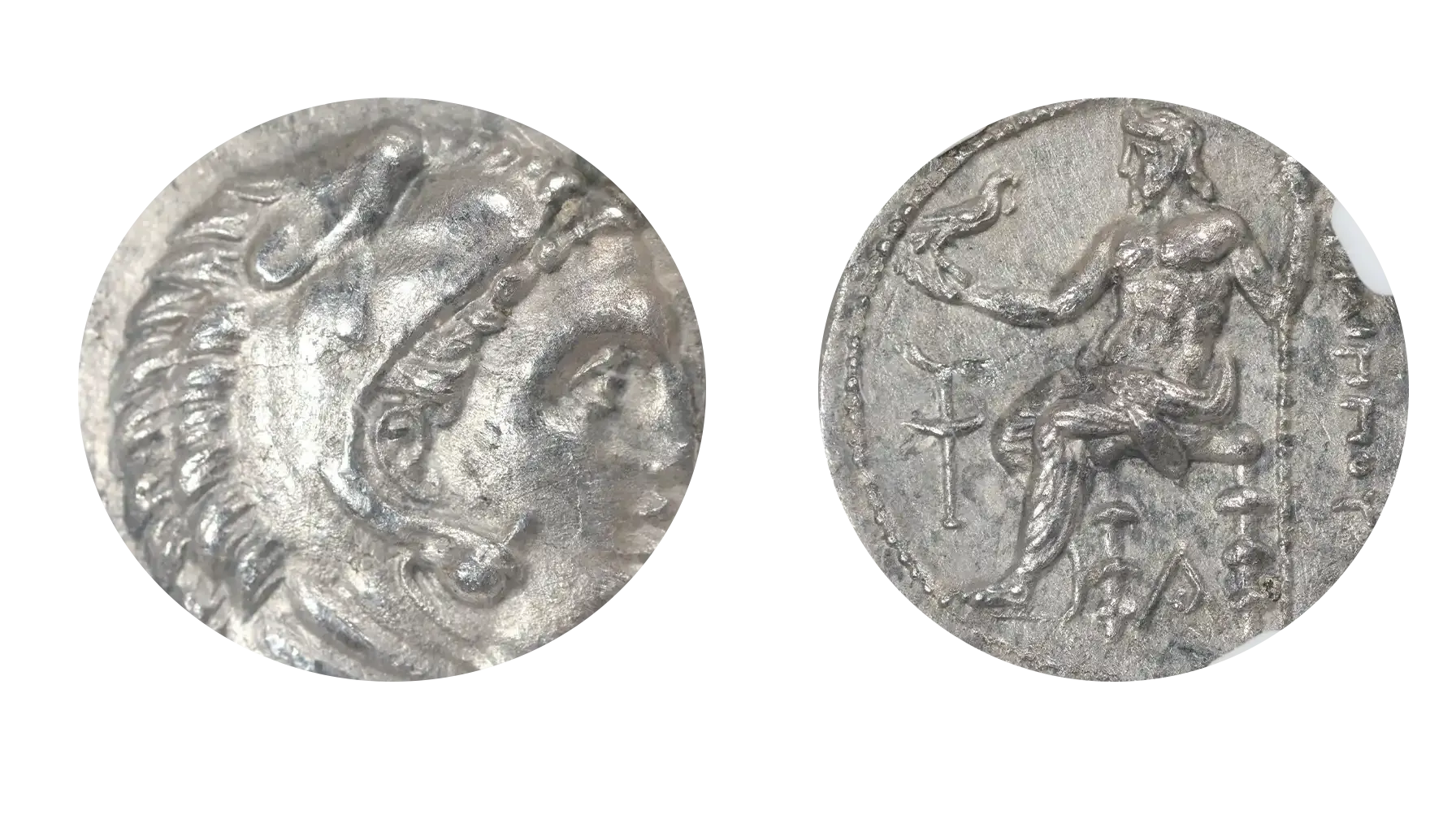
The drachma emerged long before Byzantium and became one of the most stable monetary units of the early civilizations. Initially, it was a unit of weight, linked to silver, rather than simply a denomination. In ancient Greece, the coin was used to calculate taxes, pay soldiers, and engage in trade between city-states.
Over time, the drachma became the foundation of monetary practice in the Eastern Mediterranean. Even when the political landscape changed, the habit of using weight and metal as a measure of value persisted for a long time in the Eastern Mediterranean. In the Byzantine system, this was reflected in the Roman legacy—primarily the gold solidus/nomisma with its fixed weight standard.
“Coin design is viewed as an expression of imperial ideology, and as a means of projecting imperial themes of power… On the tiny circular surface of the flan, the emperor was transformed into an icon…”
— MS Saxby (PhD thesis on Byzantine coin imagery and design)
Academic research
From Silver Tradition to Byzantine Gold Coins
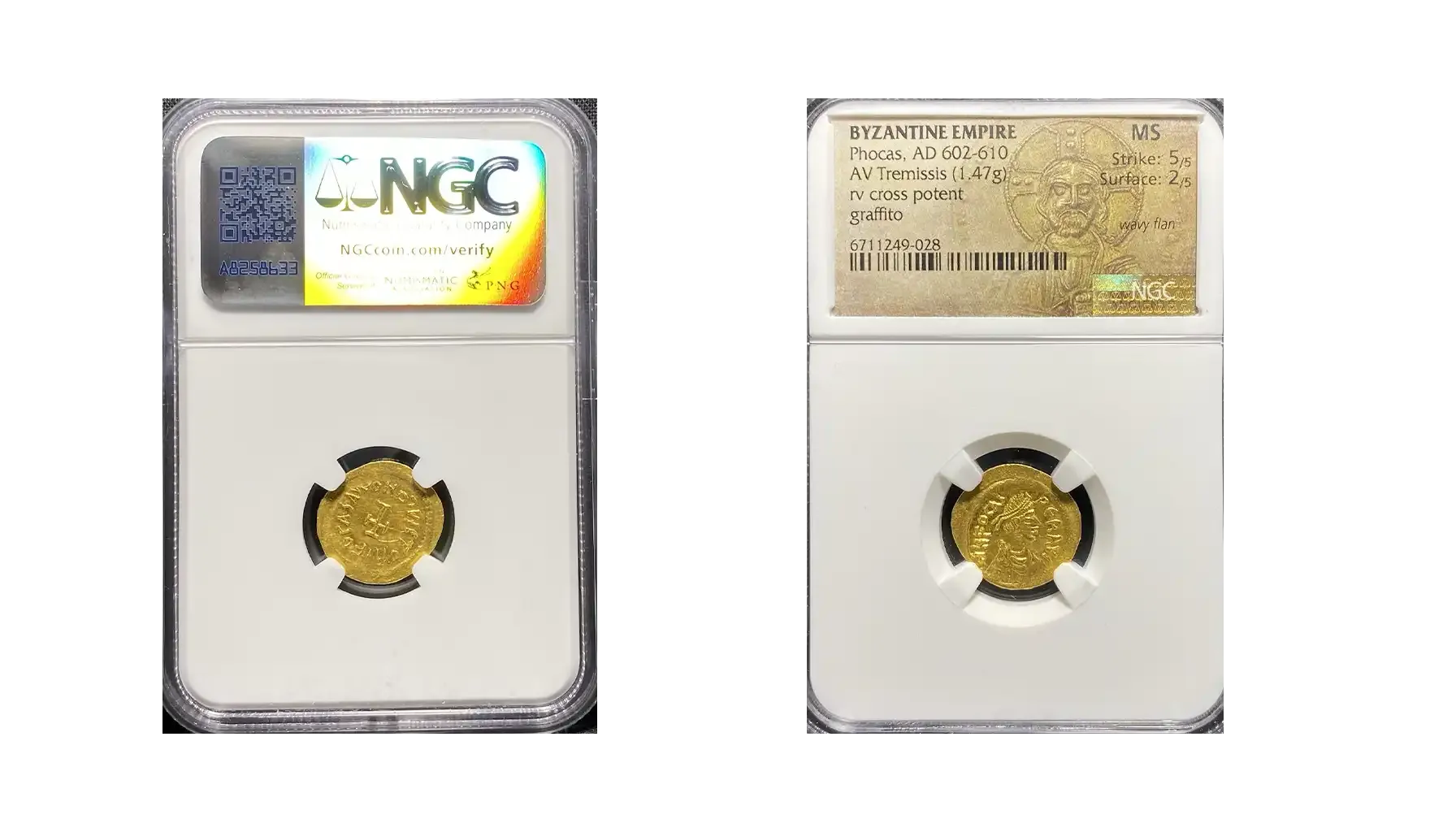
After the division of the Roman Empire, the eastern half inherited the ancient tradition but gradually shifted its emphasis. Silver gave way to gold, and the solidus came to the fore.
This is where the Byzantine gold coin took shape and became the backbone of the imperial economy. The solidus kept a steady weight and purity, which helped Byzantine money earn long-term trust. Over time, the Byzantine Empire coin system changed in form, but the reliance on a gold standard stayed in place.
Among gold pieces, the early issues are particularly noteworthy, as their proportions and style still reflect the historical legacy.
Ancient Greek Drachma Coins
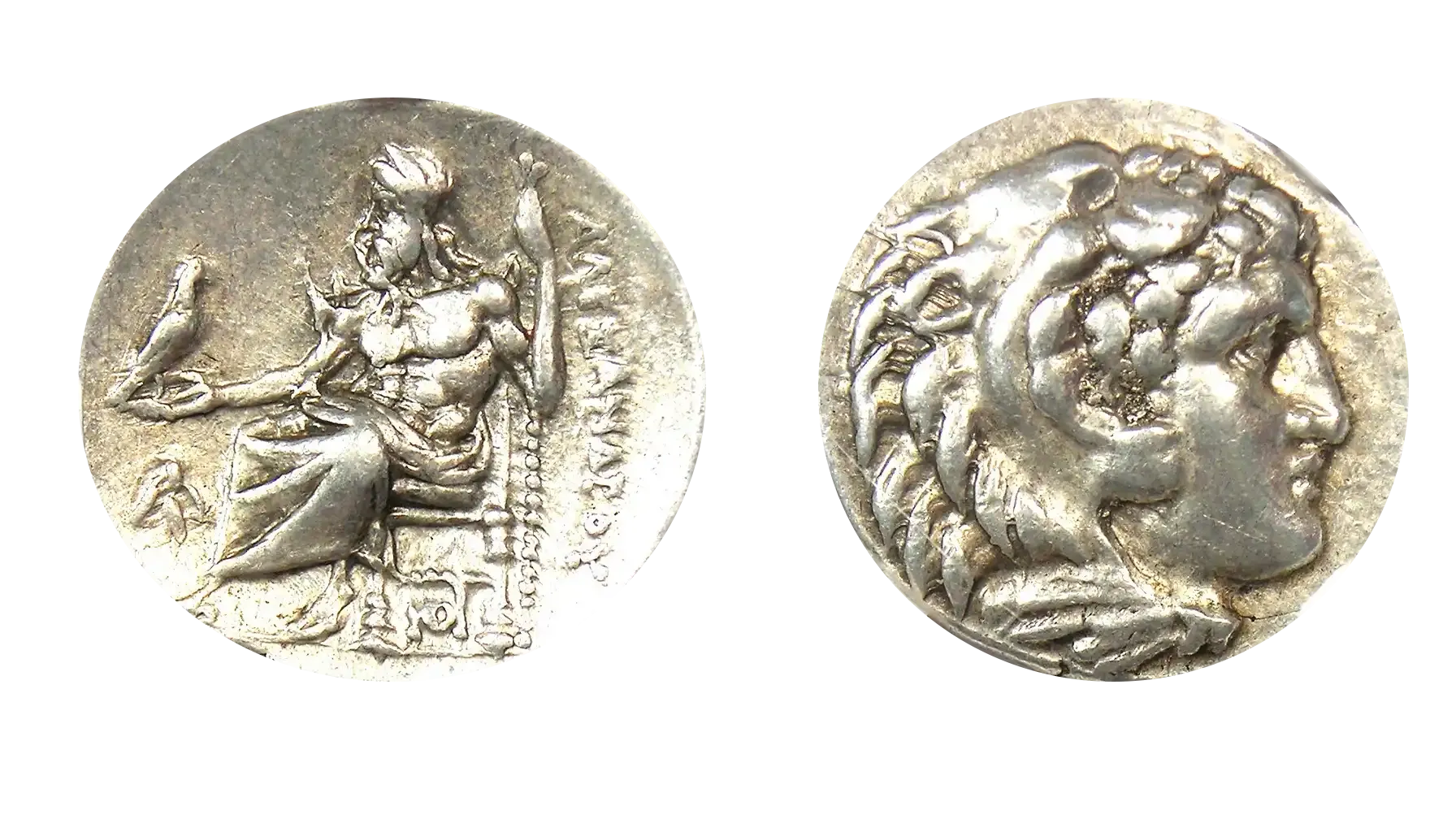
Ancient drachmas were minted by dozens of cities, and each version had its own standards. Athens, Corinth, and Rhodes all had their own types, but the general principle that silver determined the coin's credibility remained consistent.
It's important to understand that old Greek specimens are not a unified market. The Athenian "owl" drachma is valued for its recognizability. Regional mints are notable for their rarity. Here, the early tradition of portraits and symbols emerged, which would later be carried over into Byzantine Empire coins.
Bronze and Cup-Shaped Issues
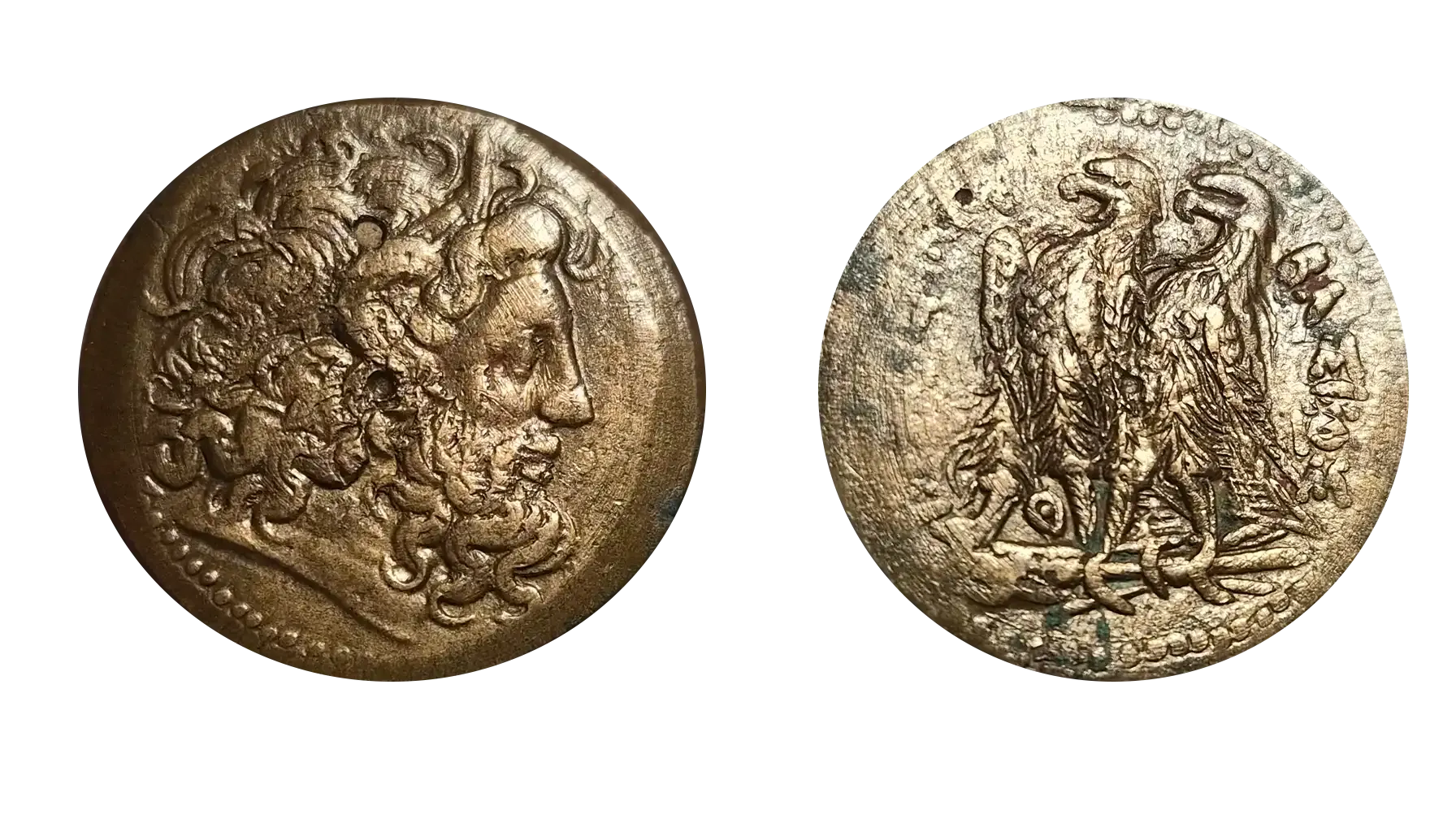
Not all specimens of the empire were gold. Byzantine bronze coins were used in everyday circulation, often cruder in appearance but providing a wealth of information about the real economy.
There were also Byzantine cup coins (often called "scyphate" pieces)—concave pieces of the late period. Their shape was a technological feature of late-period minting; researchers explain in various ways why Byzantine coins became "cup-shaped" (for manufacturing reasons, working with thin blanks, etc.), and there is no single answer.
The famous Byzantine Jesus coin also appeared, with the image of Christ becoming the central design element.
Modern Greek Drachma Currency
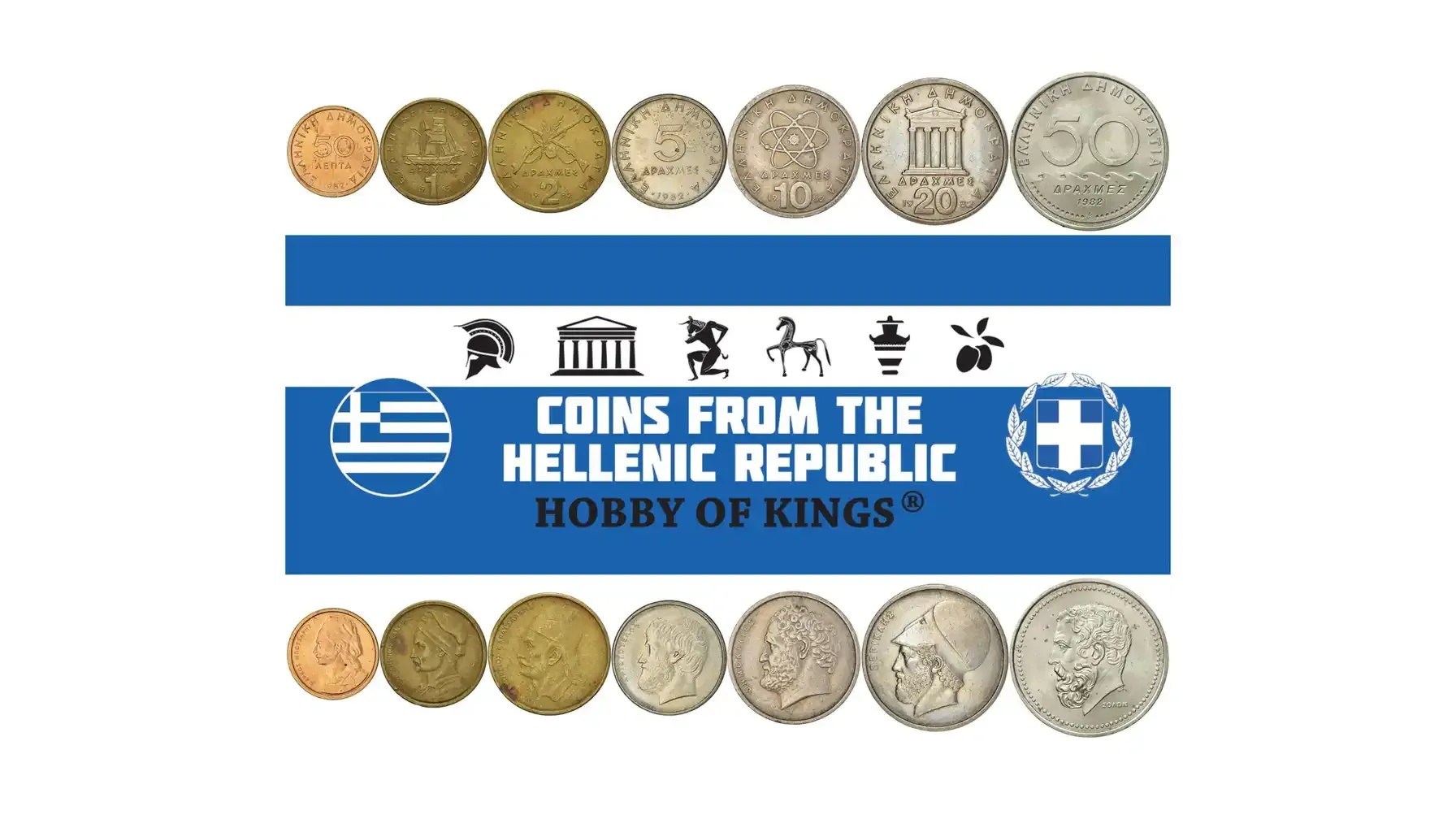
After Greece gained independence from the Ottoman Empire, the drachma returned to circulation in the 19th century. The system followed European monetary standards, but the old name was chosen on purpose to signal continuity.
The 20th century tested the drachma repeatedly. Crises came and went, redenominations followed, and periods of inflation left their mark. Economic upheavals directly impacted the metal and design of the specimens. The final transition to the euro in 2002 marked the end of the drachma's history as a circulating currency.
Denomination | Approx. Value (€) |
50 lepta | €0.0015 |
1 drachma | €0.0029 |
2 drachmes | €0.0059 |
5 drachmes | €0.0147 |
10 drachmes | €0.0293 |
20 drachmes | €0.0587 |
50 drachmes | €0.147 |
100 drachmes | €0.293 |
500 drachmes | €1.47 |
Valuable Drachma Coins
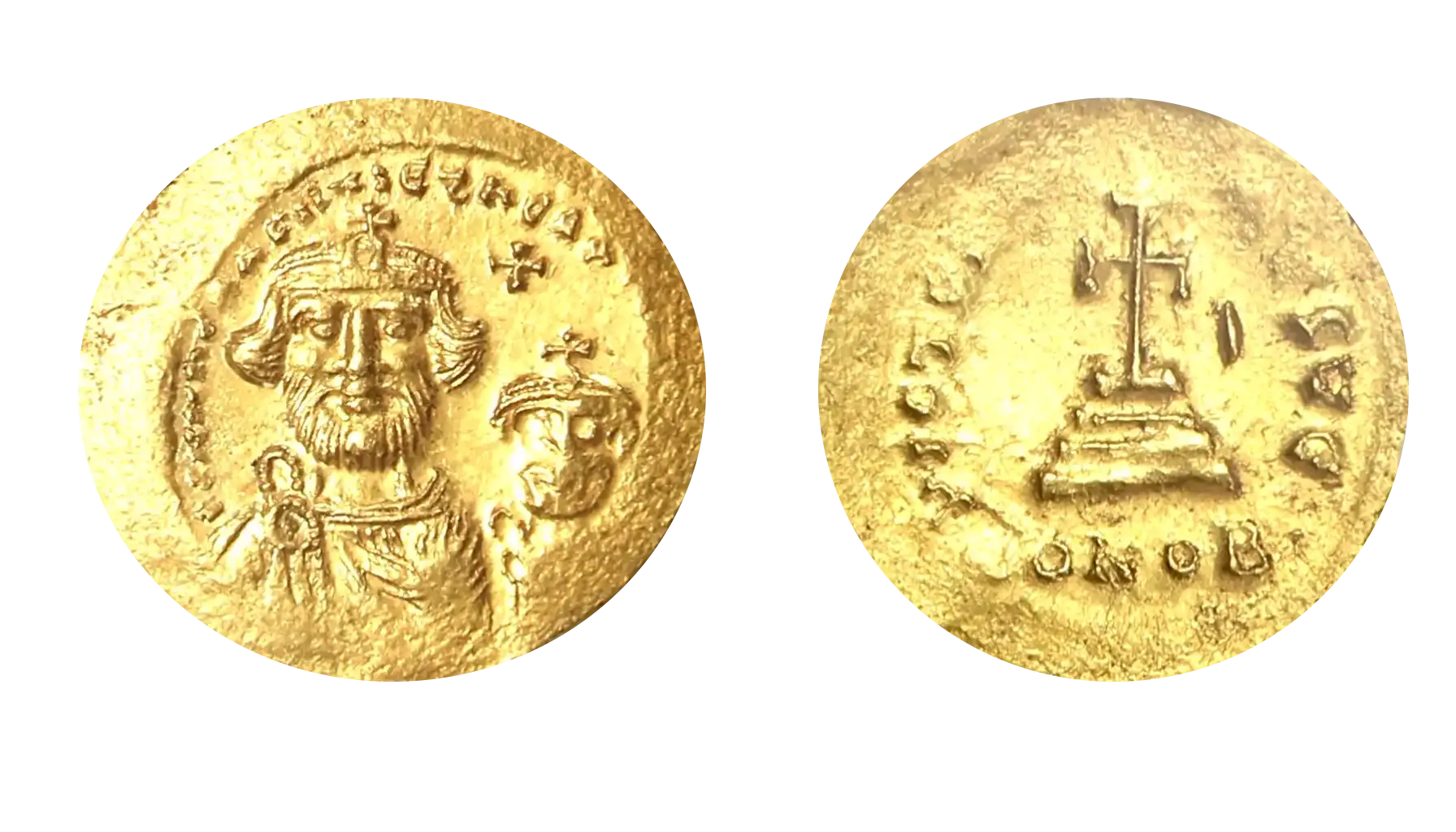
Byzantine coins' value is determined not only by age. The metal, condition, and context of the issue are also decisive. Early silver pieces are valued differently from later aluminum or copper-nickel ones.
The market often compares them with issues from neighboring regions—for example, Egyptian coins, where similar economic processes led to similar minting decisions.
Why Byzantine Coins Differ in Price
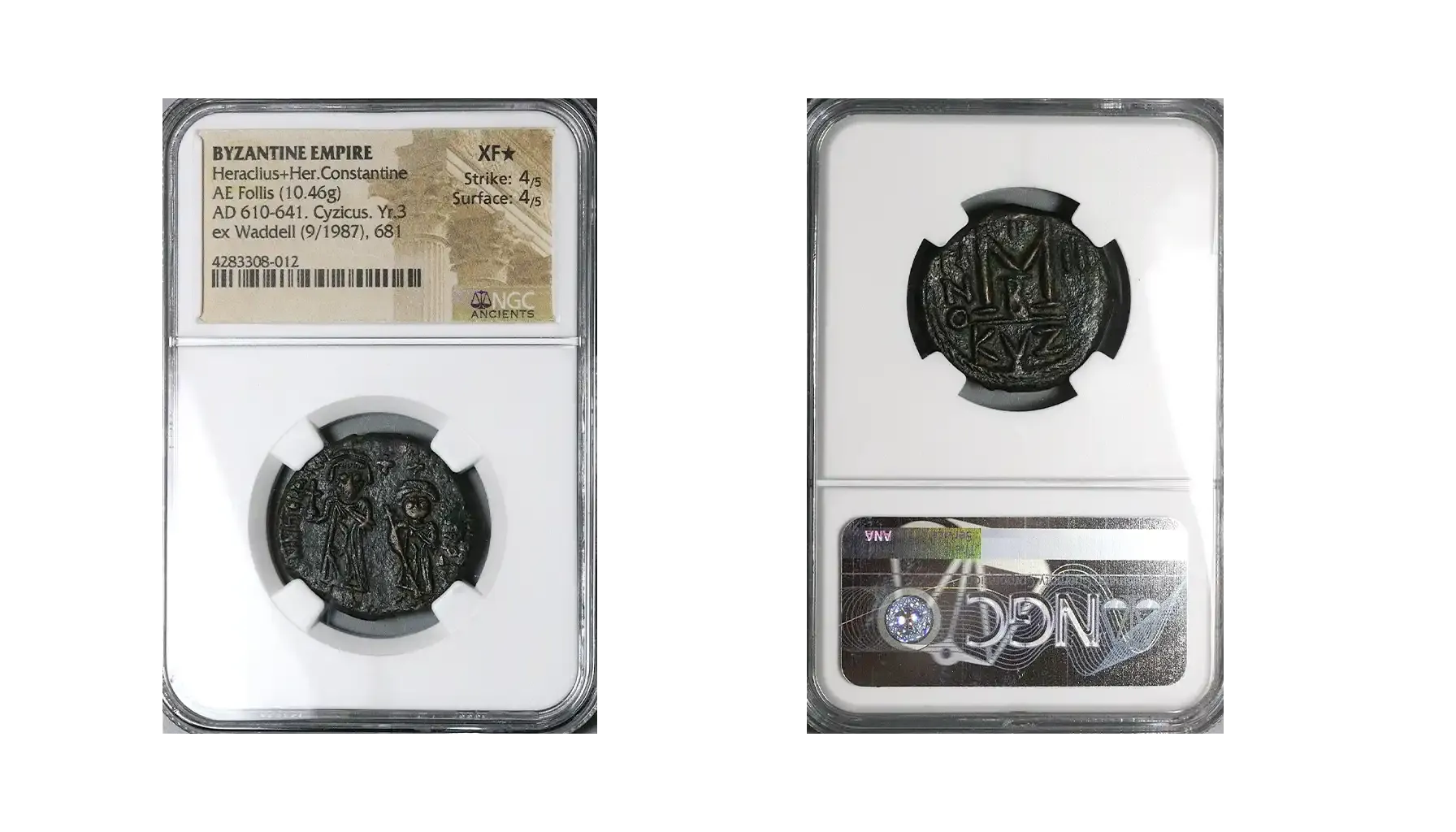
Today, Byzantine coins for sale are regularly encountered, but the price range is enormous.
Collectors often confuse Byzantine coin value with the price of the metal, but in reality, historical significance plays an equally important role. This is especially noticeable when comparing regular issues and Byzantine Empire gold coins.
Among ancient Byzantine coins, special attention is paid to the condition of the relief—a poorly preserved portrait can be more valuable than a perfectly preserved, but mass-produced type.
How to Identify Authentic Drachma Coins
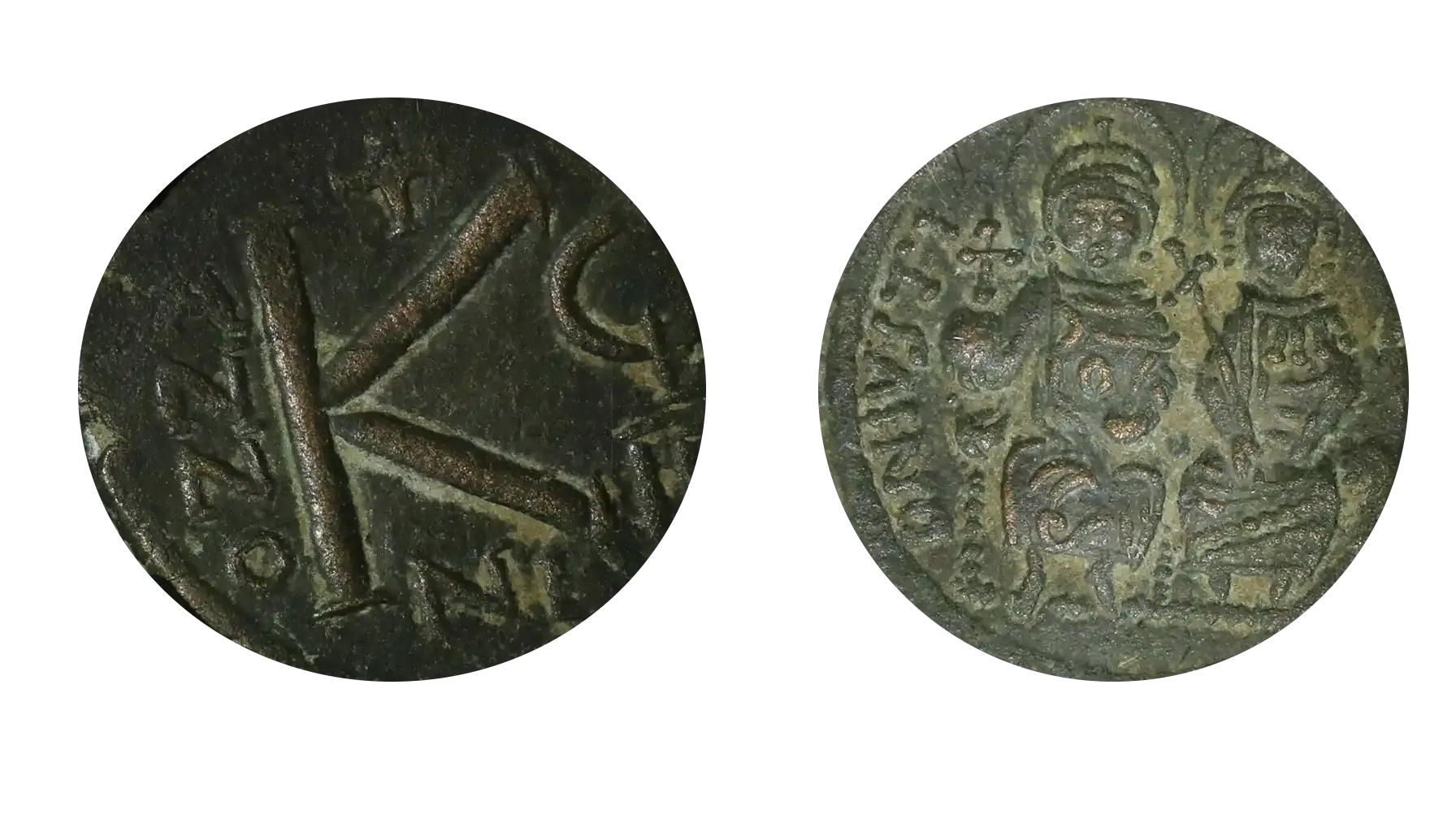
Working with authenticity requires attention to detail. Weight, diameter, and image style—everything matters.
Key Identification Markers
This is where practical Byzantine coin identification begins.
Weight conformity to historical standards;
Wear pattern, not a "sterile" surface;
Style of letters and symbols;
Metal and its response to aging.
Fakes and Common Pitfalls
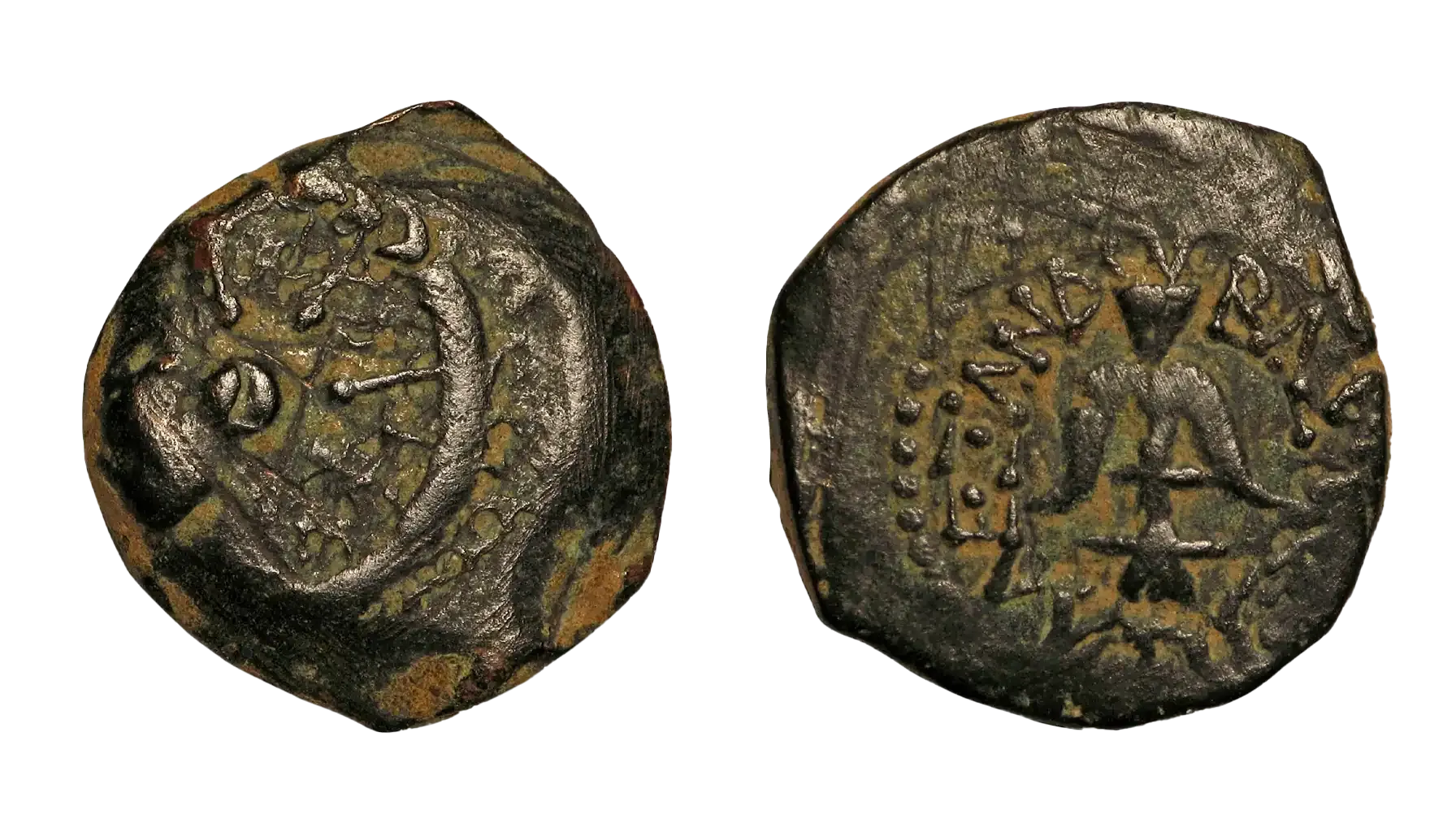
The market is also familiar with fake Byzantine coins. Counterfeits are often identified by inconsistent weight or an overly "fresh" appearance. It's important to take your time and compare the specimen with verified samples.
If you need a quick reference for parameters and style, the Coin ID Scanner app allows you to upload a photo and compare it with a database of confirmed types. This is especially useful during the initial selection process.
The Byzantine coinage is not a set of random issues, but a long chain of decisions leading from the drachma to the imperial gold. Understanding this logic makes working with a Byzantine coin meaningful and collecting consistent.

 Facebook
  X (Twitter)
  Pinterest
  LinkedIn