Contents:
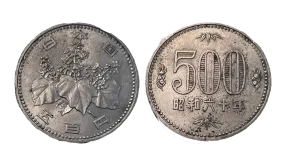
The Japanese 500 yen is the largest in circulation in Japan. That is why retail devices process this item daily. Unfortunately, due to its high face value, many scammers try to fake this item.
Identify foreign coins with a great recognition app right now.
Overview of The Japanese 500 Yen Coin
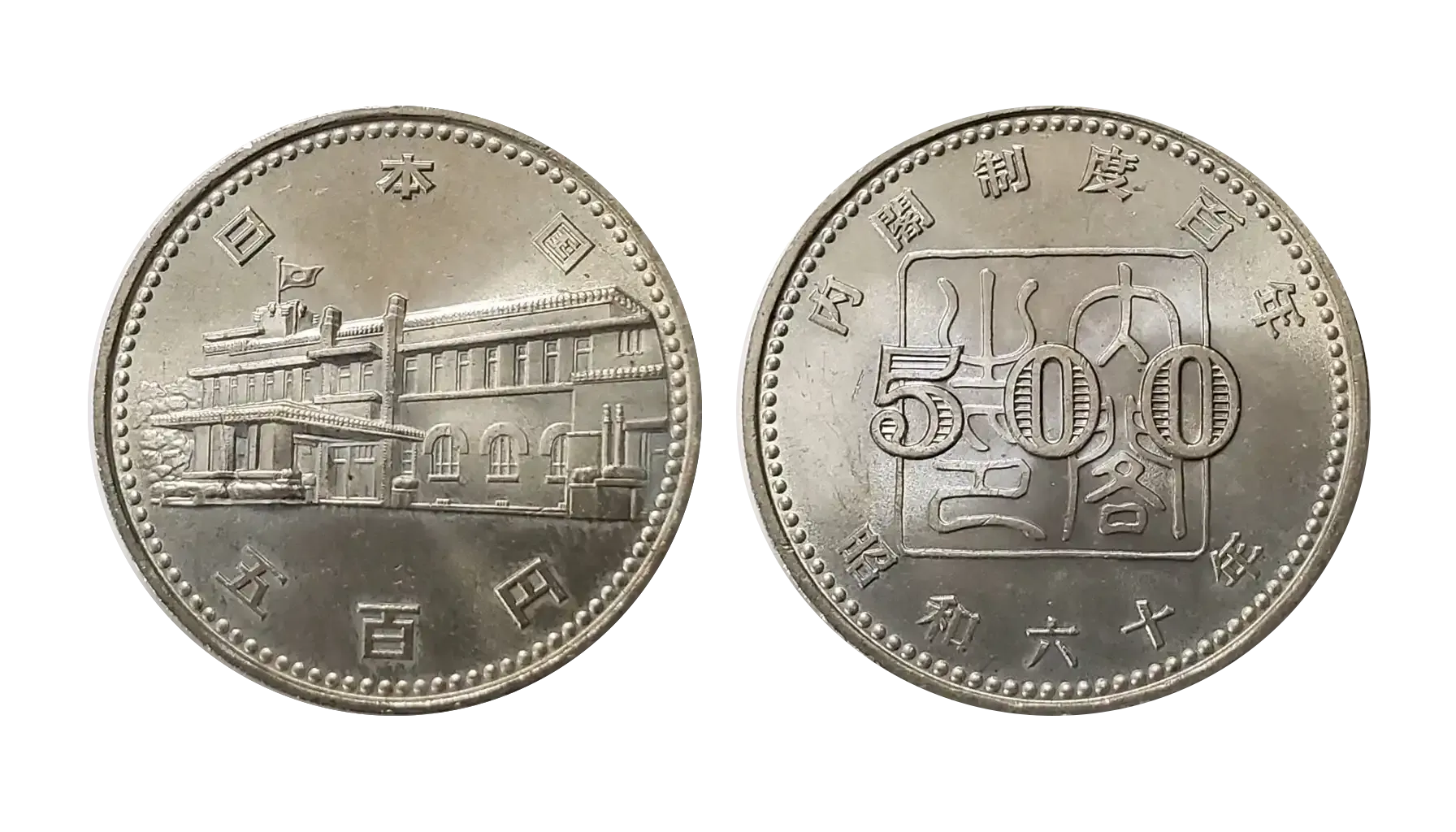
The 500 Japanese yen coin first appeared in 1982. The vending machine industry required a high-value item for automated transactions.
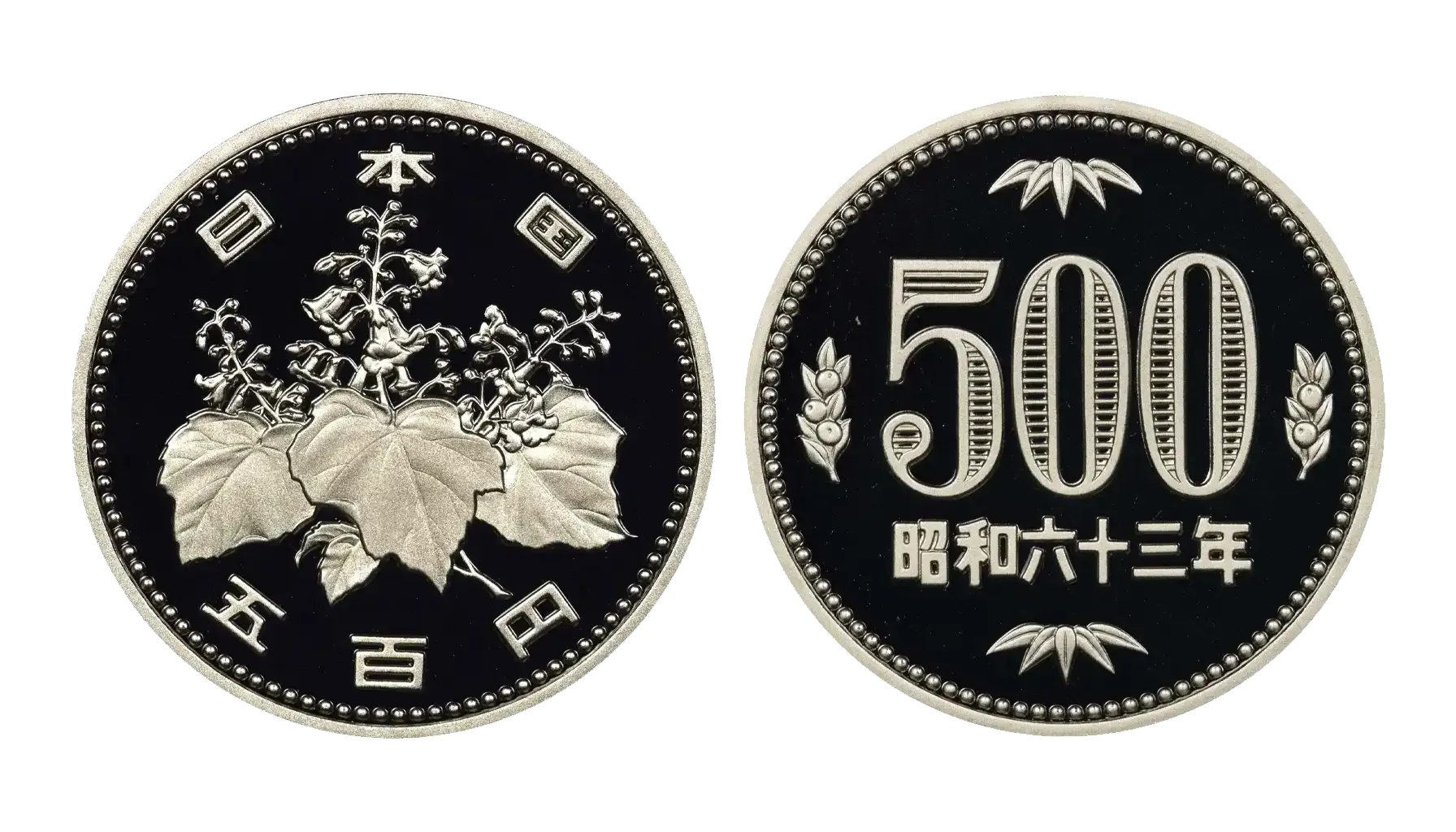
The Japan Mint selected a paulownia crest for the obverse and bamboo with tachibana oranges for the reverse. Original ones used cupronickel. Paper 500 yen notes coexisted with items until 1994.
Period | 1982–present |
Value | 500 JPY=3,27 USD |
Composition | Nickel Brass |
Diameter | 26.5 mm |
Weight | 1.81 g |
Shape | Round |
In 2000, the mint changed the composition to nickel-brass. This alloy imparted a golden tint. Weight dropped to 7.0 grams. Thickness reduced from 1.85 mm to 1.81 mm.
Edge inscriptions changed to helical reeding. Latent images appeared inside the zeroes. Microprinting added further protection. This design won the Mint Directors Conference award for innovation in 2002.
Redesign Since 2021
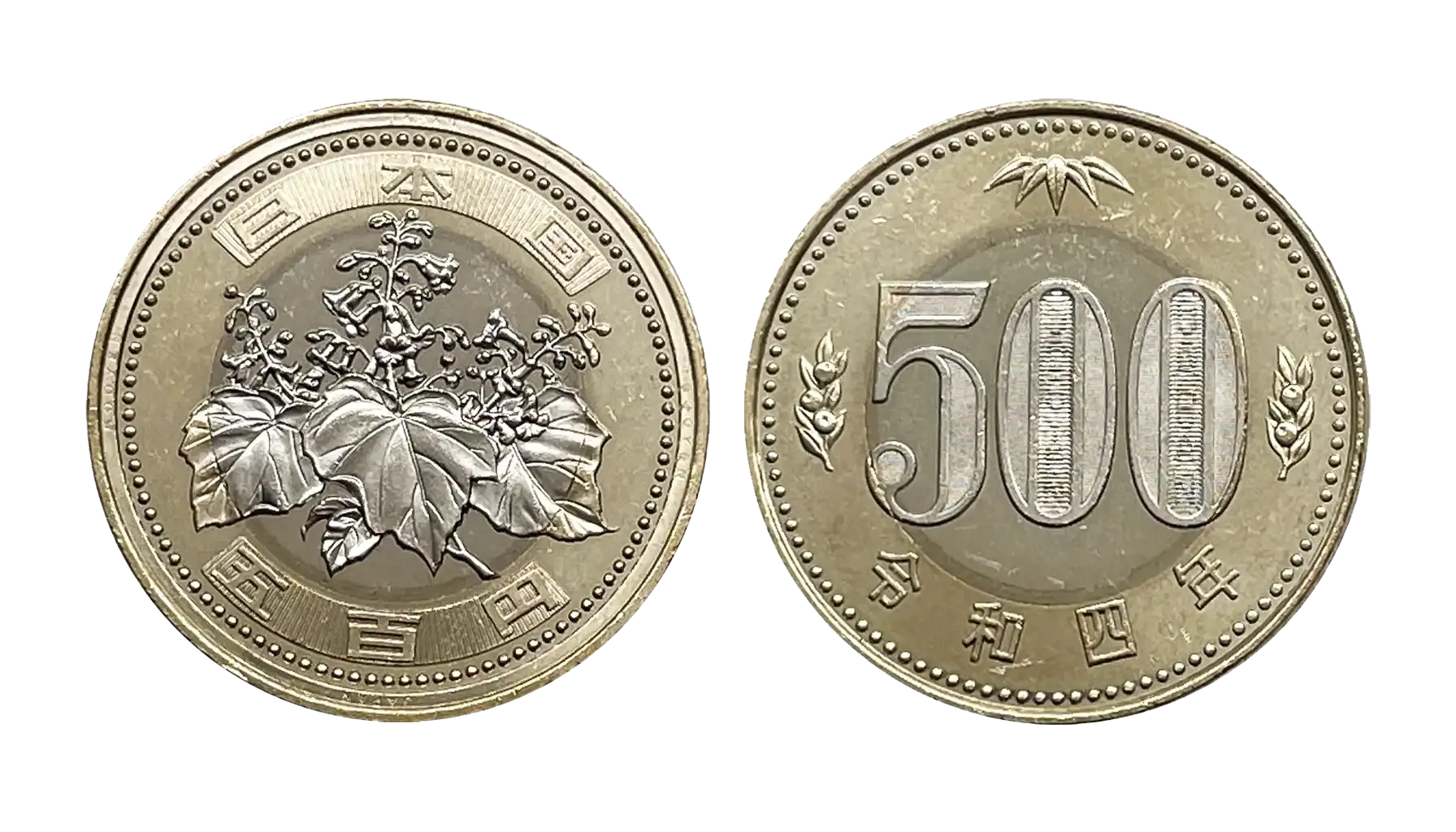
The Japan 500 yen coin underwent another redesign in 2021. Modern ones feature a bicolor clad technology. A cupronickel center occupies the core. A nickel-brass ring forms the outer portion.
Weight increased to 7.1 grams, diameter remains 26.5 mm. The words Japan and 500 Yen are inscribed in microlettering on the inside rim of the obverse.
These changes make the new 500 yen coin Japan one of the most secure circulating items globally.
Japanese 500 Yen Coin Value
As of 2026 Q1, the value of a 500 yen item depends on which of the three generations you have. Because the yen has fluctuated against major currencies, its spending power differs today from years past.
Face Value – $3.25
Collector Value – older generations
High-Value Rarity – 1987 item (same year as the 50 yen)
Errors – misaligned latent image and bicolor shift
XF | MS-60 | MS-63 |
$7 | $8 | $9–$25 |
Old Vs New 500 Yen Coins
The 500 yen coin size comparison of the old and new yen item; they all share the same 26.5 mm diameter; they are easily distinguished by their color, weight, and high-tech security features.
Generation | Weight | Composition | Details |
1982–1999 | 7.2 g | Silver-colored | The edge lettering Nippon 500 |
2000–2021 | 7.0 g | Gold-colored | 500 hidden inside the 00 |
2021–present | 7.1 g | Bicolor | Slanted ridges with different spacing |
The Old One
You will rarely find these in your change today, but they are still legal tender.
This is the only generation without ridges. Instead, the edge is smooth, with the words Nippon 500 engraved on it. It looks exactly like a 100 yen item in color (silver/white).
The Classic One
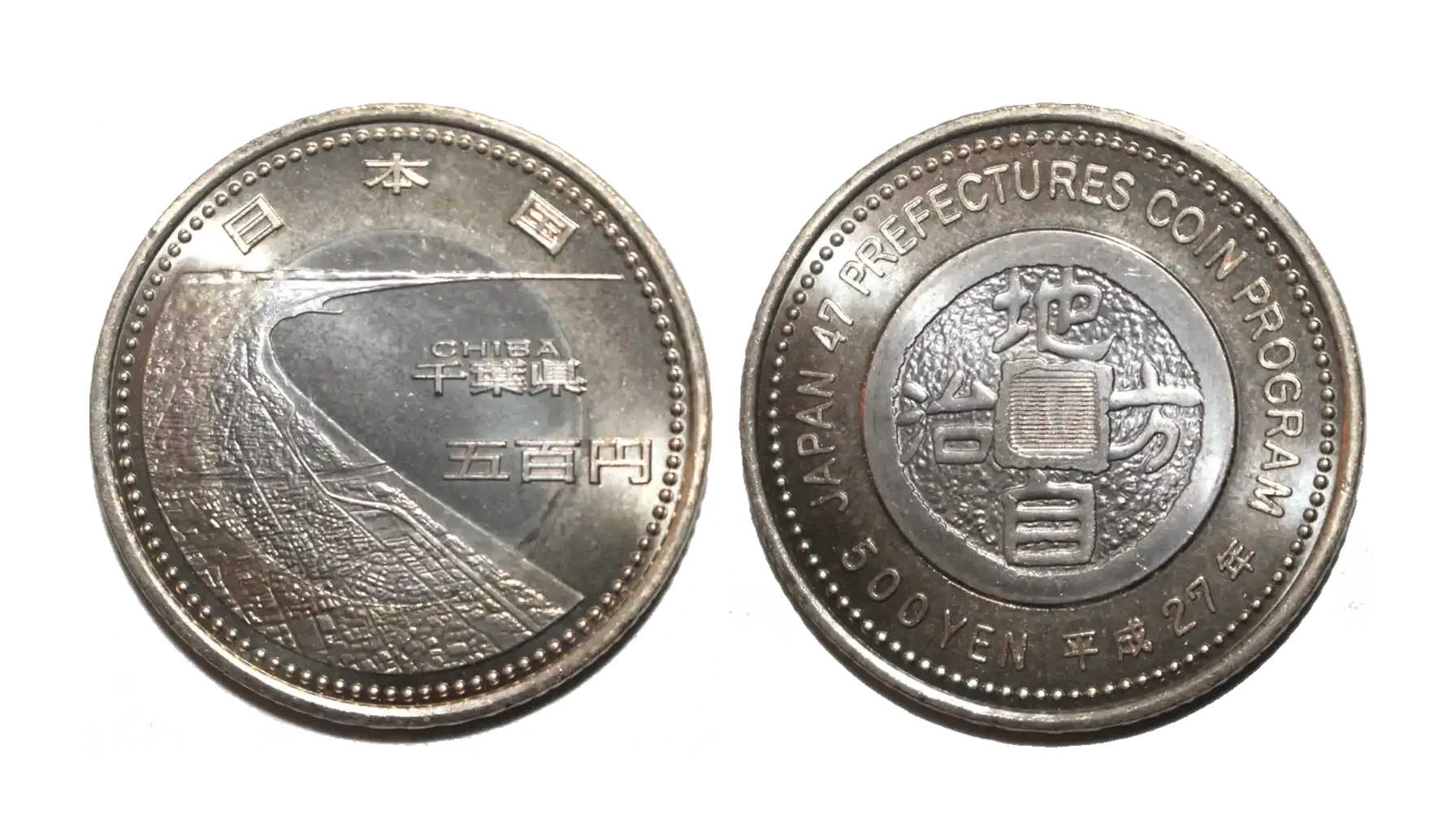
This is currently the most common item in circulation. Tilt the item back and forth while looking at the 500 on the back. The two zeros contain a latent image that flips between 500 and Japan.
Remember: Unlike the newest version, this item is a solid, pale gold color throughout.
The Modern One
The 2021 version is the most distinct. If you hold it, look for:
It has a yellowish outer ring and a silver-colored center. This is bicolor clad technology.
"The 500 yen bicolor clad coin is the world's first mass-produced coin with helical ridges with two different pitches."
– Security Features
Japan Mint
If you run your finger along the rim, the slanted ridges change in spacing (pitch) at different points. Using a magnifying glass, you can see the words tiny-printed on the inner rim of the item's side.
Attention: This is a world-first in mass coinage.
Is the 500 Yen Coin Worth Collecting
Because the 500 yen coin is one of the highest-value circulating base-metal items in the world, it is a good investment that might actually appreciate.
Here are some reasons why you should collect this item:
Rare and Old Japan Items
You don't need to be a professional to find items worth 2–10 times their face value. Look for these specific years:
1987 – Only 2.7 million were made (compared to hundreds of millions in other years). A clean specimen can easily fetch $20–$50.
2010–2014 – These were the digital currency years, where Japan minted very few items. Finding a 2011 or 2013 in your change is a major win; they often trade for $10–$15 to collectors.
2019 – The very last year of the Heisei era. Collectors prefer end-of-era items, and these are being pulled from circulation rapidly.
Bicolor Era
For example, 2021 is the first year of the new design.
Commemoratives
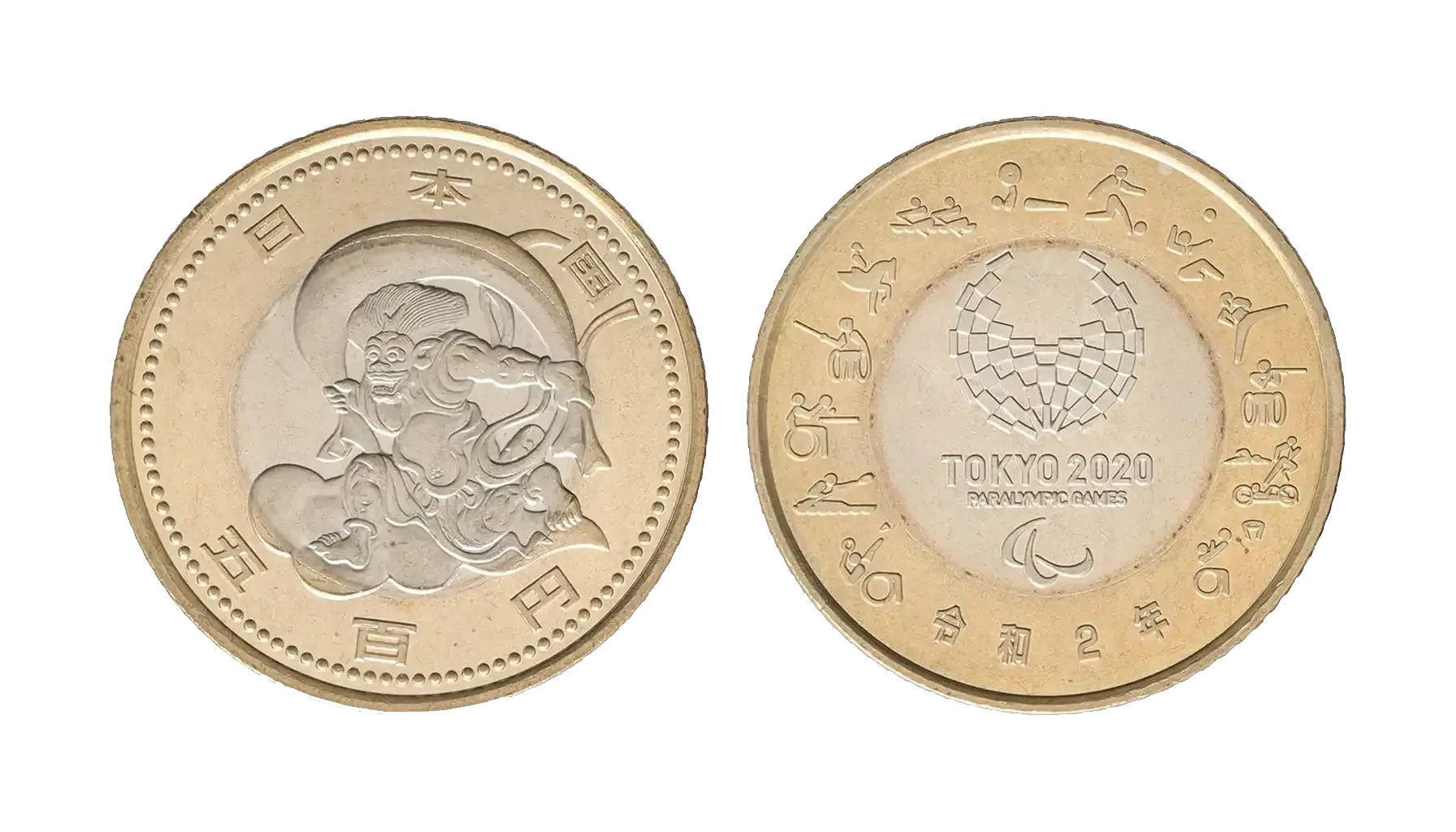
Examples – the 2025 Osaka Expo items or the 2009 Prefectural series.
Collecting Value List
1987 – $30–$60
2010-2014 – $10–$20
Commemoratives – $15–$40
Standard Bicolor (2021+) – $3.25

 Facebook
  X (Twitter)
  Pinterest
  LinkedIn