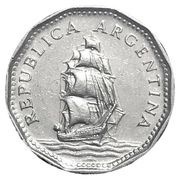
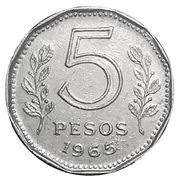
5 Pesos, 1961-1968
Argentina
Nickel clad steel,4 g,21.1 mm
Value: $0.99-35.00
Results: 316
Results: 316
Argentina
Nickel clad steel,4 g,21.1 mm
Value: $0.99-35.00
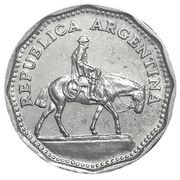
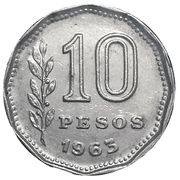
Argentina
Nickel clad steel,4.9 g,23 mm
Value: $1.41-29.99
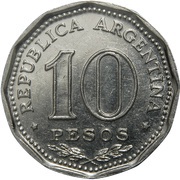
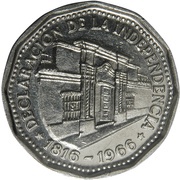
Argentina
Nickel clad steel,5.0 g,23.6 mm
Value: $0.99-39.00
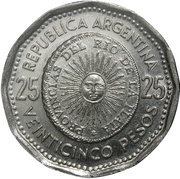
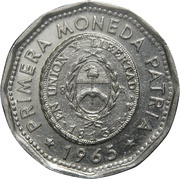
Argentina
Nickel clad steel,6.5 g,25.5 mm
Value: $0.80-12.93
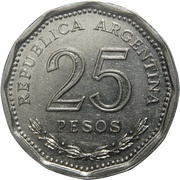
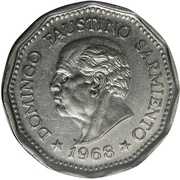
Argentina
Nickel clad steel,6.5 g,25.5 mm
Value: $1.75-35.00
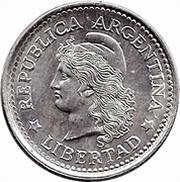
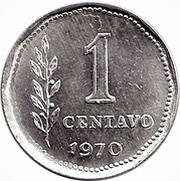
Argentina
Aluminium-magnesium,0.62 g,15.74 mm
Value: $0.99-15.54
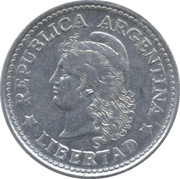
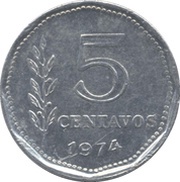
Argentina
Aluminium,0.9 g,16 mm
Value: $0.65-41.77
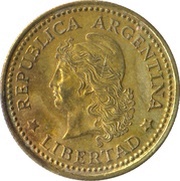
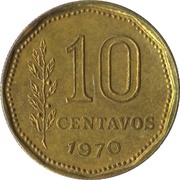
Argentina
Aluminium bronze,2 g,16.5 mm
Value: $0.48-15.54
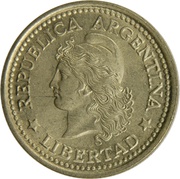
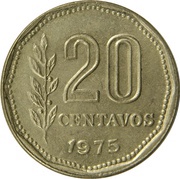
Argentina
Brass,3 g,18.5 mm
Value: $1.19-10.00
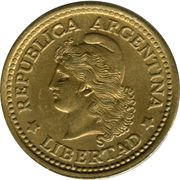
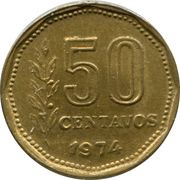
Argentina
Aluminium bronze (Cu 92 Al 8),4.35 g,20.5 mm
Value: $0.48-18.95
Loading more...
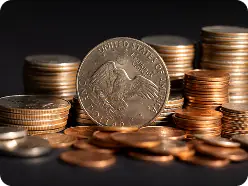
Argentina's coins had a switch from early precious-metal issues to modern pieces. The Argentina peso went through reforms and inflation. Even recent Argentine currency coins, like the Trees series, are pretty practical, but still can be expensive. So, how have coins from Argentina evolved? What makes certain Argentina coins stand out, and which issues collectors tend to watch, including older pieces?
The country had a complicated economic and political path. Before independence, Spanish colonial silver pieces like the eight-real piece circulated and were commonly called pesos.
After independence, Argentina began issuing its own coinage, but multiple systems existed at the same time. It created what historians describe as monetary disorder. Throughout the 19th and 20th centuries, Argentina redefined its currency. The mint released new versions of the Argentine peso. It happened because of the inflation that eroded earlier systems.
Silver and gold issues during this period were really important. Early Argentine gold pieces were tied to international standards, and later Argentina silver coins were intended for domestic circulation.
Modern Argentine coins have a connection to national identity and nature. Recent circulating pieces form the “Trees of the Argentine Republic” series, each denomination has a native tree linked to a specific region.
The 1 peso shows the jacaranda
The 2 pesos: the silk floss tree
The 5 pesos: the myrtle
The 10 pesos display the caldén
Earlier Argentine currency coins had national emblems like the Sun of May or the coat of arms.
Coins in Argentina circulate with high-denomination banknotes because of inflation. Smaller denominations have fallen out of everyday use, but still, they remain a legal tender. The Central Bank issues new pieces through financial institutions. Collectible issues are the most precious ones, like commemorative silver and gold pieces.
You’ve got standard peso coins still being issued, often redesigned, often re-minted with cheaper metals because inflation doesn’t wait for aesthetics. Aluminum, steel, and bimetallic pieces that feel lighter every decade.
The Banco Central keeps releasing commemorative pieces: silver pieces celebrating independence anniversaries show up regularly, gold issues exist too, but they’re niche.
Items like the Argentine silver and historical gold pieces can be worth a lot if in a higher grade. If you are focused on classic Argentina gold coins or modern circulating series, you may still find them on the market and study history through objects that once moved through countless hands.