Contents:
A beautiful portrait of Liberty, an alloy of silver, this unique sound and a large part of the history of coinage. It's all an 1899 Morgan Dollar.
Have you ever held one in your hands or tried to find it among fakes using the coin scanner online? In any case, now you will learn the 1899 silver dollar value, current prices and important facts.
History of the 1899 Morgan Silver Dollar
Designer | George T. Morgan | |
Series Years | 1878-1904, 1921 | |
Composition | 90% Silver, 10% Copper | |
Weight | 26.96 grams | |
Diameter | 38.1 mm | |
Edge | Reeded | |
Mint Mark Location | Below the eagle on the reverse. | |
Mintage (1899) | P (Philadelphia) | 330,000 |
O (New Orleans) | 12,290,000 | |
S (San Francisco) | 2,562,000 | |
1899 Morgan silver dollar value circulated | $1-$3+ above silver melt value | |
Uncirculated | $50 to several thousand dollars | |
Design and Composition
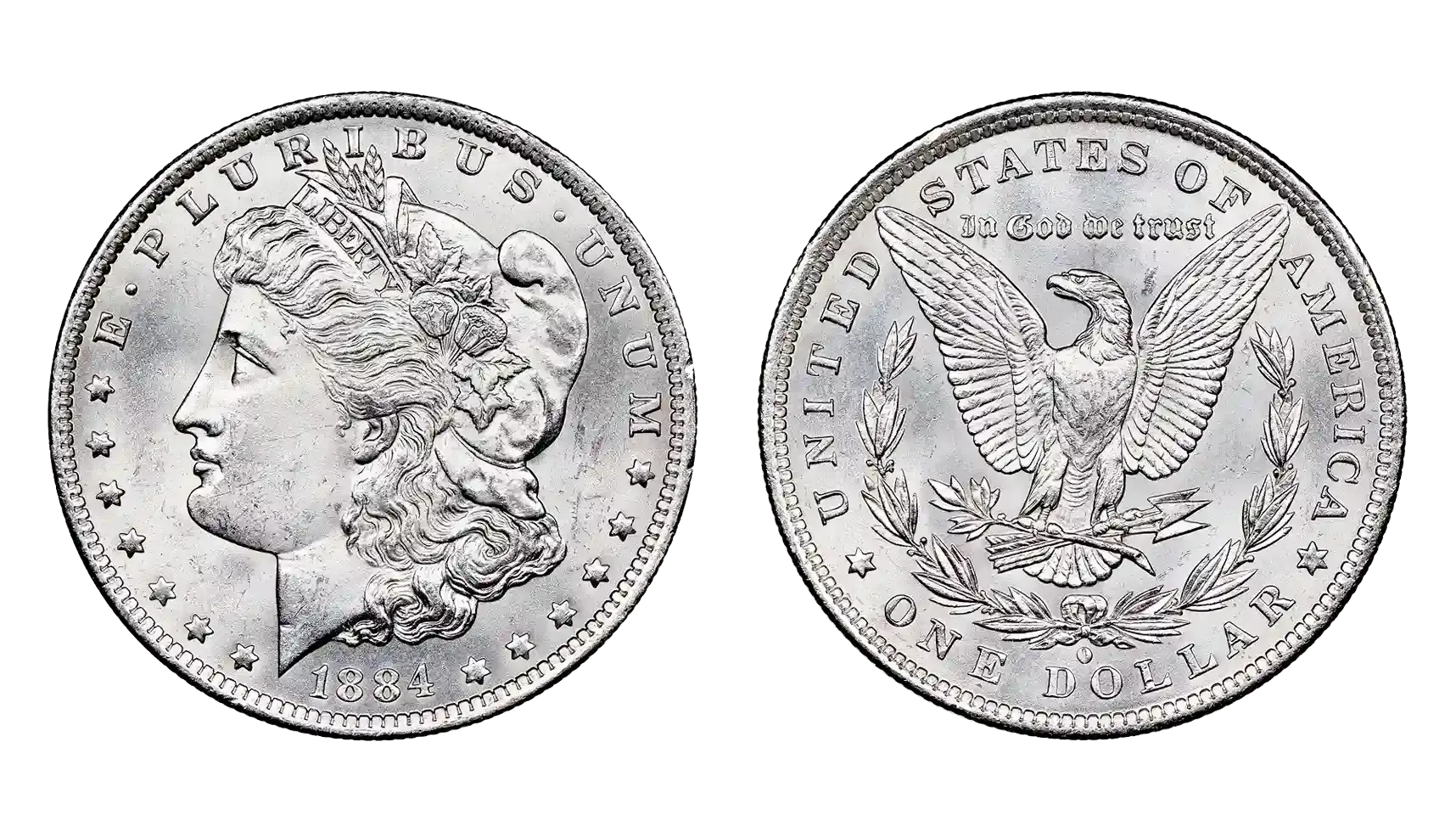
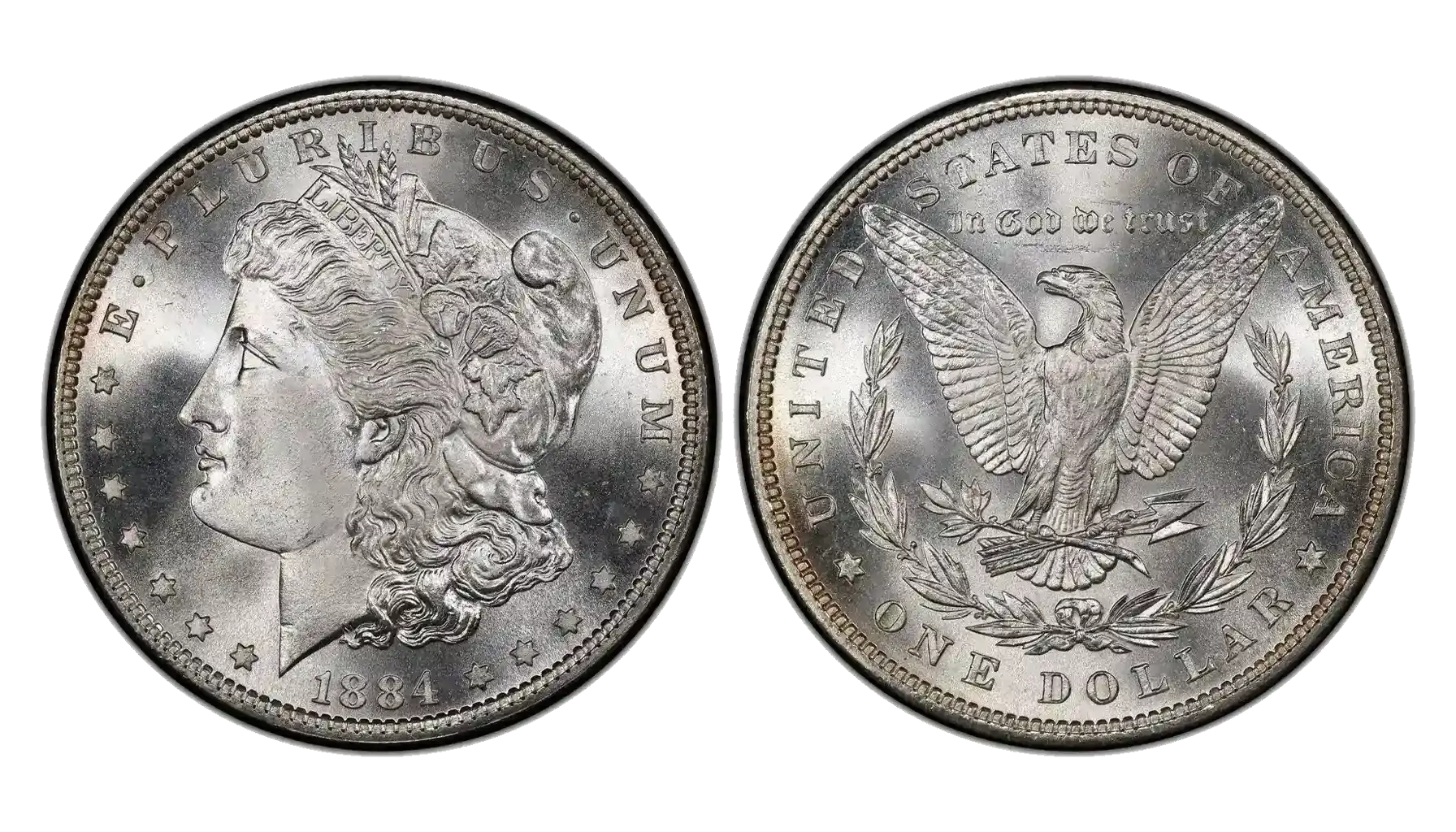
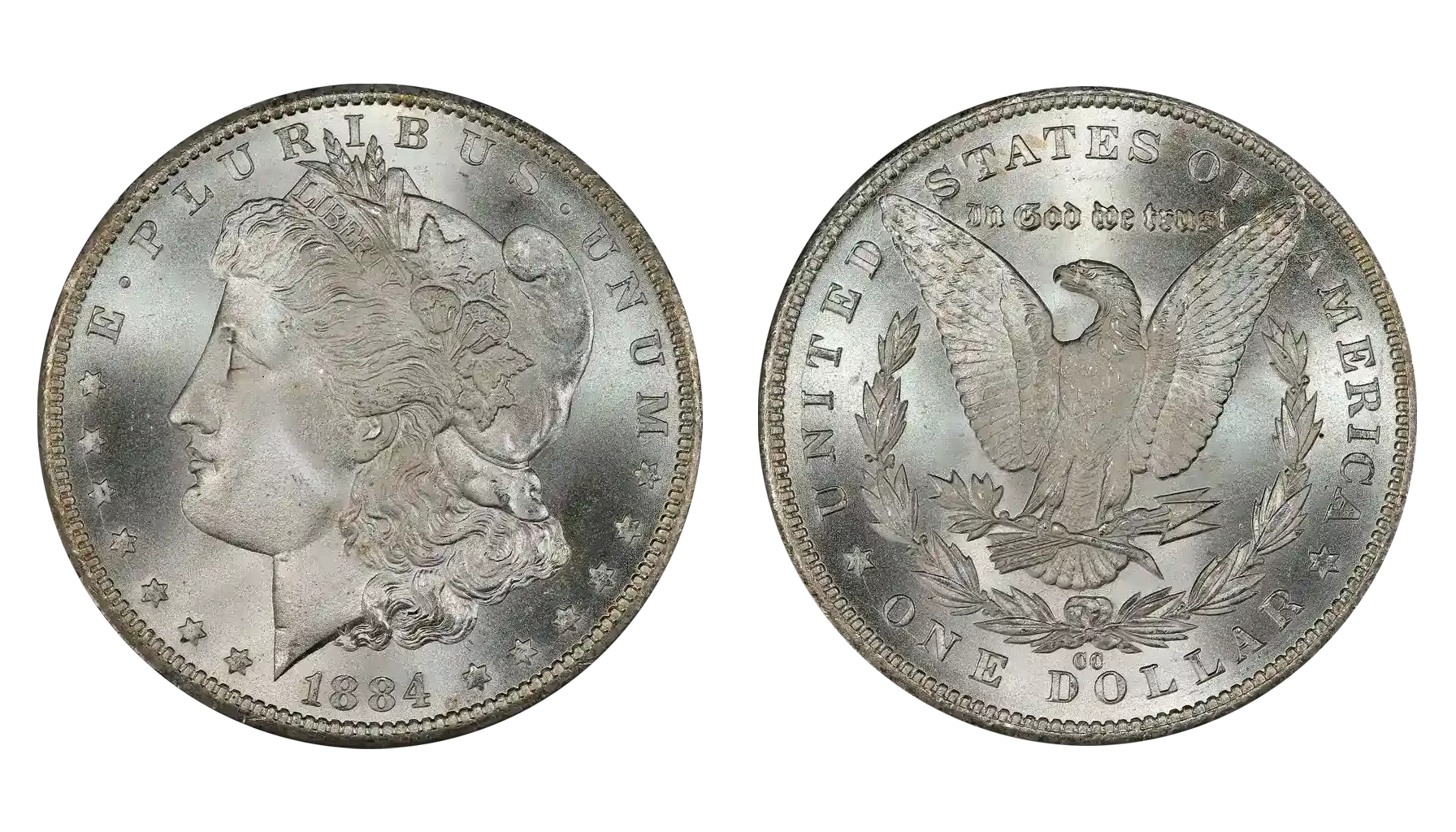
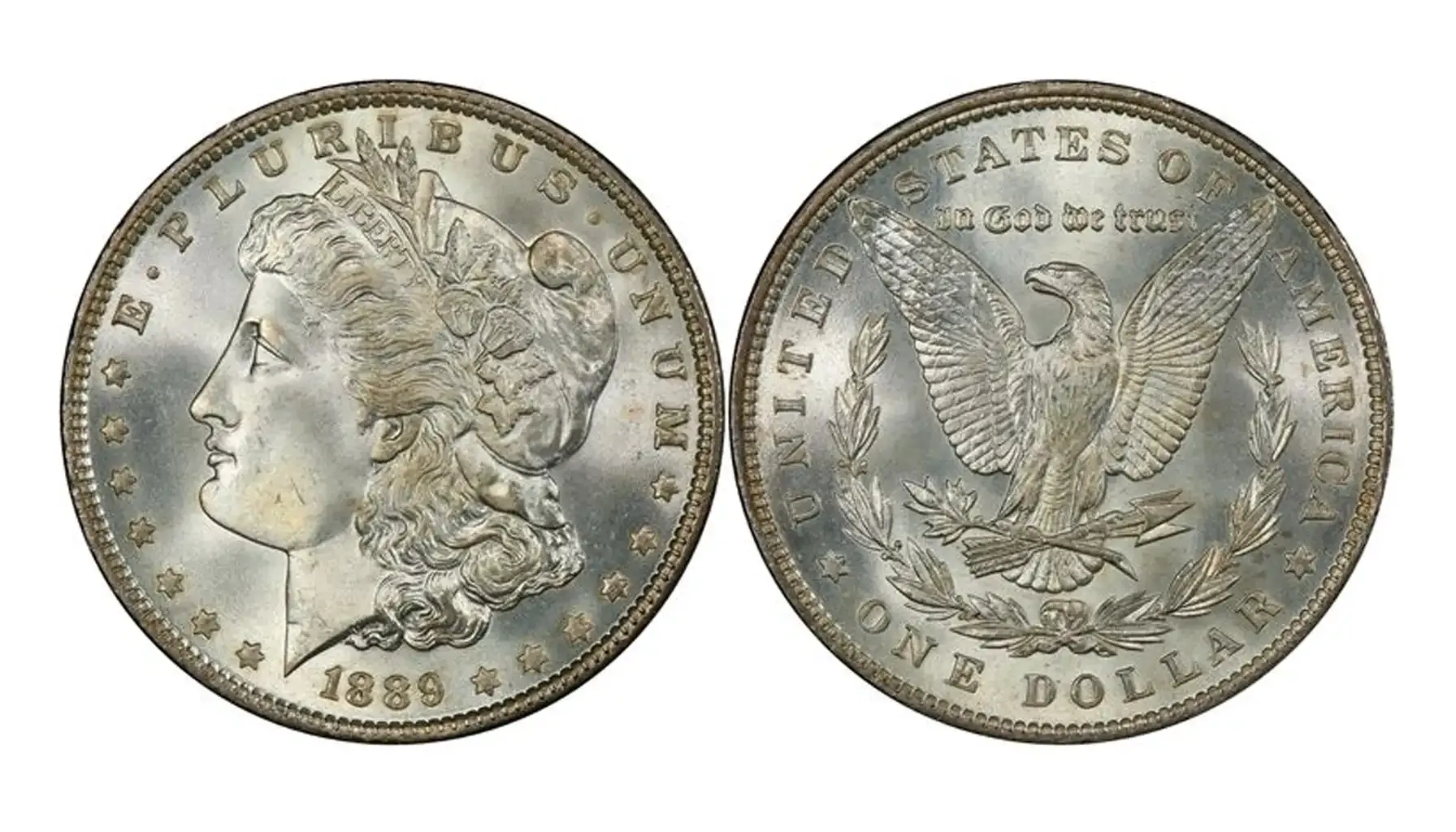
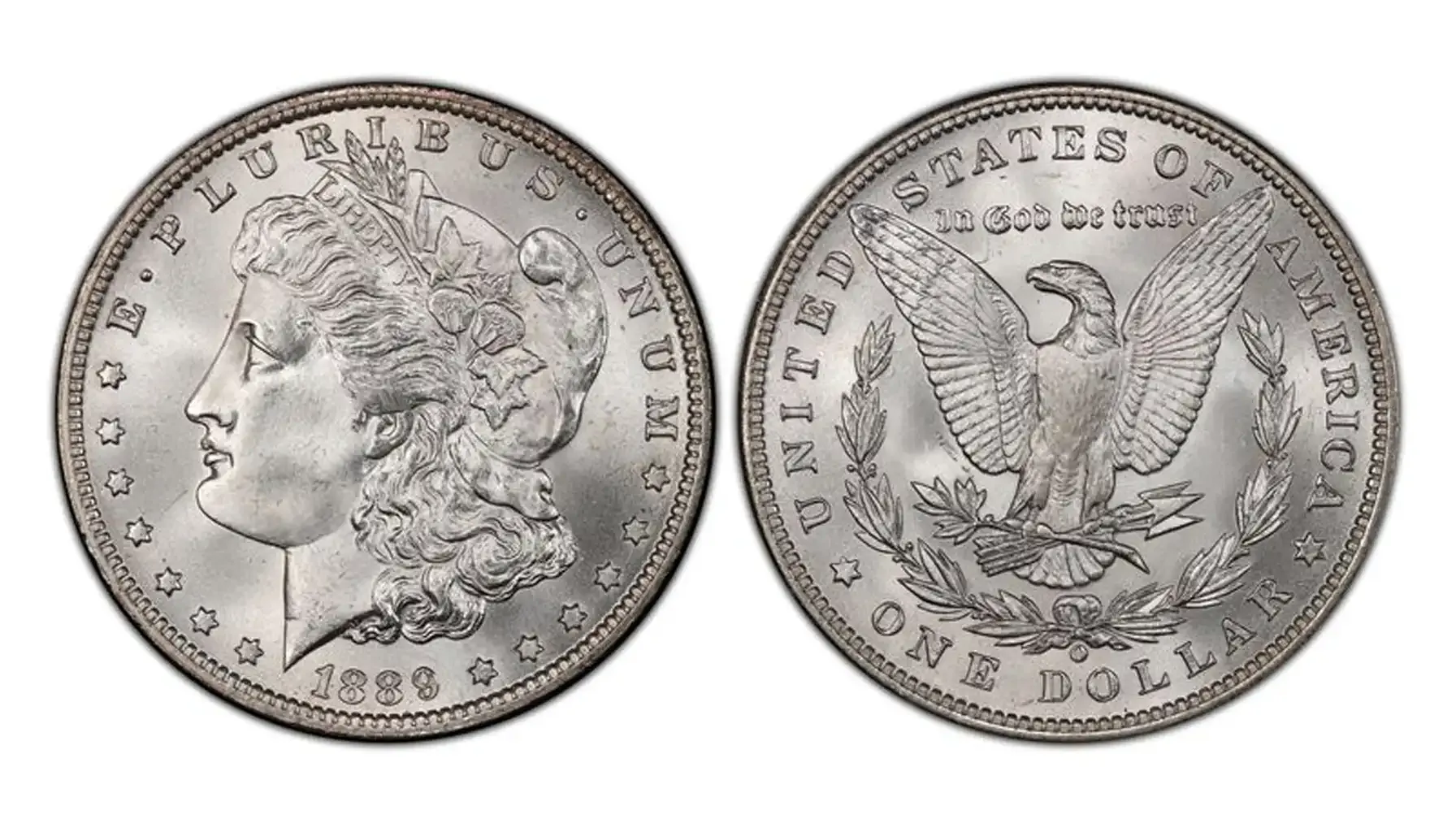
On the obverse is Lady Liberty, looking to the left. She's wearing a Phrygian cap. It is decorated with wheat and cotton, symbolizing America's agricultural prosperity.
It is surrounded by thirteen stars. This is about the original colonies, as well as the motto "E Pluribus Unum" and the year "1899".
The portrait reflects a sense of national pride and emerging identity.
On the reverse is an eagle with outstretched wings clutching an olive branch and arrows.
Above the eagle are the inscriptions "United States of America" and "One Dollar," as well as the national motto "We believe in God."
The coin is 90% silver and 10% copper, weighs 26.96 grams, and has a diameter of 38.1 mm.
“Morgan Dollar from 1889 in circulated condition is worth between $48 and $63. However, on the open market 1889 Silver Dollars in pristine, uncirculated condition sell for as much as $35500.”
— unnamed NGC Price Guide, as of October 2025
Official NGC website
Minting Locations and Production Numbers
In 1899, three U.S. mints were engaged in minting.
Philadelphia Mint: The 1899 Philadelphia issue had a circulation of 330,000 copies.
New Orleans: These coins are marked with the mint mark with the letter "O". They were minted in an edition of 12,290,000 copies.
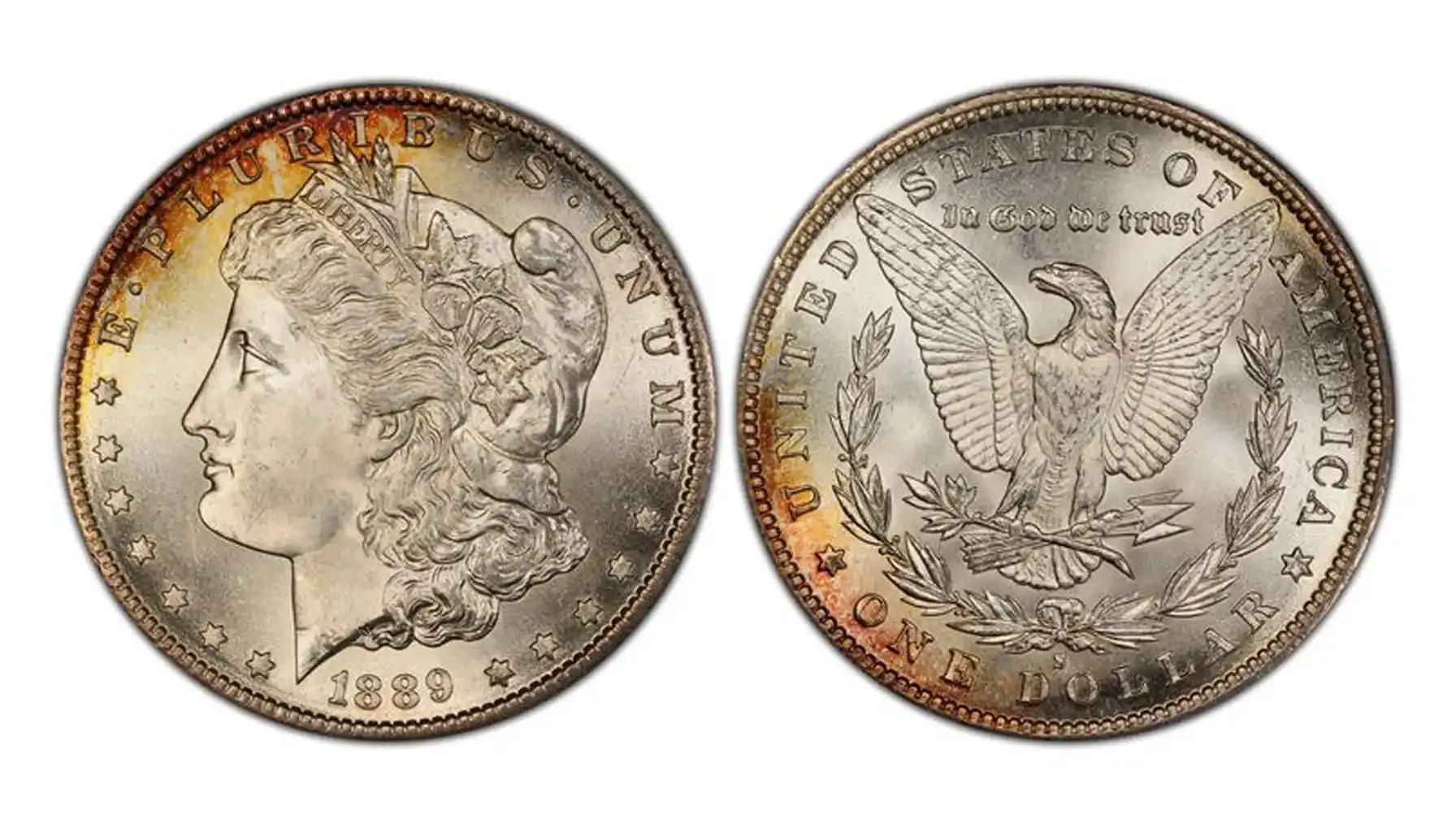
San Francisco: The San Francisco Mint, marked with the letter "S", produced 2,562,000 copies.
Historical Context
1899 is the end of the 19th century. The end of a period of tremendous industrial growth and economic change in the United States. Production was regulated by the Bland-Ellison Act of 1878. It required the U.S. Treasury to purchase a certain amount of silver every month and mint coins from it. This law was aimed at supporting the struggling silver mining industry.
By 1899, these coins were widely used in trade, especially in the western states. But paper money was widespread in the east. Due to such widespread circulation, many coins have been subject to wear and tear, which has led to a shortage of high-quality copies today.
How to Determine the Value of a 1899 Silver Dollar
Grade | Standard | Eye Appeal | High-End for Grade | TOTAL Graded | Distribution |
MS-62 | 9,089 | 12 | 5 | 9,106 | 12% |
MS-63 | 32,426 | 48 | 14 | 32,488 | 45% |
MS-64 | 19,910 | 48 | 240 | 20,198 | 28% |
MS-65 | 2,491 | 18 | 40 | 2,550 | 3% |
MS-66 | 261 | 9 | 34 | 305 | 0% |
Factors Affecting Coin Value
Condition (grade): That's the first thing. The grade of the coin reflects the degree of its preservation.
Key elements worth paying attention to include Lady Liberty's hair, the feathers on the eagle's chest, and the highest points of the pattern. A coin with a bright shine, clear details and minimal contact marks will always cost more.
Mint Mark: A certain mint mark is also important. It's a matter of circulation. The smaller it is, the more likely it will cost. Because it is less common and such copies in good quality will be difficult to find.
Rarity and Survival Rate: Even if the print run was large, it's not a given that there will be worthwhile copies among it. Therefore, it is important to look for uncirculated coins.
Market Trends and Auction Results
The investment market is always dynamic. This also applies to collectible coins. And here everything is important. Both the condition and the market price of the metal from which the specimen is made. And even the very interest of numismatists in this series.
Also you can use special apps like Coin ID Scanner. It helps you to find really good coins, identify them and estimate their value.
Therefore, to stay up to date with events, track the main online coin auction results from reputable companies. For example, Heritage Auctions or Stack's Bowers Galleries. You can also consult the PCGS or NGC price guides.
Key Tips for Collectors
Use lighting and magnification
Hold coins by their edges
Examine features
Assess luste
Look for contact marks
Avoid cleaning at home
Rare and Valuable 1899 Morgan Dollar Varieties
Grade | BASE Value | Exceptional Eye Appeal | High-End for Grade | Premium Quality |
MS-62 | $298 | $252 | $252 | $275 |
MS-63 | $354 | $316 | $316 | $335 |
MS-64 | $865 | $524 | $524 | $694 |
MS-65 | $2,033 | $1,254 | $1,254 | $1,643 |
MS-66 | $5,478 | $3,181 | $3,181 | $4,329 |
MS-67 | $8,372 | $6,442 | $6,442 | $7,407 |
MS-68 | $11,644 | $9,462 | $9,462 | $10,553 |
MS-69 | $21,896 | $15,061 | - | - |
Mint Marks and Variants
It is much more difficult to find high-quality "O" and "S" coins that have not been put into circulation, and a high 1899 one dollar coin value with rarer details than one would expect from their original minting.
Experienced numismatists also study "VAMs", which classify certain types of stamps. These include double dies, re-minted stamps, or stamps with breaks.
High-Grade Examples
MS-60-MS-63: These are usually the copies that were not in circulation. However, they may show traces of packaging, slight gloss dullness, or imperfect embossing.
From MS-64 to MS-65: These are premium coins that have not been released into circulation, with strong luster, minimal contact marks and signs of a good minting process.
MS-66 and above: They are almost flawless, with a full, bright luster, excellent embossing, and virtually no extraneous traces. Such copies are of great 1899 Morgan dollar value.
Error Coins and Unique Features
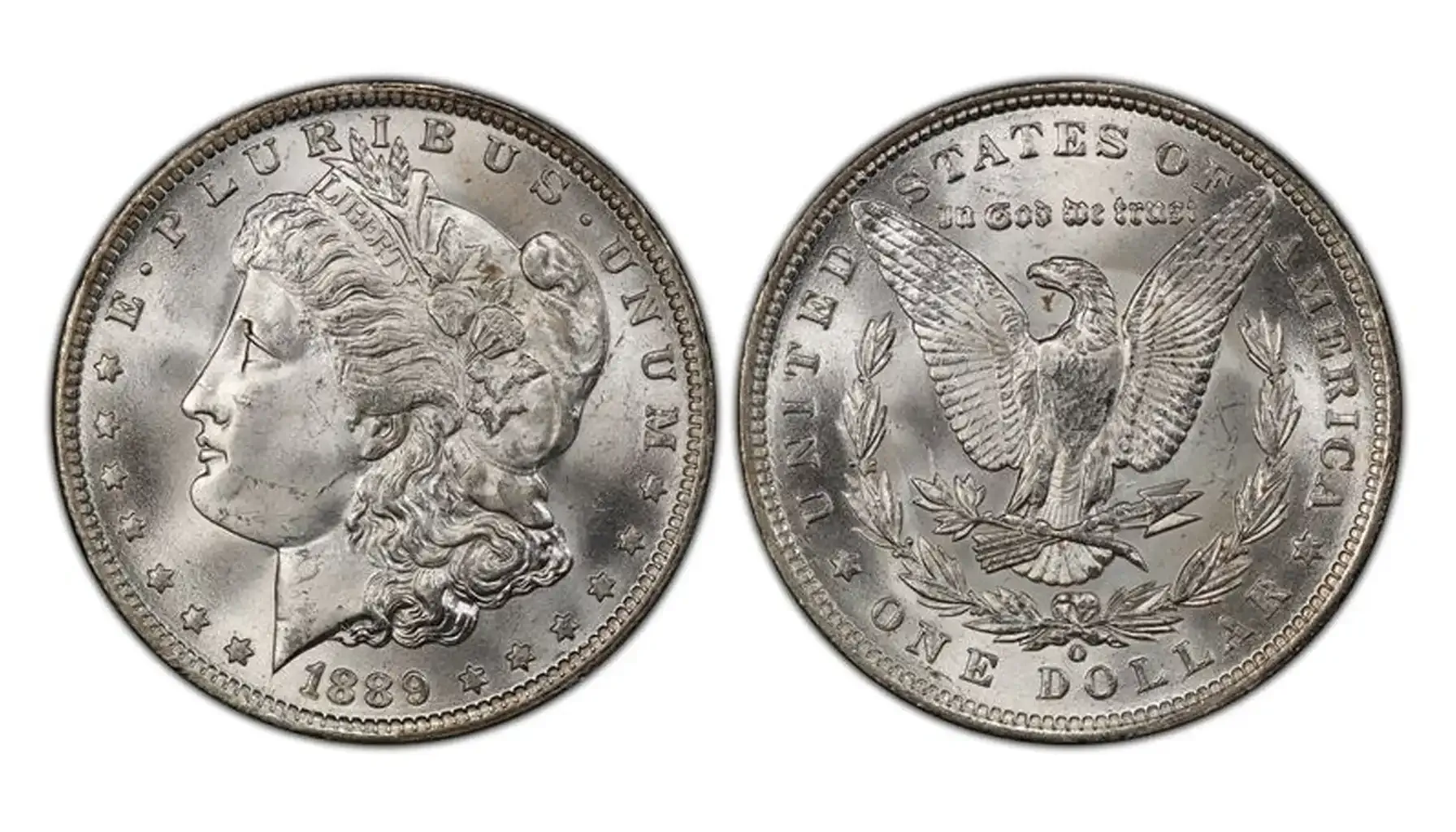
Double stamps: Occur when the stamp hits the bar twice in slightly different positions. It creates a double image on letters, numbers, or design elements. It increases the 1899 dollar coin value.
Off-center coinage: when the planchet is not perfectly centered in the coinage press. As a result, part of the drawing is missing and a crescent of pure metal is visible.
Minting errors: These include coins minted on incorrect coinage or coinage with stratifications or cracks.
Cutting errors: Parts of the strip may be missing before striking. This results in a curved or straight cut edge.
FAQ
How much is a 1899 silver dollar worth?
If you take the one that was in circulation, it is slightly higher than the value of silver: from 1 to 3 dollars. If MS is 60+, then from 50 to a thousand dollars
What mint marks exist for 1899 Morgan dollars?
- No Mint mark: Philadelphia
- O: New Orleans
- S: San Francisco
What makes a 1899 silver dollar rare?
Good condition, special mint marks and minting errors.
How can I tell if my 1899 Morgan dollar is authentic?
Get a professional evaluation from PCGS or NGC. But you can also pay attention to the design, weight, diameter and edge sharpening.
What are the most valuable 1899 Morgan dollar grades?
MS-65 and higher. Especially with the designations "Exceptional eye appeal" or "High quality".
How to preserve a silver dollar?
Take only the edges, store in special holders, never clean, maintain a stable environment.
What affects the market value of a 1899 coin?
Condition, mint mark, rarity, special varieties/errors, and market demand.

 Facebook
  X (Twitter)
  Pinterest
  LinkedIn