Contents:
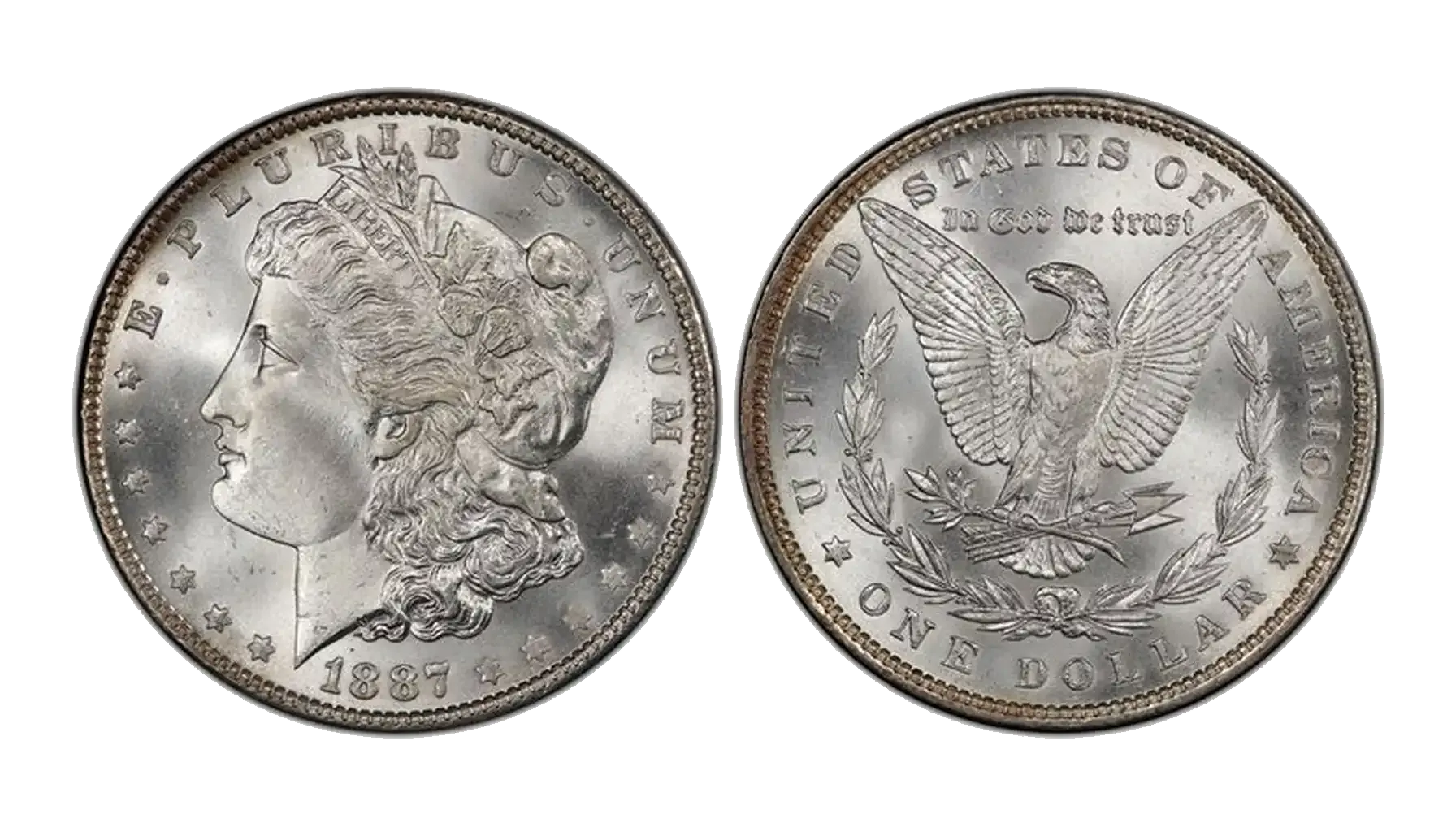
A "ping" sound, a silver sheen and a noticeable weight... All this is a 1887 one dollar coin. After so many decades and even centuries, it is still relevant, beautiful and so desired by many collectors that they constantly want to check coin value.
Historical Background of the 1887 Morgan Dollar
The U.S. Mint in 1887 – Overview of Mints Producing Coins that Year
The main mints that minted these specimens were Philadelphia, New Orleans and San Francisco.
“George Morgan designed the coin in 1876, using a real American girl, 18–year-old student Anna Willess Williams, for the obverse. The minting of the "Morgan dollar" began in 1878 from the high-grade silver of the Comstock mine in Nevada, discovered and mastered during the Gold Rush.”
– unnamed, the Morgan Dollar page
Wikipedia
Design and Designer – Who Designed the Morgan Dollar and Design Elements
The author of the design is hidden right in the name - George T. Morgan. He is an English engraver who joined the U.S. Mint in 1876.
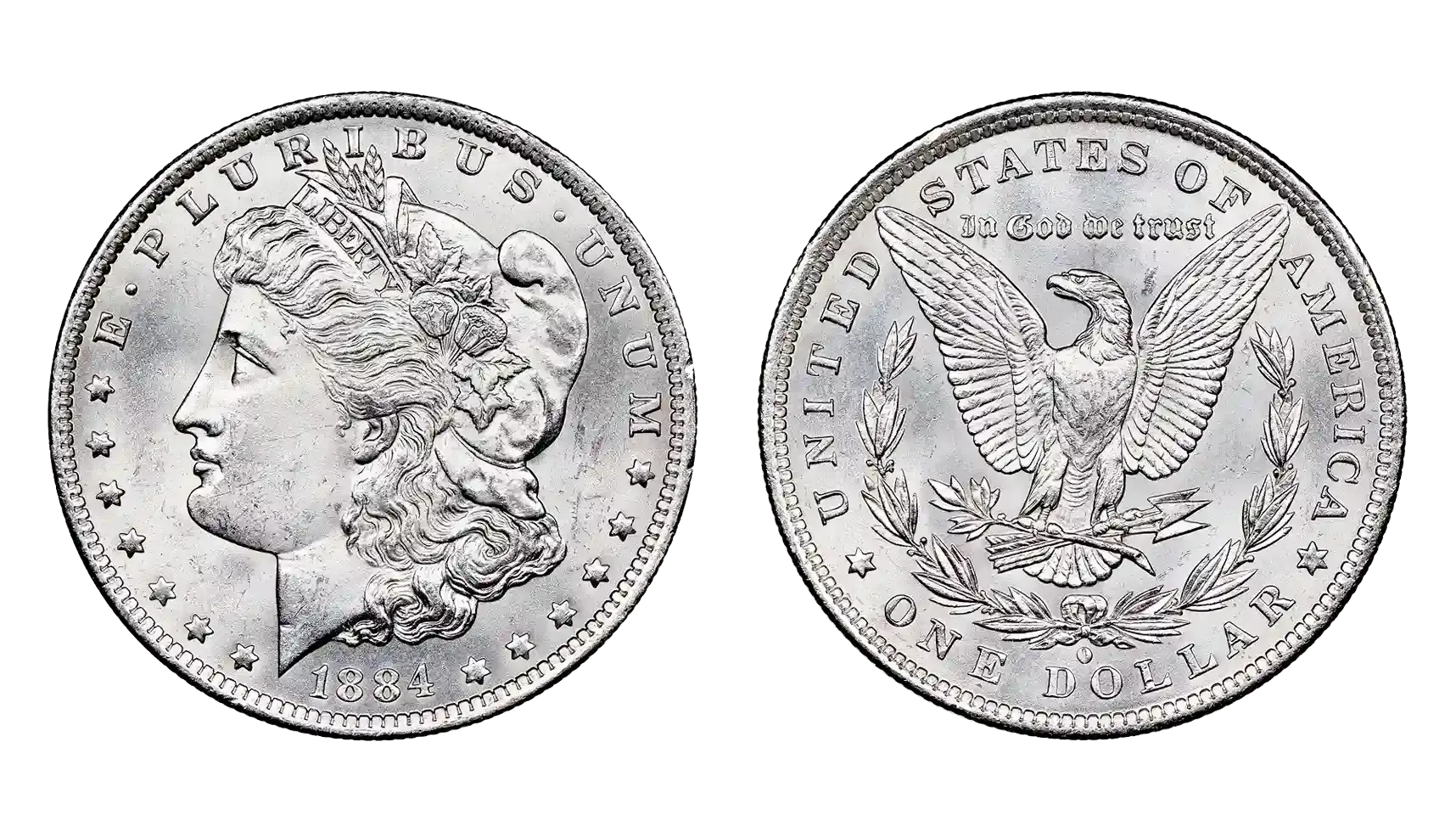
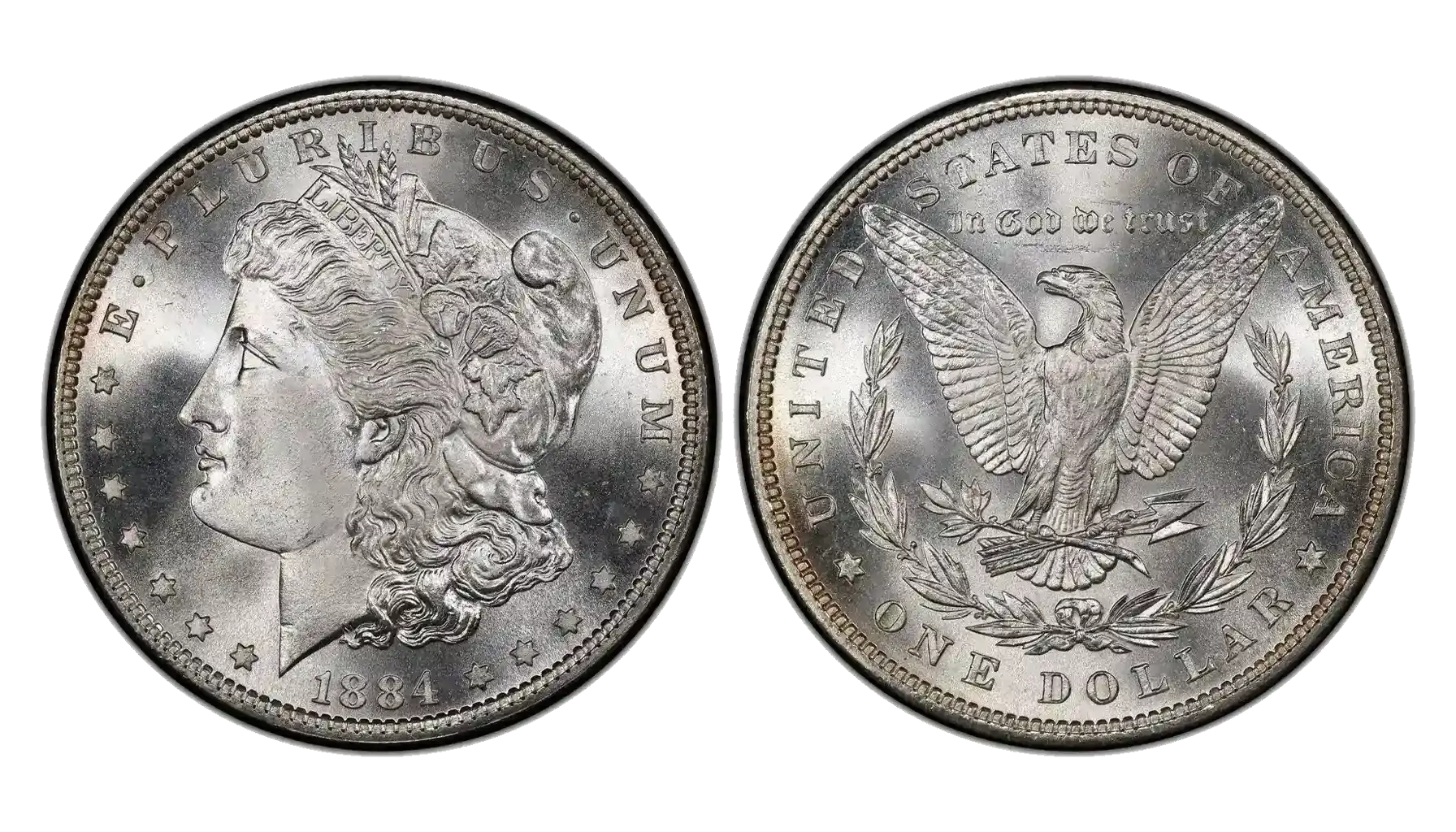
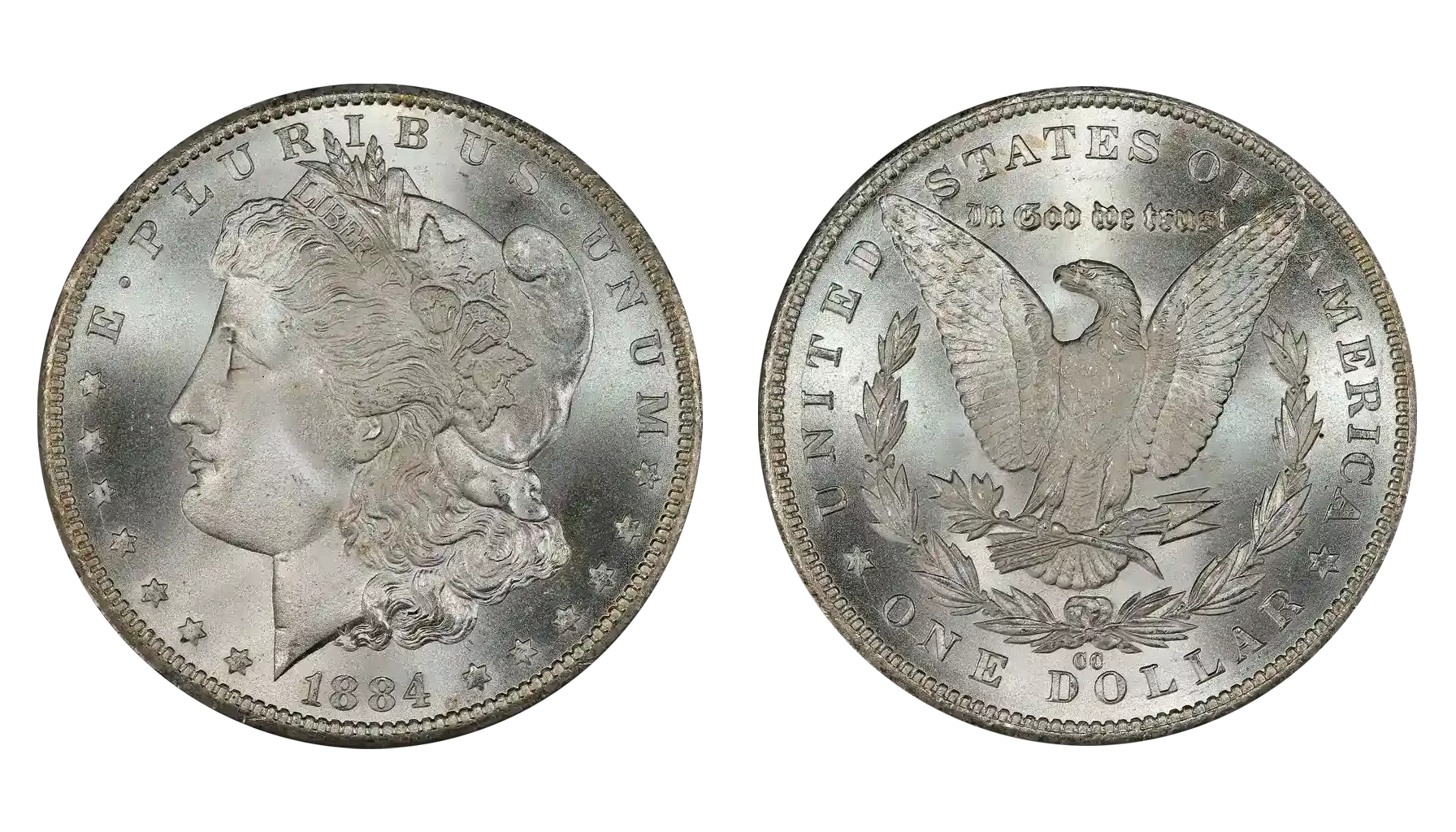
On the obverse of the coin is the profile of Lady Liberty in a Phrygian cap. It’s like a real 1887 liberty silver dollar. It is decorated with wheat and cotton. It symbolizes agriculture and industry. The word "LIBERTY" is above her head.
On the reverse is an eagle with outstretched wings clutching arrows and an olive branch. It symbolizes war and peace, surrounded by a wreath.
Key Historical Events – Context Affecting Coin Production and Circulation
Key historical events – the context influencing the production and circulation of coins
The Bland-Ellison Act of 1878. He ordered the US Treasury to purchase a significant amount of silver every month and mint silver dollars from it.
It was a response to the powerful silver mining lobby in the West. Due to the sheer number of silver dollars issued during this period, including 1887, many of them were deposited rather than put into circulation to be released decades later.
Understanding Mint Marks (P, O, S)
Mint Mark | 1887 Mintage | Relative Rarity | Features |
P | > 20,000,000 | Most Common | No mint mark |
O | Large number | Medium | Often softer strike |
S | Lower than P | Higher than P and O | Clearly minted, strong luster |
Philadelphia (P) Mint – Production Numbers, Common VS Rare
Is this really that 1887 Morgan silver dollar no mint mark? Yes, that's right.
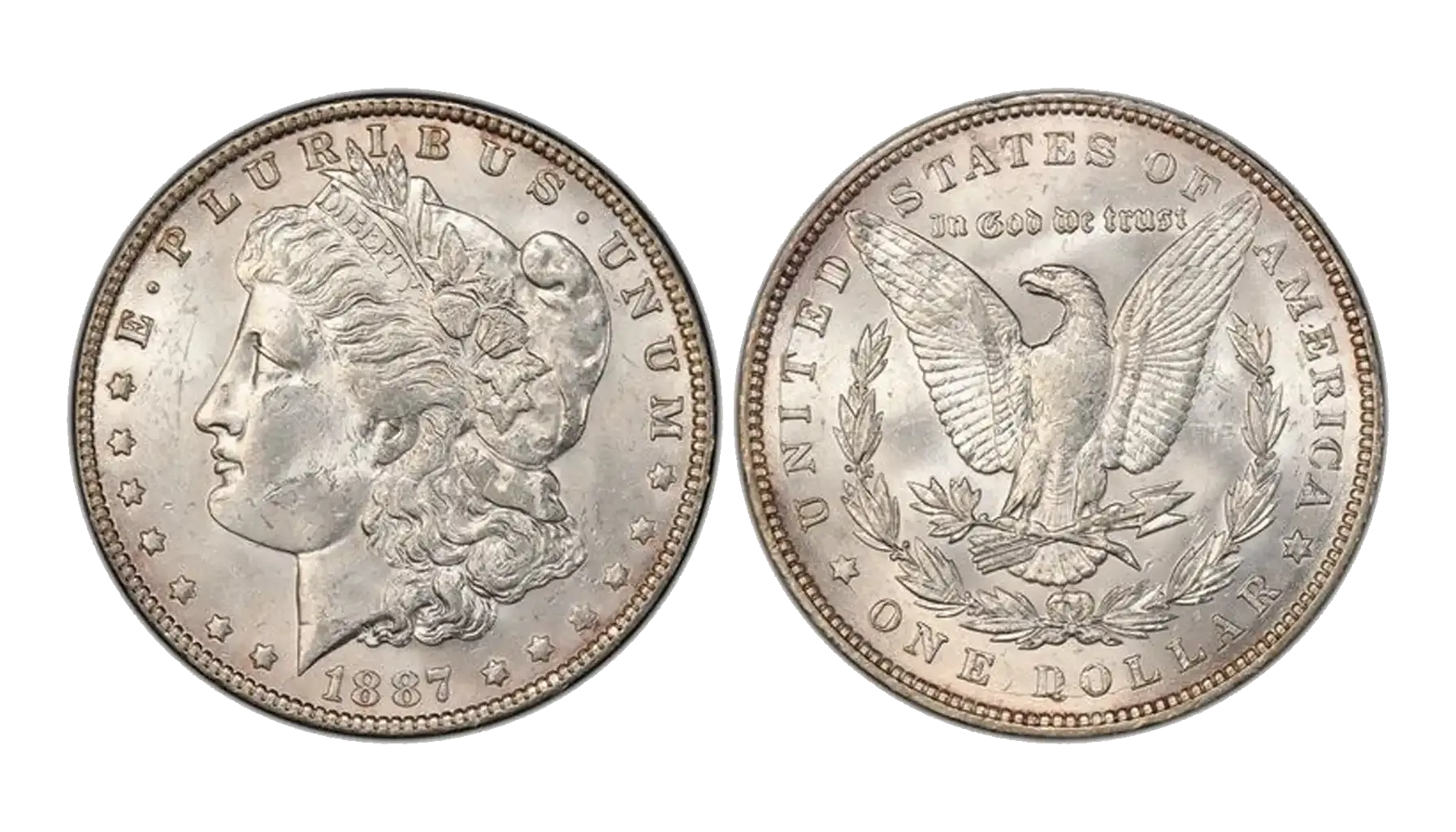
In Philadelphia, it was usually minted without a mint mark. In 1887, more than 20 million coins were minted there. Due to such high production, the issue has become the most common for this year.
New Orleans (O) Mint – Distinguishing Features and Collector Interest
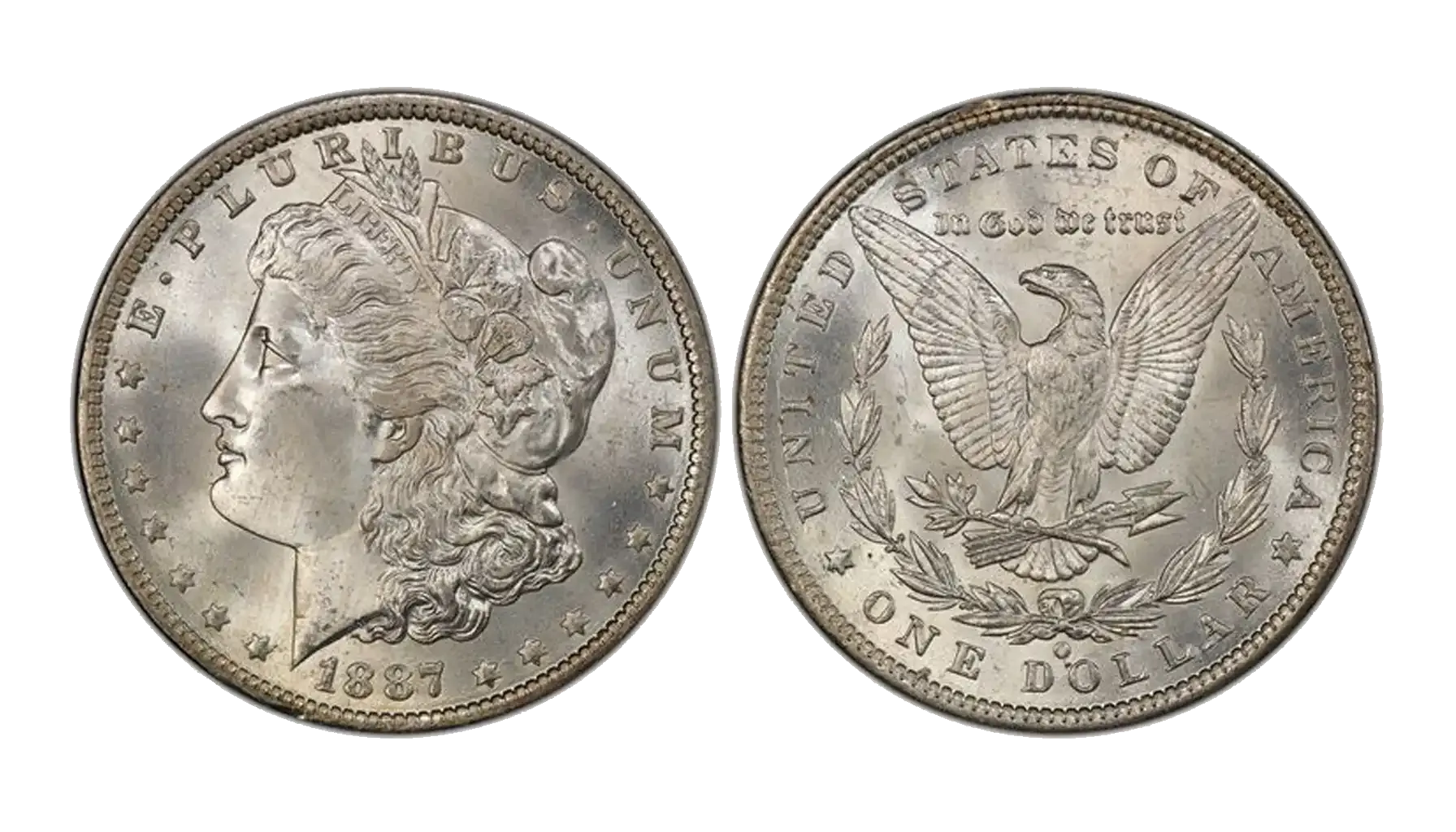
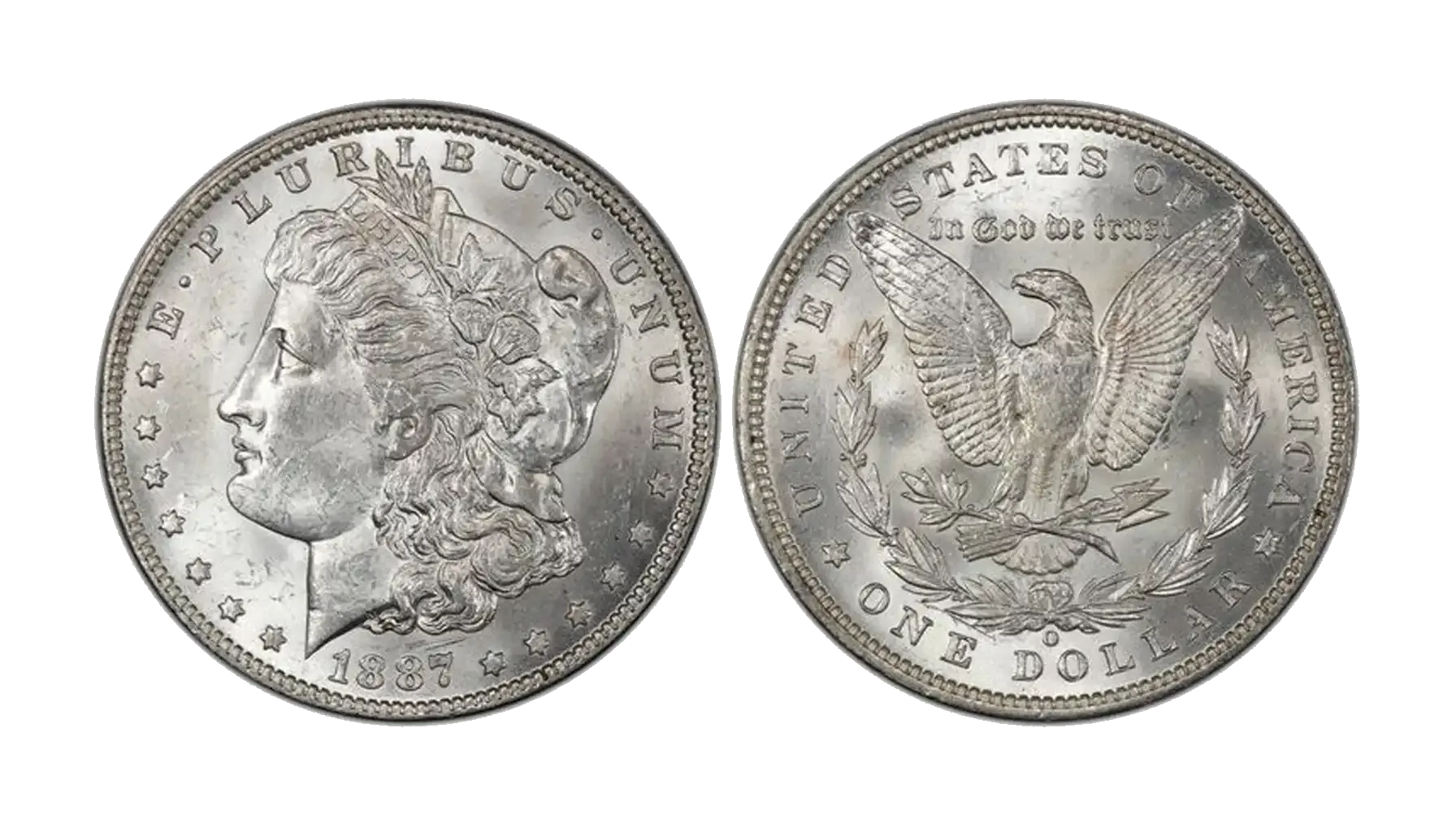
In 1887, the New Orleans Mint issued a large number of coins marked with the letter "O". They have a slightly different quality of coinage. They look a little softer.
Collectors appreciate the special character of the coins of the mint "O", and although they are not as rare as some issues of the mint "S", a well-preserved coin can bring a good profit. Because of this, we need to understand the mint mark meaning.
San Francisco (S) Mint – Rarity, Value, and Historical Notes
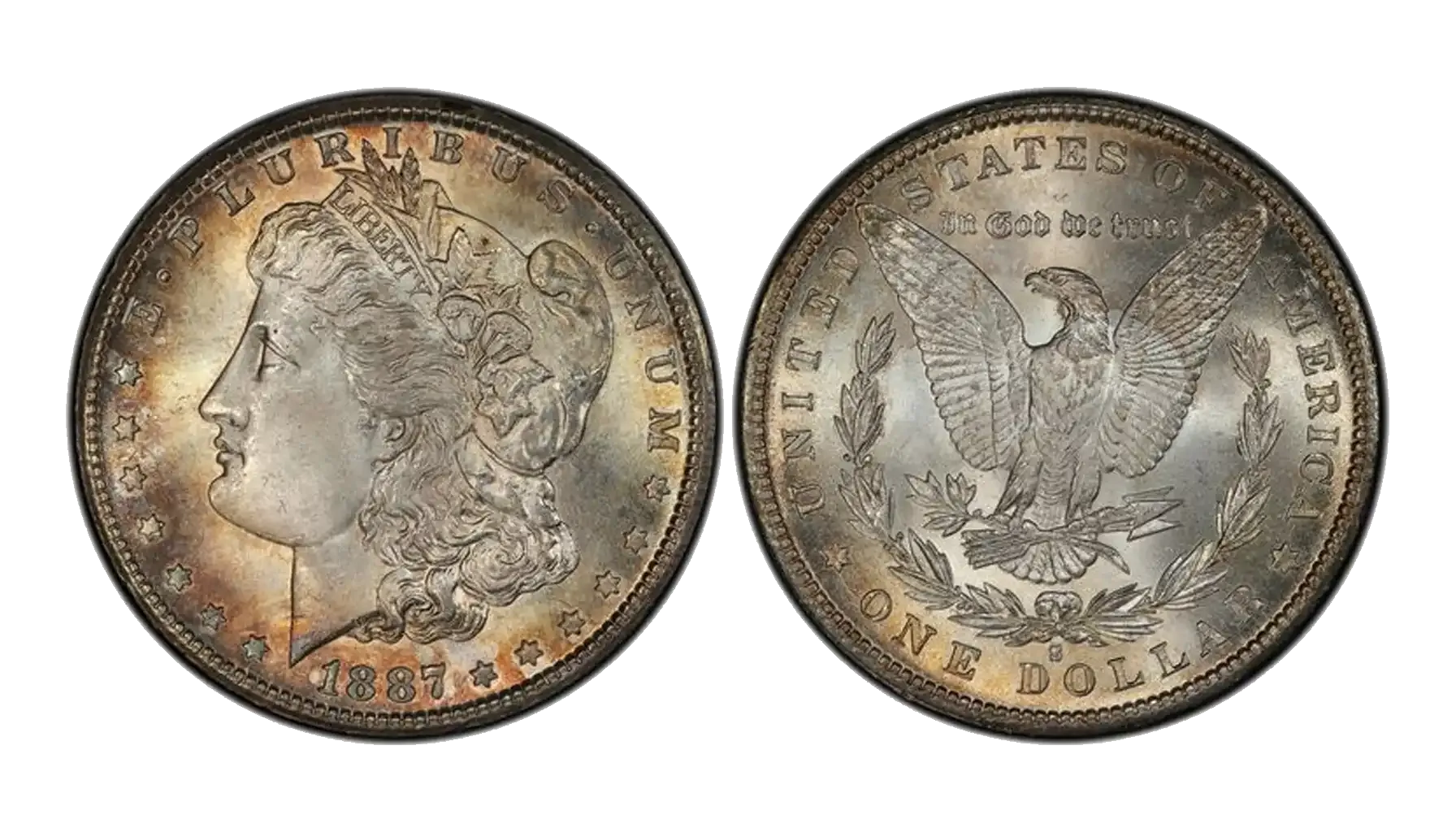
The San Francisco Mint is designated by the letter "S". Over the years, it has produced fewer quantities than in Philadelphia or New Orleans.
In 1887, the circulation of coins in San Francisco was lower than in Philadelphia, but still quite large. Their coins are clearly minted and have a strong luster.
Where is the mint mark on a 1887 silver dollar?
The mint mark is located on the reverse side of the coin. Below the eagle, above the "DO" in "ONE DOLLAR."
Coin Grading and Condition
Feature | PCGS | NGC |
Grading | Perceived as slightly stricter | Generally consistent |
Market | A slight premium for high-grade | Strong market acceptance |
Focus | US coinage | US, world and ancient coinage |
Mint State (MS) vs Circulated – Differences and Impact on Value
The coin grading system is difficult, but with experience, you start to understand it. For example, an "in circulation" coin is something that is used in trade and has signs of wear and tear. For example, smoothed details, scratches, and loss of gloss.
The State Mint (MS) has never been put into circulation. It retains its original luster. All design details are clear and complete.
Grading Standards – MS60–MS65 and Professional Grading Services
A numerical scale from 1 to 70 is used to evaluate coins. For coins that are not in circulation, the scale varies from 60 to 70 points.
The MS60 coin has not been released into circulation, but it may have some minor defects.
The MS65 instance is considered very valuable. It has not been released into circulation, has a strong gloss and very few scuffs.
Professional evaluation service NGC is the industry standard for coin authentication and evaluation. They can be used for evaluation.
Identifying Wear and Damage – Tips to Avoid Overpaying for Circulated Coins
Identification of wear and damage – tips on how to avoid overpaying for coins in circulation.
Pay attention to the signs of wear in the main places of the drawing: on Liberty's cheek, the hair above the ear and the feathers on the eagle's chest.
Also check for scratches, dents on the bezel, or cleaning marks. A refined coin, even if it looks shiny, greatly reduces the 1887 dollar coin value for collectors. During the cleaning process, the original surface and gloss disappear.
Rarity and Key Variations
Common vs Rare 1887 Coins – How to Distinguish Typical from Valuable Coins
The most common option is without the mint mark. However, even ordinary dates can be rare in exceptionally high grades. Coins issued in 1887 and 1887 are less common, so they may cost more.
Special Varieties – Overdates, Die Variations, and Errors
Well, what makes a 1887 silver dollar rare?
Varieties of VAM: They are named after Leroy K. Van Allen and A. George Mallis. These are special types of stamps. For example, with cracks on the stamps, with re-minting, with double stamps.
Expiration date: Sometimes a mint employee would put a new date on the stamp on top of the old one.
Errors in coinage: these are accidental manufacturing defects. For example, off-center coinage, planchet errors, or double coinage.
Collector Demand – How rarity Affects Investment Potential
The relationship between rarity and collector demand directly affects the cost. Rare varieties or high-quality specimens from lower-quality mints attract more buyers.
Pricing and Market Trends
Grade | Base Price | Premium (+) Price |
MS50 | $58 | $58 |
MS53 | $59 | $59 |
MS55 | $60 | $61 |
MS58 | $62 | $63 |
MS60 | $70 | $72 |
MS61 | $75 | $77 |
MS62 | $85 | $95 |
MS63 | $110 | $125 |
MS64 | $150 | $175 |
MS65 | $235 | $250 |
MS66 | $345 | $490 |
MS67 | $1,750 | $5,300 |
Current Market Prices – By Mint Mark and Grade
The value of 1887 silver dollar directly depends on the brand and grade of the mint. The larger the print run, the lower the price is likely to be.
For example, an 1887 Morgan dollar value coin in circulation may cost only slightly more than the value of molten silver. From $30 to $40, depending on silver prices.
Historical Price Movements – Price Trends over the Last Decades
1887 silver dollar value today increases. Especially when it comes to rare errors or small print runs. Silver prices are also affected. This is also worth considering. Also, don't forget about inflation and other economic processes.
Investment Potential – Comparing Coin Investments VS Other Precious Metals
If you just want to invest, it's better to take precious metal bars. However, if you are interested in history or are heartily rooting for the US financial system, then definitely invest in coins. Moreover, this is quite an interesting and meticulous process.
Authenticity and Counterfeit Detection
How to Spot Fakes – Common signs of counterfeit coins
Check weight: 26.73 grams and diameter: 38.1 mm.
With a light tapping, a distinct ringing will be heard.
Real coins have a clear, intricate pattern.
Fakes often lack a natural shine.
On fakes, the edge may be uneven or poorly shaped.
Verification Tools – Using Online and Professional Services
Professional Grading
It is always a good option to contact an experienced person or professional services. For example, it can be PCGS or NGC.
Applications: Nowadays, technology has evolved enough to help identify coins. You can use the Coin ID Scanner and find out about the fake, the history of the real coin and the current price.
Expert Tips for Safe Transactions – Trusted Dealers and Marketplaces
Buy from reputable dealers. They must be members of professional organizations.
Major numismatic auction houses guarantee authenticity.
If the price seems unusually low, it is better not to agree to the purchase.
When buying more expensive or rare items, choose coins that are already priced and encapsulated by PCGS or NGC.
FAQs
What is the value of a 1887 Morgan Dollar?
The cost is based on the condition. If it is average, then 48 to 55 dollars. But the copies with better quality range from 58 to a thousand dollars. It is also worth considering whether there are errors or other features.
How do P, O, and S mint marks affect value?
They mainly affect the number of copies. But they also have their own individual coinage features.
Are there counterfeit 1887 Morgan Dollars?
Yes, of course. There are quite a lot of counterfeits of any coins in general. You need to be careful here.
How rare is the 1887 O mint coin?
The 1887 Mint coin is less common than the Philadelphia (P) coin. The circulation was only 1,771,000.
What is the difference between MS60 and MS65 coins?
Both coins have not been released into circulation. The MS60 may have contact marks or lack a bright sheen. MS65 with clear details and very few noticeable contact marks.

 Facebook
  X (Twitter)
  Pinterest
  LinkedIn