Contents:
Julius Caesar left a great legacy. And this applies not only to Julius Caesar coin value, but also to all his other important reforms. That is why many numismatists specifically download the Coin ID App to find those very coins.
Did Julius Caesar Appear on Coins?
Until 44 BC, portraits of living people were never depicted on Roman coins. Depicting oneself on a coin during one's lifetime was considered a sign of Eastern tyranny and was hated by the Roman people. So, gods, great ancestors, or other important symbols were minted on denarius coins. However, Julius Caesar became the first person in the Roman Empire to be depicted on a coin during his lifetime.
History of Julius Caesar Roman Coins
49-45 BC
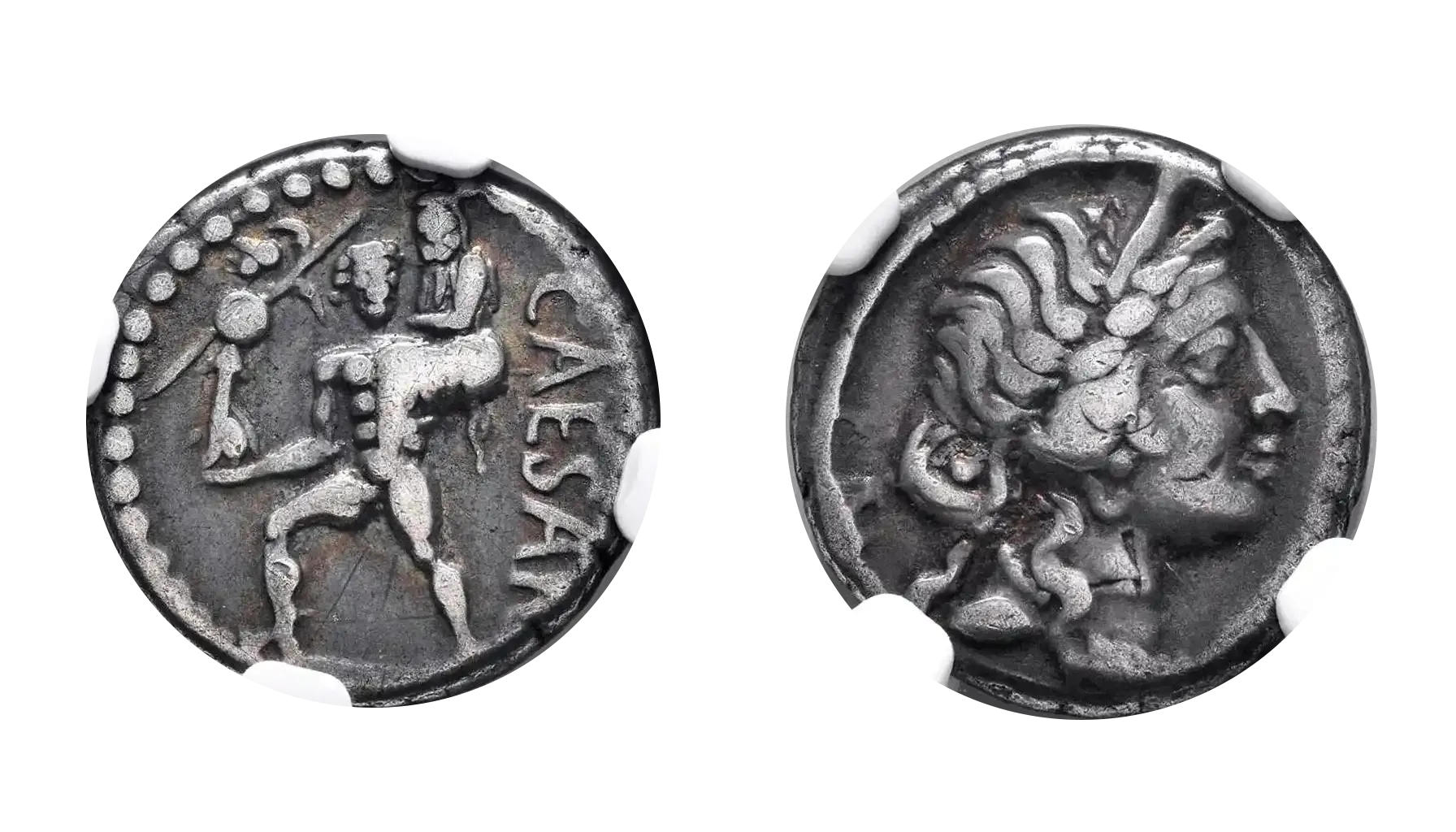
This was the period of the Gallic Wars and the Civil War. During this time, he still observed minting norms. His face was not on the specimens of that period, and the minting itself took place at mobile mints that followed his legions.
This money was needed to pay the soldiers' wages, and therefore the main design on the pieces was dedicated to military trophies, symbols of priestly power, and the goddess Venus.
The Beginning of 44 BC
And as for the Julius Caesar coin history, a few months before his death, he began a mass issue featuring a realistic portrait of Julius Caesar on a coin. These Roman coin Julius Caesar were not just for ordinary circulation in trade.
They were a propaganda tool throughout the territory of the Roman state, so that every resident would know their ruler by sight. This step of his was certainly akin to the coinage of Alexander the Great’s coins.
Julius Caesar Coin Portraits and Symbolism
Realism
Unlike other, more idealized portraits of emperors, his portraits on the denarius of 44 BC look quite realistic, with sunken cheeks, a wrinkled neck, and a high forehead. The laurel wreath.
Wreath
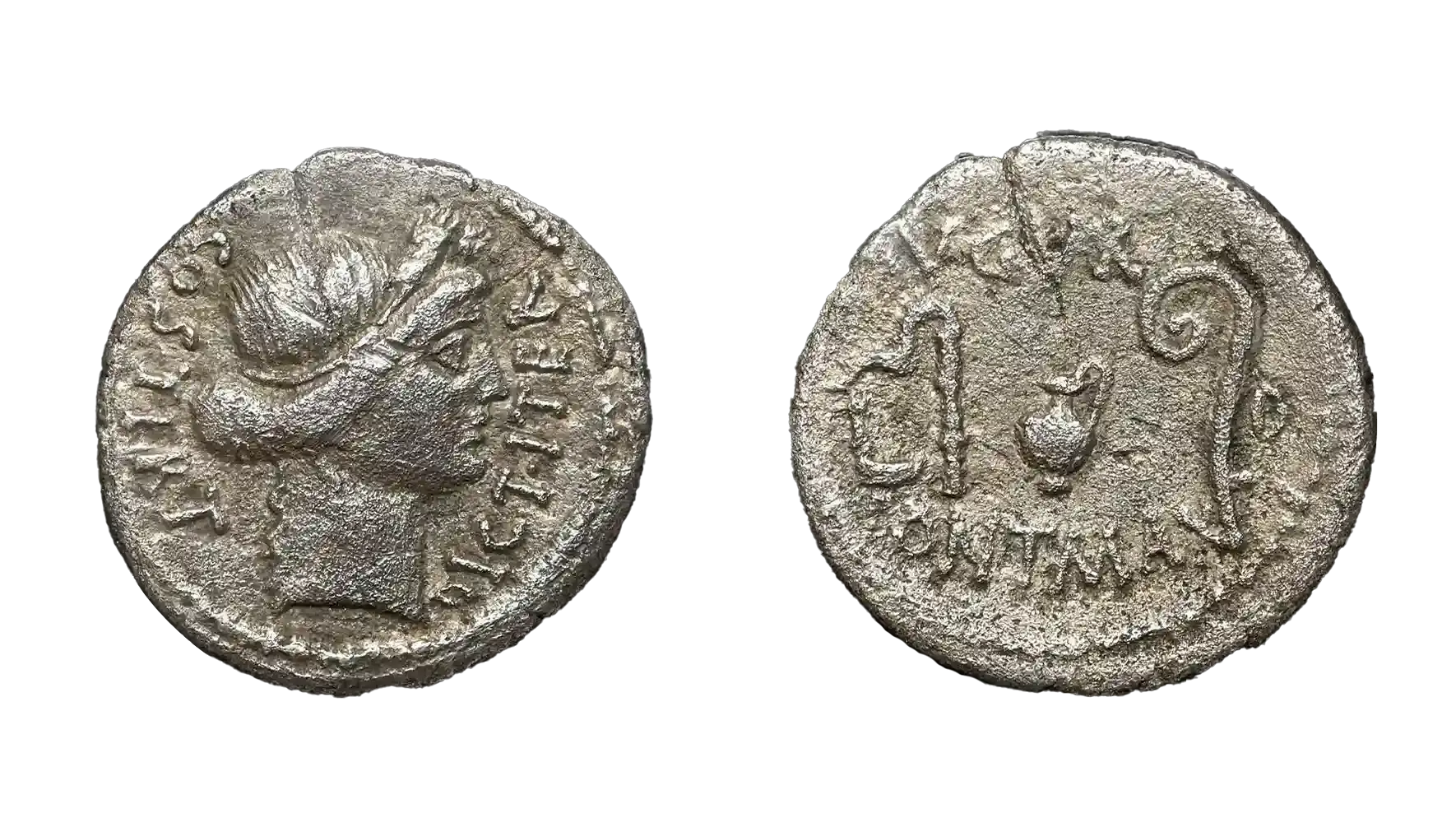
Almost everywhere Julius is depicted wearing a wreath. Ancient historians write that Caesar highly valued the right to constantly wear a wreath, as it helped to hide his baldness.
Elephant
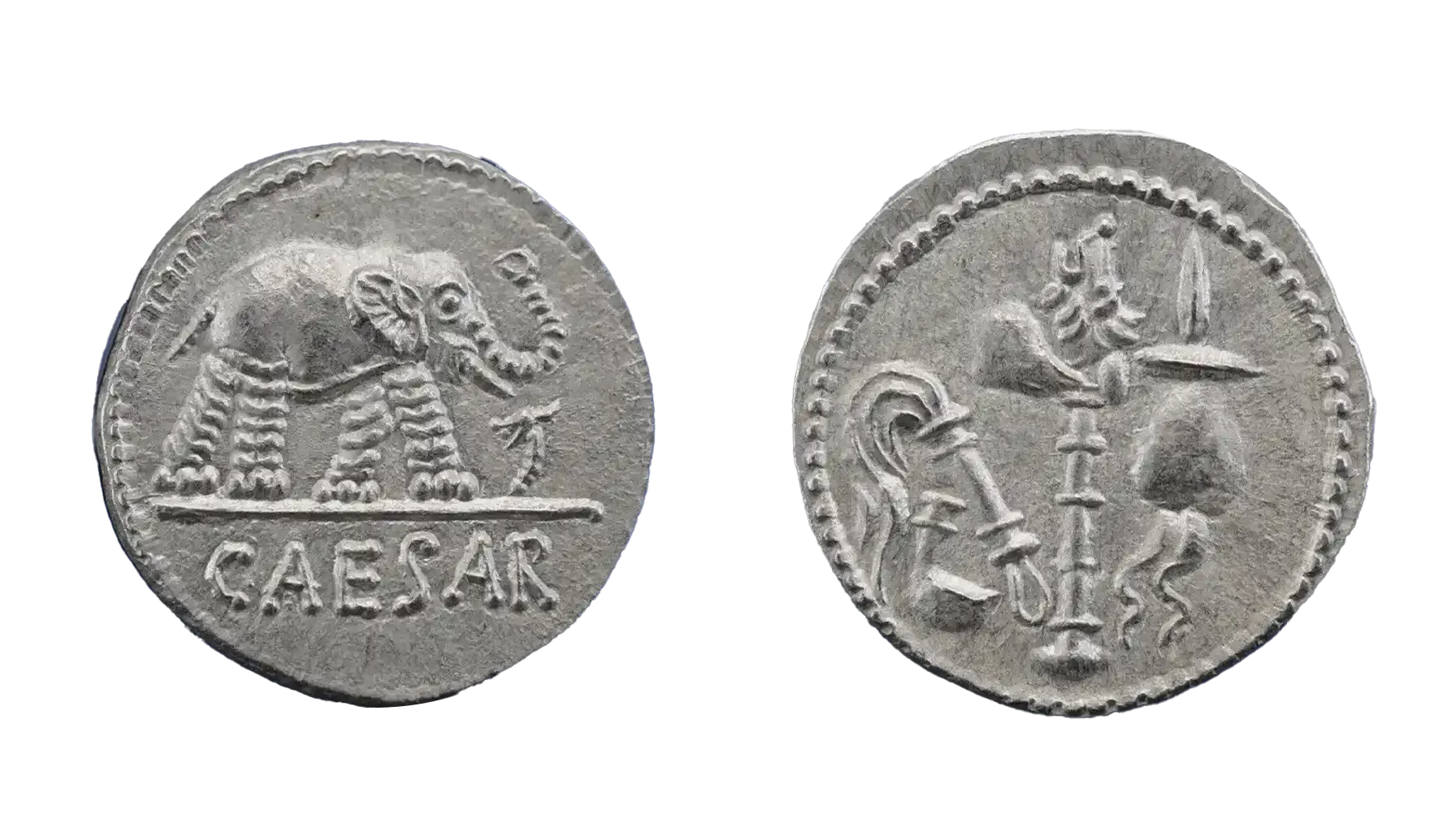
Also, one of the most famous denarius was minted in 49 BC. Its design depicts an elephant trampling a snake. This is a kind of metaphor, where the elephant is Caesar himself, and the snake is his enemies or any other evil.
Venus
He claimed that his family descended from the son of Venus, which is why he depicted this goddess on the reverse, thus connecting himself with something divine.
Gold and Silver Julius Caesar Coins
Type | Metal | Weight | Purpose |
Denarius | Silver | 3.8-4 grams | Main currency, paid to legionaries |
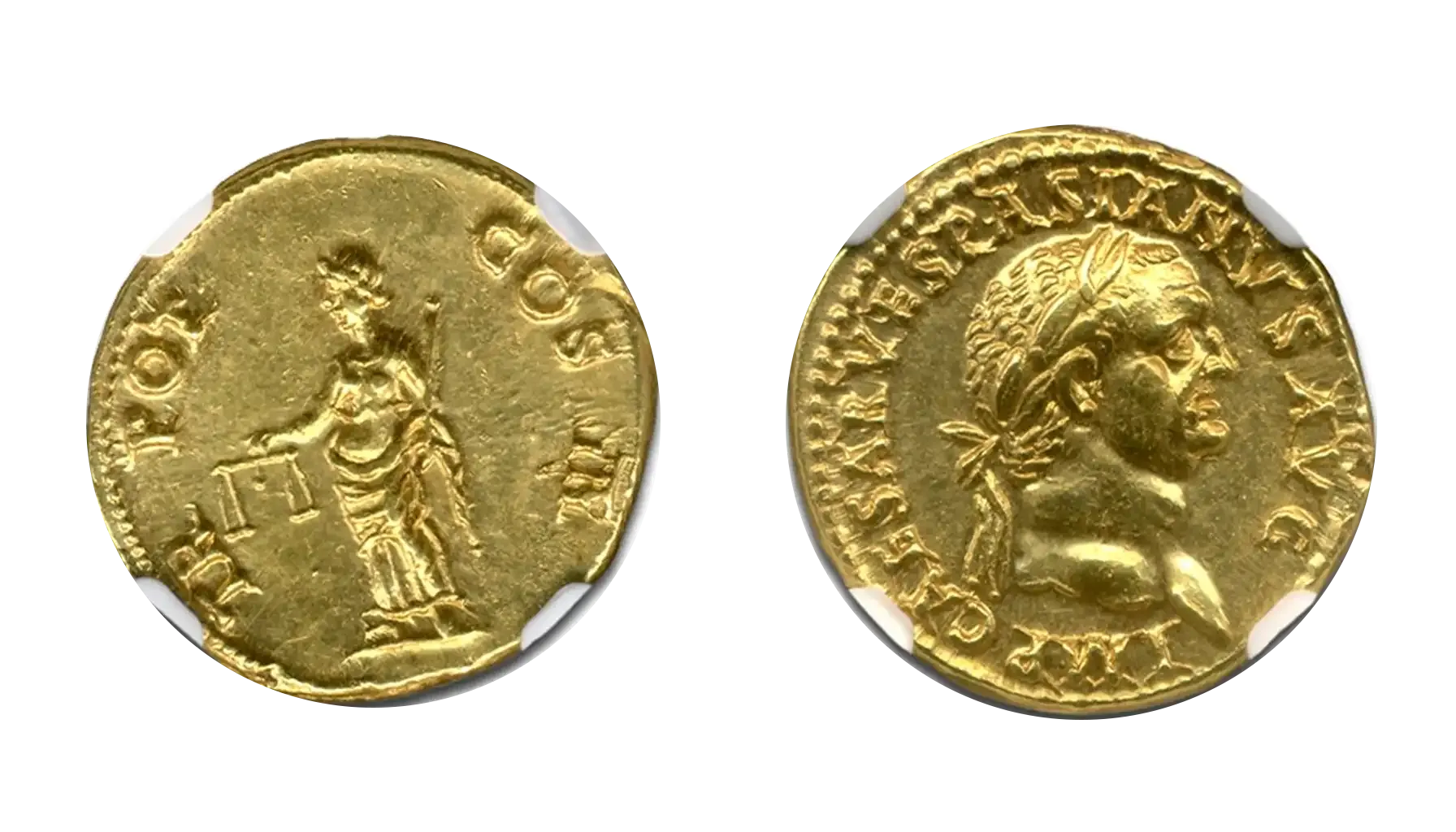
Aureus | Gold | about 8 grams | Large state payments |
The denarius was the main currency, used to pay legionaries. And it is these specimens with Caesar's portrait that are currently the most valuable and sought-after among collectors.
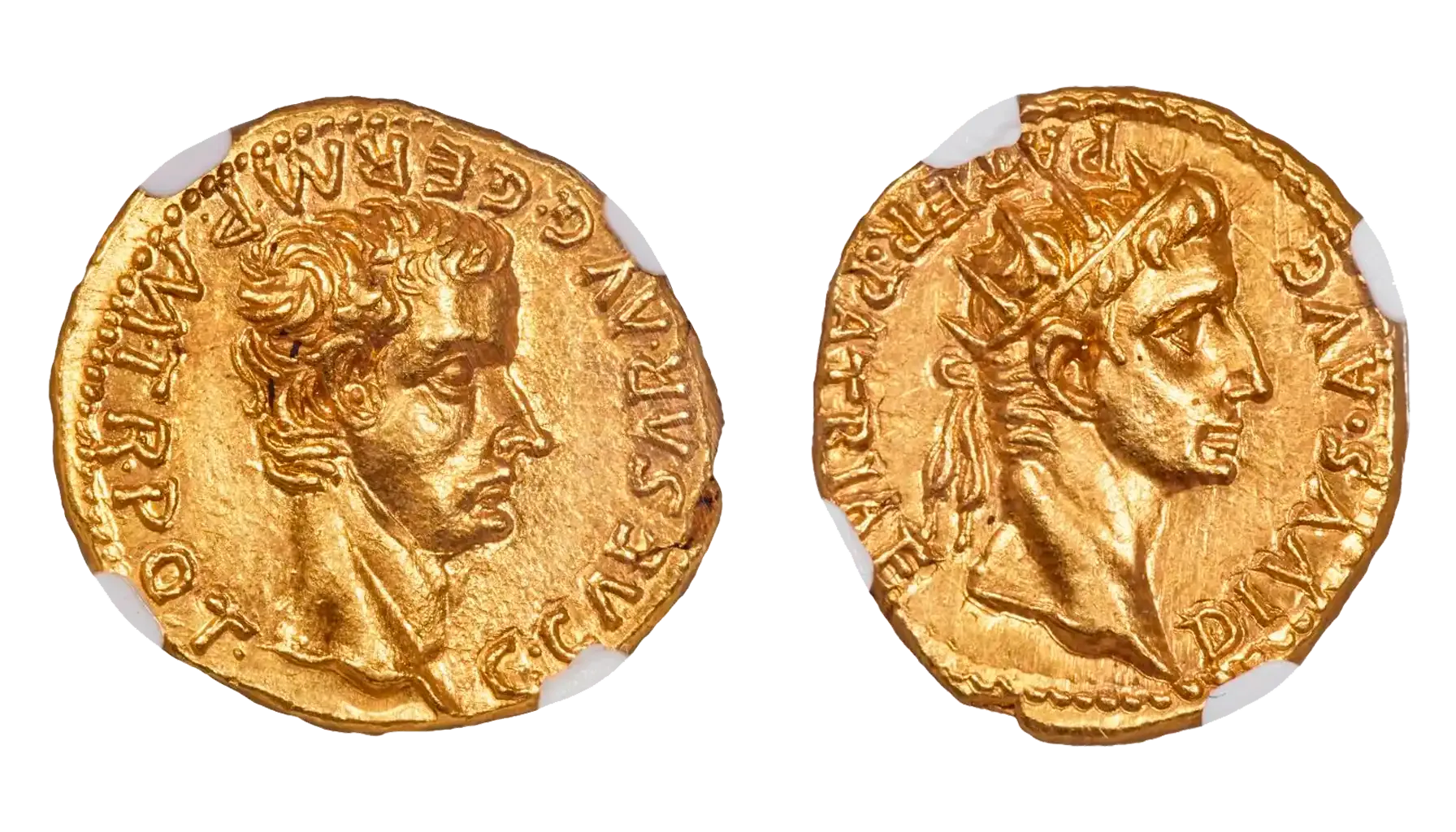
As for the Julius Caesar gold coin, before Caesar, gold was generally minted quite rarely, only during the onset of certain crises. Caesar, however, established regular minting for all gold Julius Caesar coin.
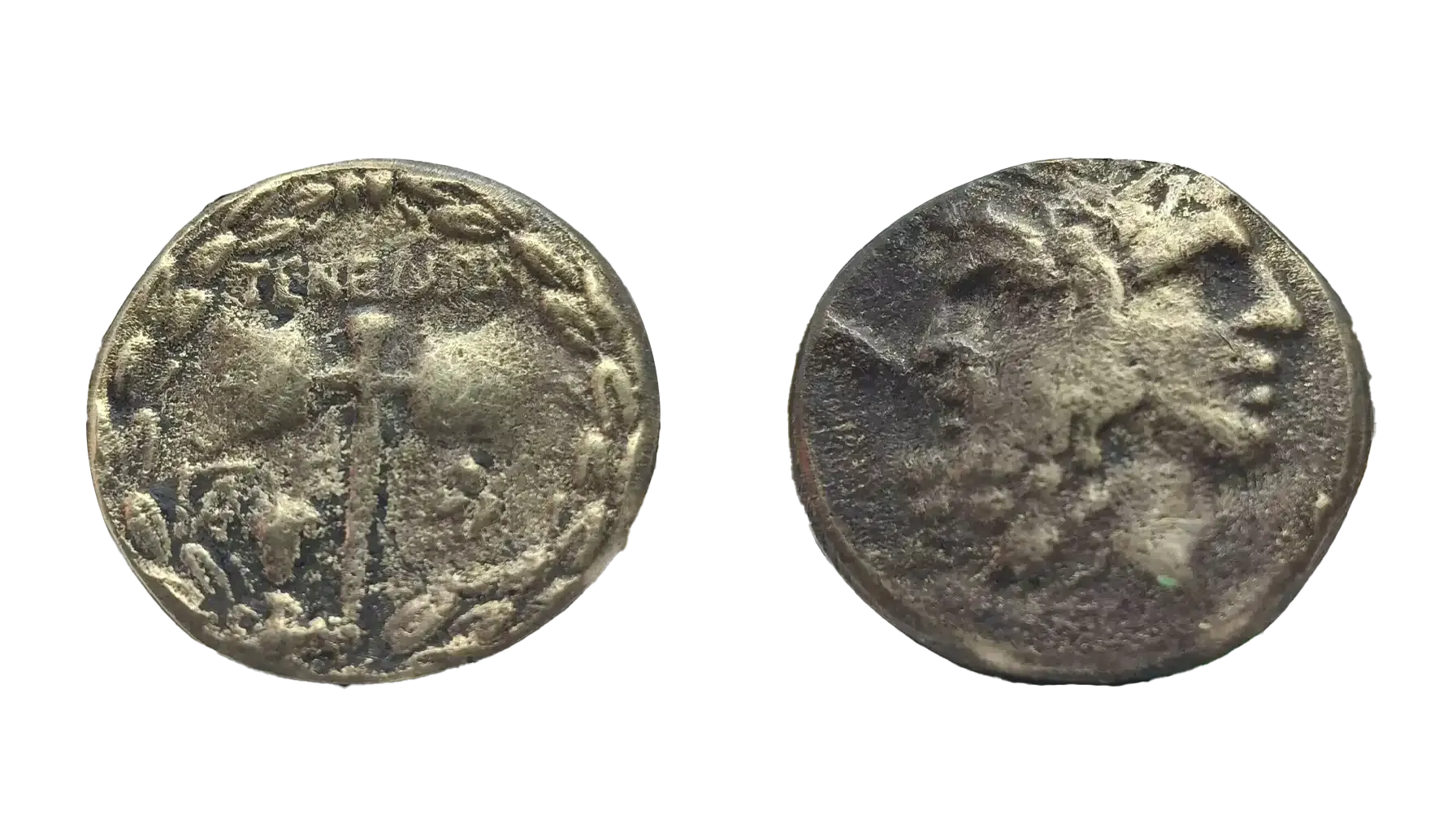
They began to be used for large state payments, triumphal distributions, and especially for bribing political elites. The most famous such gold coin of Julius Caesar was minted by Aulus Hirtius in 46 BC.
How Much Are Julius Caesar Coins Worth?
Overall, like all ancient coins, Roman coins Julius Caesar, also hold high value. However, they can also vary in price.
Denarius
In the case of the design with the elephant without Caesar's portrait, this is his most common specimen. The price can vary from 500 dollars to 5,000 dollars. It all depends on the condition. The higher the grade, the higher the value will be.
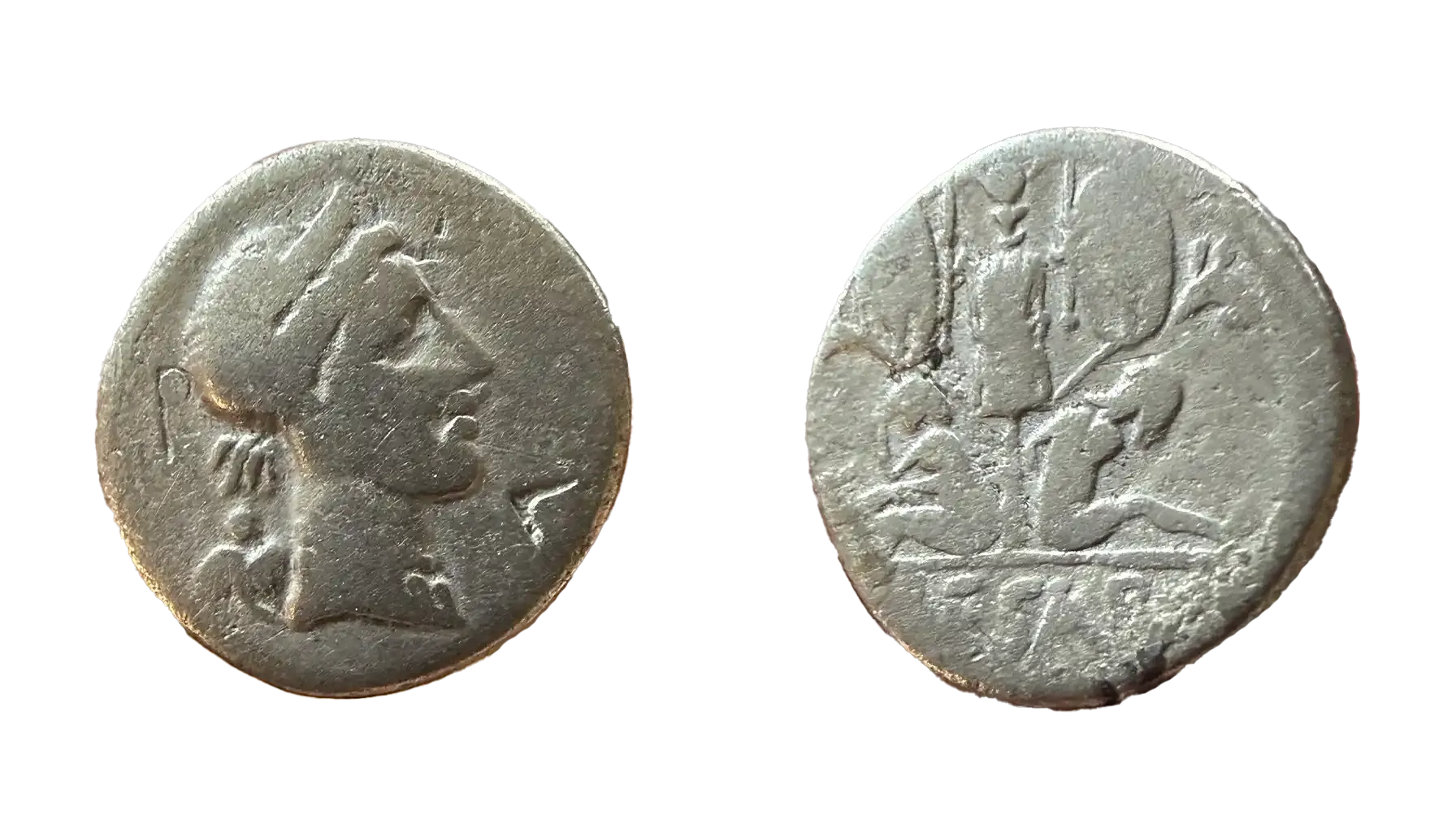
If we take the portrait denarius of 44 BC, the price here will be much higher due to its historical significance. Not only were they issued with a portrait, which was frowned upon at the time, but they were also minted shortly before Caesar's death.
As a result, the price in poor condition can be up to 5,000 dollars, and in good condition, at auction, from 20,000 dollars to 80,000 dollars, and even higher.
Gold Aureus
In the case of gold coins of Julius Caesar, the price here will be much higher, as it represents a much greater value. It is also important to consider that aurei were also minted in bronze, so it is crucial to determine that it is indeed gold.
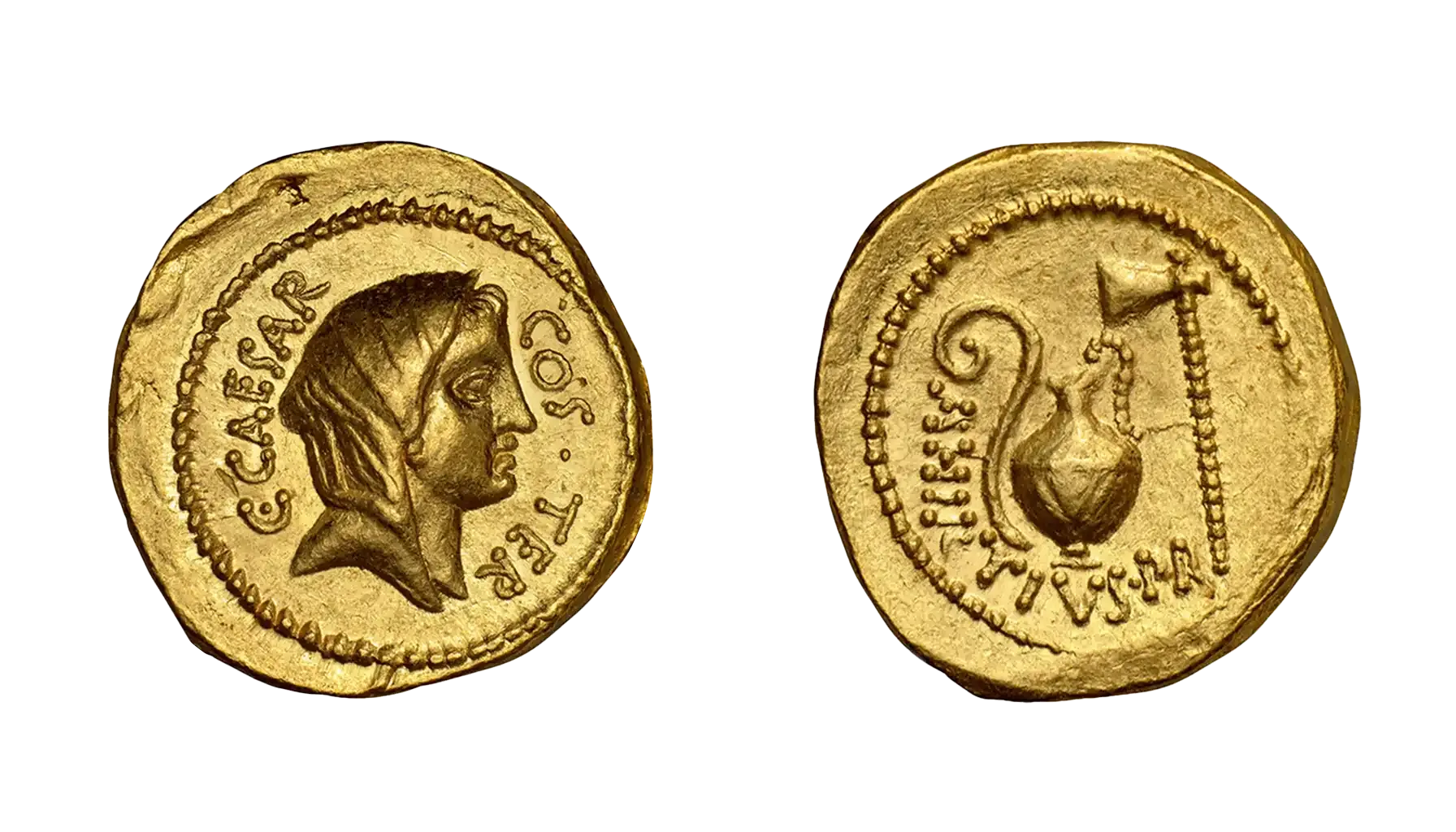
Their price starts from 10 thousand dollars for the simplest specimens in average quality, and if you have found rare and well-preserved ones, they will cost from 50,000 dollars to more than 200,000 dollars.
To find a truly rare and valuable specimen, you need to check the ownership history of the coin in known collections. If the history looks strange, then you might be holding a counterfeit.
Also, check how evenly the strike is applied to the blank and the readability of the inscriptions. Despite the fact that it is an ancient coin, it is still important to check its quality.

 Facebook
  X (Twitter)
  Pinterest
  LinkedIn