Contents:
A solidus is a high-purity gold coin made first in the early 4th century. It was designed to fix a problem Rome had been creating for itself for generations: debased silver, unstable prices, and declining trust in currency.
What Is a Solidus Coin?
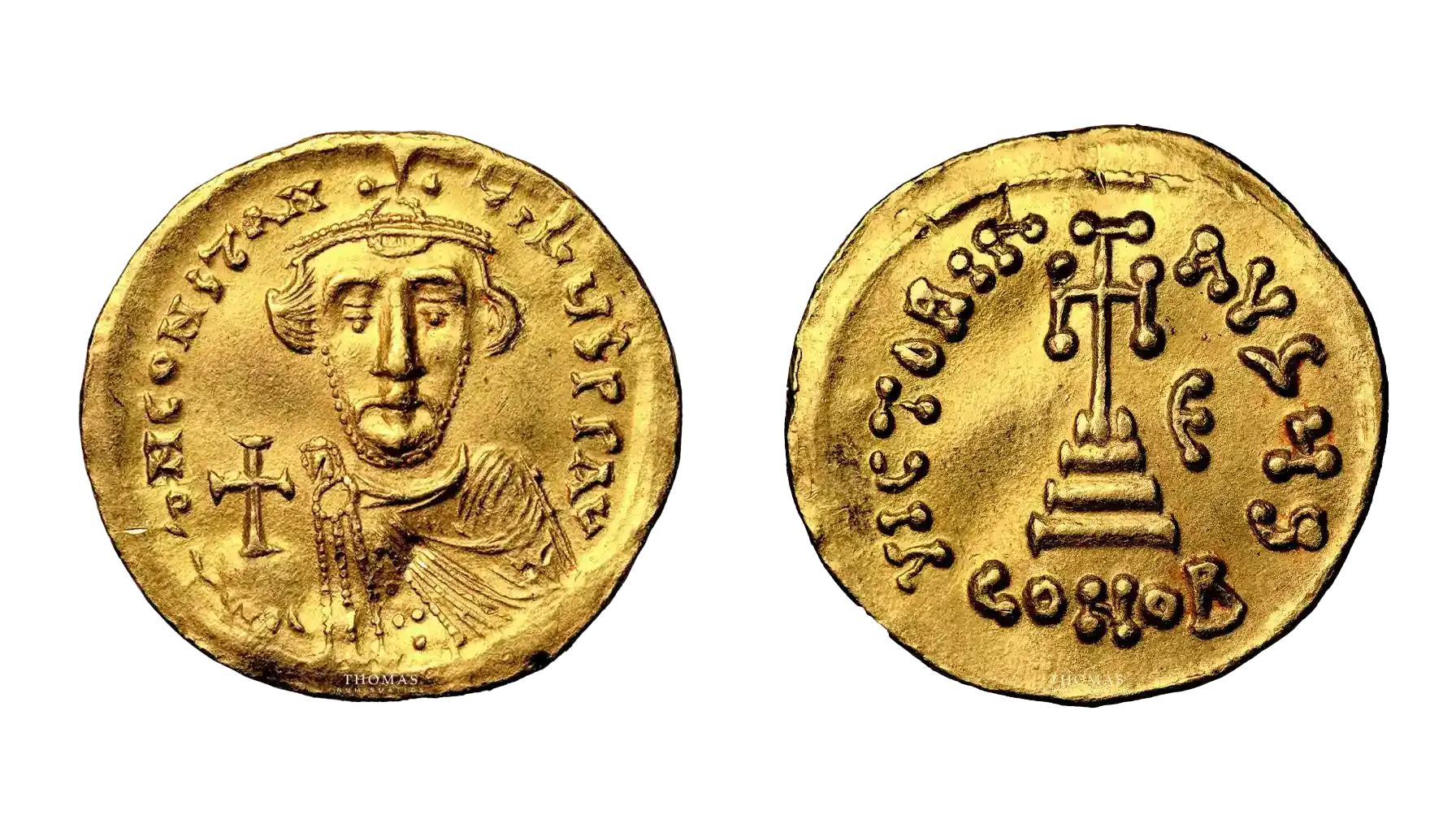
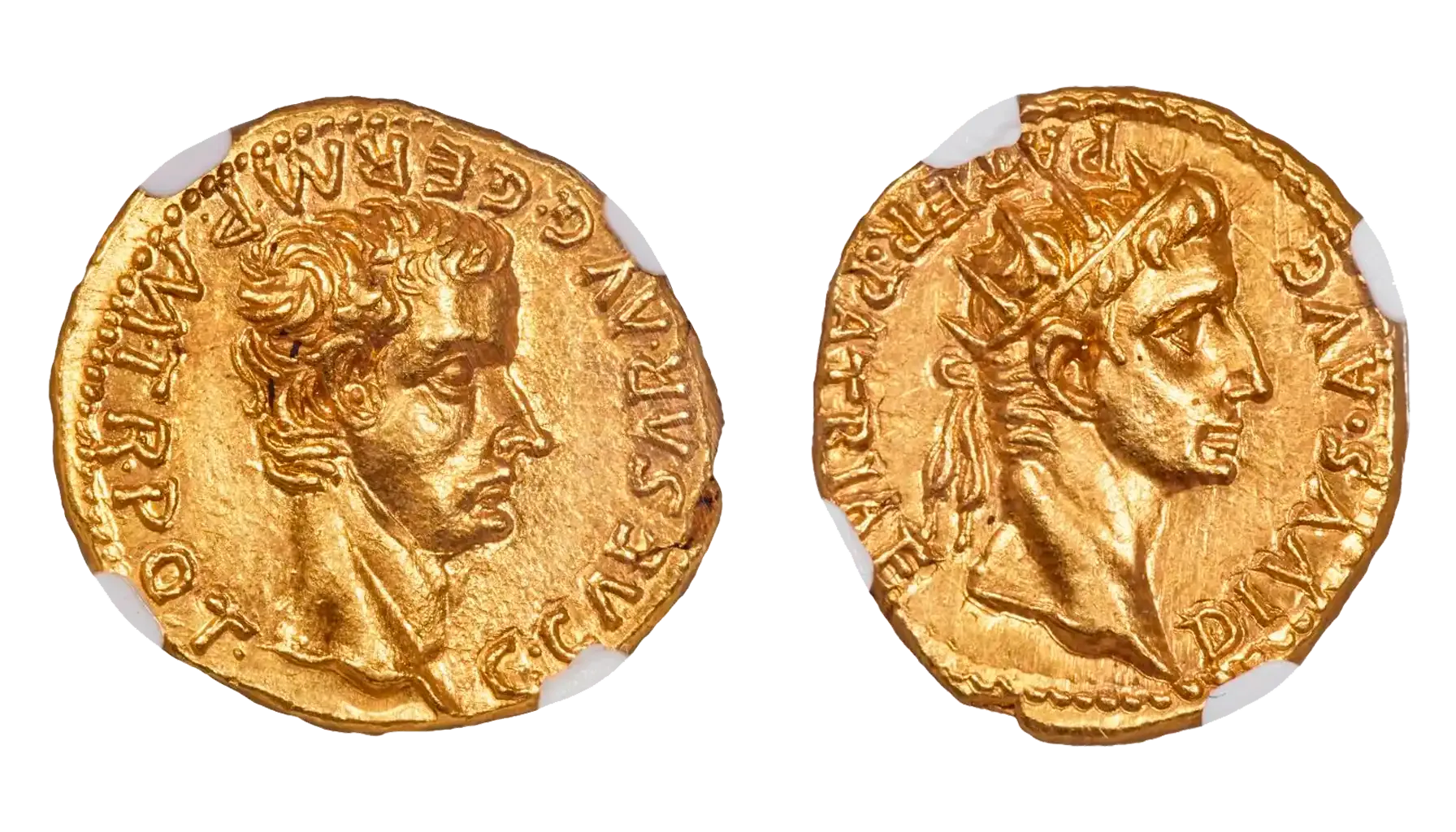
The solidus replaced the older gold aureus and immediately stood out for one reason, and this reason is consistency. In Latin, solidus literally means “solid.” Each coin weighed about 4.45 grams and stayed close to that standard for centuries.
There are a lot of fakes of Roman and other ancient coins, and to know if you have a solid deal or not, collectors use a foreign coin identifier.
History of the Roman and Byzantine Solidus
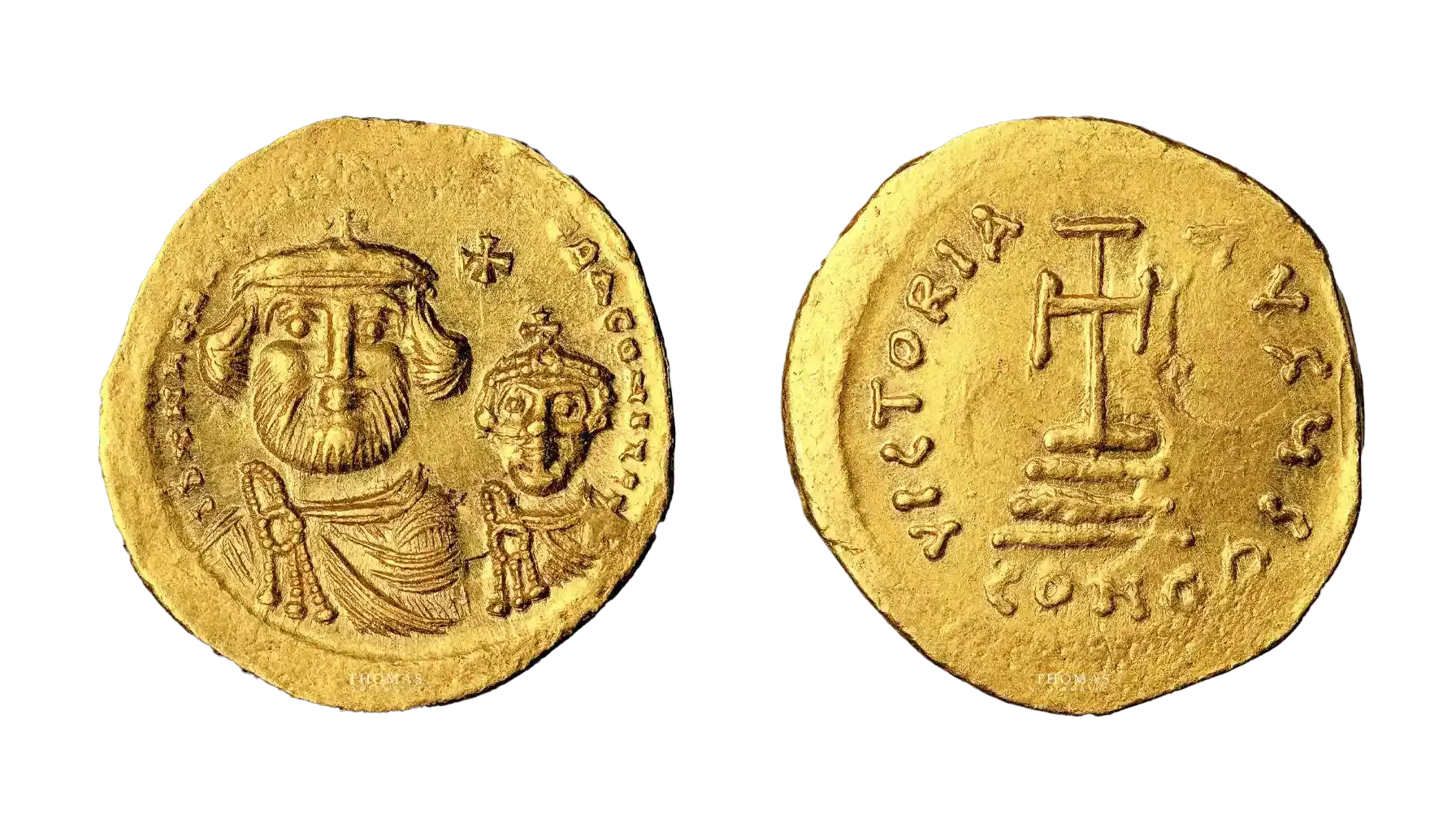
The piece first appeared under Constantine the Great around AD 312, but Diocletian had experimented with similar gold issues earlier. Constantine standardized it at 72 coins to a Roman pound of gold. That ratio barely changed for almost 700 years.
This story starts in the last uneasy years of Byzantine rule in the Levant. It was struck as a gold piece in Constantinople in the early to mid-seventh century, during the reigns of emperors Phocas and Heraclius.
The empire was under constant military and political pressure. This was not an everyday coin. It was carefully regulated, heavy for its size, and made of nearly pure gold. At some point around A.D. 640, the coin was hidden inside a wall in the Roman city of Paneas, modern Banias. Coins don’t end up sealed in masonry by accident.
The most recent pieces in the hoard date to about A.D. 641, just as Byzantine control in the region was collapsing under the advance of Muslim armies. A Christian resident, facing uncertainty, invasion fears, or sudden displacement, likely concealed their savings with the hope of returning. But they never did.
After the Western Roman Empire collapsed, the Eastern Empire kept the solidus alive. In Byzantium, it was called the nomisma, and for centuries it stayed pure: usually around 95–98% gold. While silver and bronze Byzantine solidus coin deteriorated, the solidus stayed clean.
“From the 4th to the 11th centuries, solidi were minted mostly at the Constantinople mint. However, certain branch mints were active producers of solidi. In the Roman Empire during the 4th century, Trier, Rome, Milan, and Ravenna were the main producers of gold coins in the West, while Constantinople, Antioch, Thessalonica, and Nicomedia struck gold coins in the East.”
— Unknown author
from the Wikipedia’s Solidus (coin) page
From the 6th to the 7th century, lighter solidi appeared for trade and diplomacy. These “lightweight” ones were still gold, just slightly underweight. Later emperors introduced parallel denominations like the tetarteron alongside the full-weight histamenon piece.
The real collapse started in the 11th century. Political chaos, shrinking territory, and military disasters forced Byzantine emperors to debase gold itself. By the reign of Alexios I Komnenos, the solidus gold coin had lost most of its gold content. In 1092, it was officially abolished and replaced by the hyperpyron.
Gold Solidus Coin Value and Pricing
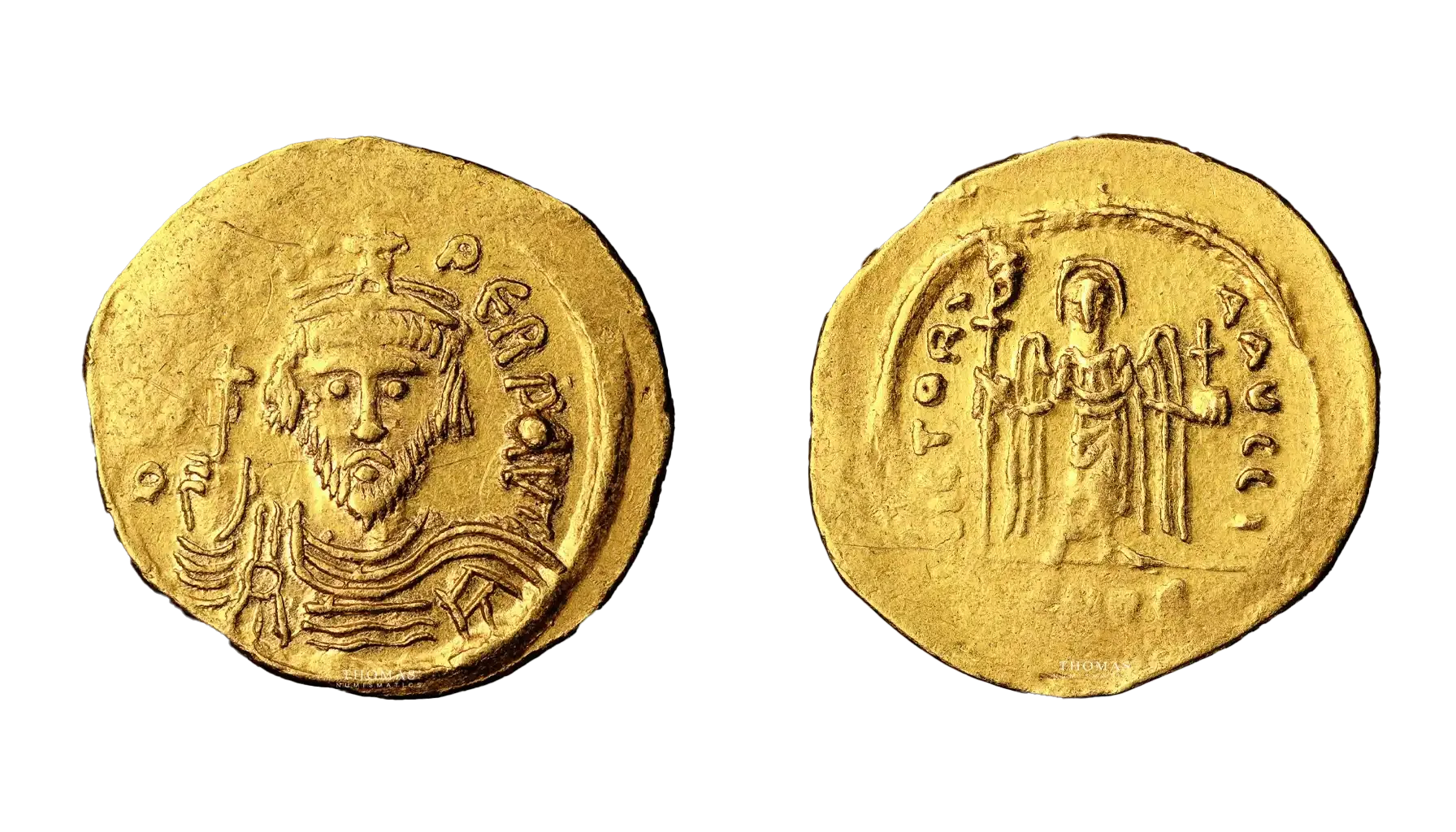
The value of a gold solidus coin today depends on three things: gold content, condition, and ruler.
Most solidi contain about 4.4 grams of high-purity gold. Common Byzantine solidi in average condition often trade in the $600–$1,200 range. Solidus Roman coin from Constantine or Constantius II usually cost more, especially with strong portraits or clear legends.
Type | Examples | Condition / Context | Approximate Solidus Coin Value Range |
Gold (Common Emperors) | Honorius, Leo I, Arcadius, Theodosius II | Normal mints, average condition | $1,200 – $2,000 |
Gold (Better Mints / Condition) | Constantinople issues, slabbed examples | Strong strike, minimal wear | $2,000 – $3,500 |
Gold (Scarce Mints / Rare Issues) | Trier, Ticinum, unusual officinae | Lower survival rates | $4,000 – $7,000 |
Gold (Exceptional / Elite Pieces) | Constantine I, rare western issues | Top-tier rarity or condition | $7,000 – $11,000+ |
Early Western issues, certain Alexandria mint solidi, and well-preserved pieces from Justinian or Heraclius are especially sought after. Lightweight solidi, holed solidi (used as jewelry), and imitative barbarian issues have their own markets.
How to Identify a Genuine Solidus Coin
Authentic solidus coins share a few telltale traits:
Weight is the first check. A standard specimen should be close to 4.45 grams. Minor variation is normal, big deviation is not
Gold quality matters too. Real solidi were struck in very pure gold. Modern fakes often look brassy, pale, or oddly shiny. Ancient gold tends to have a soft glow, not a mirror finish
Design consistency is another clue. Roman coins have strict iconography: imperial busts, Victory figures, crosses, or Christ portraits in later Byzantine issues. Legends may be crude, but they follow known formulas
Provenance helps. Coins tied to old collections, auction records, or museum references are far safer bets than anonymous online listings of “treasure find”
A piece is one of the most forged ancient coins in existence, because it has always been worth forging.

 Facebook
  X (Twitter)
  Pinterest
  LinkedIn