Contents:
Israeli numismatics rarely fit together. It juxtaposes modern specimens issued for everyday transactions, short series from the early years of the state, and pieces dating back to the ancient world and never intended as collectibles.
For those just beginning to understand the system, it's easier to rely on the foreign coin identifier. This tool allows for quick comparison of denominations, sizes, and basic market benchmarks without delving into extensive catalogs and archival reference books.
Overview of Israeli Currency
Israel's modern monetary system did not develop overnight. After the establishment of the state in 1948, the country changed its currency model several times before arriving at a stable format. These processes culminated in the Israeli new shekel banknotes and coins, introduced in 1985 following extensive economic reforms and redenomination.
Today's system is based on the decimal principle. One new shekel is divided into 100 agorot. Pieces are minted by the Bank of Israel and are regularly renewed. At the same time, coin Israel currency remains convenient for everyday use, and some issues are gradually becoming collectors’ items.
Within the modern line, there are several specimens that clearly demonstrate how approaches to materials and form have changed:
1 new shekel.
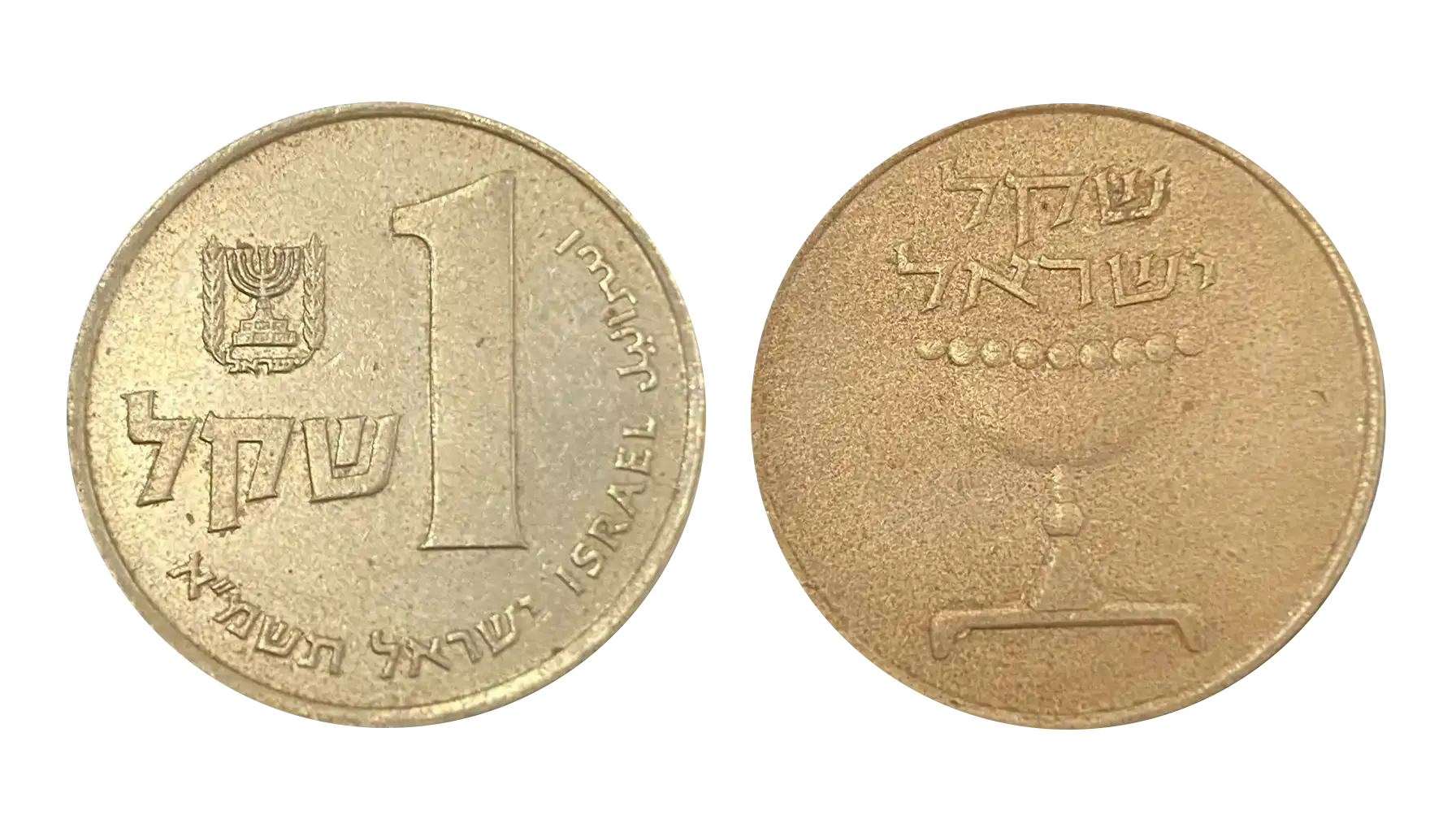
Diameter: approximately 18 mm;
Weight: approximately 4 g;
Copper-nickel alloy;
On the reverse is a lily, a motif borrowed from ancient Jewish seals.
5 new shekels.
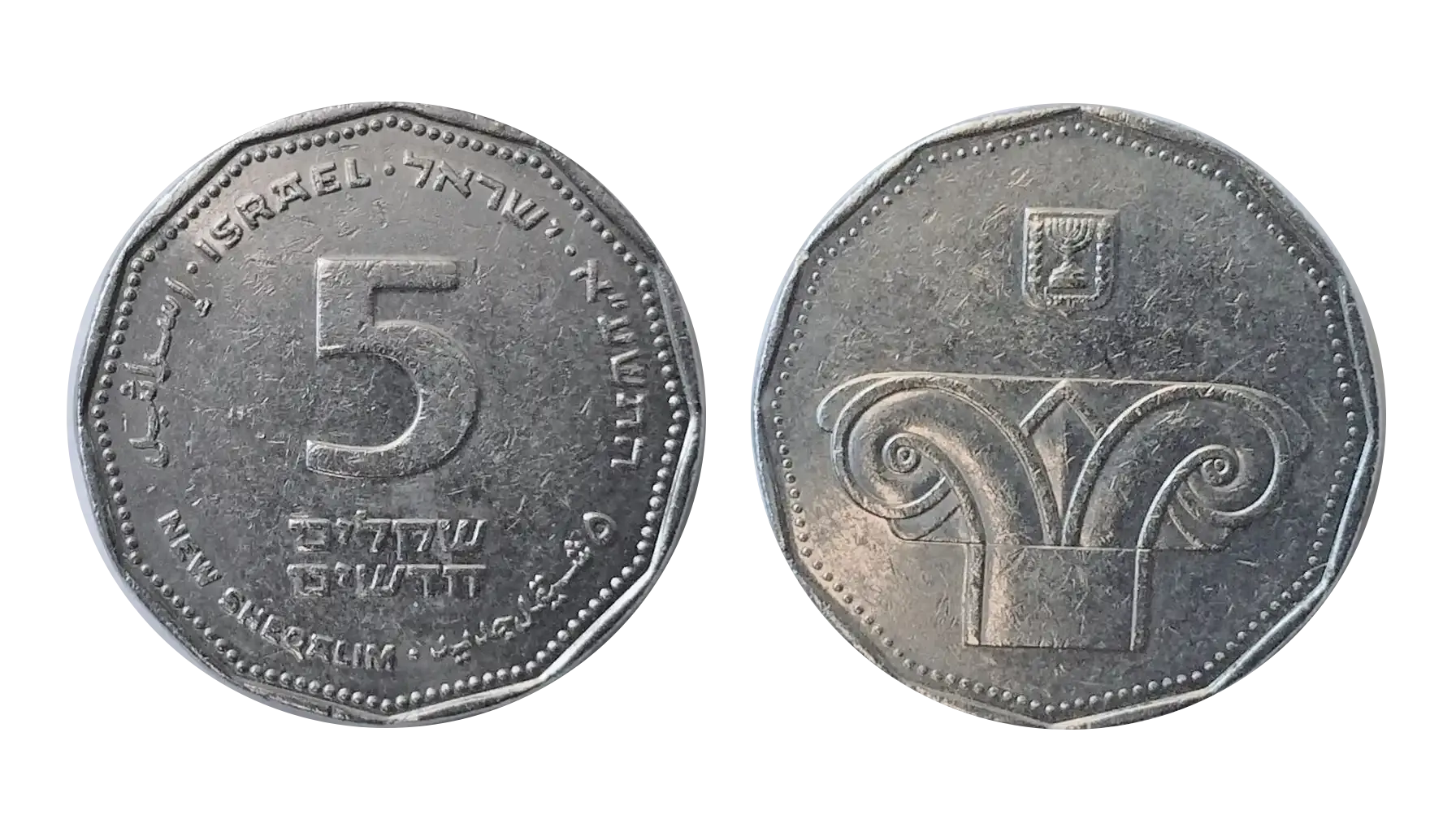
Diameter: approximately 24 mm;
Weight: approximately 8.2 g;
Copper-nickel alloy;
Twelve-sided shape, easy to recognize by touch.
10 new shekels.
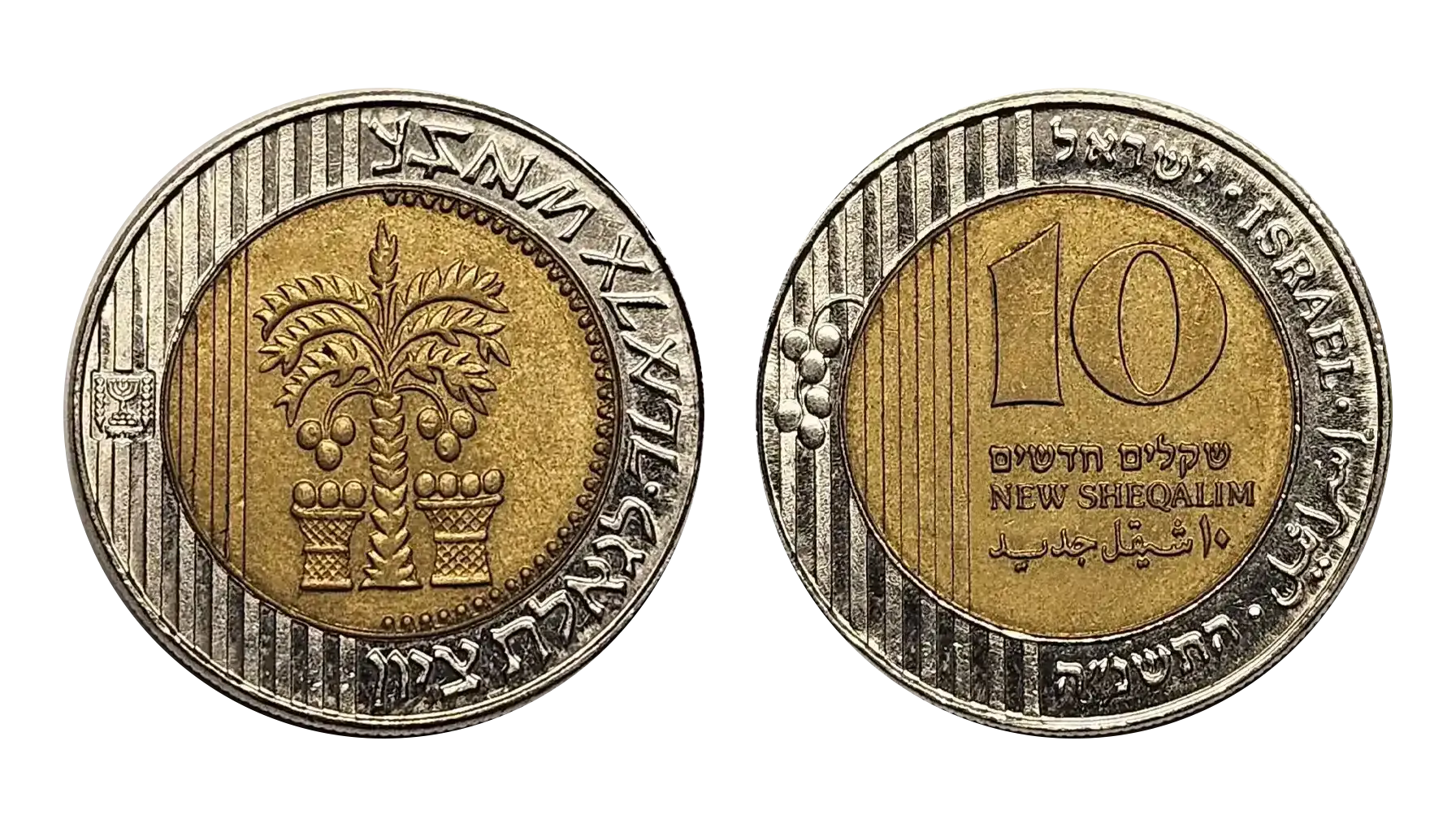
This denomination is often compared to European bimetallic issues. It occupies a special place within the Israeli shekel coin line.
Diameter: approximately 23 mm;
Weight: approximately 7 g;
Nickel-plated steel ring and bronze center;
Image of a palm tree and an ancient inscription related to the history of Jerusalem.
Age alone rarely determines value. Condition, mintage, and the context of the issue are far more important. This is why any Israeli coin guide is structured around periods and series, rather than individual denominations.
Numismatists studying coins of Israel typically begin with modern issues and only then move on to earlier ones. This order helps better understand the evolution of design and materials.
Old Israeli Coins and Their Value
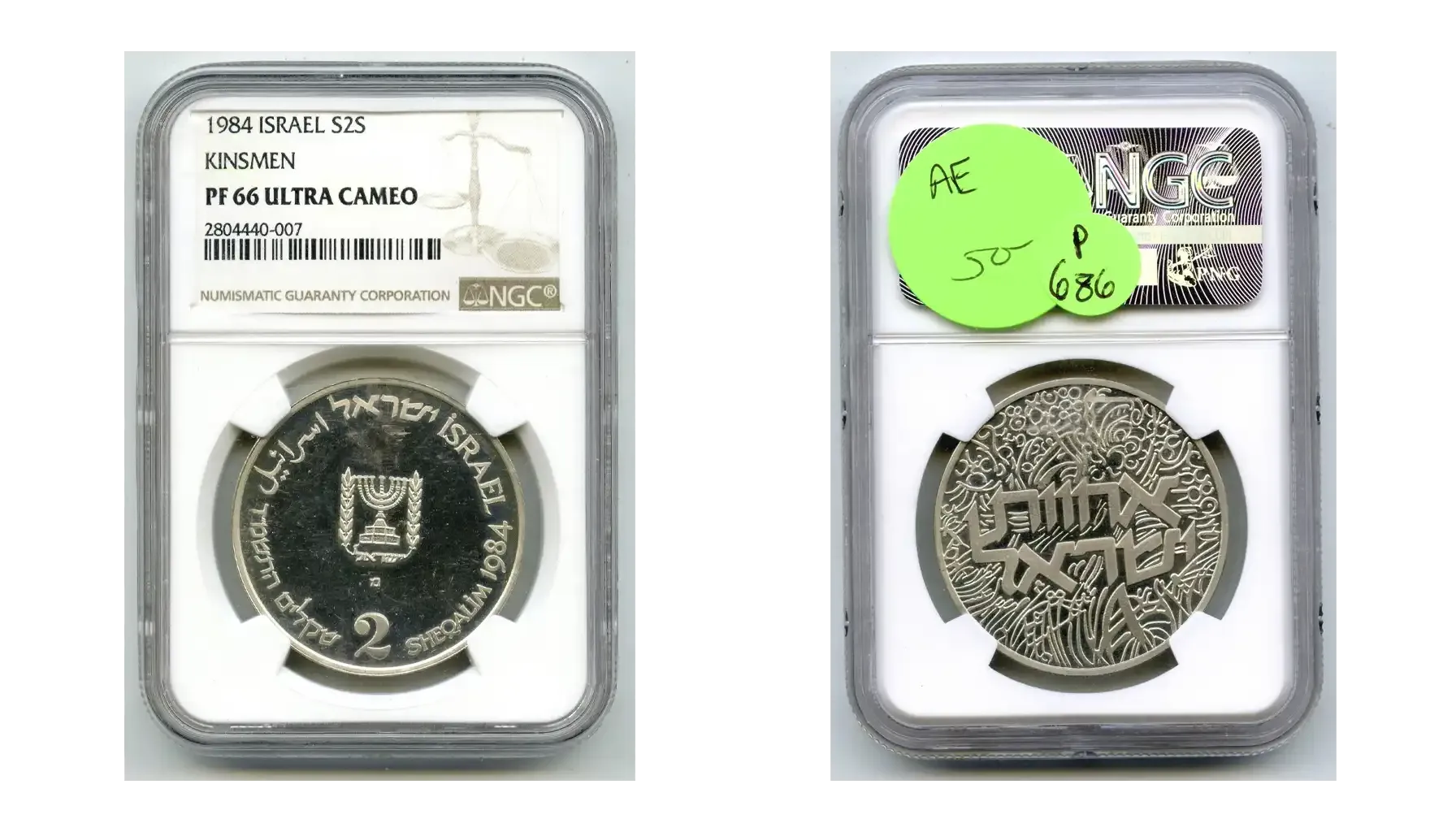
Old issues most often include specimens from the Israeli pound period, as well as the first Israeli shekel coin, which circulated from 1980 to 1985. These series were short-lived.
Most old Israel coins were minted from non-precious alloys. Nevertheless, today they are prized for their short circulation period and limited availability. For such pieces, the Israel coins’ value can significantly exceed face value even without precious metal content.
The old Israeli shekel coin marked the shift from an unstable economy to the new shekel. Pieces that survived in good condition still attract demand, and uncleaned examples are especially sought after.
Old Israeli coins with low mintages or experimental design elements are also highlighted. Their significance is determined by the intersection of history and rarity, not simply age.
Type | Condition | Price Guide (USD) |
Pound denominations | XF–AU | $10–40 |
First shekel | AU–MS | $15–60 |
Early agorot | MS | $5–25 |
Note: Prices are current at the time of writing and are subject to condition and demand.
Ancient Israel Coin
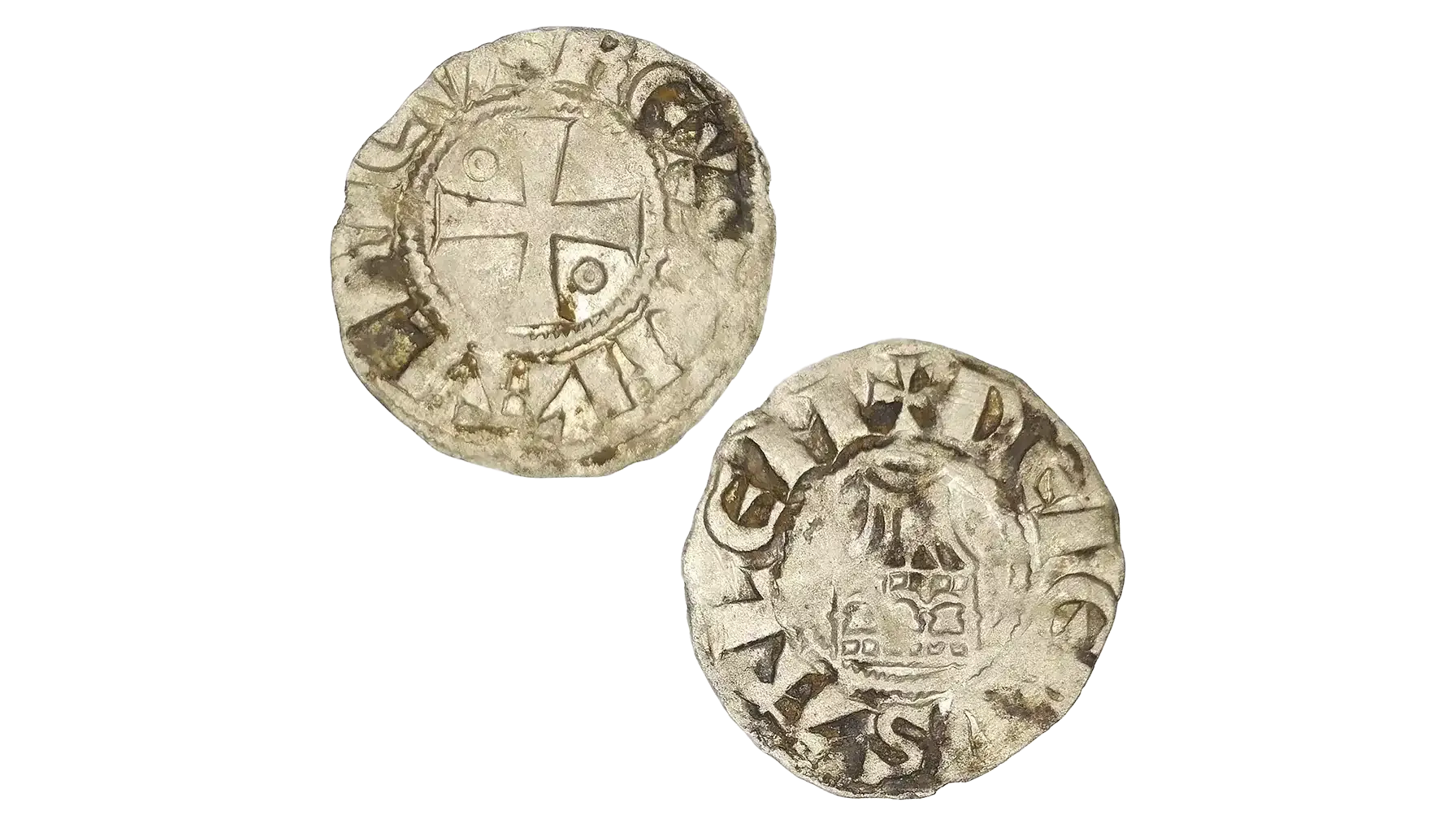
Ancient issues constitute a distinct field of numismatics. They date back to the eras of Persian, Hellenistic, and Roman rule, as well as to the periods of the Jewish revolts. These specimens were not "Israeli" in the modern sense, but are directly linked to the region's history.
For collectors, ancient Israeli coins are valuable for more than just the metal. Hebrew inscriptions, images of temple utensils, and floral motifs make these specimens historical sources.
“Some of the inscriptions on the coins included slogans to encourage the people, such as ‘to Israel’s salvation’, and ‘to Israel’s freedom’.”
— Bank of Israel, Currency Exhibit (Development of Money)
Bank of Israel website
An ancient Israel coin made of silver or bronze can be worth materially more than modern issues, even in average condition. Authenticity and legibility of the details are crucial here.
Collectors usually mean very early material when they mention the oldest Israeli coin. Most often, that points to issues from the Hasmonean period and the Jewish Revolts, spanning roughly the 1st century BCE through the 1st century CE.
Rare Israeli Coins Worth Money
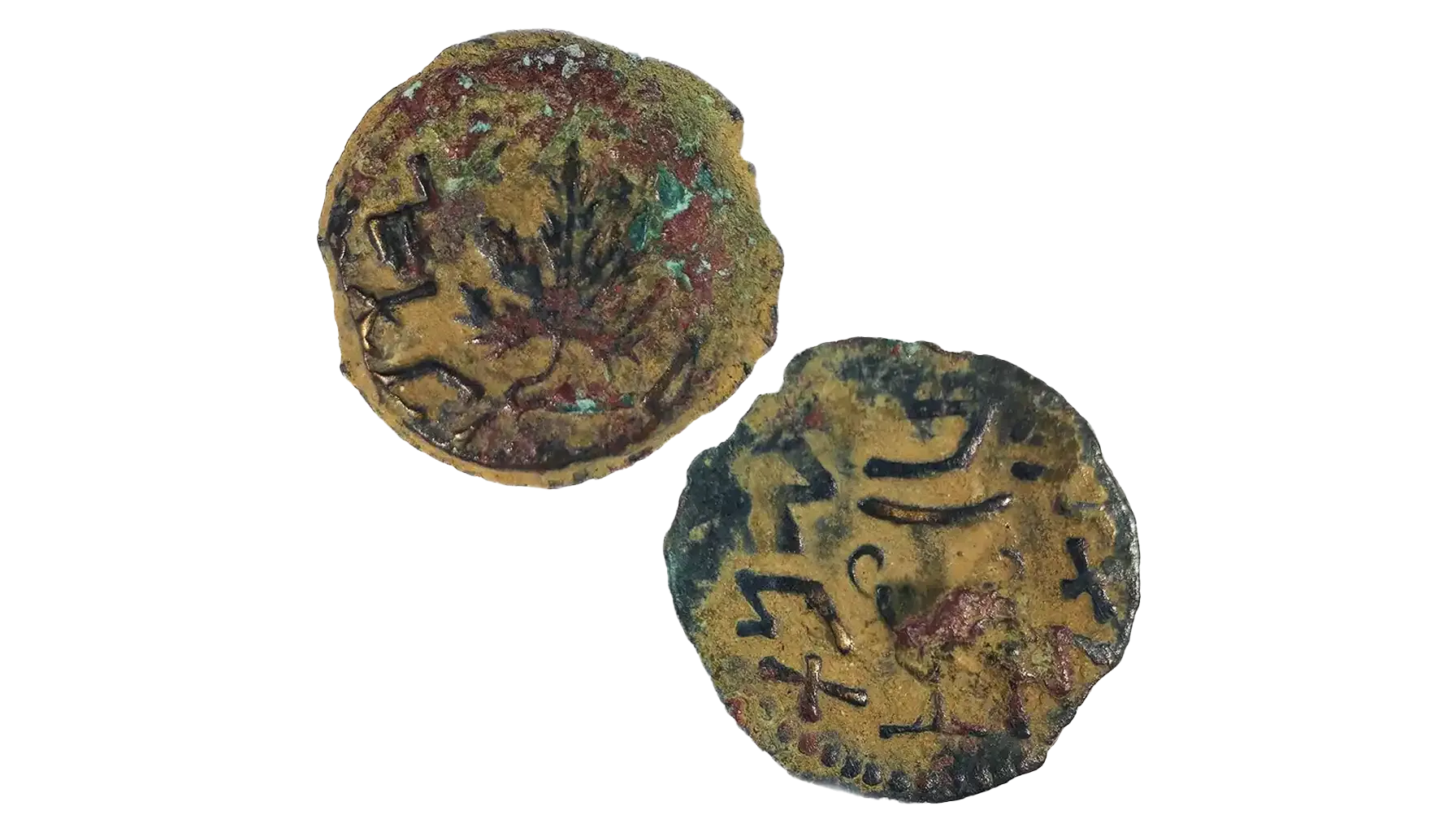
Rarity in Israeli numismatics manifests itself in various ways. Sometimes it's low mintage, short circulation, and unusual metal or design.
What Drives Collectible Value
Israel coins worth money are determined by a combination of factors:
Issue period and historical background;
Relief and field preservation;
Minting material;
International market interest.
For example, Israel silver coins are generally rated higher than mass-produced copper-nickel coins. The same applies to Israeli silver coins that were part of commemorative programs.
Coin ID Scanner is a convenient tool for quickly checking a piece’s parameters and production period. The app allows you to upload an image and compare it with a database of verified specimens, which is useful for both modern and historical numismatic pieces.
Gold is less common, but Israeli gold coins and their releases still attract the attention of investors and collectors. The price of an Israel gold coin is closely linked to the metal.
Collecting Strategy and Authentication
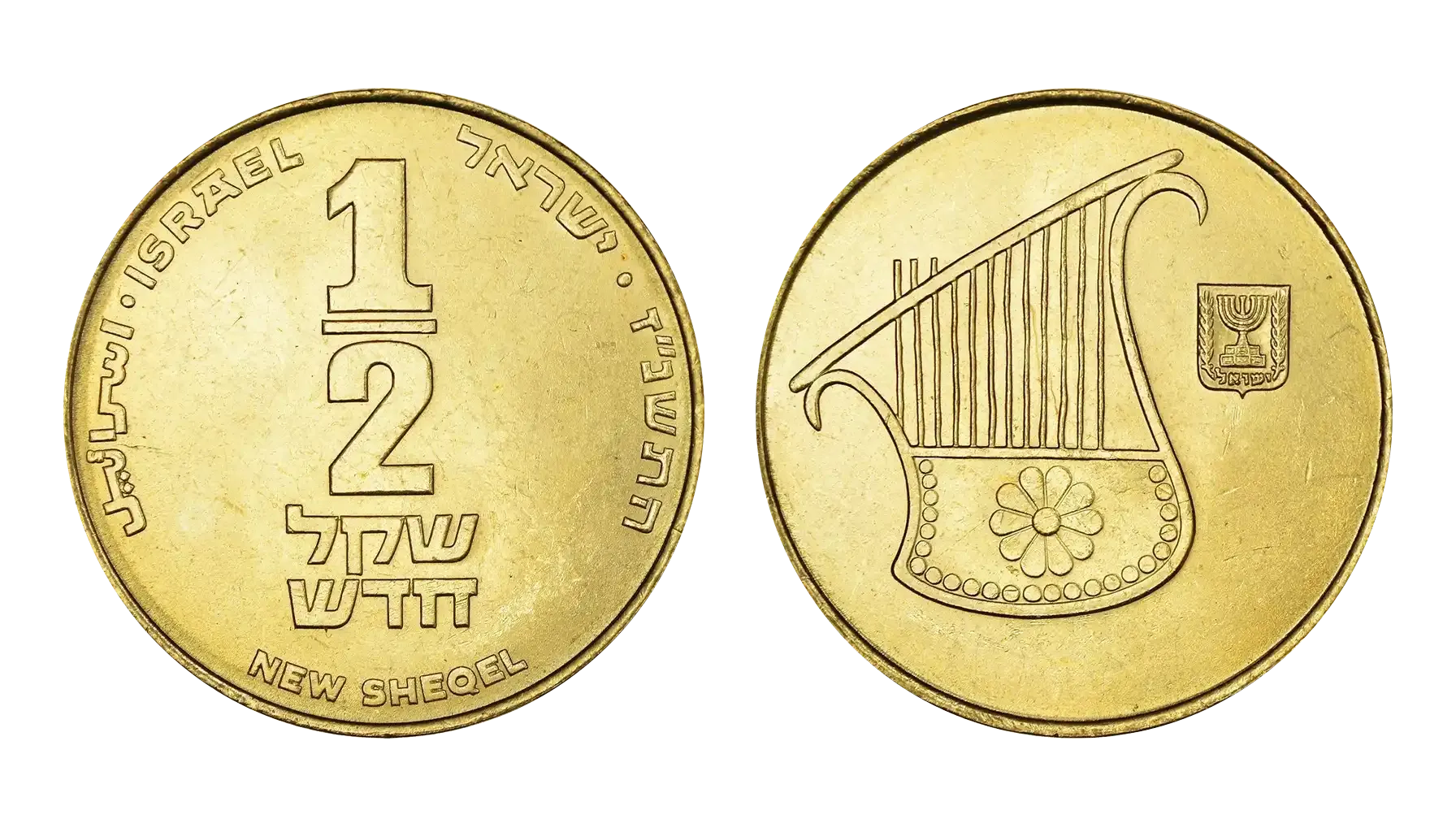
A systematic approach helps keep one thing in mind: Israeli coins' value doesn’t stay the same forever. A coin that feels easy to buy today can disappear from the market tomorrow. That’s why some collectors only deal with verified pieces and lean on NGC or PCGS certification for reassurance.

 Facebook
  X (Twitter)
  Pinterest
  LinkedIn