The evolution of familiar units of currency might be full of surprising events and decisions that influenced entire economies and the order of things in general. The shekel is a great example of such a phenomenon: the path it took to become a national currency in Israel lasted thousands of years – no other numismatic creation could boast the same.
The modern monetary system started with a basic unit of weight, but its early legacy developed all across the ancient Near East rather than within Israel only. But what is the shekel meaning? How did it evolve from a weight of silver into a coin, and why is identifying foreign coins so important for understanding its origins and worth?
What Is a Shekel?
A Unit of Weight
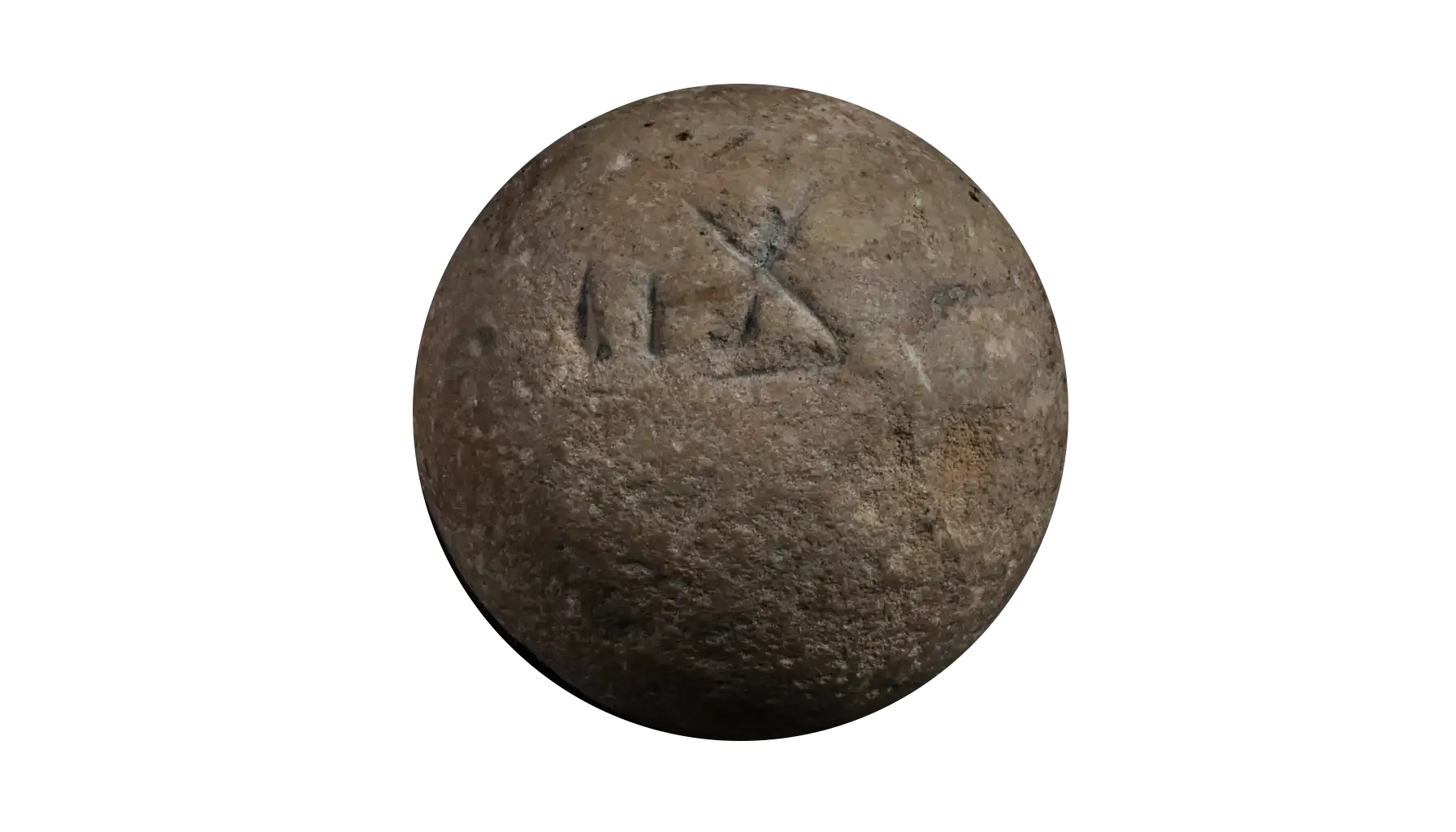
Originally, just like with other renowned legal tender units, the shekel referred to a different measure, i.e., a measure of weight in particular. When in the ancient Near East, any valuable material (silver in particular) was traded according to its weight on scales.
A shekel, on its part, represented a specific amount of metal, and although its exact weight varied across regions and time, it was standard anyway. Hence, the so-called "shekel payments" often presupposed the trade of silver cut to approximate the correct weight.
“It has long been admitted that the Israelites derived their system of weights and coins from the Babylonians, and both peoples divided the talent into 60 minas, each mina consisting of 60 shekels, so that the talent contained 3,600 shekels…
In fact, it [Ezek. xlv. 12] actually states that the mina contained 50 shekels… This division into 50 is evidently a consequence of the conflict of the decimal and the sexagesimal system, the Egyptian influence making itself felt side by side with the Babylonian…”
— Emil G. Hirsch, Professor of Rabbinical Literature and Philosophy, and Wilhelm Nowack, Professor of Old Testament Exegesis
The Jewish Encyclopedia
A Unit of Currency
As of today, the word "shekel" usually means Israel's official currency, which partially continues the tradition of its ancient name, yet in the modern economic context. The term itself was revived in the 20th century when the State of Israel was newly founded. Back then, there appeared Old Israeli shekel coins, which did not live long but paved the way for a new type of currency to emerge.
The History of the Currency
Ancient Shekel Coins
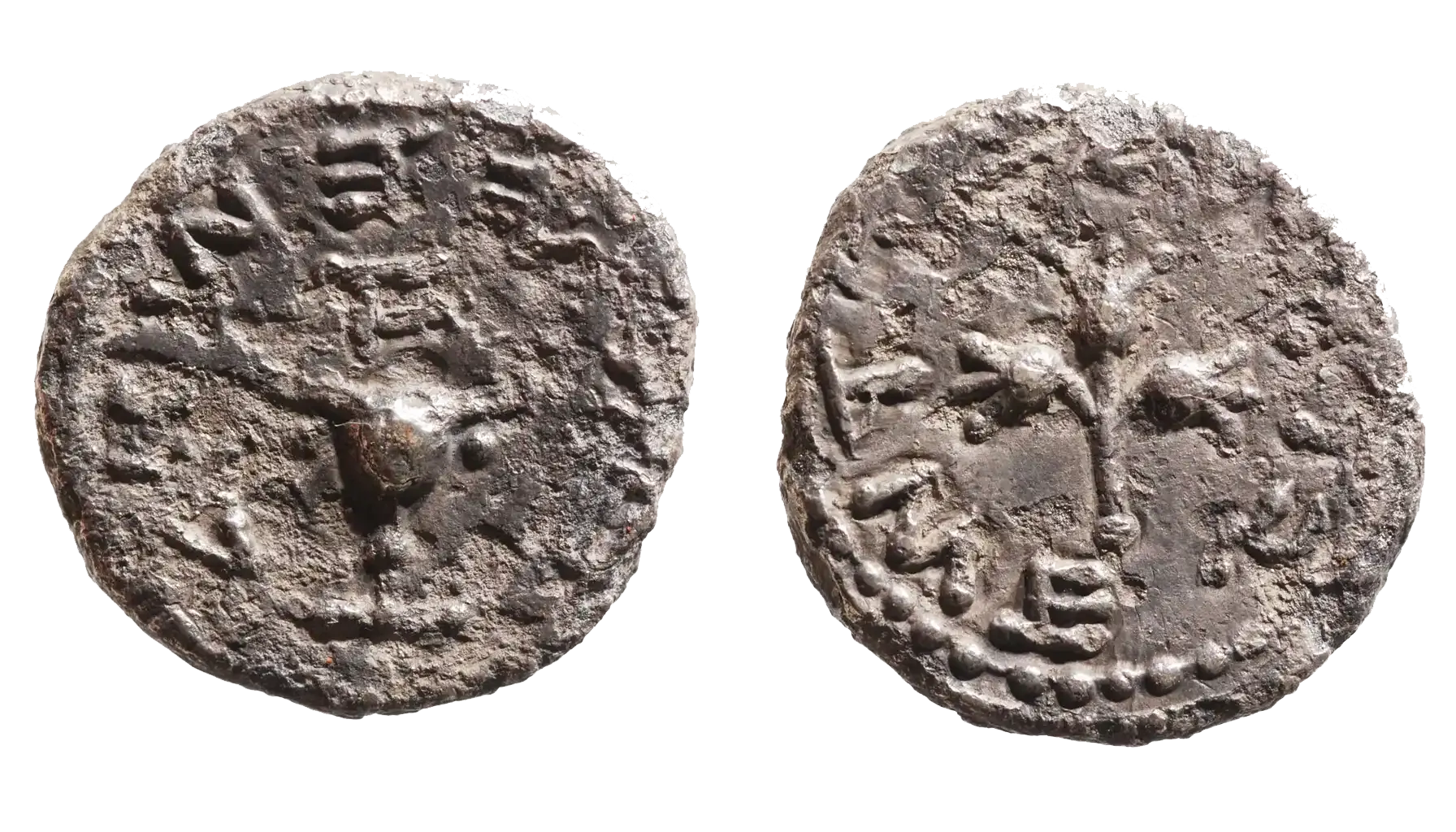
When the system gradually developed into one that incorporated marked metal pieces, financial relationships became easier and more transparent, for there was a tool for verifying value without the need to weigh silver each time. The appearance of the coins can be attributed to early Anatolian traders who were the first to stamp silver pieces to certify their weight. This practice, in turn, spread across the region and influenced monetary systems accordingly.
According to the archaeological discoveries (e.g., those found near the Temple Mount), during the period of the First Temple, a unit of 11.5 grams per shekel was deemed a standard. The values and shekel weight measurements, though, differed. By the later stages of the Second Temple period (from 516 BC to 70 AD), silver shekels finally obtained their own markings, e.g., inscriptions in paleo-Hebrew that reflected the denomination of the piece.
Ancient law codes, e.g., the Code of Hammurabi, mention annual wages for unskilled workers of about ten shekels, while records from the Achaemenid Empire show monthly wages ranging from two to ten.
The Main Features | |
Origin | Weight unit -> early stamped pieces influenced by Anatolian traders |
Material | Primarily silver; sometimes electrum or plain silver ingots |
Form | Weighed silver pieces or early stamped metal; Later, more standardized silver shekels |
Weight | ~7 to 17 grams |
Economic Role | Trade, wages, taxation, temple offerings |
Silver Shekel Coins
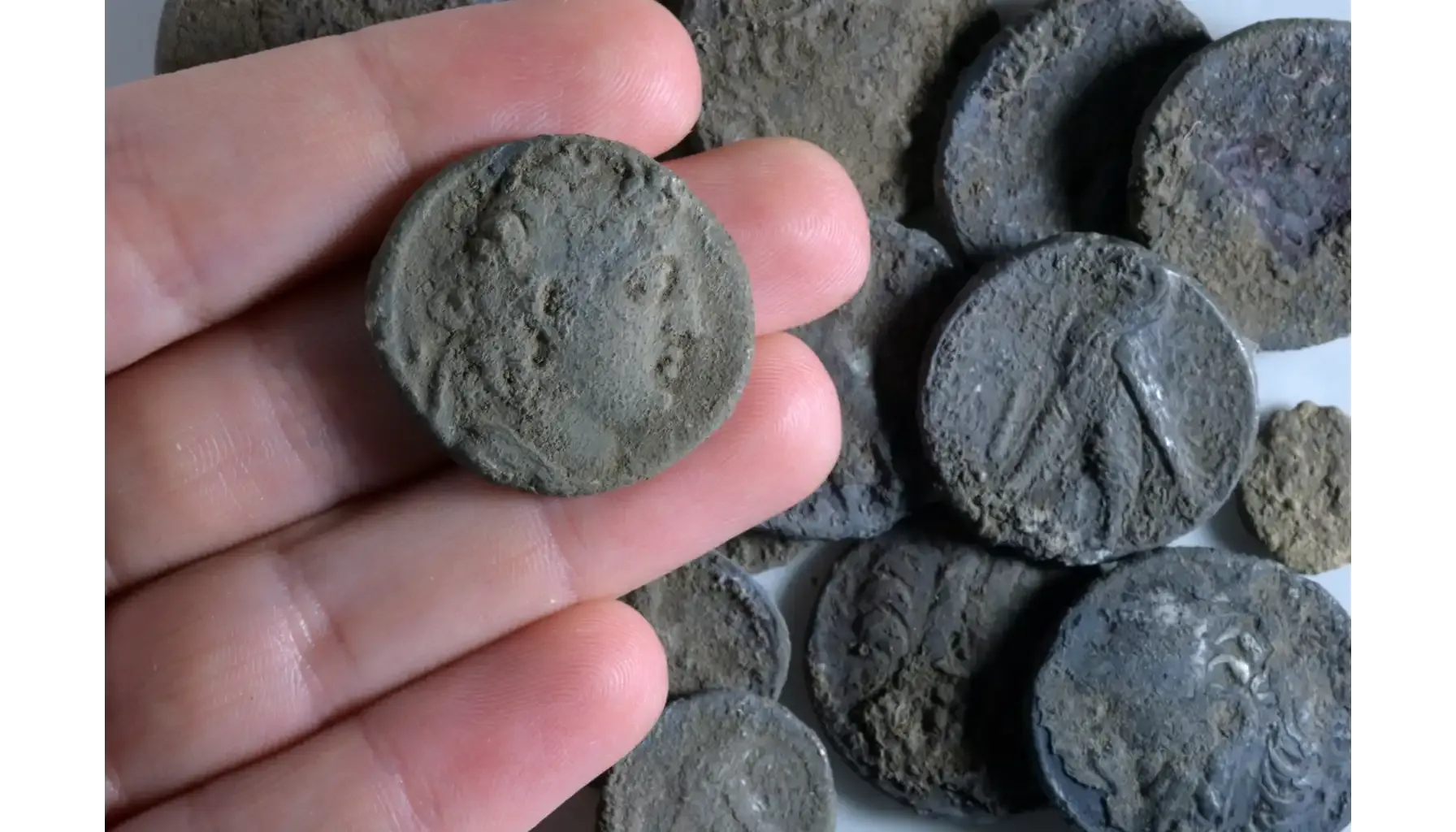
This was finally the time when Judea began minting the real currency, rather than using the ones from afar. The above-mentioned Second Temple period (which overlaps with the two timeframes) is extremely vital for the development of silver coinage in the region, for it was a literal catharsis for the Judean political and religious identity, with the monetary system having been long established to thrive.
As such, silver numismatic creations of this kind served two major purposes, i.e., daily commerce and ritual payments. Although the external power was quite strong, the national currency got stronger anyway. As for the most peculiar examples, these include half-shekels from the 2nd century AD, a Tyrian shekel, and the First Jewish Revolt (66-70 AD).
The Main Features | |
Metal | Silver |
Weights | Half-shekel ~6.8 g; Shekel typically ~13–14 g |
Inscriptions | Paleo-Hebrew legends, naming the denomination or Israel/Jerusalem |
Primary Functions | Local commerce; Temple tax; asserting identity under foreign rule |
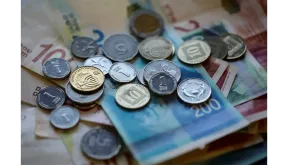
Modern Israeli Shekel Coins
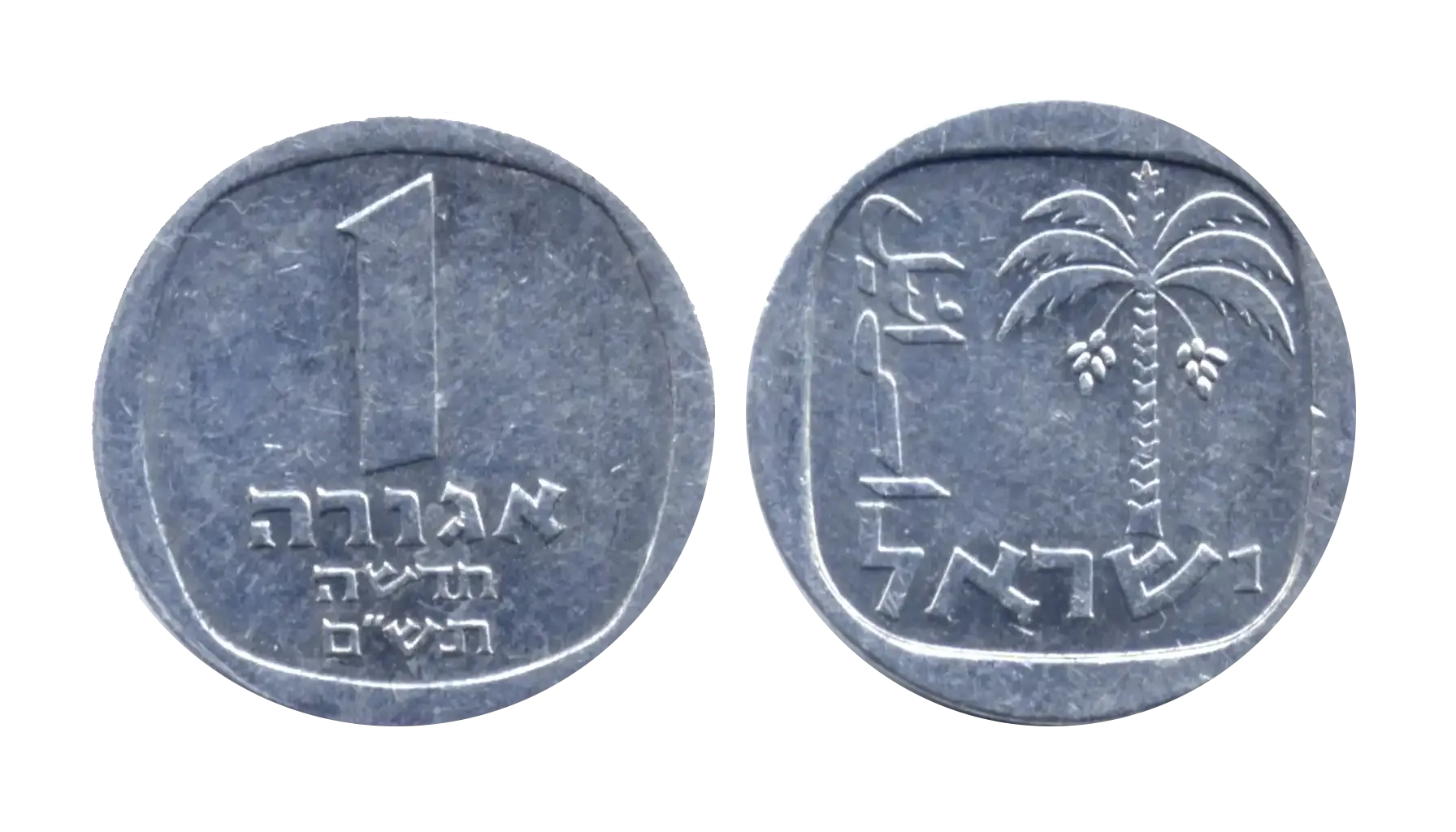
Some old terms may vanish, but sooner or later, they can be restored again. With the emergence of the State of Israel, the nation continuously felt the need for a currency that could carry the "burden" of its history and cultural heritage behind. This is how an old but gold shekel issued by the local mint (like the US Mint itself) appeared, and here is what one should know about its evolution:
1948 – Introduction of the Israeli Lira (Prerequisite): The first major step involved the adoption of the lira, i.e., the currency developed after the British pound (was divided into 100 “agorot”). This, however, suffered severely from inflation, which is why it had already been meant to be gone.
1980 – Introduction of the Old Israeli Shekel: Secondly, there was introduced a new version that replaced the Israeli pound. Inflation, however, was too difficult to endure.
1985 – Introduction of the New Israeli Shekel (NIS): Finally, here came a renewed modern variety that replaced the old shekel at a ratio of 1,000:1. It was eventually a manageable system for everyday use and international trade.
Denomination | Composition | Mass/Diameter | Notes + Typical Use |
10 agorot (0.10 ₪) | Copper–aluminum–nickel alloy | ~4 g/~22 mm | Small everyday payments; lowest-value coin in circulation |
1/2 shekel (50 agorot) | Cupronickel (copper–nickel alloy) | ~6.5 g/~26 mm | Common as small change |
1 shekel | Cupronickel or nickel-plated steel | ~4 g/~18 mm | Standard, high-frequency coin for daily transactions |
2 shekels | Nickel-plated steel | ~5.7 g/~21.6 mm | Widely used, fills the gap between 1 and 5 shekels |
5 shekels | Cupronickel or, in newer issues, bimetallic | ~8–8.2 g/~24 mm | Used for larger everyday purchases; very durable |
10 shekels | Bimetallic (nickel alloy ring with bronze-colored core) | Larger than a 5-shekel coin (varies) | Less frequent in circulation, but rather practical |
Old vs. New: The Difference
One may wonder why the life of the old shekel was so transient. In fact, the monetary reform within the series was quite logical: one needed stability and value at the same time. So, what were the differences?
Reason
Old: Was introduced to combat hyperinflation.
New: Part of a national economic stabilization program.
Conversion
1 NIS = 1,000 old shekels
Stability
Old: Short-lived, less relevant.
New: Long-standing, enduring, internationally recognized.
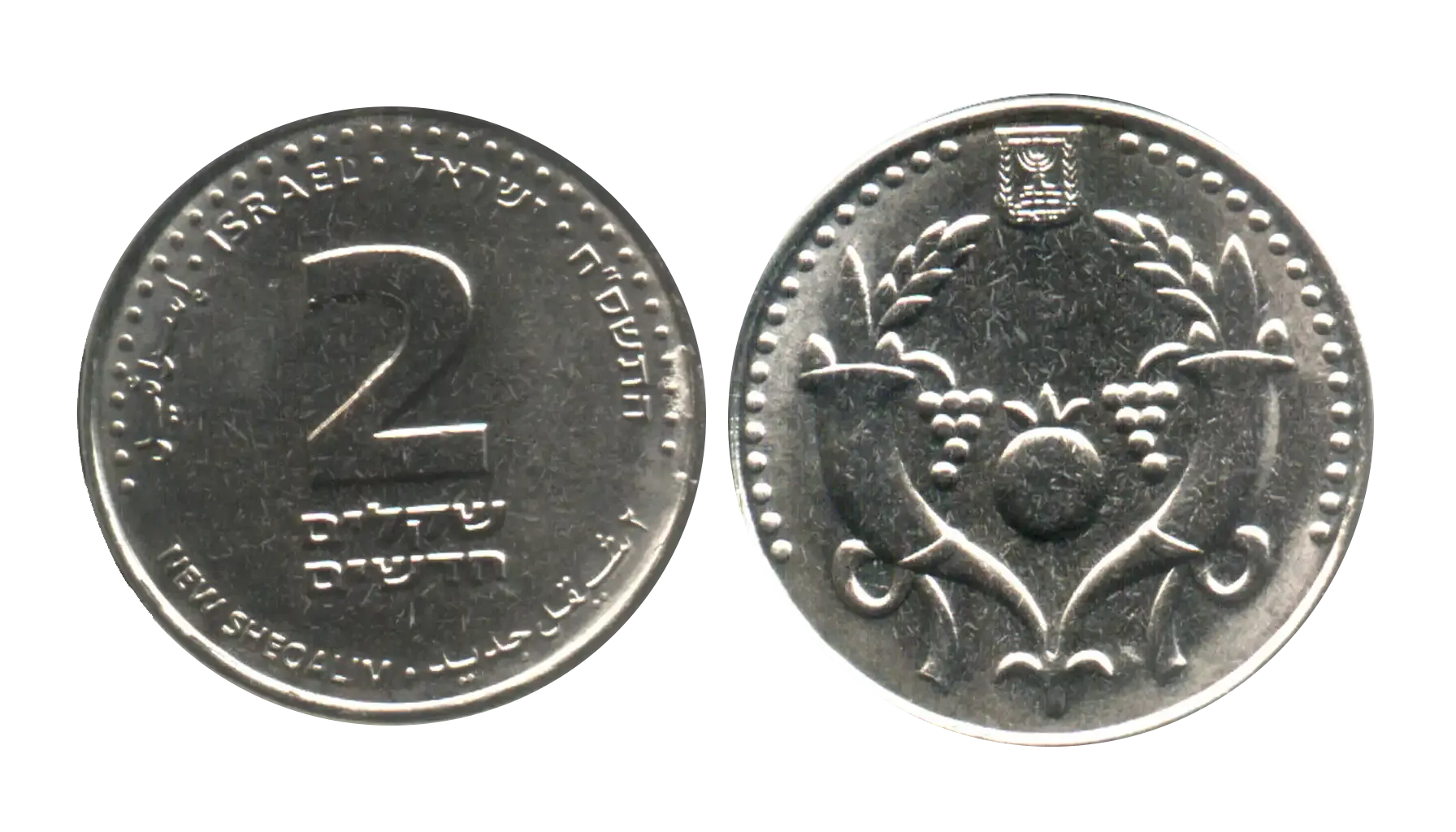
Symbolism
Old: The revival of the ancient currency name (with little to no stable economic framework).
New: The tribute to the ancient monetary heritage through a contemporary way.
Worth on the Numismatic Market
Old: Generally more valuable to collectors than modern NIS coins (low quantities of surviving series and, thus, low preservation rates).
New: May be quite valuable, but their numismatic potential is a bit lower. Only special-issue releases, proofs, or key dates are worth anything.
A Final Tip For Those Who Join the Hunt

There is no longer a need for professional evaluation all day round – collecting requires something precise, straightforward, yet complete (something like an app). Coin ID Scanner can turn into your own numismatic assistant in an instant, and all you need is a smartphone with a camera. That's it. The feature set is quite immersive, for it incorporates anything related to numismatics, i.e.,
Coin Identification: Recognize coins by taking their photos. Distinguish between shekel types and know what you own.
Collection Management: Create a catalog of your finds and track their condition under the same digital roof.
Coin Encyclopedia: Access a growing database of coins from all over the world. Each coin card incorporates info about its background, specifications, history, design, and more. Creations of the Near East are also included.
Educational Resources: Learn more about the difference between ancient weight-based shekels and the ones we know today.
AI Assistance: Ask questions, compare coins, or request verification tips. Nonetheless, keep in mind that Coin ID Scanner cannot replace genuine authentication, for it is only a tool for recommendations and support.
Cultures are extremely diverse, so let us explore their peculiarities through coins and artistic aspirations trapped in these plates.

 Facebook
  X (Twitter)
  Pinterest
  LinkedIn