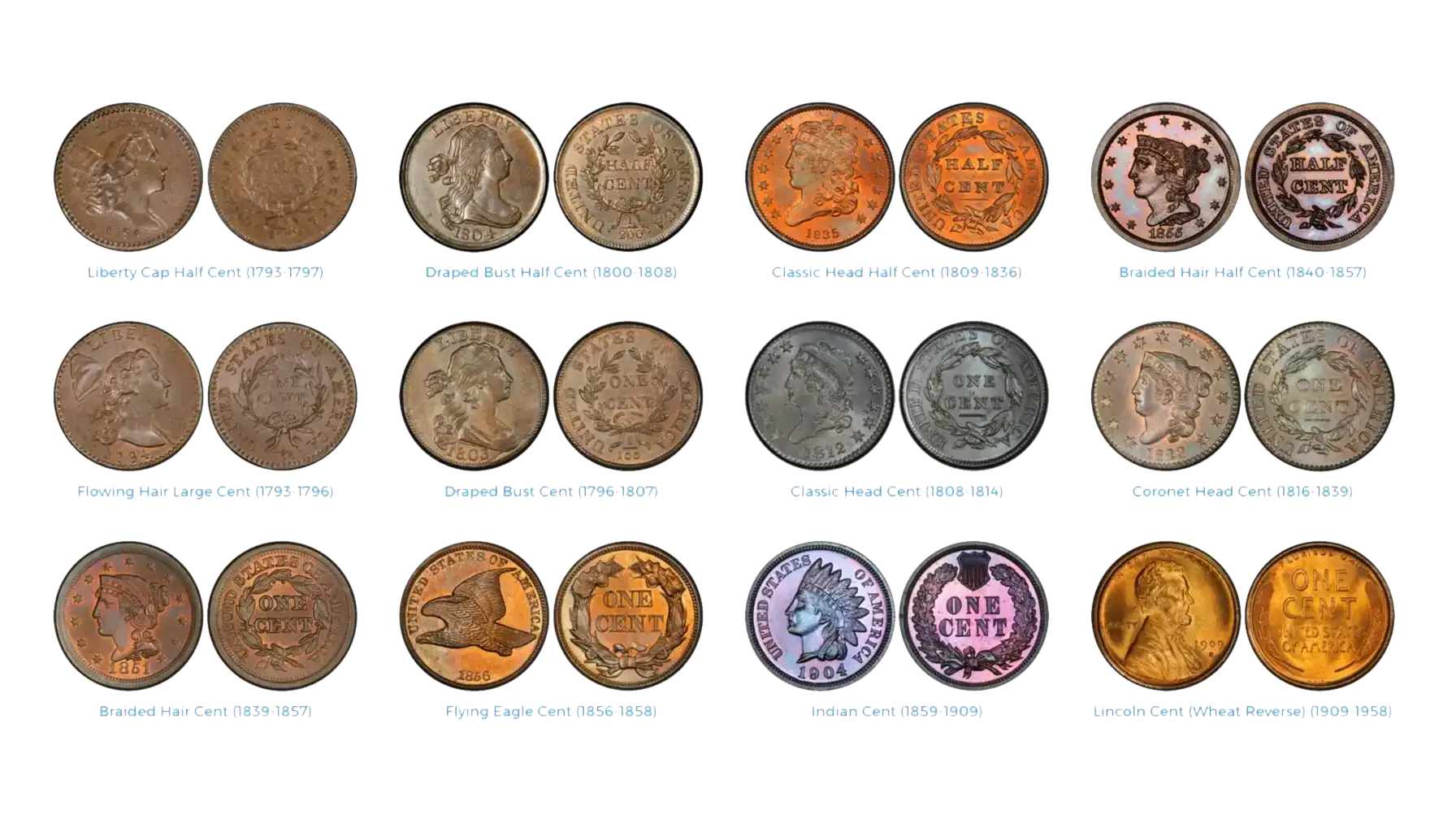
Coin planchet errors — this is the first thing that the coin price checker identifies. It is the foundation of the coin that sets the tone for everything else. Therefore, it is important to understand what it is and how it works.
What Is a Coin Planchet?
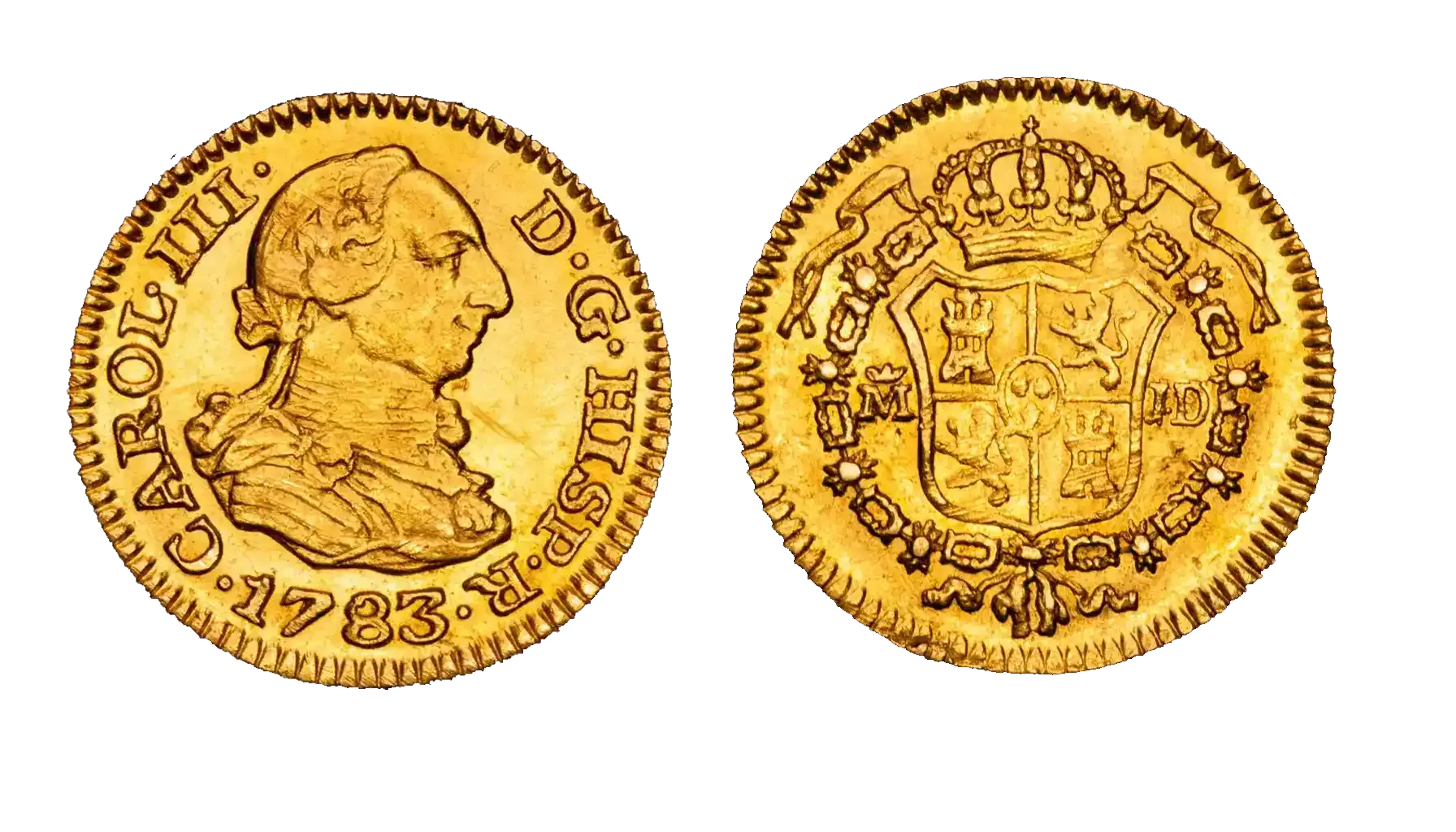
So, what is a planchet on a coin? It is a metal disc, a blank of strictly defined weight, diameter, and alloy, from which a coin is subsequently minted. Formally, before the die strike, it is just a clean disc made of bronze, copper, silver, steel, or gold alloy.
Stages of Preparation
Blanking – a stamp punches discs from a roll of metal.
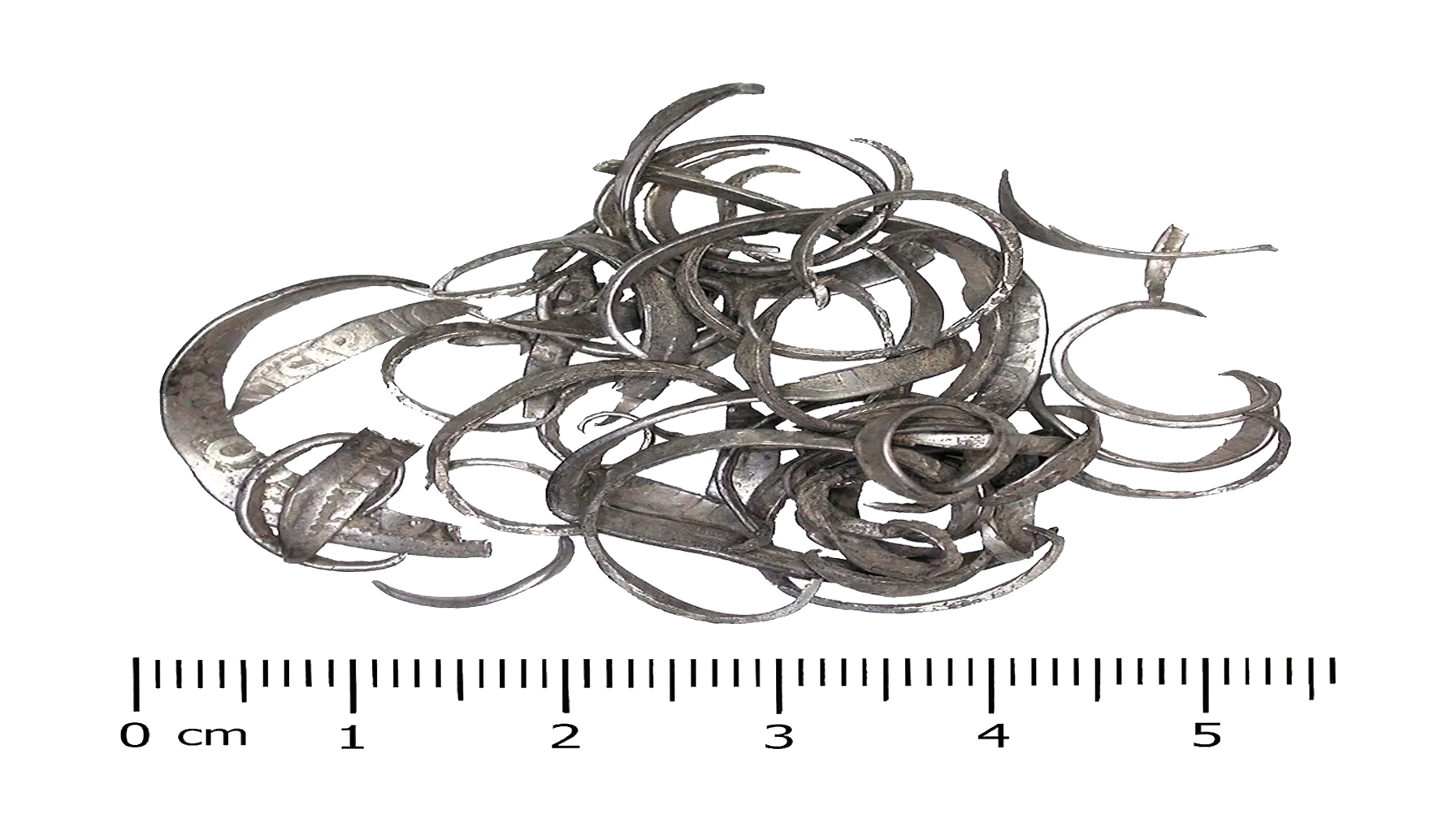
Annealing – heating to relieve internal stresses and impart the desired softness. Scale, oil, and contaminants are removed.
Reeding involves beveling the edge so that the die can comfortably grip the blank coin planchet.
All these parameters are very important and affect not only the appearance, but also the subsequent quality of minting and the blank planchet coin value of the finished coin.
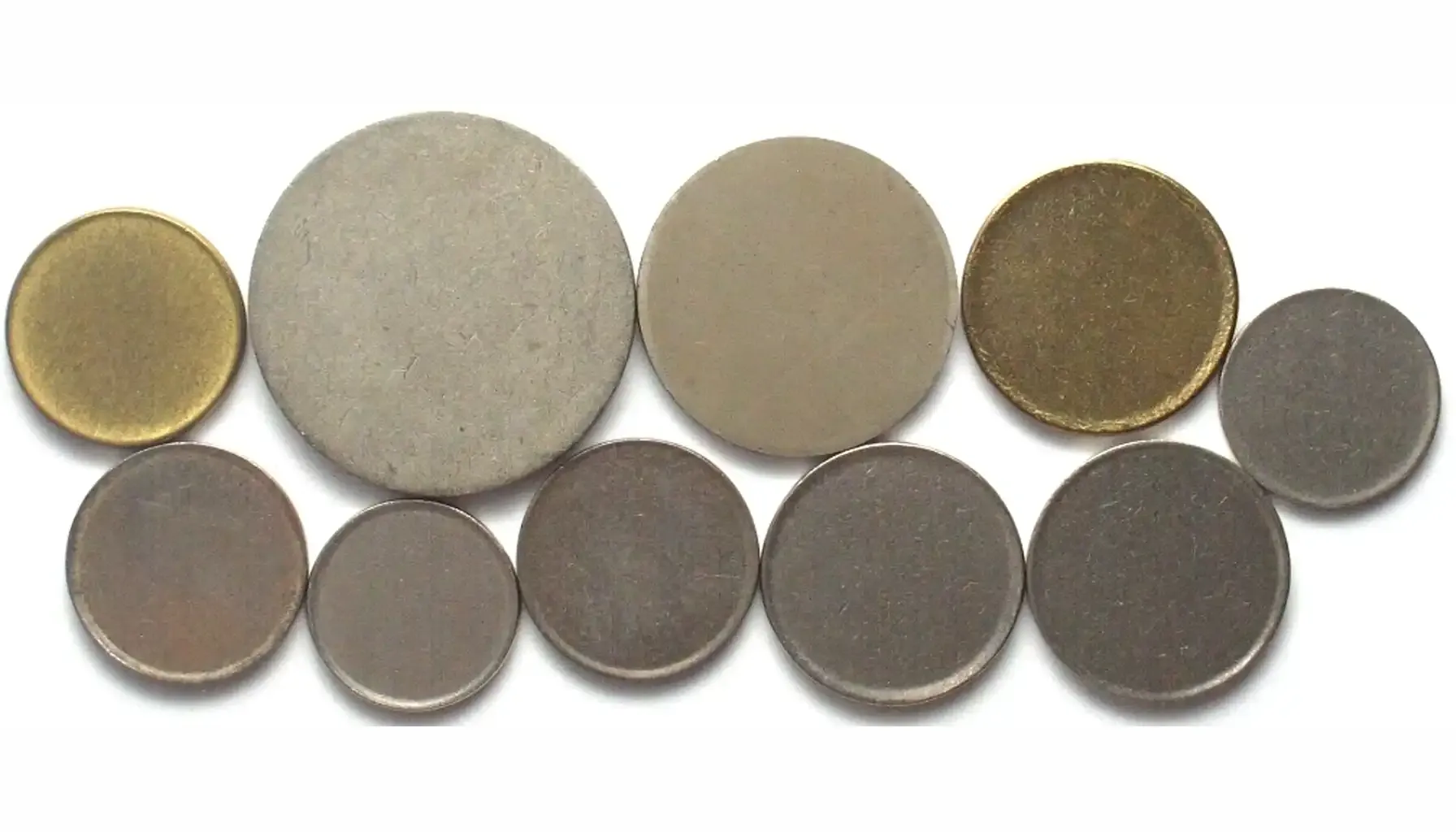
How Planchet Errors Happen
What is a planchet error on a coin? Errors can occur at any of the four preparation stages or right at the moment of feeding into the press. This could involve too weak a strike or a worn-out stamp, which would form deformed discs.
Annealing and Washing
An incorrect temperature regime can cause the formation of bubbles or a layered defect – lamination. Aggressive cleaning agents can lead to microcracks on the surface.
Errors in this machine result in an uneven or absent chamfer, the bent edge fits poorly under the die, and the relief is minted crookedly when fed into the coining press.
If the feeding mechanism is blocked, planchets can receive a repeated strike without being ejected. This results in a stuck-through error. Dirt or small metal fragments can also lead to scratches.
Types of Planchet Errors
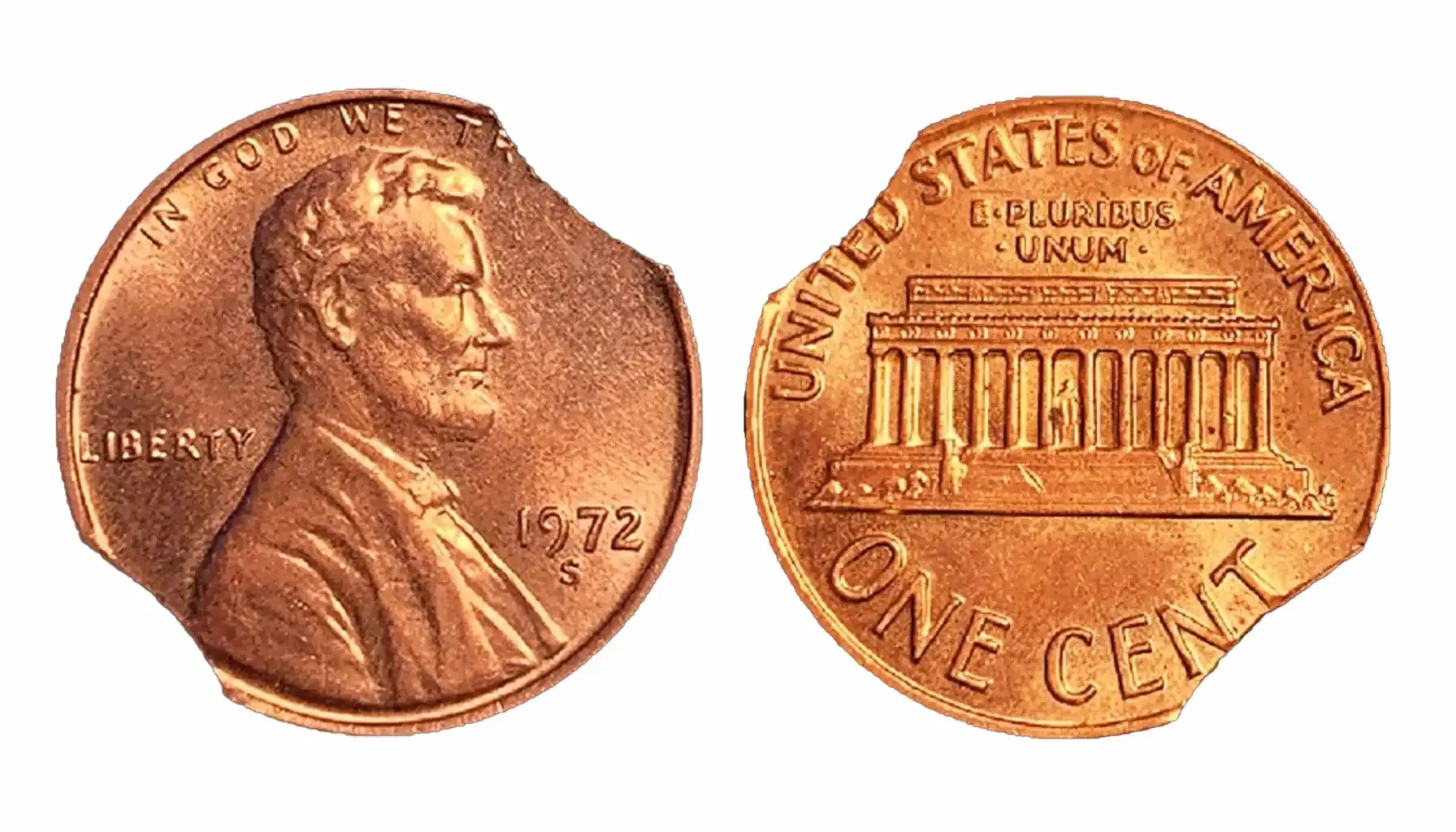
Clipped
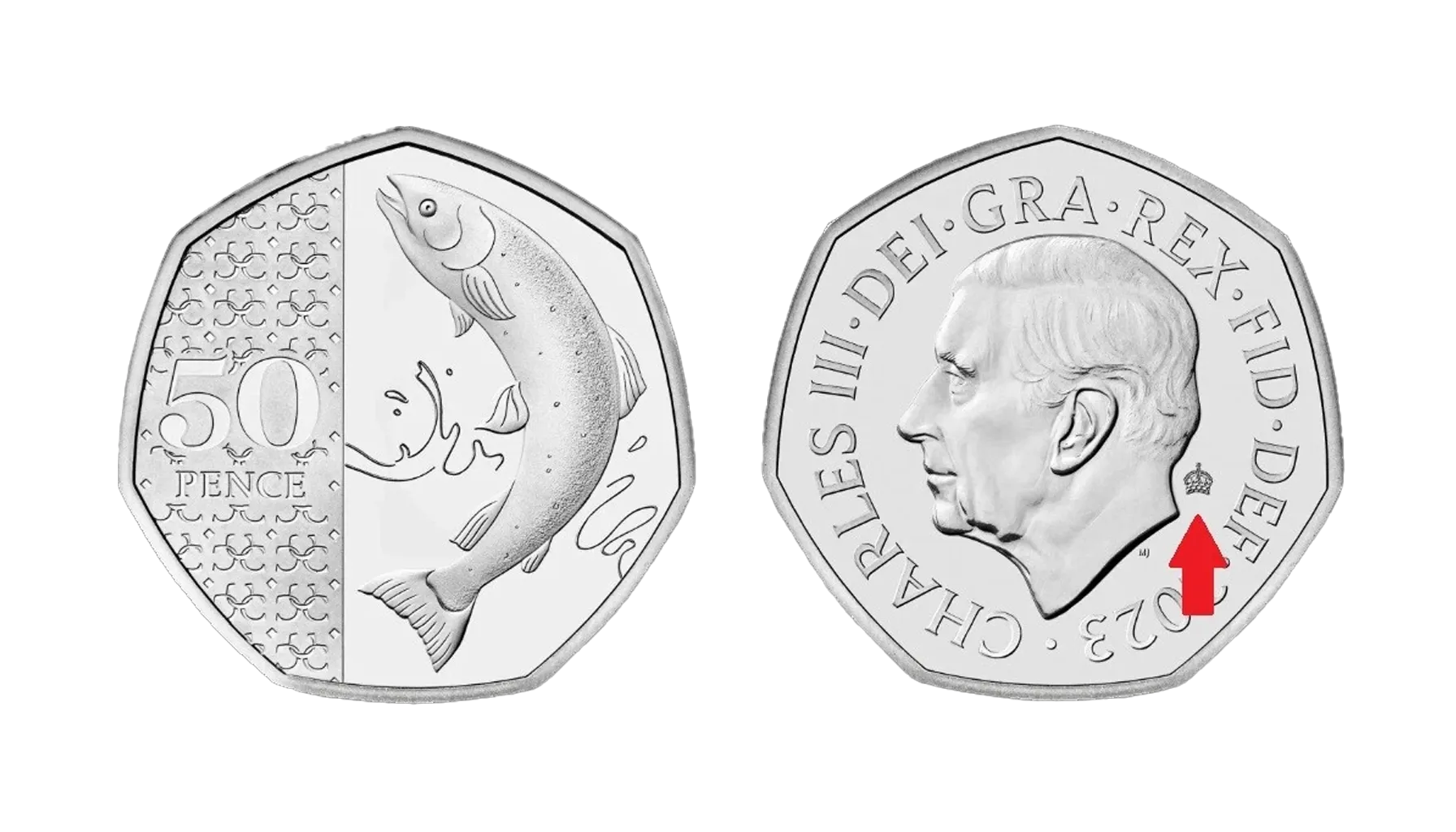
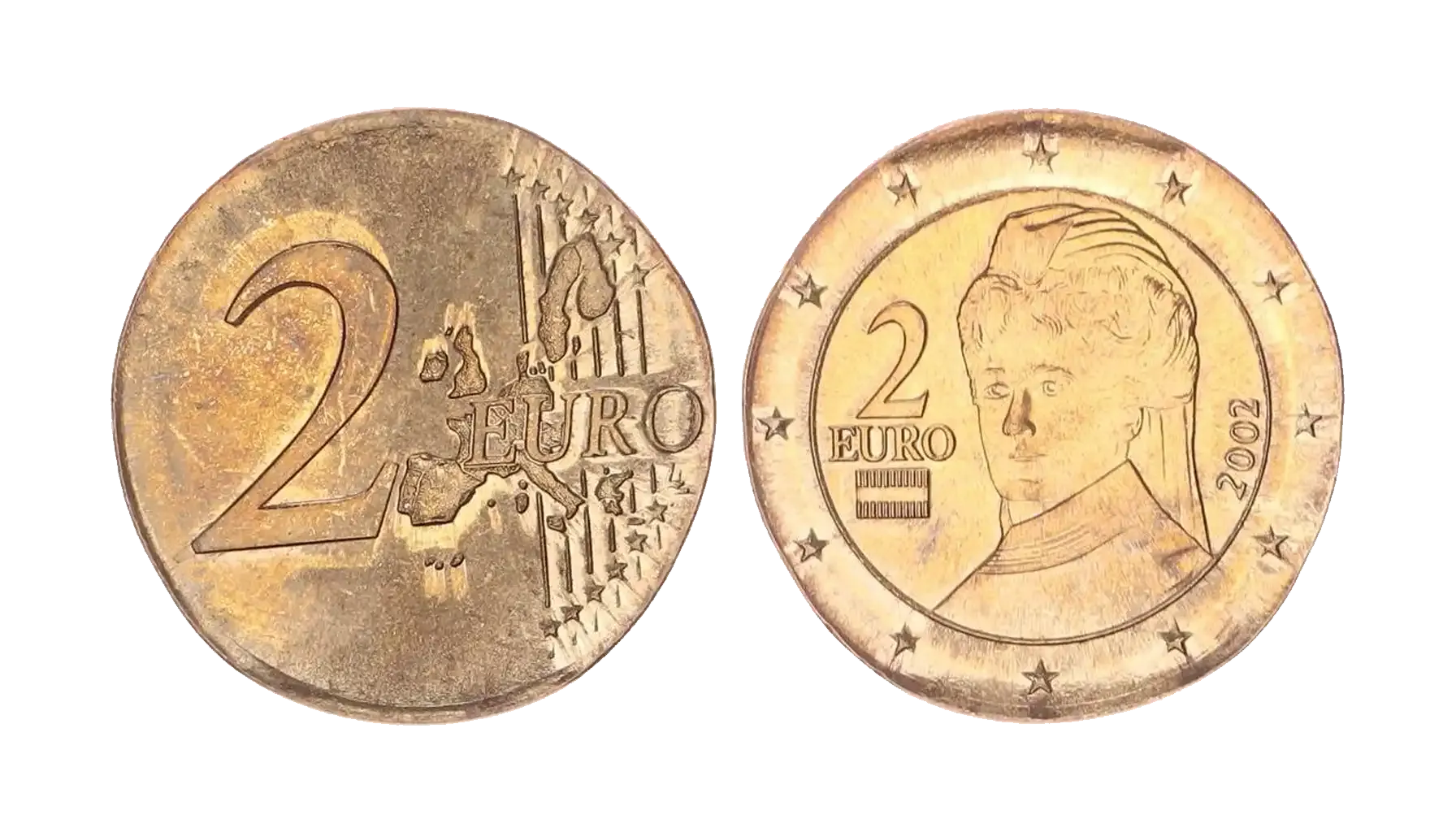
This is when one of the edges of the planchet is not fully cut or is completely sheared off. Clipped planchet. This is when one of the edges of it is not fully cut or is completely sheared off, as if a piece was bitten off.
One notable example is the Lincoln Cent 1972-D Clipped planchet. Many of these specimens include indentations along the edge where there wasn't enough metal.
Off-Center Blank
The blank is cut or shifted relative to the centre. During minting, one side is blank or has minimal relief. It is often found on modern small denominations of 1, 5, and 10 cents.
Split
The metal dried improperly during annealing, and the internal layers bonded weakly. As a result, a crack or delamination formed on the planchet. For example, the Lincoln Cent 1982 Lamination error. Here, it is clearly visible that the thin top layer is peeling off in sections.
Wrong
Here, the blank was taken from a different series; the coin is minted on a different type of blank.
For example, the 1943 Lincoln Cent, bronze planchet. This is an extremely rare case where, instead of the common steel models of coins from 1943, they were minted on bronze, which was used before 1943.

 Facebook
  X (Twitter)
  Pinterest
  LinkedIn