Contents:
Old numismatic creations may intrigue, no matter how scarce they were in the beginning. Sometimes, the age defines the popularity of the coin, but it is a condition that boosts the price. The 1890 Indian Head penny is a perfect example – a coin with a mintage in the tens of millions, yet one that still captures the attention of collectors these days.
Having outlived various representatives of the monetary sector, the 1890 US penny turns out to be an invaluable asset which prices may only grow over the years. So, the real question is: what is the current 1890 penny value? How did this historic unit of currency come into circulation, and why can a simple coin identifier make treasure hunts easier and elevate the collecting experience overall?
Peculiar Story of the Long-Gone Indian Head Cent
The Indian Head penny, one of the oldest and equally well-preserved pieces of numismatic significance, was born in 1858 as a fine replacement of the short-lived Flying Eagle cent, though the first year of production was set in 1859. The latter, however attractive this could have been, was really difficult to strike properly, which forced officials to look for an alternative appearance with the same level of charm but more convenient to produce.
As a result, the US Mint approved a new design by Chief Engraver James B. Longacre, which represented Liberty wearing a feathered headdress. Nonetheless, the background was still unstable for a new coin to settle down: at the height of the Civil War, Americans began hoarding coins, including copper cents, while the Mint severely struggled with metal shortages.
In 1864, as a response to the Civil War influence, Congress passed the Coinage Act of 1864, authorizing a thinner, bronze-alloy cent instead of the earlier copper-nickel version. Actions taken by the official proved to be right. By the year 1890, the Indian Head penny became a symbol of everyday commerce and was seen all over the country, circulating efficiently.
Today, a penny from 1890 is considered one of America’s most enduring coinage icons, surviving war, economic upheaval, and shifting tastes in artistry.
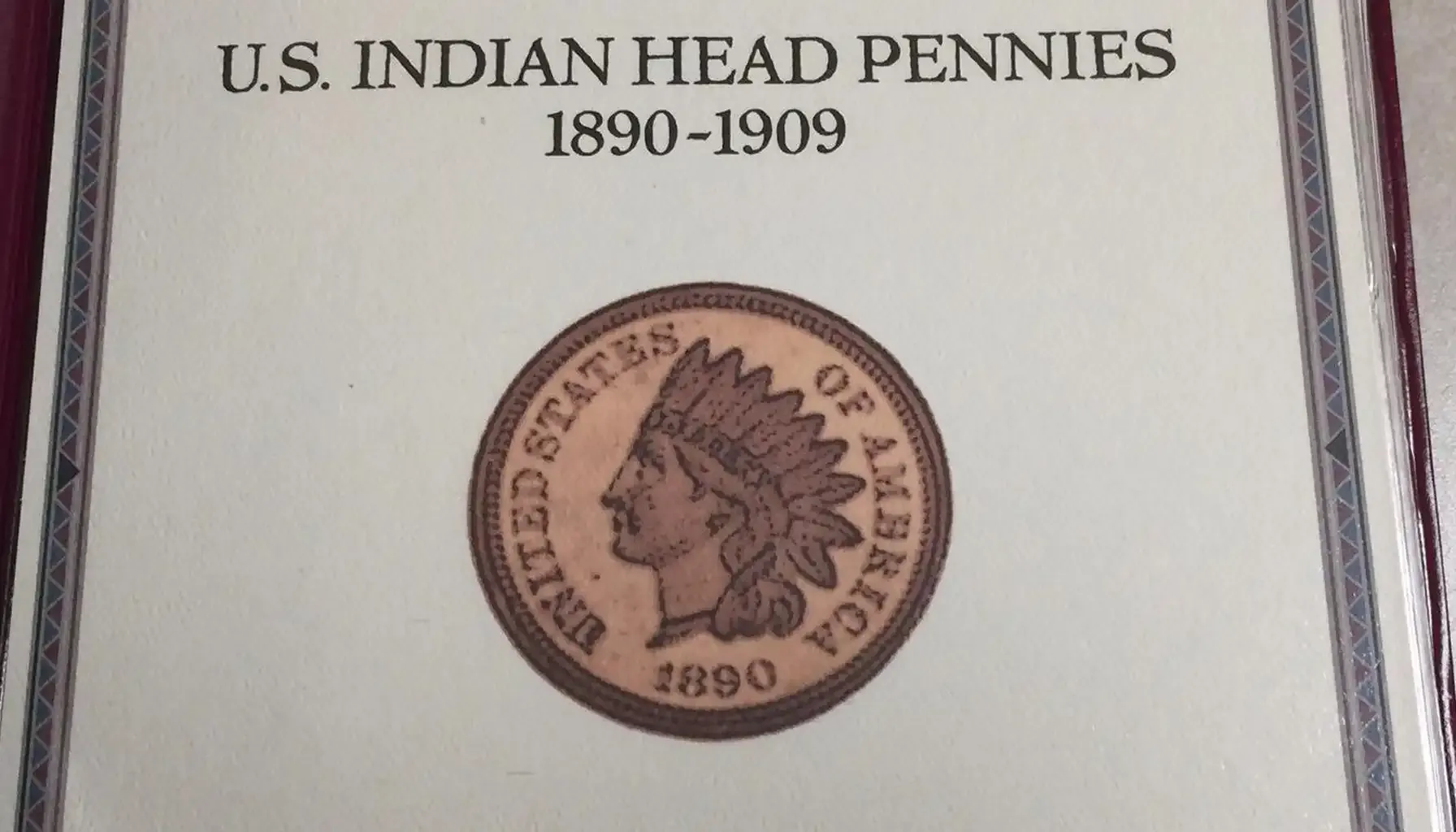
Explore more: Collector's Guide: What Year Was the First Penny Made
Design Features of the 1890 Penny
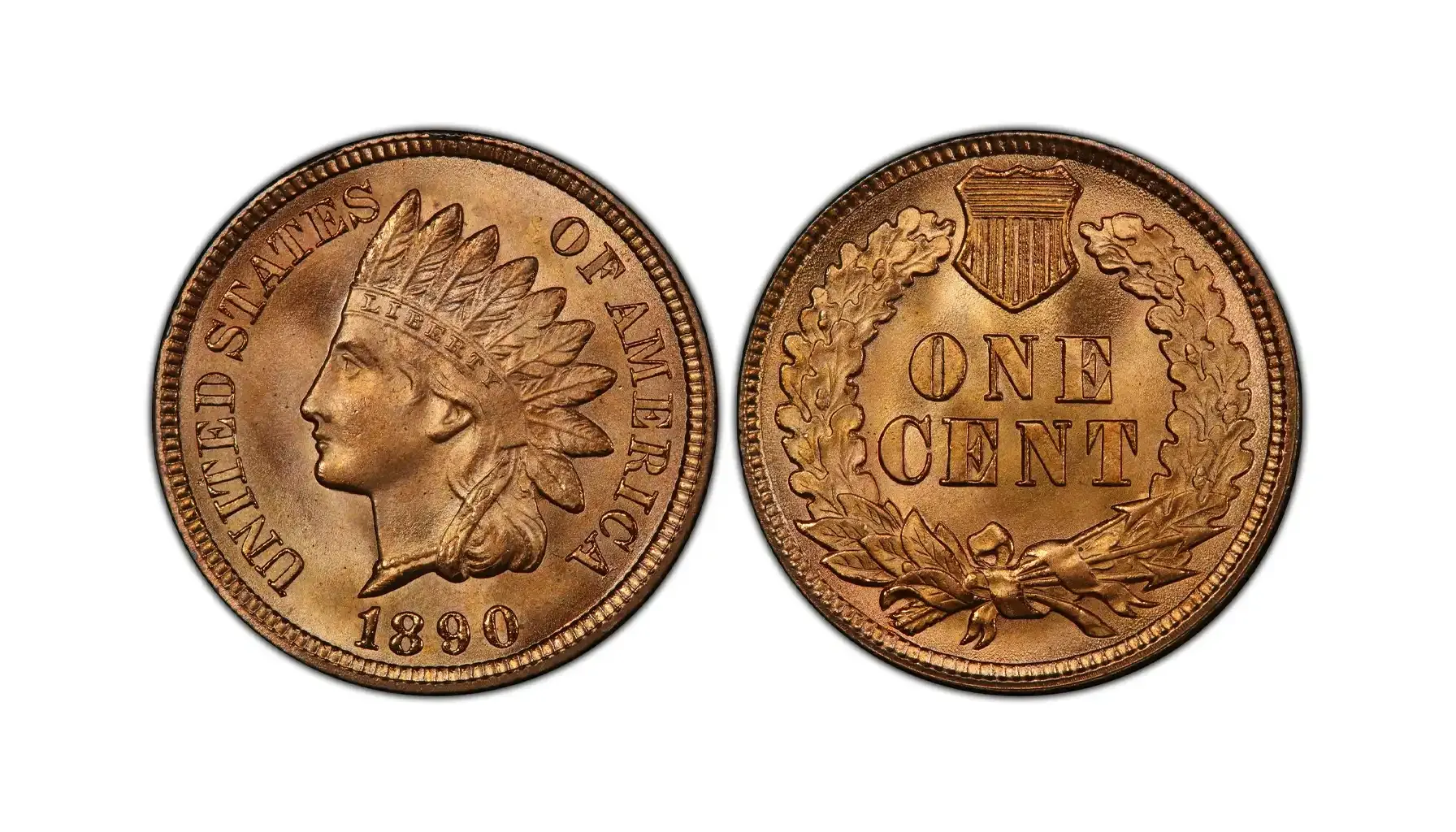
Obverse: The front side of the coin demonstrates the left-facing Liberty, wearing a Native American–style feathered headdress with the word “LIBERTY” on it. As for the inscriptions, the obverse features “UNITED STATES OF AMERICA” around the portrait, as well as the year “1890” beneath.
Reverse: The back side, on its part, introduces a large, bold “ONE CENT” inscription in two lines, surrounded by an oak wreath and a Union shield crowning the design at 12 o'clock. At the base, one may see a ribbon that binds a bundle of arrows with a wreath itself.
The Main Features | |
Denomination | 1 cent |
Type | Indian Head (Oak Wreath & Shield reverse, 1860–1909) |
Designer | James B. Longacre |
Composition | Bronze – approx. 95% copper, 5% tin & zinc |
Weight | 3.11 g (nominal) |
Diameter | 19.05 mm (0.75 in) |
Thickness | ~1.5 mm |
Edge | Plain (no reeding) |
Finish Types | Business strike with limited proofs |
The Indian Head Penny 1890 Types by Strike
1890 1C Regular Strike
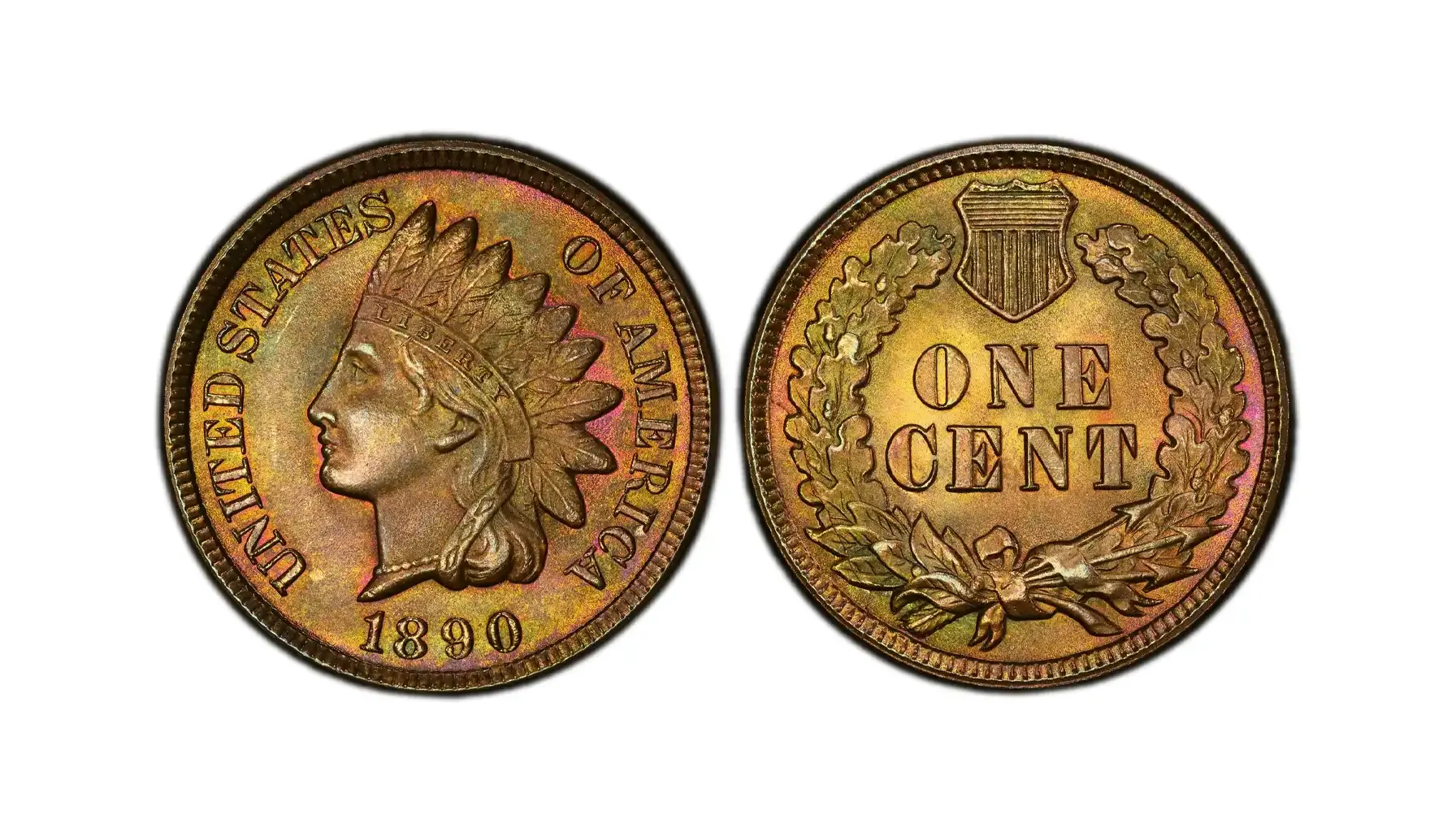
Produced by: Philadelphia Mint
Mintage: 57,180,114
Designations: MS, BN (Brown), RB (Red-Brown), RD (Full Red)
Auction Record: $91,063 for MS67+RD
Although there are only two major types of the coin, the 1890 Indian Head cent can boast a wide range of types by designation and, hence, value. Having been released more than a century ago, most pieces that survive are heavily worn, for they remained in use for decades.
In general, collectors may stumble upon samples in brown condition, which means that the main part of the original luster has faded away. Gem Mint State survivors, especially those designated RD, are rare and can be worth dozens of thousands of dollars, as per the numismatic auction platforms like Stack's Bowers or the GreatCollection.
1890 1C Proof
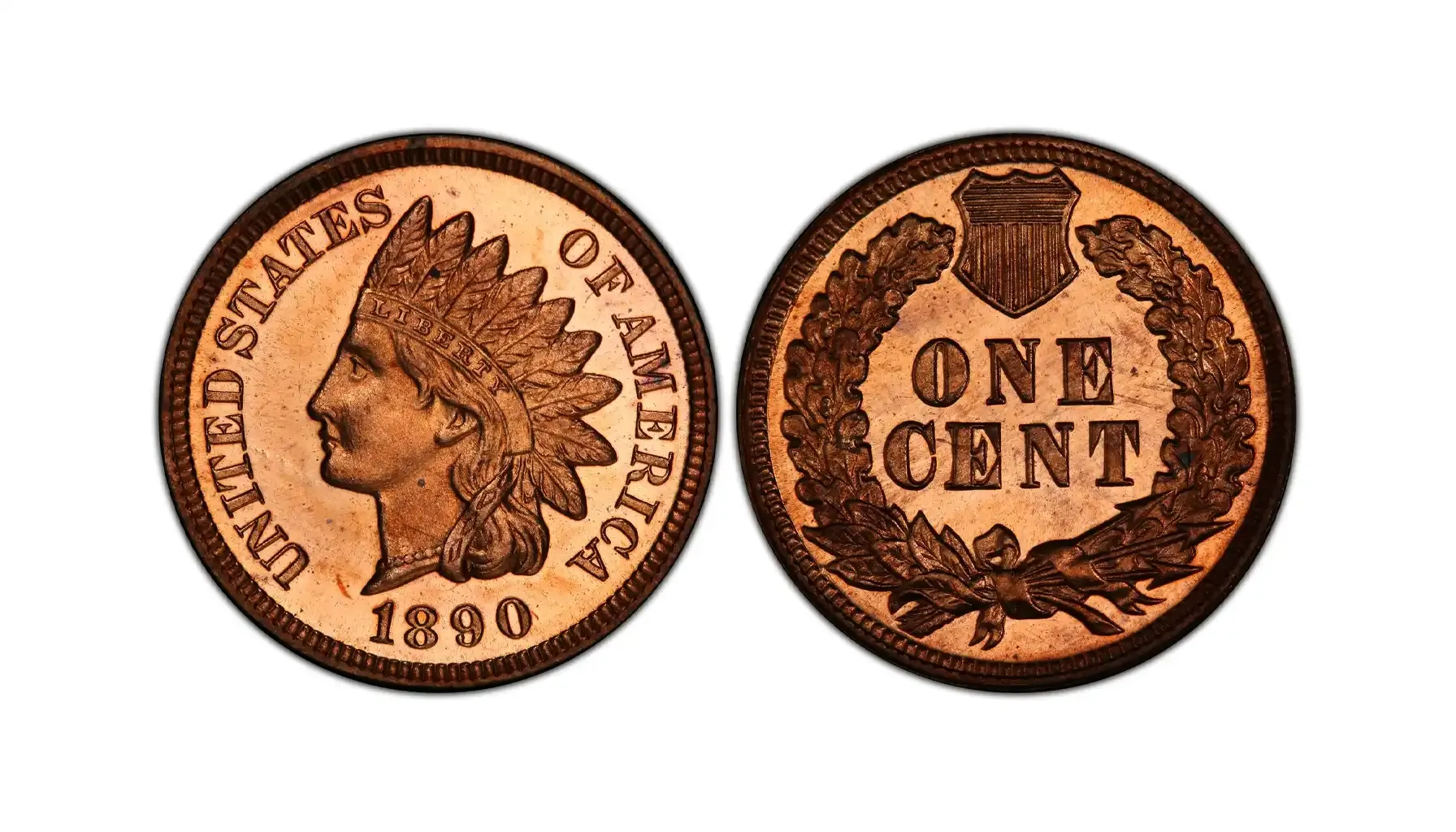
Produced by: Philadelphia Mint
Mintage: 2,740
Designations: BN (Brown), RB (Red-Brown), RD (Red), CAM (Cameo)
Auction Record: $5,040 for PR65CAM
When it comes to the most immaculately crafted examples, one may instantly think of the proof counterparts. As such, proof strikes of the 1890 cent iteration were made in very limited numbers. Some of their exceptional samples may display cameo contrast, with frosted devices against mirrored backgrounds, due to the use of polished dies involved in the production.
Survival rates are relatively strong given their original purpose of release, but truly pristine pieces in red or cameo finish remain rare anyway.
The 1890 Indian Head Penny Errors Explained
Clipped Planchet Error
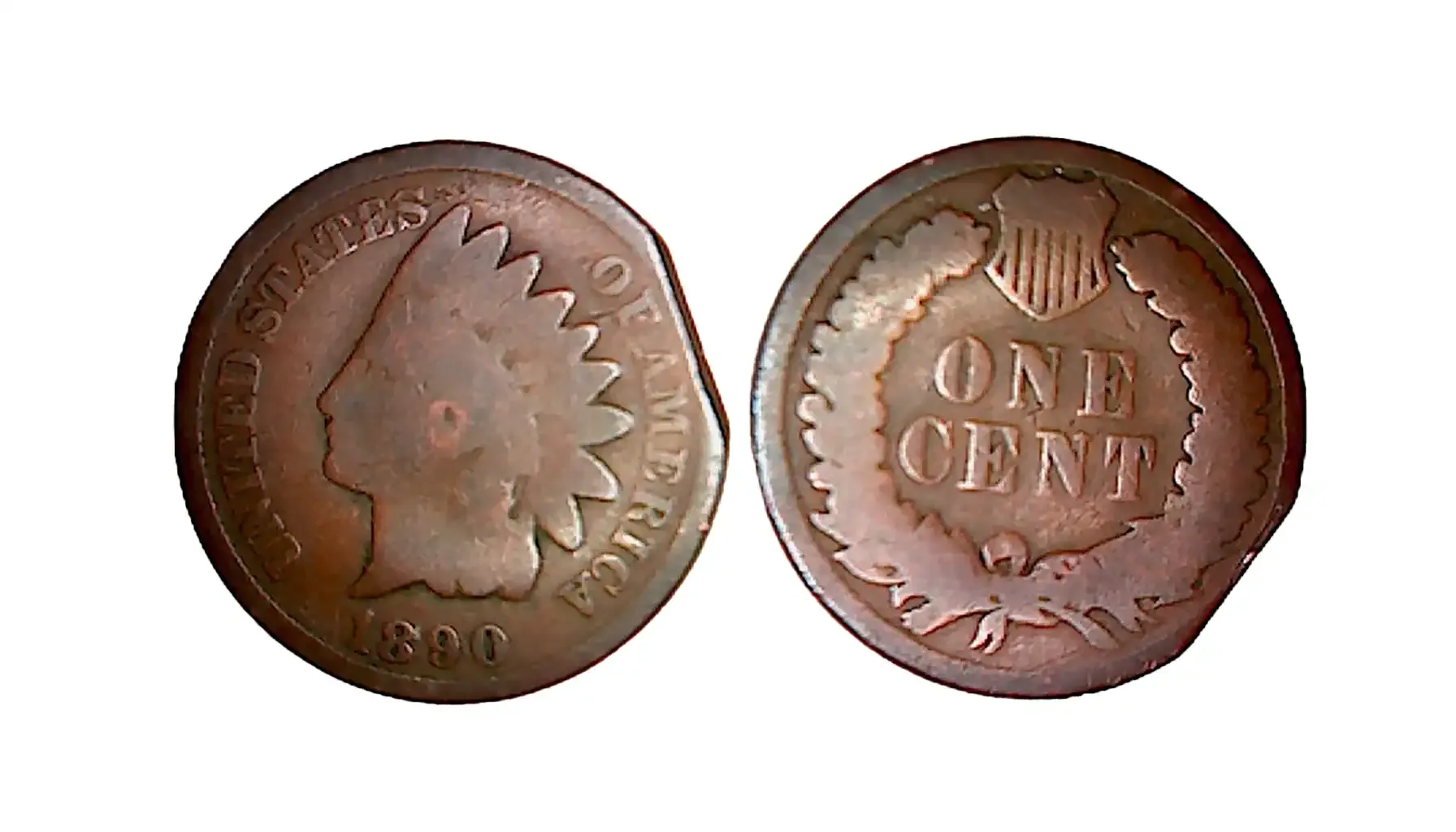
Estimated Value: $925
Clipped planet error penny is by far one of the most peculiar creations associated with the 1890 penny. In particular, it typically occurs when the coin blank is improperly cut from the metal sheet, which leaves a noticeable curved or straight “clip” along the edge. The rarity and size of the clip do affect the 1890 Indian Head penny value, yet this is also subject to speculation.
Die Clash Error (Reverse Clash)
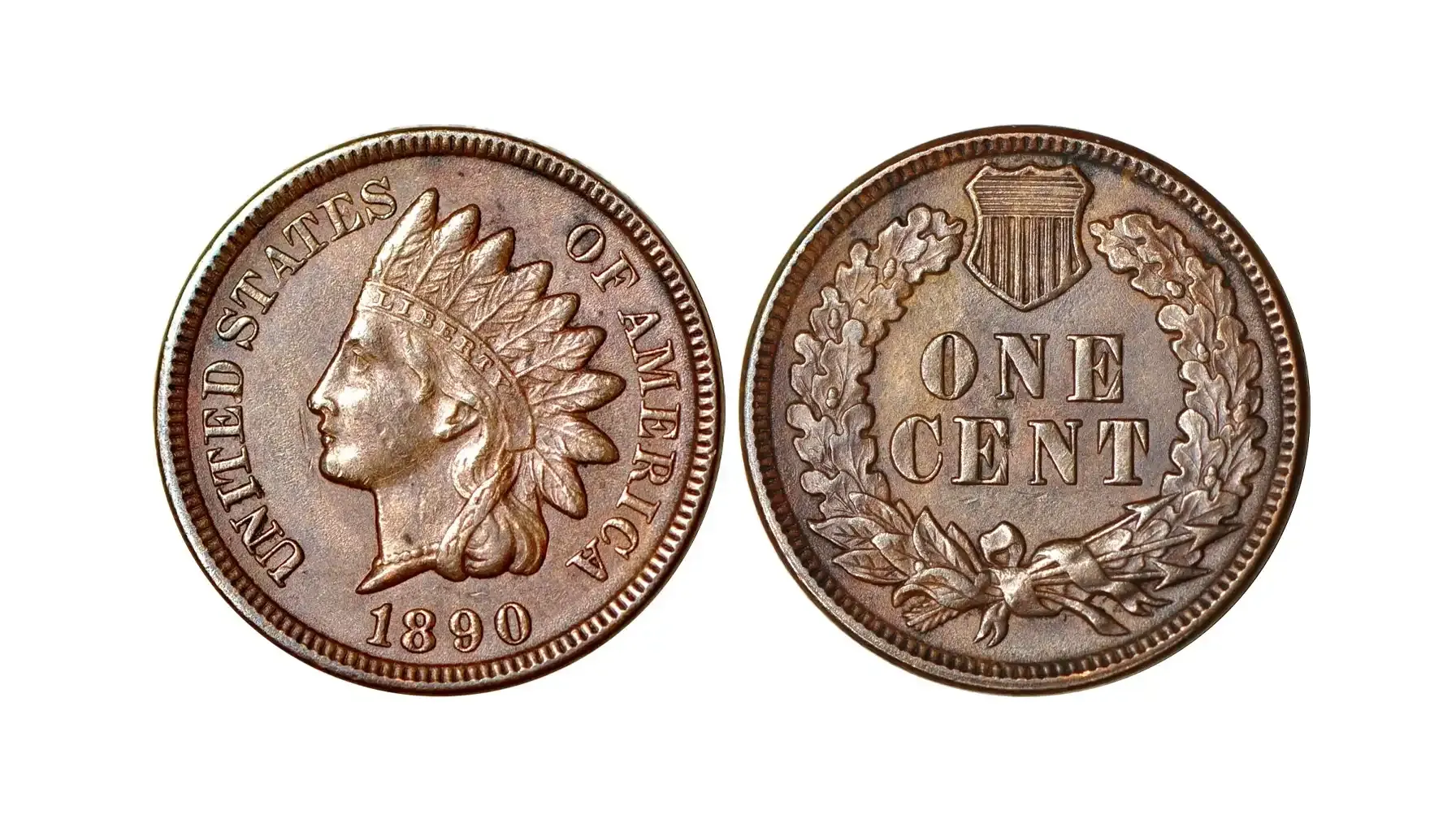
Estimated Value: $200
Sometimes, minting deviations may not be too obvious to observe, yet their values do explain their true position on the market. A die clash usually happens when the obverse and reverse dies strike each other without a planchet in between, which transfers faint design elements onto the opposite die. In this case, one can notice ghostly outlines of Liberty on the reverse fields, but this is not usually apparent to the naked eye.
Misaligned Die Strike
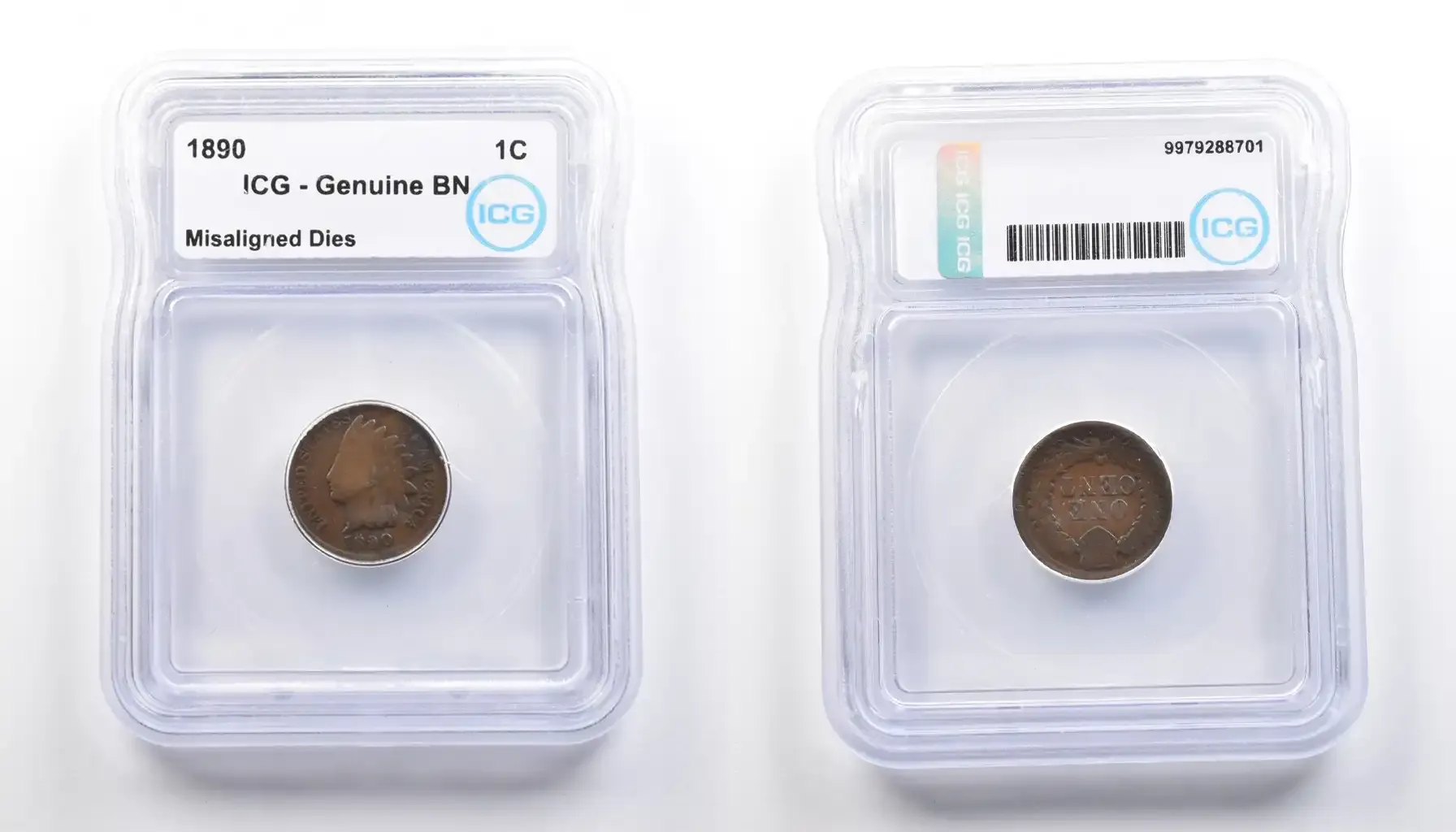
Estimated Value: $180
Though this particular sample may not be the best example of this error, misaligned die strikes are rather noticeable and easy to spot. As a rule, these errors presuppose that the obverse and reverse dies were improperly aligned, which caused the design to appear off-center, closer to the rim. And yes, slight misalignments are fairly common, with more pronounced variations being much rarer and more valuable.
Lamination Flaw
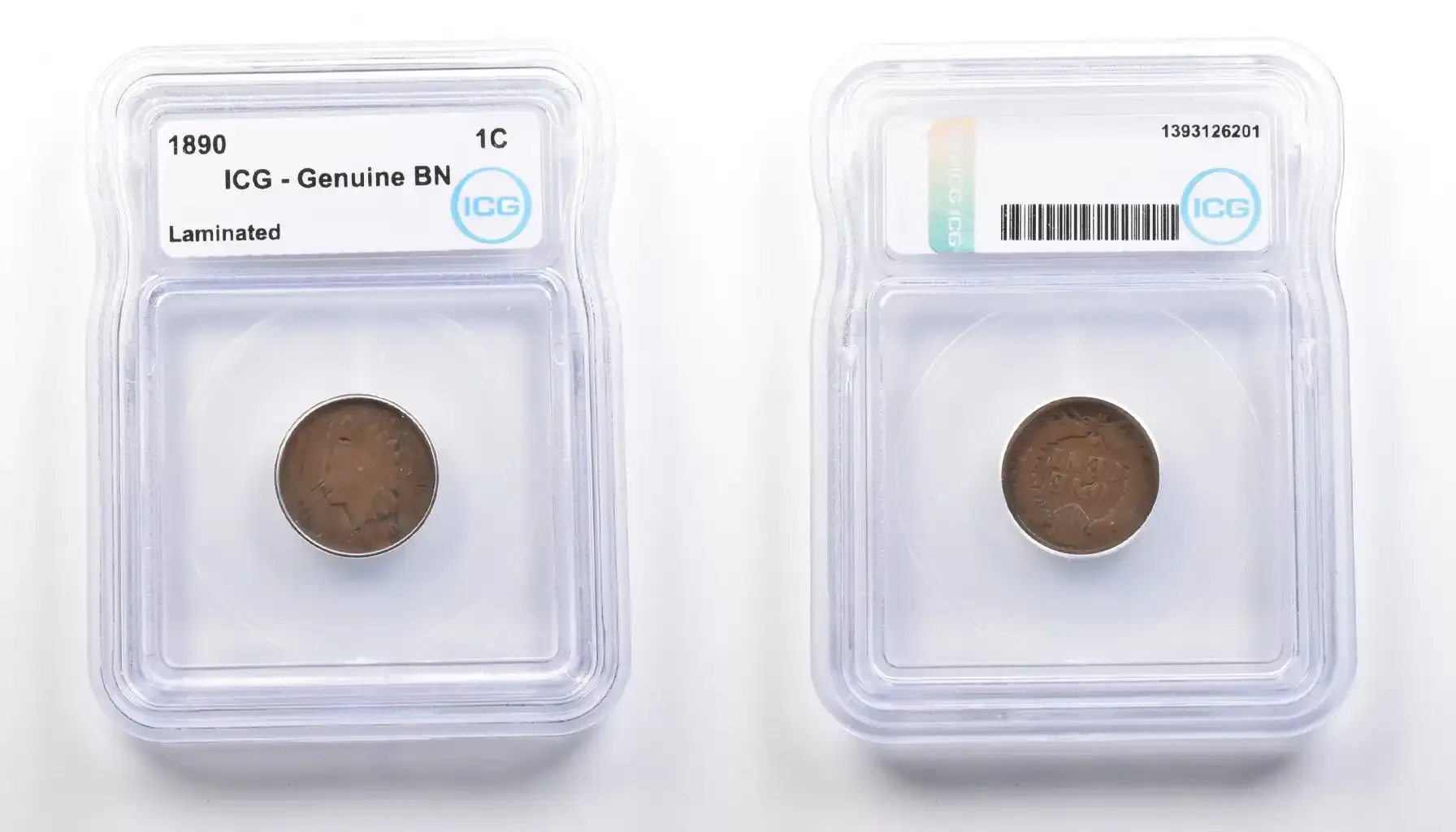
Estimated Value: $50
The older the coin, the less visible the lamination errors are – this is the rule. Nevertheless, it is vital to understand what they mean. Lamination errors occur when impurities or gas bubbles in the planchet cause thin layers of metal to peel or flake away. This may easily be confused with wear or damage, but the true anomaly appears as raised ridges or missing patches of metal on the surface.
Repunched or Doubled Date Error
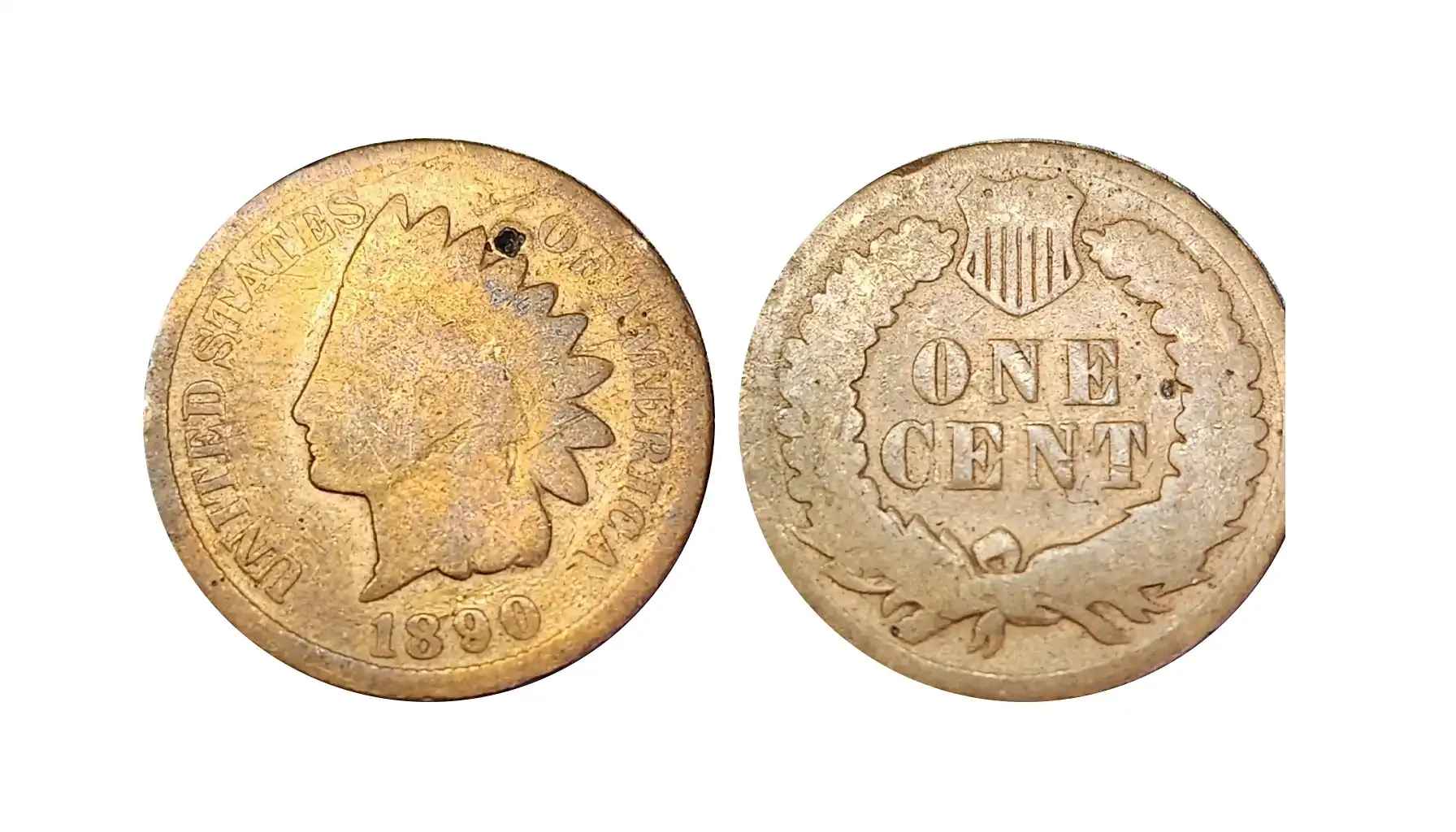
Estimated Value: $42
Sometimes, the date might be punched into the working die more than once, creating overlapping or shadowed numerals. This is exactly what happened to the coin with the double date flaw. On the 1890 Indian Head cent, repunched or doubled date varieties show noticeable distortion on the “1890” (which is obvious enough). This is why this error does not belong to the top 100 pennies worth money deviation, but may serve as a decent starting point for collectors who are just joining the hunt.
See also: US Penny Errors: Small Mistakes, Big Collectibles
How Much Is a 1890 Penny Worth?
The value of a 1890 Indian Head penny is not a stable constituent, though samples in pristine condition may definitely turn into a valuable asset over time. The worth is mainly determined by several key factors, which include strike type (regular business strike vs. proof), grade/condition, and color designation for copper coins.
What every collector should know is that circulated coins are generally affordable, but high-grade survivors with strong luster or full red coloration are scarce and can sell for thousands of dollars. Proof variations, though, are basically less valuable because of their initial preservation and less scarce amounts in high grades. So, how much is a 1890 Indian Head penny worth?
Grade | Regular Strike | Proof |
Good (G4) | $2 – $3 | – |
Very Good (VG8) | $4 – $5 | – |
Fine (F12) | $6 – $8 | – |
Very Fine (VF20) | $10 – $15 | – |
Extremely Fine (XF40) | $20 – $35 | – |
About Uncirculated (AU50) | $40 – $65 | – |
Mint State 60 (MS60) | $90 – $120 (BN); higher with RB/RD | – |
Mint State 63 (MS63) | $150 – $250 (BN); $400–$650 (RD) | – |
Mint State 65 (MS65) | $650 – $1,200 (BN/RB); $3,000+ (RD) | – |
Mint State 67 (MS67) | Extremely rare; auction record $91,063 | – |
Proof 60 (PR60) | – | $175 – $225 (BN) |
Proof 63 (PR63) | – | $300 – $450 (BN); $550+ (RB/RD) |
Proof 65 (PR65) | – | $1,000 – $1,500; up to $5,000 for CAM |
Proof 67 (PR67) | – | $7,500+; exceptionally rare |
Related article: Indian Head Buffalo Nickel Value
Ready to Explore Coin to Collect?
Should you notice an interest in Indian pennies or other numismatic creations of the past, mind that there are tools that make the collecting experience easier and more captivating than ever. The market dazzles with numerous digital opportunities to identify coins and explore their collectibility potential in an instant — this is what the Coin ID Scanner app is made for.
The app introduces a few essential instruments for those who need extra support on the spot. These include:
Coin Identification by Photo: Upload or snap a picture and instantly see details such as year of minting, country, denomination, edge, composition, diameter, weight, and more.
Collection Management: Build and organize your own digital collection to track coins you already own and those you still seek.
Extensive Global Database: Access information on more than 187,000 coins worldwide with manual search or smart filters.
AI Coin Support: Get real-time assistance with identification, error spotting, and collecting tips as soon as you need it.
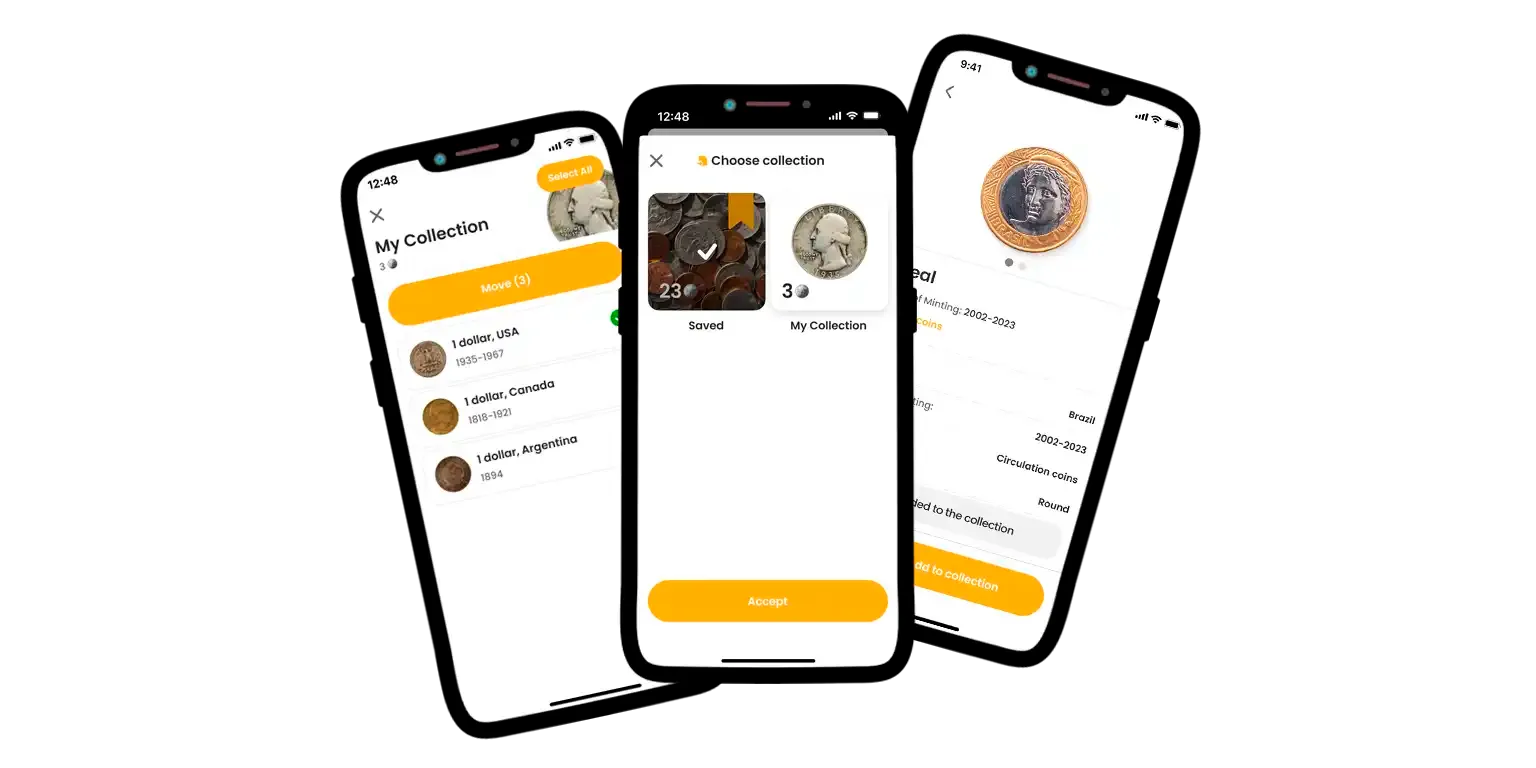
Explore, learn, and look for new coins. Collections should expand, and there is no excuse to ignore the thrill of finding something rare and remarkable.

 Facebook
  X (Twitter)
  Pinterest
  LinkedIn