Contents:
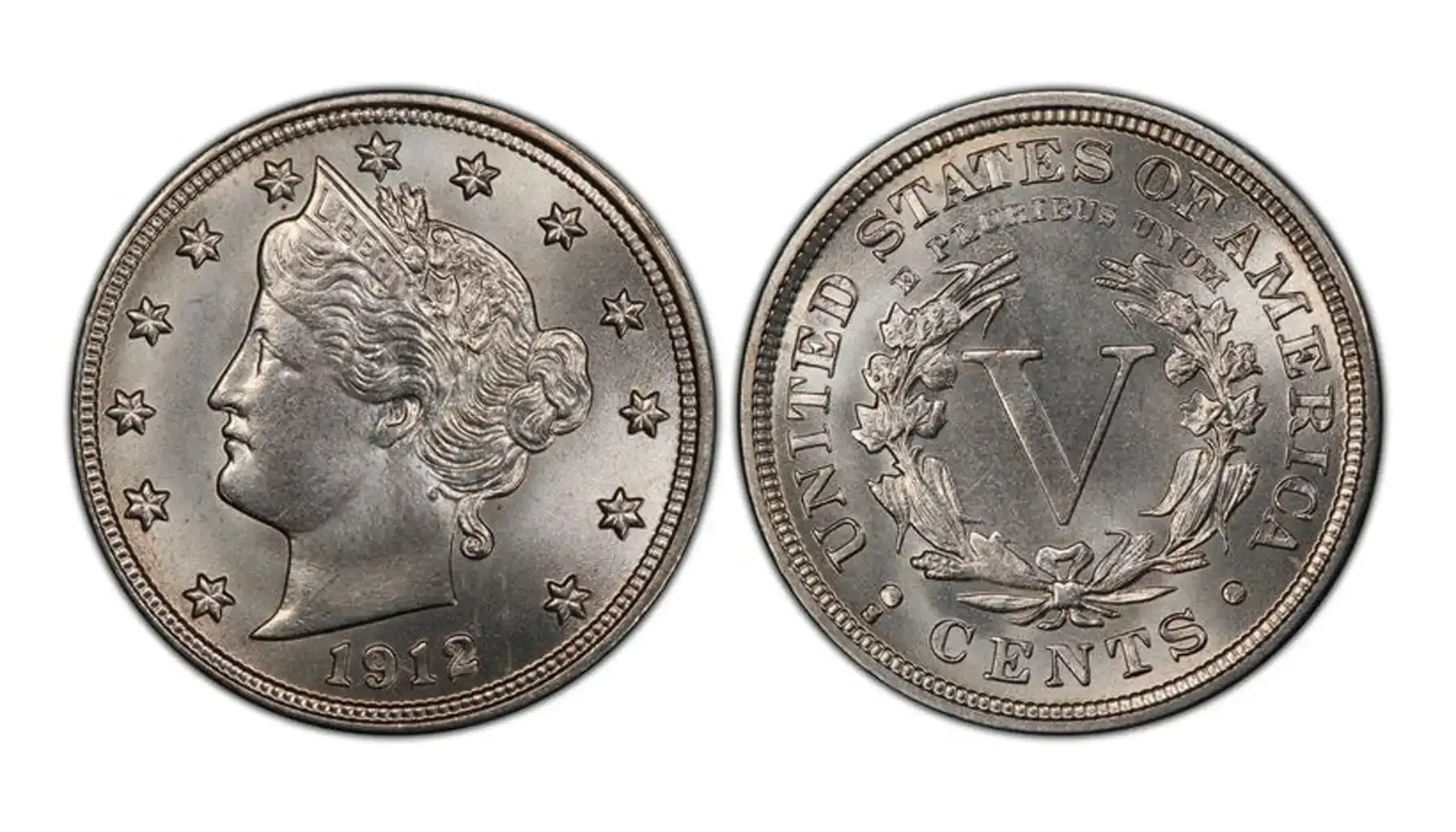
You are holding a five-cent coin dated 1913 in your hands, and you may be wondering: is it just an ordinary "Buffalo nickel" that can be sold for about $20, or a rare and extremely valuable Liberty Head Nickel (or "V Nickel") that can cost more than $100,000?
The value of a 1913 coin can vary greatly depending on several key factors, including the type of coin, its condition, the presence of any minting errors, and market demand. Well, if you really have it in your hands right now, check coin value faster.
Why the 1913 Liberty Head Nickel is So Special
This isn't just about the age of the coin. 1913 Liberty Head nickel worth is about: its story, its scarcity, and the fascination it holds for collectors worldwide.
Specification | Detail |
Year of Issue | 1913 |
Face Value | 5 Cents |
Estimated Mintage | Possibly 5 (Known Examples) |
Composition | 75% Copper, 25% Nickel |
Designer | Charles E. Barber |
"The 1913 Nickel is one of the few coins that transcends into the non-numismatic world and to handle two of these in a short period of time has been a thrill. The coin market continues to gain strength, especially in rarities and ultra-rarities. We continue to maintain wantlists for the most serious collectors in U.S. coins today."
— Ian Russell, president of GreatCollections
News portal CoinNews.net, 2022
The Historical Context and Rarity Factors
The real 1913 Liberty Head V nickel's story is shrouded in mystery. It wasn’t officially authorized. The five known examples are thought to have been created clandestinely, perhaps by a mint employee with access to the dies.
This unauthorized production is a huge part of what drives the rare 1913 Liberty Head nickel’s value.
Known Specimens and Their Famous Histories
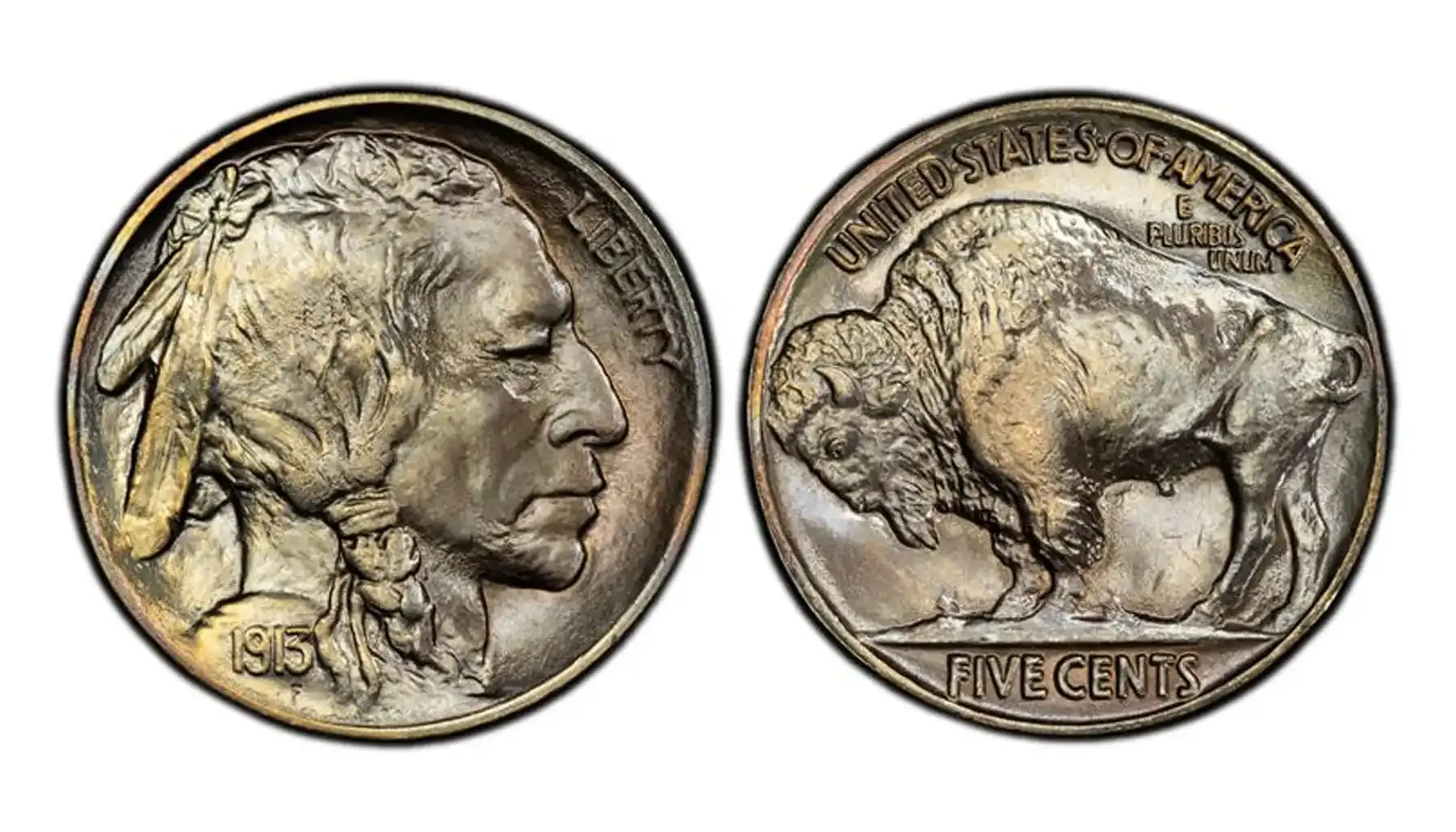
Each of the five 1913 V nickel coins has its own provenance, bought and sold across generations of collectors, featured in exhibits, and certified by expert numismatists.
Key Factors That Determine Your Nickel's Value
If you think you have a Liberty Head nickel 1913, check some options. Several elements go into determining a coin's worth, particularly when talking about the 1913 Liberty Head nickel coin.
Factor | Points | Value Impact |
Grade | Luster, Strike, Wear (P-1 to MS-70) | Exponential: G-4 vs. MS-65 |
Authenticity | Die Markers, Metal Composition | Fake = Zero |
Surface | Toning, Hairlines, Eye Appeal | Increases |
Market | Demand Trends, Economic Indicators | Fluctuating |
Condition (Grade) is King: From Good to Mint State
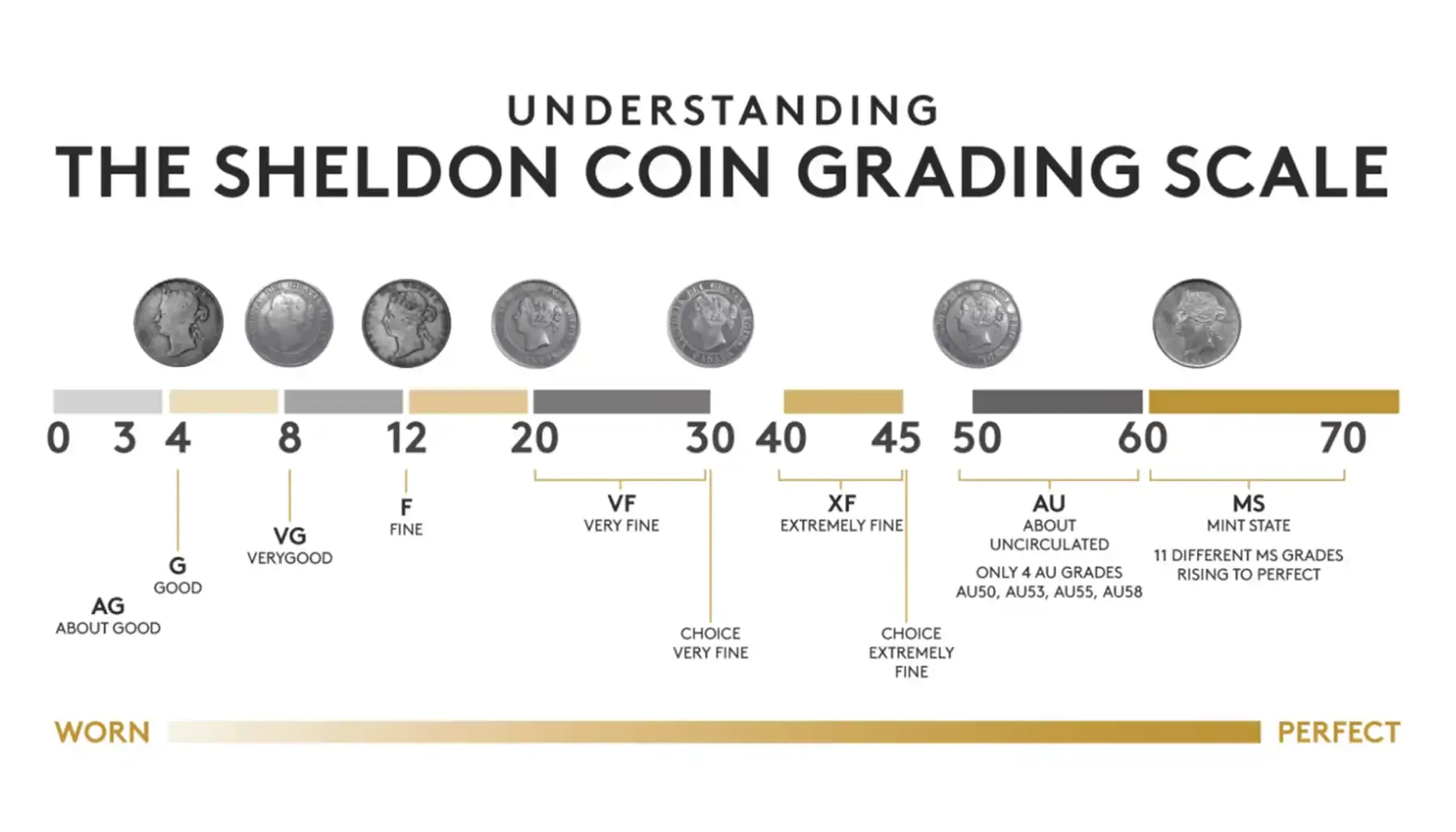
The Sheldon scale, from Poor (P-1) to Mint State (MS-70), is the industry standard. A 1913 liberty V nickel graded MS-65 can command prices in the tens of thousands of dollars.
A coin graded Good (G-4) might only be worth a few hundred. But even a small scratch can significantly impact the 1913 V nickel value.
Specific details like luster, strike, and the presence of any damage within a grade further influence pricing.
Mint Marks Matter: Philadelphia vs. Denver vs. San Francisco
While the 1913 Liberty Head nickel for sale wasn't officially produced in multiple mints, counterfeit examples exist. But as an example, it may have D, P or S mint marks.
Surface Quality: Luster, Marks, and Eye Appeal
A coin with original luster and minimal marks will appeal more to collectors and increase its value.
Even a seemingly small scratch can significantly impact the 1913 Liberty Head V nickel value.
Market Timing and Demand Cycles
The coin market is based on collector demand, economic conditions, and overall interest in numismatics.
Demand increases prices, particularly for rare coins.
Economic prosperity fuels collecting, while recessions often lead to sales.
Media coverage, prominent auctions, and new grading insights boost interest, causing price volatility for coins like the 1913 liberty nickel.
Sometimes, the market is for rare coins; other times, it cools down.
1913 Liberty Head Nickel Value Chart by Grade
Grade | Identifiers | Focus | Value |
G4-F12 | Worn details, scratches | Historical interest | Completeness |
VF20-AU58 | Sharp details, some luster | Eye appeal, strike | Detail preservation |
MS60-MS70 | Full luster, contact marks | Investment potential | Surface quality |
Legendary | Flawless, provenance | Institutional appeal | Rarity and history |
Good to Fine Grades: $50 - $500 Range
Characteristics: Heavy wear, most details worn smooth, date and legends partially visible. Expect significant scratches and possible environmental damage.
Numismatic Value: Primarily historical interest. Low-grade examples suitable for filling holes in type sets. The 1913 nickel worth millions is not one in this condition.
Very Fine to About Uncirculated: $600 - $2,500 Range
Characteristics: Moderate wear on high points, most details sharp. Some original luster may be present in protected areas.
Numismatic Value: Collectible grade. Eye appeal is crucial. The higher end demands strong strike and minimal distractions. 1913 5c Liberty Head nickel in this range shows its age but retains some appeal.
Mint State Grades: $3,000 - $20,000+ Range
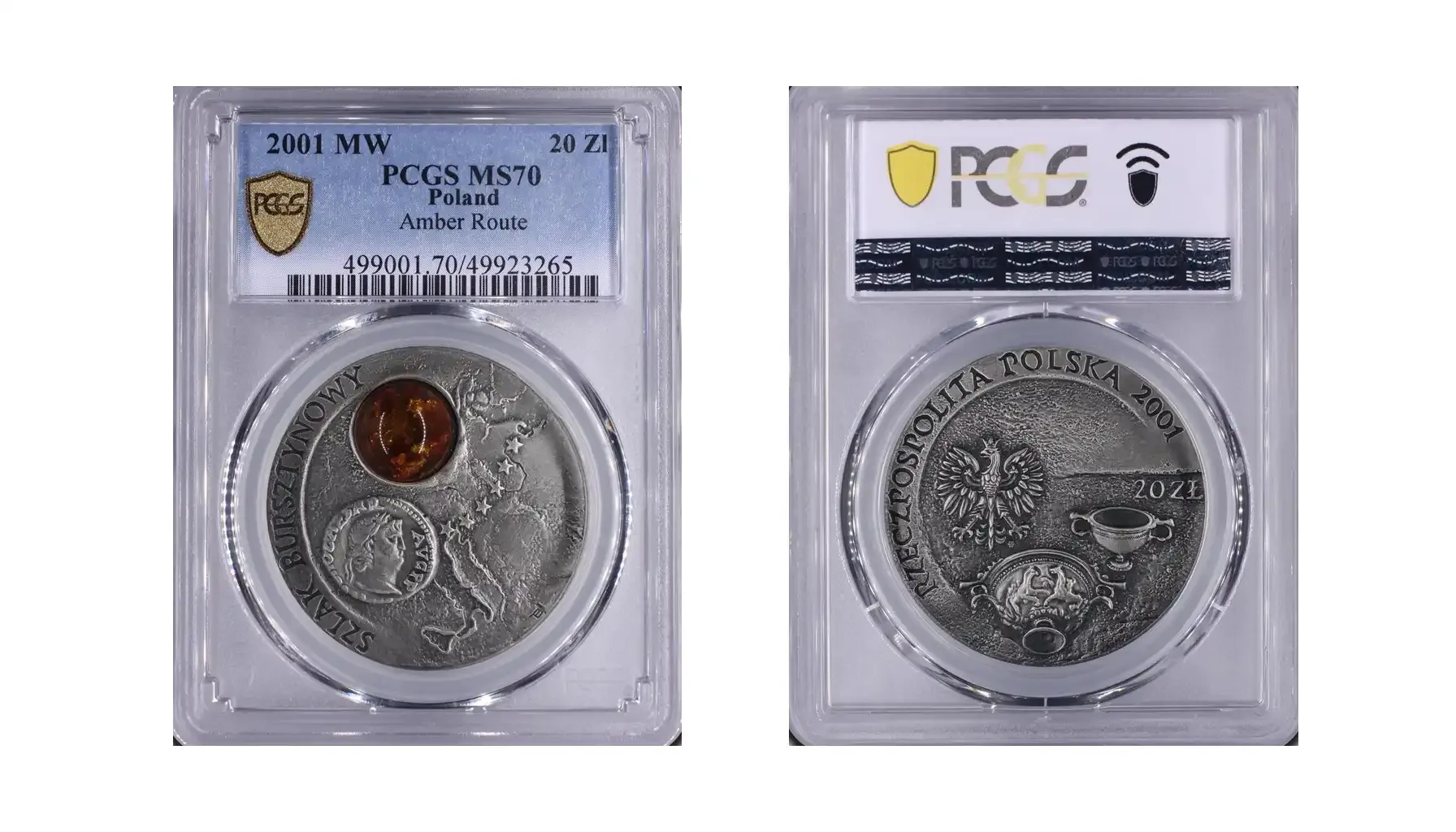
Characteristics: No wear. Full original luster. NGC verify and grade coins determined by number and severity of contact marks. MS-65 and above command premiums.
Numismatic Value: Investment-grade examples. Professionally graded 1913 nickel value is very important.
The Legendary Specimens: Million-Dollar Nickels
Characteristics: Exceptional eye appeal, virtually flawless surfaces, strong strike. Often possess significant provenance.
Numismatic Value: Museum-quality pieces. Represent the pinnacle of numismatic collecting. Purchased by ultra-high-net-worth individuals and institutions.
How to Accurately Grade Your 1913 Nickel
Option | Indicators | Tools | Common Mistakes |
Authenticity | Die markers, metal, "Feel" | Authentication guides | Ignoring obvious fakes |
Date | Legibility, style | Known authentic examples | Overlooking subtle alterations |
Wear | High point detail (Cheek, "V") | Magnification | Underestimating wear's impact |
Luster | Cartwheel effect, uniformity | Angled light source | Mistaking cleaning for luster |
Surface | Hairlines, scratches, toning uniformity | Magnification, grading guides | Overlooking minor imperfections |
Overall Grade | Conformance to standards | PCGS Photograde, NGC Grading Guide | Subjectivity and wishful thinking |
Step-by-Step Visual Inspection Guide
Check for correct die markers, metal composition, and overall "feel."
Verify the date is clearly 1913.
Examine Liberty's cheek, hair details, and the "V" on the reverse. Wear on these areas indicates a lower grade. Use magnification.
Look for original mint luster. Tilt the coin under light. Original luster will appear as a cartwheel effect. Improper cleaning removes luster.
Surface Examination: Check for hairlines, scratches, corrosion, and contact marks. Even minor imperfections reduce value. Magnification is essential.
Even toning is generally preferred over artificial brightness. Uneven or harsh toning may indicate cleaning.
Consult PCGS Photograde or NGC Grading Guide for detailed visual examples of each grade.
Document your example and take high-resolution photographs of both sides of the coin.
Common Grading Mistakes to Avoid
Be objective and compare your coin to grading guides. Many people misjudge the 1913 Liberty Head nickel value by inaccurately grading it.
When to Seek Professional Authentication (PCGS/NGC)
For a coin as valuable as a possible 1913 Liberty Head Nickel, professional grading by PCGS or NGC is important. These services provide authentication and grading, giving buyers confidence.
From Appraisal to Action: Using Coin Collection Apps
How Digital Tools Revolutionize Coin Collecting
They offer: instant pricing data access, historical background research, grade estimation, and inventory management. They reduce reliance on physical catalogs and expert consultations for basic valuations.
Features to Look for in a Coin Valuation App
High-Resolution Image Database: Facilitates accurate comparison to your coin.
Detailed Specifications: Diameter, weight, metal composition data crucial for authentication.
Real-Time Pricing Data: Up-to-date auction results and dealer listings.
User Reviews & Ratings: Gauge app reliability and accuracy.
And all of these features you can find in one app – Coin ID Scanner. So, go faster and download it.
Real-Time Market Data and Portfolio Management
Track value changes based on market fluctuations, monitor total collection value, gains/losses. Also identify and track desired coins. Usually it has integration with online marketplaces and best online coin auctions for collectors that you can trust.
FAQ: Your 1913 Liberty Head Nickel Questions Answered
How many 1913 Liberty Head Nickels were made?
Only five are known to exist. This is what drives the coin's value.
What's the most ever paid for a 1913 nickel?
Over $4 million. The exact figure varies depending on the specific specimen and the auction.
How can I tell if my 1913 nickel is authentic?
Examine the details, compare it to known authentic examples, and seek professional authentication from PCGS or NGC. There are many fakes out there.
Where is the best place to sell my 1913 nickel?
A reputable auction house specializing in rare coins or a trusted coin dealer. Avoid selling to unknown buyers online.
Which coin grading service is better, PCGS or NGC?
Both PCGS and NGC are highly respected. The choice often comes down to personal preference.
Conclusion
Now you understand why the 1913 Liberty Head Nickel appraisal is an art piece combining history, fortune, and market dynamics.
The rarity of this coin, its historical significance and fluctuations in demand in the collectibles market determine its high and volatile value.
To accurately evaluate such a valuable coin, as well as effectively manage your entire collection, it is recommended to use a specialized application for numismatists – Coin ID Scanner. This app provides access to up-to-date catalogs, historical sales data, condition assessment tools, and other useful resources.

 Facebook
  X (Twitter)
  Pinterest
  LinkedIn