Contents:
One of the most ancient and prosperous dynasties of China. Do you know its features? Or at least the Tang dynasty coin value? If not, you can use the usual Coin app value or read our guide.
Overview of Tang Dynasty Coins
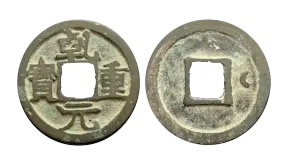
These are mainly bronze coins. They were the main currency in China for over three centuries. And the most popular among them is Kaiyuan Tongbao. In translation, it means "walking treasure of the beginning of a new era" or "walking treasure of a great era." These coins were traditional Chinese coins with a square hole in the center.
They were introduced in 621 AD by Emperor Gaozu and became the standard for coin minting not only in the Tang Dynasty itself but also continued their influence in subsequent times. They even affected the minting of Korean and Japanese coins.
History of Tang Dynasty Coinage
Until 618 AD
Before the Tang Dynasty emerged, during the period of the Southern and Northern Dynasties, the monetary system was in chaos. Many different specimens — old, new, counterfeit, poor quality, of various sizes and even weights. This greatly hindered trade and was a sign of strong economic instability.
618 AD
The Tang Dynasty took the throne, specifically Emperor Gaozu. From the very beginning, he understood that a stable currency was needed to strengthen the new empire. First of all, he began working with counterfeits and low-quality specimens.
621 AD
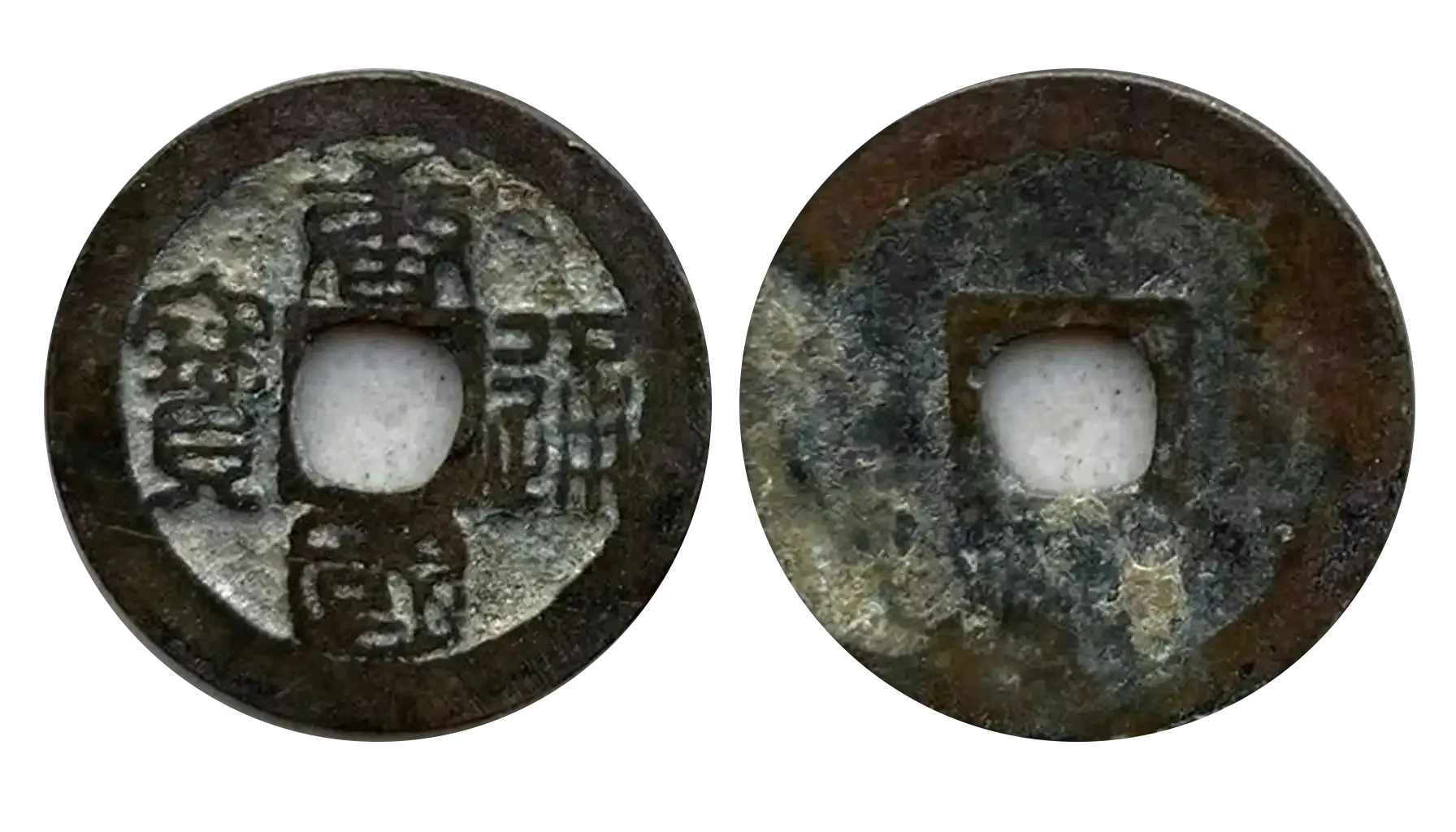
New Kaiyuan Tongbao coins were introduced. The name means "opening of an era" or "beginning of a new era." And so it proved to be: these coins became a new stage in coin minting in China. The word "tongbao" itself means "walking treasure."
The inscriptions on the specimens were executed in an elegant style. And it was this high quality of calligraphy that served as protection against counterfeits and generally demonstrated the greatness of imperial power.
Until 755 AD
Throughout most of the Tang Dynasty's reign, Kaiyuan Tongbao was the primary and stable currency. The mintages were in large quantities and only contributed to economic growth and prosperity.
755-763 AD
During this period, a major rebellion occurred, which became a turning point for the Tang Dynasty. The economy became destabilized, copper for minting became scarce, and there was an urgent need to finance military operations.
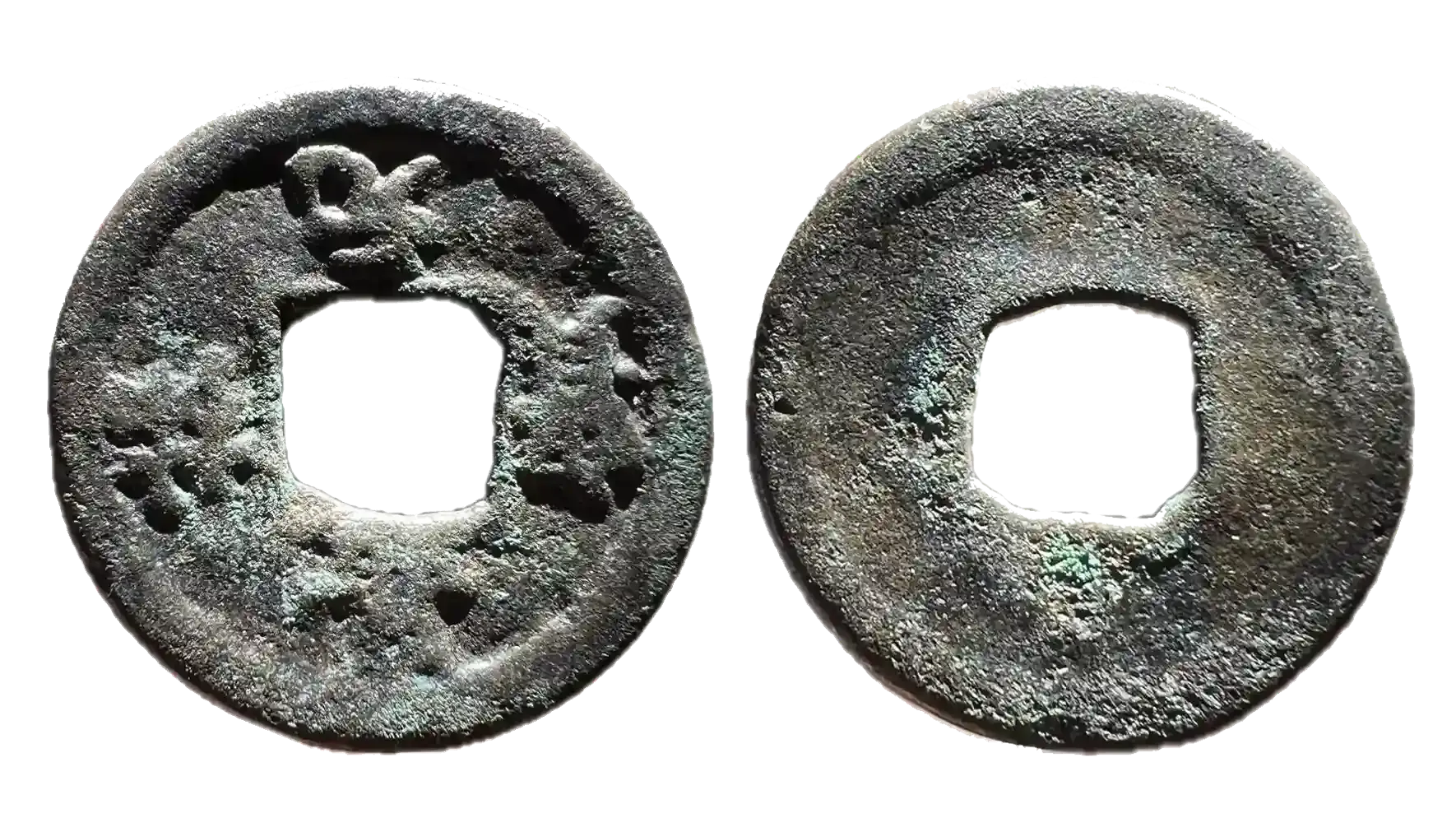
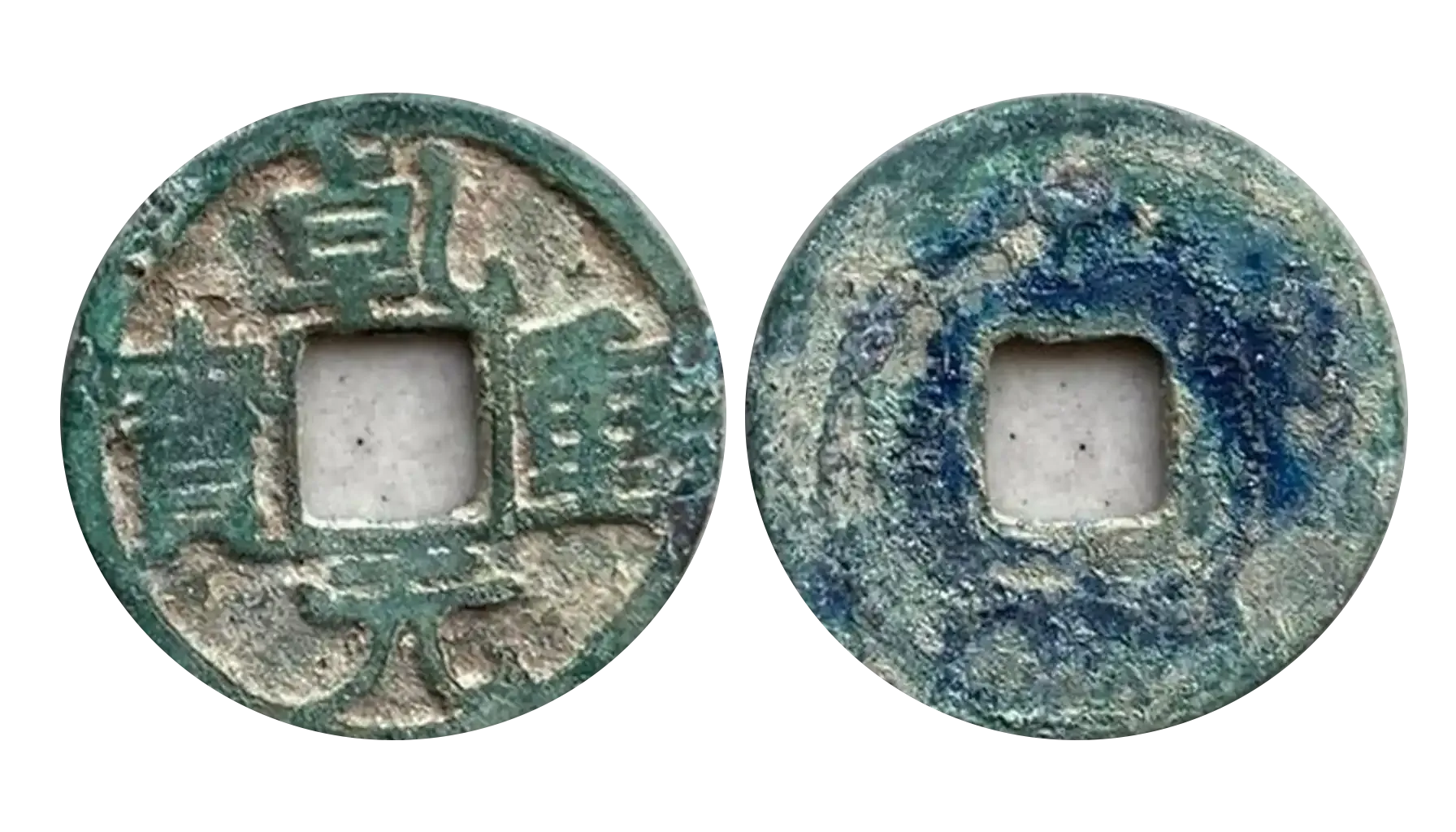
Therefore, during this period, new types of coins began to be issued. They were called Qianyuan Zhongbao. These specimens had large denominations. And this was specifically an attempt to solve the financial problems.
After the suppression of the rebellion, the empire was unable to fully recover. Kaiyuan Tongbao continued to be minted, but the quality became worse. A copper shortage also still persisted.
Despite the difficulties in the history of minting, the currency of the Tang Dynasty is still considered more stable and valuable than the coins of the Qing Dynasty.
Common Tang Dynasty Coin Types
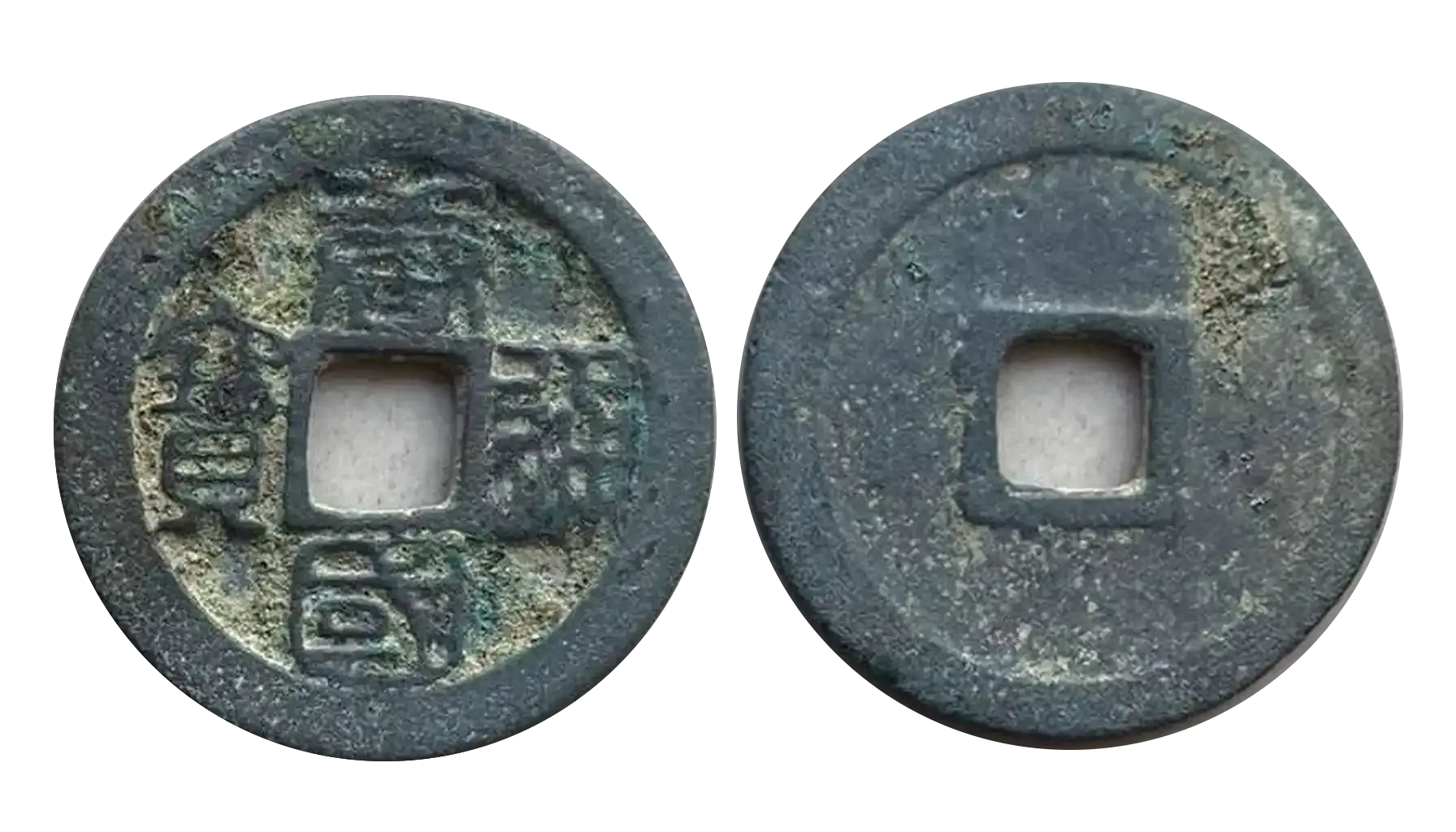
Kaiyuan Tongbao
As already mentioned, this is the most common coin that existed throughout the entire reign of the Tang Dynasty. They were minted for over 200 years, almost always made of bronze; iron, lead, silver, and gold specimens are rarely encountered.
Qianyuan Zhongbao
They were minted during the An Lushan Rebellion between 756–763 AD, during the reign of Emperor Suzong. They are known for their denomination of 10 Kaiyuan Tongbao, and the purpose of creating these specimens was to rapidly mint money to finance the war during a copper shortage.
Dayan Tongbao
These are very rare specimens, and they are truly valued by collectors. They were minted by Shi Siming, one of the leaders of the An Lushan Rebellion. At that time, he proclaimed himself emperor of the Great Yan state in 759.
Tang Dynasty Coin Inscriptions
Kaiyuan Tongbao: 開元通寶
開 (Kāi) — Top: beginning.
元 (Yuán) — Bottom: era, chief.
通 (Tōng) — Right: current.
寶 (Bǎo) — Left: value.
Qianyuan Zhongbao: 乾元重寶
乾 (Qián) — Top: Name of an era (Qianyuan, 758-760 AD).
元 (Yuán) — Bottom: Era, beginning.
重 (Zhòng) — Right: Heavy, important, valuable.
寶 (Bǎo) — Left: Treasure.
Such inscriptions on coins are read top to bottom, right to left. These characters are executed in a style attributed to the famous calligrapher Ouyang Xun. He lived during the early period of the Tang Dynasty's reign. His style is distinguished by grace, elegance, and rigor.

 Facebook
  X (Twitter)
  Pinterest
  LinkedIn