Contents:
Everyone knows about the grandeur of the history of the Celestial Empire, and dynasties glorified China throughout the centuries. The Qing Dynasty is one of the most unique among them, as it became the country's last imperial dynasty.
Therefore, the Qing dynasty coins value is quite high, as these very specimens witnessed such a significant history. Many numismatists constantly use the AI con identifier in the hope of finding at least one specimen from that era.
Overview of Qing Dynasty Coins
The Qing Dynasty, also known as the Great Qing, ruled in China from 1644 to 1912. It is the country's last imperial dynasty, and what better than coins to reflect all these historical changes? First of all, there are two main types.
Traditional
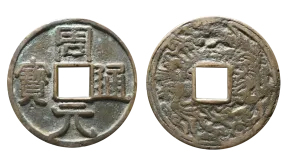
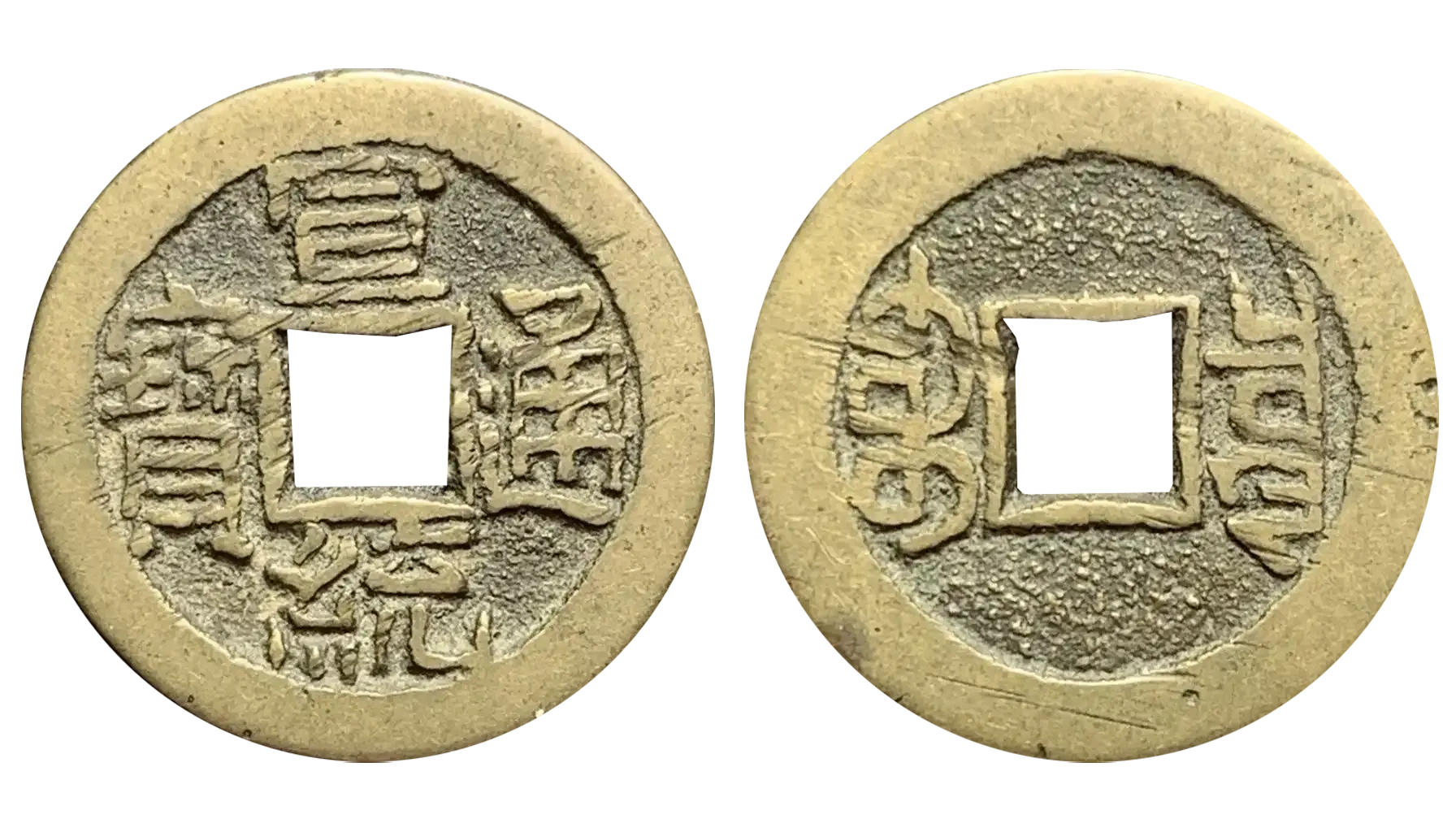
Traditional ones are round Chinese coins with a square hole. This was the main type that circulated for most of the dynasty. They were minted from copper or bronze, and their denominations were one wen. On the obverse, the emperor's reign title was inscribed, and on the reverse, the mint mark.
Modern
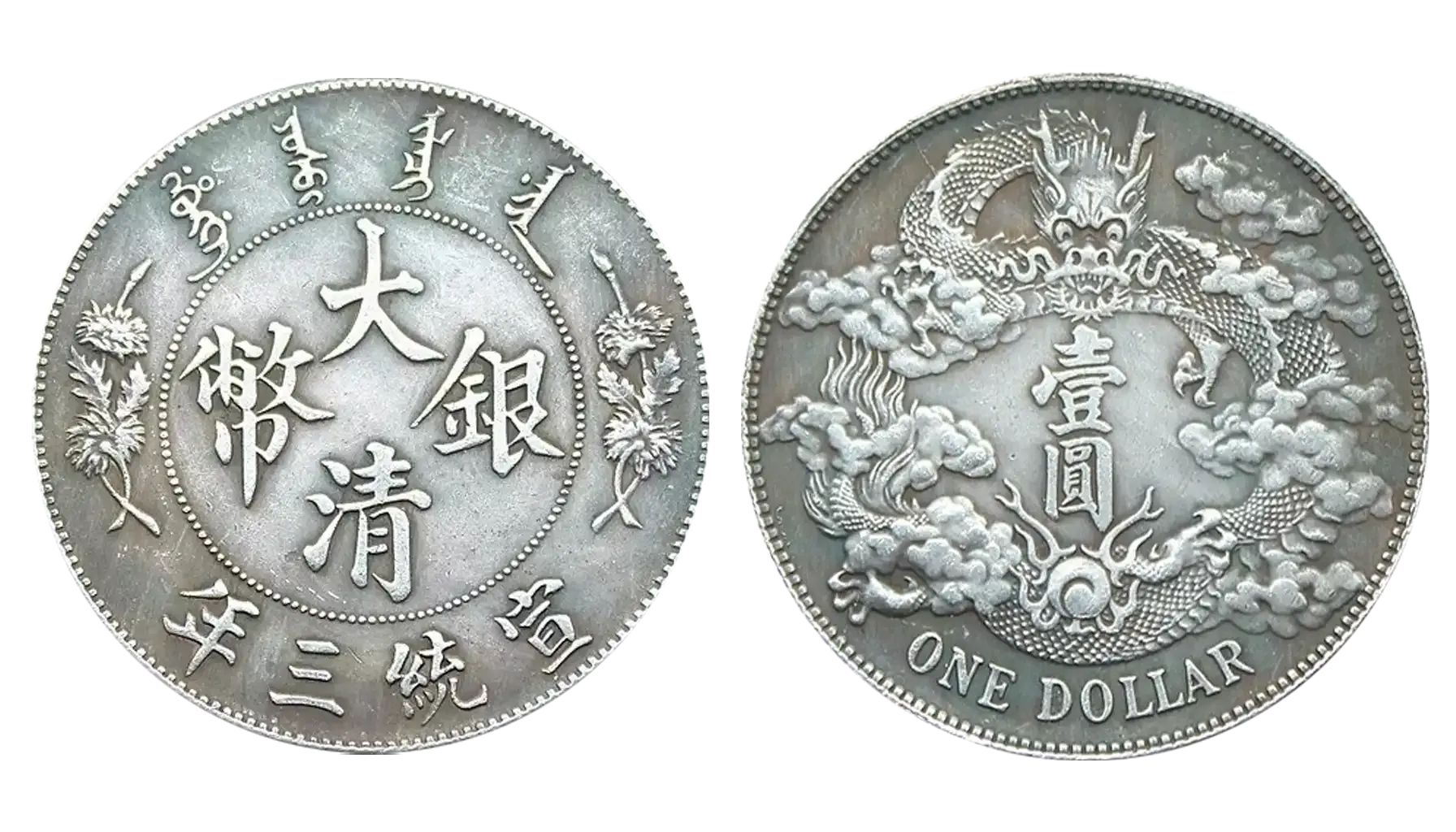
These specimens appeared at the end of the 19th century under the influence of Western technologies. They were machine-minted and consisted of silver yuan, as well as copper cents. Some of the most famous among them are the Dragon Dollars, whose design featured a dragon, which is a symbol of imperial power.
By following this change in specimens, one can accurately speak about the Qing dynasty coin value. This is precisely where the value of these specimens lies. Along with changes in coinage and the monetary system, the entire country also changed.
Languages
Interestingly, the rare Qing dynasty coins featured not only the Chinese language but also Manchu symbols, which indicated the mint.
History of Qing Dynasty Coinage
1644 – 1796
The first emperor of the Qing Dynasty was named Shunzhi. His specimens were very diverse in mint designs. The reverse featured Chinese or Manchu symbols, or variations thereof. During that period, the dynasty was just consolidating its power, and coinage was stable.
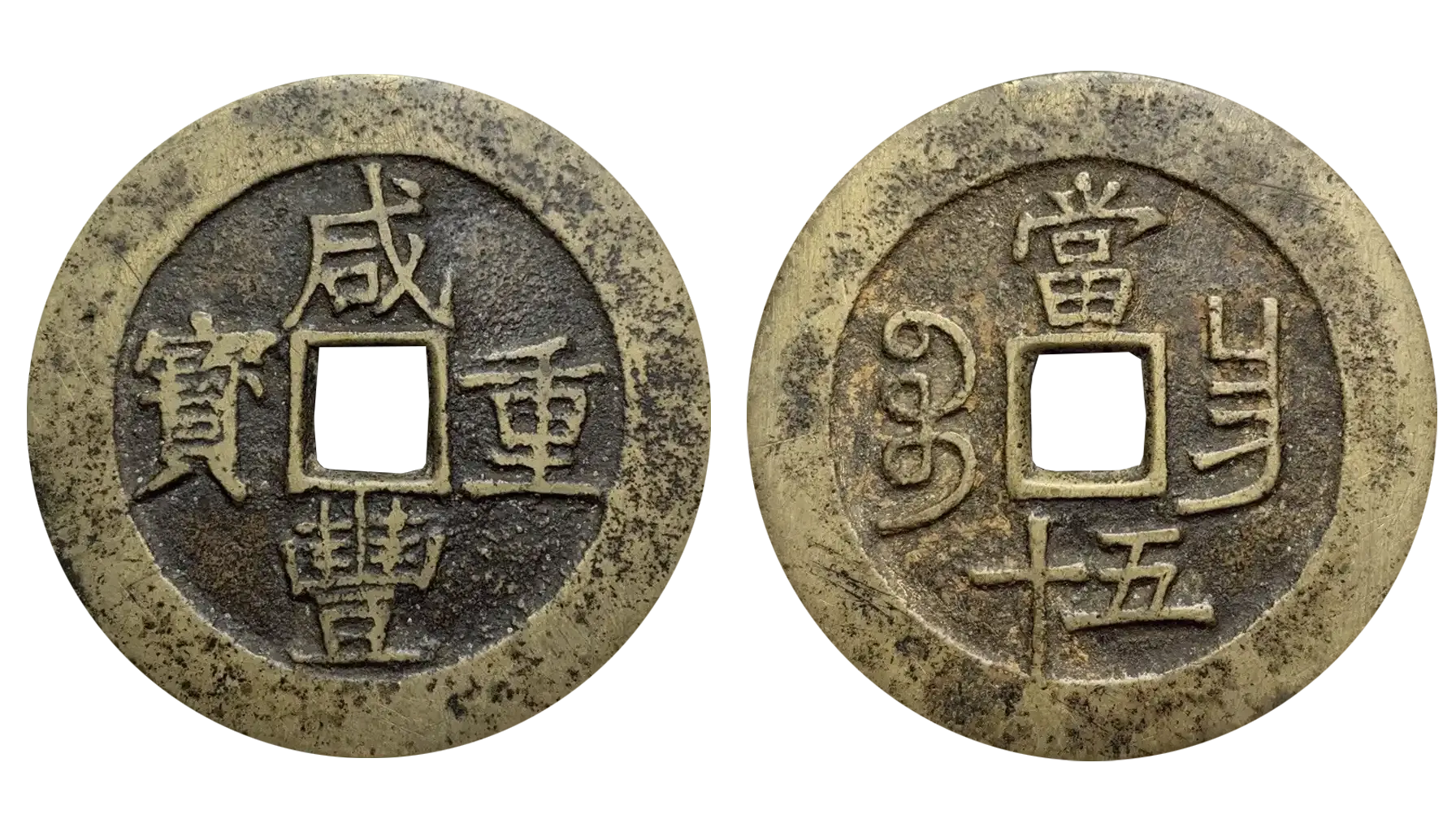
The second emperor was Kangxi. He is one of the most famous among the dynasties' rulers. His specimens were minted at 22 mints, each of which had its own Manchu characters on the reverse. These specimens are among the most common and well-known.
Other emperors of this period also mass-minted their specimens, but they were not as distinguished or popular. Overall, coins were minted from copper with a square hole. There was mass coinage and relatively stable quality.
1796 – 1908
Dianan Ting and Dao Kuang were two rulers who continued minting traditional specimens. However, as the dynasty began to face internal problems and foreign intervention, coinage started to deteriorate.
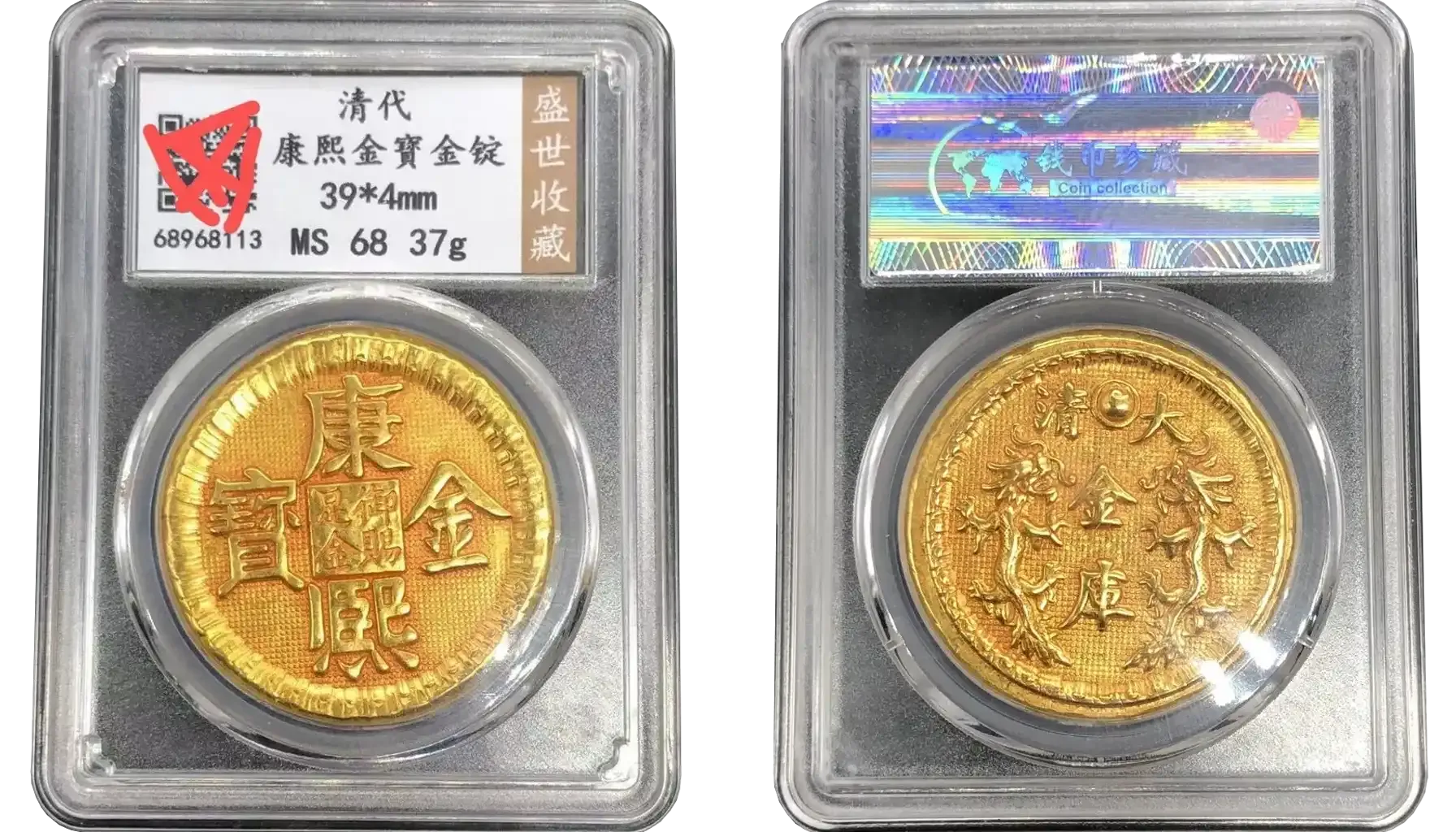
A deep crisis emerged during the reign of Xianfeng, when the Taiping Rebellion occurred. To finance the army, Xianfeng initiated mass coinage with various denominations that exceeded their intrinsic value. This led to the appearance of a great variety of coins, both large and small. Some were made of copper, others of iron.
Adulteration with lead or a reduction in copper content also sometimes occurred. Silver and gold specimens were also minted in large quantities for the first time, although they remained rare. However, compared to today, Chinese Gold Panda Coins are not as rare as those specimens.
After the crisis, Tongzhi and Guangxu, two rulers, restored more traditional specimens, but this still did not help the economy. The situation remained tense, and foreign coins came into use, being widely circulated throughout the country.
1890 – 1911
In the late 19th century, in an attempt to salvage the situation and remove foreign specimens from the market, the Chinese government began minting silver and copper coins using Western technologies.
The most famous specimens of that time, which became denominated as one yuan, were called Dragon Dollars. They had a round shape, a relief image of a dragon on one side, and inscriptions in Chinese and English. Of course, these specimens were not as similar as, for example, modern Chinese New Year and Lunar Coins, but there was still a kind of resemblance to modernity.
Qing Dynasty Coin Identification
Shape and Material
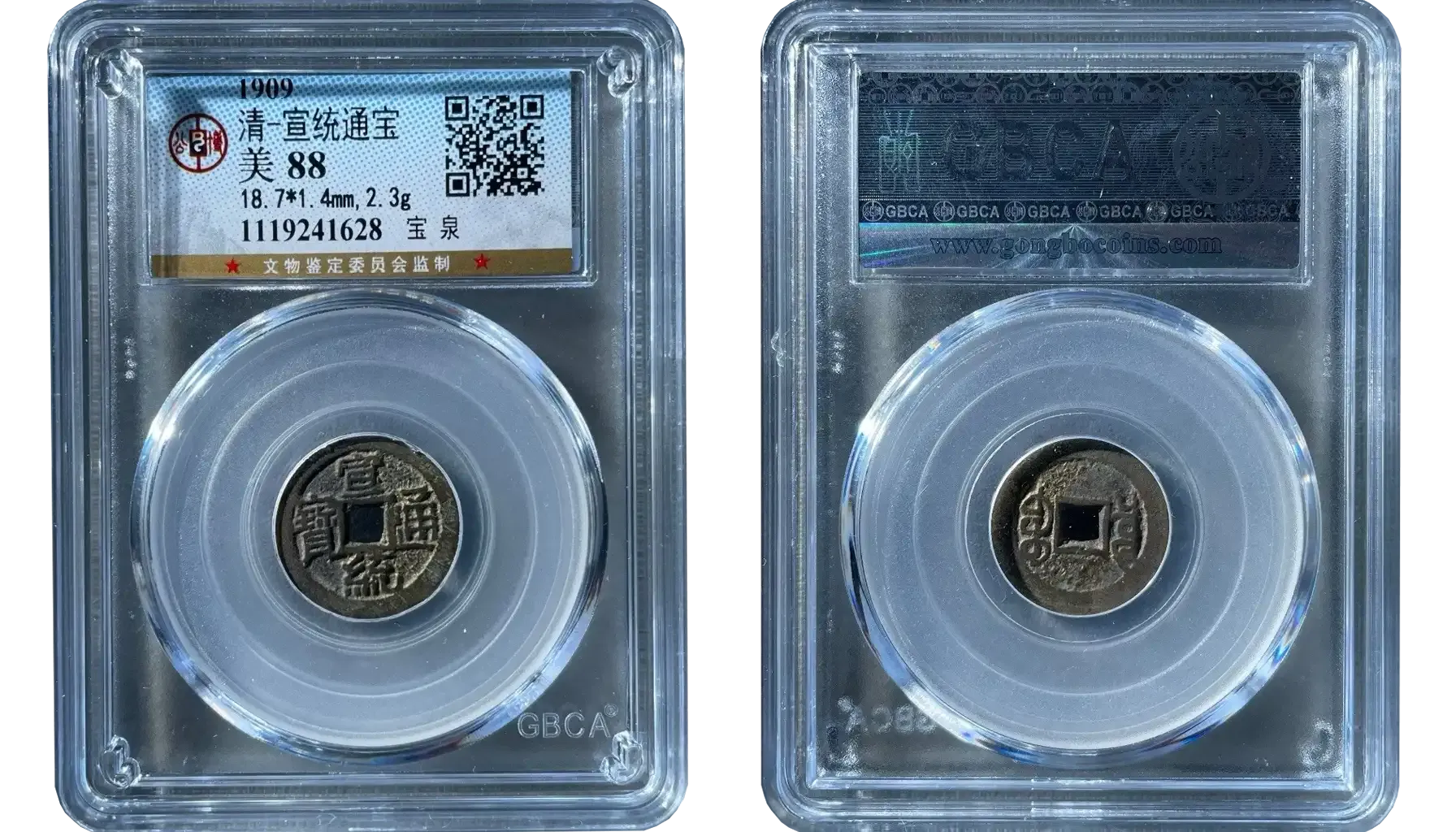
This can be round with a square hole, or round without a hole. If you see the first option, it is most likely an older specimen and from traditional minting. If it's without a hole, then these are late silver dollars or copper cents.
As for the material, for common, older specimens, it will be copper, bronze, brass, and for more modern ones, it will be silver. Iron and gold are found least often.
Inscriptions
They are actually one of the main ways to identify a coin and understand how much is a Qing dynasty coin worth, at least approximately. The ruler's name is indicated on each specimen, of course, in hieroglyphs. But in general, any photo translator can determine what is written, what the name is.
As for Dragon Dollars, there will be more information here. Not only the ruler's name, but also the name of the province where the specimen was minted. There is also an English duplicate of the inscriptions, so identifying a Dragon Dollar is the easiest.
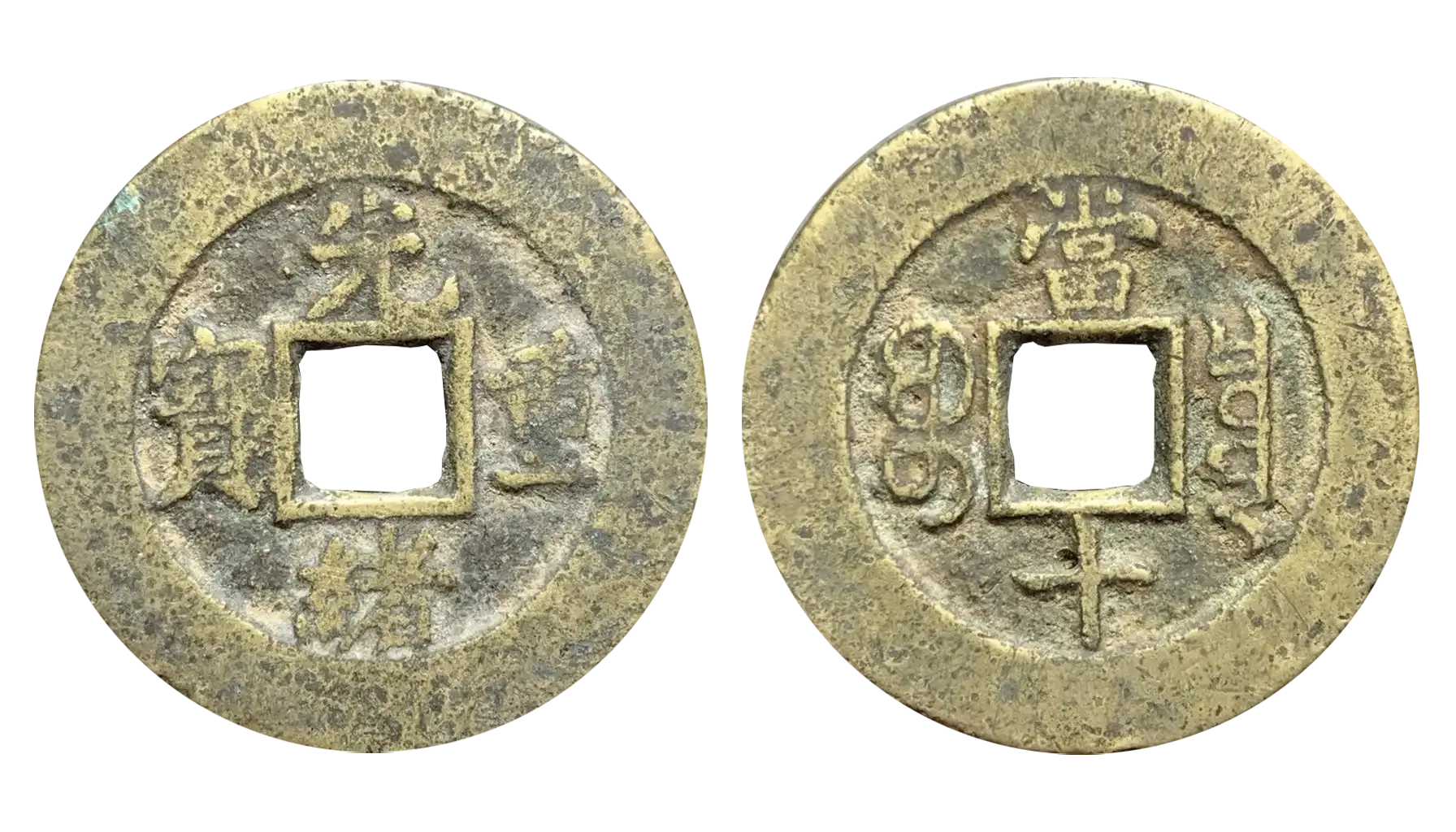
Common Qing Dynasty Coins
Kangxi
As we have already mentioned, some of the most common specimens are those minted during the reign of Emperor Kangxi. These are the years 1662-1722. They are so common because they were minted in large quantities and at 22 mints. The reverse depicts Manchu symbols that indicate the mint.
Qianlong Tongbao
This was slightly after Kangxi, in the period from 1736 to 1795. These specimens were made of copper and were dedicated to Emperor Qianlong. The mintages here were also quite large, and the designs and mint marks corresponded to the Kangxi specimens.
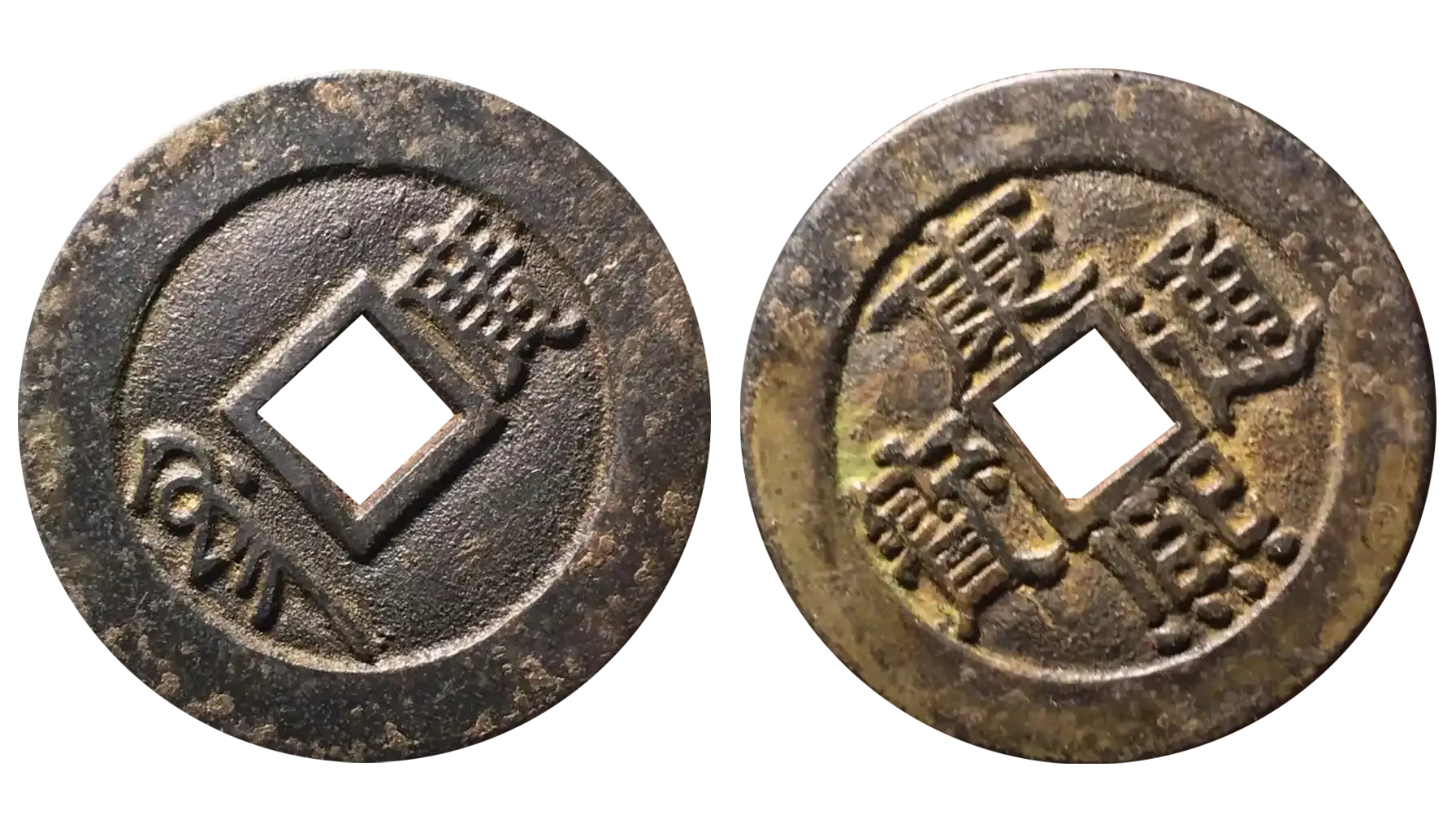
Jiaqing and Daoguang Tongbao
These are two emperors who ruled consecutively. In total, this reign lasted from 1796 to 1850. These specimens were also minted from copper, were dedicated to their emperors, and are quite common.

 Facebook
  X (Twitter)
  Pinterest
  LinkedIn