Contents:
Travelers frequently return home with Japanese yen, only to forget about it later. A foreign coin identifier works well for metal specimens, yet understanding banknotes involves portraits, dates, and security features that differ.
Banknotes of the Japanese Yen
Modern Japanese banknotes are issued by the Bank of Japan. The yen has used paper currency since the 19th century, but the most encountered modern issues date from the late 20th century onward.
Japan uses conservative design updates and strong anti-counterfeiting standards. Major redesigns occurred in 1984, 2004, and most recently in 2024.
Current Japanese Yen Banknotes Denominations
Nowadays, Japan circulates:
¥1,000
¥5,000
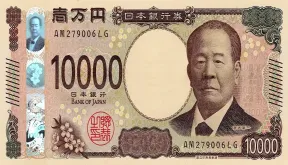
¥10,000
Older series remain legal tender but are gradually replaced by the new designs.
The 2024 Japan yen banknotes feature:
¥1,000 – portrait of Kitasato Shibasaburō
¥5,000 – portrait of Tsuda Umeko
¥10,000 – portrait of Shibusawa Eiichi
All notes are printed by the National Printing Bureau of Japan.
Design Features of Yen Banknotes
Japanese banknotes are made with technical precision and security features. Common elements are:
Detailed engraved portraits
Holographic stripes (introduced in 2024 series)
Microprinting and latent images
Watermarks
Raised intaglio printing for tactile identification
Color-shifting ink
Designs often show historical figures and cultural or architectural imagery, e.g., Mount Fuji or Tokyo landmarks.
Japan’s anti-counterfeiting technology is considered among the most advanced globally.
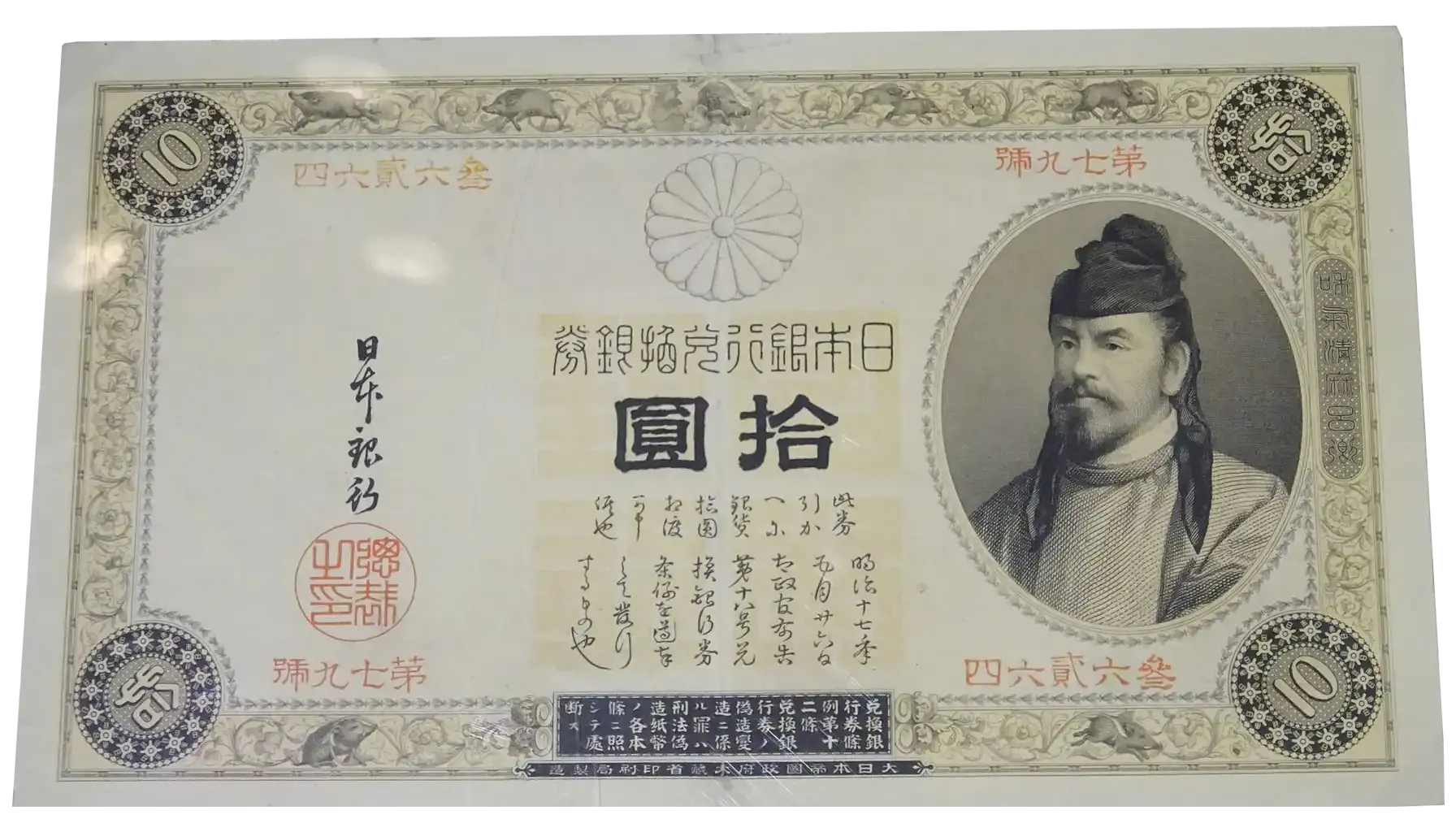
Differences between Yen Coins and Banknotes
Japanese Yen Banknotes and Coins Denominations in Use
Japanese metal money pieces cover lower values: ¥1, ¥5, ¥10, ¥50, ¥100, and ¥500. These are used constantly in daily transactions.
Banknotes begin at ¥1,000 and continue with ¥5,000 and ¥10,000. A ¥2,000 note was introduced in 2000, but it rarely appears in circulation.
Materials and Construction
Coins are struck in aluminum, brass, or cupronickel and are designed to withstand long circulation. Banknotes are printed on durable cotton-based paper. They wear out faster and are periodically redesigned or replaced.
Designs
Metal money designs use clear numerals and national symbols, often plants such as cherry blossoms or rice. The ¥5 and ¥50 coins include a central hole. Because of this, they are easy to recognize by touch.
“When identifying Japanese coins, foreign learners can start by checking whether the coin has a hole in the center—only the 5 yen and 50 yen coins do. It’s also helpful to look at the color and size of the coin. The 5 yen coin is the only one that doesn’t have Arabic numerals, which can also be a useful clue.”
— Tajima Koji, Japanese language teacher
TCJ
Banknotes feature engraved portraits of historical figures on the front and detailed cultural or architectural scenes on the reverse.
Security Features
Japanese yen coins and banknotes denominations differ also by their protection means. Security is more advanced on banknotes. They include watermarks, holographic elements, microprinting, and raised intaglio printing. Coins rely on size, weight, edge patterns, and metal composition for authenticity.
Are Japanese Yen Banknotes Collectible?
Collectibility depends on:
Obsolete series
Low serial numbers
Replacement notes
Uncirculated condition of Japanese yen banknotes coins
Modern circulating notes usually trade close to face value unless preserved in pristine condition. Older pre-war and early post-war issues can command stronger premiums among world paper money collectors.
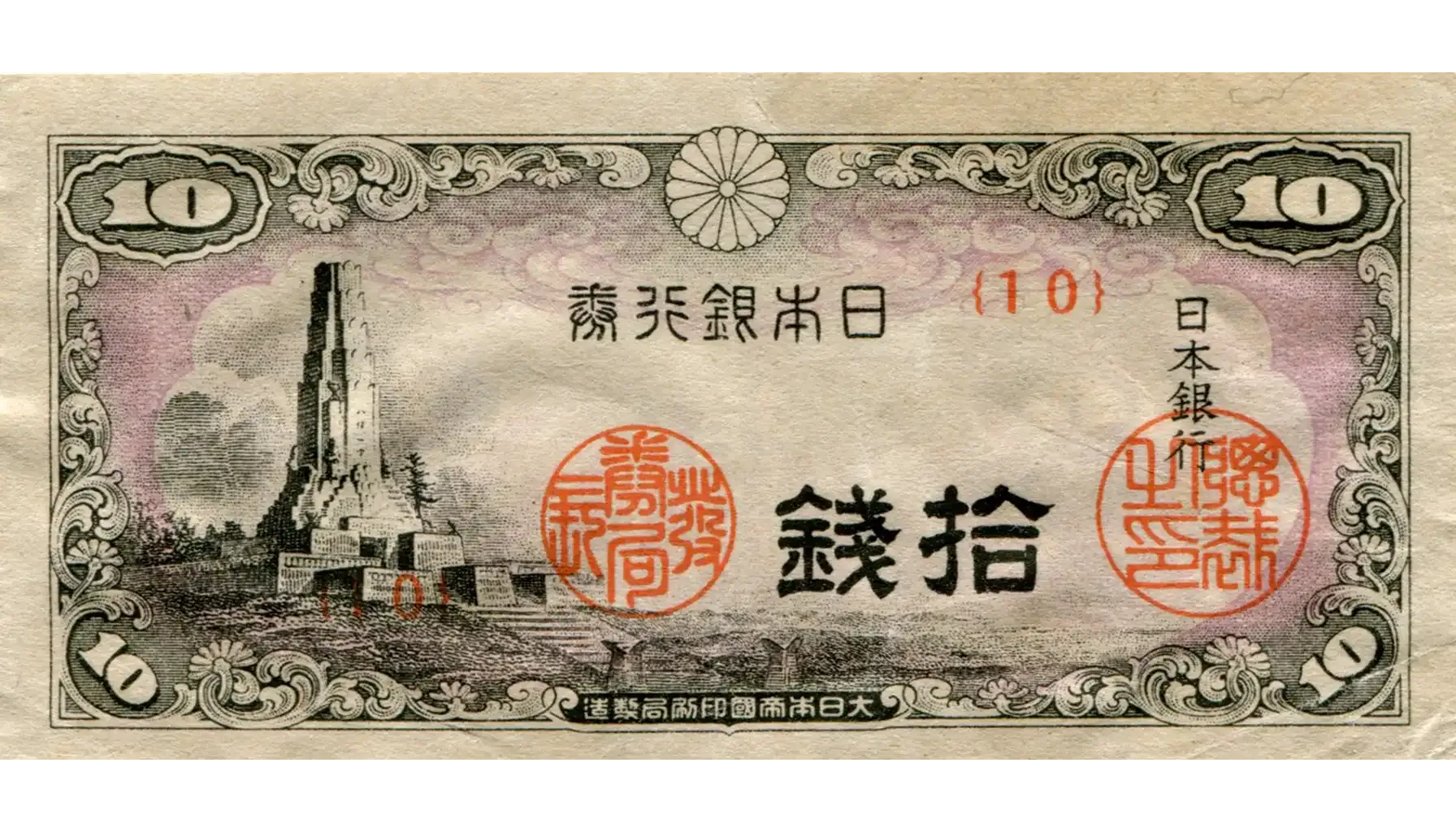
Which Series Are Most Collected?
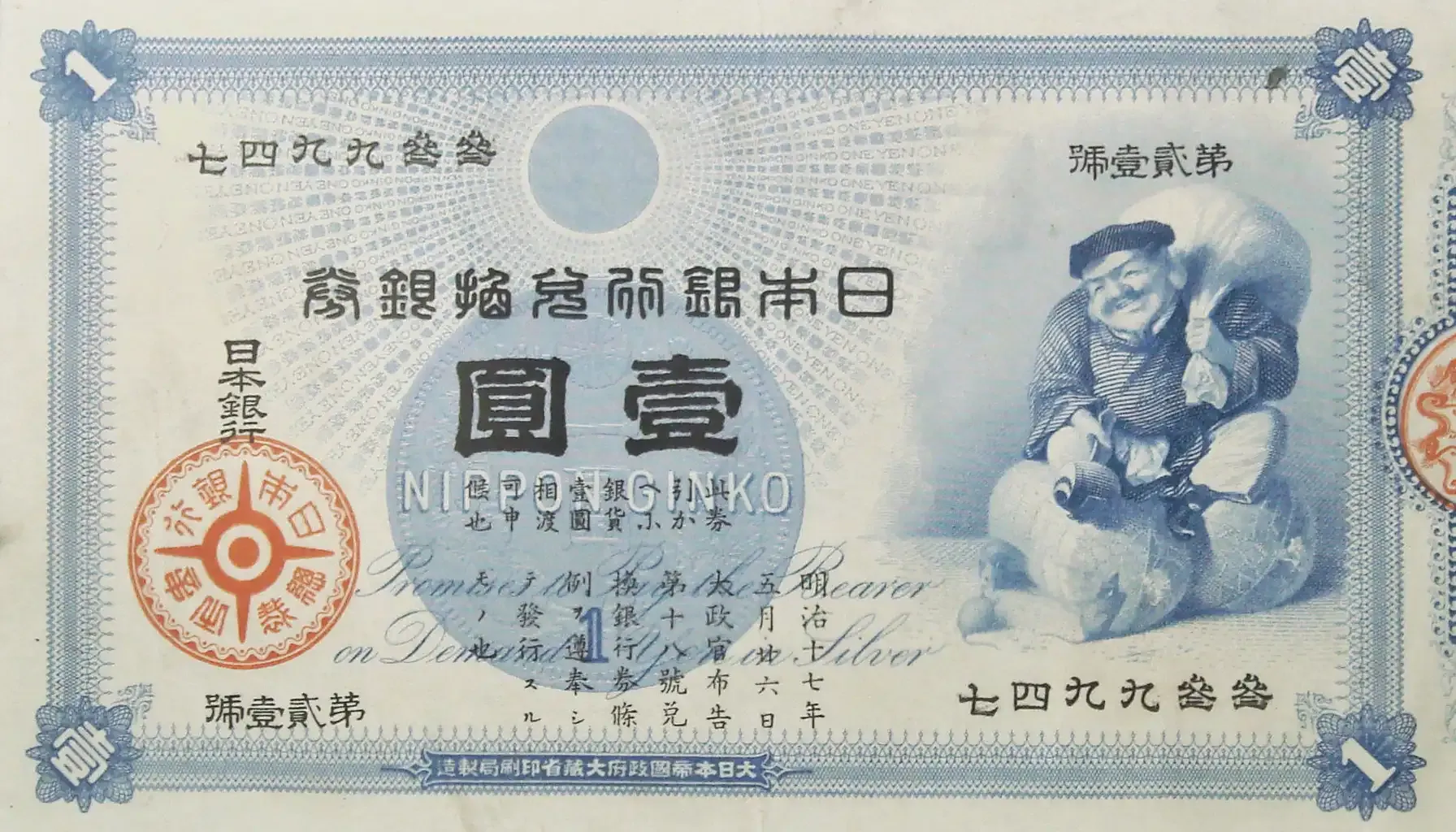
Collectors usually prefer older notes. Pre-war issues from the Meiji, Taishō, and early Shōwa periods are sought because fewer high-grade examples survive. Many were heavily circulated or withdrawn.
Post-war occupation notes from the late 1940s are also collected for historical reasons.
Among modern issues, the ¥2,000 note from 2000 gets attention. It was printed in smaller numbers and rarely circulates. Crisp examples are easier to sell than standard current notes. Regular ¥1,000, ¥5,000, and ¥10,000 notes are only collectible in uncirculated condition or with unusual serial numbers.
What About Error Notes?
True Japanese banknote errors are not common. Printing standards are tight.
When errors appear—misaligned serial numbers, cutting mistakes, missing ink, or shifted design elements—they can cost more. Minor flaws usually add little value. Clear production errors, especially on older notes, can bring strong prices if authenticated.
Are Japanese Banknotes Popular Internationally?
Pre-war and occupation notes appear regularly in international auctions.
Modern circulating notes are also available, so overseas buyers choose high grades, scarce series, or unusual features. Ordinary used notes generally trade close to face value outside Japan as well.

 Facebook
  X (Twitter)
  Pinterest
  LinkedIn