Contents:
Did you know what coins that are magnetic? You'd be surprised, but knowing this, you can identify a coin without using a coin identifier free tool. Yes, just by magnetism, you can tell what kind of specimen it is.
Why Some Coins Are Magnetic
We've long been accustomed to magnets. They're everywhere around us, on refrigerators. Some chargers or AirPods cases are magnetic.
But do you know what it fundamentally is? First and foremost, it's related to the chemical composition of the metals from which coins are made.
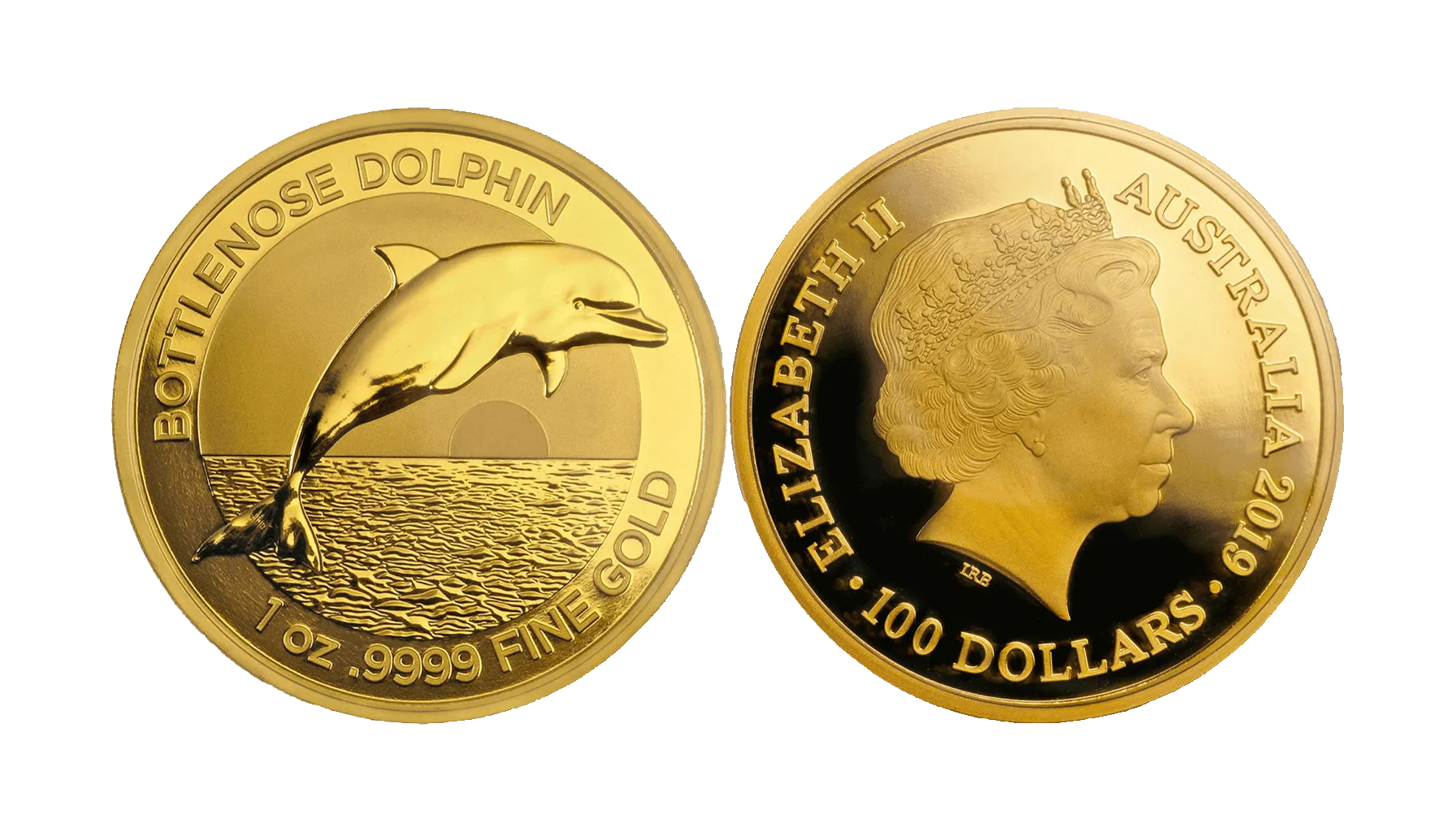
And if you ask, are all coins magnetic?, the answer will be "no", because not all metals are magnetic. And for example, how you can use a magnet to test the purity of gold.
Ferromagnetic
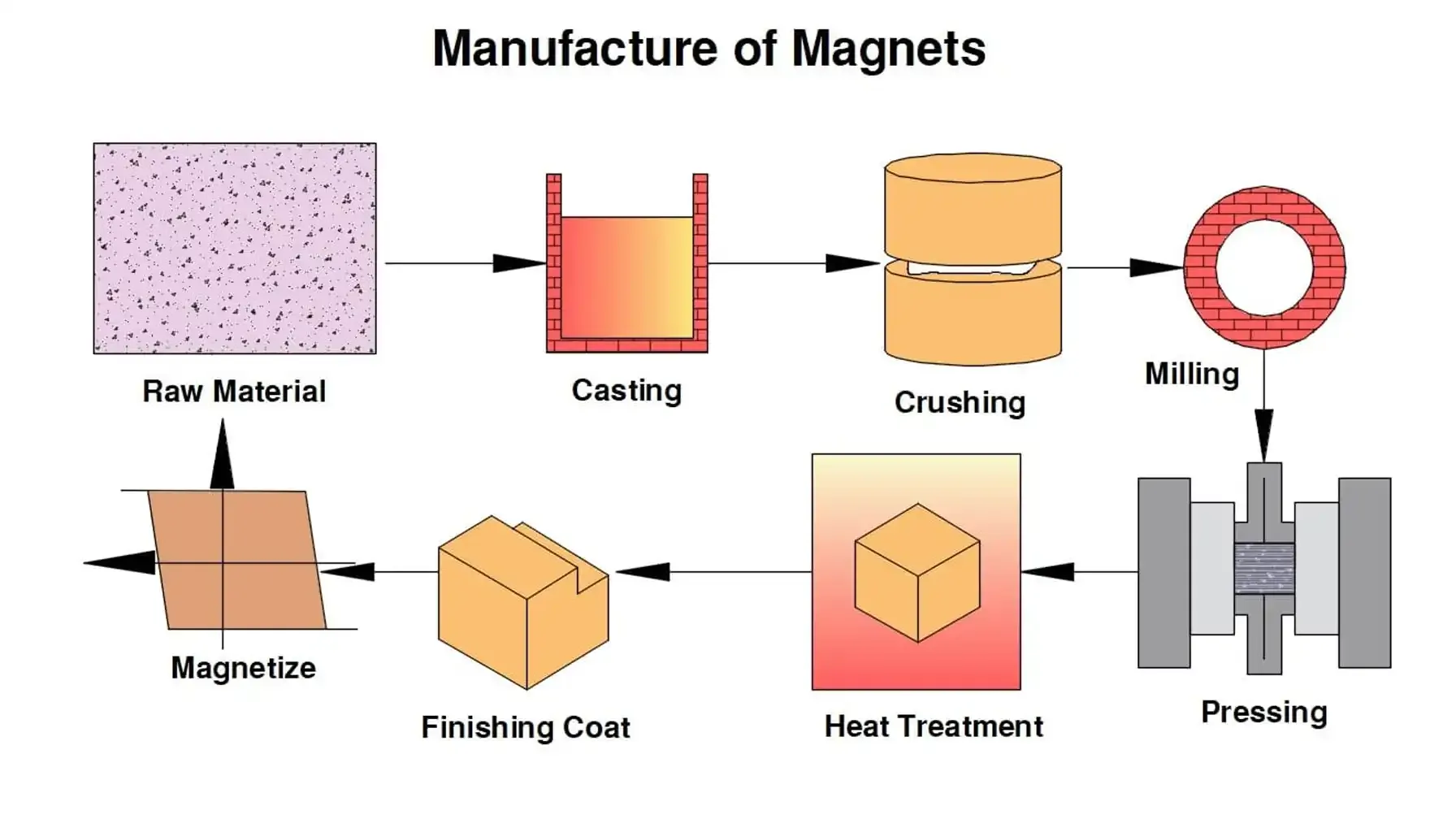
These are materials that are strongly attracted and can become magnetized themselves. They include iron, nickel, cobalt, and their alloys. That means the most valuable Jefferson Nickel coins will be magnetic. This is regarding the question of what US coins are magnetic.
Paramagnetic
These materials are not as strongly attracted, but they also don't entirely resist attraction. For example, these include aluminum, platinum, magnesium, and some copper-nickel alloys. Copper-nickel alloys, for instance, may exhibit very weak magnetic properties and, in practice, are rather considered non-magnetic. An example of such a coin would be the 1974 Aluminum Penny.
Diamagnetic
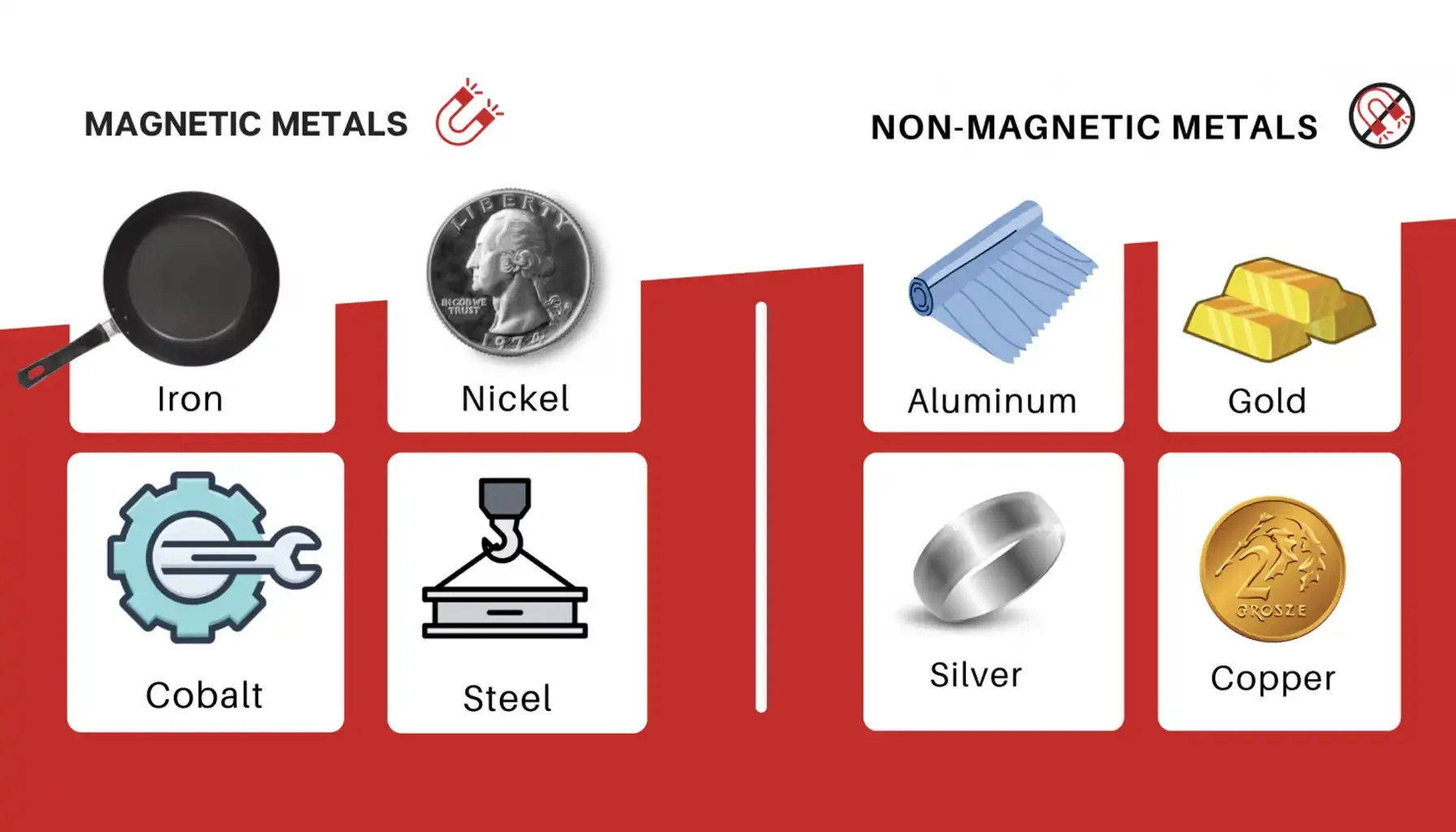
These materials are either very weakly attracted or not attracted at all. Why are coins not magnetic? They include copper, silver, gold, zinc, bismuth, carbon, and water. Most old and precious specimens are made precisely from such metals.
That is, to summarize, specimens become magnetic if their main composition or inner core, for example, bimetallism or clad specimens.
They include a large amount of iron, nickel, or cobalt. Currently, steel coated with copper, nickel, or zinc is used for minting to make production cheaper. And it is precisely such specimens that will be magnetic.
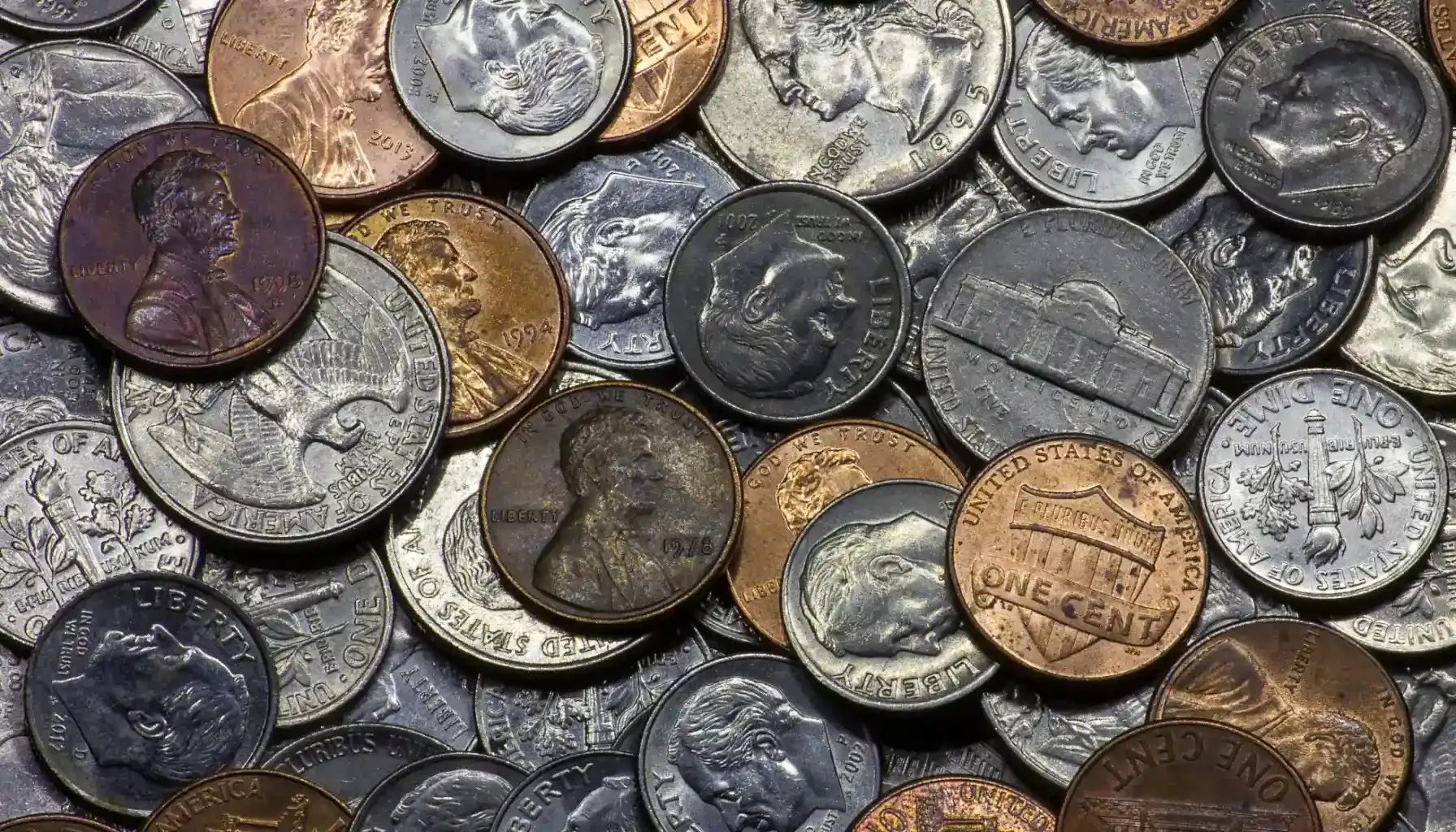
Are US Coins Magnetic
What coins are magnetic? Most likely, the answer here will not be American. Following US history, non-magnetic metals were generally preferred for minting. However, there is one exception.
1943 Steel Cents
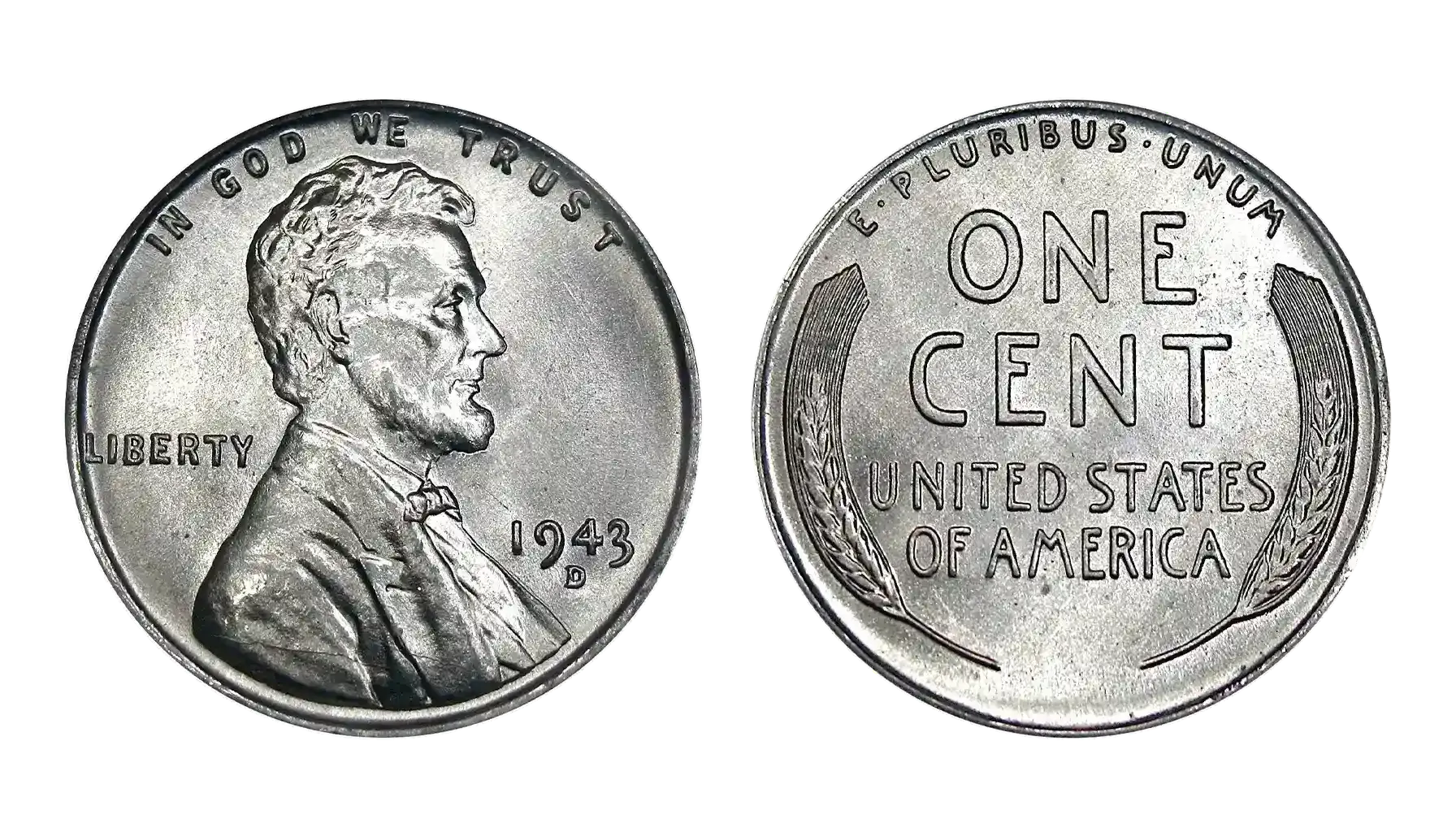
If you're askin, are American coins magnetic? This specimen will help answer that question.
It is the most famous coin regarding this issue. During World War II, copper was very important; it was used to make two-cent pieces, and to save this metal, the mint struck specimens from steel with a thin zinc coating.
And, as we've already established, this metal is easily attracted. These specimens are also easy to distinguish by color. They are lighter than the standard copper-red ones.
Also, this is where the question arises. Are magnetic coins valuable? In this case, 100%. This is a very rare specimen that is in demand and has historical value.
Which US Coins are Magnetic Today?
Penny | 1 cent | Zinc core with copper plating | Non-magnetic |
Nickel | 5 cents | 75% copper and 25% nickel | |
Dimes | 10 cents | Clad – copper-nickel coating | |
Quarters | 25 cents | ||
Half-dollars | 50 cents | ||
Dollars | 1 dollar |
Are any US coins magnetic? No, modern specimens will be non-magnetic, so in this case, it is better to pay attention to older specimens.
Which Coins Are Magnetic
Are any coins magnetic in the world? Absolutely. Magnetic specimens outside the USA are much more common. Many countries have switched to using steel cores for their coins precisely for economic reasons and to increase the durability of the coins, as well as to protect them from counterfeiting.
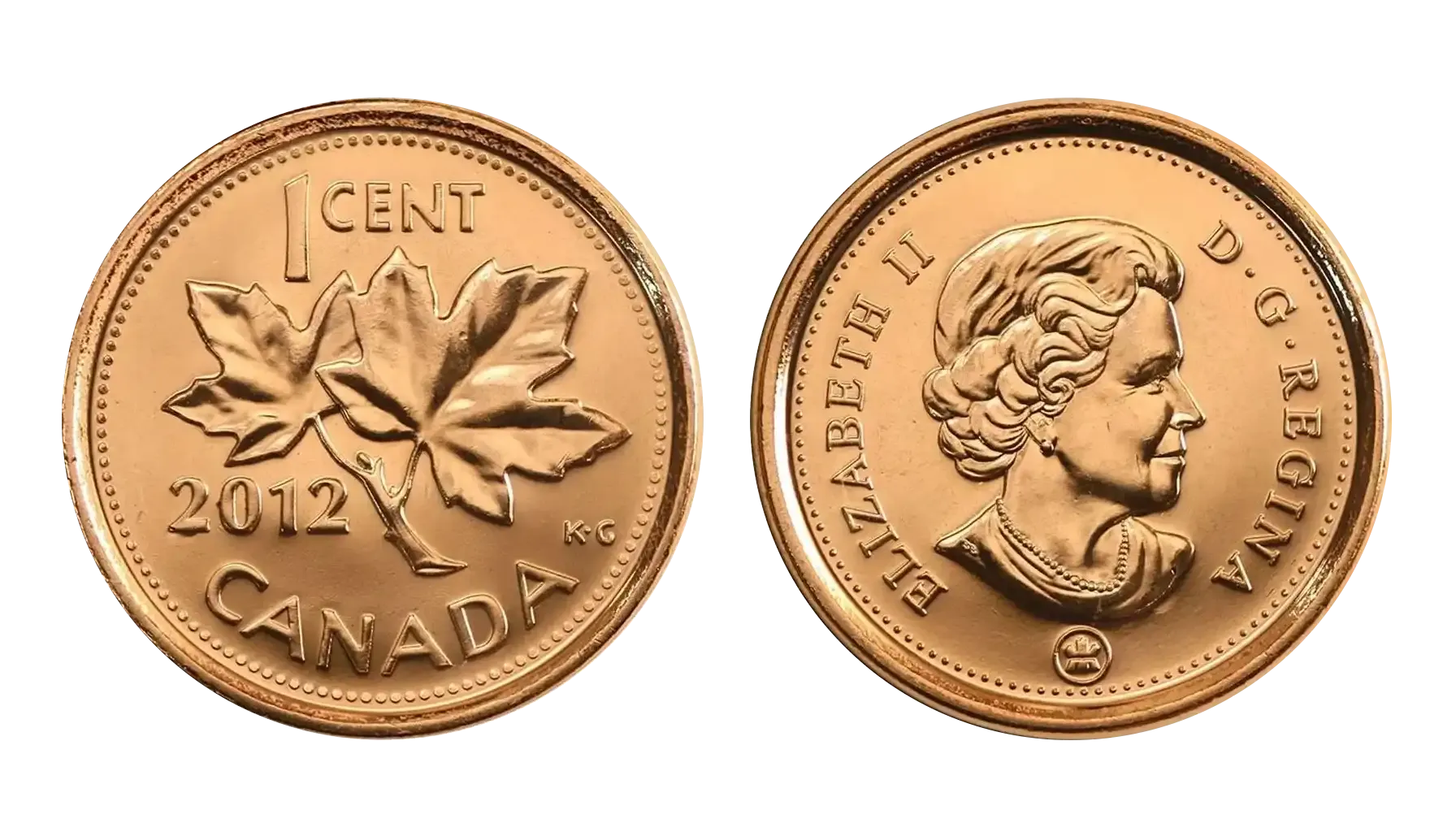
Canada
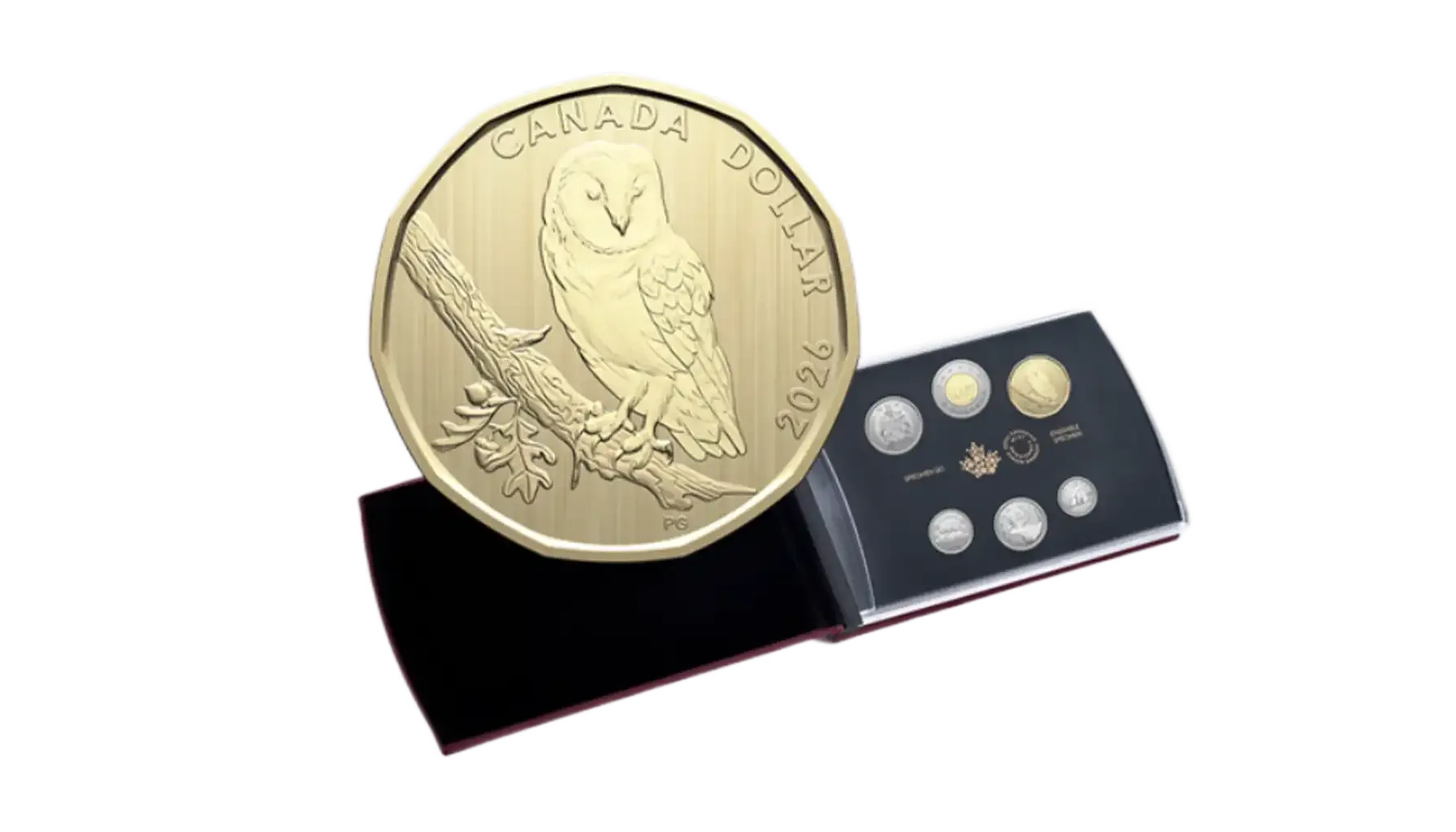
Canadian coins such as pennies, dimes, and quarters have been minted according to this plan since the late 1990s. They have steel blanks coated with copper, nickel, or multi-ply metals. Thus, most of their coins are indeed magnetic.
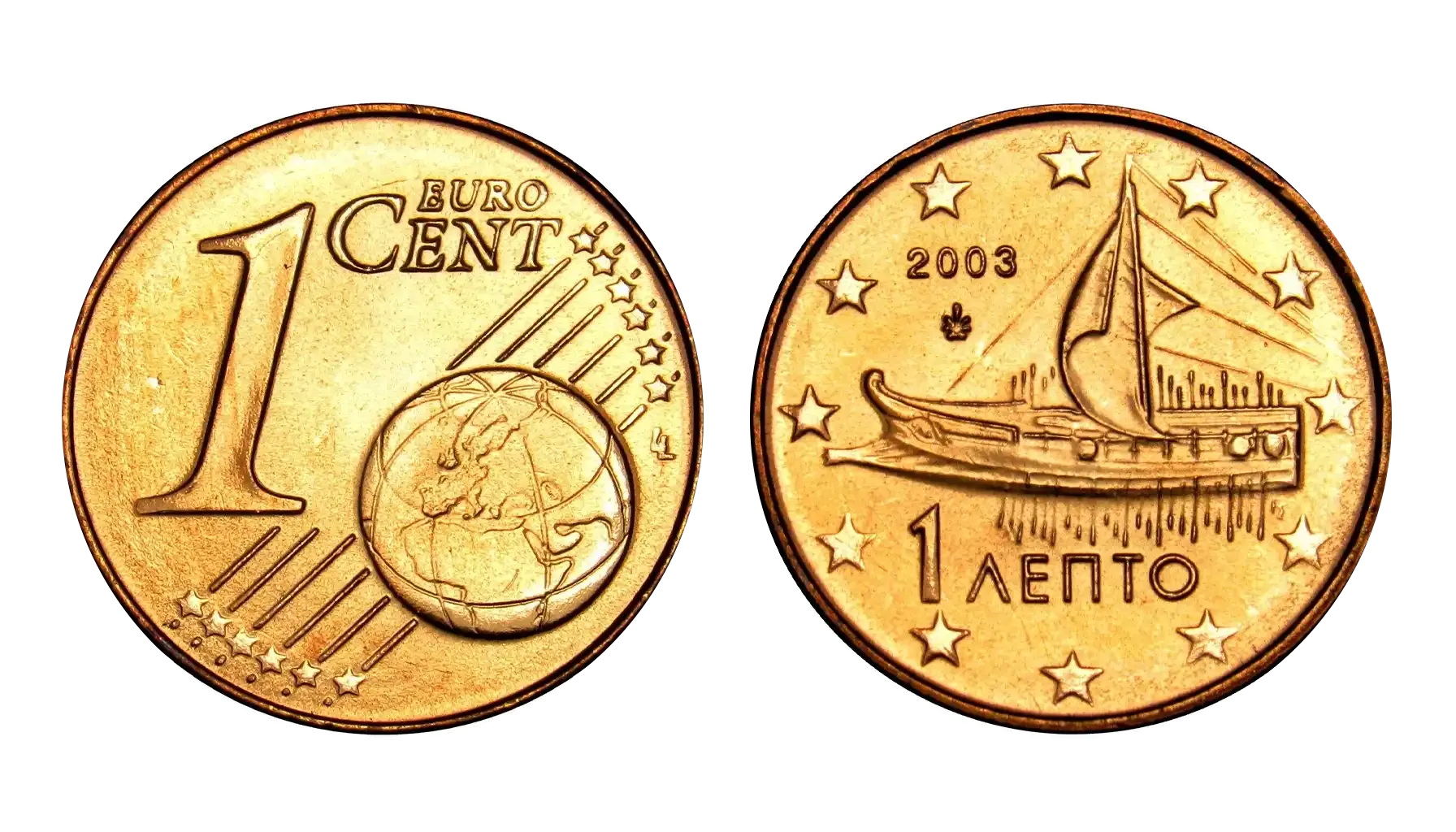
Eurozone
1, 2, and 5 euro cents are minted from steel with copper plating.
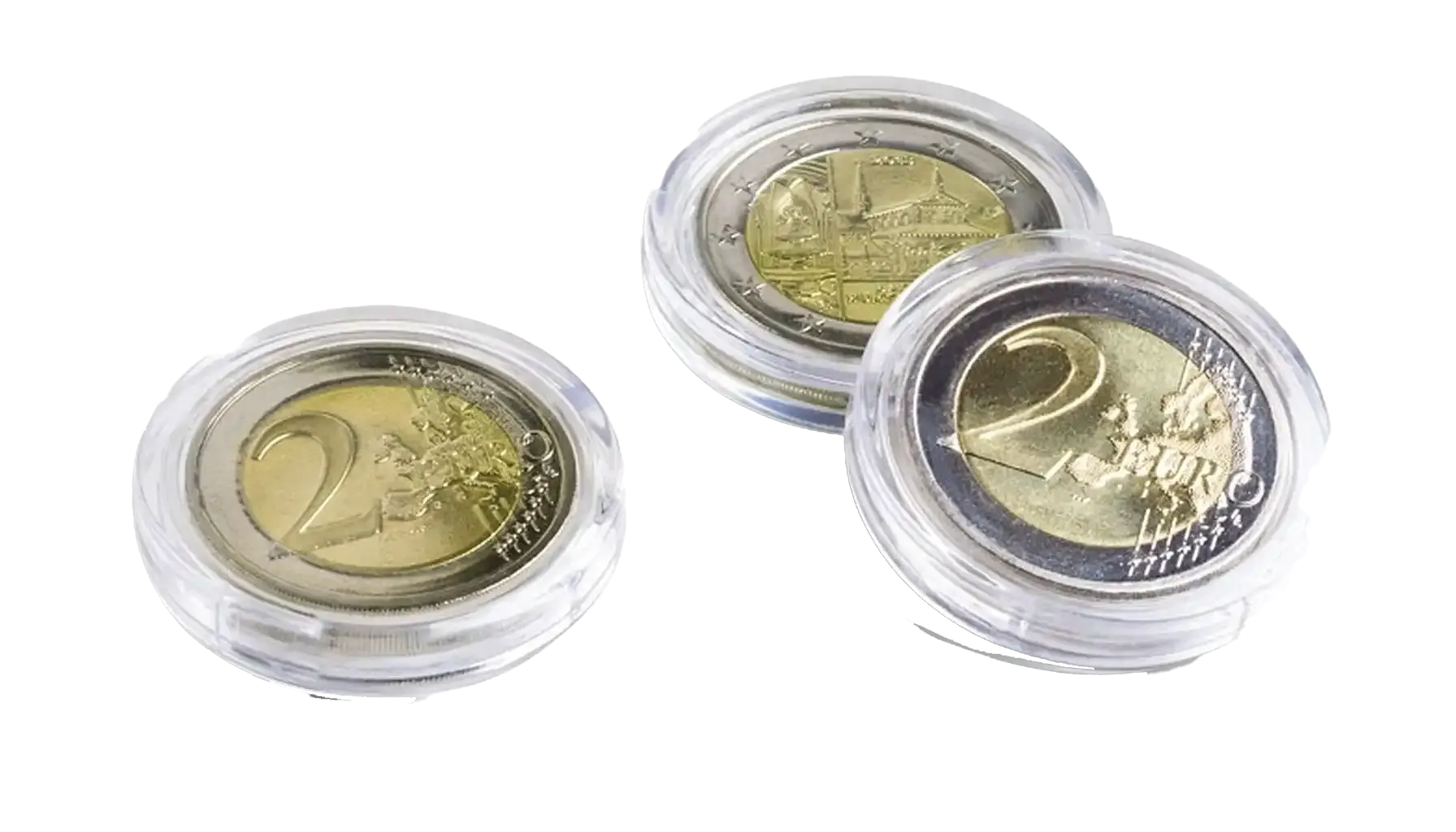
1 and 2 euros are bimetallic specimens. They have an inner part made of copper-nickel alloy and an outer ring of nickel brass, or vice versa. Their inner core contains a nickel center or alloys that make the specimens magnetic.
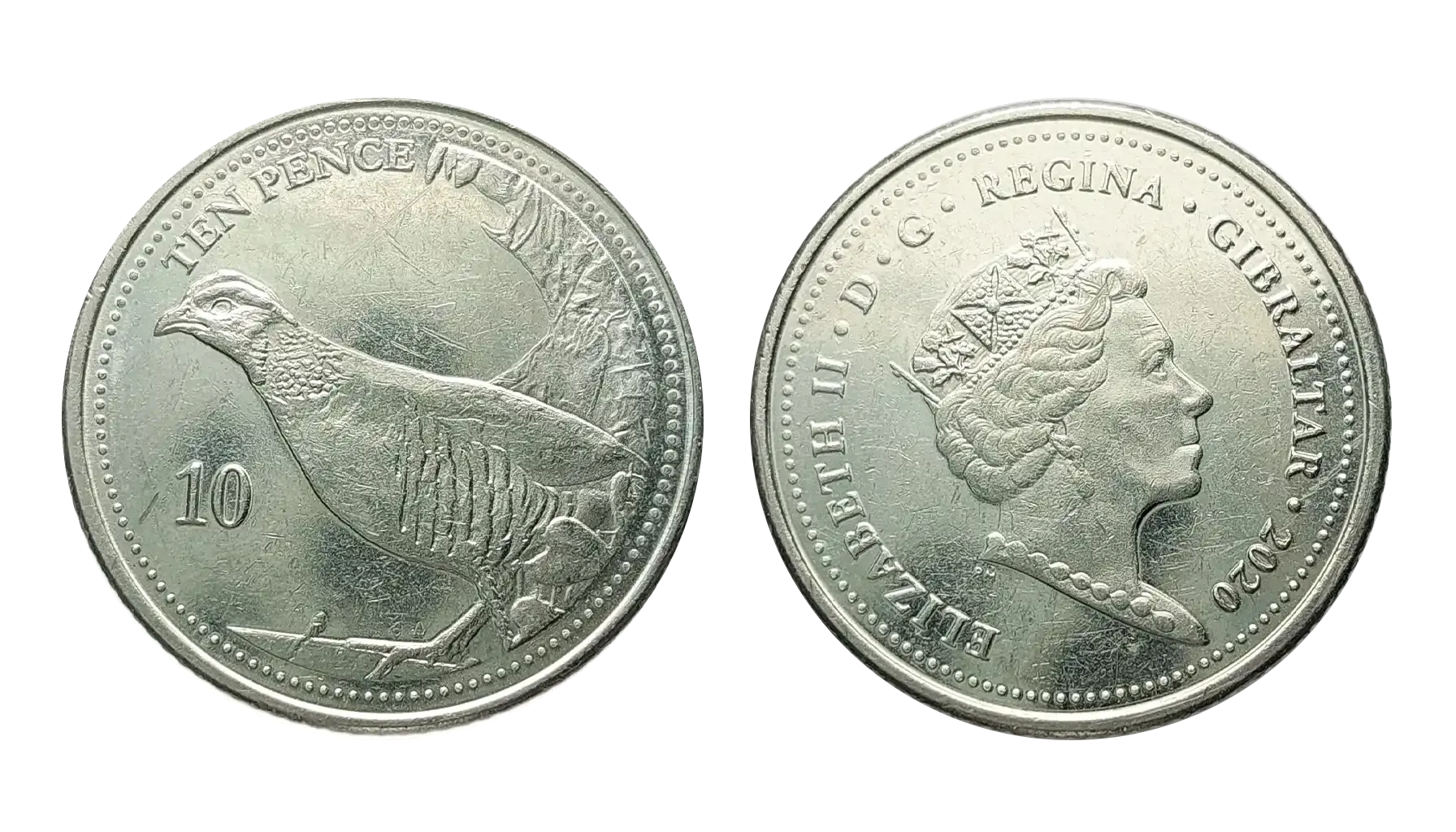
United Kingdom
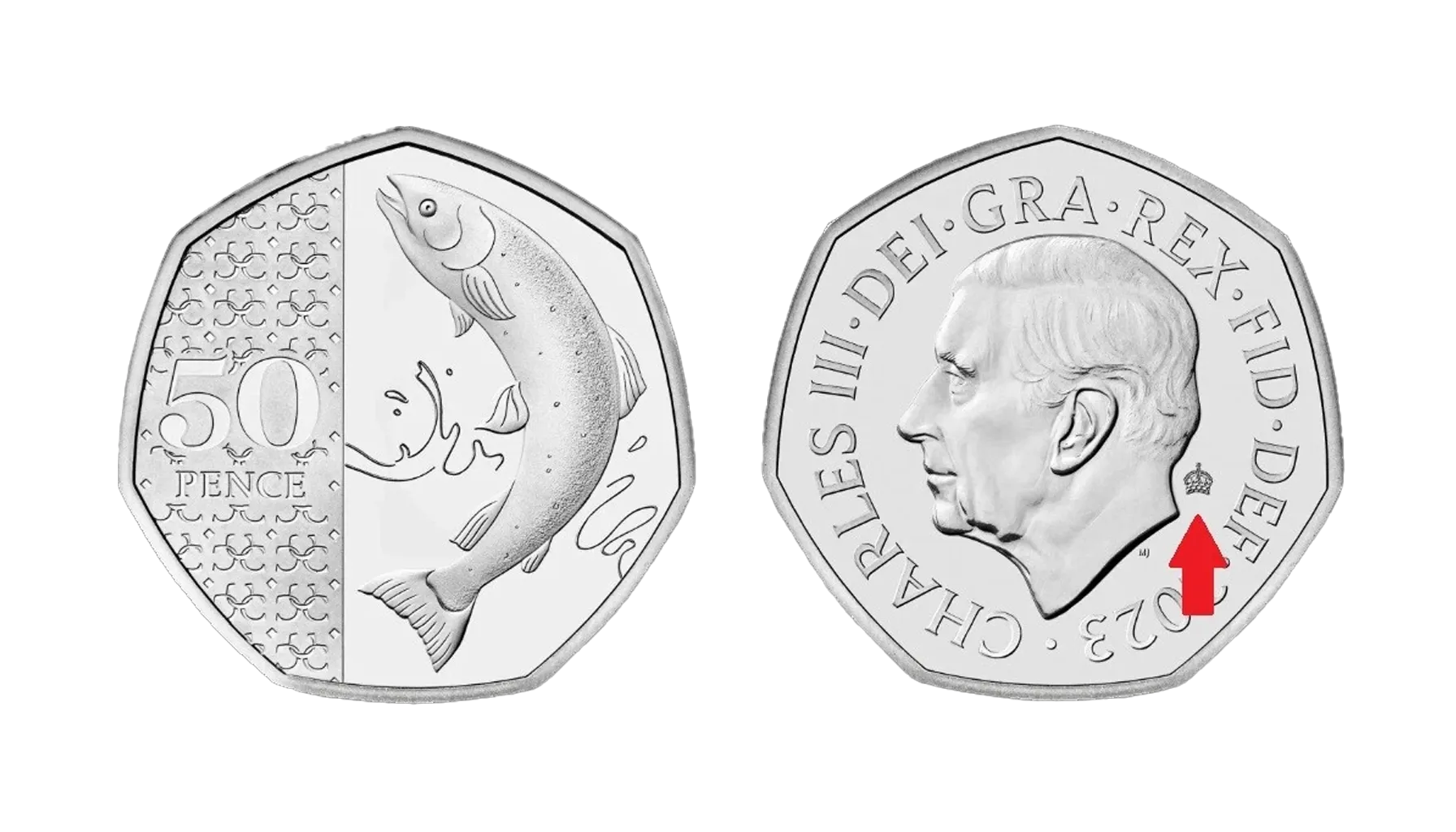
Modern British coins are minted from nickel-plated steel or have a steel core. This, accordingly, makes them magnetic.
Are Old Coins Magnetic
The older the specimen, the lower the chance it will be magnetic. This is primarily related to the history of developed metals, for example, gold, silver, copper, and bronze, all of which are non-magnetic metals. Even cheaper specimens from antiquity were made from copper, bronze, or brass.
And these are also non-magnetic metals. As the centuries passed, the composition became cheaper. This all occurred due to the influence of economic processes. We have many magnetic specimens that are cheaper to produce than their face value.
Are Magnetic Coins Worth Money
And the very fact that a specimen is magnetic does not automatically make it valuable. This is important to consider. The value of such specimens is determined by a large number of factors, just as with all specimens.
Factors
Rarity | It depends on the mintage and how many specimens in total have survived in good quality. |
Grade | What is the specimen's grade? It can be from 1 to 70 on the Sheldon scale. |
History | Is the specimen or its issue linked to any historical event? |
Demand | There can be many factors that will influence this, such as trends or an unusual issue. |
Errors | It could be a Double Die, Off-center Strike, Clipped Planchet, or other minting errors. |
As we've already discussed, if the coin being magnetic is a minting error and not a forgery, then it will be a valuable, unusual specimen. But if it is a forgery, then, consequently, it is not.

 Facebook
  X (Twitter)
  Pinterest
  LinkedIn