Contents:
“Because gold is honest money, it is disliked by dishonest men.”
– Ron Paul
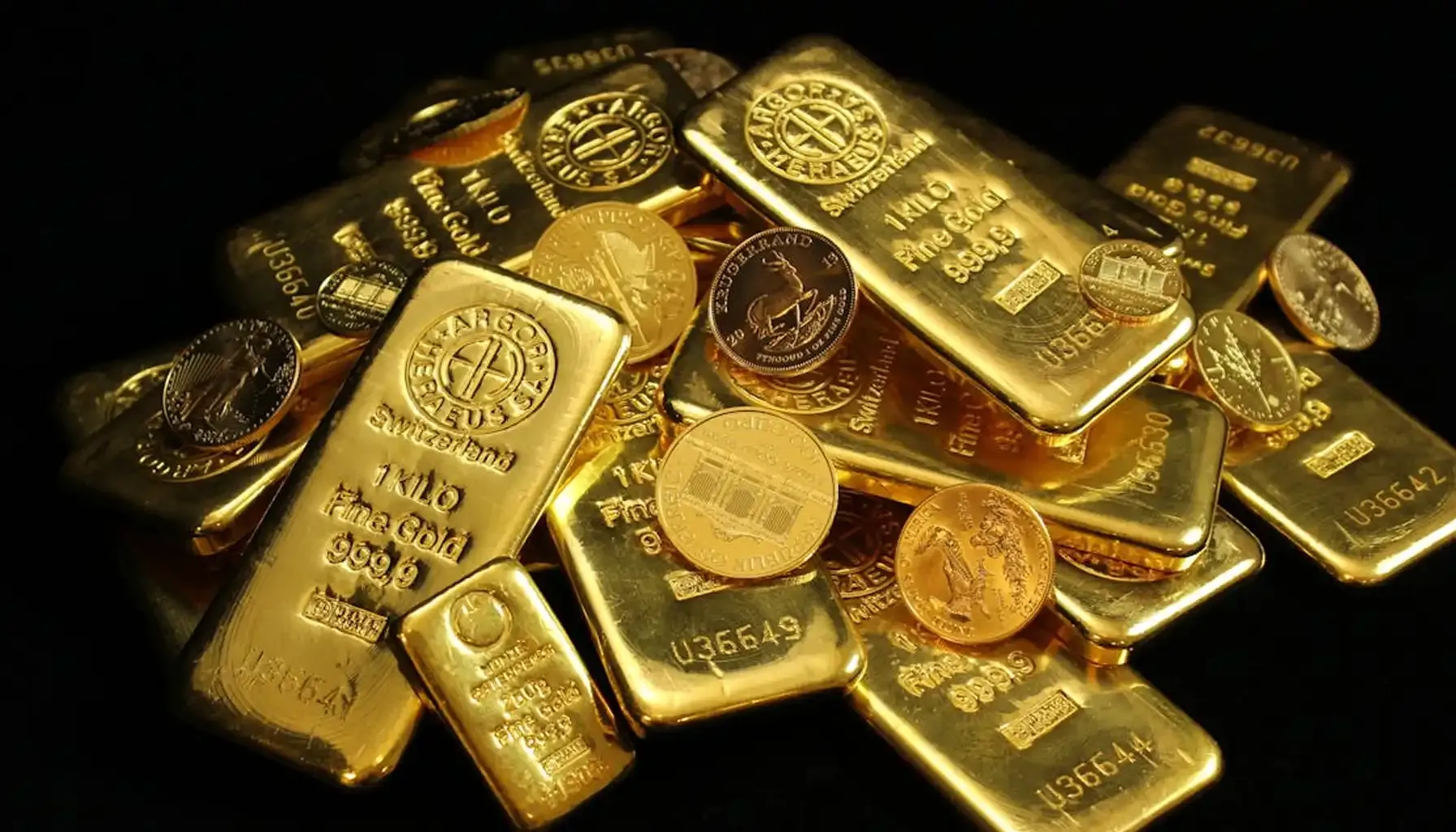
An image of a gold bar has long been associated with wealth, stability, and smart investing – rarely do people imagine such fortune without the precious bricks stored in the vaults of banks, private collectors, or secure investment facilities. Nonetheless, it is not only about luxury and something distant (=out of reach) – it is a real asset whose value can fluctuate.
In October 2025, Business Insider pronounced the Costco gold bars the top sellers, which shows that buying gold bars is no longer the banks' or collectors' privilege but an opportunity for small investors to preserve their money for the long term. But how much is a bar of gold worth? Where to seek the most beneficial offerings, and how can coin identifiers help verify authenticity and avoid counterfeits?
What Is a Gold Bar?
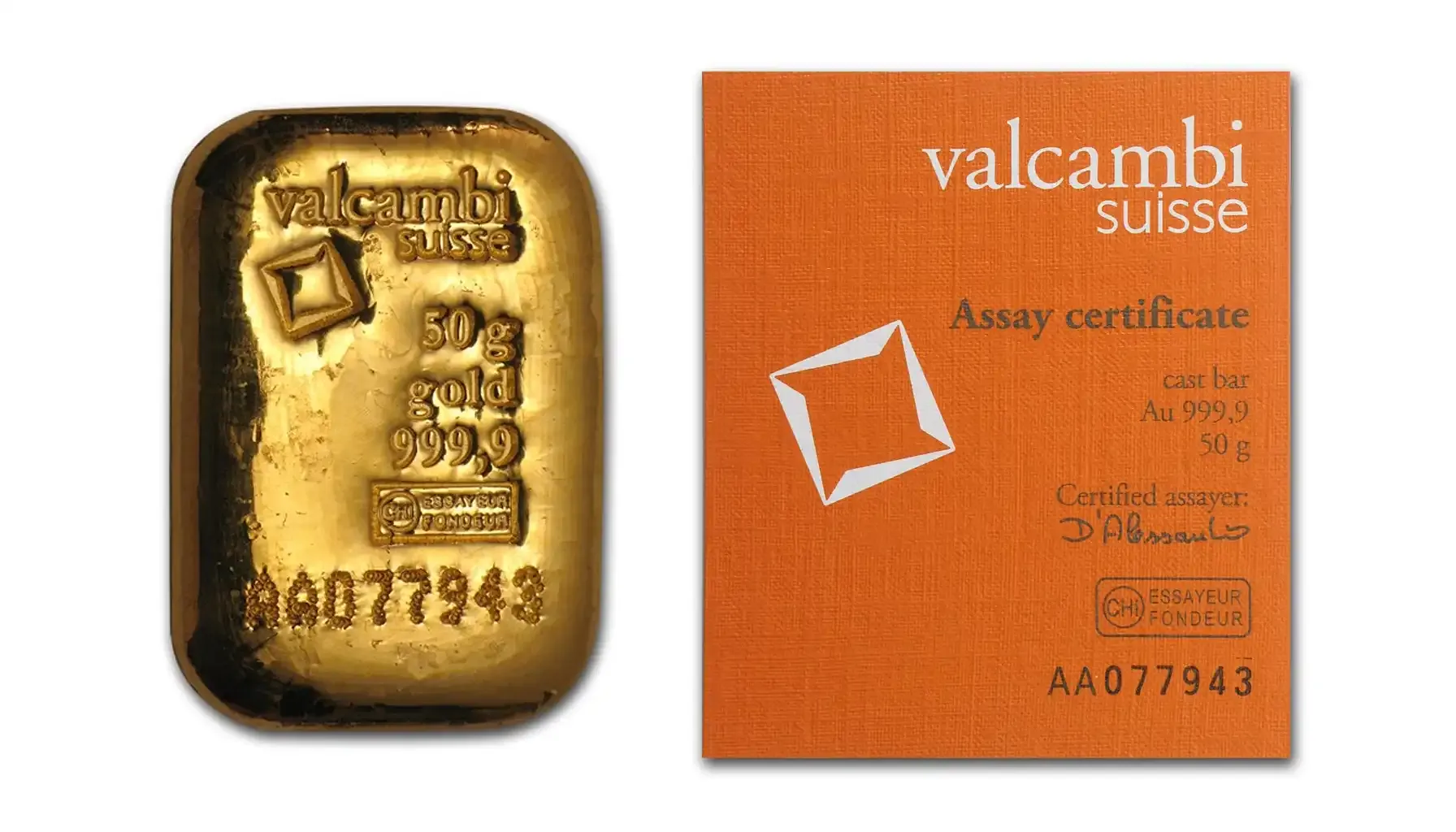
A gold bar for sale, also referred to as gold bullion or a gold ingot, is a block of pure material that has been cast or minted for investment purposes. This is why we might differentiate between two major types, which include the following:
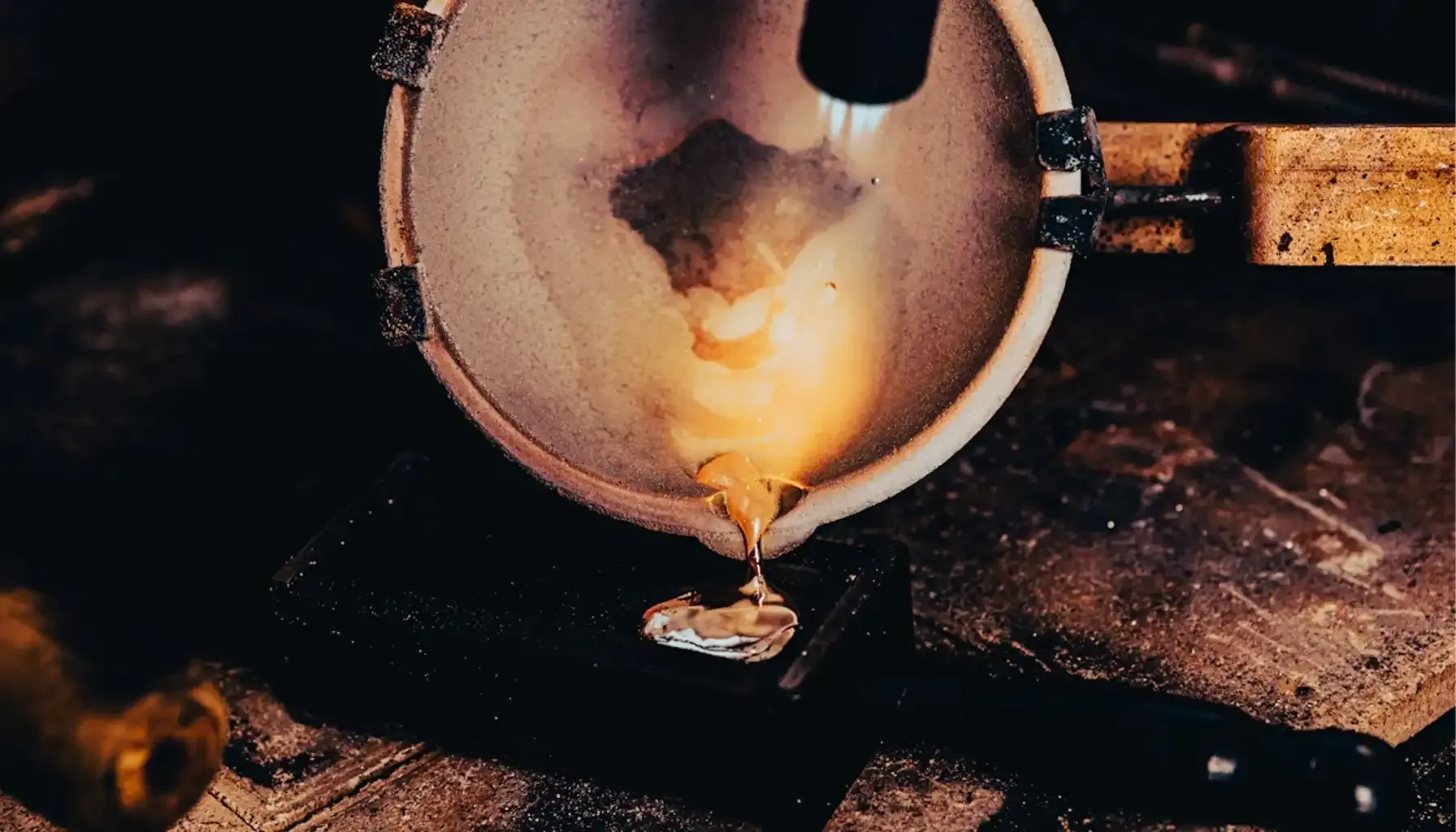
Cast Bars: Made by pouring molten gold into molds; often have irregular edges and a more “raw” look; slightly cheaper due to lower production costs.
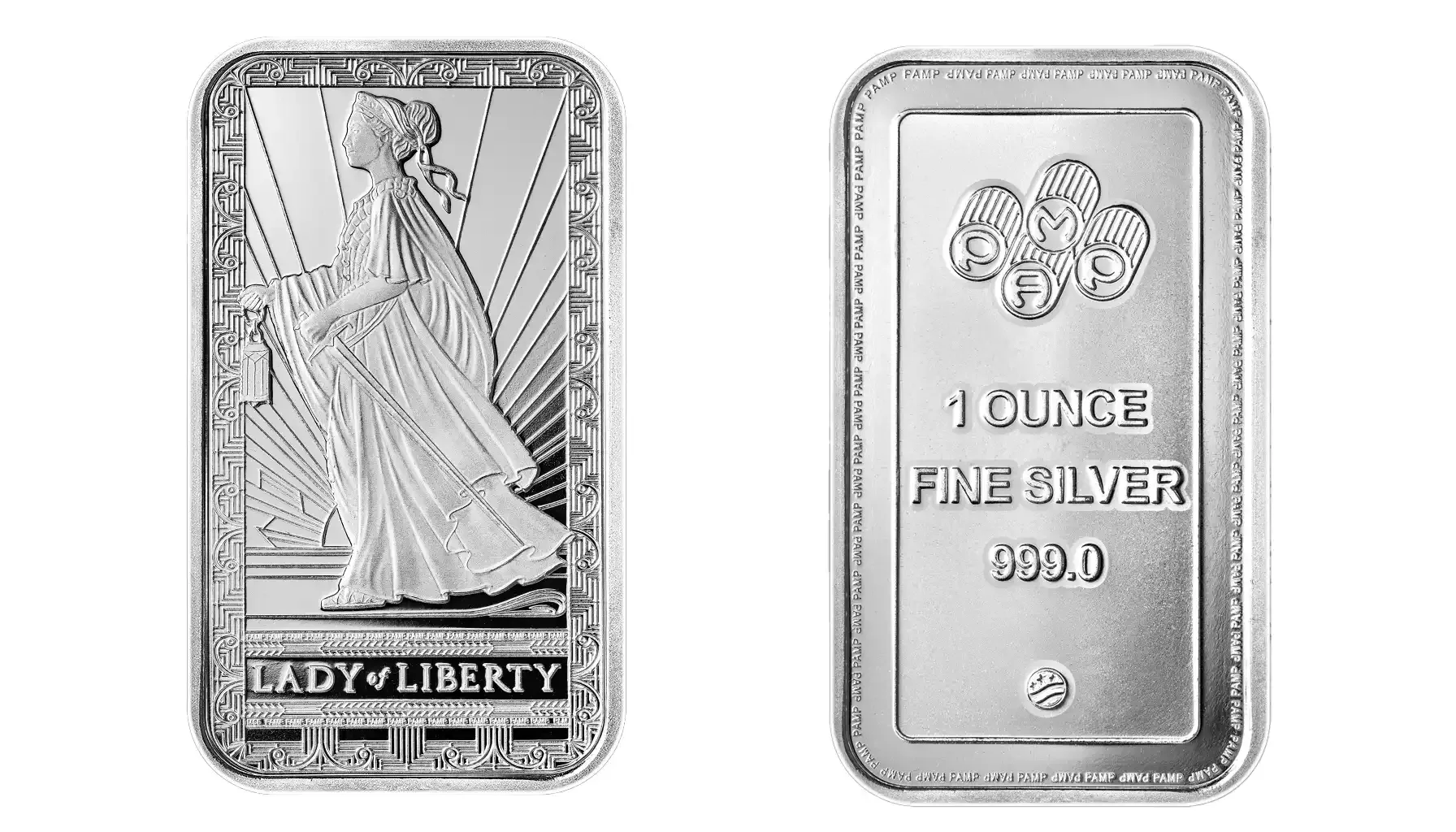
Minted Bars: Produced by pressing gold into precise, uniform shapes; typically have smoother edges, a more polished finish; often carry additional branding or certifications.
Note: Unlike coins or jewelry, which usually carry added costs, bars are valued primarily for their weight and purity. However, certain premiums can be attributed anyway.
Security Features
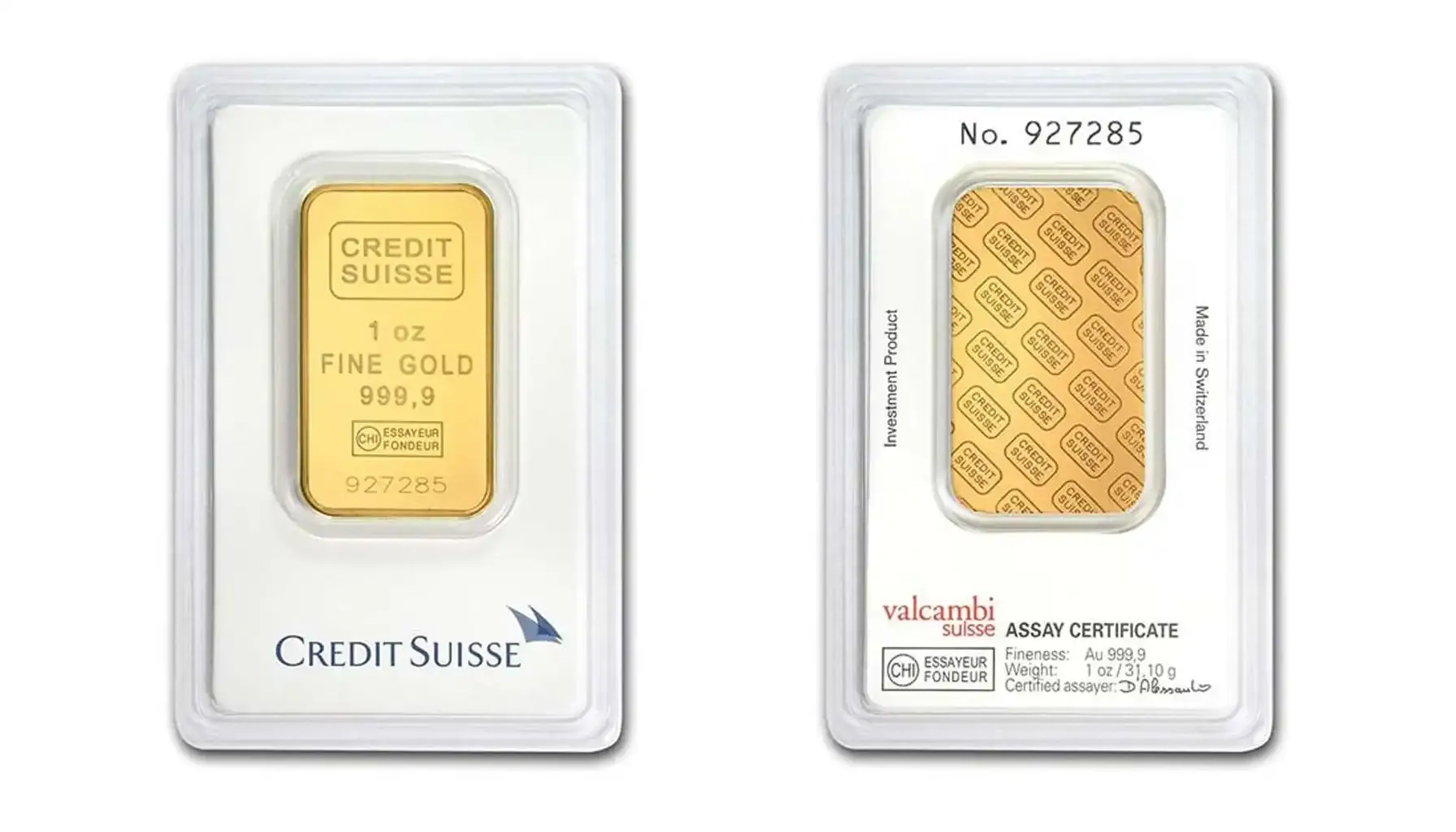
So as to confront fraud or counterfeiting, modern gold bars (just like banknotes) are designed in a way that includes serial numbers, certified hallmarks, micro-engraved identifiers, etc. This initiative was undertaken with one idea in mind – to help investors verify authenticity and feel secure knowing they are getting genuine gold. These are the main features to look for:
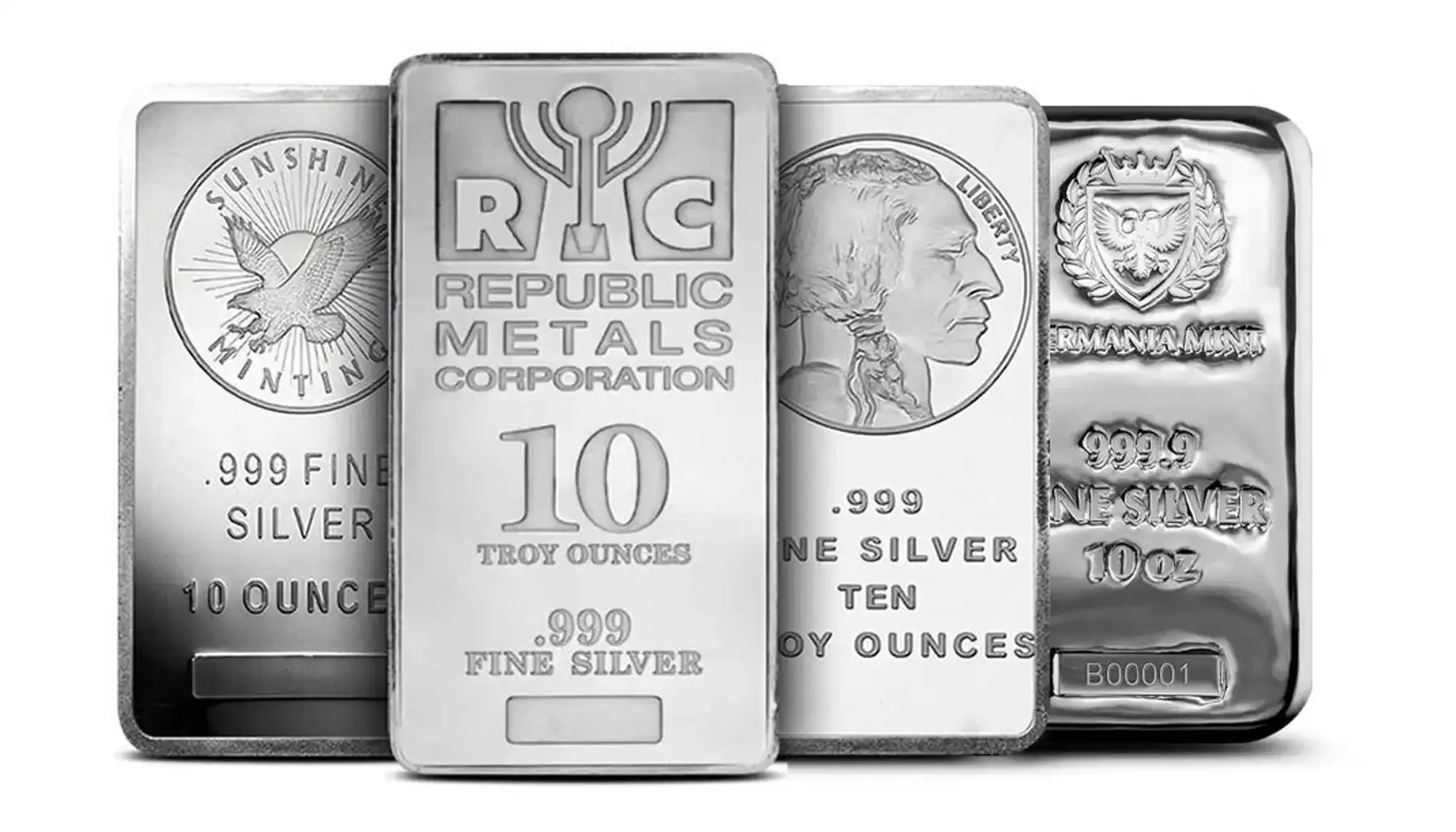
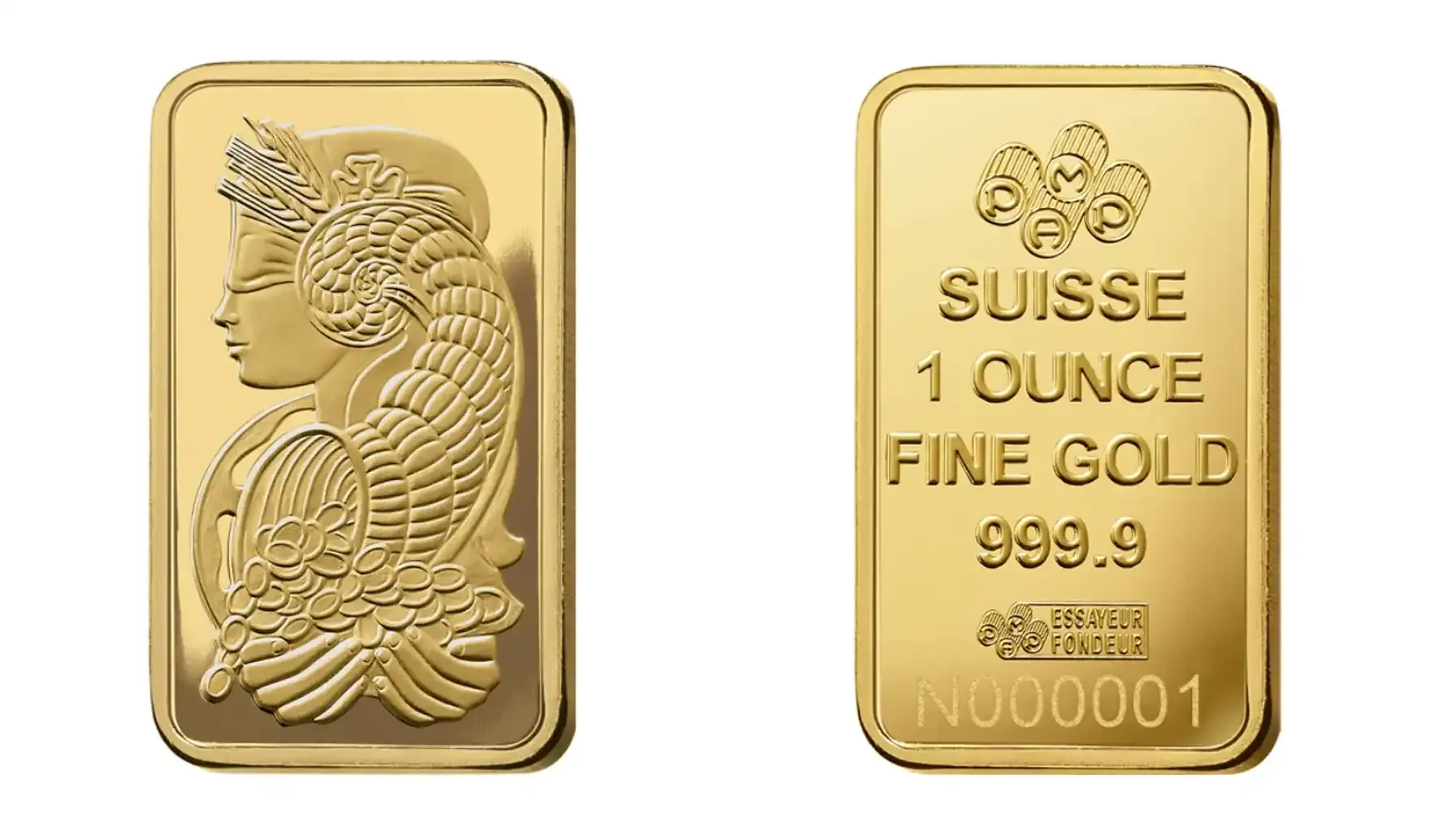
Serial Numbers: Most bullions come with unique serial numbers stamped on the surface that allow buyers to trace the bar back to its manufacturer or refinery.
Hallmarks and Logos: Reputable refineries, such as those certified by the London Bullion Market Association (LBMA), stamp their logo or hallmark on each bar to guarantee its purity and origin.
Assay Certificates: Many blocks are accompanied by an assay card or certificate that verifies the bar’s weight, purity, and authenticity. It is especially useful for resale or storage with third-party vaults.
Holograms or Tamper-Evident Packaging: Some minted bullions include holographic stickers or come in sealed, tamper-proof packaging to make counterfeiting more difficult and ensure the bar has not been altered.
Surface Patterns or Micro-Engravings: Certain bars feature intricate surface designs, micro-engraving, or laser marks that are almost impossible to replicate – an extra layer of protection.
Weights and Sizes Explained
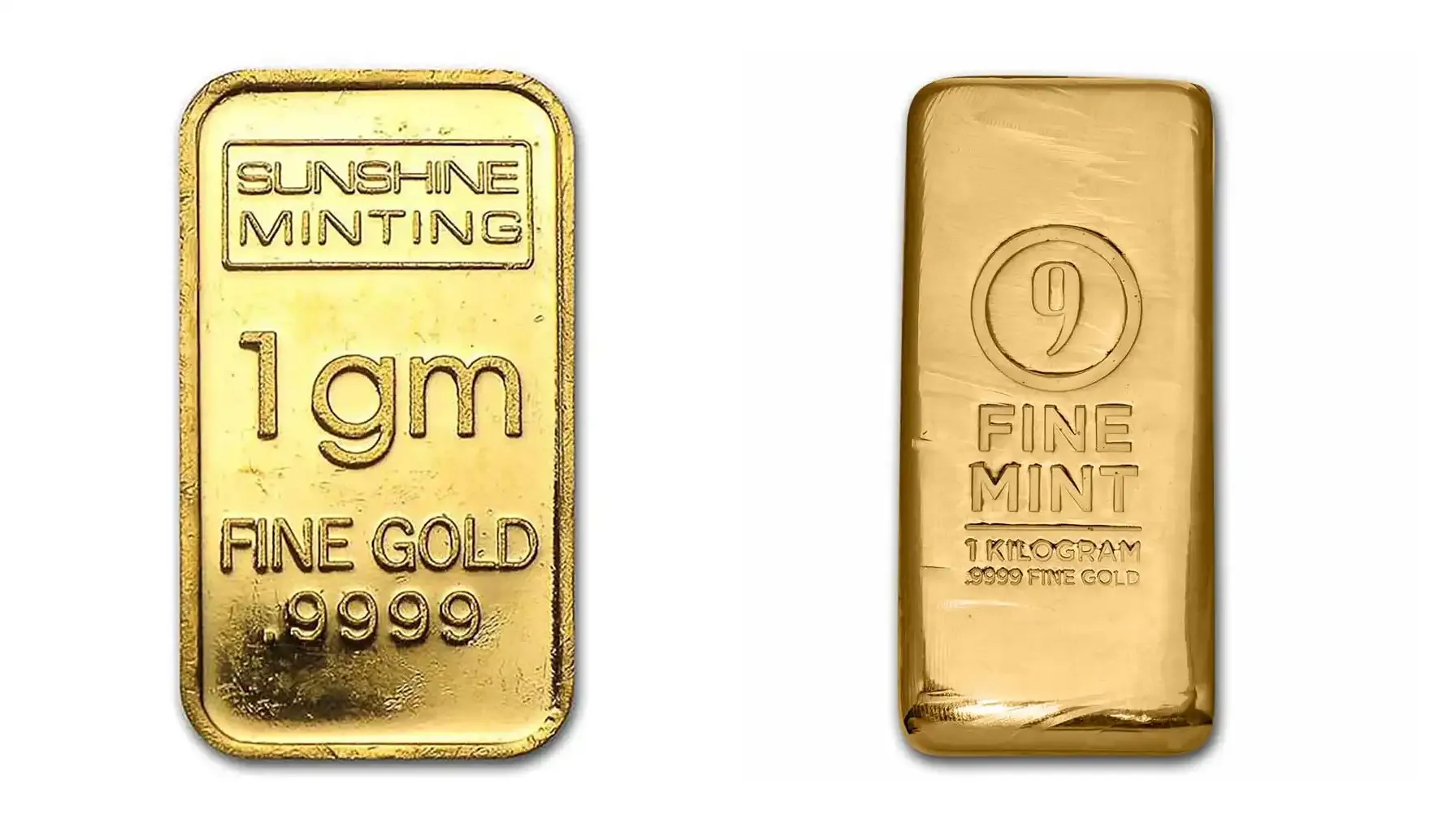
As a rule, the gold bar weight is a uniform variable, which is subordinate to the standards of internationally recognized organizations such as the London Bullion Market Association (LBMA) and the World Gold Council. Nonetheless, there are a few options that one should be aware of. So, how much does a gold bar weigh?
Common Weights
Grams: Small bullions, ranging from 1 g to 100 g, are ideal for beginners or those looking to invest gradually. They are easier to store and more affordable in general.
Ounces: The troy ounce (approximately 31.1 g) is a standard weight in international trading. Common sizes include 1 oz, 10 oz, and fractional ounces.
Kilograms: Large bars, usually 1 kg (32.15 oz), are favored by serious investors and institutions, yet they carry lower premiums relative to weight, and require secure storage.
Custom Sizes: Some refiners offer bars in unique weights, such as 500 g or 400 oz, mainly for industrial or large-scale investment purposes.
When choosing the size and weight, it is vital to understand the investment goals and liquidity: small bullions are perfect for gradual accumulation or gifting and are easier to sell on the spot. Larger bars, at the same time, are better for wealth preservation and may take longer to trade. The rule is always the same – the more you get, the more beneficial it is.
Gold Bar Prices Today: How Much Is a Gold Bar Worth?
The gold bar cost depends primarily on the current spot price of a given precious metal, which represents the price for one troy ounce of pure gold. However, this variable is not fixed – it may fluctuate daily or, at times, hourly, based on the global economic conditions and currency movements in general.
Nevertheless, the final retail price should include an additional worth, which is meant to cover the costs of manufacturing, distribution, and dealer profit margins. But how to calculate it properly?
How Much Does a Gold Bar Cost?
So as to calculate it, it is vital to do the following:
Find the current spot price (quoted per troy ounce).
Multiply the spot price by the bar’s weight in troy ounces.
Add the dealer premium, which typically ranges from 1% to 10%, depending on the bar’s size and brand.
Bar Size | Weight (grams) | Weight (troy oz) | Approx. Price | Premium Range |
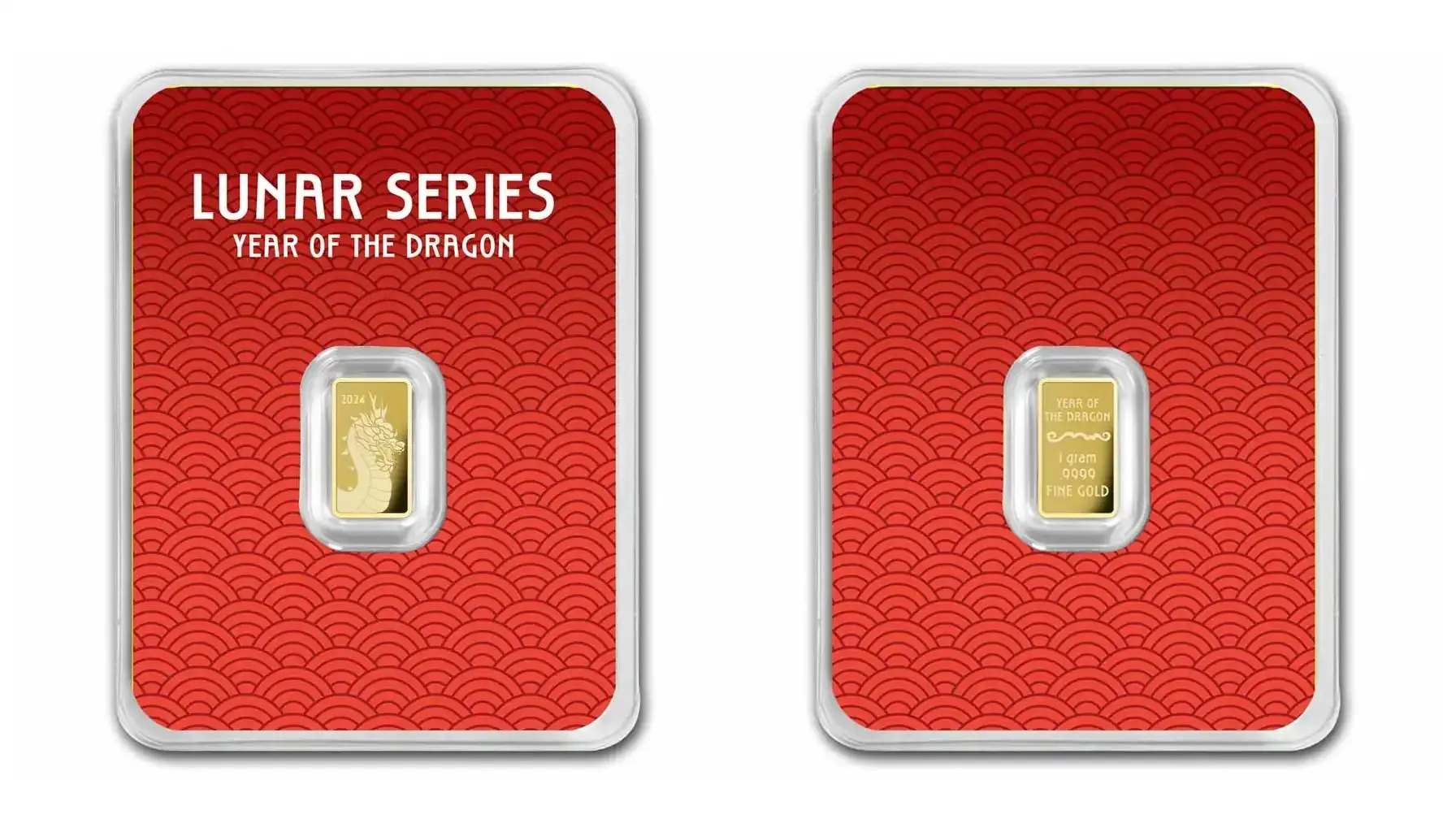
1 gram | 1 g | 0.032 t oz | $130 – $150 | 8% – 12% |
5 grams | 5 g | 0.16 t oz | $640 – $700 | 6% – 10% |
10 grams | 10 g | 0.32 t oz | $1,300 – $1,400 | 5% – 9% |
1 ounce | 31.1 g | 1.00 t oz | $4,150 – $4,350 | 3% – 6% |
100 grams | 100 g | 3.22 t oz | $13,300 – $13,900 | 2% – 4% |
10 ounces | 311 g | 10.00 t oz | $41,500 – $43,000 | 1.5% – 3% |
1 kilogram | 1,000 g | 32.15 t oz | $133,000 – $138,000 | 1% – 2% |
Prices based on a gold spot price of approximately $4,150 per troy ounce, according to APMEX as of October 2025. Actual prices may vary.
Where to Buy Gold Bars in 2025/2026
How to buy gold bars? Well, this has never been easy. These days, anyone is given an opportunity to purchase bullion, yet one should be aware of where to do it and how to conduct these procedures.
Costco
Costco is one of the world's biggest corporations that introduced warehouse club retail stores of a new type. Apart from the ordinary products, it also offers gold bullions for sale, which have become some of the most sought-after investment products in the retail segment. As a rule, Costco delivers 1-ounce bars from respected refiners such as PAMP Suisse or Rand Refinery, packaged in certified assay cards and marked with serial numbers.
Pros ✔ Accessible to ordinary consumers ✔ Competitive pricing and trusted logistics | Cons ✖ Limited purchase quantities per member ✖ Non-refundable policy ✖ Inventory often sells out within hours of restock |
APMEX (American Precious Metals Exchange)
As of 2025, APMEX gold bars are considered the most credible, as it is the largest and most reputable online bullion dealer. As such, it lists real-time spot prices and provides an extensive catalog of bars, ranging from fractional grams to 1-kilogram weights.
Pros ✔ Wide product selection and transparent pricing ✔ Professional packaging, insurance, and shipping ✔ Optional buyback and storage programs | Cons ✖ Premiums and shipping costs vary ✖ International buyers may face customs or tax considerations |
Other Trusted Online Dealers
Apart from the above-mentioned dealers, one is free to appeal to online sellers like JM Bullion, SD Bullion, BGASC, Money Metals Exchange, and Orion Metal Exchange. These are recognized worldwide for their transactions, certified products, and customer-focused services. Nonetheless, do not choose the first highlighted website found on Google – look for customer reputation and years in operation. This is where caution is essential.
Local Coin Shops, Expos, and Refineries
For those who still prefer to inspect gold in person, it might be reasonable to visit local coin dealers, the US Mint, expos (e.g., New York Coin Show), refineries, and vault operators offline. It is by far the easiest way to verify authenticity, discuss prices face-to-face, and establish long-term relationships for future transactions.
Always request documentation and assay certification.
Use digital assistants like Coin ID Scanner to manage collections and feel more confident when navigating the world of numismatics and precious metals.
Ensure transactions are secure and conducted after thorough identification only
Should You Invest?
The symbols of stability can be different, but a gold bar is indeed the one to represent lasting wealth in its purest form. Inflation may hit, but the worth of bullion only increases – this is the reality of those who invest. However, investing in bullion is not about chasing quick profits; it is about being smart, predicting fluctuations, and knowing how to play this game.
A Quick Answer for Those Who Care
Yes, you should consider investing in gold bars if your goal is long-term security, wealth preservation, and protection from market shocks.
No, gold bars alone will not make you rich overnight – they work best as part of a diversified strategy that balances liquidity and safety.
Markets rise and fall, but gold never forgets its worth. Do not neglect tangible value – it will last as long as it is cherished and preserved.

 Facebook
  X (Twitter)
  Pinterest
  LinkedIn