Contents:
When the U.S. Mint was established in 1792, the metal was chosen because it had stable market value, could be divided into precise weights, and was widely trusted in international trade. Now, of course, you won’t meet this metal in current pieces, no matter how many times you check it with a coin identifier online.
“After silver was removed from US circulating coins, the US Mint made special commemorative coins minted for sale to coin collectors and, starting in 1986, bullion coins primarily sold to investors. Both types, although legal tender, are not expected to circulate for commerce.”
— Unknown author
from the Wikipedia Silver coin page
Early American commerce relied on pieces like Spanish milled dollars, which influenced the size and weight of the U.S. dollar. This continuity made metal-based money easy to accept and verify.
What Coins Have Silver in Them?
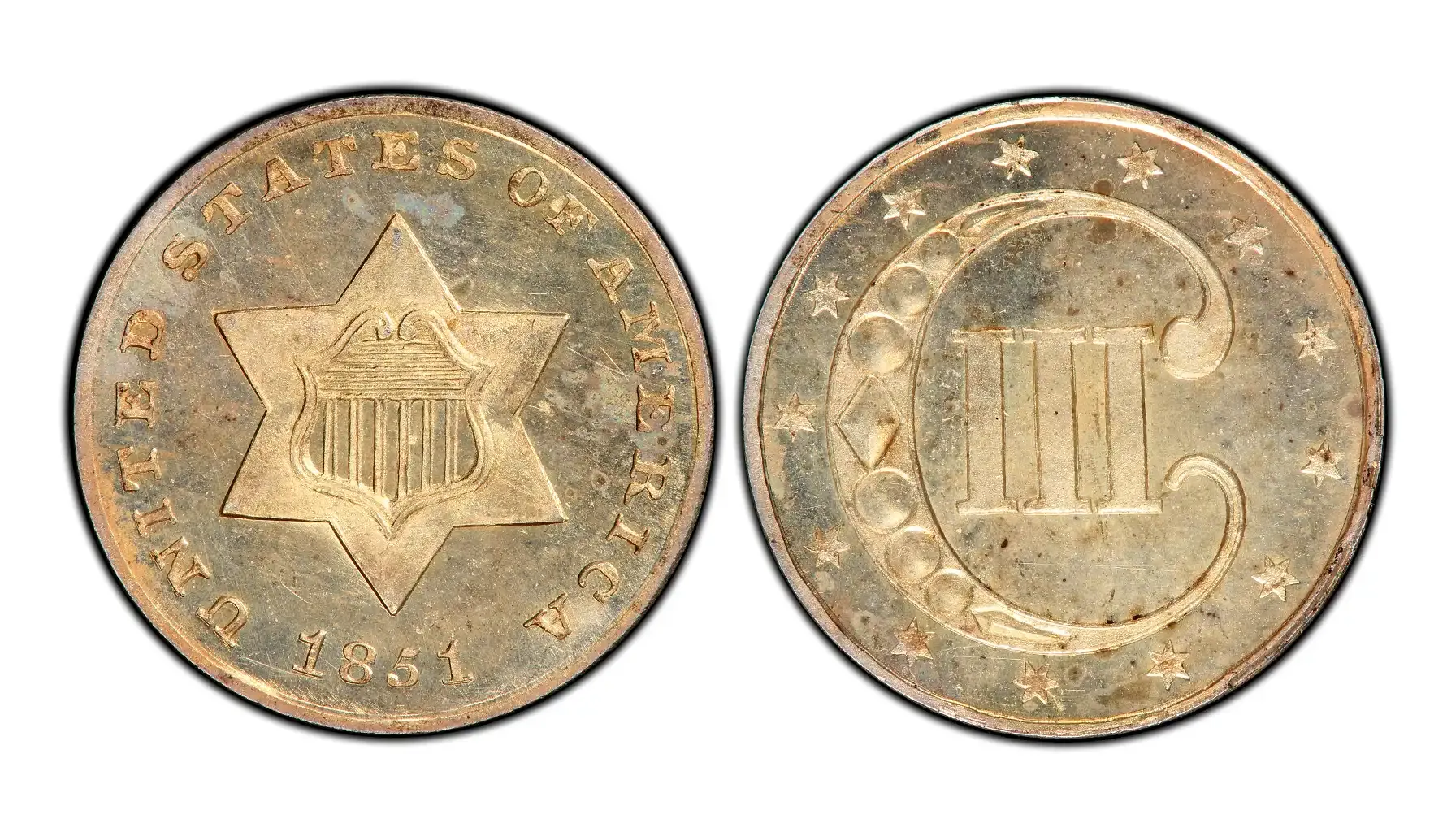
For more than 170 years, most circulating dimes, quarters, half dollars, and dollars were struck in 90%. Their worth came directly from the metal itself, not just government backing. As long as the market price of the metal stayed below the face value, this system worked.
The value of those pieces today depends on several factors:
Metal has a base price, but condition, scarcity, and collector demand can make it cost even more. Morgan dollars, early dollars, and well-preserved pre-1965 coins often trade far above their melt value
Even heavily worn pieces stay desirable because they still have this metal
When pieces stopped being tied to precious metal, their value became symbolic. This transition reshaped how Americans viewed money and explains why older pieces are still saved, traded, and invested in today
For most of U.S. history, circulating pieces contained real precious metal alloy. What coins have silver in them? Many older U.S. pieces are made, but almost none are made for circulation today.
These U.S. coins contain the metal:
Half dimes (1794–1873): 90%
Dimes (1796–1964): 90%
Quarters (1796–1964): 90%
Half dollars (1794–1964): 90%
Silver dollars (1794–1935): 90%
Kennedy half dollars (1965–1970): 40%
What US coins have silver in them? The key cutoff is 1964. Anything earlier in those denominations is silver.
When Did the US Stop Using Silver in Coins?
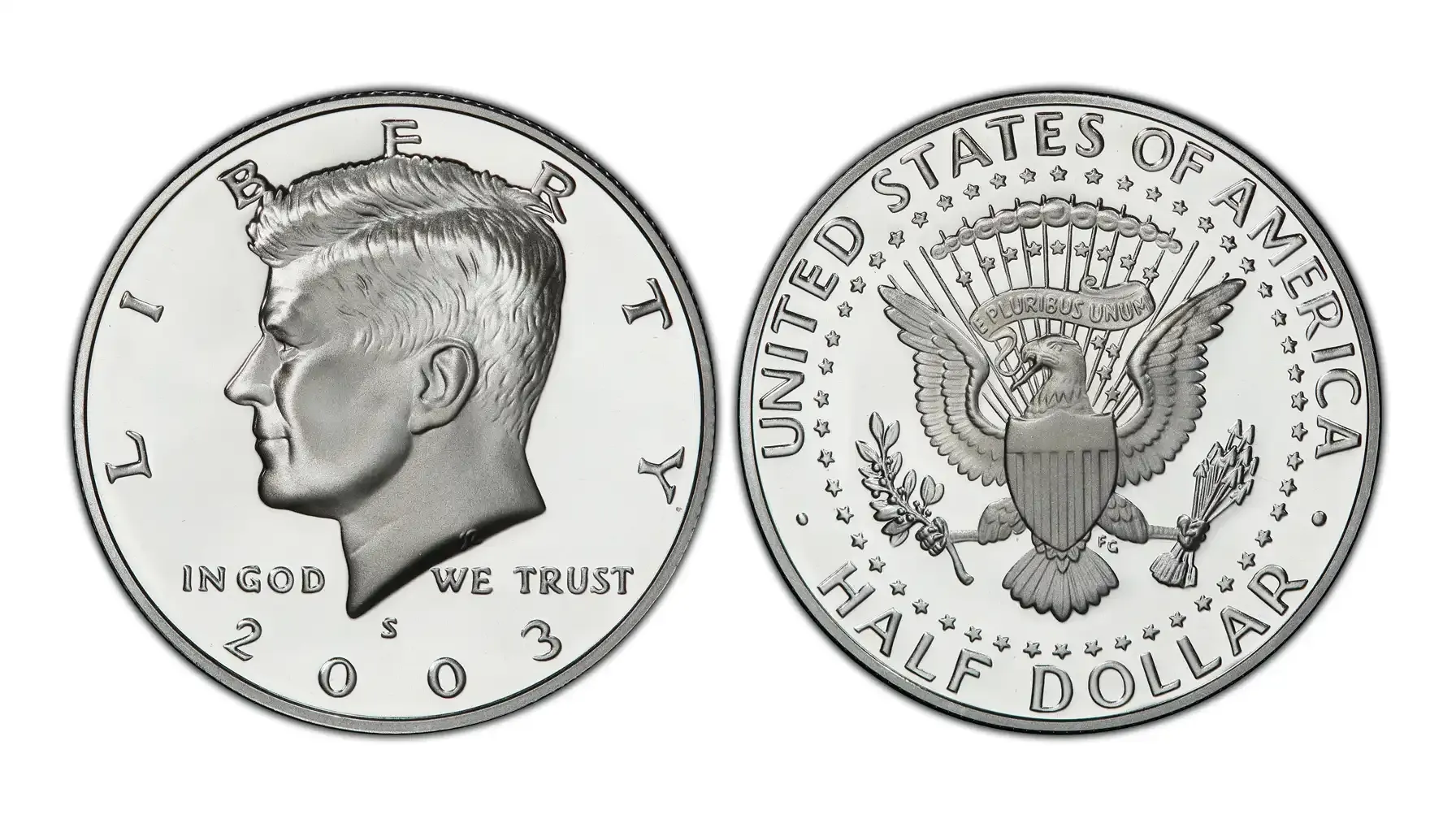
The U.S. stopped using the metal in most circulating pieces in 1965. This change happened because of the rising metal prices and hoarding. The metal became worth more than the face value, so people pulled them out of circulation.
In 1965, the Coinage Act removed metal from most U.S. circulating specimens. It was unprofitable for the government to keep producing pieces.
Half dollars had a slightly different path. In 1965–1970, they were made with a reduced 40% content. It was intended to slow hoarding, but it failed. By 1971, half dollars no longer had any precious metals.
The Coinage Act of 1965 officially removed the metal from:
Dimes
Quarters
Half dollars were reduced to 40% of the metal for a short period, then lost it entirely
So if you’re wondering when did the US stop using silver in coins, it is the 1965, with a short exception for half dollars. From that point forward, silver was reserved for special purposes.
What Year Did Coins Stop Containing Silver?
If you want one clean date:
1964. Last year, of 90%
1970. Last circulating piece with any metal(40% half dollar)
After 1970, no U.S. pieces made for everyday circulation contained the metal. Proof and bullion are a separate category.
How Much Silver Is in US Coins?
The average amount of silver in coin most people care about:
Coin | Years | Content |
1796–1964 | 0.07234 troy oz | |
1796–1964 | 0.18084 troy oz | |
1794–1964 | 0.36169 troy oz | |
1794–1935 | 0.77344 troy oz | |
1965–1970 | 0.1479 troy oz |
Best Silver Coins to Invest In
So what are the best silver coins to invest in? Popular choices:
Pre-1965 US dimes, quarters, and halves. Easy to buy, easy to sell
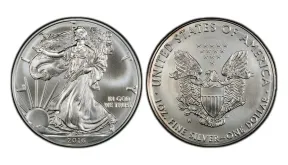
American Silver Eagles. 1 troy ounce, government-backed
Morgan and Peace dollars. There is always a demand
Canadian Maple Leafs. Pure alloy and global recognition
Old U.S. pieces are appealing because they tend to trade close to melt value, especially in bulk.
Should You Invest in Silver Coins or Silver Bars?
Coins:
Easier to sell in small amounts
Trusted weights and purity
Often recognized instantly
Slightly higher premiums
Bars:
Lower premiums per ounce
Better for large investments
Less flexible for small sales
Should I invest in silver bars or coins? Choose not bars if you want liquidity and convenience. Choose bars if you want maximum silver for your money
If you’re interested in silver in US coins, remember this: pre-1965 dimes, quarters, and halves are silver. Silver content still gives these pieces real value today.

 Facebook
  X (Twitter)
  Pinterest
  LinkedIn