Contents:
- What Is a Troy Ounce?
- History of This Measurement
- Troy Ounce vs Ounce — What’s the Difference?
- How Many Grams in a Troy Ounce?
- Why Precious Metals Use Troy Ounces
- Value of One Troy Ounce of Silver
- One Troy Ounce of Gold — How Much Is It Worth?
- Common Conversions and Practical Examples
- Why the Troy System Still Matters
- FAQ
Ever picked up a silver coin or gold bar and seen “1 oz fine silver” stamped on it? It’s not the same ounce you’d use for flour or coffee beans. The troy ounce is an old measurement that survived empires, revolutions, and the switch to metric. It’s still what traders, mints, and collectors use to measure the weight of precious metals.
And there’s a reason for that. It weighs a bit more than a regular ounce, yet it’s really important when you’re dealing with gold or silver.
If you think that you have silver coins, use guides or an online coin identifier - an online tool powered by AI that will tell you in seconds what kind of coin you have.
What Is a Troy Ounce?
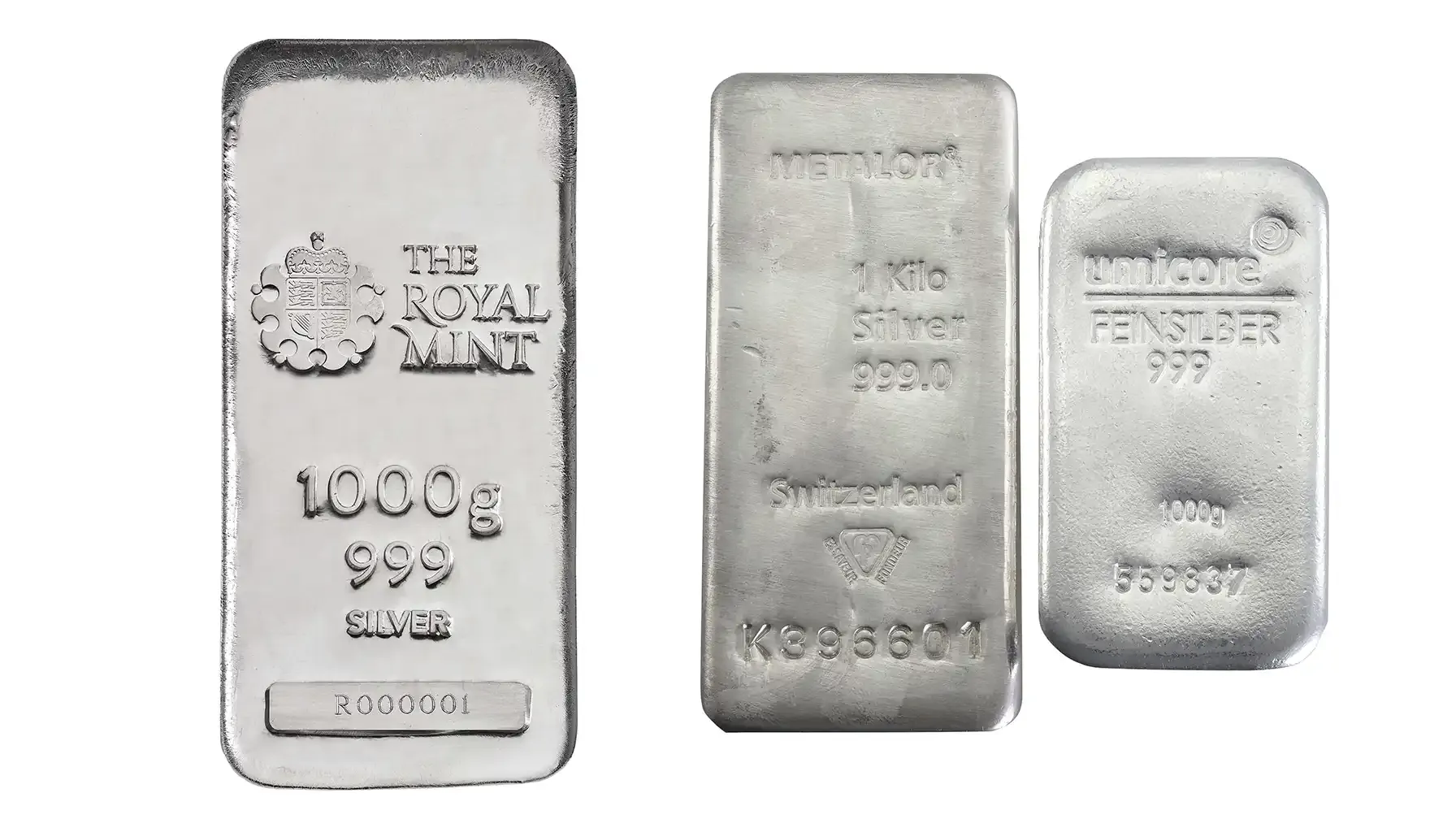
It is a unit of weight used mostly for precious metals: gold, silver, platinum, and sometimes gemstones. It’s part of the troy weight system, which started in England around the 15th century, though its roots stretch back further to a French market town called Troyes. Merchants there used a standardized weight system to keep trade fair, and that habit traveled across the Channel with English traders.
One troy ounce equals 31.1034768 grams. That exact number hasn’t changed for centuries. It’s about 9.7% heavier than the regular ounce you’d find on a kitchen scale, which equals 28.3495 grams.
The troy system once included other units too: grains, pennyweights, and troy pounds, but they faded out, leaving it as the standard. It’s the official measurement for bullion coins, bars, and jewelry purity across the world.
History of This Measurement
It started in the markets of medieval France, a town called Troyes, where merchants from across Europe came to trade cloth, spices, and precious metals. They needed a way to weigh things fairly, something that didn’t shift from one stall to another. So they agreed on a single system of measurement for gold and silver, and that standard began to spread.
By the 1400s, English traders had adopted it, adapting the French idea into their own coinage system. When King Henry VIII ruled in the 1500s, that same measure became the official way to price and mint silver and gold in England. It was the foundation for every coin struck in the royal mints.
The system divided metal into smaller parts: grains, pennyweights, and pounds. It looked strange beside the everyday measures used for grain or cloth, but for money, precision mattered.
When the British Empire spread, so did the measure. Colonies and later the United States adopted it by law in the 1800s, keeping the same ratios and definitions almost unchanged. It outlived the Tower system, the apothecaries’ weights, even the metric revolution.
Today, it’s the same standard used for every bar and coin of precious metal sold around the world.
Troy Ounce vs Ounce — What’s the Difference?
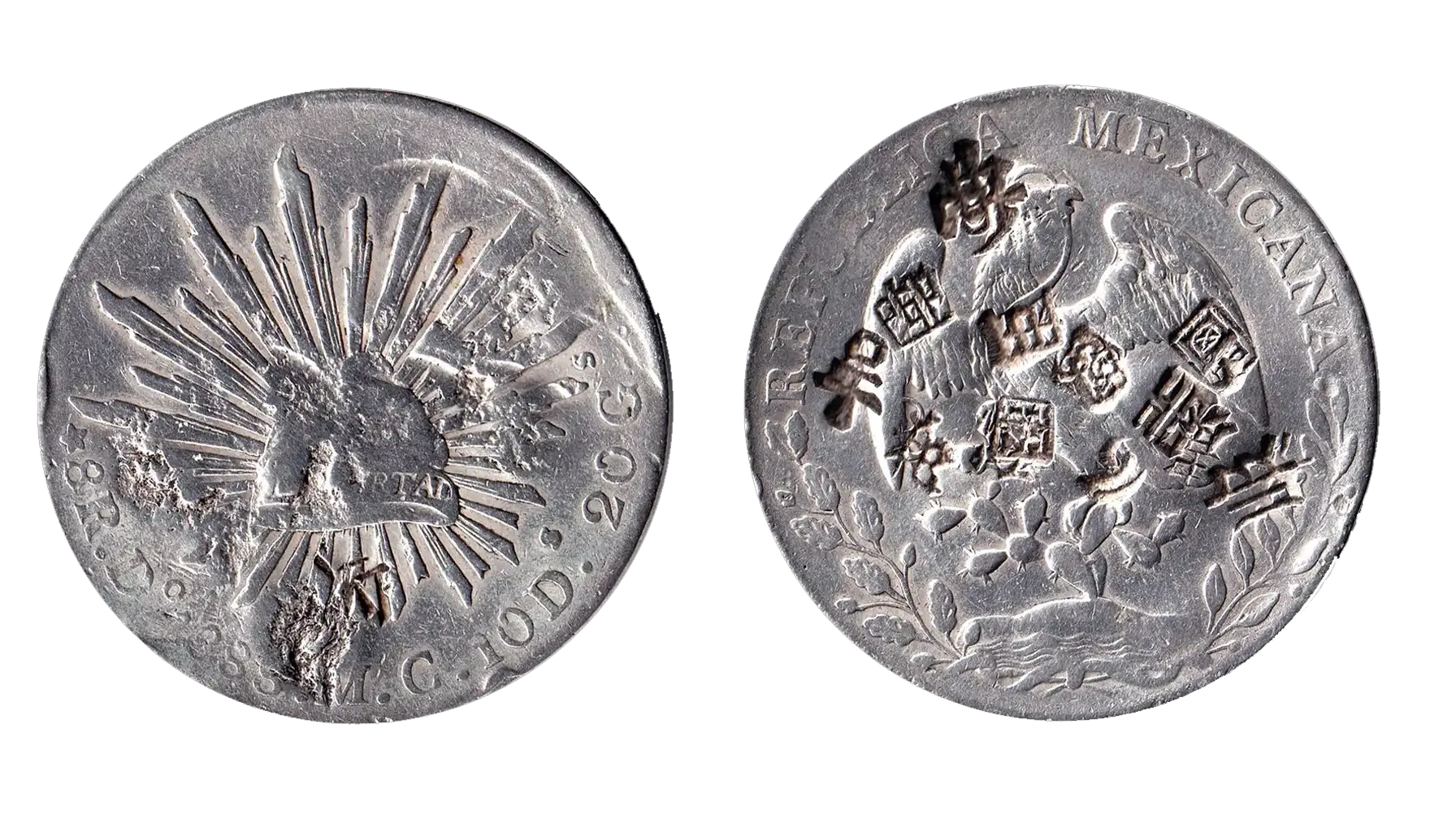
The regular ounce, called the avoirdupois ounce, is used for pretty much everything else in daily life. It equals 28.3495 grams. The ounce used for precious metals weighs 31.103 grams. Almost 3 grams heavier.
Unit | Grains | Grams | Avoirdupois Equivalent |
Troy Ounce | 480 | 31.103 | 1.097 oz avdp |
Avoirdupois Ounce | 437.5 | 28.3495 | 1.000 oz avdp |
How Many Grams in a Troy Ounce?
31.103 grams. That number doesn’t round up or down. It’s fixed, defined internationally since 1959. It equals 480 grains, and each grain equals 0.06479891 grams.
Still, that precision hides how strange this old system is. It came from a time when coins were hand-cut and scales tipped on tiny metal seeds called grains. Even now, if you read the fine print on a bullion certificate, you’ll see that same logic carried over word for word.
Why Precious Metals Use Troy Ounces
The troy system was made for precision trading long before “commodity markets” even existed. Every major mint, refinery, and exchange still uses it. That includes the U.S. Mint, Royal Canadian Mint, Perth Mint, and the London Bullion Market Association (LBMA), the organization that basically dictates global gold and silver standards.
You can see it everywhere:
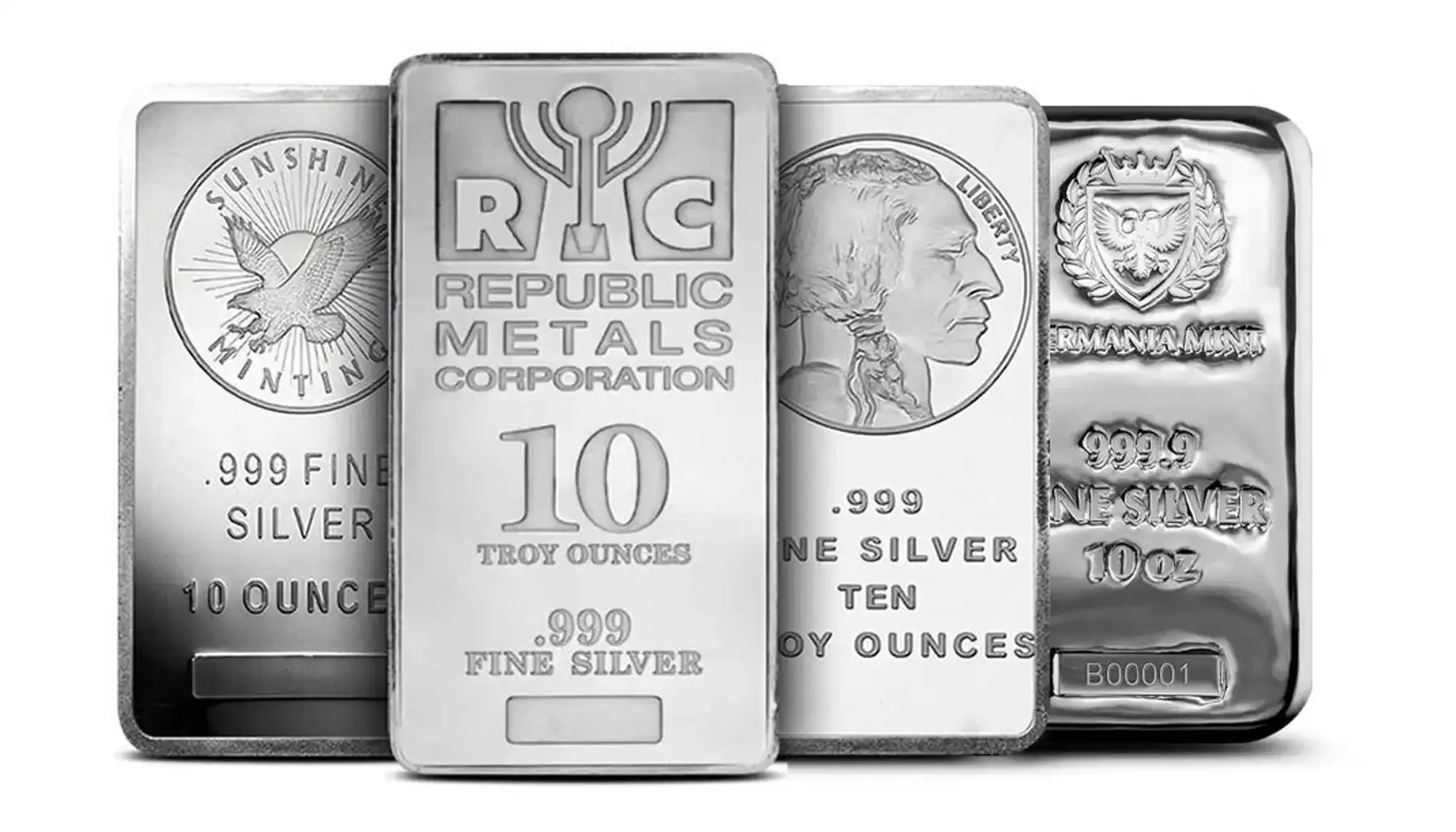
American Silver Eagle: 1 troy ounce, .999 fine silver
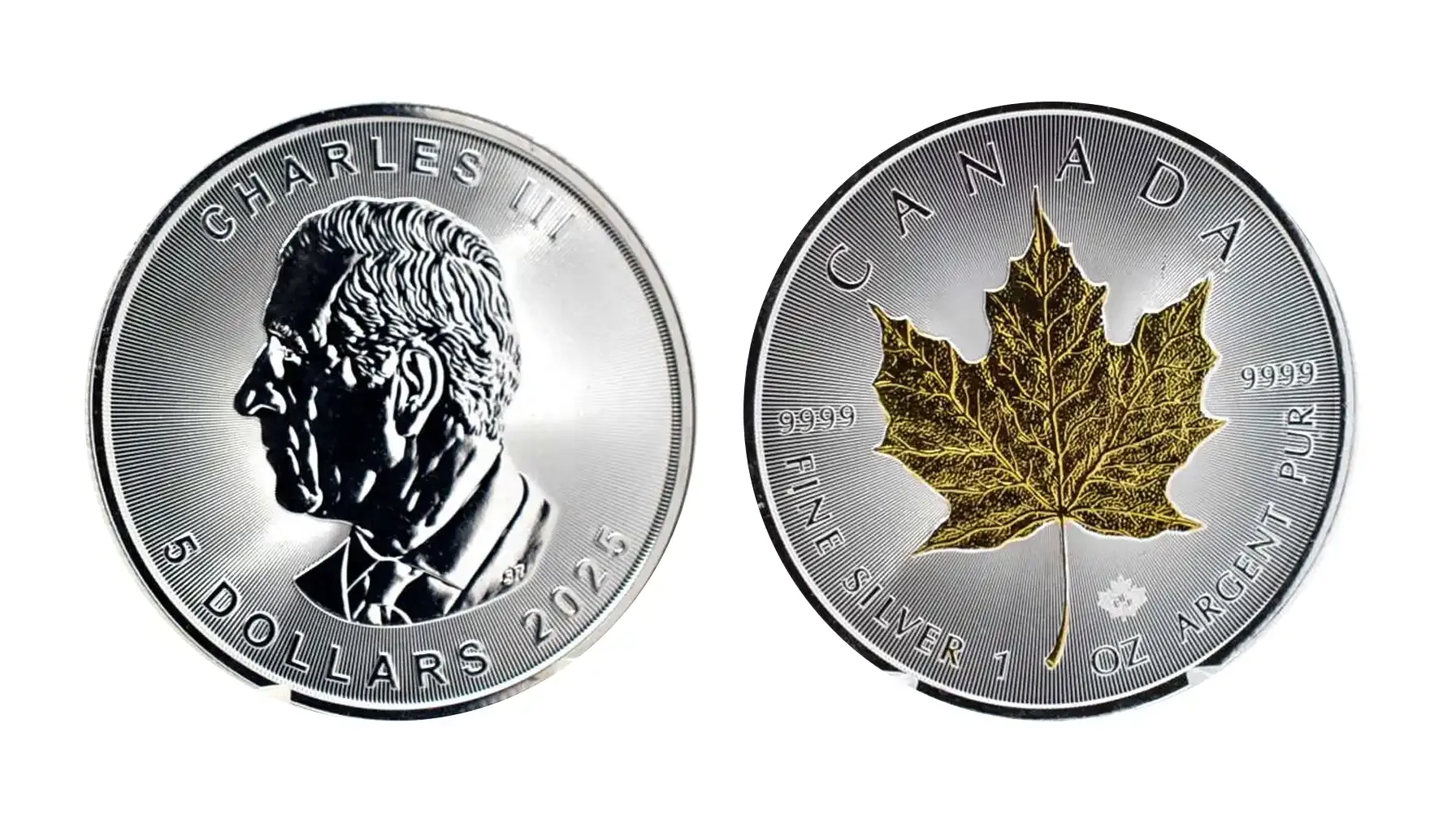
Canadian Maple Leaf: 1 troy ounce, .9999 fine gold
Each coin’s weight is exact, not approximate. If that weren’t the case, trust in the entire market would fall apart fast. That’s why, even though the rest of the world moved to grams and kilos, the precious metals world stayed put.
Value of One Troy Ounce of Silver
Right now, silver’s trading around $49.29 per ounce for precious metals, based on recent weekly averages. The price for October 10th is:
Period | Silver Price per Troy Ounce |
Week High | $49.95 |
Week Low | $45.99 |
Current Average | $49.29 |
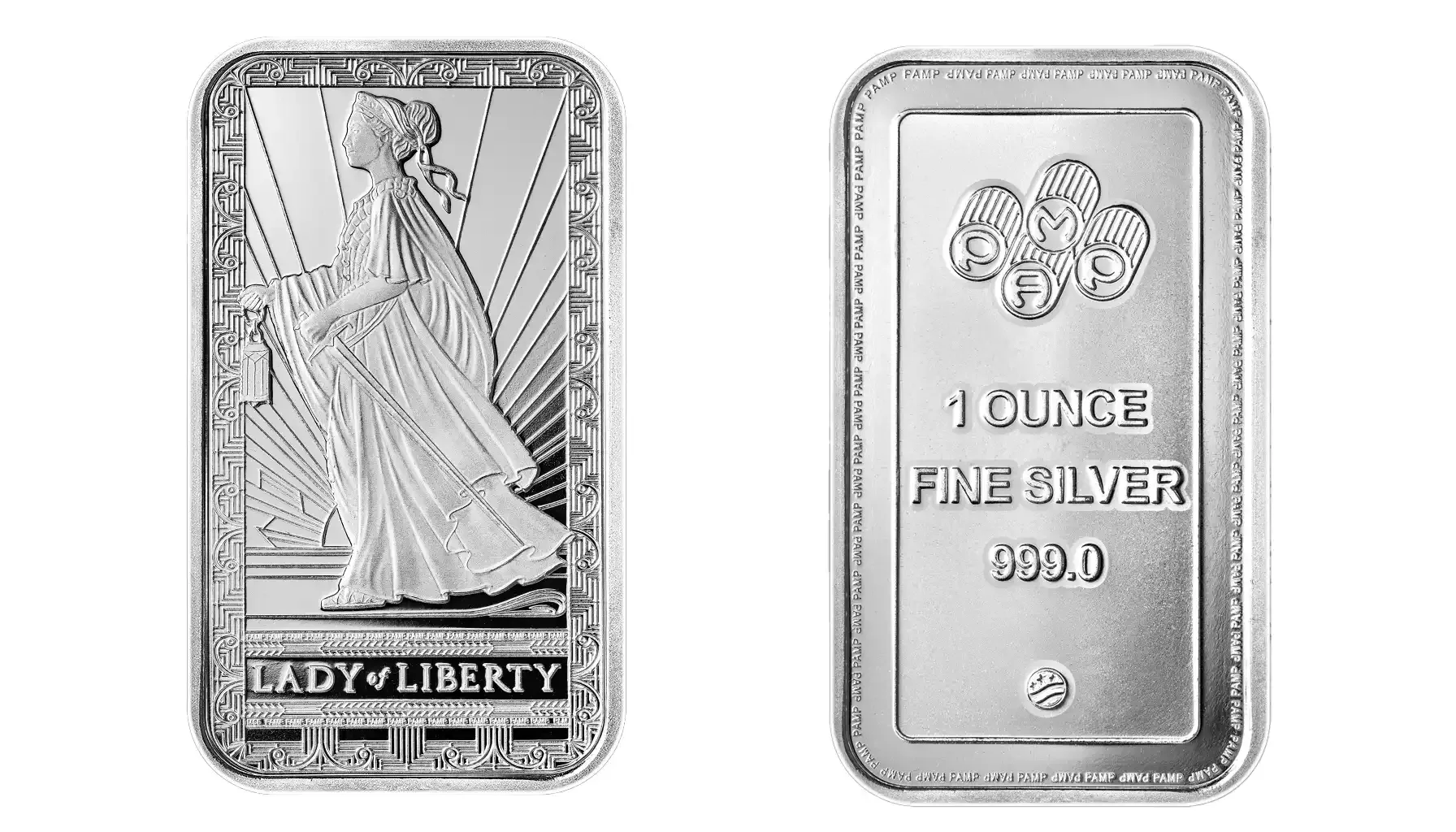
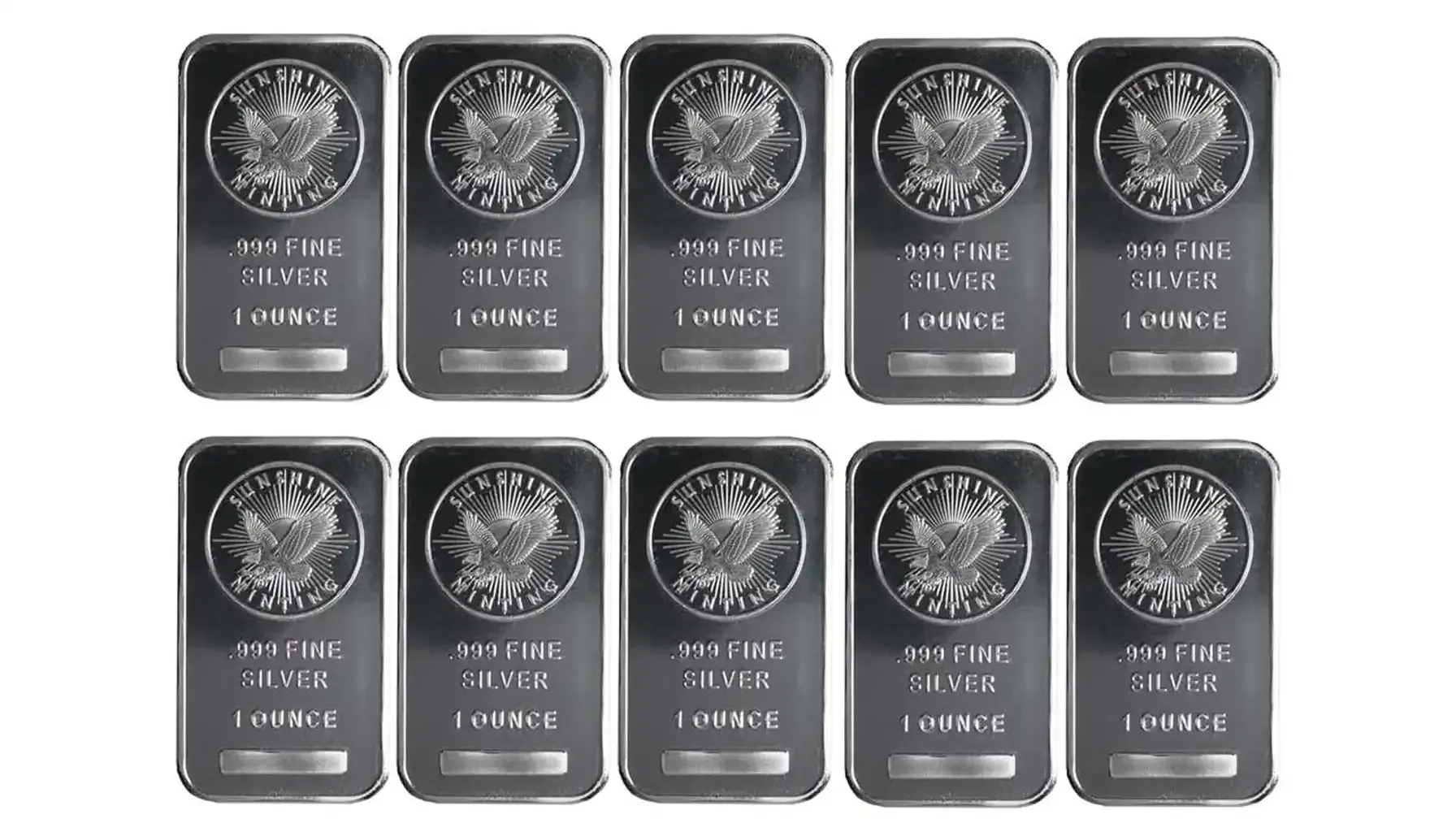
Spot price is for raw silver; it is unshaped and unminted. It means the metal’s market worth before any design or collector markup. If you’ve ever seen “1 TROY OZ .999 FINE SILVER” stamped on a coin or bar, that means the silver is 99.9% pure. Its intrinsic value is determined by multiplying its troy weight by the live silver spot price.
Example: a 1 troy ounce 999 fine silver value = 1 × $49.29 = $49.29 of silver content (before premiums).
Dealers often charge above that: for minting, shipping, and profit. Collector coins can go far higher if they’re rare or graded.
One Troy Ounce of Gold — How Much Is It Worth?
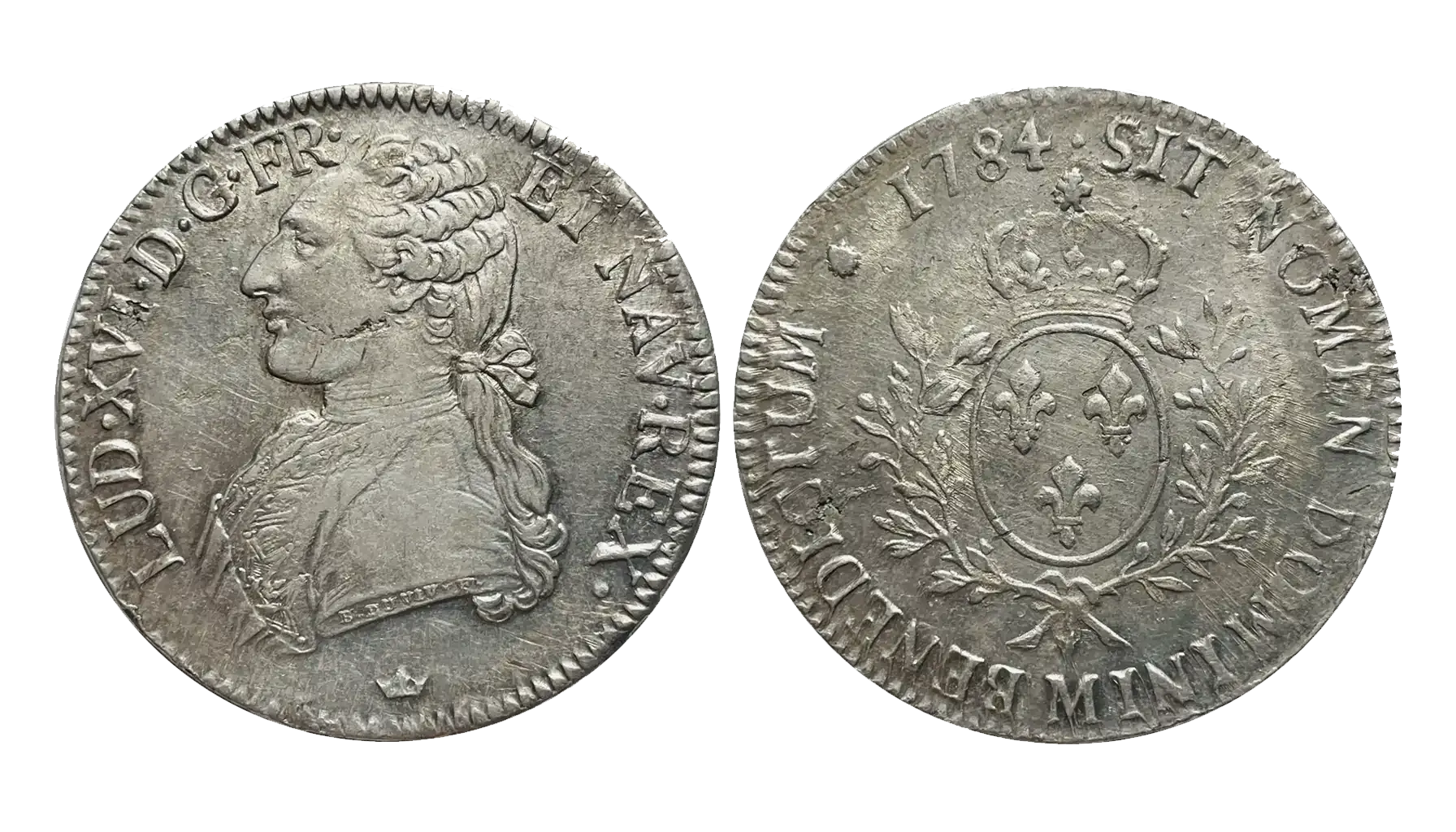
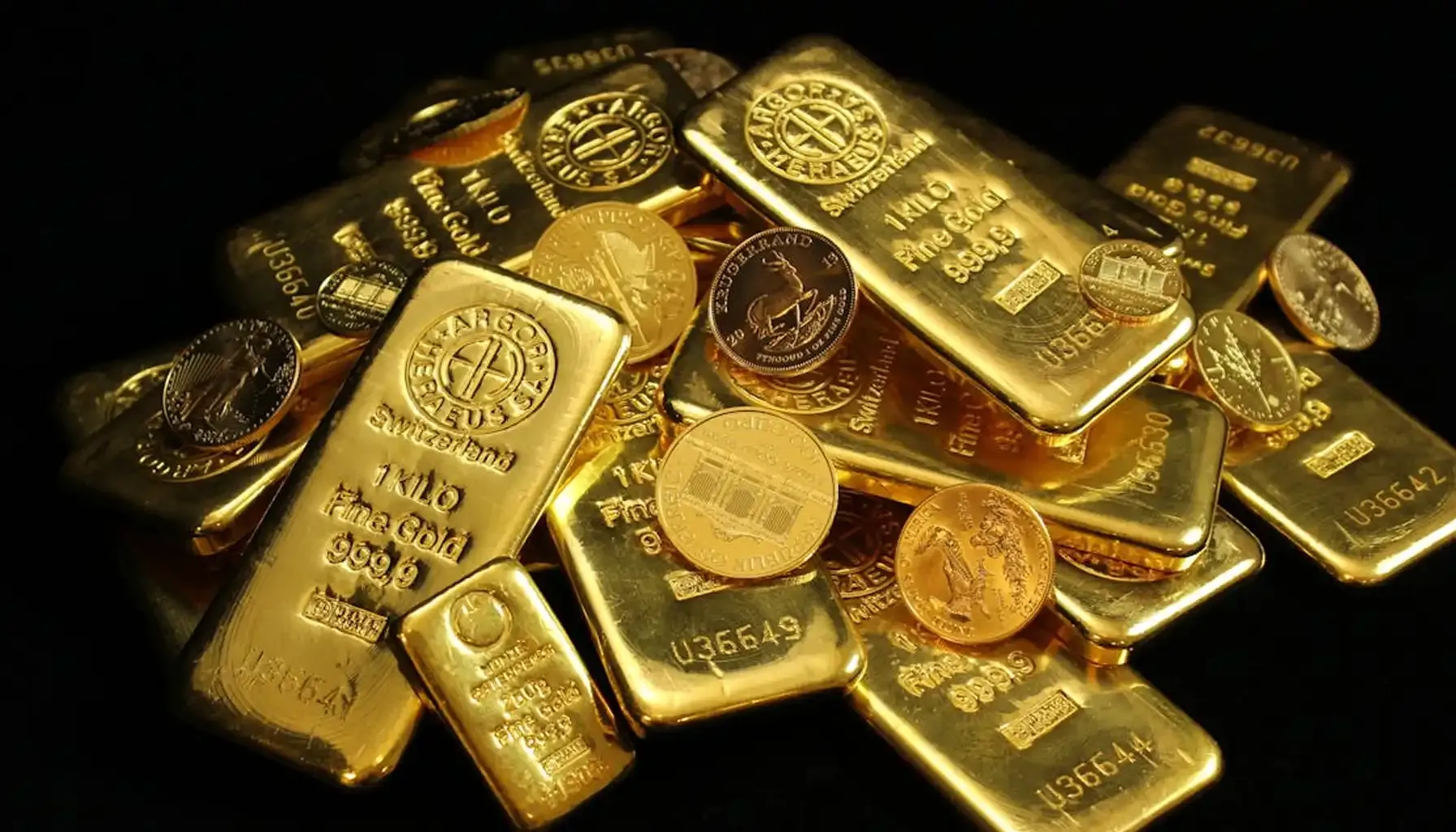
One troy ounce of gold costs 50 times more than the same weight of silver. On October 10th, 2025, the gold price (USD) is around $2,400-$2,500, but it may change under different circumstances, like different times of the day and market conditions.
It can swing a lot. If it’s a gold coin, the price would be even bigger. One troy ounce of gold at $2,450 means a one-ounce coin or bar has that much metal value before premiums or collectible demand get involved.
Metal | Weight | Current Value (approx.) |
Gold | 31.103 g | ~$2,450 |
Silver | 31.103 g | ~$49 |
Common Conversions and Practical Examples
Weight | Ounces | Grams | Kilograms |
1 oz t | 1 | 31.103 | 0.031 |
10 oz t | 10 | 311.03 | 0.311 |
32.15 oz t | 32.15 | 1,000 | 1 |
Now, if you want to compare it to everyday weights: 1 troy ounce is 1.097 regular ounces, but 12 similar ounces is 1 troy pound (yes, twelve, not sixteen like the avoirdupois pound)
For example, a 100-ounce bar of silver in troy weight equals roughly 6.86 pounds avoirdupois, not the clean 6.25 pounds you might expect if you used regular ounces.
Collectors use smaller units too: fractional coins like 1/10 oz or 1/4 oz. And for refiners, they let mints control purity and weight down to the grain.
Why the Troy System Still Matters
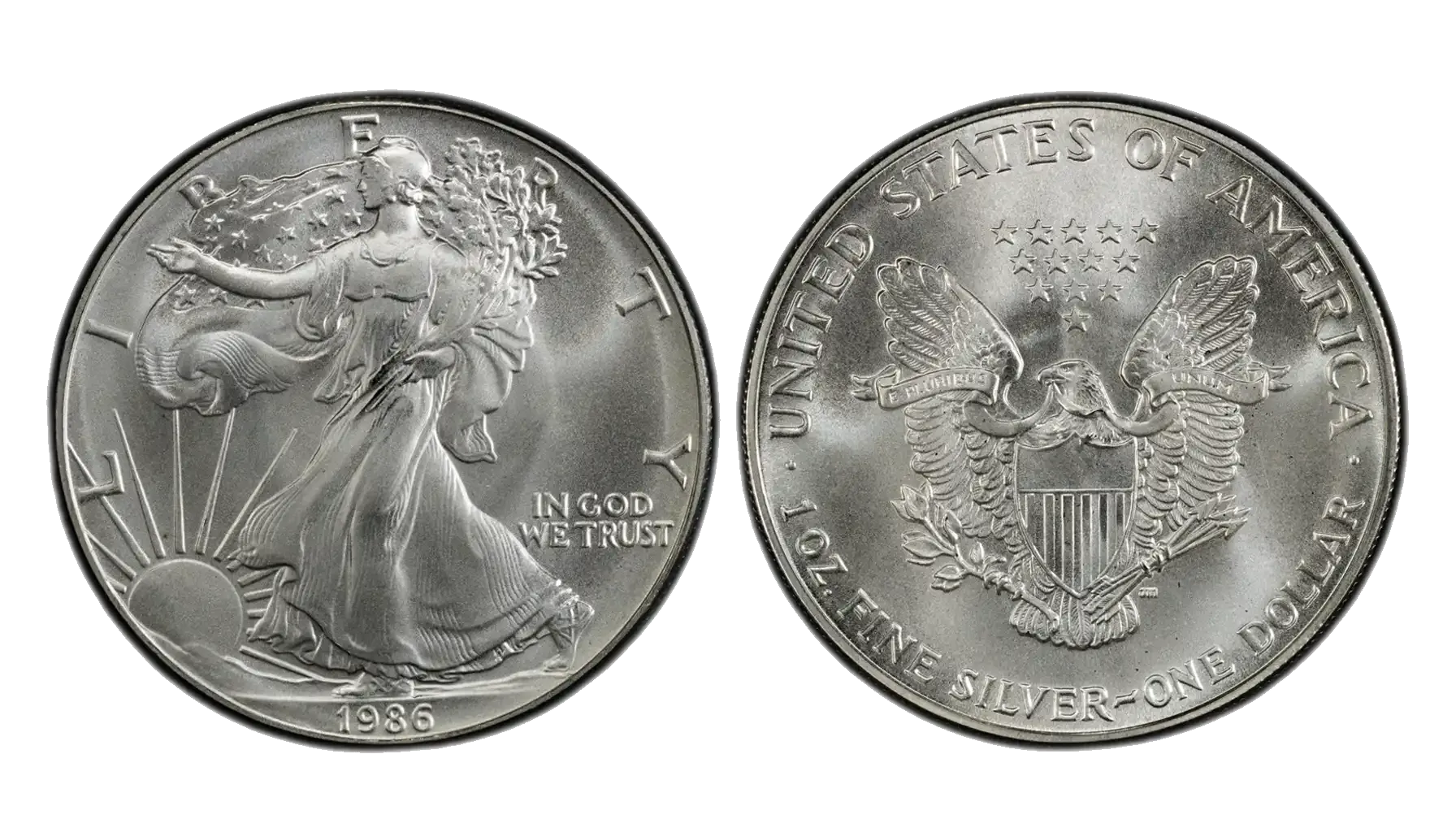
Every major bullion dealer, jeweler, and mint in the world measures by it. The London Bullion Market Association (LBMA), the New York Mercantile Exchange (NYMEX), and countless refineries still quote prices in this measurement every single day.
Even China, when it first started minting Gold Pandas in the 1980s, used ounces before eventually shifting to grams. And yet, global spot prices still anchor themselves in the same unit, 31.103 grams of pure weight.
FAQ
How much is a troy ounce?
One ounce of precious metals equals 31.103 grams; that’s the universal constant for weighing precious metals. It’s about 9.7% heavier than the regular ounce used for groceries or postage.
How much is one troy ounce of silver worth?
That depends on the market. Based on recent spot prices, around $49.29. But remember, dealers usually add a premium for minting, design, or rarity, so the coin in your hand might cost a few dollars more.
Why not just use grams for gold and silver?
Because the whole global system already runs on ounces. Prices, contracts, mint specifications, they’re all written that way. Switching to grams would wreck decades of historical data and trade agreements.
Can I buy 1 troy ounce gold or silver coins?
Yes, that’s actually the most common size. Coins like the American Silver Eagle, Canadian Maple Leaf, and Gold Krugerrand all weigh exactly one ounce. Smaller fractional sizes exist too for collectors on a budget.
Is this measurement the same everywhere?
Yes. The international yard and pound agreement (1959) locked in the modern definition, 31.1034768 grams, so whether you’re buying in New York or London, it means the same thing.
Does purity affect troy weight?
No. Purity affects value, not weight. A 1 ounce .999 fine silver coin still weighs 31.103 grams, but it’s worth more than an alloyed piece of the same size because it’s purer metal.
What’s the deal with “troy pounds”?
They exist, rarely used, though. One troy pound equals 12 ounces, about 373.24 grams. For comparison, an avoirdupois pound (the one on your scale at home) is 453.59 grams.

 Facebook
  X (Twitter)
  Pinterest
  LinkedIn