Contents:
Singapore’s monetary system runs in a steady, predictable way. That surface simplicity hides a clear internal logic, where every coin and banknote connects to a specific stage of the country’s development.
To quickly grasp denominations, metals, and periods, it’s helpful to start with a foreign coin identifier—it helps compare parameters and eras before delving deeper into history.
Overview of Singapore Coinage
Until 1967, British-linked currencies remained in use, including the Malayan and Borneo dollars across the territory. After Singapore left the currency union with Malaysia, the country built its own monetary system based on stability and trust.
From the outset, coinage policy stayed practical. Designs were kept simple, symbolism was limited, and durability came first. That approach fits the region’s coin history, where money was treated as a working tool rather than a statement.
The earliest series used copper-nickel alloys and aluminum bronze. Denominations were already separated by size, weight, and edge, a choice that later made circulation and machine handling much easier.
Singapore Dollar Coins and Banknotes
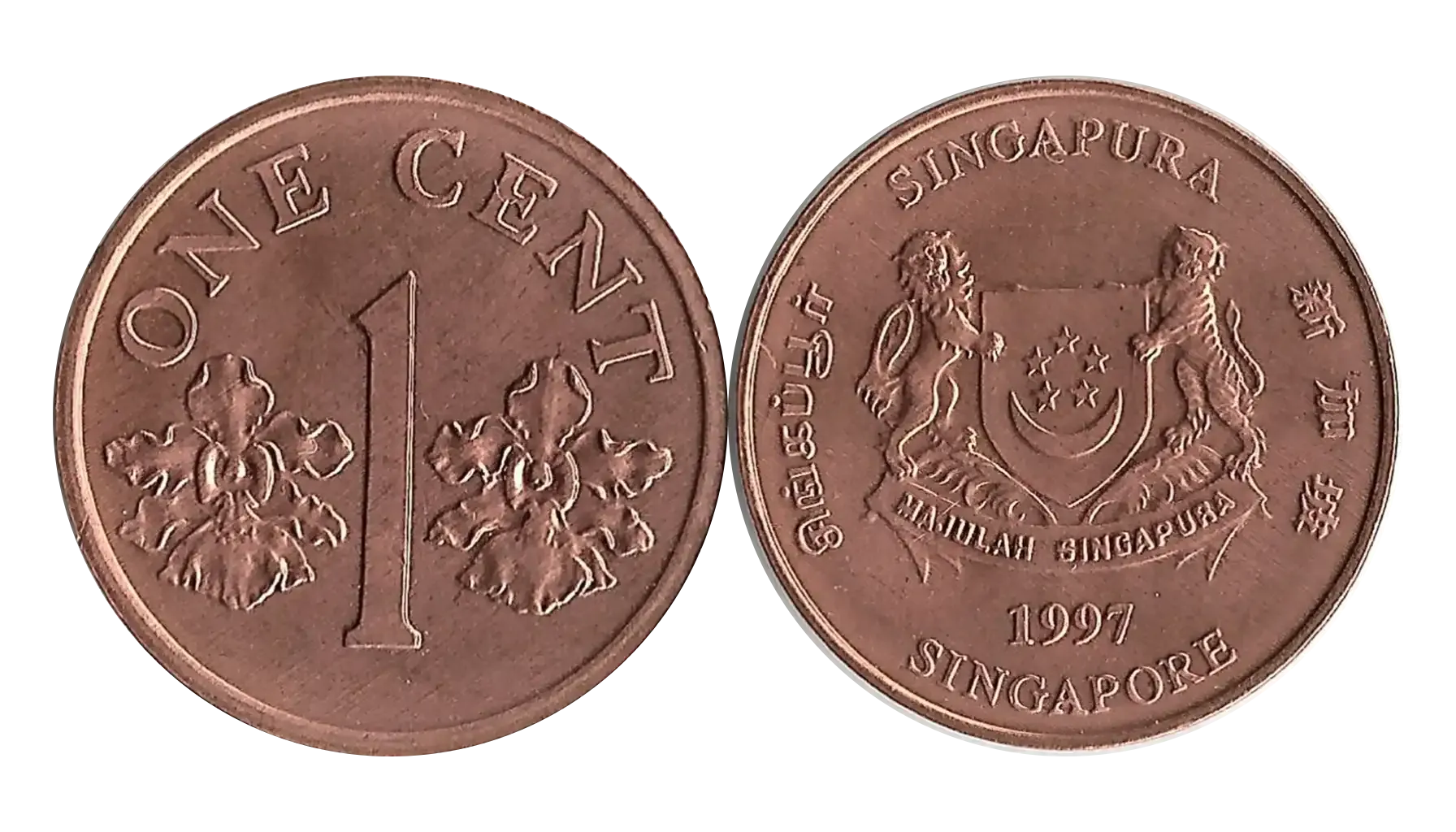
Singapore dollar banknotes and coins, introduced after the currency reform, form the basis of circulation today. The monetary system is based on the decimal principle: one dollar is divided into 100 cents.
The following denominations of specimens have been and remain used in circulation:
1, 5, 10, 20, 50 cents;
1 dollar (round and polygonal in different years).
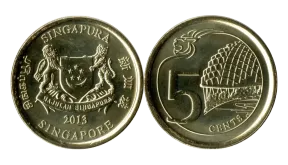
Each denomination relies on its own tactile and visual cues. This was a practical choice, meant for everyday handling. While the dollar sign appears on documents and price tags, the coins themselves focus on the denomination and national motifs.
When looking at an individual Singapore coin, the issue period matters. Early series from the 1960s and 1970s tend to show a softer relief. Later minting became more austere and technologically advanced.
First Series (Marine Series) (1967–1985):
Denomination | Diameter | Material |
10 cents | ~19 mm | Cupro-nickel |
50 cents | ~28 mm | Cupro-nickel |
1 dollar | ~33 mm | Cupro-nickel |
Parameters may vary depending on the year of manufacture.
Singapore Gold and Silver Coins
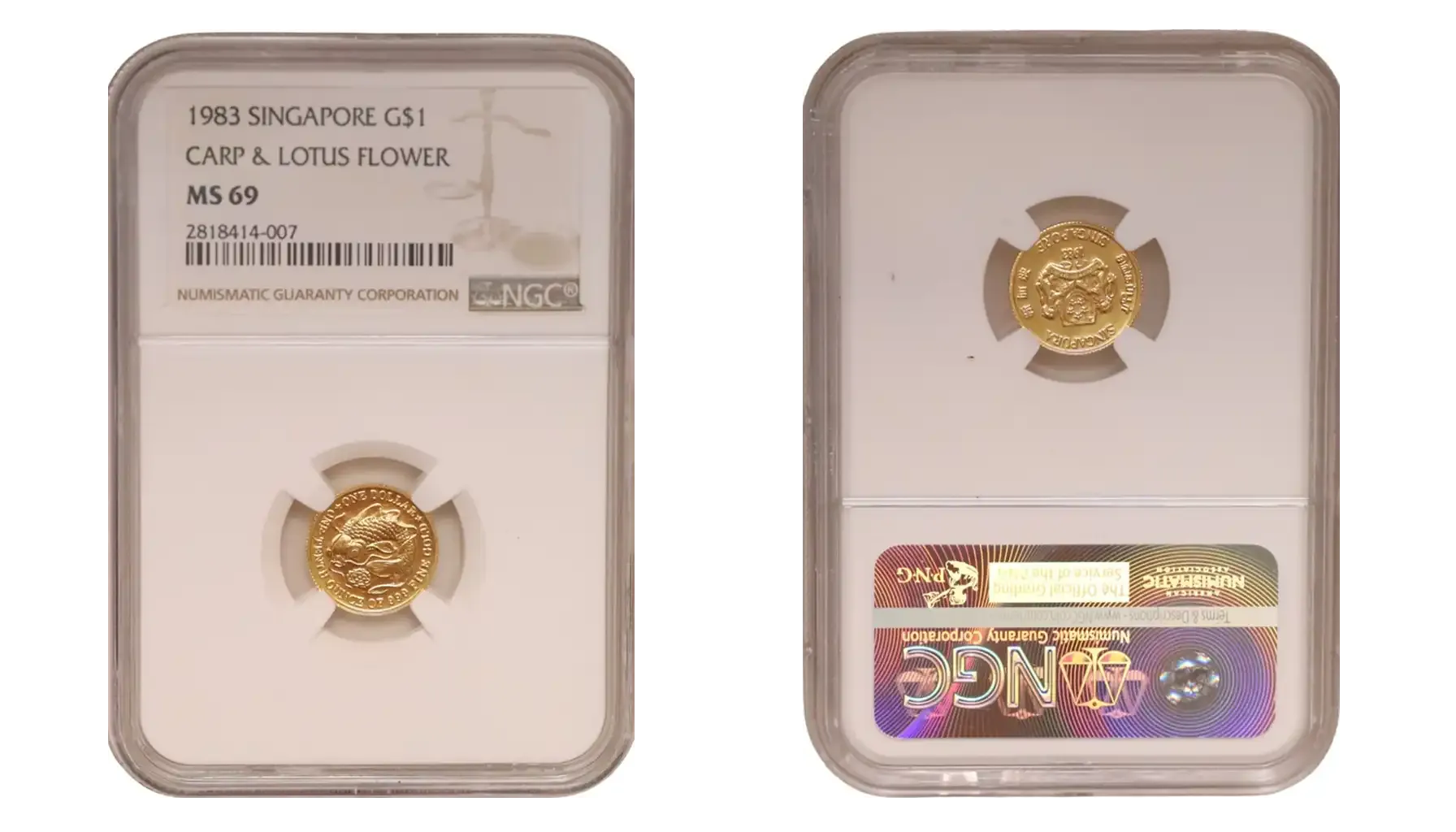
Investment and commemorative issues hold a distinct position. Silver coins Singapore are usually released as commemorative series tied to anniversaries, international events, or cultural themes. They rarely enter circulation and are almost immediately acquired by collectors.
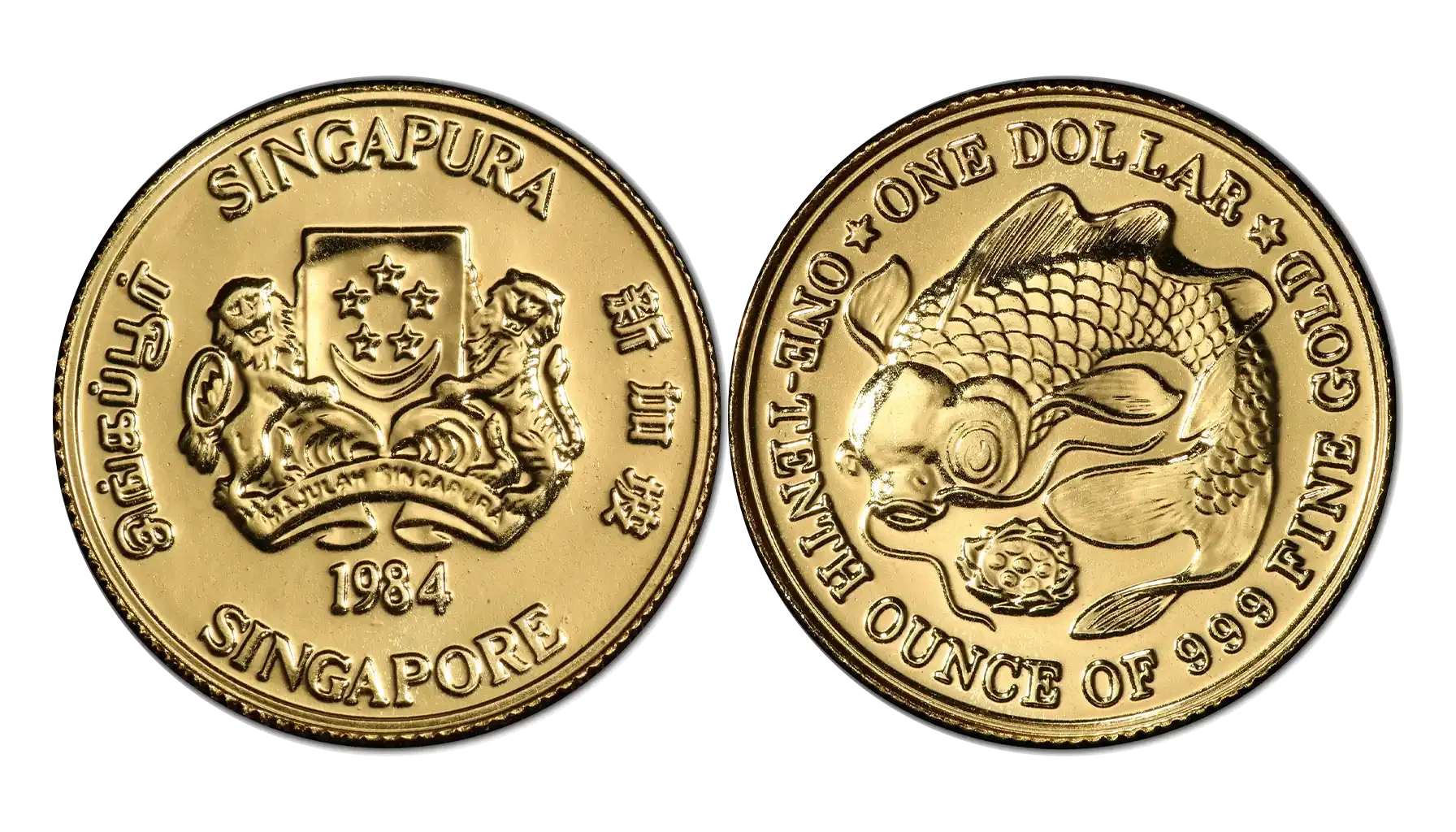
Gold is used less frequently, but this is precisely why Singapore gold coins generate lasting interest. These issues are aimed at investors and collectors who value metal and limited mintage.
“The 2025 coins feature the Snake, an animal in the Chinese zodiac cycle, set against the backdrop of Henderson Waves within the Southern Ridges. The front of each coin bears the Singapore Coat of Arms with the year 2025.”
— Monetary Authority of Singapore press release (2025 Chinese Almanac coins)
Sgps Gov website
You can see a series with weights indicated in troy ounces, making them understandable for the international market. However, Singapore gold coins are almost always sold at a premium to the metal, especially in small mintages or in official packaging.
It's important to understand the difference: gold coin Singapore are value stores. Here, surface finish plays a lesser role than confirmed weight and authenticity.
Singapore Mint Collector Coins
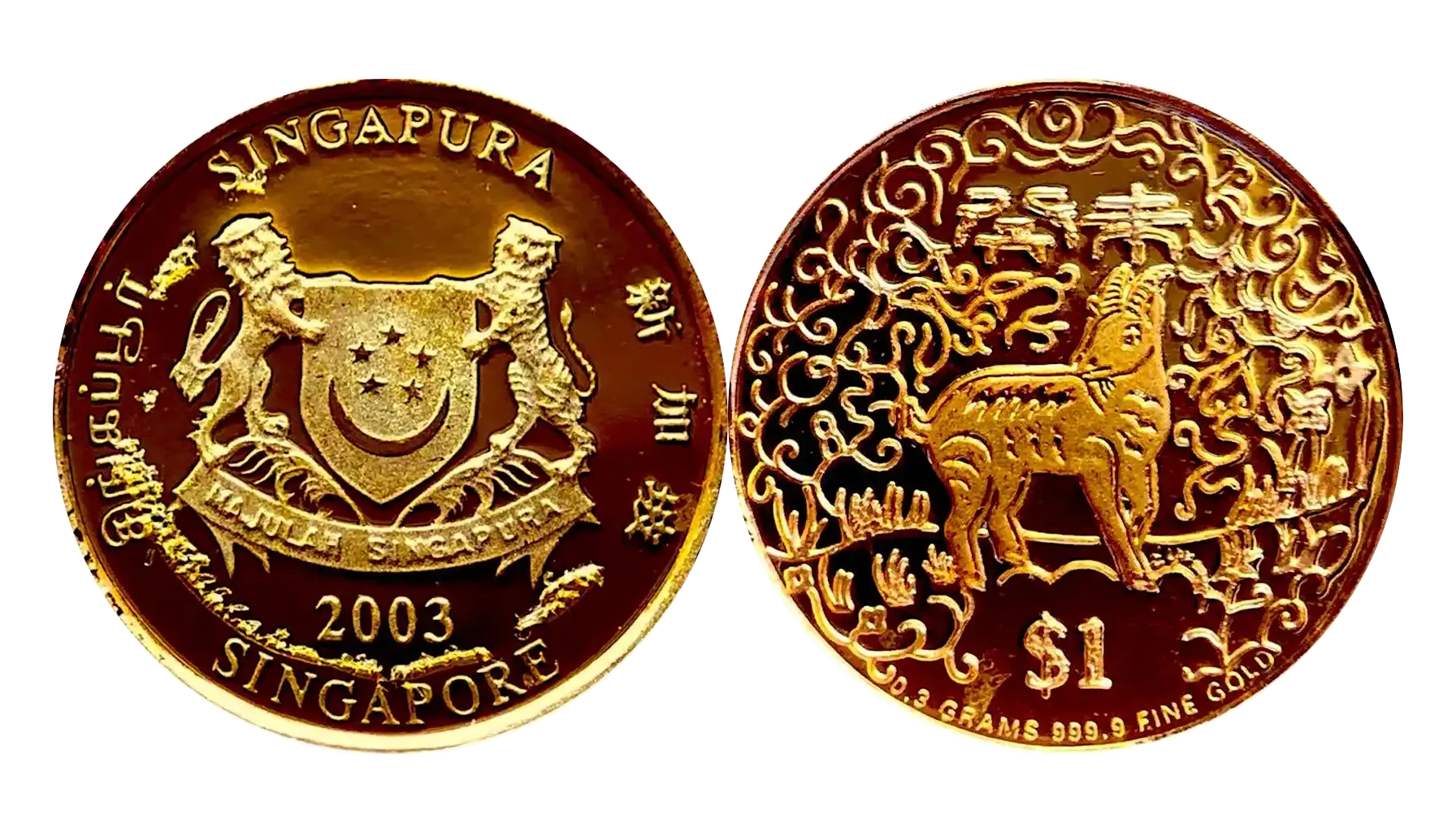
Collectors’ editions produced by the Singapore Mint form a distinct market segment. These pieces are created with long-term preservation in mind and are often issued in limited editions.
The specimens are characterized by:
Improved minting;
Complex compositions;
Thematic focus;
Official certificates.
In this segment, the integrity of the set—the case, capsule, and documentation—is also important. Loss of packaging can reduce the value more significantly than minor surface defects.
Value of Singapore Coins for Collectors
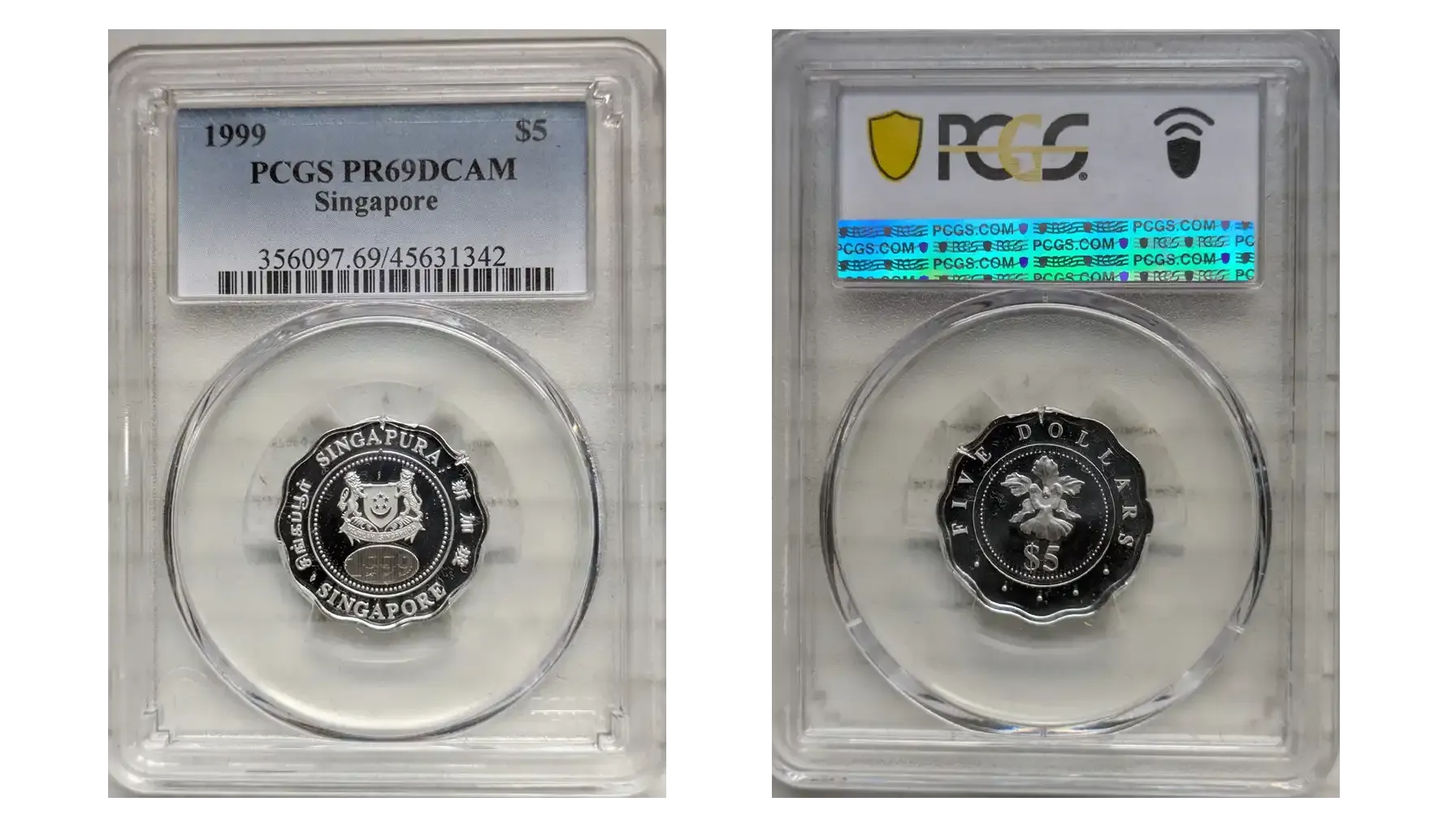
The price is determined in various ways, depending on:
Issue period;
Mint material;
Relief condition;
Limited edition;
Demand outside Singapore.
Generally, these pieces rarely experience sharp price fluctuations. It's a quiet market, where growth occurs gradually.
To quickly check a coin’s parameters, like weight, diameter, or metal, or match it against known series, the Coin ID Scanner app lets you upload a photo and compare it with verified data.
Typical Value Ranges (USD)
Type | Condition | Price range |
Early circulation issues | AU–MS | $2–15 |
Silver commemorative coins | Proof | $40–150 |
Gold investment coins | Uncirculated | Metal value + premium |
Note: Prices are current at the time of writing and depend on market conditions.

 Facebook
  X (Twitter)
  Pinterest
  LinkedIn