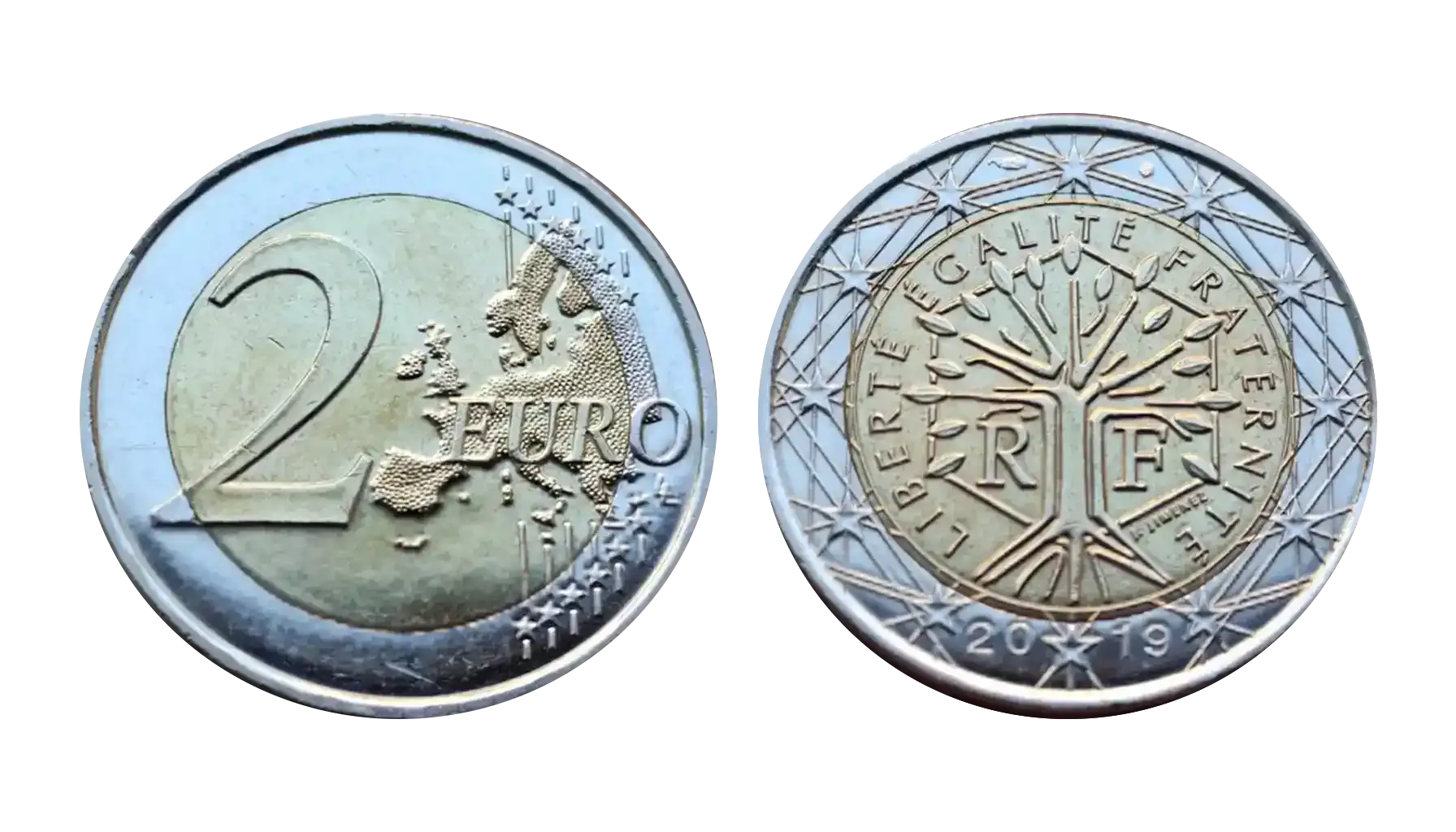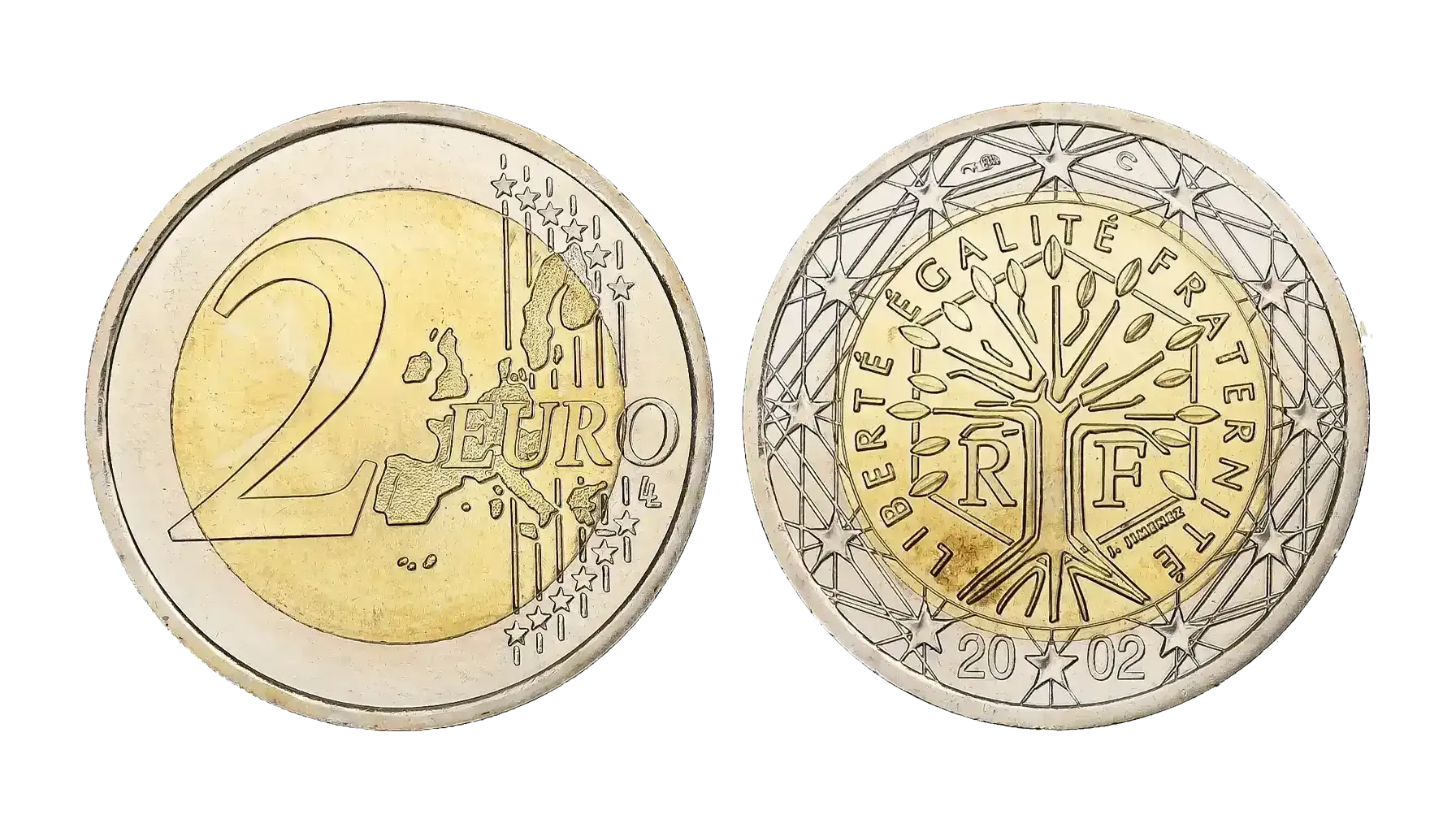
Dutch coinage has political eras. Before the Kingdom of the Netherlands unified its monetary system, regions like Utrecht, Holland, Gelderland, West Friesland, and Zeeland issued their own Dutch coins.
Many of these provincial issues circulated during the late 1700s under the Batavian Republic, a transitional state influenced by French governance. Coins from this period are silver stuivers, ducats, gulden, and regional variants, all with slight design differences tied to their issuing mint.
History of Dutch Coinage
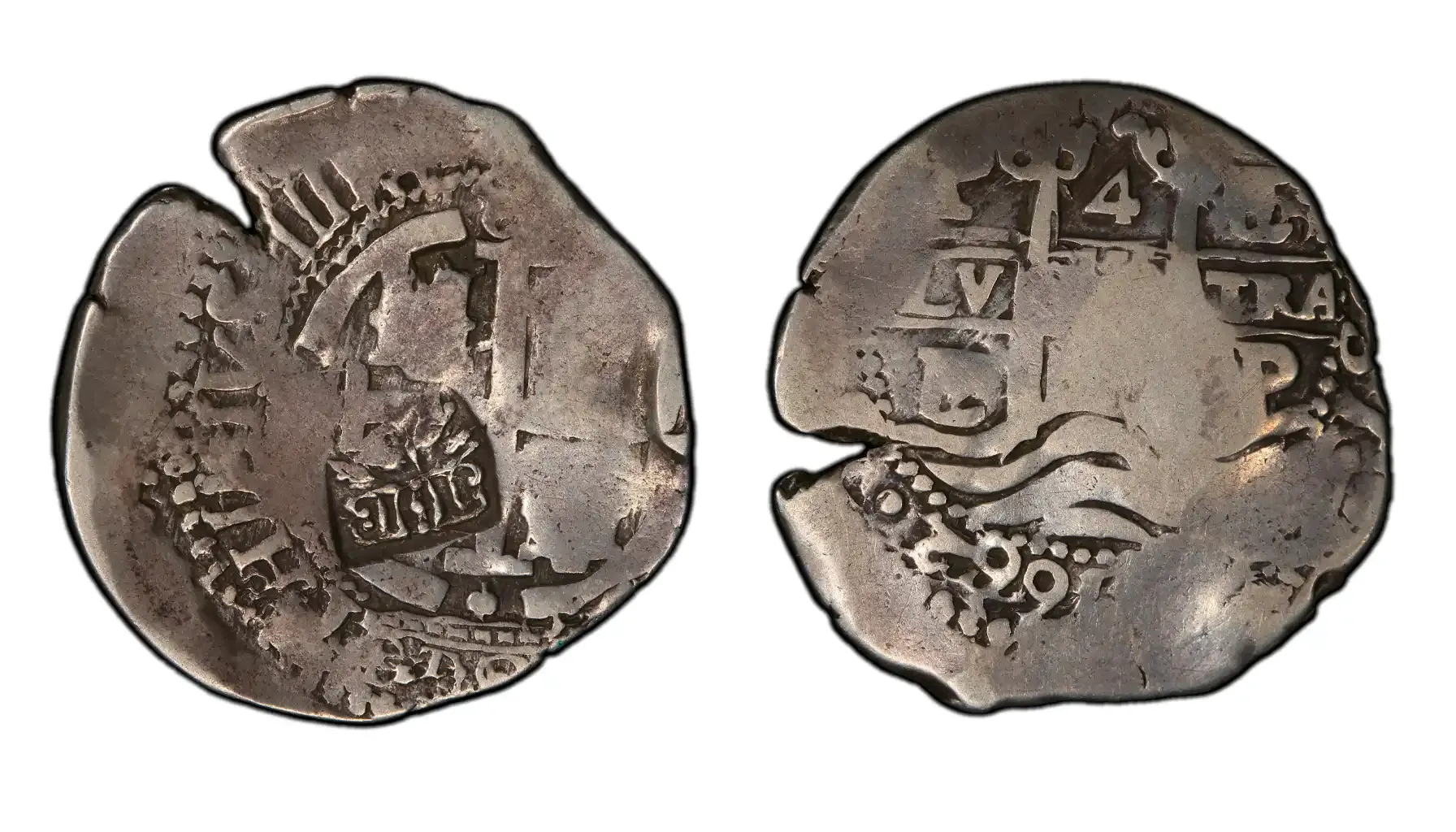
By the early 1800s, the Netherlands shifted into the Louis Napoleon era, producing some of the most visually appealing Dutch silver coins and patterns. These are 10 stuiver coins, 1 gulden pieces, and multiple pattern strikes in tin, silver, bronze, and even Dutch gold coins. Weight and purity were standardized more tightly during this period, but people still did not get a free coin identification app, so they relied more on the physical properties of a coin.
After Napoleon’s fall, Dutch coinage continued under the restored monarchy. The Dutch guilder coins stayed in daily commerce for nearly 200 years, until the euro replaced the guilder in 2002.
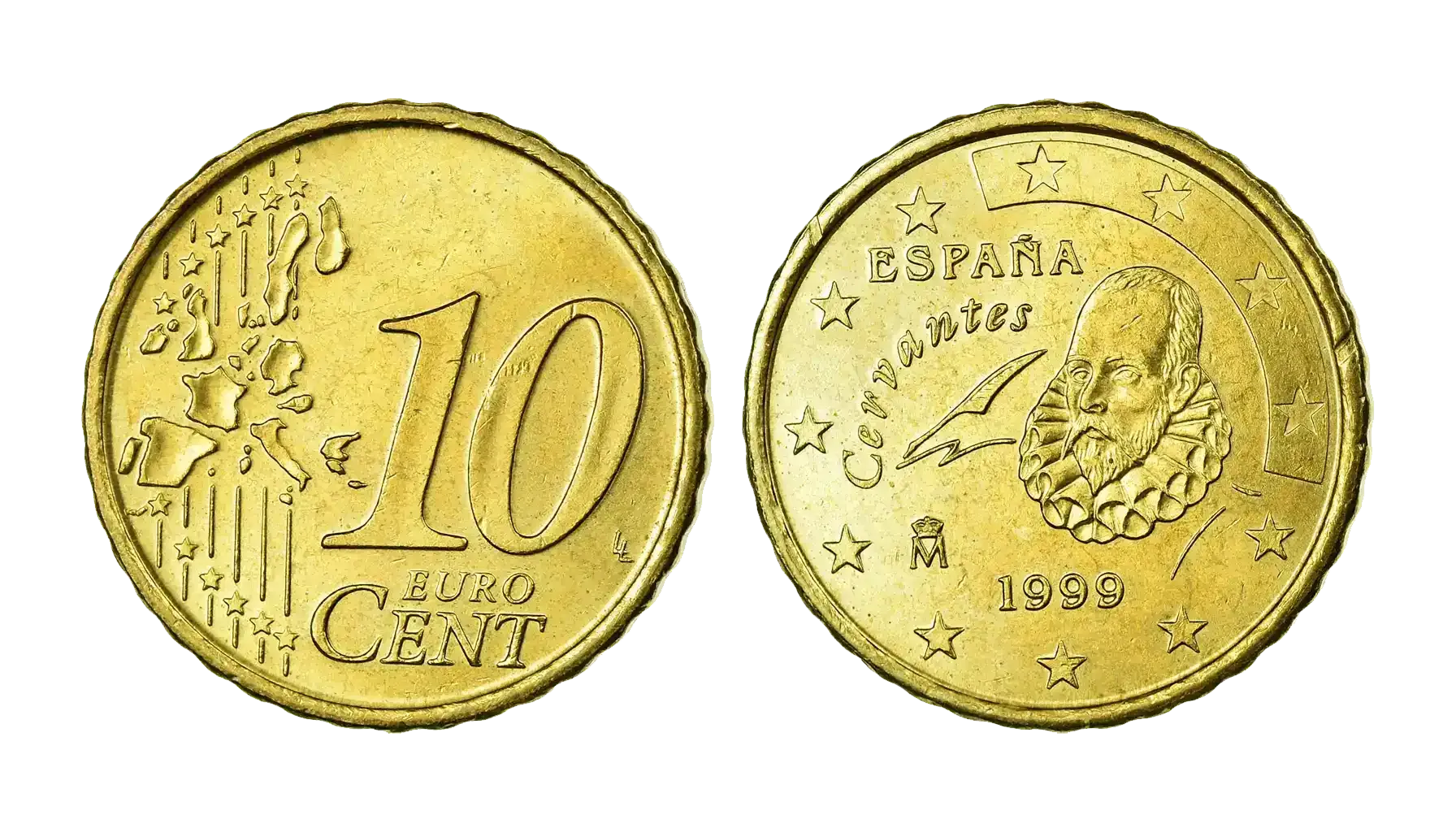
“Dutch euro coins currently use two designs by Erwin Olaf, both of which feature a portrait of King Willem-Alexander of the Netherlands. The new designs began circulating in 2014. Dutch Euro coins minted from 1999 to 2013 feature a portrait of Queen Beatrix designed by Bruno Ninaber van Eyben. All coins share the 12 stars of the EU and the year of imprint in their design.”
— Dutch government
from (in Dutch) Koning Willem-Alexander slaat nieuwe Nederlandse euromunten
Guilder Coins of the Netherlands
The Dutch guilder (“gulden”) exists in many forms:
Provincial & Batavian Republic Gulden (1795–1800)
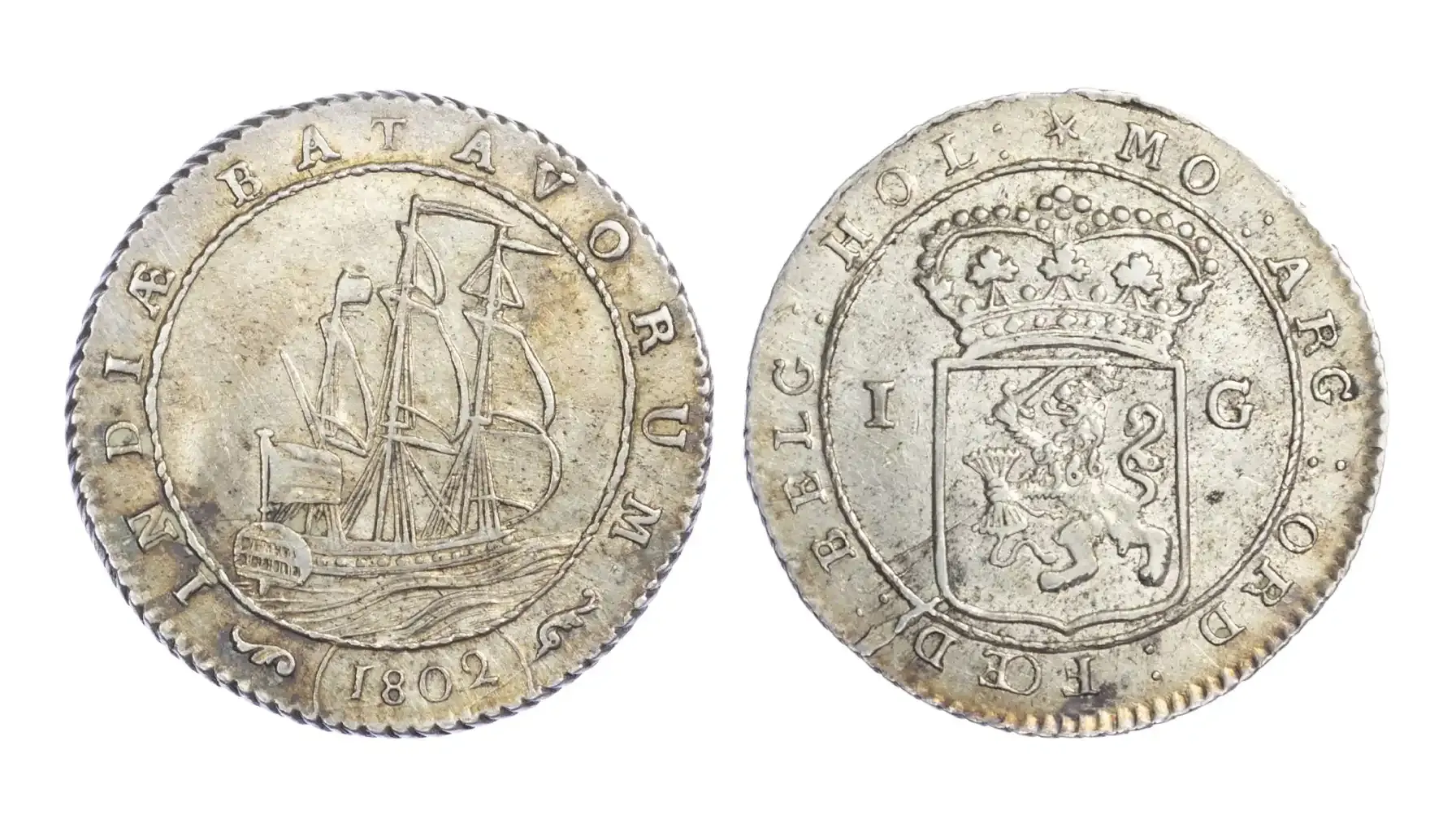
It’s a .912 fine silver coin, about 10.47 g, struck on a slightly irregular round planchet. Diameter: 31 mm. The Dordrecht mint handled most of these, though Enkhuizen struck some as well (marked with the little ★ in the legend “HOLL: ★”). The obverse isn’t shy about telling you whose authority minted it:
MO·ARG·ORD·FÆ·BELG·HOLL · 1 G
Which translates to “Silver money by order of the Federated Netherlands, Holland.”
This very gulden was one of the famous Australian Proclamation Coins: a set of ten foreign coins officially assigned inflated values to keep them in circulation in early New South Wales. Governor King made them 2 shillings, even though the metal content said otherwise. So yes, a Dutch coin became colonial Australian currency for a while.
Flip it over, and you see one of the Batavian Republic’s more dignified reverse motifs: a standing figure leaning on a book and holding a spear capped with a liberty cap. Underneath:
HAC NITIMVR HANC TVEMVR (“On her we lean, her we defend”)
Louis Napoleon Gulden (1808–1810)
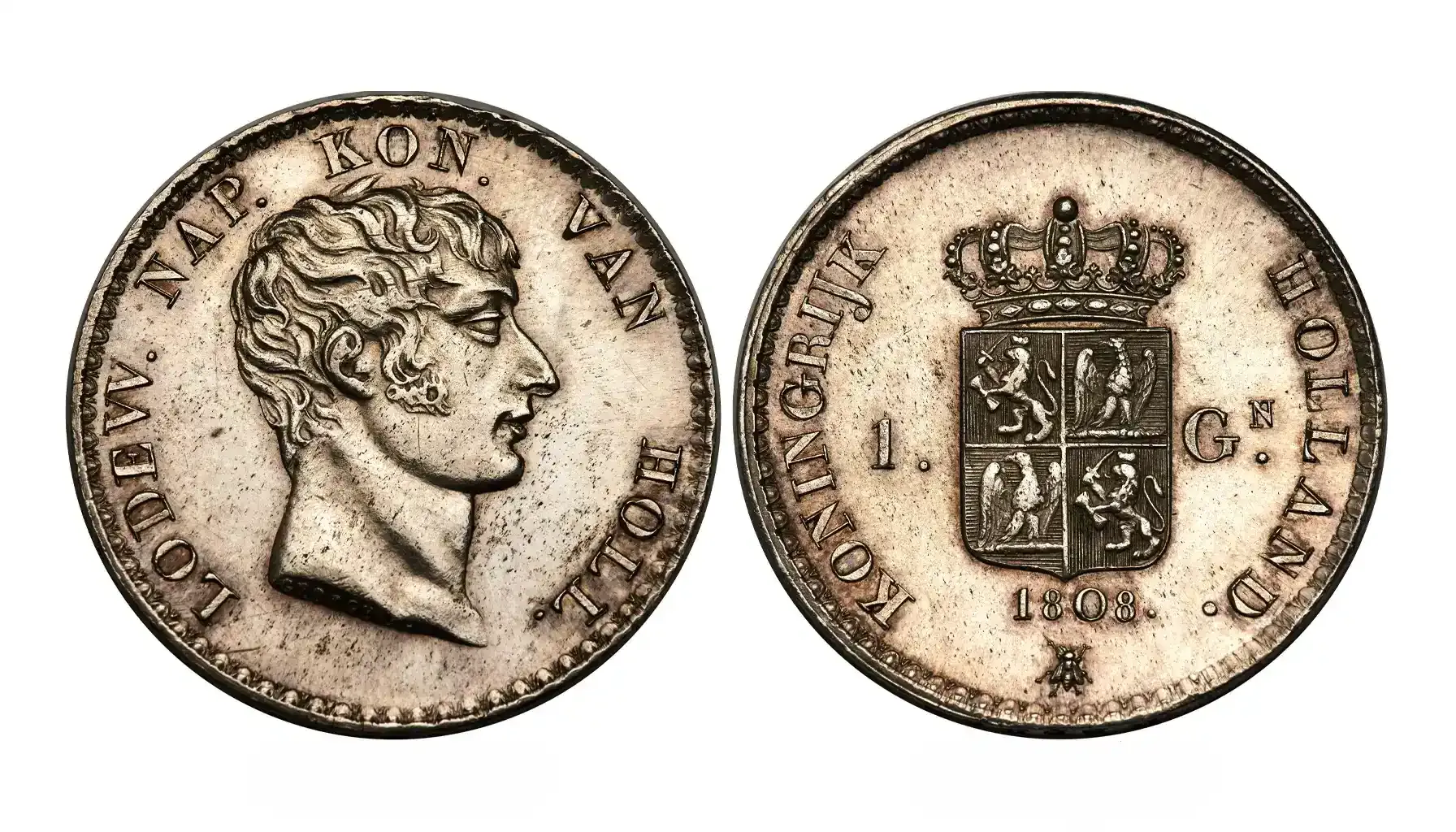
Louis Napoléon Bonaparte (Napoleon’s brother) sits on the throne, and suddenly the coins look much more “continental.”
The 10 Gulden gold piece (1808–1810) is the flagship coin of this era.
Specs:
Material: Gold .917
Weight: 6.825 g
Diameter: 22.5 mm
Obverse: bare-headed Louis, left-facing, with the inscription LODEW. NAP. KON. VAN HOLL
Reverse: the crowned arms of the Kingdom of Holland, value split on either side, date under the shield, and, if you check the edge, an embossed creed: DE NAAM DES HEEREN ZY GELOOFD (“The name of the Lord shall be praised”)
These coins were struck at the Royal Dutch Mint in Utrecht, complete with the bee privy mark used by mintmaster G. J. L. du Marchie Sarvaas.
Your 1 Gulden Louis Napoleon Pattern (1807) is the standout:
Material: Gold .986 (almost pure)
Weight: 13.97 g
Struck at Utrecht
Same general design as the circulating gulden, but oversized, heavier, and far more detailed
Patterns also exist in silver, bronze, and tin for other denominations: 2½ gulden, 50 stuivers, and Rijksdaalder prototypes.
Rare & Valuable Netherlands Coins
These pieces have extremely low mintages, sometimes unique, and are therefore the highest-value entries in the Netherlands coin value market.
Half Guilder (½ Gulden) – Detailed History, Types & Specifications
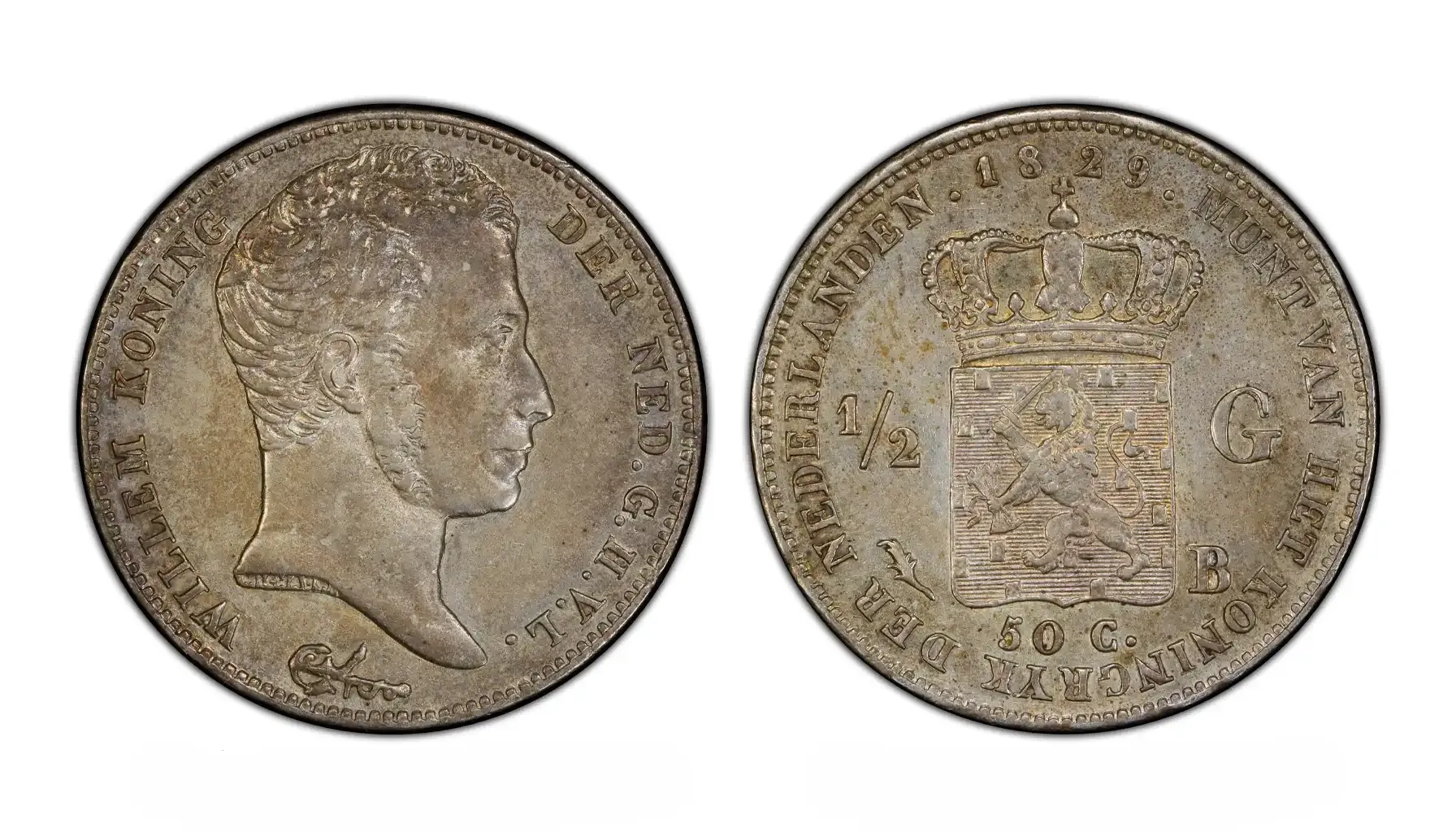
The half guilder was introduced shortly after the Kingdom of the Netherlands consolidated its currency system under King William I. Almost all pieces were struck in Utrecht, the traditional minting center, except for the rare Brussels-minted 1829 and 1830 pieces.
Three Metal Standards:
Period | Weight | Diameter | Fineness |
1818–1830 | 5.38 g | 24 mm | Silver .893 |
1846–1919 | 5.00 g | 22 mm | Silver .945 |
1921–1930 | 5.00 g | 22 mm | Silver .720 |
Thickness is undocumented in surviving records, but collectors generally note that the early .893 series appear slightly fuller at the rim.
Design Evolution Across Monarchs
The common theme is simple: portrait on the obverse, crowned arms on the reverse. But the portrait style, and even the edge, changes noticeably depending on the reign.
William I (1818–1830)
Mints: Utrecht & Brussels
Edge: Smooth with lettering “GOD ZY MET ONS” (“God be with us”)
Obverse: King’s bust right
Reverse: Crowned Dutch arms, value split (½G or 50c)
These are the earliest half guilders and feel the most “transitional”: larger diameter, heavier planchet, higher silver purity. The Brussels strikes (1829–1830) are scarcer and often collected separately as subtype pieces.
William II (1846–1848)
Mint: Utrecht
Edge: Reeded (no lettering)
Obverse: King’s bust left
Reverse: Arms dividing value
All pieces are scarcer by default. The fineness jumps to .945 here.
William III (1850–1864, 1866, 1868)
Mint: Utrecht
Edge: Reeded
Obverse: King’s bust right
Reverse: Crowned arms, value below
This is the longest pre-Wilhelmina run, and you see gradual improvement in die engraving through the 1860s. Earlier dates are far tougher in higher grades; flat hair curls are normal due to strike weakness.
Queen Wilhelmina – Three Portrait Styles
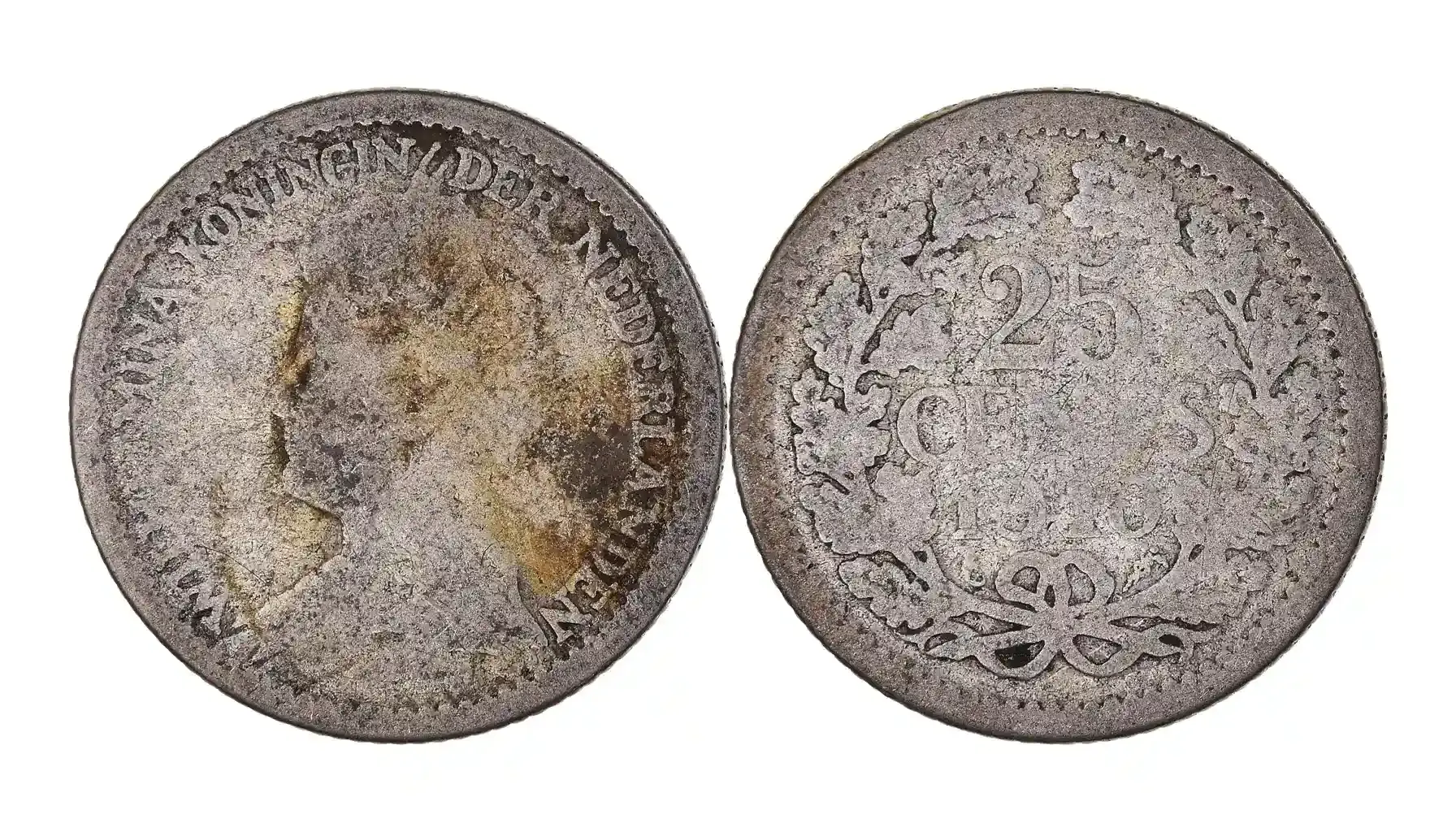
Wilhelmina’s half guilders reflect her incredibly long reign. You get three separate series, each with its own portrait:
Diademed Head (1898): one-year type youthful portrait
Diademed Head (1904–1909): slightly refined engraving compared to 1898. These are moderately common
Wilhelmina in Stoat Cloak (1910–1919): a more mature portrait, and the 1914–1918 wartime years see lower survival rates
Final Portrait (1921–1930): simplified, modernized profile replacing the cloak design. Silver fineness drops to .720, because of the economic pressures after World War I. Coins from 1928–1930 tend to have softer strikes, especially around the shield and hair
Dutch Silver Ducats (28 g, .868 silver)
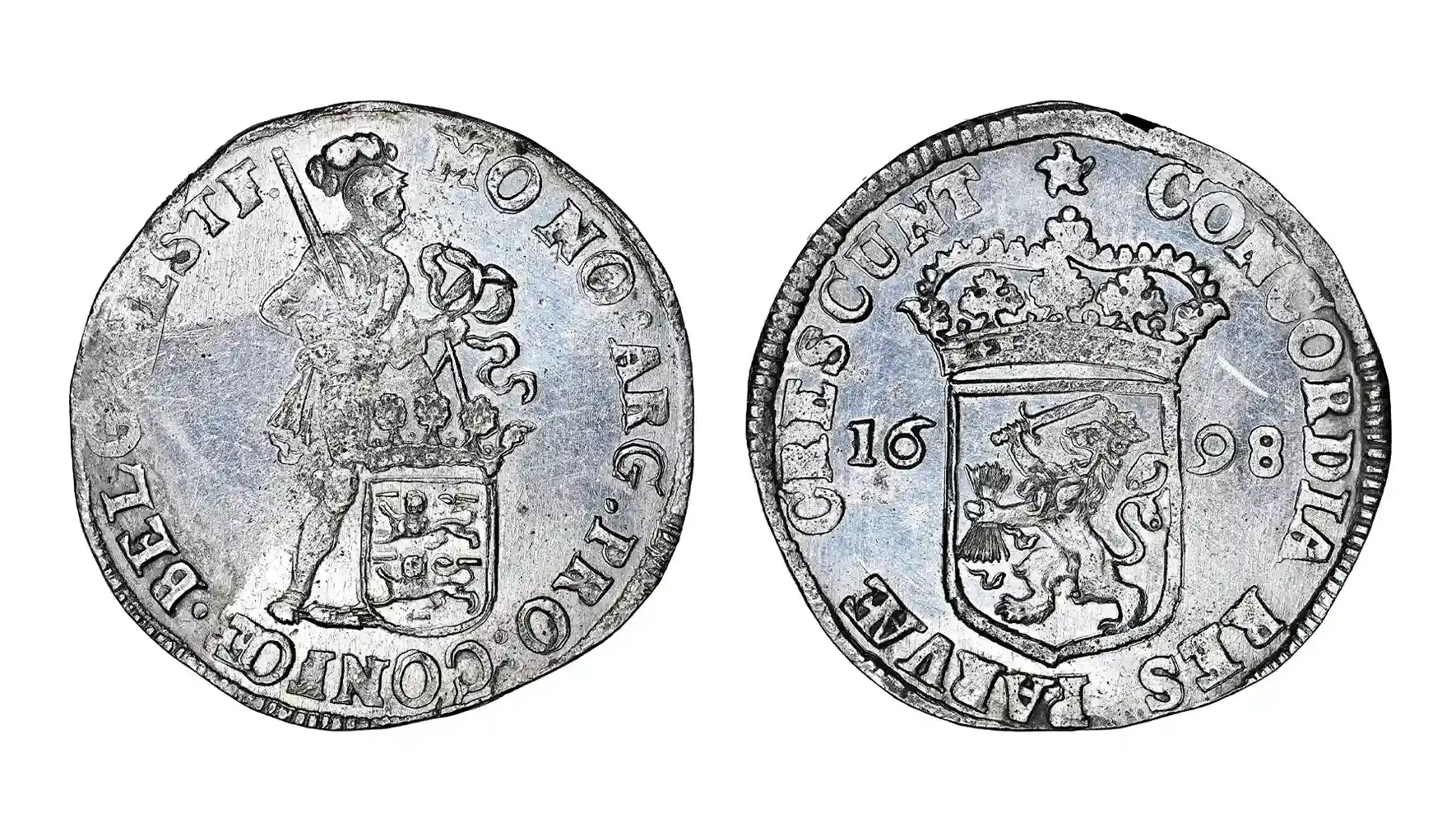
The silver ducat series (40 mm, 28.08 g) is one of the most stable categories of Netherlands silver coin collecting. These large planchet coins, issued in regions like Holland, Zeeland, Utrecht, Overijssel, and West Friesland, have armored knights and shield designs.
Patterns Under Louis Napoleon
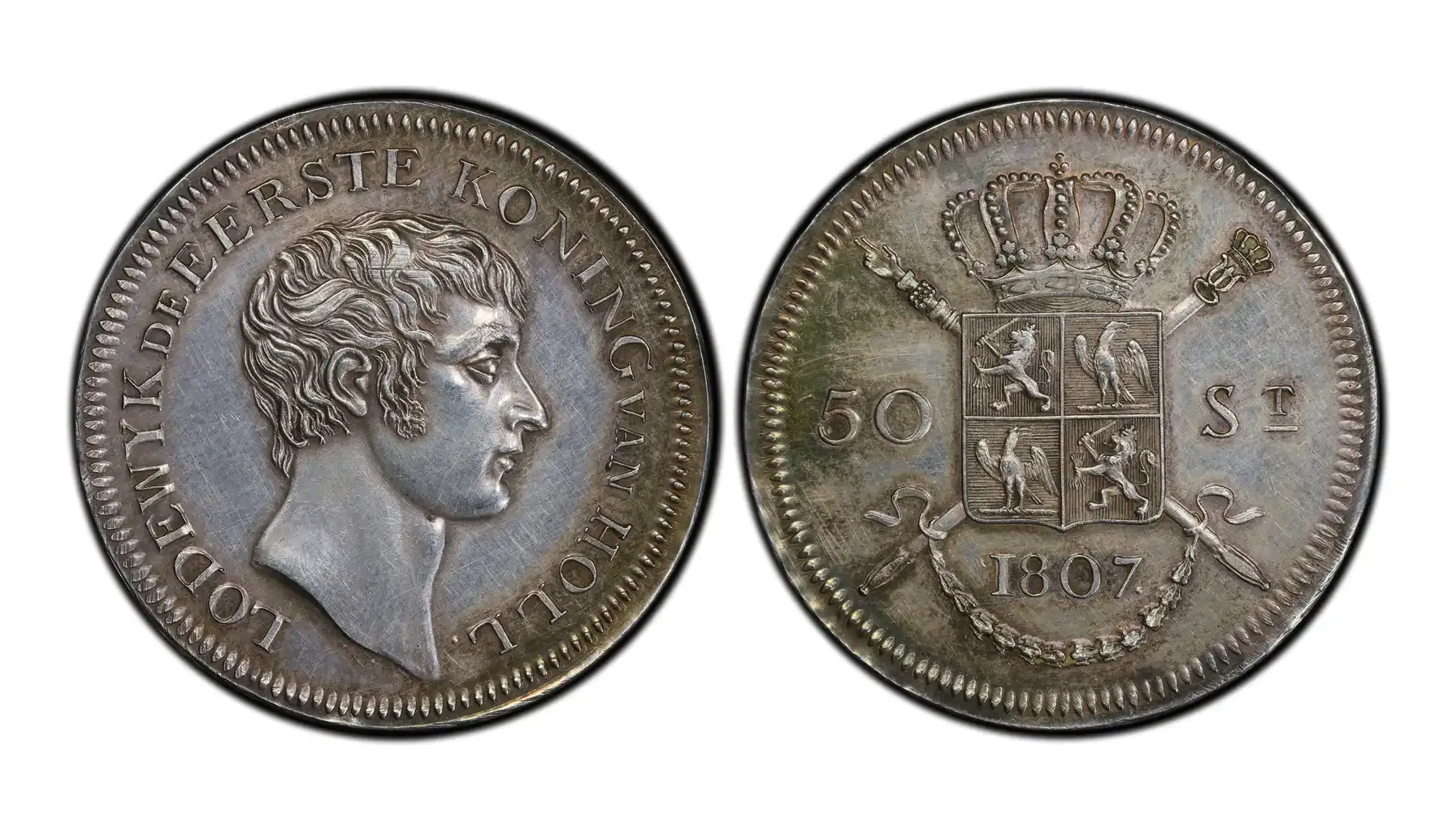
Patterns form the upper tier of the Dutch coin price today market:
50 Stuivers (Pattern): Gold, 49.98 g
50 Stuivers (Pattern): Silver, 26.348 g
2½ Gulden Pattern: Gold, 34.89 g or 37 g
High-Value Examples:
Category | Example Evidence | Typical Price Range |
Mid-grade silver Batavian Republic ducats | Auction results ~ AU/XF silver ducats | ~$200–$500 |
High-grade Batavian Republic gulden | AU55 / EF auction results | ~$800–$2,500+ |
Gold & rare pieces | Gold ducat auction sales/pattern examples | ~$3,000–$10,000+ (with high-end outliers much higher) |
These values are consistent across auction houses that specialize in Dutch coins, including very fine to mint-state examples.

 Facebook
  X (Twitter)
  Pinterest
  LinkedIn