Contents:
Game worlds, tabletop systems, and various collectible projects have used their own value tokens for years, so the fantasy coin idea keeps growing. These pieces add atmosphere, shape the look of a setting, and sometimes even turn into collectibles themselves.
And if you need to match an unusual specimen with something already catalogued, a coin identifier online makes it easier to tell stylized designs from real issues.
What Are Fantasy Coins?
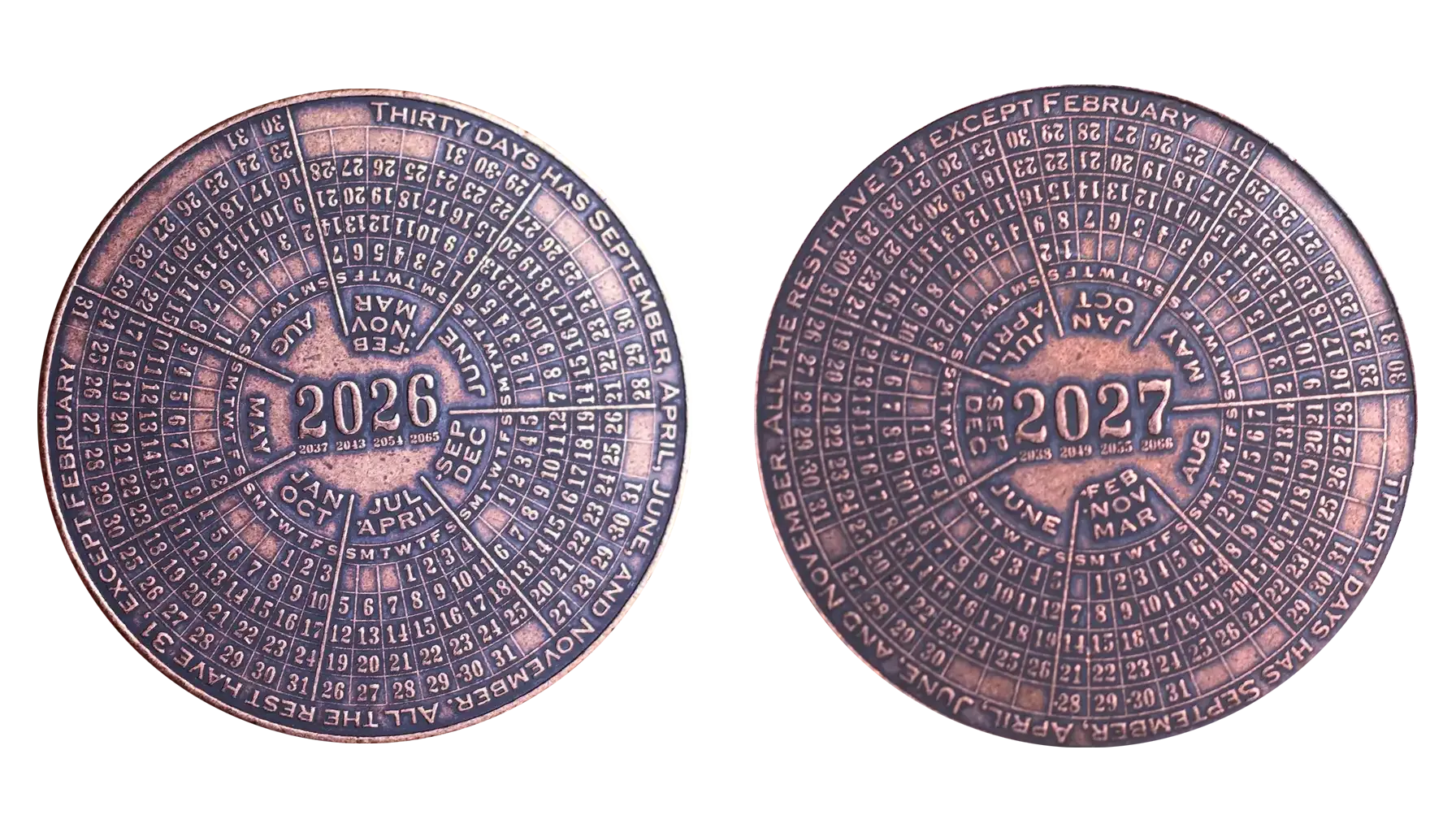
Metal fantasy coins are pieces created for games, themed settings, souvenir collections, or art projects. They are not legal tender, but are created according to the same principles as circulating metal pieces.
Within the collector world, these specimens stand out. They are commissioned for role-playing games, designer sets, gift sets, and projects involving fictional currencies.
In some cases, there are series inspired by real-world currency systems—for example, Disney Dollar-style designs, but crafted in metal.
Types of Fantasy Coins (Gold, Silver, Metal Alloys)
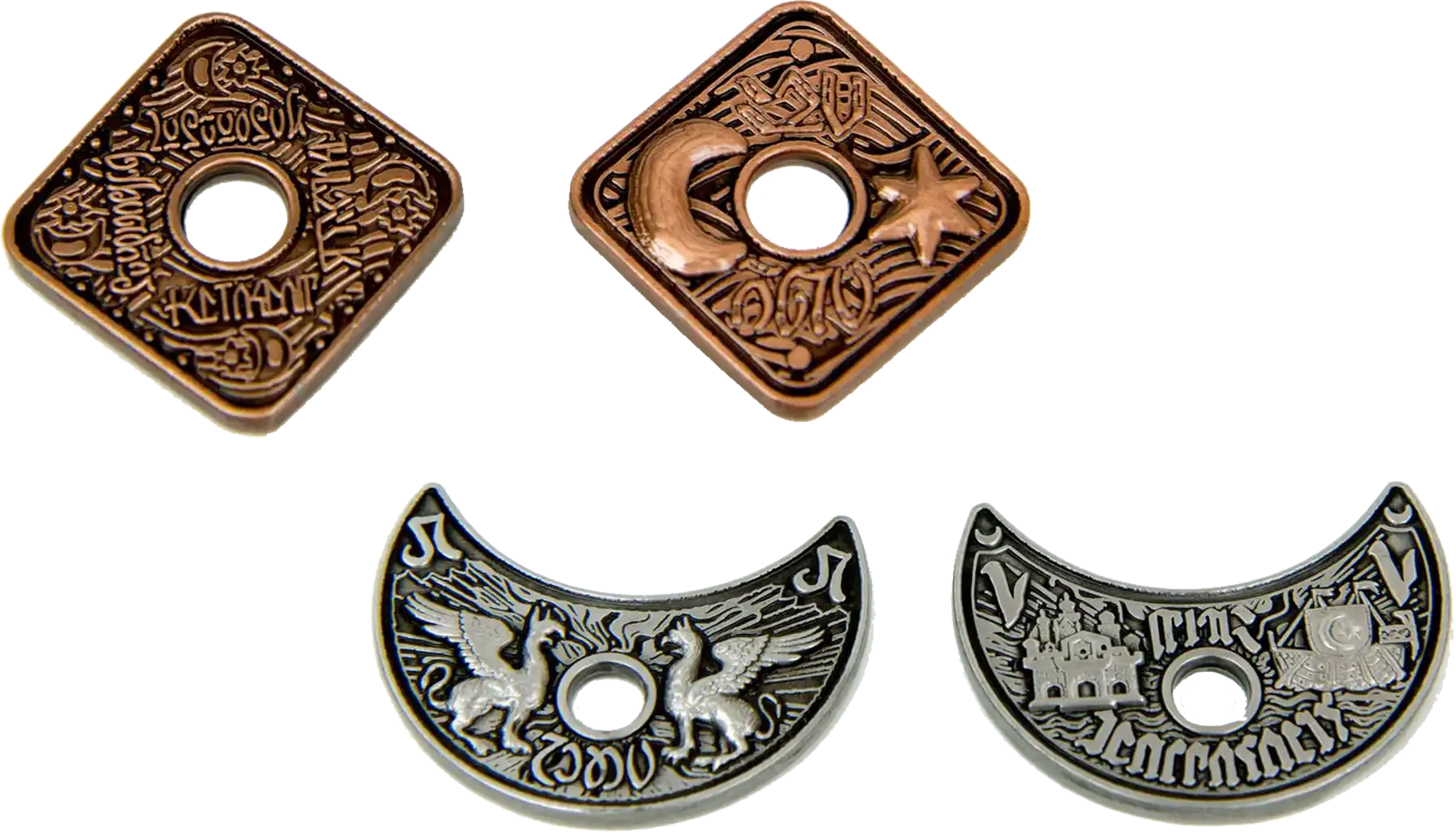
Makers use different materials based on how the token will be used and what price range it should fall into. Because the segment is broad, finding a piece that suits a collection or a game setup isn’t difficult.
Non-ferrous metal coins:
The biggest group covers brass, copper, zinc, and bronze pieces. They’re sturdy, look good on the table, and handle constant gameplay without wearing down fast.
Silver and premium editions:
Some manufacturers produce limited editions styled after a fantasy silver coin, emphasizing the engraving and surface finish. These pieces are more collectible and usually come with a certificate.
Exclusive variants of the gold coin fantasy:
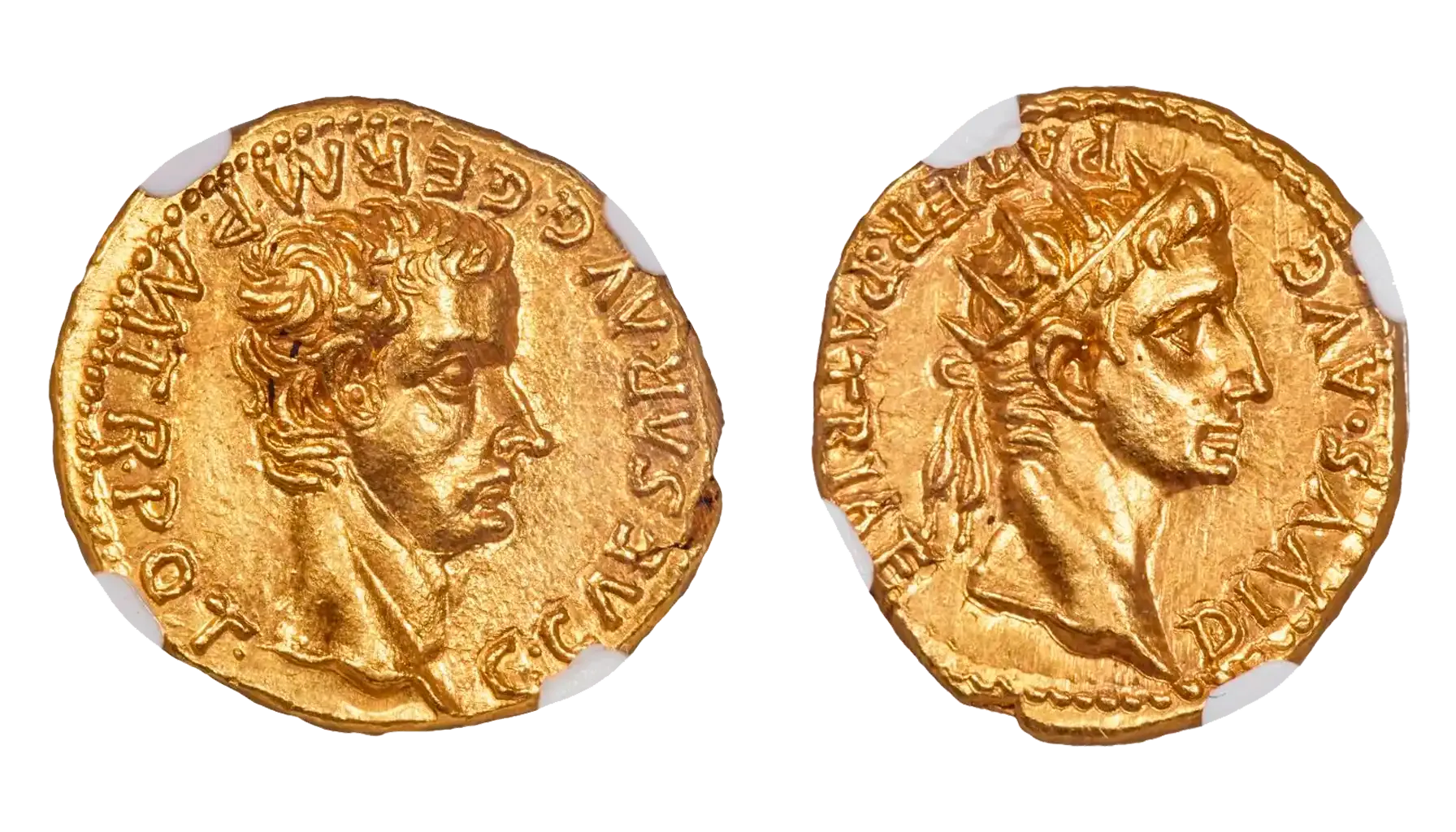
Special editions may be marketed as a fantasy gold coin, although they are often physically made of gold-plated brass. The main value here lies in the artistic concept and the scale of the issue.
Combined materials:
There are sets that combine metal and enamel, niello, etching, or inlays. These combinations make fantasy coins metal an element of artistic composition.
Main materials and their features:
Material | Advantages | Best Use |
Brass | Wear-resistant, strong relief | Board games, mass sets |
Bronze | Deep tone, durability | Collectible editions |
Aluminum | Lightweight, low cost | Large gaming batches |
Gold-plated alloys | Premium appearance | Gift sets |
Stainless steel | High strength | Heavy/active use |
Fantasy Coin Designs and Artistic Styles
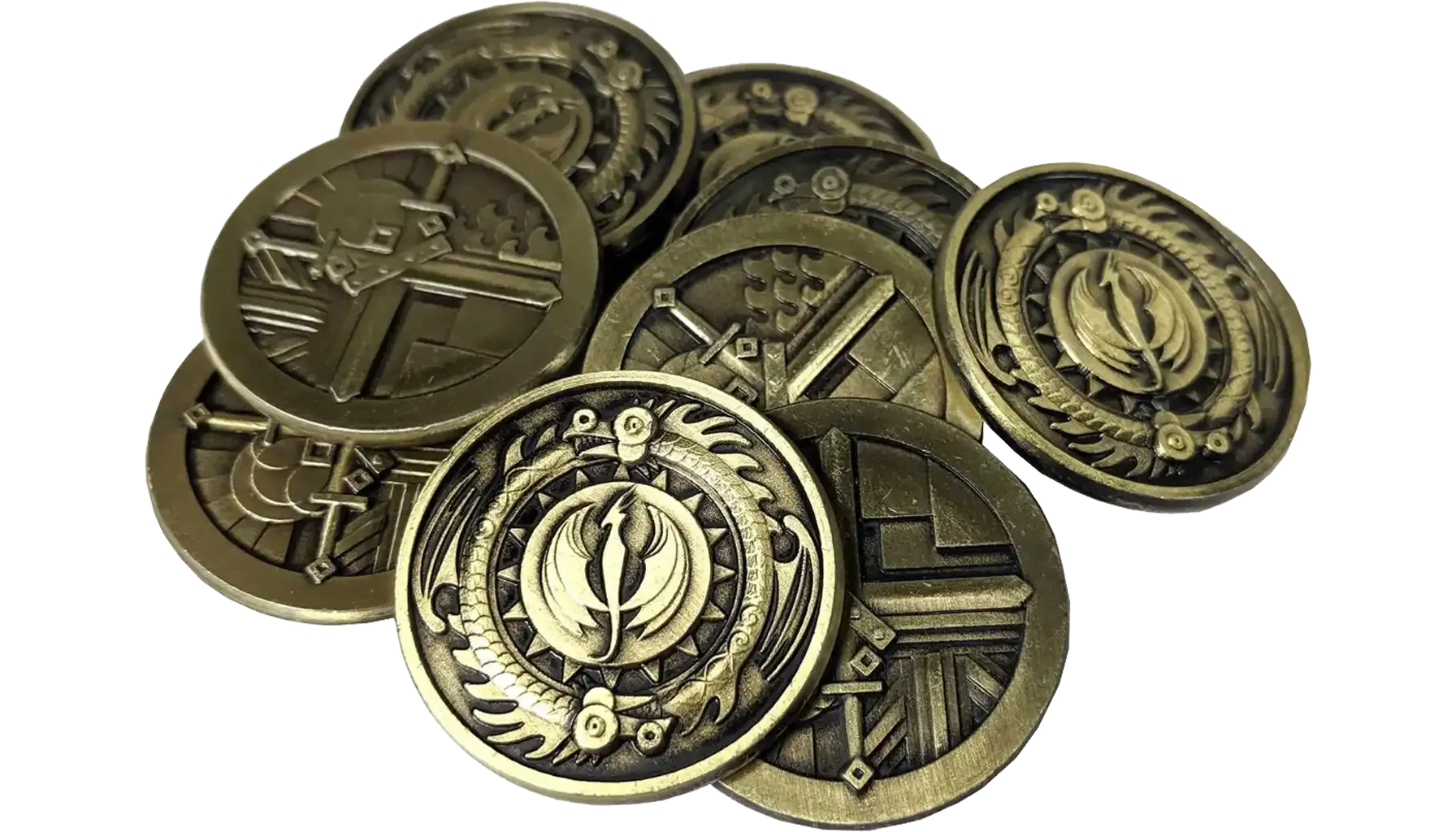
Artistic excellence is a key part of the industry. Designers use a variety of methods.
If you want to compare gold coins fantasy with real specimens or ensure that you're not looking at a stylized replica of a circulating unit, try the Coin ID Scanner app.
Popular design trends:
Runic symbols and fonts;
Images of kingdoms, guilds, and in-game currencies;
Elements of animals and legendary creatures;
Portraits of fictional rulers;
Stylized heraldic structures.
Many collectors build their collections by theme, paying attention to detail and rarity. Some series feature unique fantasy coin names, making the issue a standalone subject of study. And manufacturers classify expanded art sets as fantasy coin art pieces, emphasizing their unique approach.
How to Choose Quality Fantasy Metal Coins
Any collection requires a thoughtful approach, especially when it comes to metal gaming tokens. Low-quality pieces lose their appearance, and large series sometimes have stamping defects.
Key Evaluation Criteria
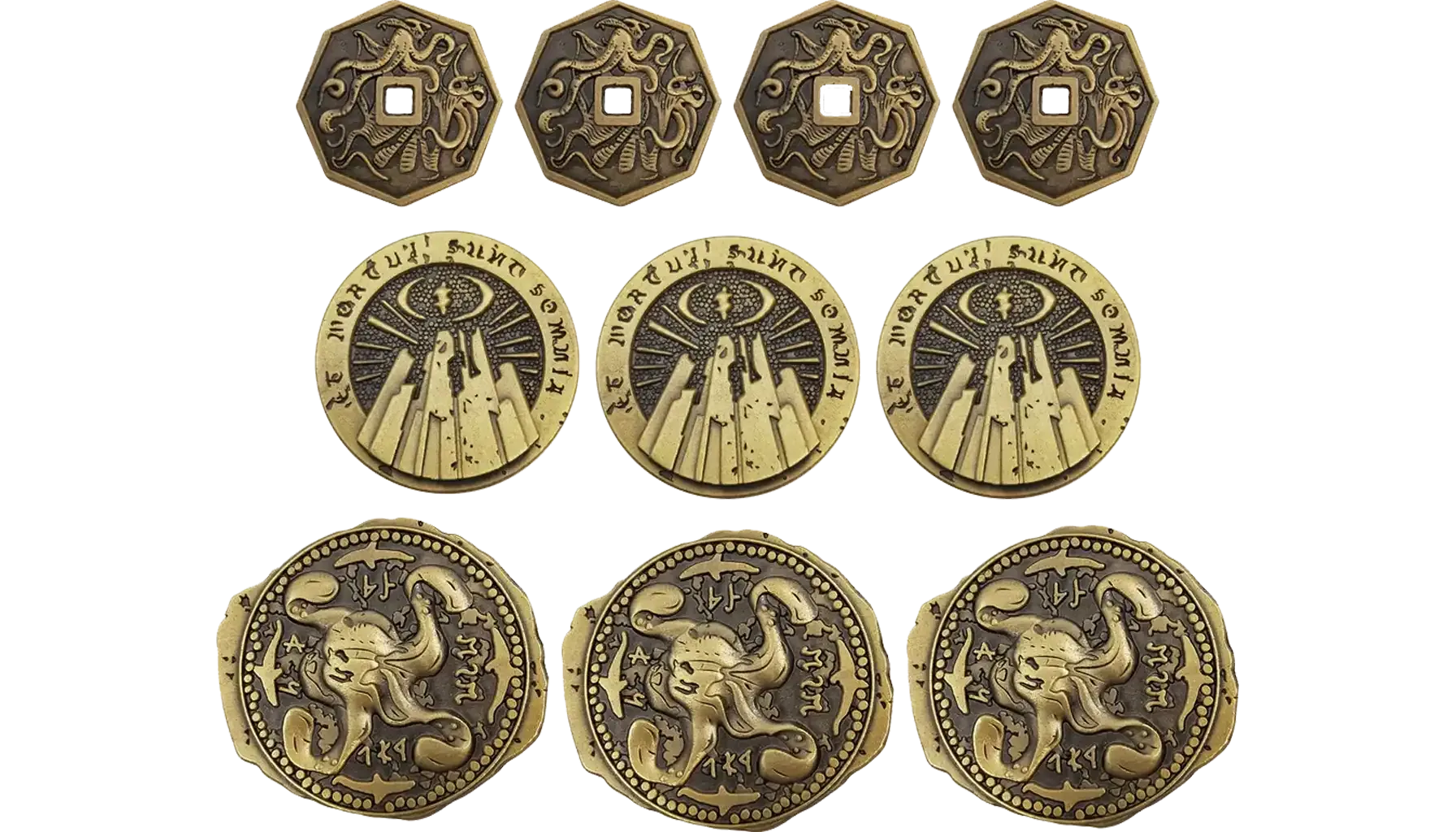
Metal and manufacturing process.
The density, thickness, and alloy quality all affect how long a token holds up. Higher-end sets usually rely on brass, copper, or plated materials to get better durability. Some series feature designs resembling fantasy gold coins, where it's important to give the piece the look of a valuable artifact.
Minting quality.
Consider:
Clarity of detail;
Uniformity of relief;
Absence of shifts and breaks in the die.
Professional hobby sites recommend using coin analyzers, which help assess strike depth and metal density.
“The most important aspects to take into consideration when determining whether a coin is real or not: composition, color, shape, and weight.”
— Jeffrey Brown
From the analysis of counterfeits in the academic work "Counterfeit Coins"
Design and Compatibility.
The shapes, images, and font choice should be consistent with the setting in which the specimen will be used. This is especially important for sets, where the design sets the style of the entire gaming system.
Official packaging and accompanying materials.
Some authors include booklets or cards with their releases. This helps immediately distinguish a high-quality professional product from mass-produced items. When in doubt, numismatists often check against PCGS-certified samples.

 Facebook
  X (Twitter)
  Pinterest
  LinkedIn