Contents:
The Royal Australian Mint is in Canberra’s quiet suburb of Deakin. Since opening in 1965, the Mint produced every circulating coin in the country, even the first one in 1966, and yes, even today’s modern commemoratives.
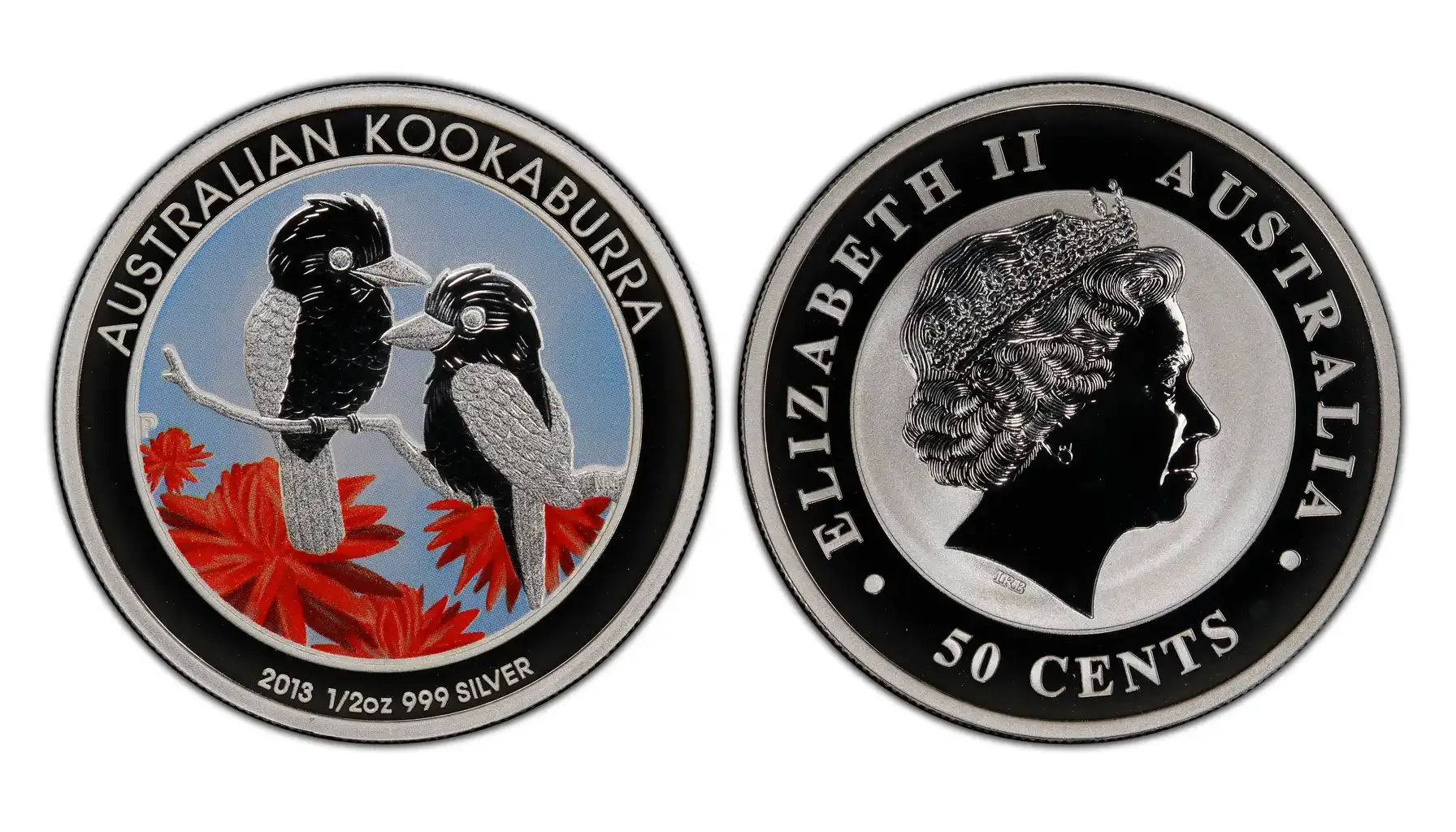
Royal Australian Mint has rare designs, advanced techniques, and limited-edition releases. What else would you need for a perfect collection?
The History of the Royal Australian Mint
Milestone | Year | Details |
Planning for the new Mint | 1959 | Proposal to relocate from Melbourne to Canberra |
Official opening | 1965 | Opened by Prince Philip, Duke of Edinburgh |
Introduction of decimal currency | 1966 | Mint produces Australia’s first decimal currency |
Melbourne Mint closure | 1967 | Canberra assumes main production role |
Facility renovation | 1984–1986 | Expansion for collector demand |
Major refurbishment | 2006–2009 | Addition of robotic minting and modern visitor areas |
First hologram coin issued | 2001 | Commemorating 100 years of Federation |
Before the Royal Mint, Australian coins were struck at older facilities like the Sydney, Melbourne, and Perth Mints. They are all branches of the British Royal Mint. The Canberra location was the first one in Australia, fully independent of the UK.
Construction began in 1959, and the Perth and Melbourne operations helped during the transition period until the new site was ready. The building’s design was the work of architect Richard Ure, and it was officially opened by Prince Philip, Duke of Edinburgh, in 1965.
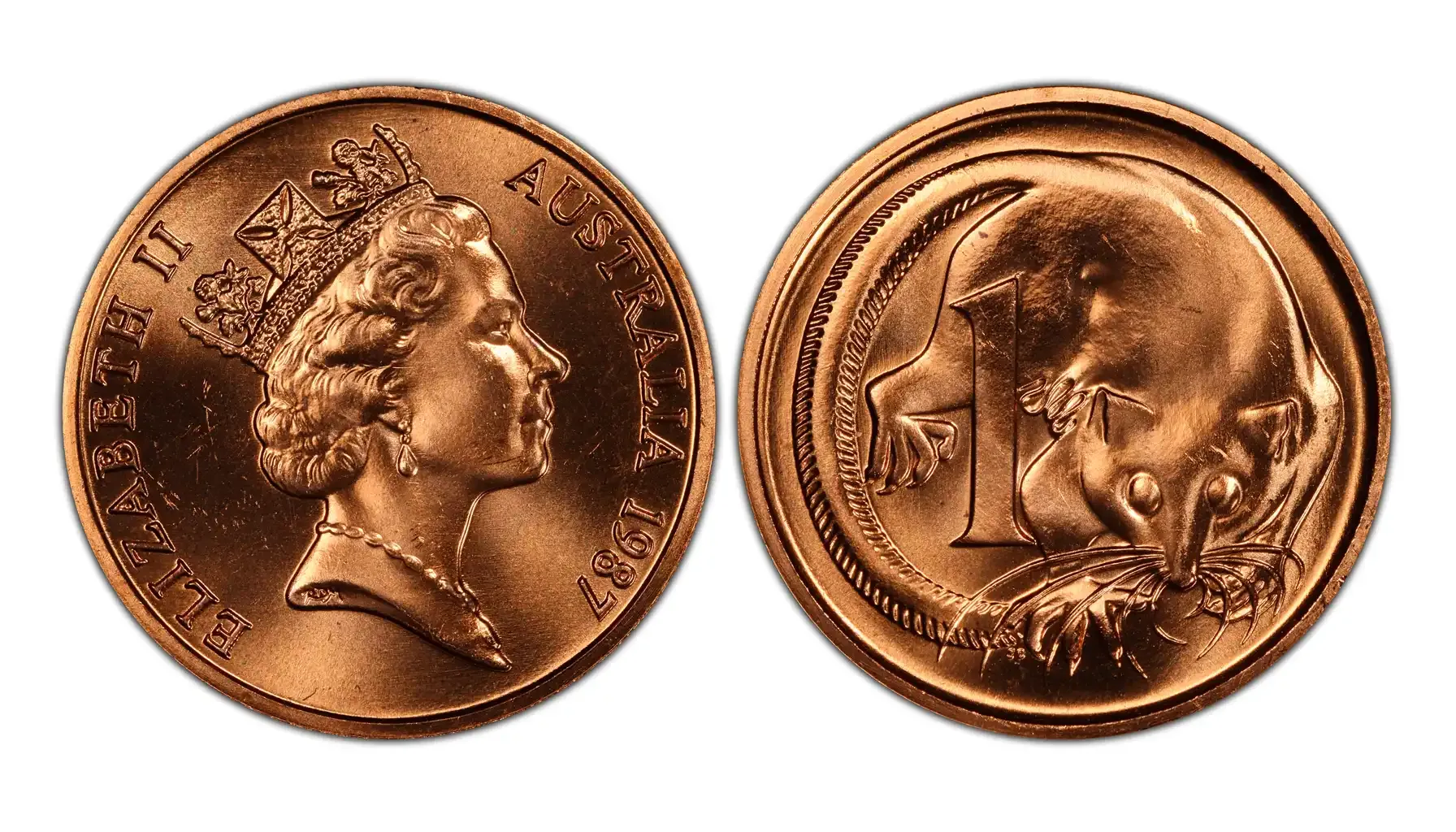
On a normal workday, the establishment can produce around two million coins: 5, 10, 100 cents and so on. The automated robots from there are so popular that they actually have names like “Titan,” “Robbie,” and “Titan Junior”, and they work tirelessly, moving trays of coins between machines.
It has produced over 15 billion coins and special issues for foreign nations such as New Zealand, Fiji, and Papua New Guinea. It also strikes medals for the Order of Australia and other national honors.
The Royal Australian Mint Rare Coin Warning
Scammers sometimes advertise common circulation coins as “rare errors” or “withdrawn issues.” The Australian Royal Mint urges buyers to verify information directly through official channels or reputable dealers.
The safest way to confirm its authenticity is through the published data or independent grading services. Genuine rarity, like early decimal errors or limited-issue commemoratives, always has a traceable history.
And for contemporary ones, mistakes are pretty rare (because of more precise equipment). If they are rare, the value would be way too much higher than you would see on Amazon. In 2000, a batch of $1 left the place of creation with the wrong obverse die, the 10-cent Queen’s head instead of the $1 die. These “mule coins” are now worth thousands of dollars each to collectors.
Bluey Coins and the Royal Australian Mint
One of the most talked-about releases in recent years has been the Bluey coins. It is a collaboration with Bluey, Australia’s animated series. Family-themed dollars include:
Bluey
Bingo
Mum
Dad
Nana
Muffin
Socks and more
The project helped introduce a new generation to collecting. Many of these coins appeared in circulation through partnerships with Australia Post, and limited-edition sets were sold directly to the public.
Each release was available through Australia Post and selected retailers, and many Australians even found them in their regular change. They are also in a 10-piece collector set, complete with a chance to find a special coloured Bluey hidden inside one in ten sets.
Visiting the Royal Australian Mint
The building itself, opened in 1965 and refurbished in 2009, is where you can watch robots lift trays of blanks, press coins in real time, and even make their own legal tender coin on-site.
The viewing galleries display rare pieces, prototypes, and medal designs from the long history. There’s also a shop offering commemorative releases and educational exhibits explaining how money evolves from design sketches to circulation.
Visitors can press a $1 right on the factory floor using the same kind of press used for national currency, a legal tender souvenir you can actually spend (though few people ever do).

 Facebook
  X (Twitter)
  Pinterest
  LinkedIn